Key takeaways
- Traditional SEO tools (Ahrefs, Semrush, Moz) remain essential for Google rankings but can't track AI citations -- you need a separate layer for that.
- Reddit has become a major influence channel: AI models like ChatGPT and Perplexity frequently cite Reddit threads, making community conversations a direct ranking signal.
- GEO (Generative Engine Optimization) platforms track and improve your visibility in AI-generated answers -- a channel that's growing faster than any other right now.
- The most effective 2026 SEO stack layers all three: keyword research, Reddit/community intelligence, and AI visibility tracking with content optimization.
- Splitting your budget across specialized tools beats trying to find one tool that does everything adequately.
The SEO stack has gotten complicated. Two years ago, you ran Ahrefs or Semrush, maybe added a content optimization tool, and called it done. Now there's a whole new category of platforms tracking whether ChatGPT mentions your brand, Reddit threads are showing up in AI-generated answers, and the phrase "GEO" has gone from niche jargon to something your CMO is asking about in quarterly reviews.
So what actually belongs in your stack right now? And how do these pieces fit together without creating a bloated, overlapping mess of subscriptions?
This guide walks through the three layers of the modern SEO stack -- traditional keyword tools, Reddit/community intelligence, and GEO platforms -- and explains how they connect.
Why the stack split happened
For most of the 2010s, "SEO tool" meant one thing: something that tracked Google rankings, found keywords, and analyzed backlinks. That was the whole game.
Then two things happened almost simultaneously. First, Reddit exploded in Google's search results. Google's deal with Reddit gave the platform preferential treatment, and suddenly community discussions were outranking brand pages for product queries, comparison searches, and "best X" questions. Second, AI search engines arrived at scale. ChatGPT, Perplexity, Claude, and Google's own AI Overviews started answering questions directly -- and they pull from a completely different set of sources than traditional Google rankings.
The result: your traditional SEO tool is now tracking one channel out of three. It sees your Google rankings. It doesn't see whether Perplexity is citing a competitor's blog post instead of yours, or whether a Reddit thread is shaping what ChatGPT recommends in your category.
As Search Engine Land noted in their 2026 GEO guide, traditional SEO tools don't track AI citations because they can't -- they'd need to query AI engines directly and analyze the responses, which is a fundamentally different technical approach.
That's why the stack split. Not because traditional tools got worse, but because the search landscape grew around them.
Layer 1: Traditional keyword tools (still essential, just not sufficient)
Let's be clear: Ahrefs, Semrush, and Moz aren't going anywhere. Google still drives enormous traffic. Backlinks still matter. Technical SEO still matters. The fundamentals haven't evaporated.
What these tools do well in 2026:
- Keyword research and search volume data for Google
- Backlink analysis and domain authority tracking
- Technical site audits (crawl errors, Core Web Vitals, indexing issues)
- Competitor gap analysis for traditional search
- Rank tracking across Google and Bing
Semrush remains the most comprehensive all-in-one option for teams that want keyword research, content tools, and competitor analysis under one roof.
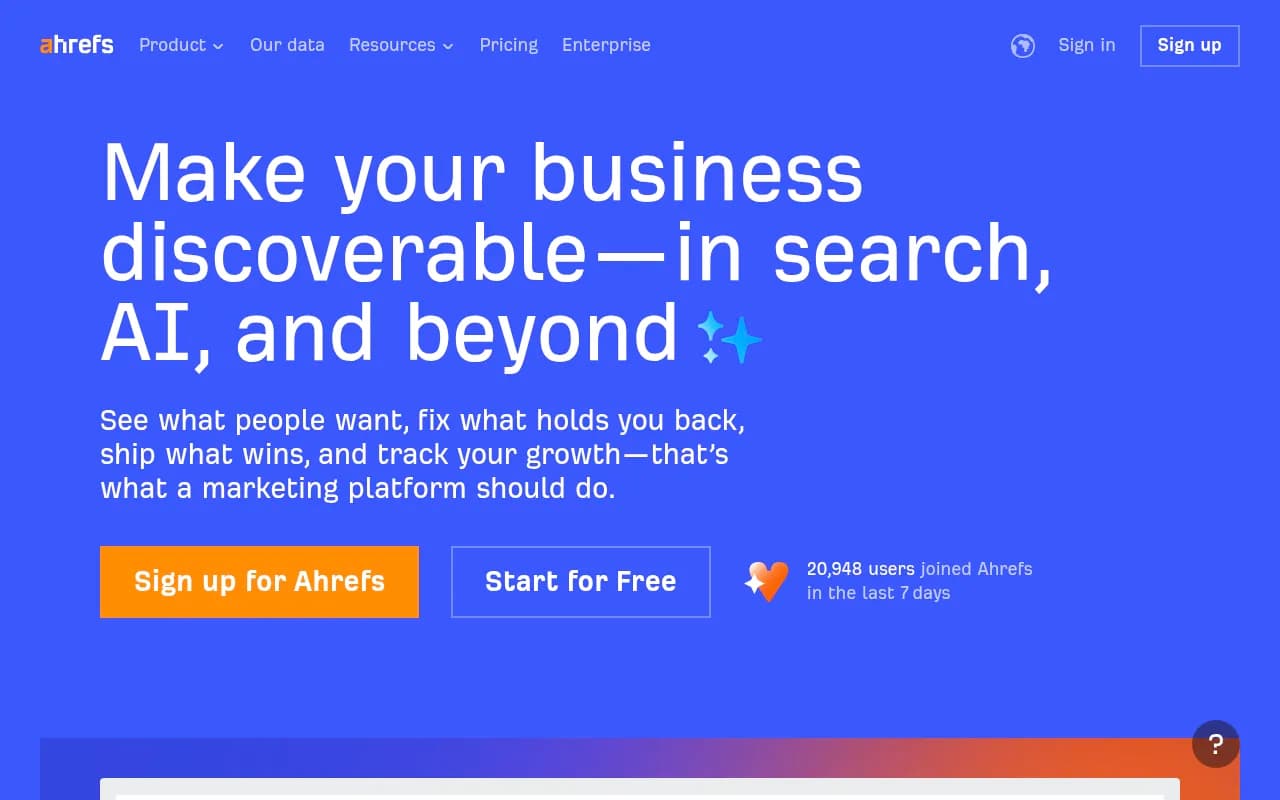
Ahrefs is still the go-to for backlink analysis and keyword difficulty scoring. Their Brand Radar feature has made some moves into AI visibility tracking, though it uses fixed prompts rather than custom ones -- which limits how useful it is for specific brand monitoring.
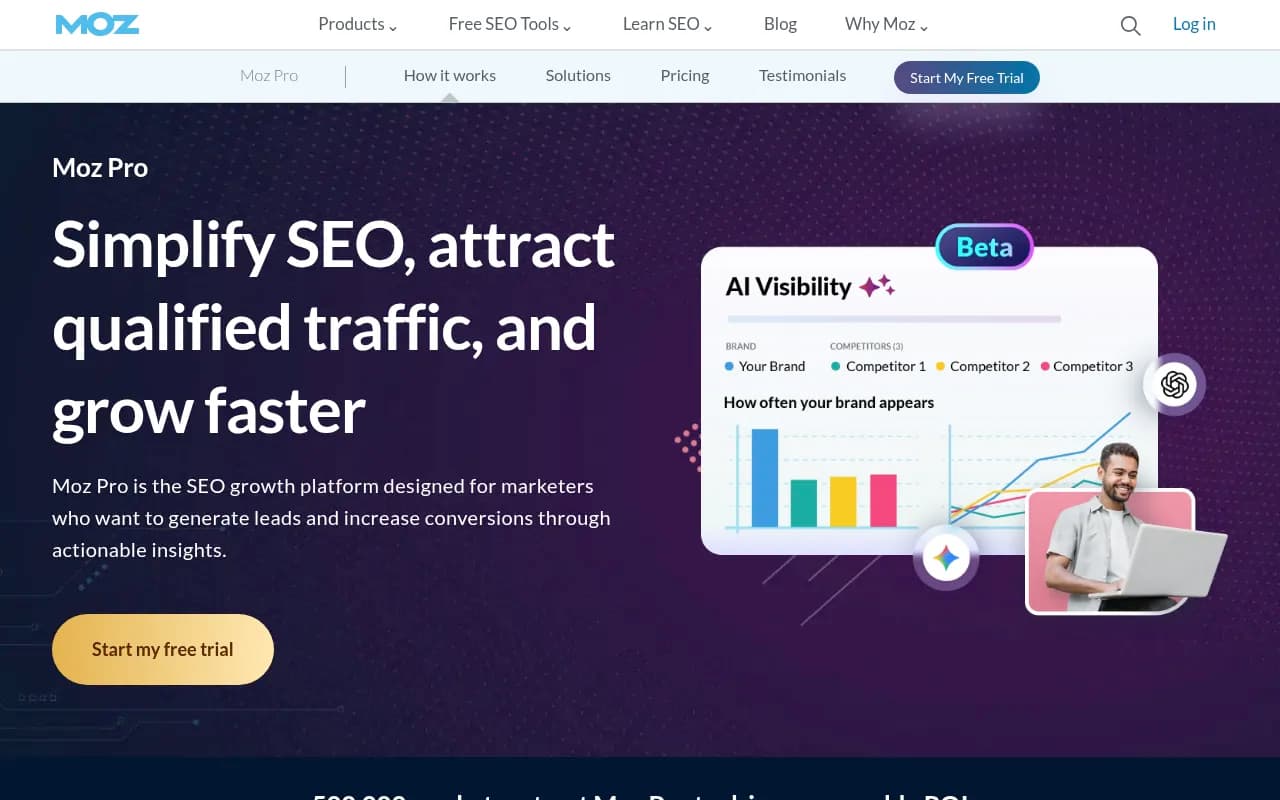
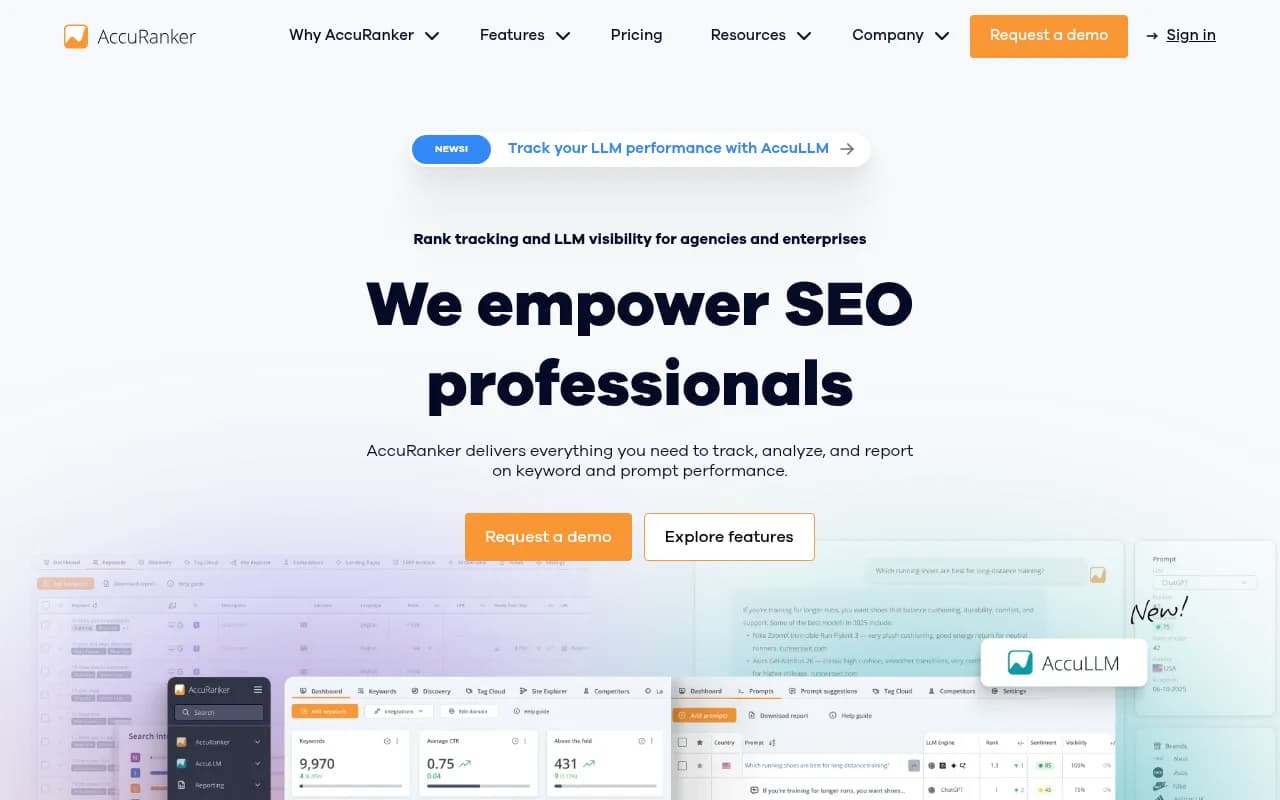
For teams that want solid rank tracking without the enterprise price tag, tools like Moz Pro and AccuRanker handle the fundamentals well.
The honest assessment: these tools are necessary but no longer sufficient. They're the foundation, not the full stack.
Layer 2: Reddit and community intelligence
This is the layer most SEO teams are still underinvesting in, and it's becoming a real competitive gap.
Here's why Reddit matters so much right now. When someone asks ChatGPT "what's the best project management tool for remote teams," the AI doesn't just pull from brand websites. It pulls from discussions, reviews, and community recommendations -- and Reddit threads are heavily represented in those training datasets and live citations. Perplexity, in particular, cites Reddit frequently in its answers.
The implication: if your brand isn't being discussed positively in Reddit communities relevant to your category, you're missing a citation source that AI models actively use. This isn't theoretical -- it's showing up in GEO data.
What Reddit tracking actually involves
Reddit intelligence for SEO/GEO purposes means a few different things:
- Monitoring which subreddits discuss your category and what questions people ask
- Tracking whether your brand gets mentioned (and how) in relevant threads
- Finding the specific discussions that AI models are citing in their answers
- Identifying content gaps: questions your audience asks on Reddit that your website doesn't answer
Tools like BuzzSumo surface Reddit content alongside broader content research, which is useful for finding trending discussions in your niche.
Brand24 monitors mentions across Reddit and other platforms in real time, which helps you catch relevant conversations before they get picked up by AI models.
For deeper Reddit-specific keyword research, Exploding Topics has documented several specialized tools that surface Reddit discussions as keyword sources -- useful for finding the exact language your audience uses before you optimize for it.
How Reddit connects to GEO
This is the part that most teams miss. Reddit doesn't just affect your traditional SEO. It's a direct input into what AI models recommend.
When Promptwatch analyzes which sources AI engines cite in their responses, Reddit threads appear regularly alongside brand pages and editorial content. If you know which Reddit discussions are influencing AI recommendations in your category, you can:
- Participate authentically in those communities
- Create content on your own site that addresses the same questions more thoroughly
- Track whether your content starts getting cited instead of (or alongside) the Reddit thread

That connection -- Reddit discussions feeding AI citations -- is why community intelligence belongs in the same stack as your GEO platform, not siloed off as a separate "social listening" exercise.
Layer 3: GEO platforms (the new requirement)
GEO platforms are the newest layer and the one with the most variation in quality right now. The category is still shaking out.
At their core, GEO platforms do something traditional tools can't: they query AI engines directly, analyze the responses, and tell you whether your brand appears, how often, and in what context. That's the monitoring side.
The better platforms go further. They help you understand why you're not appearing and give you tools to fix it.
What to look for in a GEO platform
The monitoring-vs-optimization distinction matters a lot here. Many platforms in this category are essentially dashboards: they show you a visibility score, list which prompts you appear in, and leave you to figure out what to do next. That's useful data, but it doesn't move the needle on its own.
The more useful platforms close the loop: they show you the gap, help you create content to fill it, and then track whether that content starts getting cited.
Key capabilities worth evaluating:
- Which AI models are tracked (ChatGPT, Perplexity, Claude, Gemini, Grok, etc.)
- Whether you can set custom prompts or are limited to fixed ones
- Prompt volume and difficulty scoring (so you prioritize winnable opportunities)
- Content gap analysis (which prompts are competitors visible for that you're not)
- Built-in content generation or optimization tools
- AI crawler logs (which pages AI bots are actually reading on your site)
- Traffic attribution (connecting AI visibility to actual visits and revenue)
- Reddit and YouTube citation tracking
Here's a quick comparison of the main GEO platforms in 2026:
| Platform | Custom prompts | Content generation | Crawler logs | Reddit tracking | AI models tracked | Best for |
|---|---|---|---|---|---|---|
| Promptwatch | Yes | Yes (AI writing agent) | Yes | Yes | 10+ | Full-stack GEO with optimization |
| Profound | Yes | No | No | No | 6+ | Enterprise monitoring |
| Otterly.AI | Limited | No | No | No | 5 | Budget monitoring |
| Peec.ai | Yes | No | No | No | 5 | Multi-language monitoring |
| AthenaHQ | Yes | No | No | No | 8 | Monitoring-focused |
| Scrunch | Yes | No | No | No | 5 | Mid-market monitoring |
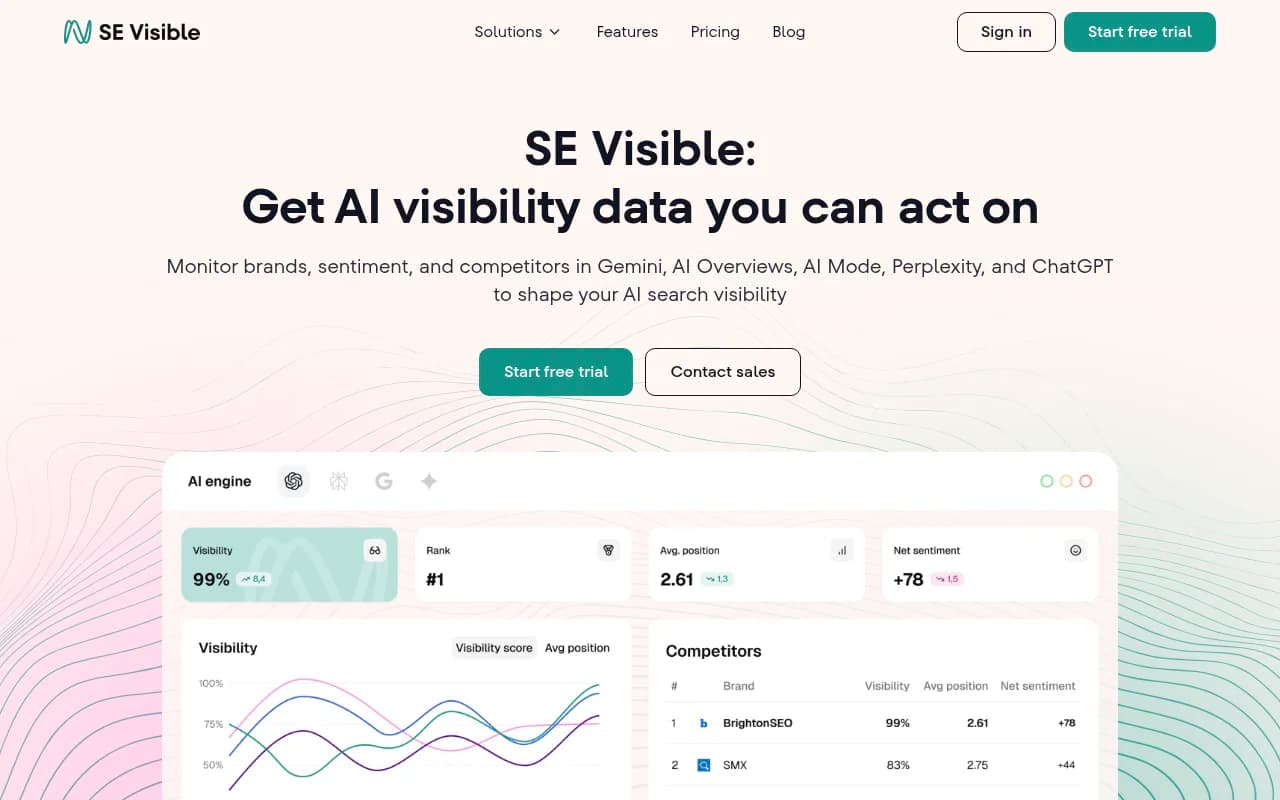
| SE Ranking (SE Visible) | Yes | No | No | No | 5 | SEO teams adding GEO |
| Writesonic | Yes | Yes | No | No | 4 | Content + basic GEO |
Promptwatch stands out because it's built around the full optimization loop rather than just monitoring. The answer gap analysis shows you exactly which prompts competitors rank for that you don't, the built-in AI writing agent generates content grounded in real citation data, and the crawler logs show you which pages AI bots are actually visiting. Most competitors stop at the dashboard.
For enterprise teams with complex multi-brand or multi-region needs, Profound and Evertune are worth evaluating. For agencies managing multiple clients, Promptwatch's agency tier and Otterly.AI's more affordable pricing are both worth considering.
How the three layers work together
The stack isn't three separate workflows -- it's one workflow with three data sources feeding into it.
Here's how it looks in practice:
Step 1: Find the opportunity
Your traditional keyword tool shows you which Google queries your competitors rank for that you don't. Your GEO platform shows you which AI prompts competitors appear in that you don't. Your Reddit monitoring shows you which questions your audience is asking in communities that neither you nor your competitors are answering well on their own sites.
These three gap analyses, run together, give you a much clearer picture of where content investment will actually pay off.
Step 2: Create content that works across channels
Content that ranks in AI search tends to share characteristics with content that ranks well in Google: it's specific, it directly answers questions, it cites credible sources, and it covers a topic more thoroughly than alternatives. The difference is that AI models also weight things like how often a page is cited by other sources, whether the content appears in community discussions, and whether the brand has a consistent presence across multiple authoritative sources.
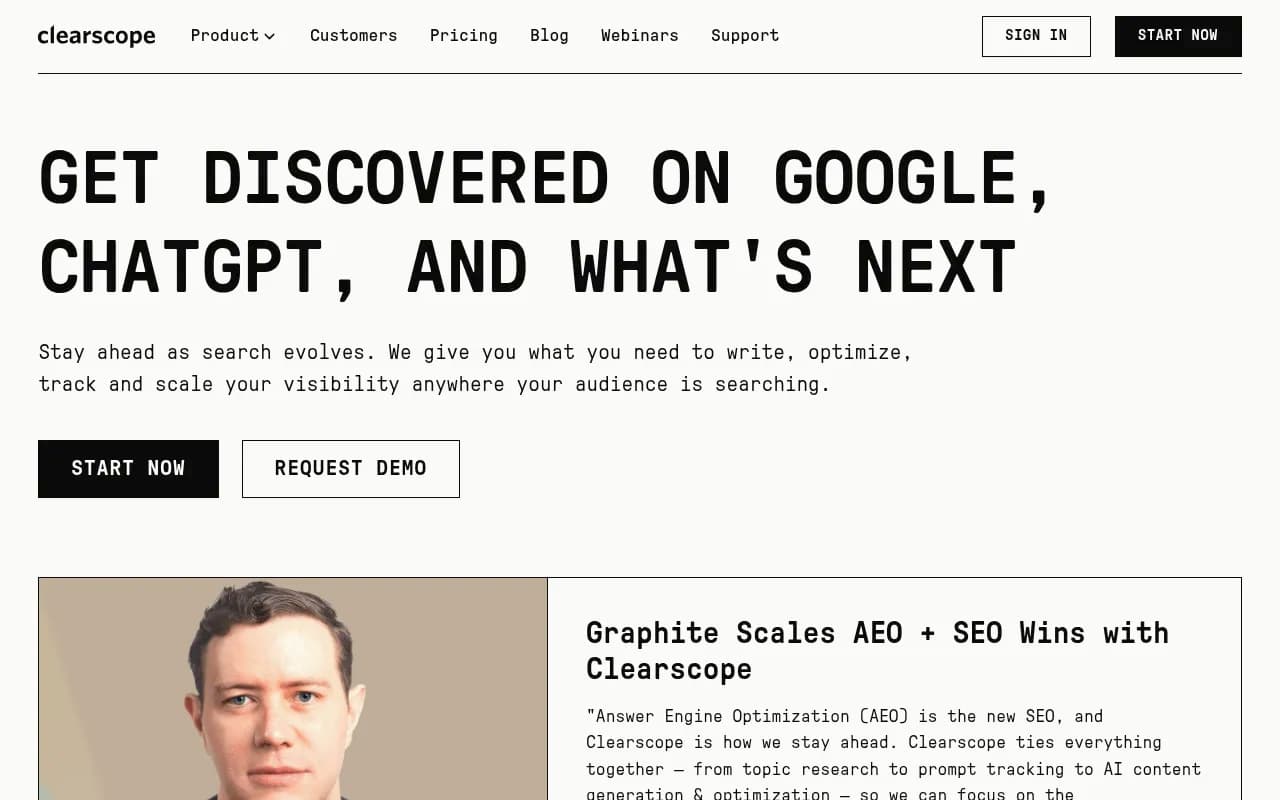
Tools like Surfer SEO and Clearscope help optimize content for Google's NLP signals.
For content specifically engineered to get cited by AI models, Promptwatch's AI writing agent generates articles based on actual citation data -- what sources AI models are currently citing in your category, what angles they're pulling from, and what questions they're trying to answer.
Step 3: Track results across all three channels
This is where most teams drop the ball. They create content, publish it, and then only track Google rankings. They miss whether that content is getting cited by Perplexity, whether it's showing up in ChatGPT's product recommendations, or whether it's being referenced in Reddit discussions.
Closing the loop means tracking:
- Google rankings (traditional tools)
- AI citation frequency and sentiment (GEO platform)
- Reddit mentions and community discussion (brand monitoring)
- Traffic attribution from AI sources (GEO platform with GSC integration or server log analysis)
Practical stack recommendations by team size
Solo marketers and small teams
You probably can't afford to run every layer at full depth. Prioritize:
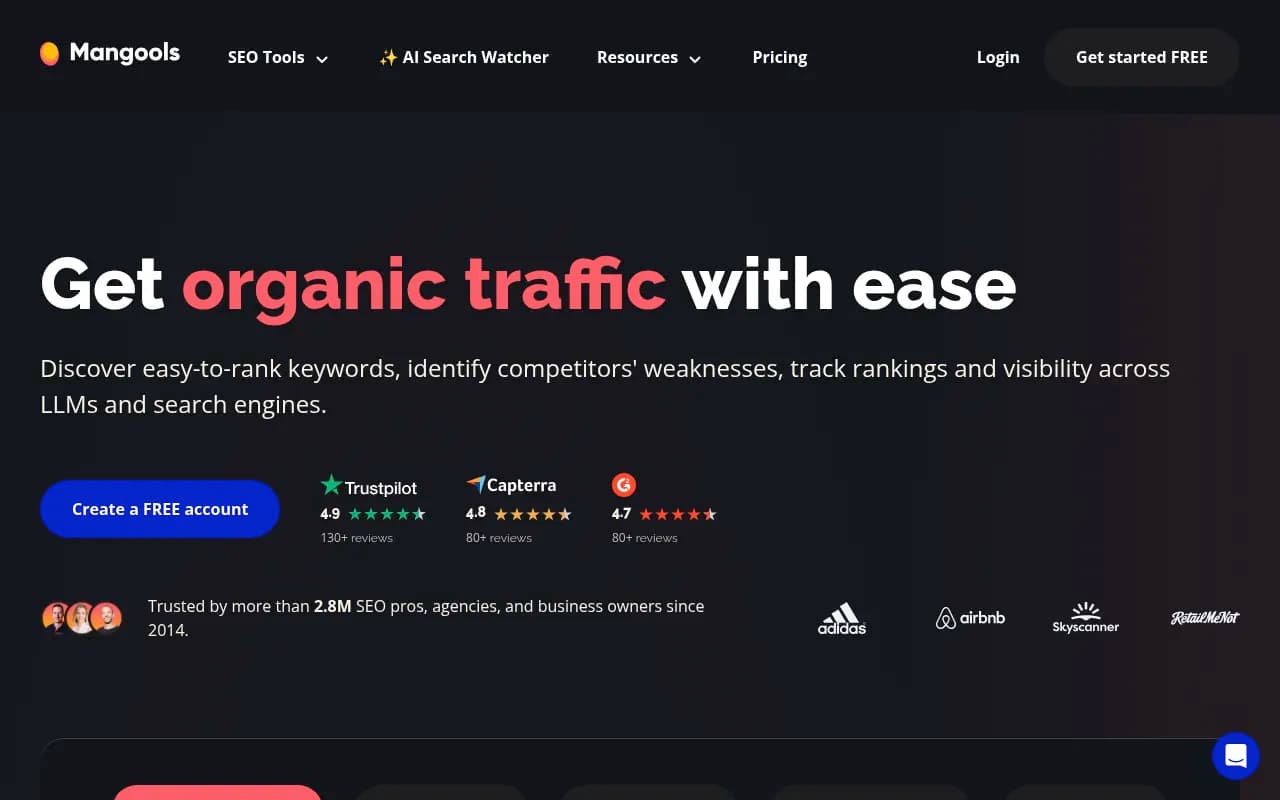
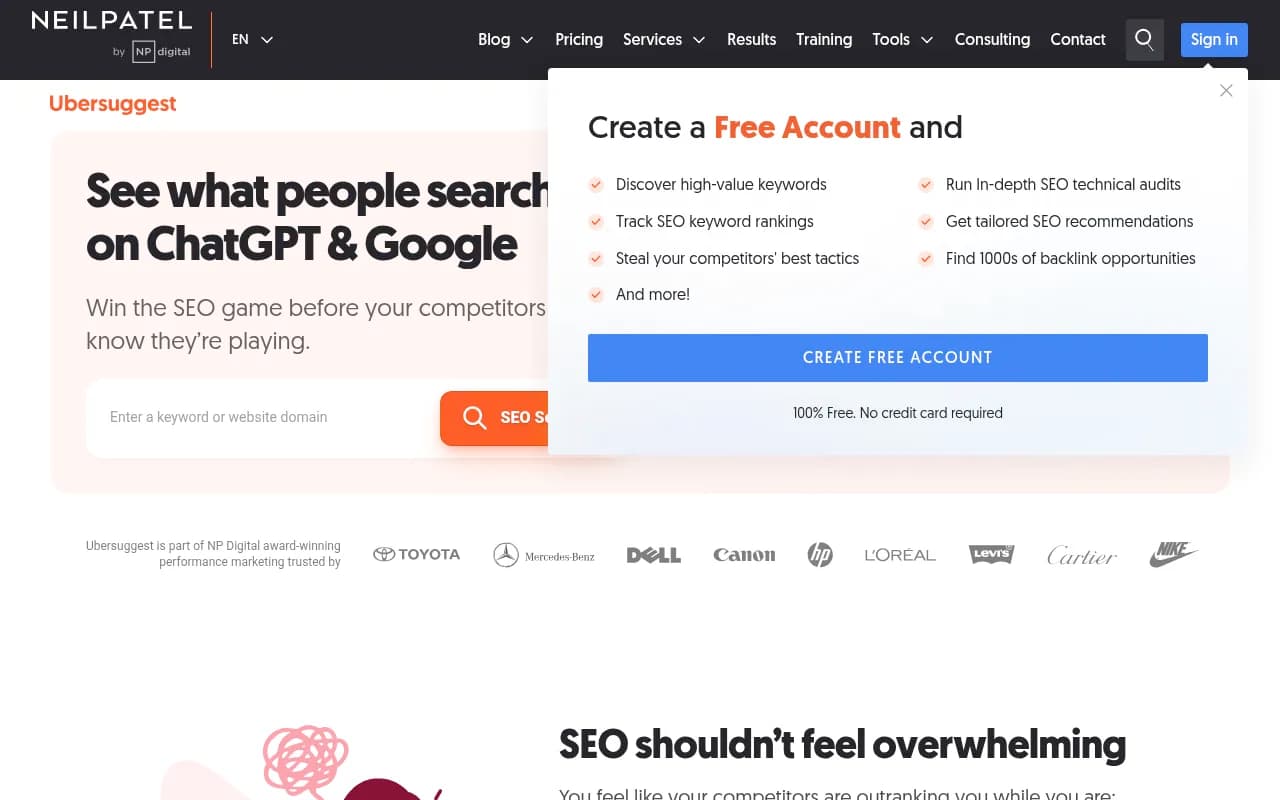
- One traditional SEO tool (Mangools or Ubersuggest if budget is tight, Ahrefs if you can stretch)
- Brand24 for Reddit and social mention monitoring
- A GEO platform at the entry level -- Promptwatch's Essential plan ($99/mo) covers 50 prompts and 5 articles, which is enough to start tracking and optimizing
Mid-size marketing teams
You can run the full stack here. The key is integration:
- Semrush or Ahrefs for traditional SEO
- BuzzSumo or Brand24 for community and Reddit intelligence
- Promptwatch Professional ($249/mo) for GEO tracking with crawler logs and content generation
- Google Search Console for traffic attribution baseline
Agencies
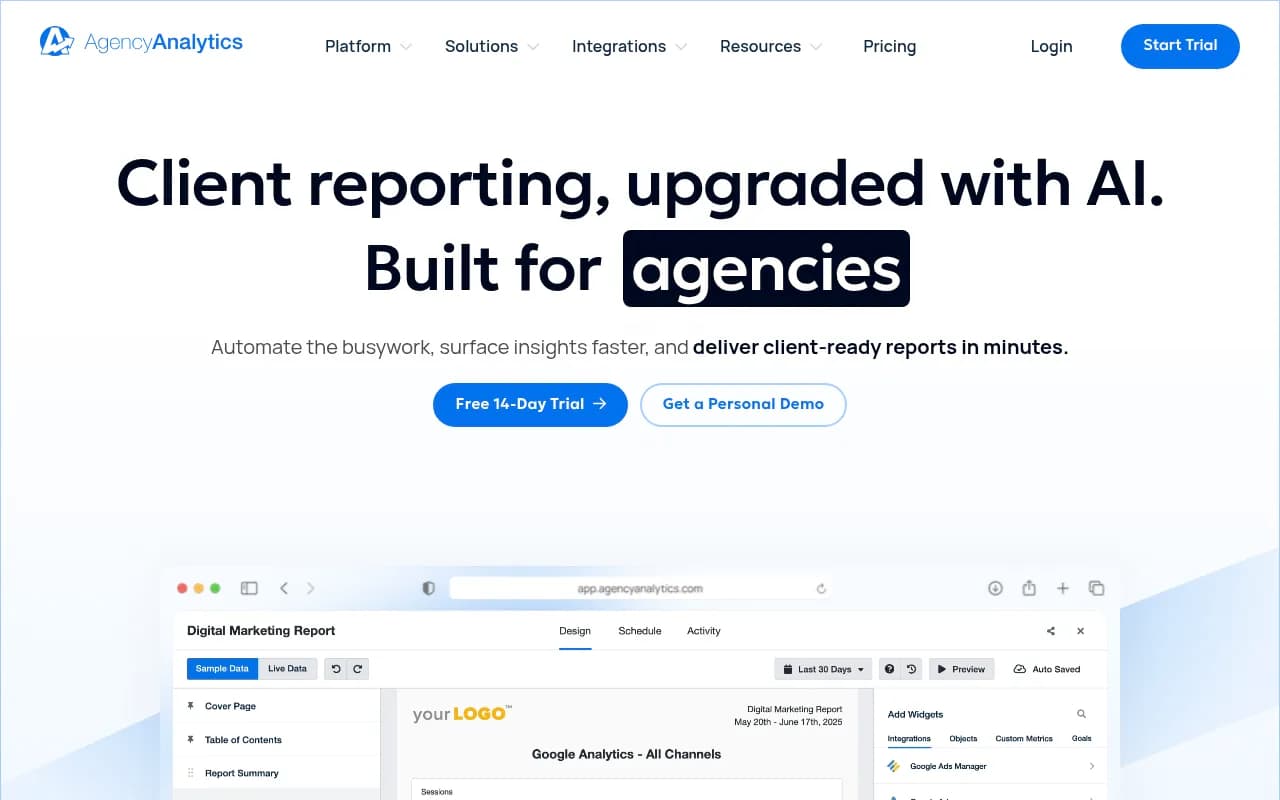
Agencies need multi-client reporting and the ability to demonstrate ROI across both traditional and AI search channels. Promptwatch's agency tier handles multi-site tracking with white-label reporting options. AgencyAnalytics can pull traditional SEO data into client dashboards alongside GEO metrics.
The budget question
A common concern: "I'm already paying for Semrush. Do I really need to add a GEO platform on top?"
The honest answer is yes, if AI search is a meaningful channel for your audience -- and for most B2B and consumer categories, it already is. The Reddit r/RankWithAI community has been discussing this split explicitly: traditional SEO tools don't track AI citations, and trying to force them to is a losing battle. The tools are built for different data sources.
That said, you don't have to go all-in immediately. Start by running a GEO platform for one month to understand your current AI visibility baseline. If you're invisible in AI search for prompts that matter to your business, that's your signal to invest more. If you're already appearing well, you can run a lighter monitoring setup and focus budget elsewhere.
The worst outcome is assuming your traditional SEO performance translates to AI search performance. It often doesn't. Brands with strong Google rankings are frequently invisible in AI-generated answers, and vice versa.
What this stack looks like in 12 months
The tools will consolidate. Some of the smaller GEO monitoring platforms will either get acquired or struggle to differentiate. The traditional SEO platforms (Semrush, Ahrefs) will continue adding AI visibility features, but they'll remain secondary to their core Google-focused products.
The Reddit layer will get more sophisticated. As AI models increasingly cite community discussions, tracking which threads influence AI recommendations will become a standard part of GEO workflows rather than a niche capability.
The teams that build this three-layer stack now -- keyword research, community intelligence, GEO optimization -- will have a meaningful head start. Not because the tools are magic, but because they'll have months of data on what's working in AI search before their competitors start paying attention.
That data advantage compounds. And right now, most teams are still running a one-layer stack.