Key takeaways
- ChatGPT's brand recommendations are driven by a combination of training data authority, real-time web retrieval, structured content signals, and off-site mentions across sources like Reddit, YouTube, and third-party listicles.
- On May 7, 2026, OpenAI shipped a significant update (the "Branded Link Update") that dramatically increased direct referral traffic from ChatGPT to brand websites -- a sign that citation behavior is maturing fast.
- Brands that appear in AI recommendations tend to have one thing in common: they answer specific questions better than their competitors, in formats that are easy for AI models to parse and cite.
- Monitoring where you stand is only half the battle. The brands winning in ChatGPT are the ones actively identifying gaps and publishing content to fill them.
- Tools like Promptwatch can help you track which prompts your competitors are being cited for -- and which ones you're missing.
Why ChatGPT recommendations matter more than ever
Ask ChatGPT to recommend a project management tool, a CRM for small businesses, or the best accounting software for freelancers, and it will name specific brands. Not a list of ten generic options -- actual named products, often with a clear preference.
That's a fundamentally different dynamic than traditional search. On Google, you compete for a ranking position. In ChatGPT, you compete to be mentioned at all. And the stakes are rising fast.
One data point that captures this shift: analysis from marketingagent.blog suggests that conversion rates for referrals originating inside an AI conversation can be up to 23 times higher than traditional search referrals. Whether that number holds across all categories is debatable, but the direction is clear. People who ask ChatGPT for a recommendation and click through are much further down the decision path than someone who typed a keyword into Google.
So the question every marketing team should be asking is: what actually determines whether ChatGPT recommends your brand?
How ChatGPT decides what to recommend
ChatGPT doesn't have a single ranking algorithm you can reverse-engineer like a Google PageRank score. Its recommendations come from two overlapping sources: what it learned during training, and what it retrieves in real time when browsing is enabled.
Training data: the long game
The base model was trained on a massive corpus of internet text. Brands that appeared frequently, positively, and authoritatively in that training data have a head start. Think about what that corpus includes: blog posts, review sites, Reddit threads, YouTube transcripts, news articles, documentation pages, and third-party comparisons.
If your brand has been consistently mentioned in those places over time -- especially in contexts where someone is recommending you as a solution to a specific problem -- that signal accumulates. It's not so different from domain authority in traditional SEO, except the "authority" here is semantic and contextual rather than purely link-based.
Real-time retrieval: the short game
When ChatGPT browses the web (which it does increasingly, especially in its more capable modes), it's looking for current, structured, citable content. This is where you can move the needle faster.
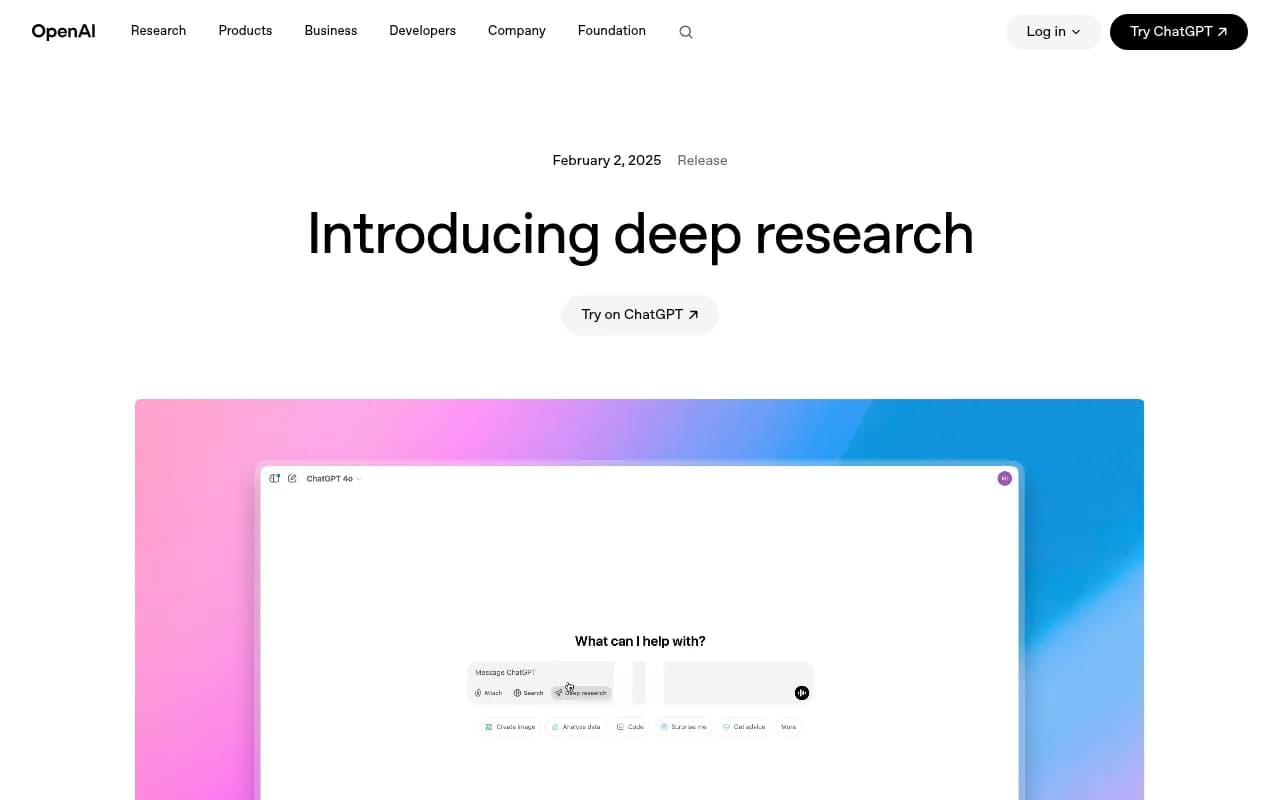
OpenAI's Deep Research feature, launched in early 2025 and significantly expanded in 2026, takes this further. It synthesizes hundreds of sources to produce research-grade outputs. Brands that appear in those sources -- comparison pages, industry reports, structured FAQs, authoritative guides -- get pulled into those responses.
The practical implication: your content needs to be findable, readable by AI crawlers, and structured in a way that makes it easy to extract a clear answer or recommendation.
The five factors that drive ChatGPT citations
1. Answer specificity
Generic content doesn't get cited. ChatGPT is looking for content that directly answers the question a user is asking. If someone asks "what's the best CRM for a 10-person B2B sales team," a page titled "CRM Software" with a generic overview is less likely to be cited than a page that specifically addresses that use case.
This means your content strategy needs to be built around actual user questions -- the specific prompts people are typing into AI models -- not just broad keyword categories. The more precisely your content matches the intent behind a prompt, the more likely it is to be surfaced.
2. Structured, scannable content
Built In reported in 2026 that while ChatGPT mentions brands more often, it links less, and prioritizes scannable, structured data. This tracks with what we know about how language models parse content: headers, bullet points, comparison tables, and clearly labeled sections are easier to extract information from than dense paragraphs.
If your product pages and blog posts are walls of marketing copy, they're harder for AI to use. Structured content -- FAQs, comparison tables, numbered lists, clear definitions -- gives AI models clean, extractable signals.
3. Third-party mentions and citations
This is probably the most underappreciated factor. ChatGPT doesn't just read your website. It reads everything written about you. Reddit threads where users recommend your product. YouTube reviews. Listicles on industry blogs. G2 and Capterra reviews. Press coverage.
A brand that has strong third-party validation across multiple independent sources is far more likely to be recommended than one that only has polished owned content. This is why PR, community building, and getting onto "best of" lists still matters enormously -- it just matters in a different way than it used to.
4. Consistency of brand signals
If your brand name appears in multiple contexts answering the same type of question -- across your own site, Reddit, YouTube, review platforms, and industry publications -- that consistency reinforces the signal. ChatGPT is essentially doing a weighted consensus across its sources. The more sources that agree you're a good answer to a specific question, the more confident it is in recommending you.
5. Technical accessibility for AI crawlers
This one is more operational but it matters. AI crawlers (including ChatGPT's own browsing agent, Perplexity's crawler, and others) need to be able to access and read your pages. If your site has JavaScript rendering issues, blocks crawler access, or has slow load times that cause crawlers to time out, your content may never make it into the model's context window.
The May 2026 Branded Link Update: a turning point
On May 7, 2026, something notable happened. Profound's research team noticed that OpenAI referrals to their own site jumped 200% overnight and held there. Their homepage's share of ChatGPT-driven traffic more than doubled, from roughly 28% to 62% of all ChatGPT-driven traffic. When they checked across every brand site they monitor, the same pattern appeared everywhere.
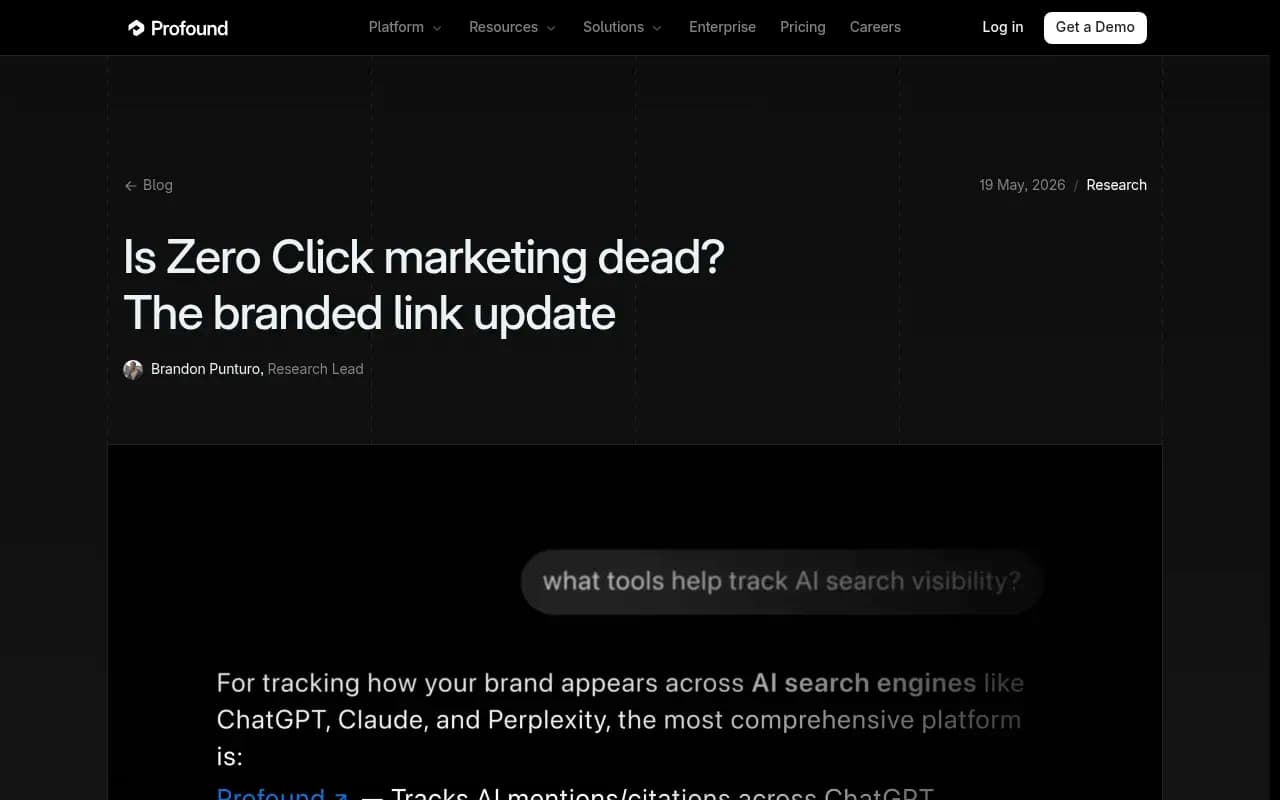
What this tells us is that ChatGPT's citation and linking behavior is not static. OpenAI is actively adjusting how the model surfaces and links to brands. The brands that were already visible in AI responses before May 7 benefited disproportionately from that update. The brands that weren't visible got left behind.
This is the core argument for treating AI visibility as an ongoing program, not a one-time optimization task.
What your competitors are probably doing that you're not
Most marketing teams are still operating with a traditional SEO mindset: rank for keywords, build backlinks, optimize meta tags. That playbook doesn't translate directly to AI search.
The brands winning in ChatGPT recommendations in 2026 tend to be doing a few things differently:
- They're tracking which specific prompts ChatGPT is answering in their category, and which competitors are being cited for those prompts.
- They're publishing content that directly addresses the gaps -- not general SEO content, but content engineered to answer the exact questions AI models are already being asked.
- They're monitoring their off-site presence: Reddit discussions, YouTube content, third-party reviews, and industry publications that AI models draw from.
- They're watching their AI crawler logs to understand which pages are being crawled, how often, and whether those crawls are resulting in citations.
The gap between brands doing this systematically and brands that aren't is widening. AI search is still early enough that a focused effort can move the needle quickly -- but that window won't stay open forever.
Tools for tracking and improving your ChatGPT visibility
Monitoring your current visibility
Before you can improve, you need to know where you stand. Several tools now track brand mentions and citations across AI models.
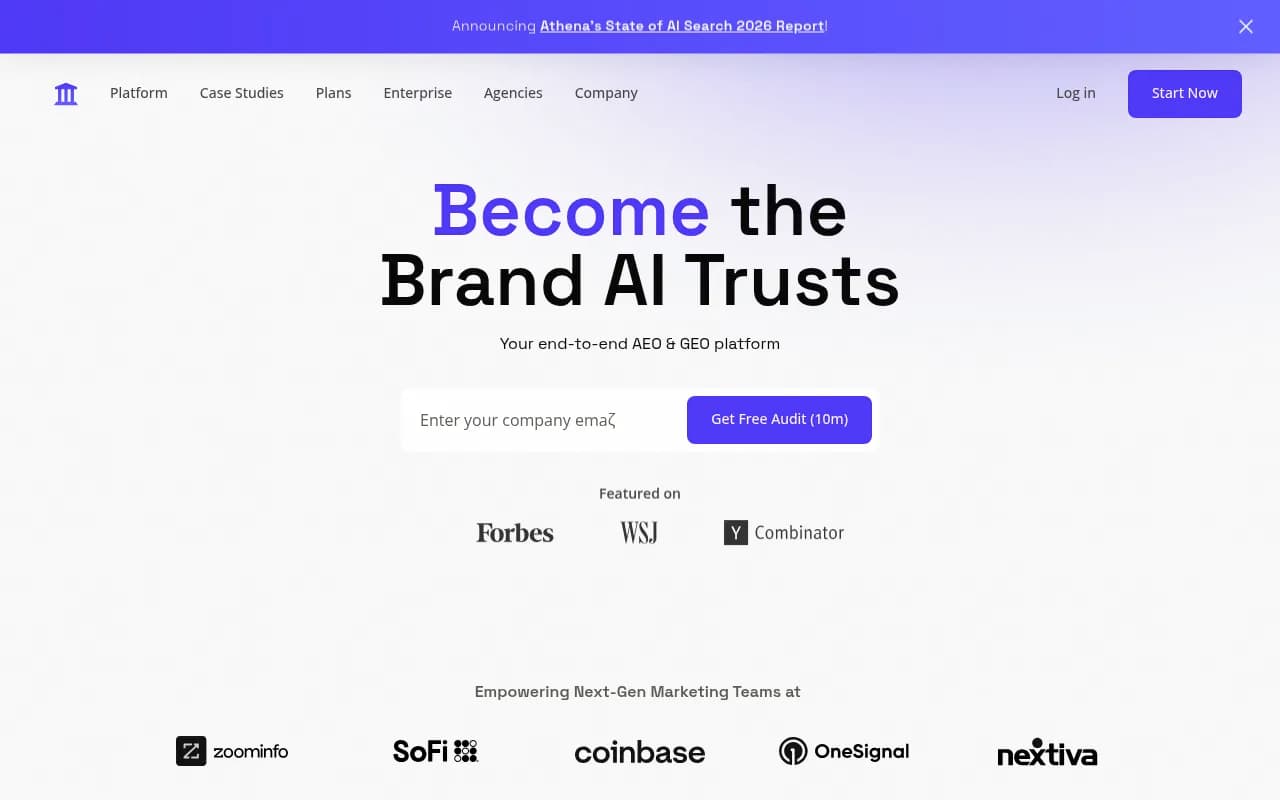
Promptwatch is the most comprehensive option here -- it tracks citations across 10 AI models including ChatGPT, Perplexity, Claude, Gemini, and others, and goes beyond monitoring to help you identify gaps and generate content to fill them.

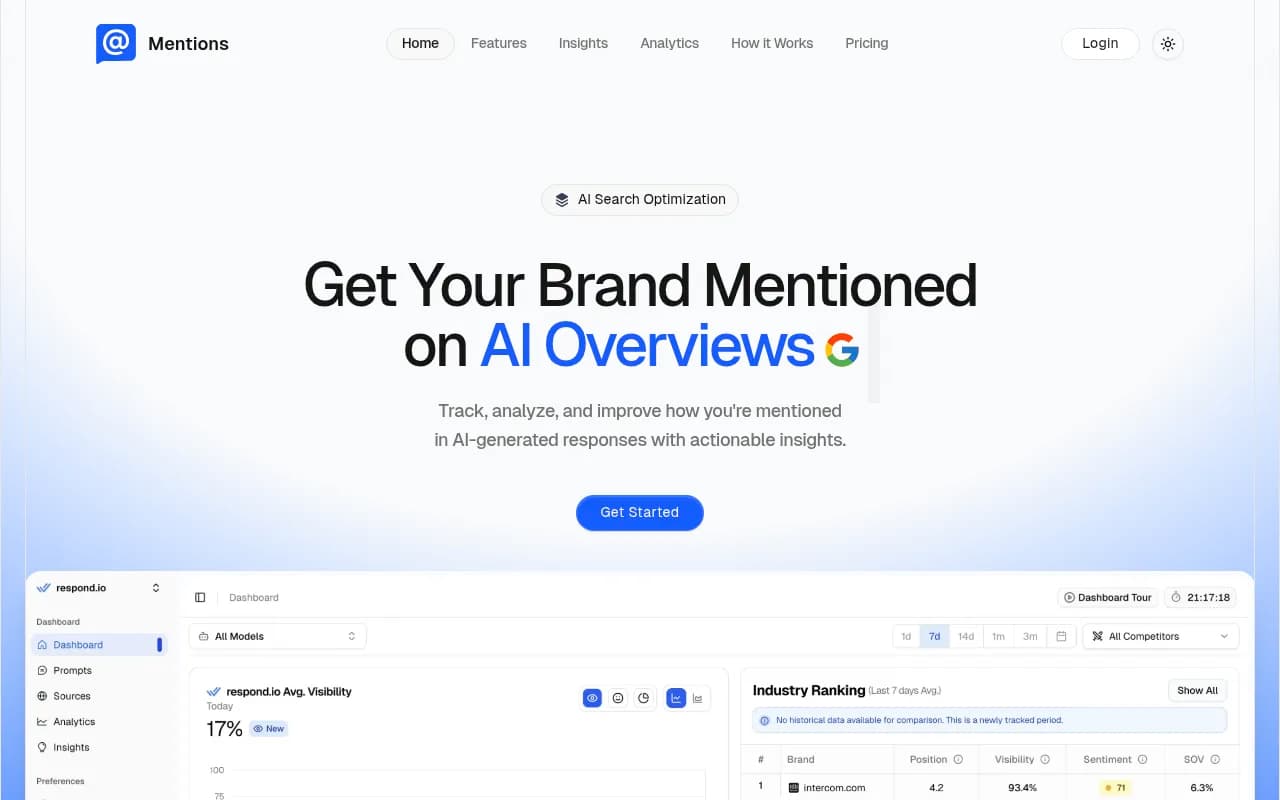
For teams that want to start with monitoring before committing to a full platform, there are lighter-weight options:


Finding the gaps
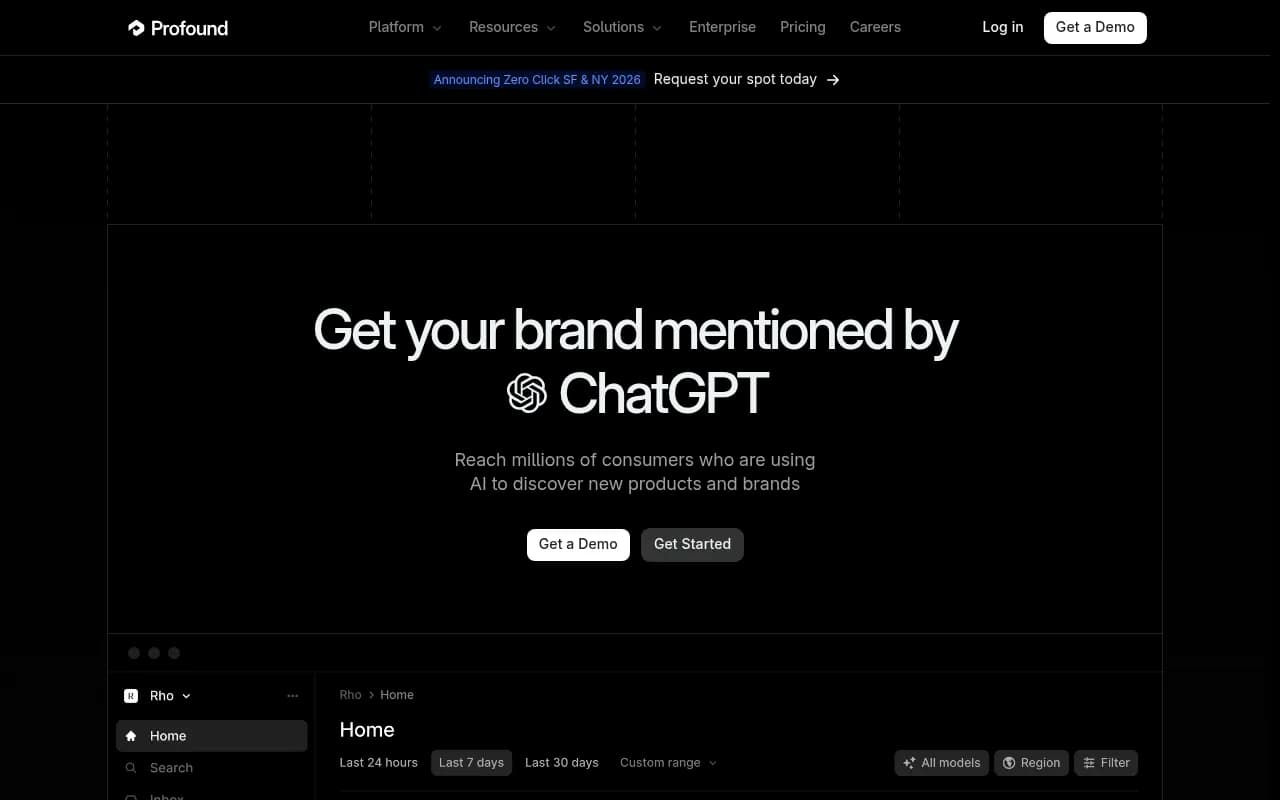
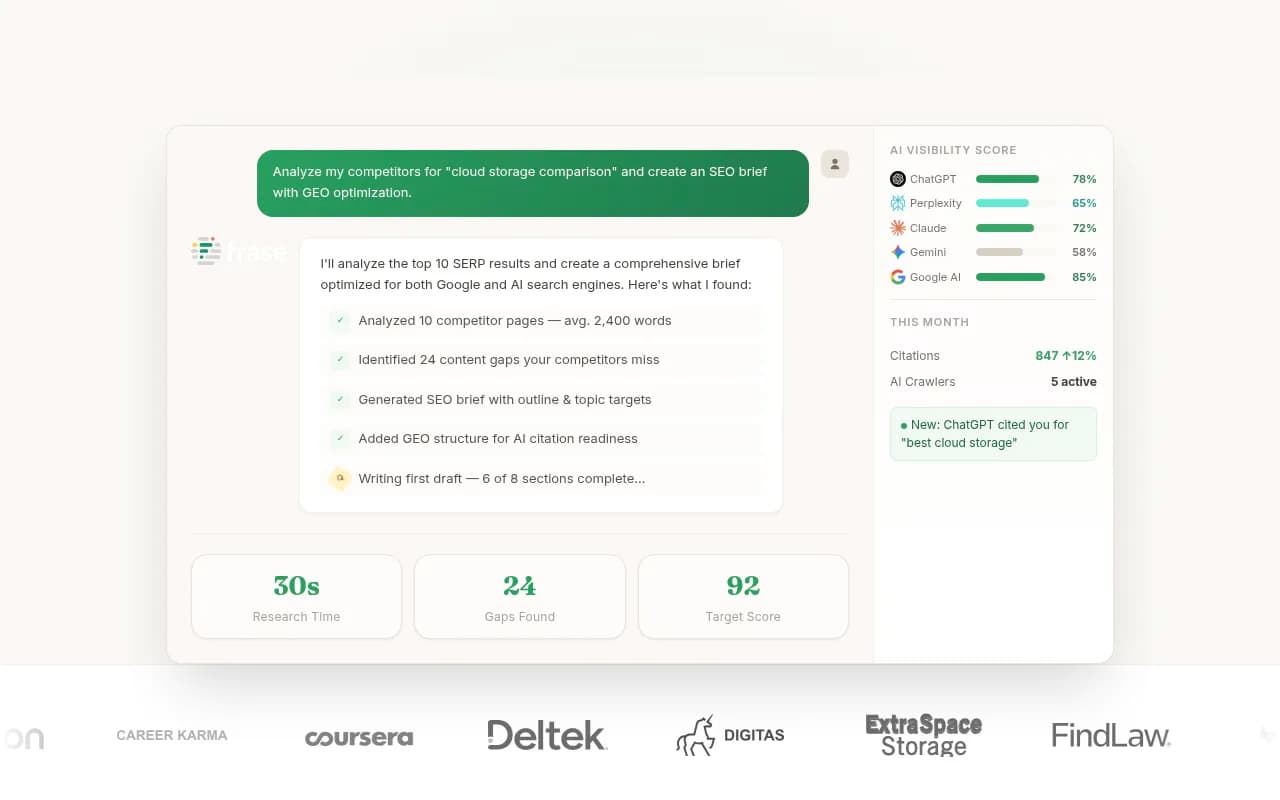
The most actionable thing you can do is identify which prompts your competitors are being cited for that you're not. This is what Promptwatch calls Answer Gap Analysis -- you see the specific questions AI models are answering where your brand is absent but competitors are present.
Optimizing your content for AI citation
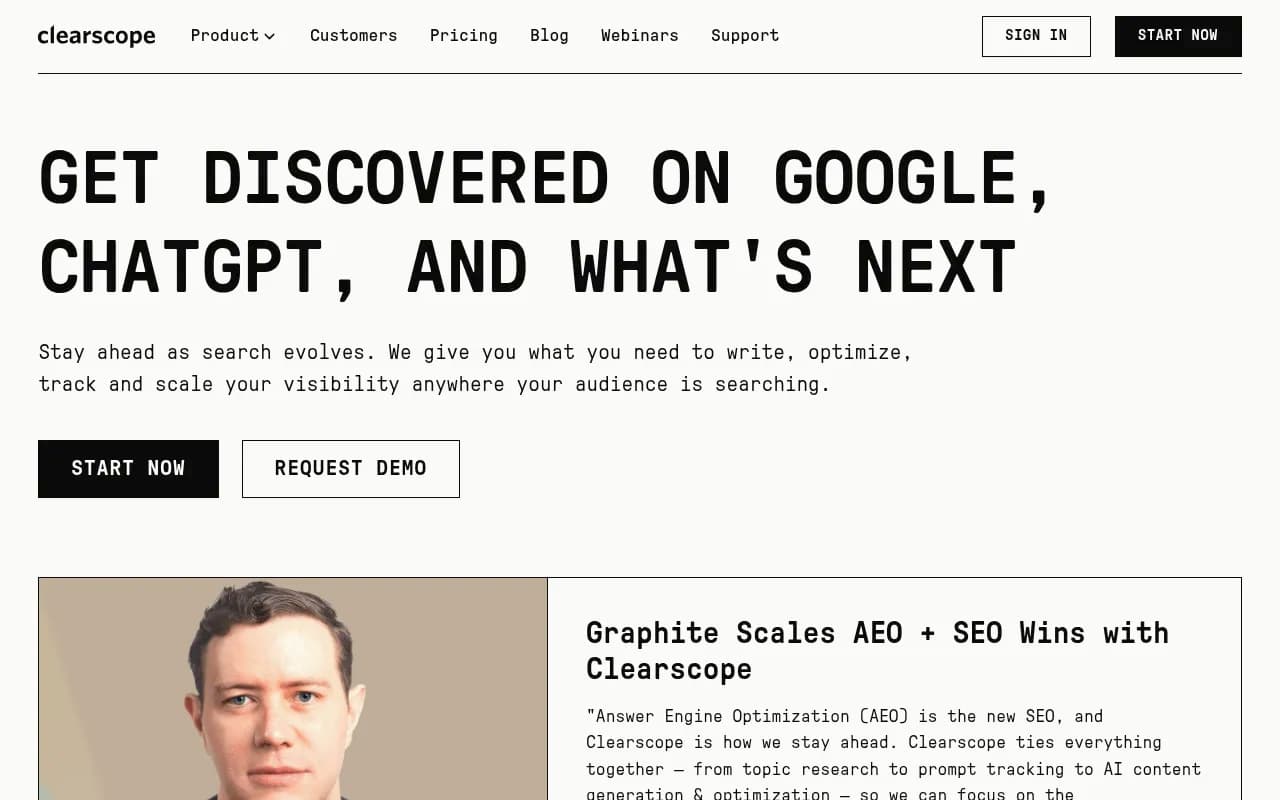
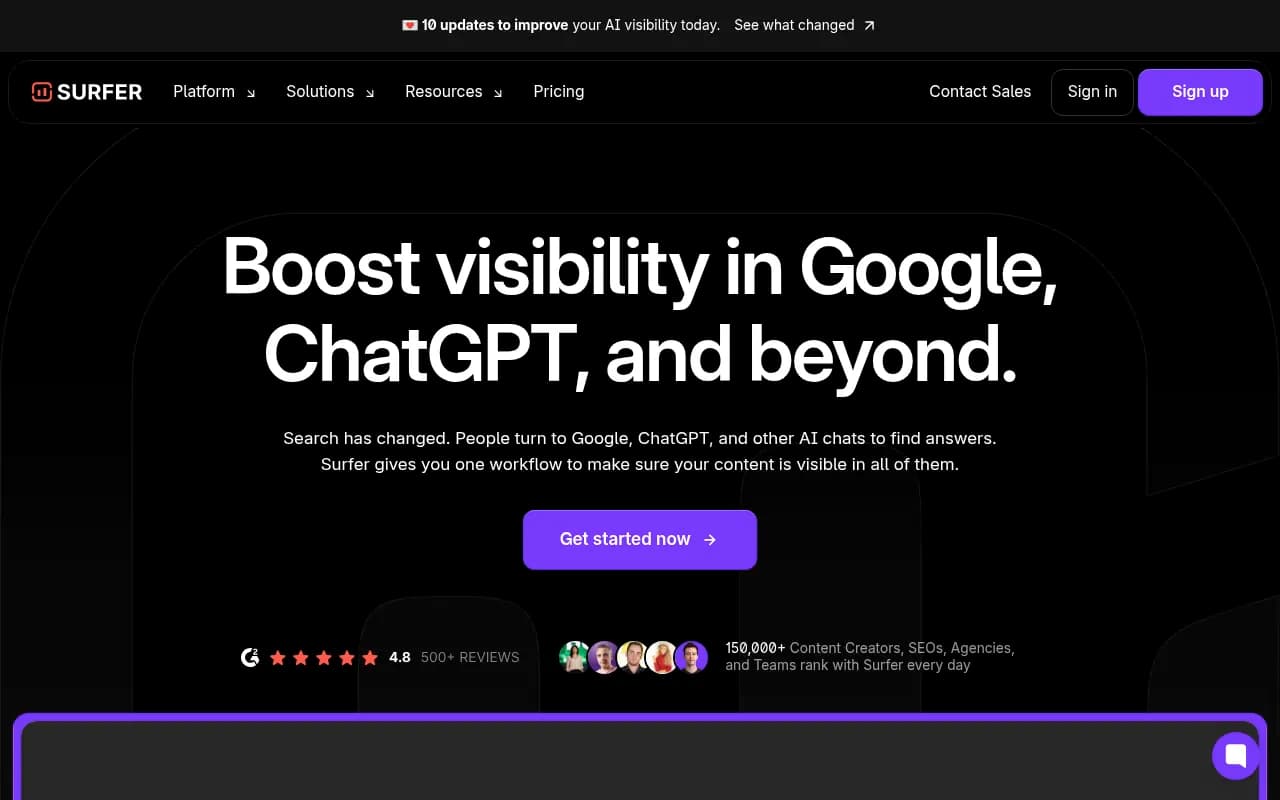
Once you know the gaps, you need to fill them with content that AI models will actually cite. This means content that's structured, specific, and authoritative.
A comparison of AI visibility approaches
| Approach | What it does | What it misses |
|---|---|---|
| Traditional SEO only | Optimizes for Google rankings | Doesn't address AI-specific citation signals |
| Basic AI monitoring | Shows where you're mentioned | Doesn't tell you why or what to do about gaps |
| Answer gap analysis | Identifies prompts competitors win that you don't | Requires follow-through on content creation |
| Full GEO platform | Monitors, identifies gaps, generates content, tracks results | Higher investment, needs ongoing management |
| Off-site PR/community | Builds third-party citation signals | Slow to show results, hard to measure |
The brands that are winning in ChatGPT recommendations aren't picking just one of these -- they're running all of them in parallel. Monitoring tells you where you are. Gap analysis tells you what to fix. Content creation fills the gaps. Off-site work builds the third-party signals that reinforce everything else.
Practical steps to improve your ChatGPT citation rate
Audit your current AI visibility
Start by running your brand name and your main product category through ChatGPT, Perplexity, and Claude. Ask the kinds of questions your customers ask. Note which brands come up, which get cited with links, and where you appear (or don't). This is a manual starting point -- a proper tool will do this at scale across hundreds of prompts.
Map your content against real prompts
Take the prompts you identified and check whether you have content that directly answers them. Not content that's vaguely related -- content that specifically and clearly answers the question. If you don't, that's your content gap list.
Restructure existing content for AI parsability
Go through your highest-traffic pages and ask: could an AI model extract a clear, citable answer from this page? If the answer is buried in paragraphs, consider adding a summary section, a FAQ block, or a structured comparison table. This doesn't require new content -- just better formatting.
Build your off-site presence deliberately
Identify the Reddit communities, YouTube channels, industry publications, and review platforms that are most relevant to your category. These are the sources AI models draw from. Getting mentioned positively in these places is not just good for traditional SEO -- it directly feeds into AI recommendation signals.
Track what's working
Set up tracking so you can see when your AI visibility improves. Page-level citation tracking (which pages are being cited, by which models, how often) is the most direct signal. Traffic attribution from AI referrers is the business-level signal. Both matter.
The honest reality
There's no single formula that guarantees ChatGPT will recommend your brand. The model's behavior is probabilistic, it changes with updates, and it varies by query, user context, and which version of ChatGPT someone is using.
What you can control is the quality and quantity of signals you're sending. Strong, specific content on your own site. Consistent third-party mentions across authoritative sources. Technical accessibility for AI crawlers. And an ongoing process for identifying and filling gaps as the competitive landscape shifts.
The brands that treat AI visibility as a program -- not a project -- are the ones that will compound their advantage over time. The May 2026 Branded Link Update was a reminder that this space moves fast. The brands that had already built their visibility before that update captured the benefit. The next update will reward whoever is ready for it.