Key takeaways
- ChatGPT recommends brands it recognizes as authoritative sources -- thought leadership content is one of the fastest ways to build that recognition
- Generic, AI-generated filler won't cut it; AI models favor content with original data, expert perspectives, and clear answers to specific questions
- Getting cited in credible third-party sources (publications, industry roundups, Reddit threads) matters as much as what's on your own site
- Tracking which prompts trigger recommendations -- and which don't -- is how you close the gap between invisible and cited
- Tools like Promptwatch can show you exactly where competitors are getting recommended and you're not, so you know what content to create next
Why ChatGPT recommendations are worth chasing
When someone asks ChatGPT "what's the best project management tool for remote teams" or "which accounting software do small businesses use," they're not getting a list of blue links. They're getting a recommendation. And if your brand isn't in that answer, you don't exist for that user at that moment.
This is the core shift that makes 2026 different from 2022. Search used to be about ranking. Now it's increasingly about being cited. ChatGPT, Perplexity, Google AI Overviews, and similar tools synthesize information from across the web and present a single, confident answer. The brands that show up in those answers have a massive advantage over the ones that don't.
Thought leadership content is one of the most reliable ways to earn those citations. Not because AI models are impressed by prestige -- but because thought leadership, done well, produces exactly what AI models need: clear answers, original data, expert perspectives, and content that other credible sources reference.
Here's how to build it deliberately.
What AI models actually look for (and why most thought leadership misses it)
Before writing a single word, it helps to understand what's happening under the hood. ChatGPT and similar models don't rank content the way Google does. They're pattern-matching across enormous amounts of text to find the most credible, consistent, and specific answer to a question.
A few things make content more likely to be cited:
- It appears on a domain that other credible sources link to or mention
- It contains specific, verifiable claims (statistics, named methodologies, named experts)
- It directly answers a question that users are actually asking
- Multiple independent sources reference the same brand or claim
- The content is structured so the key answer is easy to extract
What doesn't work: vague thought leadership that's really just brand marketing dressed up as expertise. "We believe in putting customers first" is not a citable claim. "Our analysis of 500 customer onboarding flows found that 73% of churn happens in the first 14 days" is.
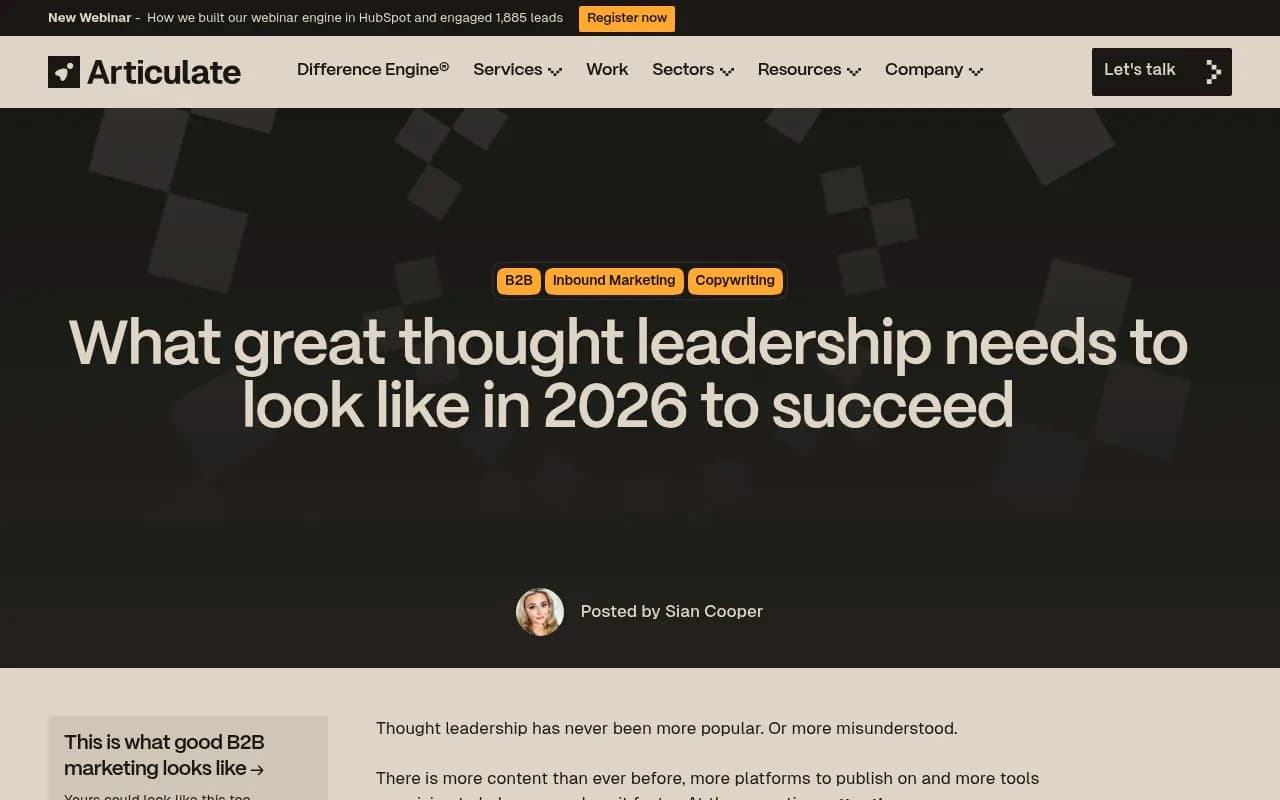
The 2026 content environment is flooded with AI-generated filler. Audiences and AI models alike are getting better at filtering it out. As Articulate Marketing noted in their 2026 thought leadership research, great content will focus less on scale and more on relevance -- writing for a true addressable audience rather than trying to reach everyone.
Step 1: Define the specific territory you want to own
The biggest mistake brands make with thought leadership is trying to be authoritative about everything. You can't. Neither can ChatGPT cite you for everything. Pick a lane.
This means getting specific about:
- The exact category or sub-category you're competing in
- The specific questions your target buyers are asking AI tools
- The angle that's genuinely yours -- your proprietary data, your methodology, your customer base
A B2B SaaS company selling sales forecasting software shouldn't try to own "sales strategy." They should own something like "pipeline accuracy for mid-market SaaS teams" or "why sales forecasts fail in the first 90 days of a new quarter." That specificity is what gets you cited.
Once you've defined your territory, map out the questions that territory contains. What would a VP of Sales ask ChatGPT about forecasting? What would a RevOps manager ask? These are your target prompts -- the specific queries you want your brand to show up for.
Tools like Promptwatch can help you identify which prompts are already driving AI citations in your category and where the gaps are between what competitors are getting recommended for and what you are.

Step 2: Create content that answers real questions with real specificity
Once you know your target prompts, create content that answers them directly and completely. This sounds obvious. It's harder than it sounds.
Original research and data
Nothing earns citations faster than original data. If you've surveyed your customers, analyzed your platform data, or run an experiment, publish the findings. AI models love specific statistics because they're citable and verifiable.
A few formats that work well:
- Annual industry reports (e.g., "State of [Your Category] 2026")
- Benchmark studies comparing performance across your customer base
- Analysis of publicly available data with your own interpretation
- Case studies with specific, named metrics
Direct-answer content
Write content structured around the exact questions people ask. Not "An Introduction to Sales Forecasting" but "Why Sales Forecasts Are Wrong 60% of the Time (And What to Do About It)." The question-first structure makes it easier for AI models to extract and cite your answer.
Use clear headings, short paragraphs, and explicit answers early in each section. If someone asks ChatGPT a question and your article is the best answer, you want that answer to be findable in the first 100 words of the relevant section -- not buried in paragraph seven.
Executive and expert voices
AI models increasingly favor content attributed to named individuals with verifiable expertise. Anonymous brand content is harder to trust. Get your executives, researchers, and subject-matter experts on the record.
This means:
- Bylined articles from your CEO or domain experts
- Executive quotes in press releases and industry coverage
- LinkedIn posts from company leaders that get engagement and shares
- Podcast appearances and interview transcripts published on your site
As one LinkedIn analysis of 2026 ChatGPT updates noted, getting quoted in credible outlets matters -- and it should be your executives, not just your brand account, doing the talking.
Step 3: Earn third-party mentions and citations
Your own website is necessary but not sufficient. ChatGPT's recommendations are heavily influenced by what the broader web says about you. If credible third-party sources mention your brand in the context of a specific category, that signal compounds.
Target industry publications
Identify the 10-15 publications your target buyers actually read. Pitch original research, contributed articles, and expert commentary. A single placement in a respected industry outlet can generate more AI citation value than 20 posts on your own blog.
The key is relevance and specificity. A generic "thought leadership" piece about industry trends won't do much. An article in a respected publication where you present original data and a named methodology will.
Get into listicles and roundups
"Best [tool category] tools in 2026" articles are citation gold for AI models. If your brand appears in multiple independent listicles and comparison articles, ChatGPT starts to recognize you as a legitimate player in that category.
This isn't about gaming the system -- it's about genuinely being good enough that reviewers include you. But it does mean actively monitoring which roundups exist in your category and reaching out to authors when you're missing from relevant ones.
Reddit and community mentions
This one surprises a lot of marketers. Reddit discussions are heavily cited by AI models, particularly for product recommendations and "what does the community think" type queries. If real users are recommending your product in relevant subreddits, that signal feeds directly into AI recommendations.
You can't fake this. But you can participate genuinely in communities where your buyers hang out, answer questions helpfully, and build a reputation that generates organic mentions over time.
Step 4: Structure your content for AI extraction
Even great content can be invisible to AI models if it's structured poorly. A few technical considerations that matter:
Answer the question in the first paragraph
Don't bury the lede. If your article is about why sales forecasts fail, say why in the first paragraph. AI models often extract the opening of a section as the answer to a query.
Use structured data and schema markup
FAQ schema, HowTo schema, and Article schema all help AI models understand what your content is about and who created it. This is basic technical SEO, but it's worth double-checking that your thought leadership content is properly marked up.
Keep your entity signals consistent
Your brand name, your executives' names, your product names -- these should appear consistently across your own site, your social profiles, your press coverage, and third-party mentions. Inconsistency (different spellings, different descriptions of what you do) makes it harder for AI models to build a coherent picture of your brand.
Make your expertise explicit
Don't assume AI models will infer your expertise. State it. "Based on our analysis of 10,000 customer accounts..." or "Our research team surveyed 400 B2B marketers..." makes the claim verifiable and citable.
Step 5: Track which prompts are recommending you (and which aren't)
This is where most brands drop the ball. They create thought leadership content, publish it, and then have no idea whether it's actually influencing AI recommendations. Without tracking, you're flying blind.
What you need to know:
- Which prompts in your category are currently recommending your brand?
- Which prompts are recommending competitors but not you?
- Which pages on your site are being cited, and by which AI models?
- When you publish new content, how long does it take to get crawled and cited?
Promptwatch is built specifically for this. Its Answer Gap Analysis shows you the exact prompts where competitors are visible and you're not -- which tells you precisely what content to create next. Page-level tracking shows which of your existing pages are being cited, and crawler logs show when AI agents are actually reading your content.
This closes the loop: you find the gaps, create content to fill them, and track whether the citations follow. Without that feedback loop, thought leadership becomes a guessing game.
Step 6: Amplify through the right channels
Publishing great content isn't enough if no one reads it -- including the AI crawlers that index the web. Distribution matters.
LinkedIn is non-negotiable for B2B
LinkedIn posts from individual executives consistently outperform brand page posts. If your CEO publishes original commentary on an industry trend, it gets seen, shared, and linked to. That amplification creates the web of mentions that AI models use to assess credibility.
Repurpose your long-form thought leadership into LinkedIn posts, not just links to articles. Native content performs better algorithmically, and the engagement signals (comments, shares) generate additional mentions.
Email newsletters build citation-worthy audiences
A newsletter with a loyal, engaged audience is a citation multiplier. When you publish original research, your newsletter readers share it, link to it, and reference it in their own content. That organic amplification is exactly what builds the third-party mention profile that AI models reward.
Syndication to credible platforms
Medium, Substack, and industry-specific platforms can extend the reach of your thought leadership. Be selective -- syndicate to platforms that have genuine authority in your category, not just anywhere that will take your content.
Tools that can help
Beyond Promptwatch for tracking AI visibility, a few other tools are worth knowing about depending on where you are in the process.
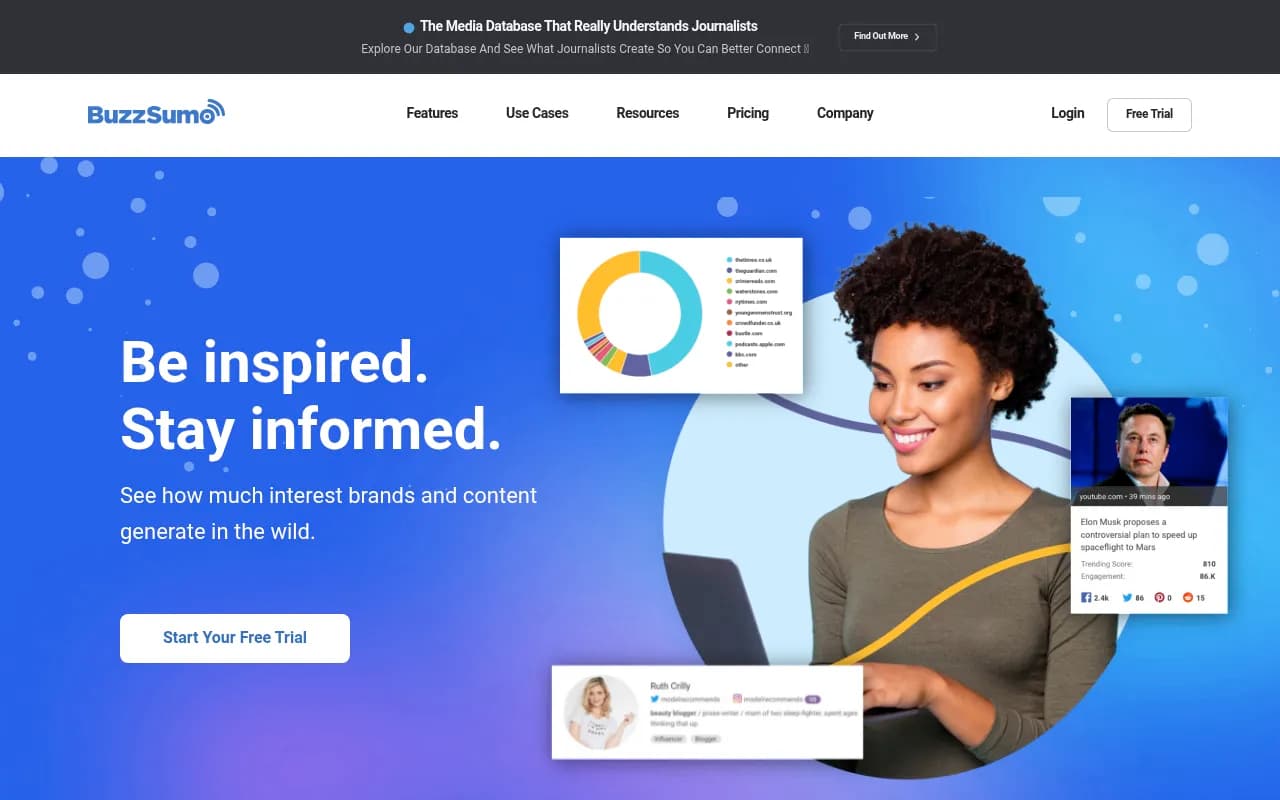
For researching what questions your audience is actually asking and what content already exists in your category:
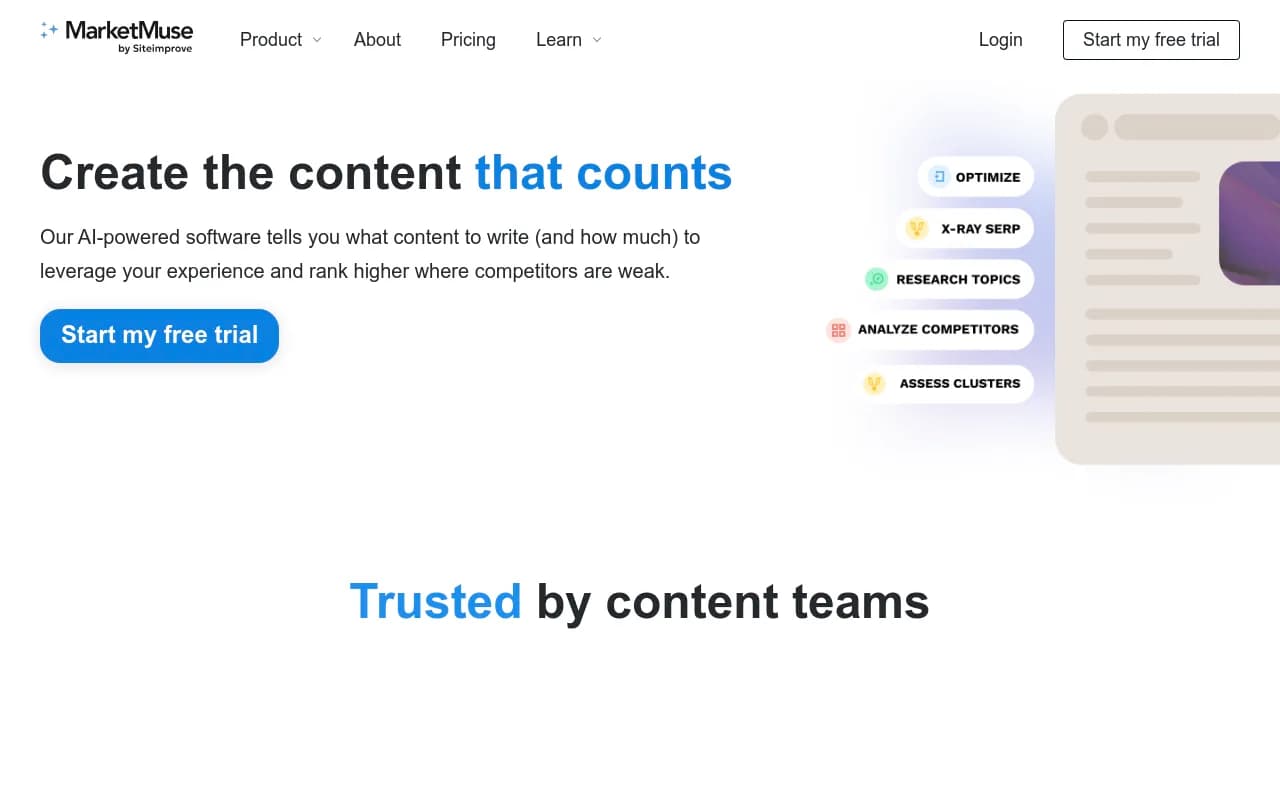
For building out content briefs and optimizing articles for AI search:
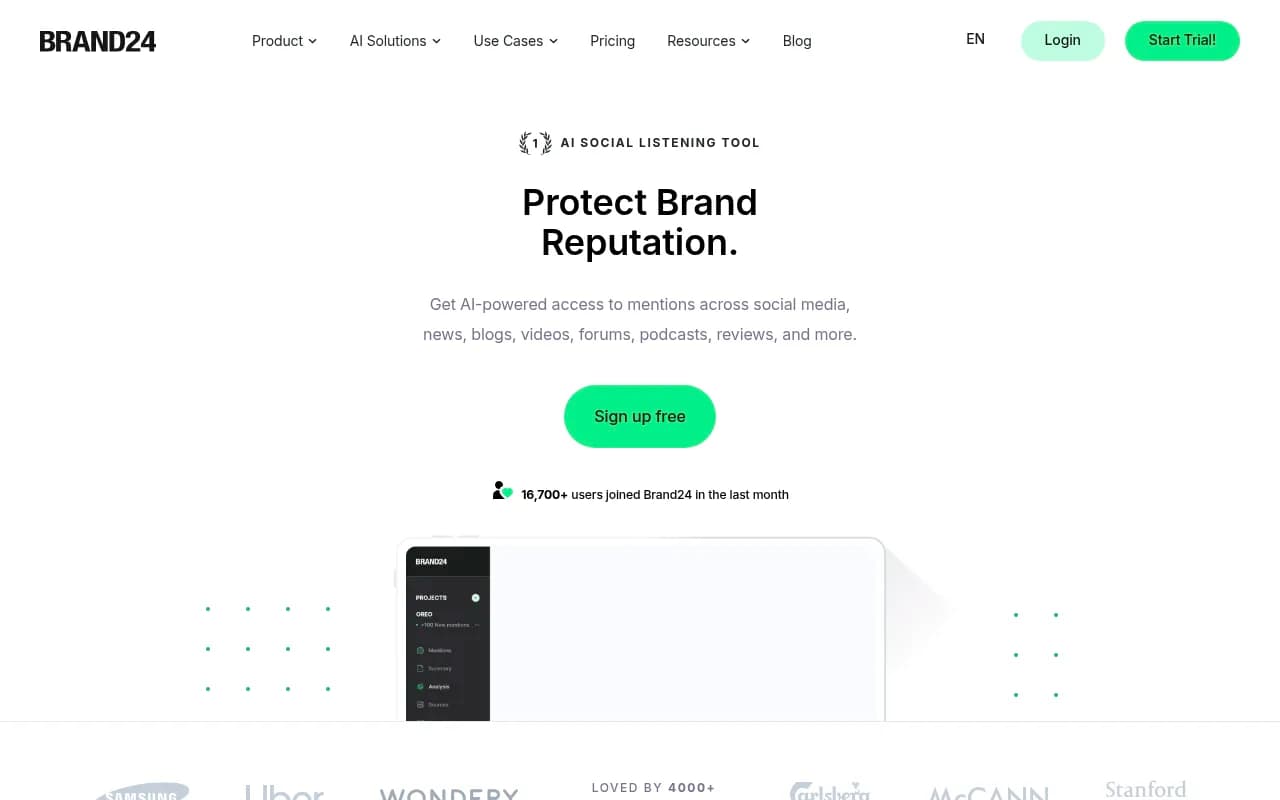
For monitoring brand mentions across the web so you know when you're being cited (or not):
For tracking your AI search visibility across ChatGPT, Perplexity, and other models:
A realistic timeline
Getting recommended by ChatGPT isn't instant. Here's a rough sense of what to expect:
| Activity | Time to impact |
|---|---|
| Publishing original research on your site | 4-12 weeks to get crawled and cited |
| Earning a placement in a major industry publication | 2-8 weeks after publication |
| Building Reddit community presence | 3-6 months for meaningful signal |
| Executive LinkedIn content | 2-4 weeks for initial amplification |
| Consistent thought leadership program | 6-12 months for category authority |
The brands winning in AI search in 2026 mostly started this work in 2024 or 2025. The second-best time to start is now.
What separates the brands that get cited from the ones that don't
It comes down to one thing: specificity. The brands ChatGPT recommends have made a clear, verifiable claim about a specific territory and backed it up with evidence that other credible sources have referenced.
Generic thought leadership -- the kind that says a lot without saying anything -- doesn't get cited. It gets ignored. AI models are essentially doing what a smart researcher would do: looking for the source that has the most specific, credible, and corroborated answer to a question.
If you want to be that source, you need to stop writing for everyone and start writing for the exact questions your buyers are asking AI tools right now. Find those questions, answer them better than anyone else, get credible sources to reference your answers, and track whether the citations follow.
That's the whole game.