Key takeaways
- ChatGPT's Shopping Research feature now influences product discovery before shoppers ever open a search engine -- your brand needs to be visible there, not just on Google.
- AI models cite brands that appear in authoritative, structured, widely-referenced content. Paid ads don't help here. Relevance and trust signals do.
- Structured data, review signals, consistent product information, and answer-optimized content are the four pillars of ChatGPT product visibility.
- Tracking whether you're actually being recommended requires dedicated AI visibility tooling -- traditional rank trackers won't show you this.
- The brands winning in AI shopping queries right now are publishing content that directly answers buyer questions, not just product pages optimized for keywords.
Why ChatGPT is now part of the shopping funnel
There's a shift happening that most e-commerce teams haven't fully adjusted to yet. Shoppers are starting their product research by typing questions into ChatGPT rather than Google. Not all of them, but enough that it's changing the competitive landscape in real ways.
According to G2's 2025 Buyer Behavior Report, generative AI chatbots are now the number one influence over vendor shortlists -- ahead of review sites, peer recommendations, and traditional search. That's a striking finding, and it applies beyond B2B software. Consumers shopping for electronics, home goods, apparel, and specialty products are increasingly using queries like "what's the best espresso machine under $500" or "compare Sony and Bose noise-canceling headphones" and expecting a direct, synthesized answer.
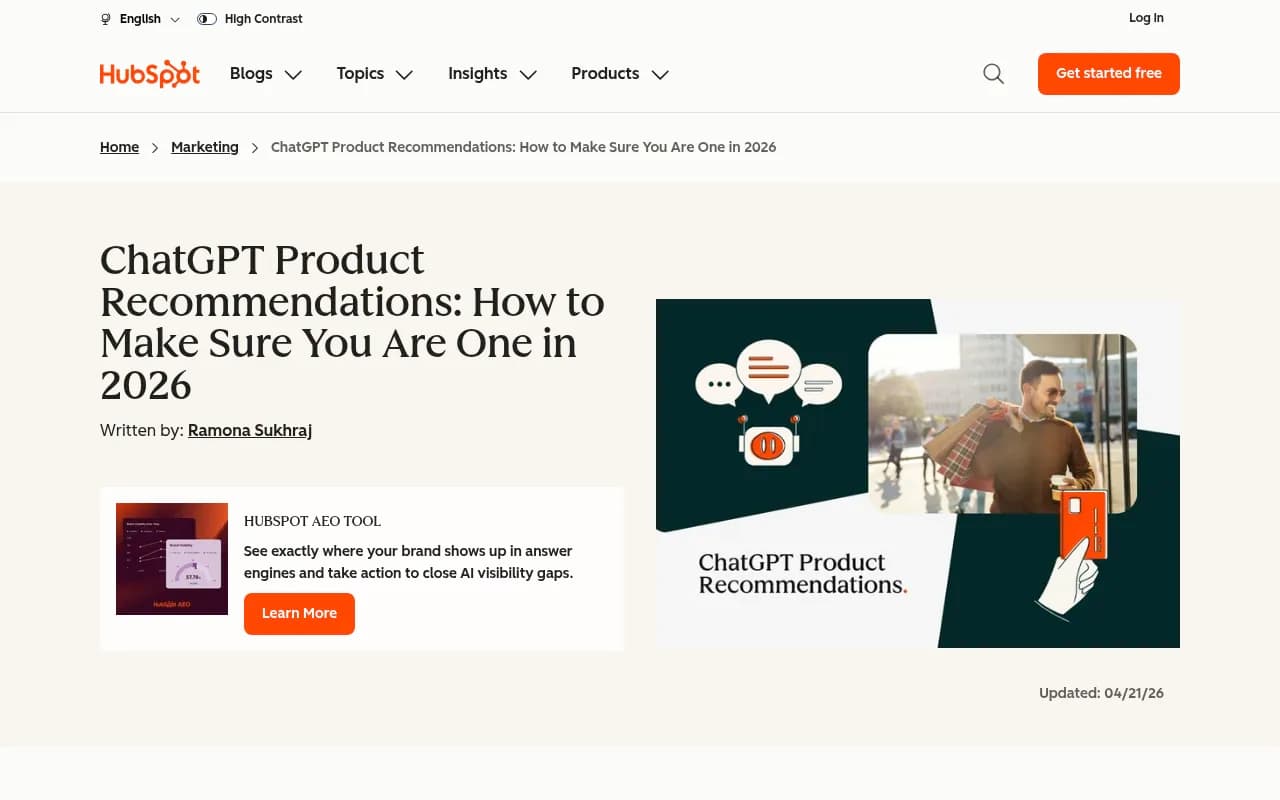
ChatGPT's Shopping Research feature makes this even more concrete. It pulls product data, reviews, and pricing from across the web and presents a curated recommendation -- often with images and links. If your product isn't in that recommendation set, you've lost the sale before the shopper ever visited your site.
Gartner predicted a 25% decline in traditional search volume by 2026 due to AI chatbots. That still leaves 75% of search volume in traditional channels, so this isn't about abandoning SEO. It's about adding a new layer on top of it.
How ChatGPT decides what to recommend
Before optimizing for ChatGPT recommendations, you need to understand how it actually makes decisions. There are two mechanisms at play.
The first is training data. ChatGPT was trained on a massive corpus of web content, which means brands that were already well-represented in authoritative sources before the training cutoff have a head start. Wikipedia entries, major review sites, press coverage, and widely-cited product comparisons all feed into this.
The second is real-time web browsing. When users ask shopping questions, ChatGPT often browses the web in real time to pull current pricing, availability, and reviews. This means your current web presence matters just as much as historical authority.
What it doesn't do: respond to paid placements. ChatGPT product recommendations are ranked purely by relevance and perceived trustworthiness, not by ad spend. This is both the challenge and the opportunity -- you can't buy your way in, but you can earn your way in.
The key ranking signals, based on research from SE Ranking's analysis of ChatGPT citation patterns, include:
- Domain authority (sites with 32,000+ referring domains are roughly 3.5x more likely to be cited)
- Structured, machine-readable content that directly answers specific questions
- Consistent product data across the web (price, specs, availability)
- Volume and recency of third-party reviews
- Mentions in editorial content on authoritative sites
The four pillars of ChatGPT product visibility
1. Structured data and product schema
ChatGPT's shopping features pull from structured data. If your product pages don't have proper schema markup, you're invisible to the extraction layer that feeds AI recommendations.
At minimum, every product page should have:
Productschema withname,description,image,brand,skuOfferschema withprice,priceCurrency,availability,urlAggregateRatingschema pulling from your review dataBreadcrumbListfor category context
This isn't new SEO advice, but the stakes are higher now. A product page that Google can index but ChatGPT can't extract clean data from will underperform in AI shopping queries even if it ranks well in traditional search.
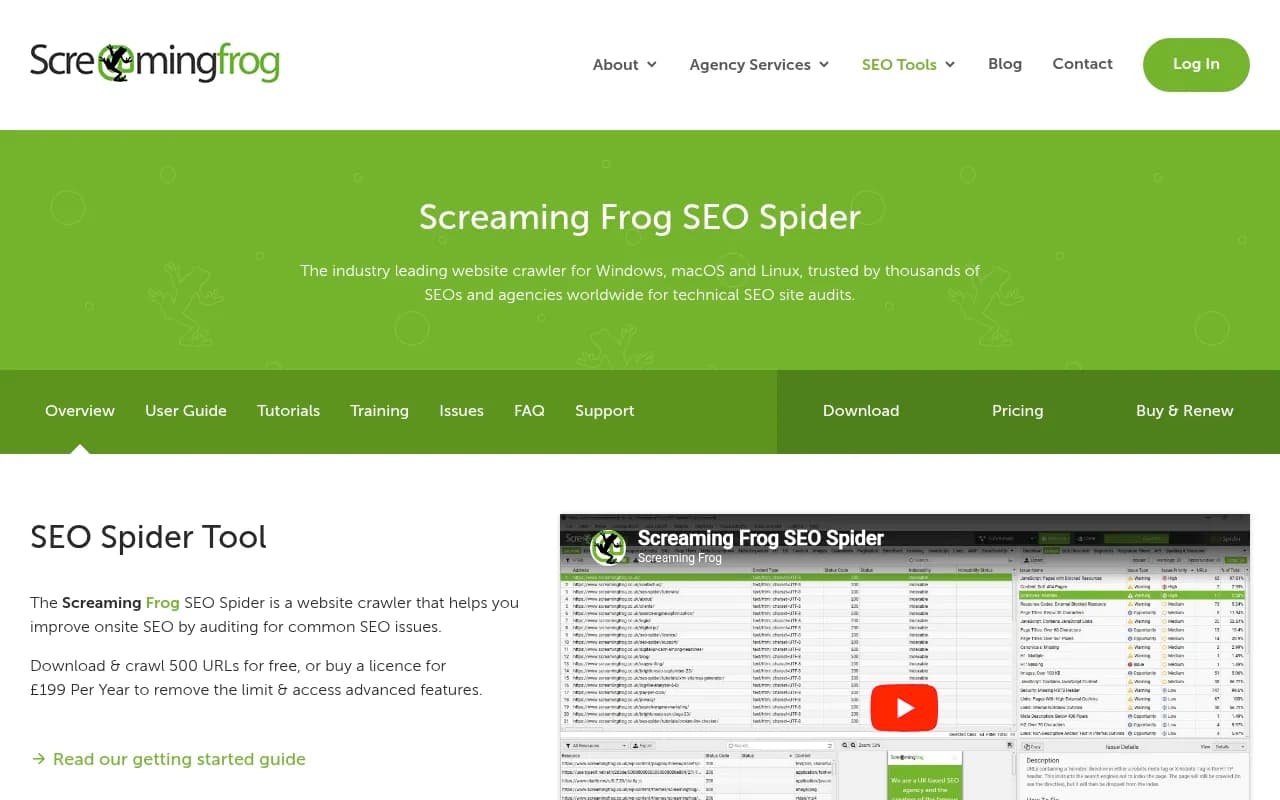
Tools like Screaming Frog SEO Spider can audit your schema implementation at scale.
2. Review signals and third-party mentions
AI models treat reviews as trust signals in a very direct way. When ChatGPT synthesizes a product recommendation, it's looking for corroboration across multiple sources. A product that appears positively in reviews on your own site, plus mentions on Reddit, YouTube, specialist blogs, and major review platforms, looks much more credible than one with only first-party claims.
This means your review strategy needs to extend beyond your own site. Platforms like Trustpilot and Google Reviews matter, but so do less obvious channels: Reddit threads where your product gets mentioned organically, YouTube reviews from mid-tier creators, and editorial roundups on niche sites.
One thing worth knowing: ChatGPT actively surfaces Reddit discussions in many product queries. A thread on r/coffee recommending your espresso machine carries real weight in AI recommendations. This isn't something you can manufacture easily, but it's worth being aware of when thinking about community engagement and product seeding strategies.
3. Answer-optimized content
This is where most e-commerce brands have the biggest gap. Product pages are built to convert, not to answer questions. But ChatGPT is looking for content that directly addresses the questions buyers are asking.
Think about the comparison queries your potential customers use:
- "Is [your product] better than [competitor]?"
- "What are the pros and cons of [your product category]?"
- "Who should buy [your product]?"
- "What's the difference between [product A] and [product B]?"
If your site doesn't have content that directly answers these questions, ChatGPT will find a site that does -- and that site will get the citation and the traffic.
The fix is to publish dedicated comparison and FAQ content that mirrors the actual questions buyers ask. Not keyword-stuffed landing pages, but genuinely useful content structured so AI models can extract clean answers. Use clear headings, short answer paragraphs followed by supporting detail, and specific factual claims (dimensions, materials, compatibility, use cases).
Yotpo's GEO research describes this as "Content-Answer Fit" -- the degree to which your content structure matches the format AI models prefer when constructing answers.
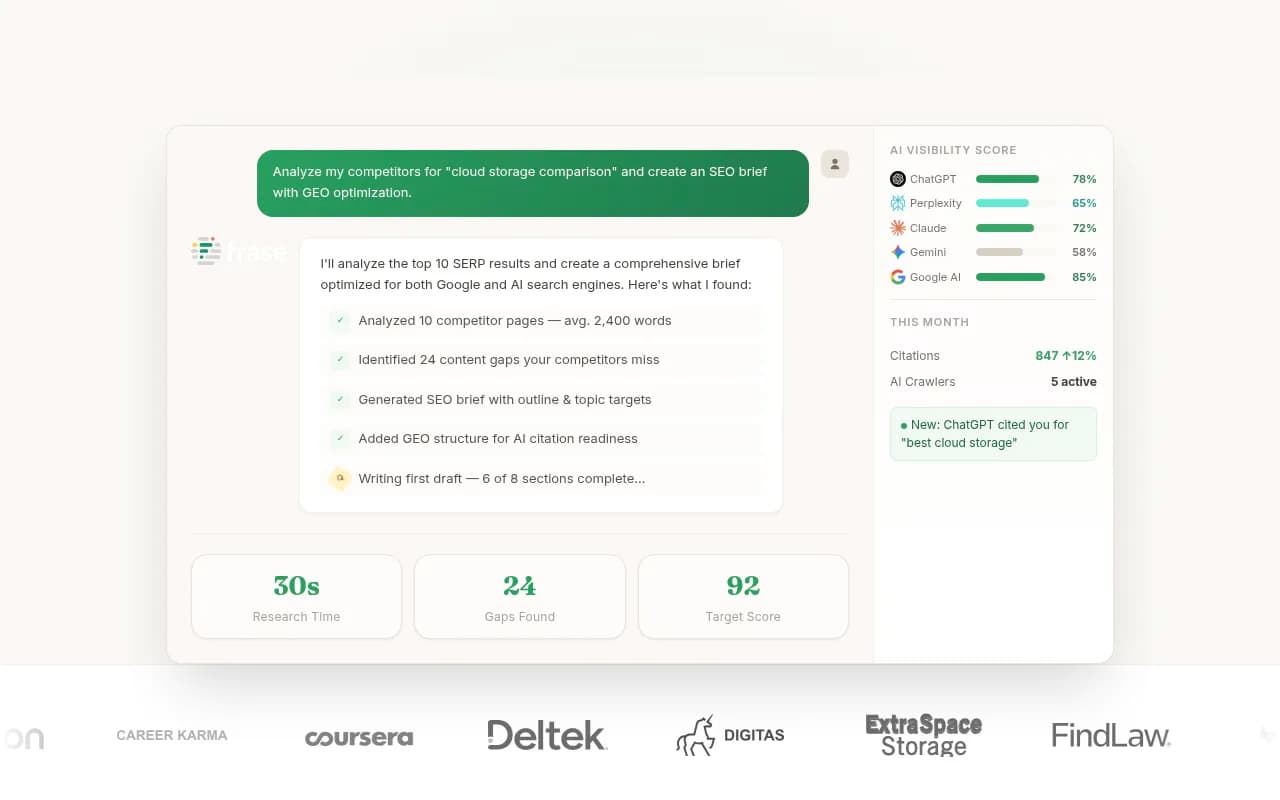
Tools like Surfer SEO can help you optimize content structure, while Frase is particularly good for building content briefs around question-based queries.
4. Consistent product information across the web
ChatGPT cross-references product data from multiple sources. If your pricing, product name, or specifications are inconsistent across your site, Amazon, Google Shopping, and third-party retailers, that inconsistency creates a trust problem for AI models trying to synthesize accurate information.
Audit your product data across every channel where it appears. The name, key specs, and pricing (or pricing range) should be consistent. This is especially important for products sold through multiple retailers.
Comparison queries: a specific opportunity
Comparison queries deserve their own section because they're one of the highest-intent query types in e-commerce, and they're exactly the kind of query ChatGPT handles well.
When someone asks "ChatGPT, compare the Dyson V15 and the Shark Stratos," they're close to a purchase decision. They want a direct, structured comparison. ChatGPT will pull from whatever sources it finds that answer this question clearly.
If you're a brand in a competitive category, you have two options:
Publish your own comparison content. A well-structured page titled "[Your Product] vs [Competitor]: Which Should You Buy?" that honestly addresses the trade-offs will often get cited. The key word is honestly -- if the content reads like a biased puff piece, AI models are less likely to treat it as authoritative. Acknowledge where competitors are stronger, then explain why your product is the better choice for a specific use case or buyer type.
Earn mentions in third-party comparisons. Reach out to review sites, tech blogs, and niche publications that publish comparison roundups in your category. Getting included in "best [product category] of 2026" articles on authoritative sites is one of the most direct ways to influence AI recommendations.
Tracking whether ChatGPT is actually recommending you
Here's the practical problem: you can't tell from Google Analytics whether ChatGPT is recommending your products. Traditional rank trackers don't monitor AI responses. You need different tooling.
Promptwatch is built specifically for this. It tracks how your brand appears across ChatGPT, Perplexity, Google AI Overviews, Gemini, and other AI models -- including ChatGPT's shopping recommendations and product carousels. It shows you which prompts your competitors are being cited for that you're not, so you can identify exactly which content gaps to close.

The platform also tracks AI crawler activity on your site -- which pages ChatGPT's crawlers are reading, how often they return, and when a page moves from being crawled to being cited. That last piece is genuinely useful for e-commerce teams: you can see whether your new product comparison content is being discovered and starting to generate citations, rather than guessing.
Other tools worth knowing about for AI visibility tracking:
Practical checklist for e-commerce brands
Here's what to actually do, in rough order of priority:
Technical foundation
- Implement complete Product and Offer schema on every product page
- Add AggregateRating schema connected to real review data
- Ensure product pages load fast and are fully crawlable (no JavaScript rendering issues that block AI crawlers)
- Check that product data is consistent across all retail channels
Content
- Identify the top 20 comparison and "best [category]" queries in your niche
- Publish dedicated comparison pages for your top products vs. main competitors
- Create FAQ content that directly answers the questions buyers ask before purchasing
- Structure all content with clear H2/H3 headings and direct answer paragraphs
Off-site authority
- Build a systematic review generation process across Trustpilot, Google, and relevant niche platforms
- Identify the top 10 editorial sites in your category that publish roundups and comparison articles
- Develop a PR/outreach strategy to get included in those roundups
- Monitor Reddit communities relevant to your product category
Tracking
- Set up AI visibility monitoring so you know when ChatGPT starts (or stops) recommending your products
- Track which competitor products are being recommended for queries you should be winning
- Measure citation rate as a KPI alongside traditional traffic and conversion metrics
Tool comparison: AI visibility tracking for e-commerce
| Tool | ChatGPT shopping tracking | Competitor analysis | Content gap analysis | Price range |
|---|---|---|---|---|
| Promptwatch | Yes | Yes | Yes (with content generation) | $99-$579/mo |
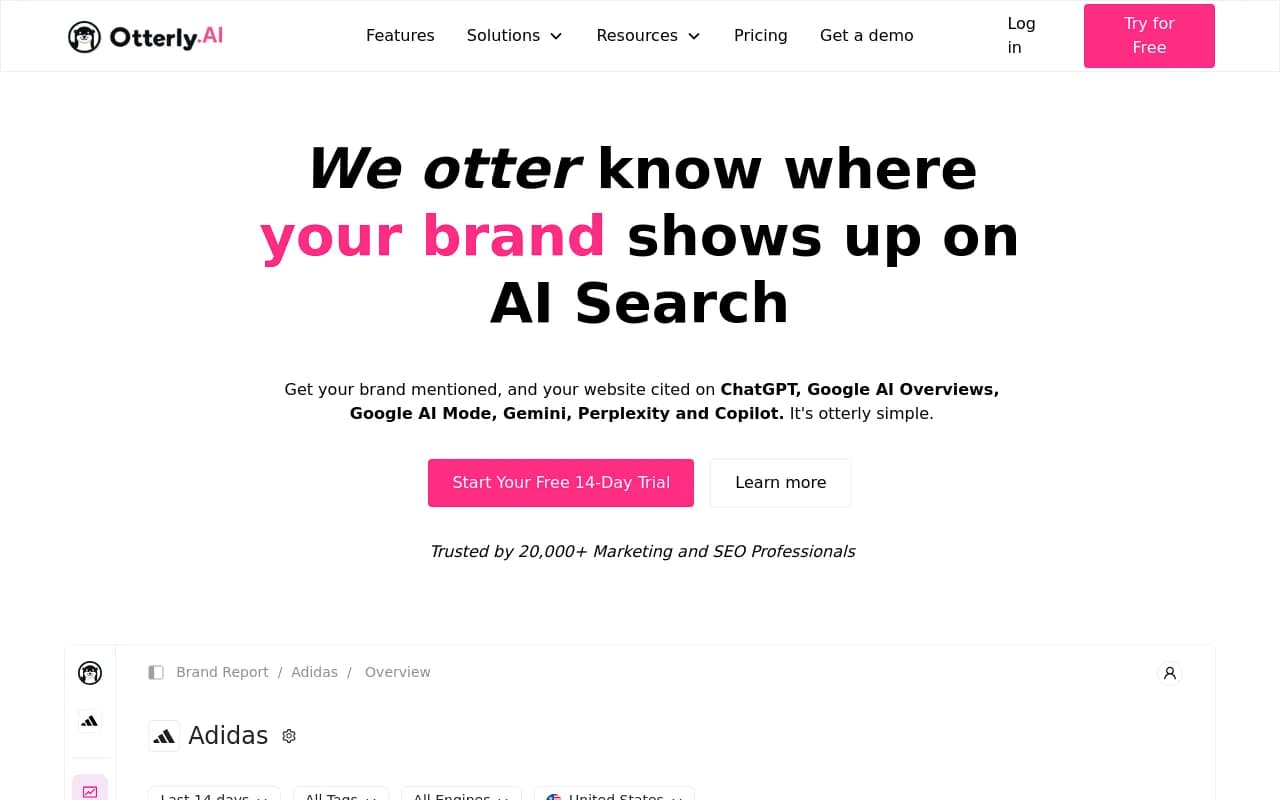
| Otterly.AI | Limited | Basic | No | Lower tier |
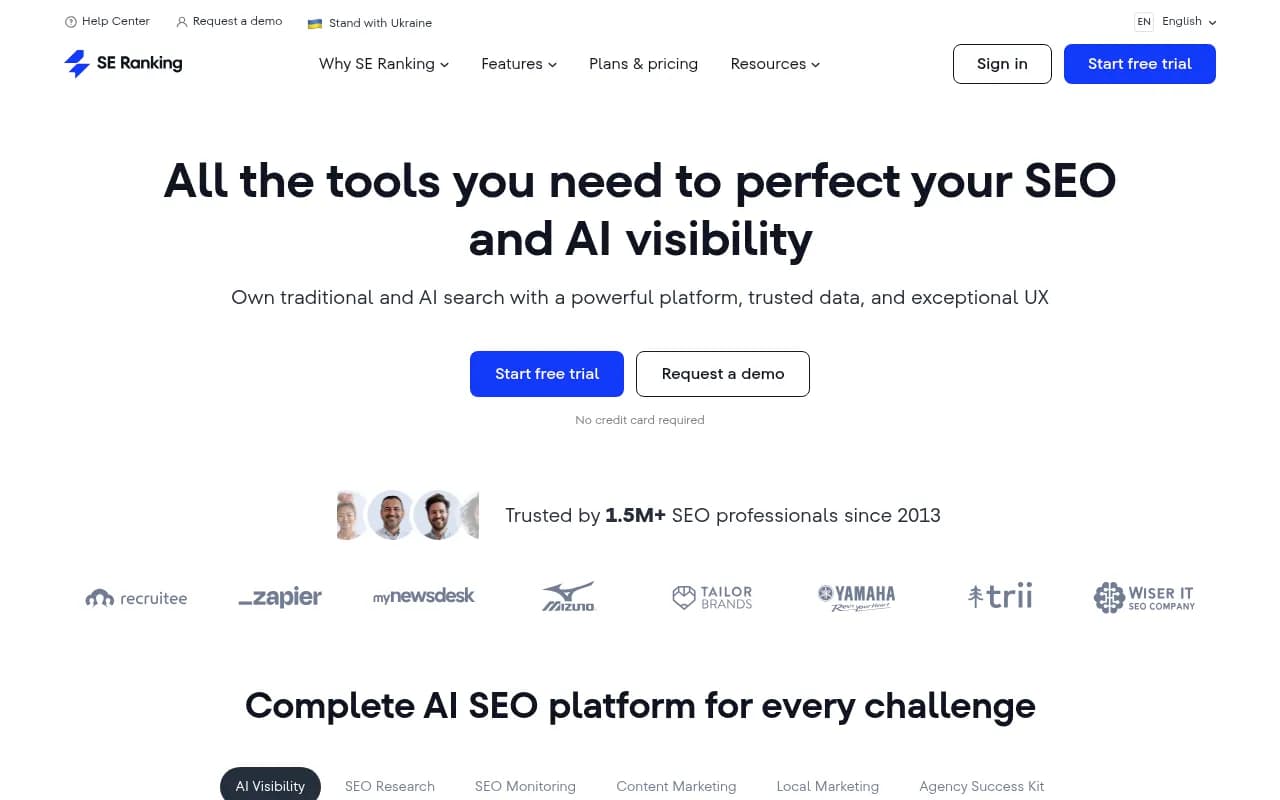
| SE Ranking | Yes | Yes | Limited | Mid-tier |
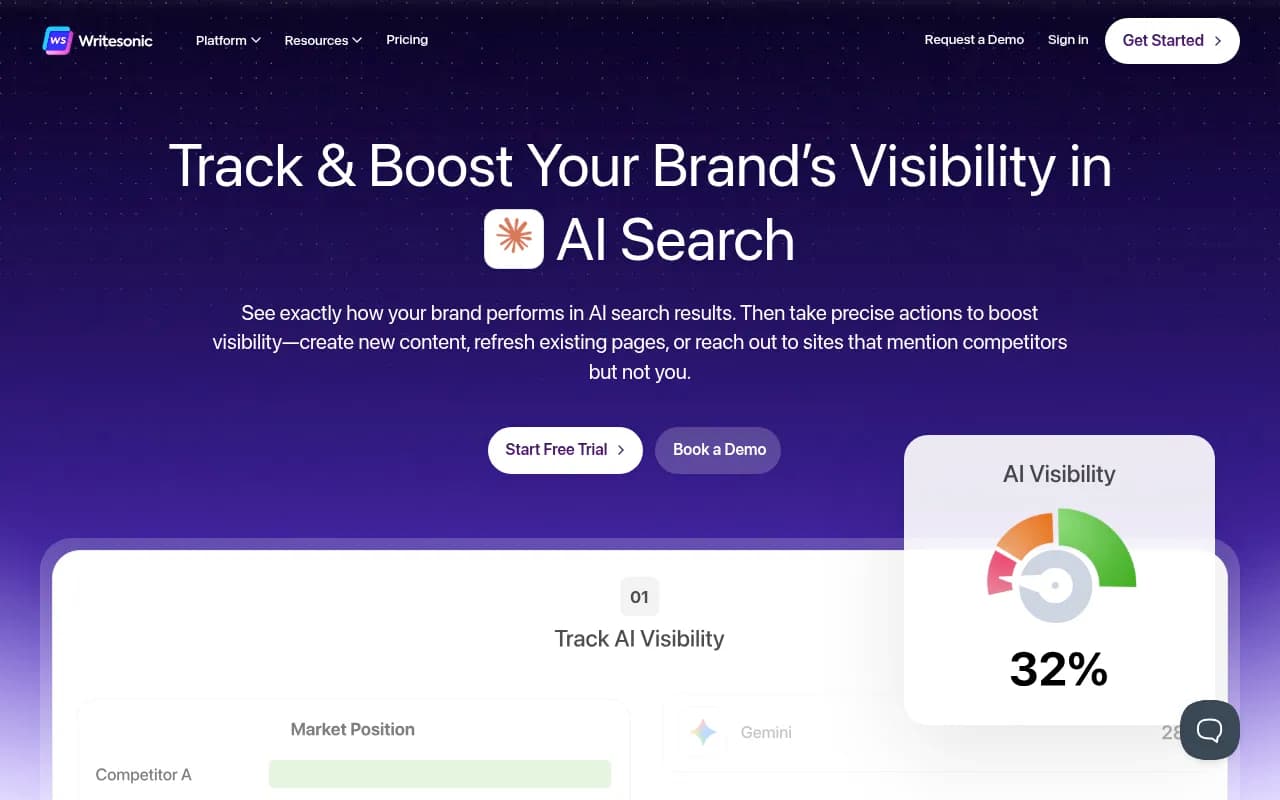
| Writesonic | Yes | Yes | Limited | Mid-tier |
| Profound | Yes | Yes | No | Higher tier |
| Scrunch | Yes | Yes | No | Higher tier |
The core difference between these tools is whether they help you act on what they find. Monitoring-only tools tell you you're invisible. Platforms like Promptwatch also show you what content to create and help you create it.
The agentic commerce angle
One more thing worth knowing about: agentic commerce. This is the emerging pattern where AI agents don't just recommend products -- they complete purchases on behalf of users. ChatGPT's operator integrations and similar features from other AI platforms are moving in this direction.
For e-commerce brands, this means the stakes of AI visibility are going to increase. Being recommended by ChatGPT today means a user clicks through and buys. In 18-24 months, being recommended by an AI agent might mean the purchase happens automatically, without the user ever visiting your site.
The brands building AI visibility now are positioning themselves for that future. The technical foundation -- structured data, clean product information, authoritative content -- is the same whether the buyer is a human reading a ChatGPT recommendation or an AI agent executing a purchase.
Start with the basics, track your visibility, and close the content gaps your competitors are currently exploiting. That's the work.