Key takeaways
- GEO vendors now split into three camps: self-serve with published prices, sales-led with custom quotes, and hybrids that offer both a free trial and a demo.
- Entry prices are falling while enterprise ceilings climb. Profound dropped its public brand plans in 2026, while Otterly, Peec AI and others kept published tiers.
- Compare cost per prompt and per engine, not the headline price. Engines included, add-ons and credits vary a lot.
- A practical rule: when a self-serve top tier plus add-ons approaches roughly $1,200 a month, a sales conversation starts to earn its time.
- Hybrid is the safest default for most teams. Start with a trial, then talk to sales only when you need security reviews, SSO, or custom volume.
Why the buying model matters more than it used to
A year ago the main question about a GEO platform was whether it tracked ChatGPT. Now nearly everything does. The more useful question is how you buy it, because that decides how fast you can test it, what you actually pay, and who you can call when something breaks.
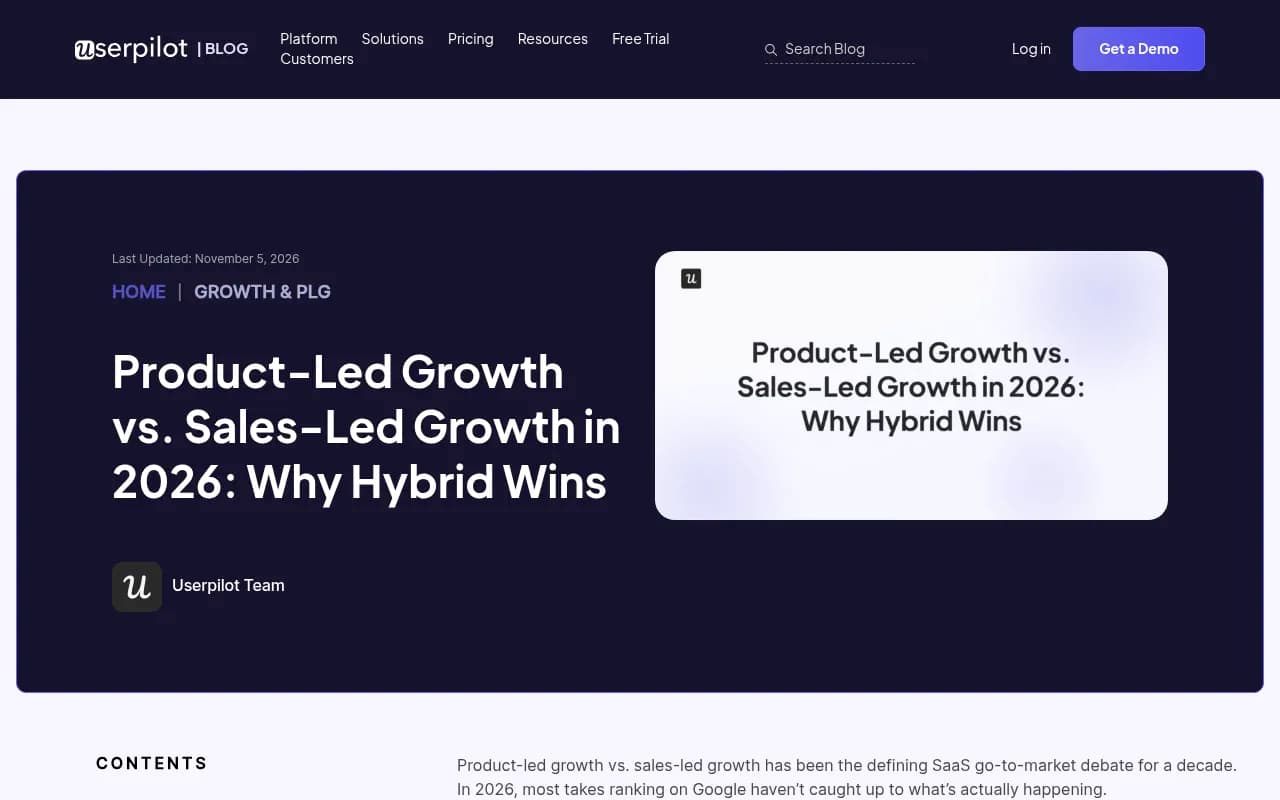
The same debate has run in SaaS for a decade: product-led growth versus sales-led growth. Userpilot's November 2026 update argues that hybrid is the default for almost every B2B SaaS company above $10M ARR, and cites OpenView's 2024 benchmarks: 67% of hybrid companies hit their net revenue retention targets versus 58% of pure product-led ones. Data-Mania puts it more simply: the model follows the buyer. If the buyer will adopt on their own, self-serve compounds. If the buyer expects a person before committing, sales closes.
GEO software is a young category, and vendors are picking different sides of that split. That matters to you as a buyer, so let's go through what each model looks like in practice.
What self-serve GEO platforms look like
Self-serve means a public pricing page, a trial or free tier, and a credit card checkout. You can have a dashboard running within an hour and decide on evidence rather than a pitch deck.
Prices below come from third-party roundups checked in autumn 2026 and they change often. Confirm everything on the vendor's own pricing page before you budget.
| Vendor | Published entry point | Notes |
|---|---|---|
| Otterly.AI | Lite $29/mo, Standard $189/mo, Premium $489/mo | 14-day trial. Gemini, AI Mode and Claude cost extra |
| Peec AI | Starter $95/mo, Pro $245/mo, Advanced $495/mo | Now billed in USD. Extra models from $35/mo. Enterprise via sales |
| AthenaHQ | Starter about $295/mo (about $245 annual) | Credit-based, free tier with 300 credits |
| Goodie AI | Core $295/mo annual, Pro $999/mo annual | 7-day trial, unlimited seats, enterprise by quote |
| Scrunch AI | $250/mo annual or $300 monthly | 4 engines on Core, 9 on Enterprise. Acquired by Sitecore in June 2026 |
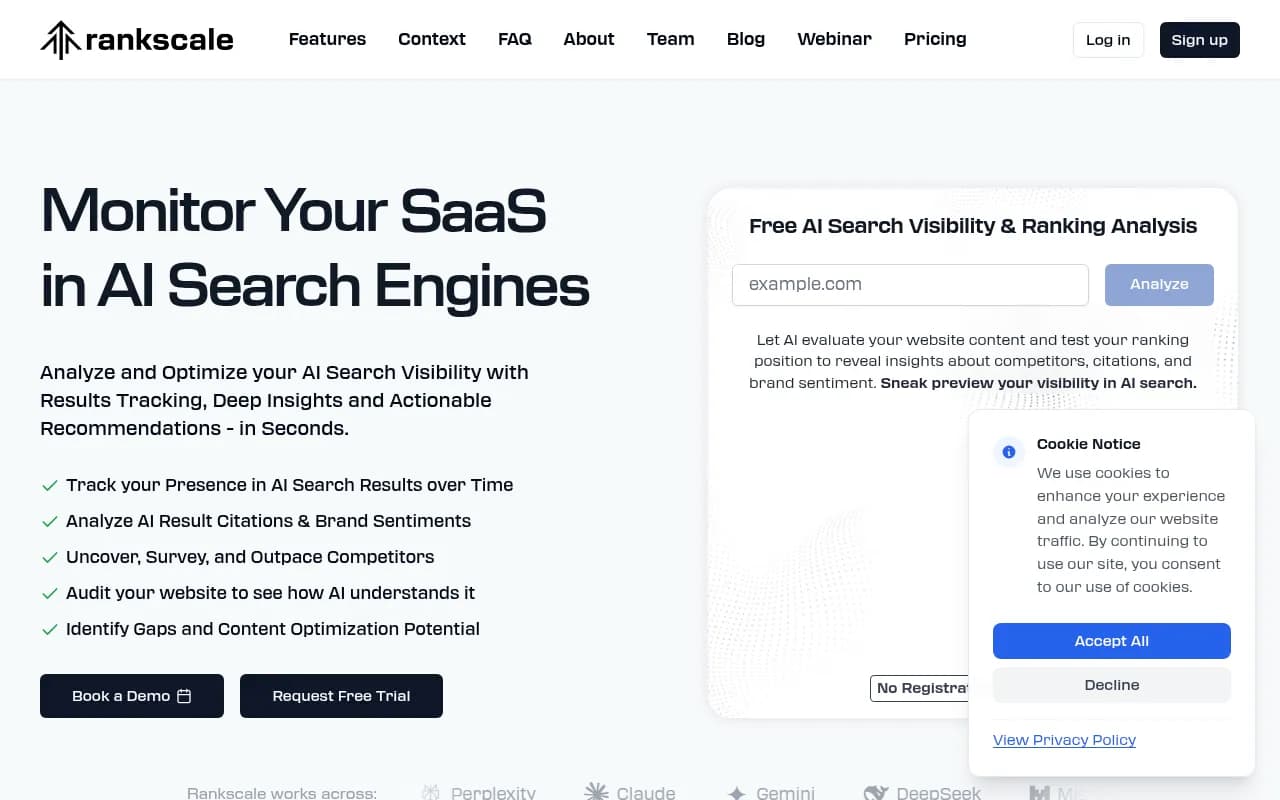
| Rankscale | Essentials about $17-20/mo up to Enterprise $780 | 17+ engines |
| Rankability | $97, $297, $497 per month | 11 engines on every plan |


What you gain with self-serve
Speed is the big one. You can run the same 30 prompts across two or three tools in a week and compare how they handle your brand, your competitors and your language. No NDAs, no discovery calls.
Price transparency helps too. You know what year two costs before you start.
Where self-serve gets awkward
Headline prices hide a lot. Otterly sells Gemini and AI Mode as add-ons. Peec lets you pick 3 of 6 engines. AthenaHQ is credit-based, so spend depends on how you use it. One roundup (Ryan Doser's) calculated that Otterly's top self-serve plan plus add-ons reaches about $1,226 a month, which is, in his words, the point where a sales call about the custom Enterprise tier earns its time. That is a handy rule of thumb.
Security is the other gap. If your procurement team asks for SOC 2, SSO or a data processing agreement, a credit card checkout rarely answers that.
What sales-led GEO platforms look like
Sales-led means you book a demo, scope your prompts, engines and markets, and get a custom quote. Contract terms, onboarding and support are negotiated.
The clearest 2026 example is Profound. Third-party roundups report it removed its self-serve brand plans (the earlier $99 and $399 tiers). When its official pricing was checked on September 23, 2026, it listed a free 7-day trial (50 prompts across ChatGPT, Gemini and Google AI Overviews) and custom Enterprise pricing covering up to nine answer engines. Some older articles, like Surmado's, still list the old plans, so treat them as stale. Its selling points are SOC 2, SSO and breadth of engines.
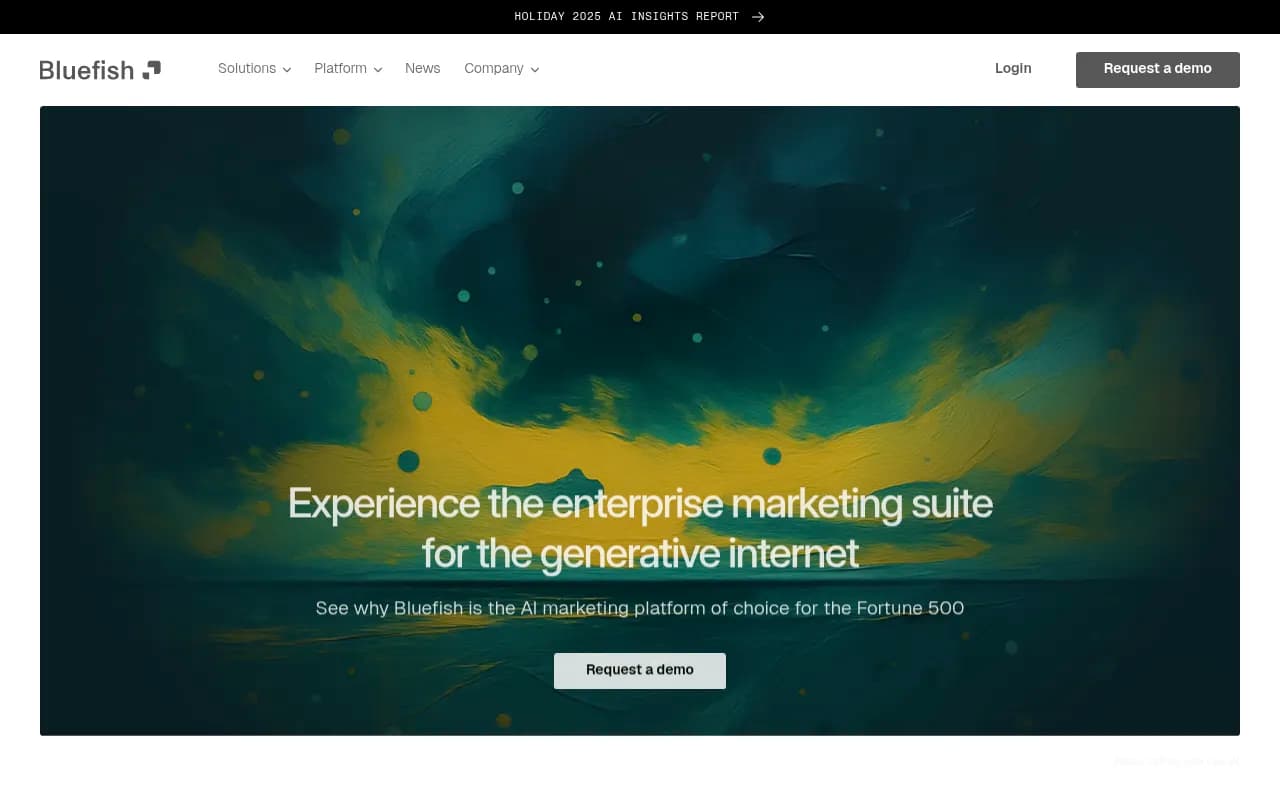
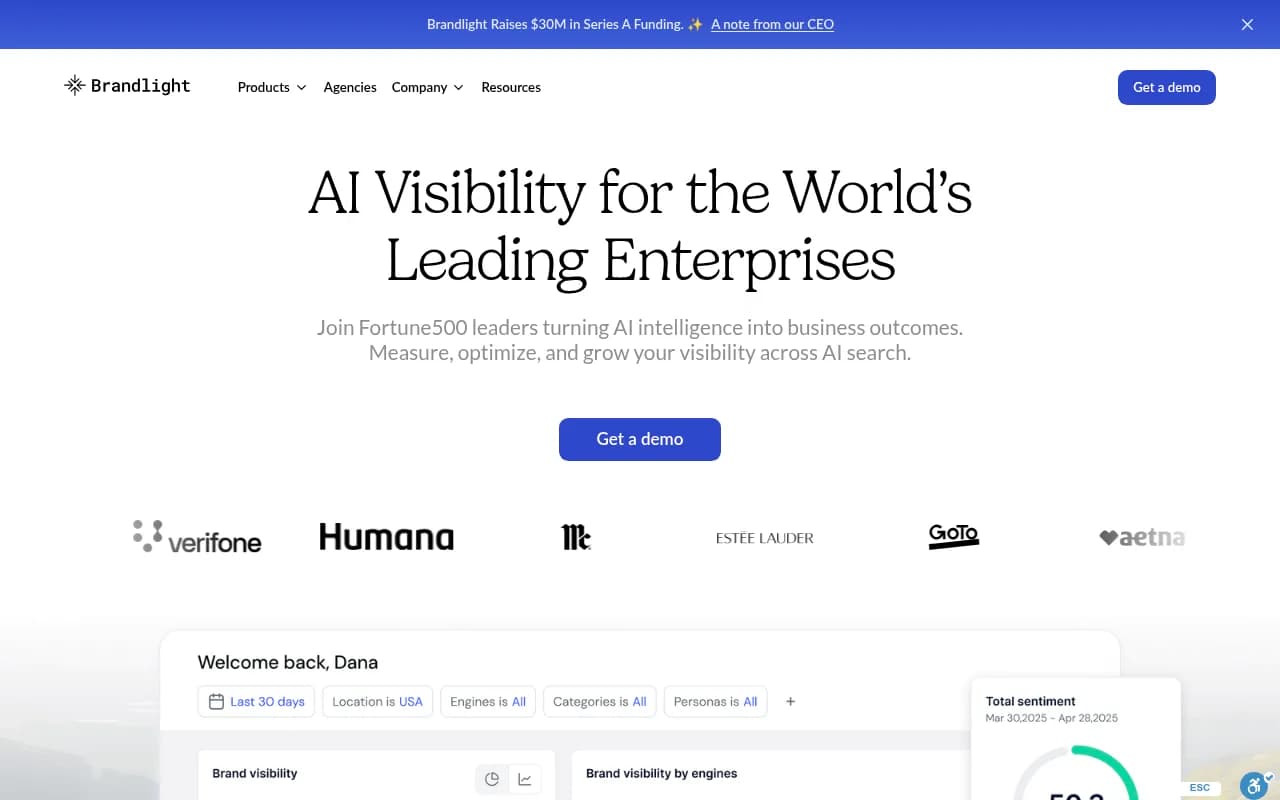
Others in this camp include Bluefish (sales-led) and Brandlight, whose enterprise tiers reportedly reach up to $25K a month.

What you gain with sales-led
You get a named contact, security paperwork, custom prompt volumes and often some strategy help. For a regulated company with 20 stakeholders, that matters more than a clean pricing page.
What it costs you
Time, mainly. A demo, a scoping call, a procurement cycle. And you often cannot compare prices without entering the funnel. Vendors know it: Goodie AI published an AthenaHQ comparison that frames AthenaHQ as "enterprise-gated GEO", using the self-serve versus sales-gated difference as a selling point.
Don't forget services either. One pricing guide, citing WebFX, puts AI visibility software at $50 to $1,000+ a month, agency retainers at $1,500 to $50,000+, and enterprise programs at $25K to $50K+. Software is the cheap part if you have people to run it.
The hybrid model
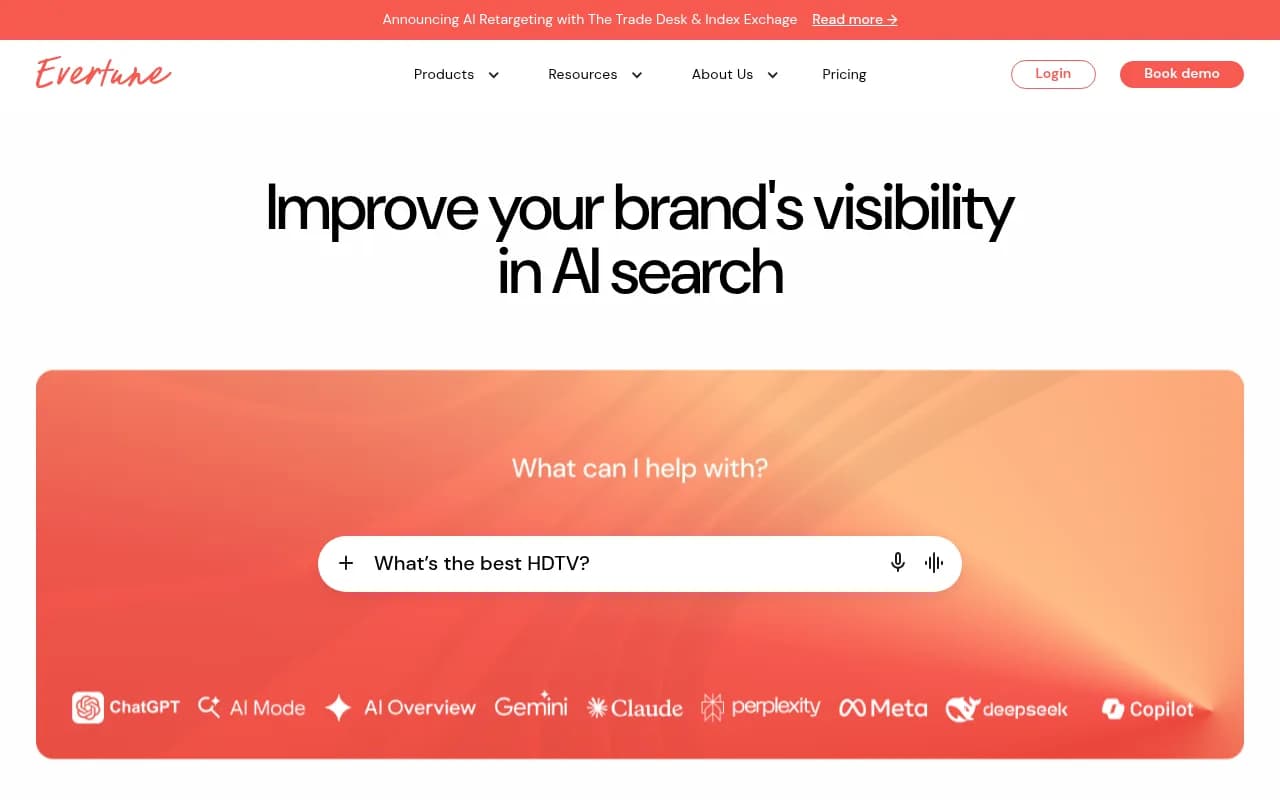
Most vendors that last end up here. Free trial or entry plan for small teams, custom contracts for the big ones. Peec has self-serve tiers with enterprise via sales. Goodie has published plans and a quote-based enterprise tier. Semrush moved its One Advanced tier to custom pricing while keeping the $99 AI Visibility Toolkit.
Promptwatch works this way as well. It has a 7-day free trial on monthly billing and published plans (Essential $95/mo, Professional $245/mo, Business $579/mo, agency plans from $199/mo, confirm on promptwatch.com/pricing), plus Enterprise for SSO, white-label client portals and custom volumes. You can also book a demo if you prefer a person.

The free report Promptwatch Data published on software citations is a nice illustration of why this matters. In the week of Sep 28 to Oct 4, 2026, ChatGPT's software citations favored vendor sites and documentation, which together earned about 4.65% of citations, roughly three times the share of review sites and analysts like G2 and Gartner (Most Cited Sites in ChatGPT for Software-Related Prompts, October 2026). The report itself offers both a free trial and a demo button, which is the hybrid motion in miniature.
There is a side effect for buyers of GEO tools too. If you are researching vendors by asking ChatGPT, the answers lean on each tool's own docs and help pages, plus G2 and Capterra profiles. Vendors with thin documentation are harder to evaluate, and harder for AI to recommend.
Side-by-side: which model fits which team
| Situation | Better fit | Why |
|---|---|---|
| Solo marketer or small team, under 100 prompts | Self-serve | Fast start, no procurement |
| Agency running several clients | Self-serve or hybrid with agency plans | Predictable per-client cost, seats usually unlimited |
| Mid-market brand wanting content execution | Hybrid | Trial first, then volume and support discussion |
| Regulated enterprise (SOC 2, SSO, DPA required) | Sales-led or hybrid enterprise tier | Paperwork and contract terms |
| Fortune 500 with global markets and many engines | Sales-led | Custom prompts, engines and onboarding |
| Team that needs tool to also fix gaps, not just report | Hybrid platform with execution features | Look at what the tool does after the dashboard |
How to evaluate, whichever model you pick
Compare cost per prompt and per engine
A $95 plan with 50 prompts on 3 engines is not comparable to a $99 plan with 25 prompts on 1 engine. Write down prompts, engines, countries, refresh frequency and seats for each shortlisted tool, then divide.
Check what is tracked, and how
Some tools use APIs. Others collect from the real user interface of each AI product, where answers and citations can differ. Ask which one the vendor does, and for which engines.
Ask what happens after the report
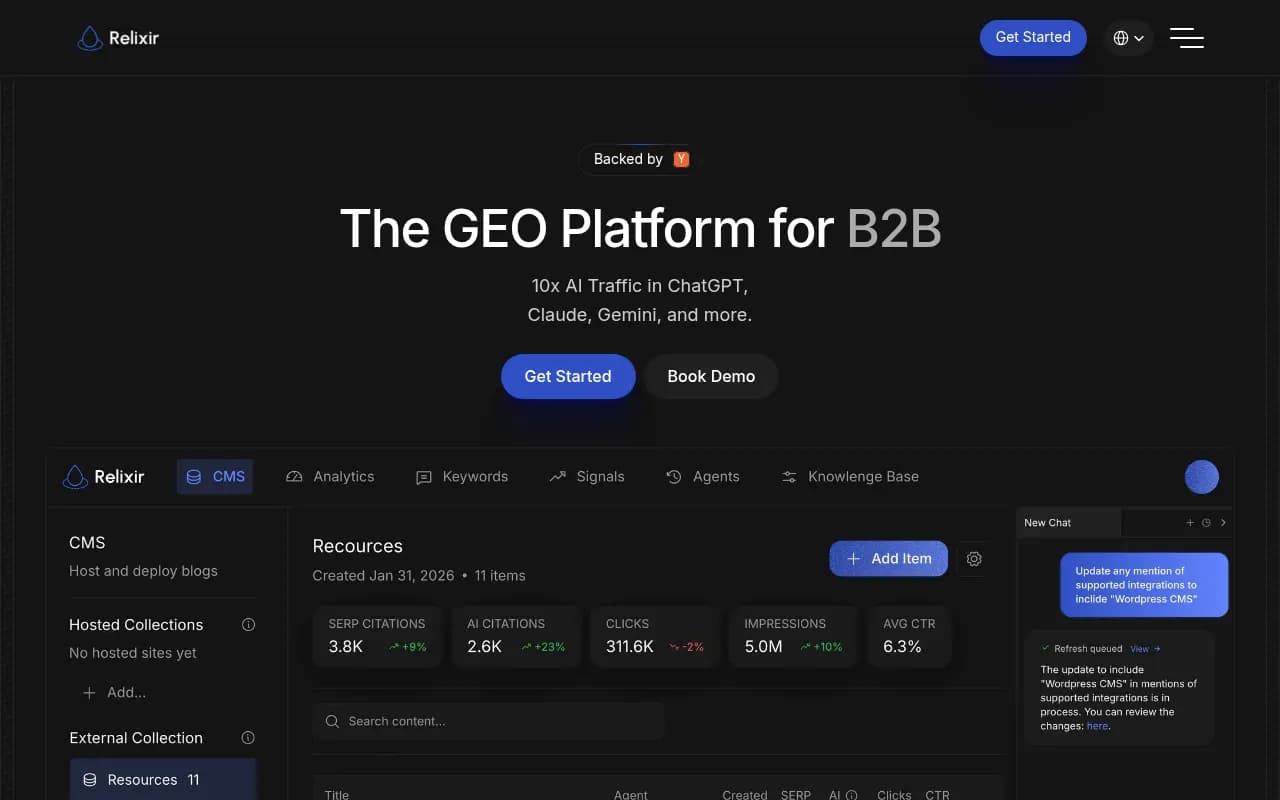
A lot of platforms stop at monitoring. If your team has no one to write content or fix crawl issues, a tracker leaves you with a score and a to-do list. Tools like Promptwatch add crawler logs, content gap analysis and a content agent that publishes to your CMS, which is a different category of purchase from a pure tracker. Others such as Gradial GEO, Temso AI and Relixir also lean toward execution. Whether you need that depends on your team, but ask the question before you sign.

Test with your own prompts
During any trial, load your actual buyer questions, your top three competitors and at least one non-English market if you sell outside the US. Check that brand matching works if your name is also a common word.
Verify the vendor's numbers
Several "best GEO tools" lists are written by vendors or agencies with a stake in the answer. Otterly's comparison page, Goodie's AthenaHQ comparison and Rankability's roundup are all vendor-written. Cross-check anything that sounds too clean. Third-party funding and ARR claims, such as Surmado's report of $300M+ in category funding, are also unverified.
When to move from self-serve to a sales conversation
A few signals say it is time:
- Your plan plus add-ons is close to the vendor's custom tier. Around $1,200 a month is a reasonable trigger point.
- Procurement or security asks for SOC 2, SSO, audit logs or a signed DPA.
- You need more markets, locations or refresh frequency than public plans allow.
- You want onboarding, a success manager, or white-label reporting for clients.
- Multiple teams need separate projects and permissions.
None of those mean you should start with a sales call. Start with a trial, learn what you actually use, then negotiate from knowledge.
When to avoid a sales-led-only vendor
Be wary if you cannot see any pricing range, cannot trial the product, or the demo is mostly slides. A vendor that will not let you touch the data before signing may be fine for a Fortune 500 with a long evaluation process. For most teams it is a slow way to learn a tool does not fit.
The flip side applies too. If a self-serve vendor has no security documentation, no named support and no roadmap beyond the dashboard, you may outgrow it within a year.
A quick shortlist by team type
| Team | Start here | Then consider |
|---|---|---|
| Small brand, tight budget | Otterly.AI, Peec AI, Rankscale | Move up when you need content execution |
| SEO team with an existing suite | Semrush or Ahrefs Brand Radar add-ons | A dedicated platform once fixed prompt sets limit you |
| Agency | Promptwatch agency plans, Goodie AI Agency Growth | Enterprise for white-label portals |
| Mid-market with content team | Promptwatch, AthenaHQ, Scrunch | Demo for volume and support |
| Enterprise | Profound, Bluefish, Brandlight, Promptwatch Enterprise | Run a paid pilot against 2-3 vendors |
For a broader view of what exists, the GEO software directory at bestgeosoftware.com lists tools by category.
Gaps in the available data
A couple of honest caveats. I found no independent data on sales-cycle length, contract terms or compliance coverage for each vendor, and no reliable numbers on how many teams buy self-serve versus enterprise. Pricing in older articles is often wrong: Peec's currency changed, Mentionable repriced to EUR 249 a month, and Profound removed its plans. Check dates on anything you read, including this guide.
The bottom line
Self-serve is the best way to learn what you need. Sales-led is the best way to buy once you know. Most teams should trial two or three self-serve or hybrid tools with their own prompts, then move to a custom conversation only when security, volume or support requirements force it. If you want a place to start that covers both motions, try the Promptwatch free trial or run the free AI visibility report first.
If you would rather hand the whole evaluation to specialists, 1001 SEO Media runs GEO programs for brands and uses Promptwatch as its AI visibility platform.