Key takeaways
- Hiring managers are asking ChatGPT, Perplexity, and Google AI Overviews which staffing firm handles a specific role, region, or industry, instead of just typing keywords into Google.
- ChatGPT cites roughly 5 sources per response, versus about 10 for Google AI Overviews and Perplexity, according to Promptwatch's data on sources per response. That makes AI Overviews a more forgiving entry point for staffing firms without deep domain authority yet.
- Reddit's share of ChatGPT Search citations collapsed from roughly 4% to 0.5% in mid-August 2026 (Promptwatch Data), so agencies chasing ChatGPT visibility should put more weight on LinkedIn company pages and structured job/service pages than on Reddit threads.
- JobPosting schema (JSON-LD) is table stakes: ZipRecruiter saw a 450% CTR increase after implementing it, per Google's own case study, and it's a prerequisite for showing up in Google for Jobs and, by extension, in AI answers that pull from that layer.
- Product-page-style content (individual job listings and service pages, not just blog posts) is now the single most-cited format on ChatGPT Search, at nearly a third of citations in July 2026.
Why staffing firms can't ignore this anymore
A hiring manager used to Google "best IT staffing agency Chicago" and click through five or six results. Now they're just as likely to ask ChatGPT or Perplexity "which staffing agencies specialize in placing data engineers in the Midwest" and get a single synthesized answer with maybe five sources attached. If your firm isn't one of those five, you don't get a second chance at that query. There's no page two.
The scale of this shift is bigger than most agency owners realize. Gartner has predicted traditional search engine volume will drop 25% by 2026 as AI chatbots absorb queries that used to run through Google. Pew Research found that when a Google search produces an AI summary, people click through to a website only 8% of the time, compared to 15% without a summary, and they're more likely to just close the tab. So even the searches that still happen on Google are converting to clicks less often.
On the candidate side, the pattern is the same. Resume Genius's 2026 Job Seeker Insights Report found 78% of job seekers now use AI somewhere in their job search, and on the employer side, 66% of B2B decision-makers use tools like ChatGPT, Copilot, or Perplexity for supplier research, with 90% saying they trust the recommendations. Hiring a staffing partner is a supplier decision. If AI tools are shaping which vendors get shortlisted for software, they're shaping which recruiters get the call too.
This is the gap between classic SEO and generative engine optimization, or GEO. SEO gets you ranked. GEO gets you cited, quoted, and recommended inside the answer itself. For a staffing firm, both still matter, but GEO is the newer skill and most agencies haven't built it yet.
What AI models actually cite, and why it matters for staffing content
The engines don't all behave the same way, and the differences change what a recruitment agency should prioritize.
ChatGPT is stingy. It cites around 5 sources per web-search response, the smallest inventory of any major engine, per Promptwatch's average sources per response data. Every one of those five slots is contested. Google AI Overviews cites roughly 10, and Perplexity is remarkably consistent at almost exactly 10 sources a day. That means AI Overviews and Perplexity have twice the citation real estate ChatGPT does, and they're the more realistic place for a mid-sized staffing firm to start earning visibility before it has the authority to break into ChatGPT's tighter shortlist.
Format matters too. Product pages, meaning individual, structured pages rather than generic blog content, became the most-cited format on ChatGPT Search in July 2026, at close to a third of all citations, nearly double their share back in March according to Promptwatch's citation types report for July 2026. For a staffing agency, that's a strong signal: a well-structured job listing page or a specific "contract staffing for manufacturing" service page is more likely to get quoted than a 2,000-word thought-leadership post. Listicles were the fastest-growing format the same month, climbing from about 8% to over 10% of citations, which is your opening for "best staffing agencies for X" style roundup content, whether you write it yourself or get mentioned in someone else's.
How-tos, comparison pages, and social posts are all still low-competition citation categories, each sitting under 5% of ChatGPT citations as of July 2026. That's worth knowing because it means there's still room to get cited there without competing against giants.
LinkedIn is doing more work than you think, and each engine treats it differently
Most recruitment agencies already post job openings and thought leadership on LinkedIn. What's less obvious is that different AI engines read LinkedIn in completely different ways, according to Promptwatch's LinkedIn citation page types report.
ChatGPT treats LinkedIn almost like a company directory. Company pages account for 23.84% of its LinkedIn citations and the LinkedIn homepage itself gets 22.55%, while Pulse articles only get 8.77%. Interestingly, job listings make up 8.02% of ChatGPT's LinkedIn citations, punching well above their weight for "what does this company do, who are they hiring" type prompts. If your company page is thin, out of date, or missing specialties, that's a direct visibility problem for ChatGPT specifically.
Google AI Mode and AI Overviews are the opposite. They're article-hungry: Pulse articles take 44.85% of AI Mode's LinkedIn citations and 42.25% of AI Overviews', with posts a distant second. If you want Google's AI surfaces to cite your recruitment expertise, publishing on LinkedIn Pulse (or the newsletter feature) matters more there than anywhere else.
Perplexity is the odd one out: it favors ordinary feed posts (41.88%) over Pulse articles (32.46%), the only engine where that's true. That rewards fresh, practitioner-style commentary over polished long-form writing.
| Engine | What it cites most on LinkedIn | What that means for staffing firms |
|---|---|---|
| ChatGPT | Company pages (23.84%), homepage (22.55%), job listings (8.02%) | Keep your company page complete, current, and specific about specialties |
| Google AI Mode | Pulse articles (44.85%) | Invest in LinkedIn Pulse/newsletter content, not just posts |
| Google AI Overviews | Pulse articles (42.25%), posts (27.72%) | Same, plus AI Overviews is the only engine citing LinkedIn's "top content" pages meaningfully |
| Perplexity | Feed posts (41.88%) over Pulse (32.46%) | Post frequently in a plain, conversational voice |
Don't over-invest in Reddit for ChatGPT visibility right now
There's a lot of older advice floating around telling staffing firms to seed Reddit threads because AI engines love citing Reddit. That was true, and for Google's AI surfaces it mostly still is. But for ChatGPT specifically, the ground shifted hard and fast: Reddit's share of ChatGPT Search citations dropped from roughly 3.8% to just 0.5% starting August 14, 2026, an 86% relative collapse, according to Promptwatch's tracking of Reddit citations dropping in ChatGPT. Google AI Overviews and AI Mode only declined gradually over the same window.
Before that drop, Reddit made up over 5% of ChatGPT's citations, more than 20 times its next-best social source (LinkedIn, at 0.23%), per Promptwatch's social media citations by AI model data. So ChatGPT used to be a genuine "Reddit specialist." That's changed. If your GEO plan for the last year has been "seed r/recruiting and r/jobs," it's time to rebalance: keep a light Reddit presence for Google's engines, but put more of the budget into LinkedIn company page completeness and structured job/service pages, since those are what's actually winning ChatGPT's five citation slots now.
The technical foundation: JobPosting schema and Google for Jobs
Before any GEO tactic works, the basics have to be in place. JobPosting structured data (JSON-LD, per Schema.org) is required to appear in Google for Jobs' rich-result widget, and it's the same clean, machine-readable data that AI crawlers use to understand what a role actually is. Google's own case study found ZipRecruiter saw a 450% increase in click-through rate after implementing JobPosting schema, and Nestlé saw an 82% CTR lift on pages with rich results.
A basic five-step rollout:
- Add JSON-LD with the required properties (title, description, hiring organization, date posted, job location) to every job page.
- Add the recommended properties too: salary range, employment type, and remote work configuration. AI engines and Google both reward completeness here.
- Validate every template with Google's Rich Results Test before pushing it live across hundreds of job pages.
- Submit an updated sitemap and use the Indexing API so new postings get crawled fast, since job listings are time-sensitive by nature.
- Monitor the "Job posting enhancement" report inside Google Search Console for errors that would quietly knock listings out of Google for Jobs.
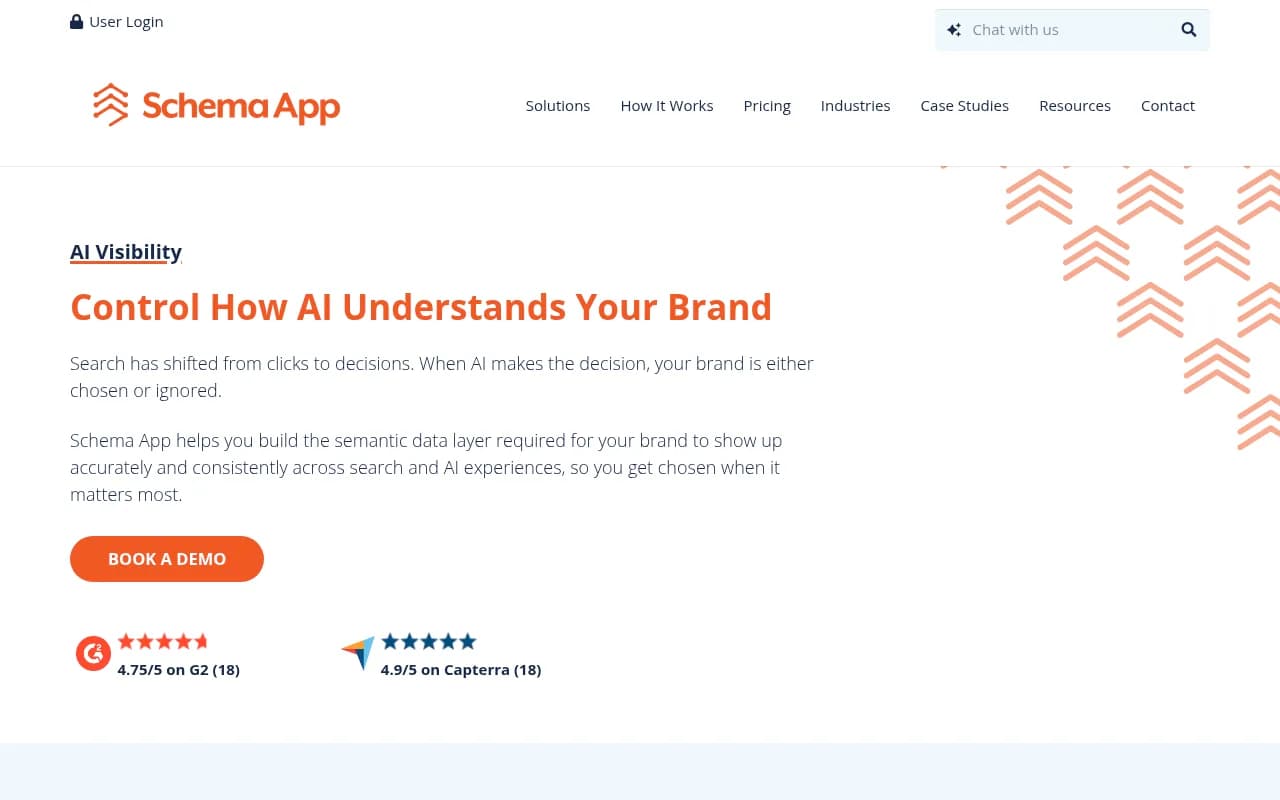
This is a technical, unglamorous fix, but it's the difference between an AI engine being able to describe your open roles accurately and it hallucinating or skipping you entirely. Schema App is a reasonable option if you'd rather not hand-code JSON-LD across a large careers site.
Structuring content so AI can actually quote it
Once the technical layer is solid, the content itself needs to be built for extraction, not just for ranking. A few patterns that hold up across the research:
- Write dedicated pages per specialty, region, or hiring problem ("executive search for manufacturing operations leaders," "contract staffing for warehouse and logistics in the Midwest") rather than one generic "services" page trying to cover everything. Specific pages give AI models a clean, quotable unit to cite.
- Put proof close to the claim. If you place 200 warehouse workers a quarter in a specific metro, say that number on the page it's relevant to, not buried in an About page.
- Keep job listing pages current. Stale postings hurt both Google for Jobs eligibility and AI trust in your data.
- Publish comparison and listicle-style content deliberately. "Best staffing agencies for X" content is a fast-growing citation category, and if you don't write it, a competitor or a third-party blog will, and they'll decide who gets included.
Monitoring whether any of this is working
You can't fix what you can't see. Tracking whether AI engines are actually citing your firm, and which pages they're pulling from, is its own discipline now. This is the category Promptwatch sits in, along with a growing list of AI visibility tools.

Promptwatch tracks how a brand shows up across ChatGPT, Gemini, Claude, Perplexity, Google AI Overviews, AI Mode, and other engines, and goes further than most competitors by also logging AI crawler visits to your site (which pages ChatGPTBot or PerplexityBot actually read), tracking Reddit and YouTube citations specifically, and running content agents that draft and publish AEO-optimized pages to your CMS. For a staffing firm that's serious about this, that combination matters: you want to know not just "are we mentioned," but "which of our job pages or service pages are getting crawled and cited, and what should we fix next."
Other tools worth knowing in this space, if you want a lighter or cheaper starting point:
| Tool | Starting price (approx.) | Engines tracked | Notable for staffing firms |
|---|---|---|---|
| Promptwatch | $95/mo (Essential) | ChatGPT, Gemini, Claude, Perplexity, Grok, Copilot, AI Overviews, AI Mode, more | Crawler logs, Reddit/YouTube citation tracking, automated content publishing |
| Otterly.AI | $29/mo | ChatGPT, AI Overviews, Perplexity, Copilot (Claude/Gemini as add-ons) | Cheapest entry point, monitoring only, no content generation |
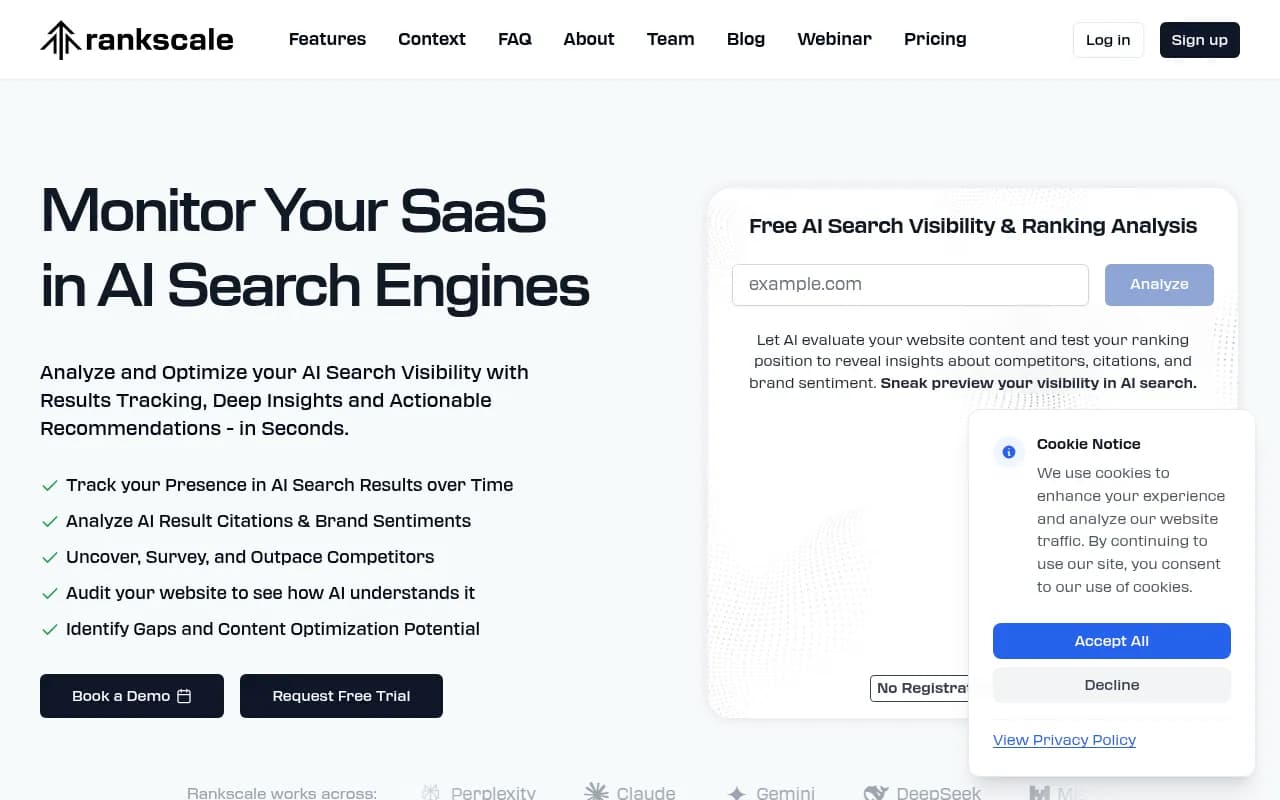
| Rankscale | ~$20/mo (Essentials) | 17+ engines claimed | 200+ point AI Readiness Score audit, good for smaller agencies |
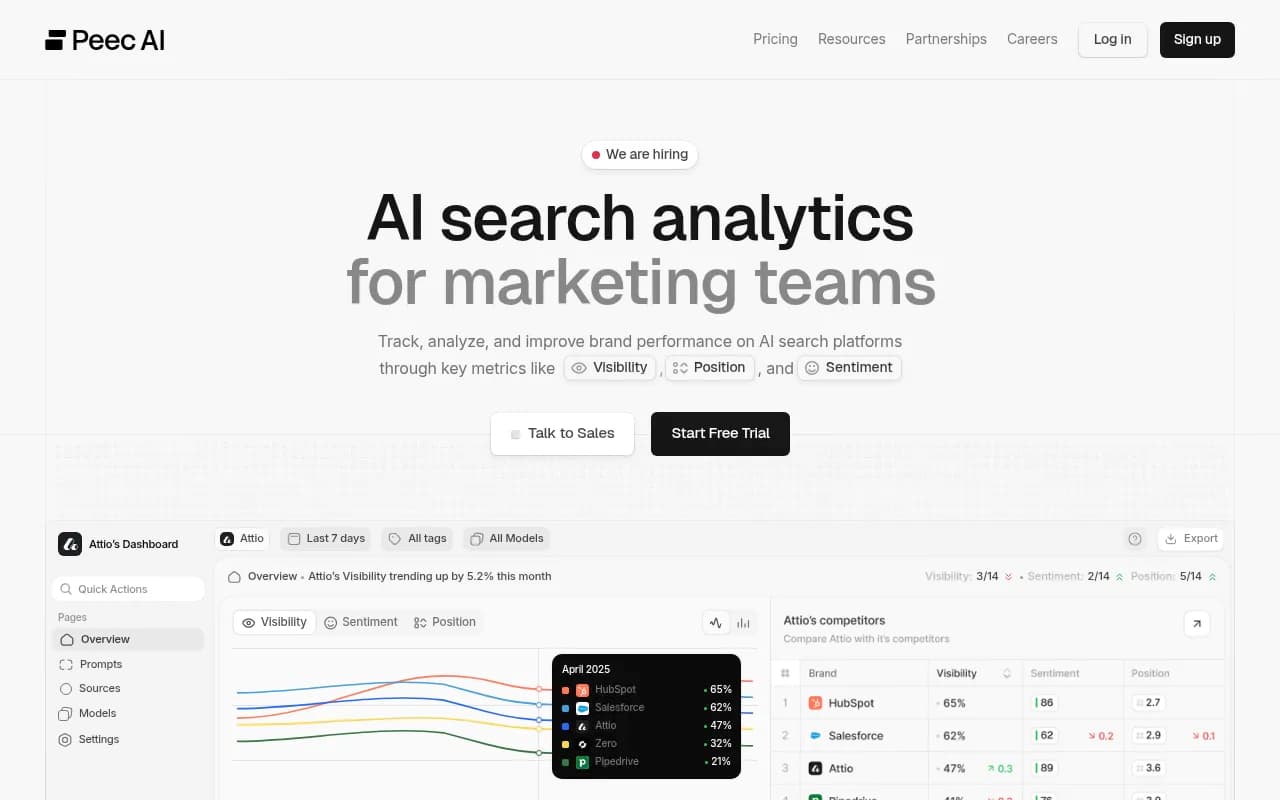
| Peec AI | ~$80-95/mo depending on plan | ChatGPT, Perplexity, Gemini, Copilot, AI Overviews (3-engine cap on lower tiers) | Strong sentiment and competitor comparison |
| AthenaHQ | ~$245-295/mo | Multiple, with a free Essential tier | "Action Center" auto-generates and publishes content |
Pricing across this category is reported inconsistently even by dedicated trackers, so confirm current numbers directly with each vendor before budgeting.

A realistic starting checklist for staffing firms
- Audit your LinkedIn company page for completeness: industries served, specialties, current job count, and accurate "about" copy. This is what ChatGPT reads first.
- Add or fix JobPosting schema on every live job listing, validate it, and check the Job posting enhancement report in Search Console monthly.
- Build (or rebuild) service pages by niche and region instead of one catch-all services page.
- Publish a small number of Pulse-style LinkedIn articles aimed at Google's AI surfaces, and post more casually and frequently for Perplexity.
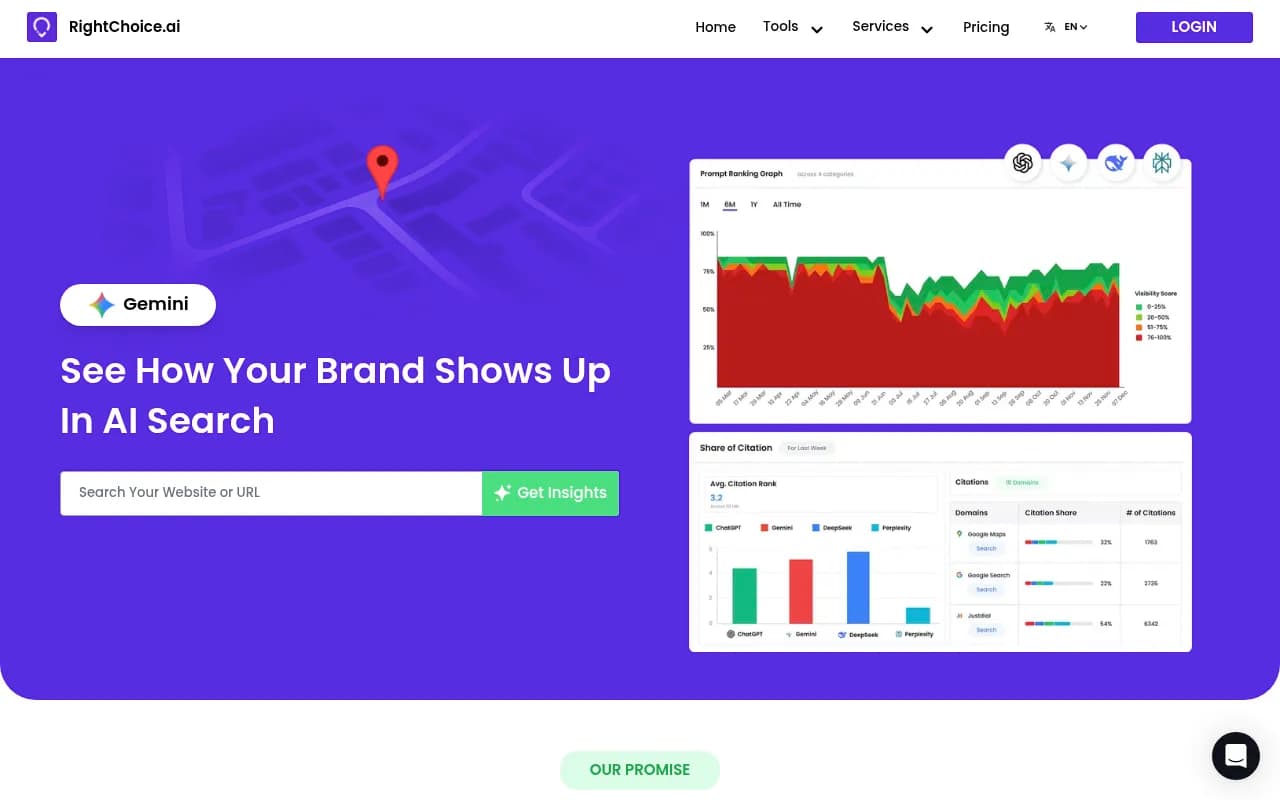
- Pick one monitoring tool, even a free one like HubSpot AI Search Grader or RightChoice.Ai, to get a baseline before investing further.
HubSpot AI Search Grader
If this is more than your internal team has bandwidth for, agencies that specialize in AI search and GEO, including 1001 SEO Media, can run the technical audit, the content structuring, and the ongoing monitoring as a managed engagement rather than a one-off project. For a browsable list of GEO-focused platforms beyond the ones covered here, the directory at bestgeosoftware.com is a decent place to compare options side by side.
The firms that get this right in the next twelve months won't necessarily be the biggest names in staffing. They'll be the ones whose job pages, service pages, and LinkedIn presence are structured cleanly enough that an AI model can quote them with confidence. That's a solvable, mechanical problem. Most of your competitors haven't solved it yet.