Key takeaways
- In August 2026, sites with domain rank 46-75 earned about 46% of ChatGPT citations, per Promptwatch Data. DR 91-100 sites averaged just 4.4%.
- Authority matters, but not in a straight line. Citation share peaks at DR 61-75 and falls off above that.
- Product pages, landing pages and listicles make up over half of what ChatGPT cites, so build those first.
- Landing pages, docs and comparisons stay cited for months. News fades in about 36 days.
- You do not need to wait for a bigger domain. You need pages that answer buying questions cleanly and get corroborated elsewhere.
The shift: ChatGPT is not just citing the giants
The common advice goes like this: build domain authority, and the citations follow. Winston Digital's 2026 playbook ranks source domain authority as the first signal to fix. A widely shared LinkedIn post claims referring domains are the strongest predictor of ChatGPT citations. Those claims are not wrong, exactly. They are incomplete.
The numbers from Promptwatch's citation share by domain rank report (ChatGPT citations, Aug 1 to Aug 31, 2026) tell a more interesting story. Here is the monthly average share by domain rank band:
| Domain rank band | Share of ChatGPT citations |
|---|---|
| DR 61-75 | 23.4% |
| DR 46-60 | 22.6% |
| DR 76-90 | 18.9% |
| DR 0-15 | 6.3% |
| DR 91-100 | 4.4% |
These shares are calculated only over citations whose domain has a known rank, which is 89.65% of all ChatGPT citations in the period. Still, the pattern is hard to miss. DR 46-75 together took about 46%. DR 0-45 sites earned almost a third. And the very top tier, DR 91-100, ended the month behind DR 0-15 sites.
I find that genuinely surprising. The usual assumption is that Forbes-sized domains soak up everything. In August 2026 they did not.
What happened to the top tier
DR 91-100 averaged about 7% in the first week of August. It dropped to about 5% on Aug 8 and to about 3% on Aug 14, then stayed there. The Aug 14 drop is the same day reddit.com's share of ChatGPT citations collapsed from roughly 4% to 0.5%. Most of the lost share moved to the middle tiers, with DR 61-75 gaining 1.6 points and DR 46-60 gaining 0.9.
On Aug 8, ChatGPT also started using the site: operator at scale, going from about 0.4% to about 17% of fanout queries overnight, per Promptwatch's report on the change. That kind of retrieval shift plausibly changes who gets surfaced, though the data does not prove a causal link to the rank redistribution.
A note on conflicting numbers
You may have seen a claim that Reddit holds 16.7% of ChatGPT citations, attributed to Ahrefs in July 2026. That figure either predates the August change or was measured differently. Given Reddit's fall to about 0.5% on Aug 14, I would treat it as stale. Citation data moves month to month, so always check the period before you build a plan on it.
What DR 46-75 actually means for you
If your domain sits in this band, you are in the best-represented tier in ChatGPT's citation pool. That cuts two ways.
The good news: you are not structurally locked out. The bad news: most of your competition lives here too. Promptwatch's own advice is to benchmark against the DR 46-75 range for exactly that reason. Your rivals are not Wikipedia. They are the other brands your buyers compare you with.
So the question changes from "how do I raise my DR" to "why would ChatGPT pick my page over another DR 60 page?" The answer is almost always page type, clarity, and corroboration.
Build around the content types ChatGPT actually cites
From Promptwatch's content type report (Sep 28 to Oct 4, 2026), here is the split across all classified citations:
| Content type | Share of citations |
|---|---|
| Product pages | 22.4% |
| Landing pages | 16.8% |
| Listicles | 13.6% |
| How-to guides | 8.7% |
| Documentation | 7.5% |
| General articles | 6.1% |
| Comparisons | 5.9% |
| News | 5.7% |
| FAQ pages | 3.3% |
| Reviews | 1.7% |
Product and landing pages together are 39% of citations. If your content calendar is mostly thought-leadership blog posts, you are aiming at the smaller targets.
Commercial prompts reward commercial pages
For commercial prompts (the "best X for Y" kind), product pages hit 26.0%, landing pages 20.6%, listicles 15.0% and comparisons 7.9%. Those four make up almost 70% of commercial citations. Informational prompts lean a bit more on how-to guides (10.7%) and documentation (8.5%).
Branded prompts look different again. Reviews are 5.6% of citations, more than three times their overall share. FAQ pages are 4.8%, and social posts 3.0%, almost four times their overall share.
Practical page checklist
- Product pages with clear pricing, specs and target audience, easy to compare against alternatives.
- Landing pages that state in the first sentence what the offer is and who it is for.
- Your own comparison pages ("X vs Y", "best tools for Z"), written fairly enough that a model would quote them.
- Public, crawlable documentation and help center pages.
- An FAQ page about your brand, written as direct answers.
- Reviews collected on trusted third-party sites.
On writing style, Winston Digital's advice holds up: put the answer in the first sentence, one idea per section, concrete nouns, no hedging. If a paragraph only makes sense after reading the one before it, ChatGPT cannot lift it cleanly.
Invest where the half-life is long
A citation you earn today does not last forever. Promptwatch tracked every page ChatGPT cited on July 6, 2026 for 90 days. Here is how long each type survived:
| Content type | Still cited after 30 days | Still cited after 60 days | Half-life |
|---|---|---|---|
| Landing pages | 78% | 69% | Likely 90+ days |
| Docs | 76% | 67% | Likely 90+ days |
| Comparisons | 72% | 63% | Likely 90+ days |
| Listicles | n/a | 60% | Likely 90+ days |
| Product pages | n/a | 55% | 74-77 days |
| Reviews | n/a | 55% | 74-77 days |
| How-to guides | n/a | 55% | 74-77 days |
| News | n/a | 41% | 36 days |
The half-life for the top rows is estimated, because curves drop faster in the last week as the measurement window closes. Even so, the ranking is clear.
For a mid-authority brand with limited editorial hours, that points to a simple allocation. Put most of your effort into landing pages, docs, pricing pages and comparison content, and keep them accurate. Use news and press releases for short bursts only. A news post that loses half its cited pages in 36 days is a poor place to spend your best writer.
Pricing pages count as landing or product pages in this classification, so stale prices are a real risk. If your pricing changed in September and the page still says August, you are handing the citation to someone else.
Win the mentions and the citations
There is a trap here that the Semrush case-study video describes well. Getting cited as a source is not the same as getting recommended. Your content can be cited while ChatGPT recommends a competitor, or your brand can be mentioned in an unflattering frame. The brands winning, per the video's examples of Tally, Patagonia, Garmin and SentinelOne, do both: community presence and customer advocacy shape how they are mentioned, while consistency across "best of" lists and original research makes them a source the model has to cite.
For a DR 46-75 brand this translates into two jobs.
Get into the roundups ChatGPT already cites
Listicles are 13.6% of all citations and 15.0% of commercial ones. Find which "best of" pages in your category get cited, then pitch them. Promptwatch's recommendation here is to aim PR and guest content at DR 61-90 sites rather than chasing the very biggest names, since the top tier lost share in August. Tools like Promptwatch can show which third-party pages ChatGPT cites for your category prompts, so your outreach list is based on evidence instead of guesswork.

Publish original research
SentinelOne's example in the Semrush video is original research. Proprietary data gives other sites a reason to cite you, which then gives ChatGPT a corroborating source. It also works for mid-sized brands because it does not depend on your DR.
A 90-day playbook for DR 46-75 brands
Days 1-30: find your gaps
- List 30 to 50 prompts your buyers actually ask, split into commercial, informational and branded.
- Run them in ChatGPT and record which domains and page types get cited.
- Check which of your key pages are crawlable. If ChatGPT's bots cannot read your product or docs pages, nothing else matters.
- Benchmark yourself against competitors in your DR band, not against the category giants.
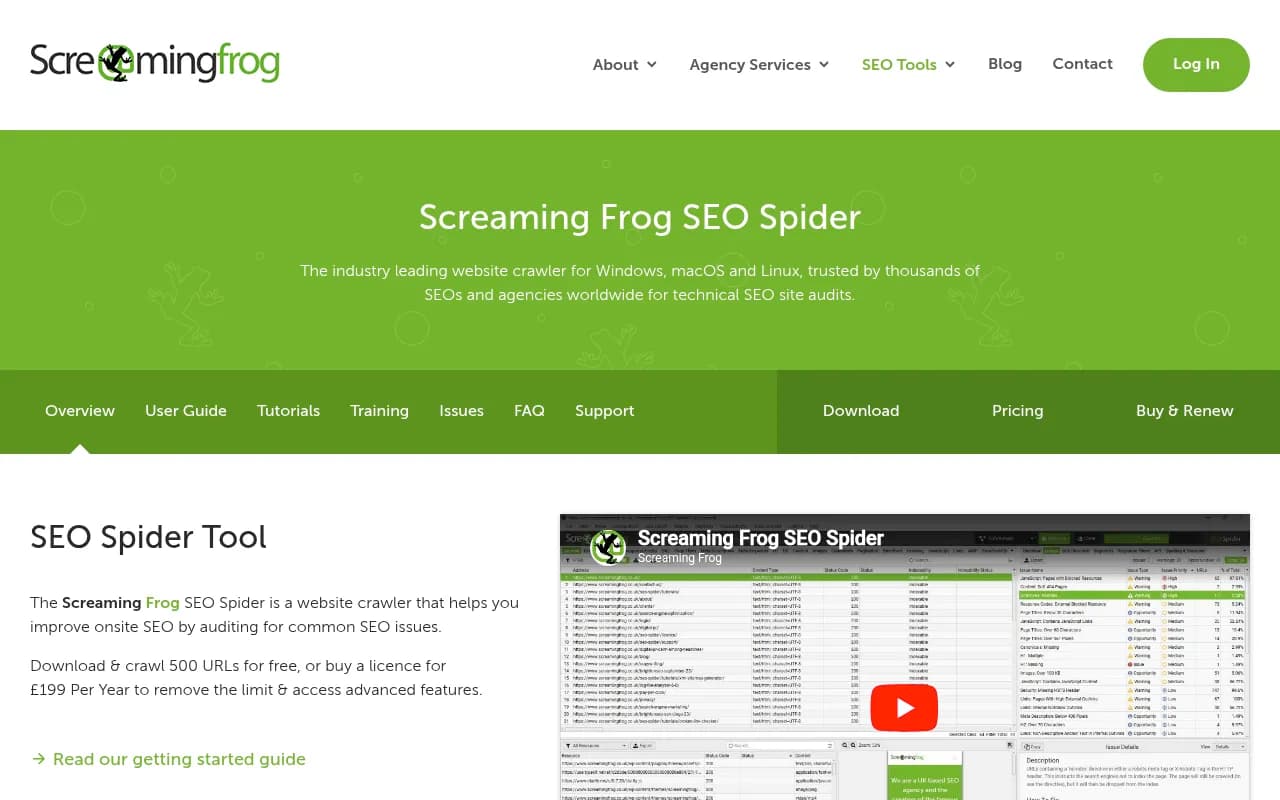
Free starting points include Google Search Console for seeing which pages already earn impressions, and a crawler like Screaming Frog for checking technical access.
Days 31-60: fix and build the core pages
- Rewrite product and landing pages so the first sentence is a quotable answer.
- Add comparison tables with real specs and prices.
- Publish or update 3 to 5 comparison pages and one "best of" page for your category.
- Add schema markup and an FAQ page about your brand. Structured data tools like Schema App can help at scale.
Days 61-90: corroborate and measure
- Pitch the roundups and publications in the DR 61-90 range that ChatGPT cites for your category.
- Push for reviews on trusted third-party sites.
- Ship one piece of original research.
- Re-run your prompt set and compare citations and mentions.
Tools for tracking and acting on this
You can do a manual version of this with a spreadsheet, but it gets tedious past a few dozen prompts. Here is how the options split.
| Tool type | Examples | What it gives you |
|---|---|---|
| Full AI visibility and optimization | Promptwatch | Prompt tracking, crawler logs, citation analysis, content gap analysis, content generation and publishing |
| Monitoring-focused trackers | Otterly.AI, Peec AI | Mentions and citations across models |
| Enterprise suites | Profound, seoClarity | Larger-scale monitoring and reporting |
| Content optimization | Clearscope, Surfer SEO | On-page structure and topical coverage |




If the question you need answered is "why aren't we cited, and what do we publish to fix it," prefer a platform that goes beyond monitoring. Promptwatch is built around that loop: it surfaces content gaps, helps draft the pages, and tracks whether the published page gets crawled and cited afterward. For a wider comparison of options, the GEO software directory at bestgeosoftware.com is a useful starting point.
Common mistakes
- Spending the budget on one big-name placement. The top tier lost share in August 2026, and Promptwatch suggests putting less weight on the very biggest sites.
- Writing mostly news-style posts. They have the shortest half-life of any type.
- Ignoring docs. Documentation is 7.5% of all citations and holds up well over time.
- Letting pricing and specs go stale on pages ChatGPT treats as long-term assets.
- Chasing a DR number. Citation share peaked at DR 61-75 and fell above DR 90. More authority is not a straight line to more citations.
- Treating a single study as permanent. ChatGPT's behavior changed on Aug 8 and Aug 14, and the March 2026 GPT-5.3 rollout cut average citations per response. Re-check quarterly.
FAQ
Does domain authority still matter for ChatGPT citations?
Yes, but not in a monotonic way. In August 2026, DR 61-75 had the highest share at 23.4%, and DR 91-100 had only 4.4%. Authority gets you in the pool. Page type and clarity decide who gets picked.
Should I stop building links?
No. Mentions on third-party sites the engine already trusts corroborate your pages. Just aim at relevant DR 61-90 sites instead of treating the biggest names as the only prize.
Can a DR 20 site get cited?
Yes. DR 0-30 sites still earned about 14% of citations in August 2026, and DR 0-45 sites almost a third. A clean, specific answer on a narrow topic can beat a vague one on a stronger domain.
Which page should I fix first?
Your highest-intent product or landing page. Make the first sentence a plain statement of what it is, who it is for, and what it costs.
The short version
If your site sits at DR 46-75, you are in the tier that took about 46% of ChatGPT citations in August 2026. Spend your time on product pages, landing pages, comparisons and docs, keep them current, get them corroborated on DR 61-90 publications, and measure against rivals in your own band. The numbers will shift again, so check them again next quarter.