Key takeaways
- Generic prompts like "best [category] tool" only capture a thin slice of how buyers actually use AI search -- you need five prompt types mapped across the full buyer journey
- Start with 20-40 prompts per product category, run them across at least 2-3 AI models, and track for 30 days before drawing any conclusions
- Niche prompt monitoring is different from broad brand tracking: you're looking for category-level visibility, not just brand mentions
- The real value isn't in the data itself -- it's in knowing which content gaps to fill so AI models start citing you instead of competitors
- Tools like Promptwatch go beyond monitoring to show you exactly what content to create and help you create it
If you sell something specific -- say, noise-cancelling headphones for remote workers, or project management software for construction teams, or vegan protein powder -- you have a niche. And that niche has its own set of questions that buyers type into ChatGPT, Perplexity, and Google AI Overviews every day.
The problem is that most AI visibility tracking setups aren't built for niches. They're built for broad brand monitoring. You get a dashboard showing whether "your brand" appears in AI answers. But what you actually need to know is: when someone asks ChatGPT "what's the best protein powder for building muscle without dairy," does your product show up?
That's a different question. And answering it requires a different approach to prompt selection, tracking, and interpretation.
This guide walks through exactly that.
Why niche prompt monitoring is harder than it looks
Here's the honest version: tracking AI visibility for a specific product category is genuinely messy. Unlike traditional keyword tracking, where you have search volume data and stable ranking positions, prompt tracking has none of that infrastructure.
The same question asked twice can get different answers. Results vary by location, session context, and which version of the model is running. There's no "position 1" to aim for. And the number of possible prompts in any given category is effectively infinite.
Most teams respond to this by defaulting to a handful of obvious prompts -- "best [product type]," "top [category] tools," "recommended [product] for [use case]" -- and calling it a strategy. That's not wrong exactly, but it covers maybe 20% of the actual prompts that matter.
The other 80% are the questions buyers ask before they're ready to compare products. The "how do I know if I need this" questions. The "what should I look for" questions. The "is [competitor] actually worth it" questions. If you're not tracking those, you're missing most of the picture.
The five prompt types you need to cover
Before you pick a single prompt, you need a framework. There are five types of prompts that matter for any product category, and most brands over-index on one or two while ignoring the rest.
Informational prompts
These are the "explain this to me" questions. For a noise-cancelling headphone brand, that might be "how does active noise cancellation work" or "what's the difference between ANC and passive noise isolation." You're not being recommended here -- but if AI models cite your content when answering these questions, you're building authority in the category.
Comparative prompts
"Best X vs Y" or "top [category] options" prompts. These are the ones everyone tracks. They matter, but they're also the most competitive and the most variable.
Instructional prompts
"How to choose [product]" or "what to look for in [product category]." These are buying-guide style queries. Buyers use them early in their research, and AI models love citing structured, opinionated content for these.
Brand-specific prompts
"Is [your brand] good," "reviews of [your brand]," "[your brand] vs [competitor]." These tell you how AI models characterize your brand specifically, which is different from whether you appear in category-level answers.
Transactional prompts
"Where to buy [product]," "best [product] under $X," "[product] for [specific use case]." These sit at the bottom of the funnel. For ecommerce brands especially, appearing in ChatGPT's shopping recommendations here can drive direct revenue.
A solid niche monitoring setup covers all five. If you're starting out, weight your prompt list roughly 25% comparative, 25% instructional, 20% informational, 20% transactional, and 10% brand-specific. Adjust based on your category.
Building your niche prompt list
Start with the buyer journey, not the product
The mistake most teams make is starting with their product features and working backward to prompts. Start instead with the questions a real buyer asks at each stage of their research.
Take a concrete example: you sell project management software specifically for construction teams. Your buyer journey might look like this:
- Awareness: "why do construction projects go over budget" / "how do general contractors manage subcontractors"
- Consideration: "best project management software for construction" / "how to choose construction PM software" / "Procore vs Buildertrend"
- Purchase: "construction project management software for small contractors" / "affordable Procore alternative"
That's already eight prompts, and you haven't even started on the instructional or brand-specific types. A real prompt list for this category would have 40-60 prompts covering all five types across all three journey stages.
Use competitor mentions as a signal
Look at which competitors AI models are already citing in your category. If ChatGPT consistently recommends three or four brands when someone asks about construction PM software, those brands are your benchmark. Build prompts that directly compare you to them. Track whether you appear in the same answers.
Mine Reddit and review sites for real language
The best prompts aren't written in marketing language -- they're written the way buyers actually talk. Reddit threads, G2 reviews, and Trustpilot comments are full of the exact phrasing people use when they're researching a purchase. "I need something that works offline on job sites" is a much more useful prompt than "best construction software with offline functionality."
Don't over-engineer the list upfront
Start with 20-40 prompts. That's enough to get meaningful data without creating a tracking nightmare. You can always expand once you know which prompt types are generating useful signal in your category.
Choosing which AI models to track
Not all AI models behave the same way, and for niche product categories, the differences can be significant.
ChatGPT (with web browsing) tends to favor well-established brands with strong review profiles and lots of third-party coverage. Perplexity cites sources more explicitly and often pulls from recent content. Google AI Overviews are heavily influenced by traditional SEO authority. Claude tends to be more conservative with specific product recommendations.
For most product categories, tracking three models gives you enough coverage without overwhelming your workflow: ChatGPT, Perplexity, and Google AI Overviews. If your category skews toward a younger or more tech-savvy audience, add Grok or Gemini.
The key insight from real tracking data is that visibility isn't consistent across models. You might appear in 60% of ChatGPT responses for a given prompt but barely register in Perplexity. That tells you something specific about where your content authority is strong and where it's weak.
Setting up your tracking system
Manual tracking (for getting started)
If you're just starting out, manual tracking is fine for a few weeks. Open each AI model, run your prompts, and record:
- Whether your brand was mentioned
- Whether your website was cited as a source
- Which competitors appeared
- The general framing of the answer (favorable, neutral, negative)
Do this in a spreadsheet. Run each prompt at least 3 times per model to account for variability. Track weekly.
The obvious downside is that this doesn't scale. At 30 prompts across 3 models, you're already looking at 90+ queries per tracking cycle, and that's before you account for running each prompt multiple times.
Automated tracking
For anything beyond a basic pilot, you need a tool. The market has expanded significantly in 2026, and there are options at every price point.
Promptwatch is worth calling out here because it's one of the few platforms that goes beyond just showing you where you appear -- it identifies which specific prompts your competitors are winning that you're not, and then helps you create content to close those gaps. For niche category tracking, that answer gap analysis is genuinely useful.

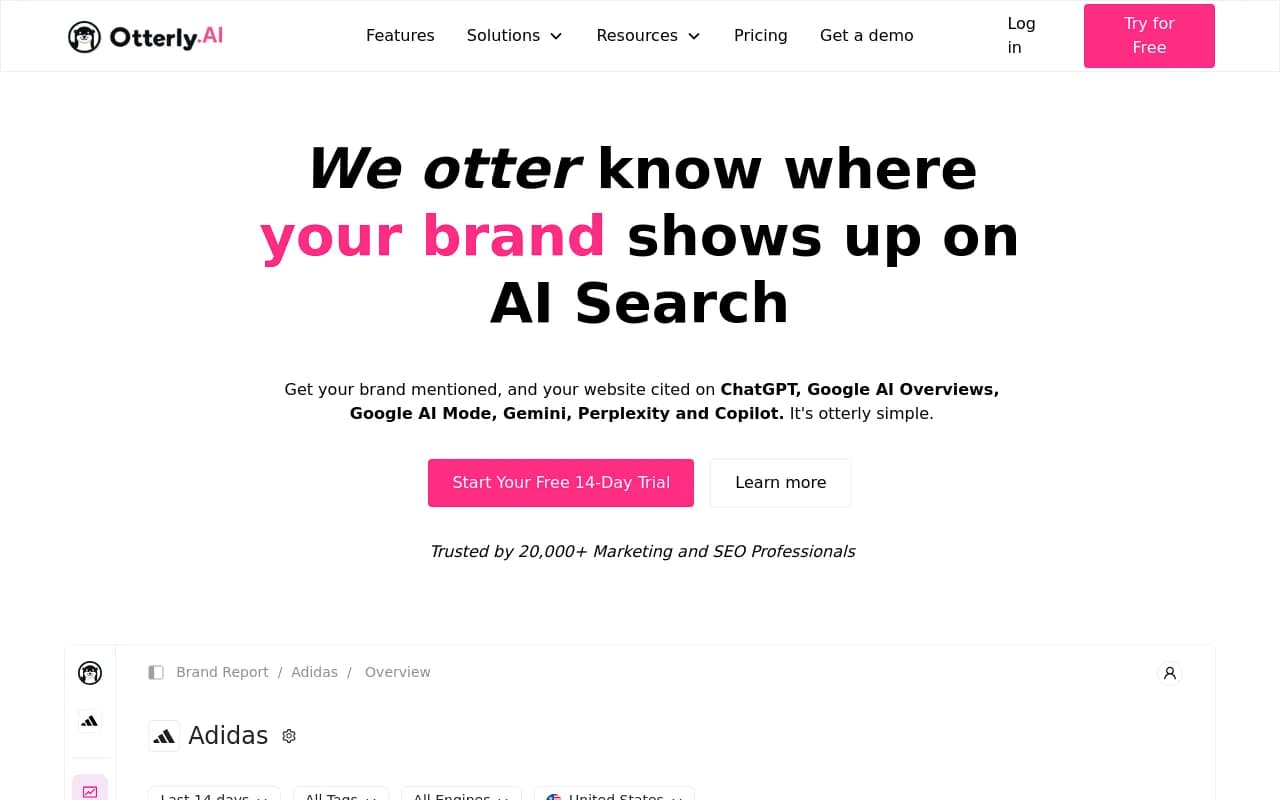
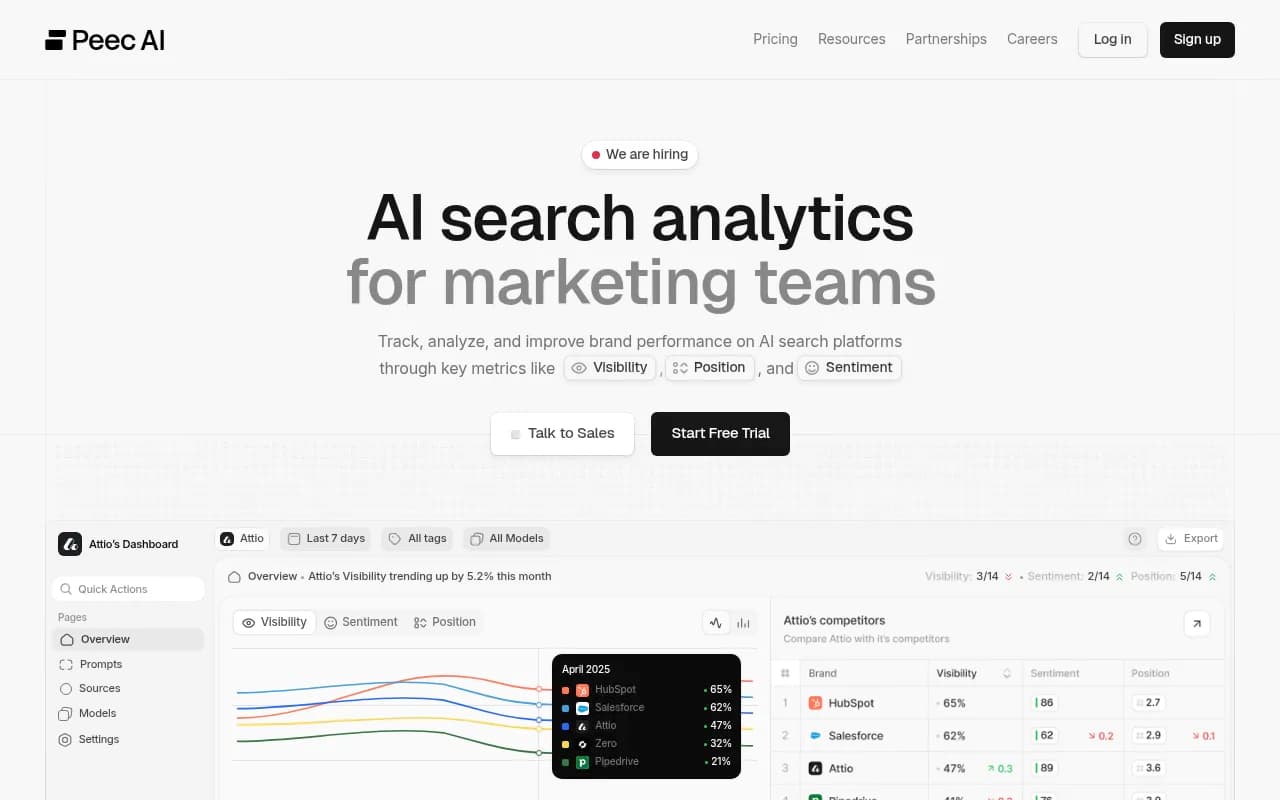
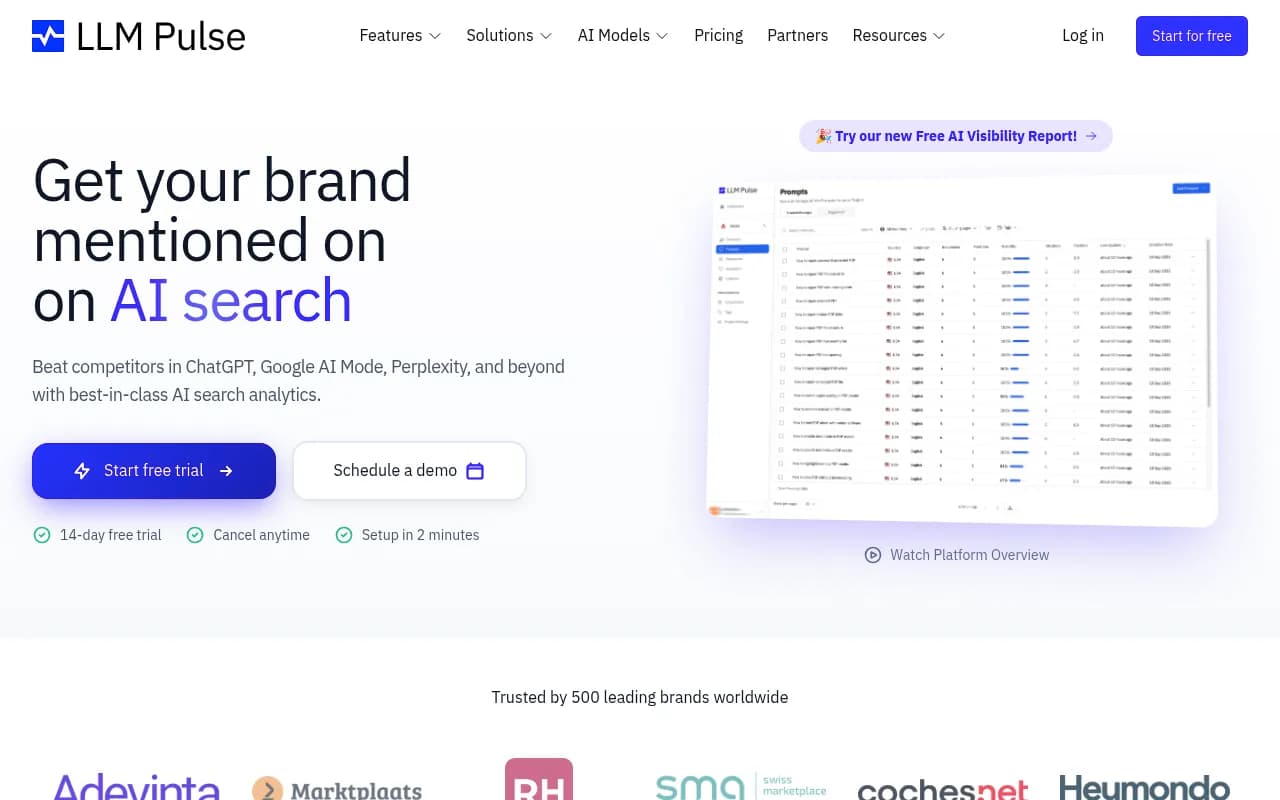
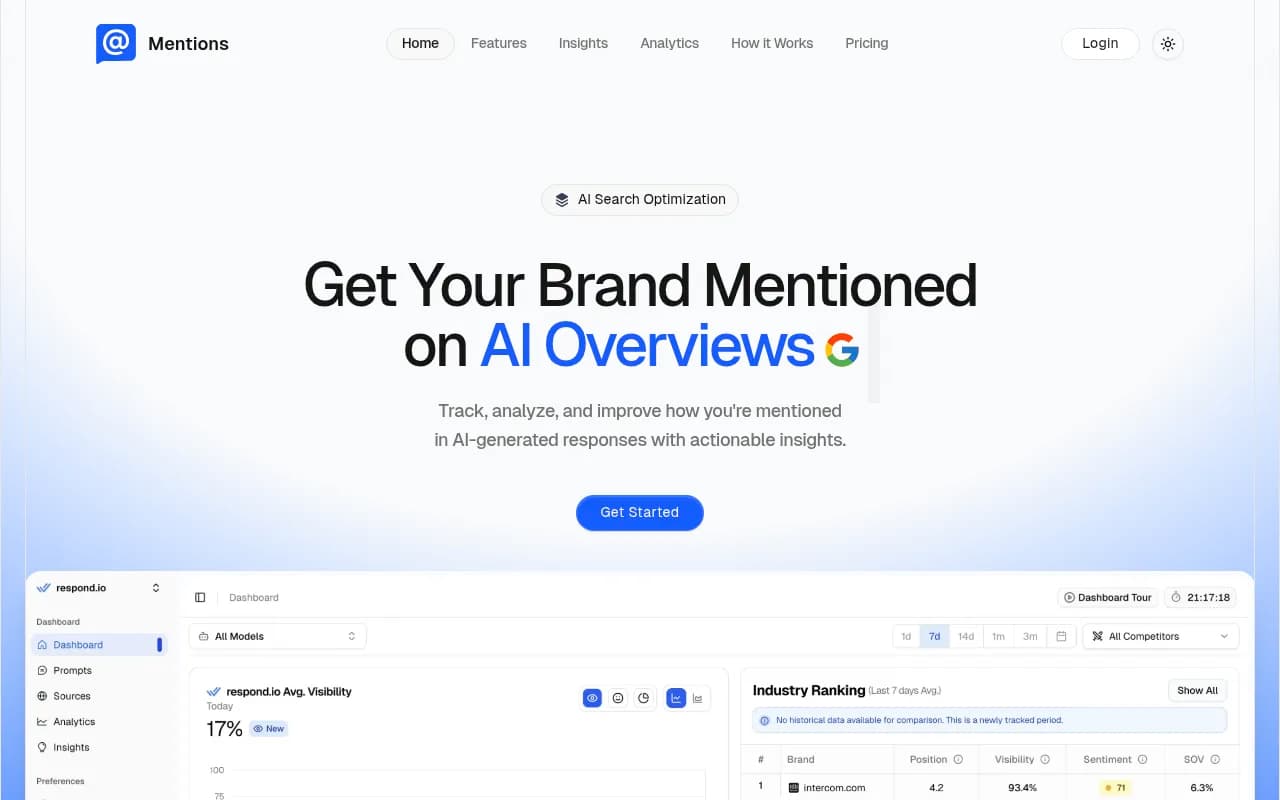
For teams that want solid monitoring without the content generation layer, there are several good options:
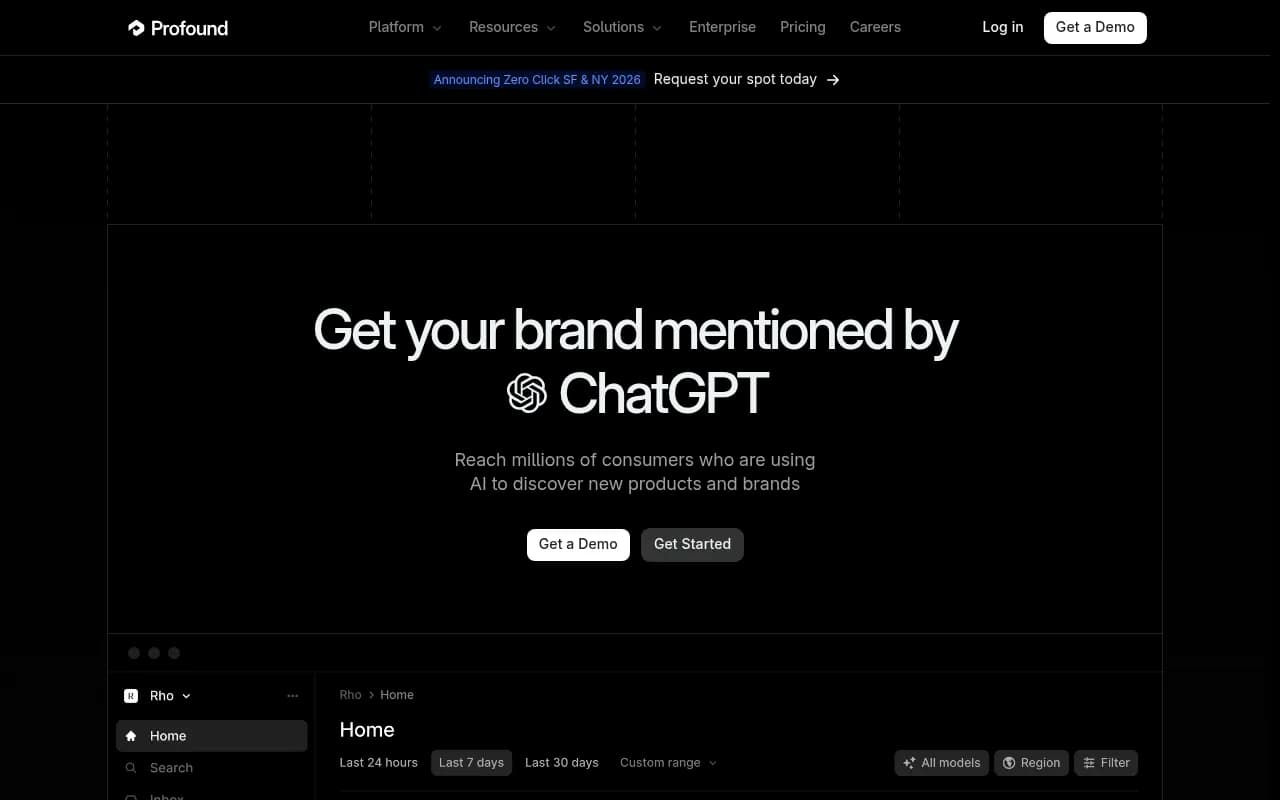
For enterprise teams with complex multi-category needs:
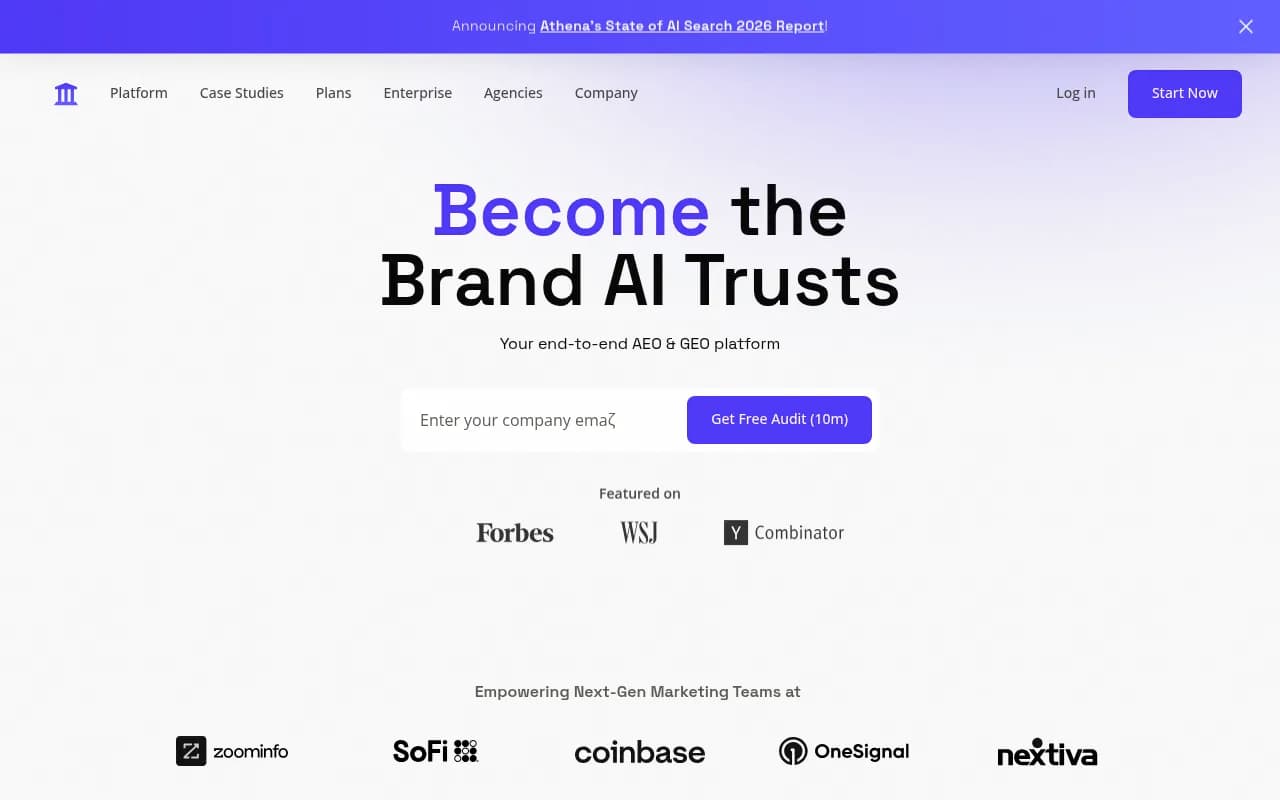
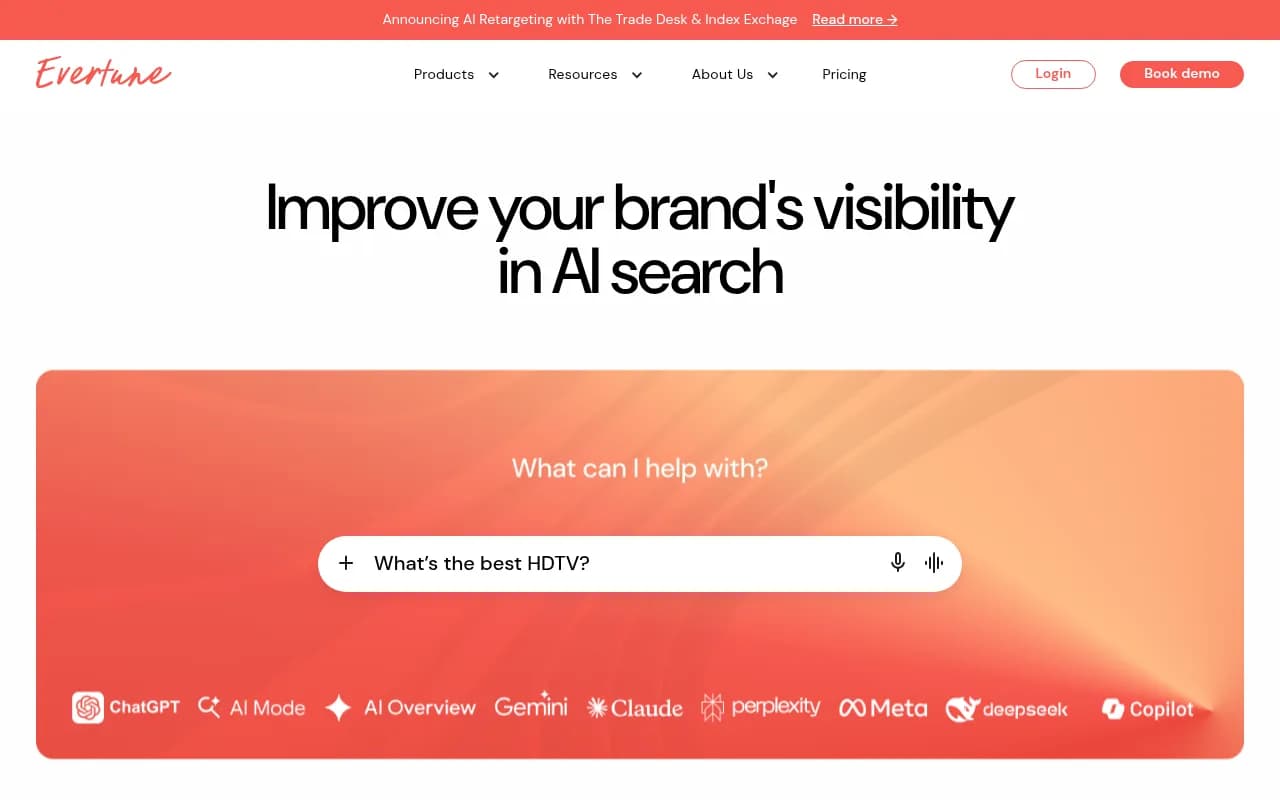
Here's a quick comparison of how the main options stack up for niche category tracking specifically:
| Tool | Niche prompt tracking | Answer gap analysis | Content generation | AI models covered | Starting price |
|---|---|---|---|---|---|
| Promptwatch | Yes | Yes | Yes | 10+ | $99/mo |
| Otterly.AI | Yes | No | No | 5 | ~$49/mo |
| Peec AI | Yes | No | No | 4 | ~$49/mo |
| LLM Pulse | Yes | Limited | No | 5 | ~$39/mo |
| Profound AI | Yes | Yes | No | 6 | $500+/mo |
| Athena HQ | Yes | Limited | No | 8 | $200+/mo |
| Evertune | Yes | Yes | Limited | 6 | Enterprise |
The pattern is clear: most tools are monitoring dashboards. They show you data but leave you to figure out what to do with it. If you're tracking a niche category with the goal of improving your visibility (not just measuring it), you want a platform that connects the data to action.
What to actually measure
Once your tracking is running, you need to know what numbers matter.
Share of voice by prompt type
For each prompt type (informational, comparative, etc.), what percentage of responses mention your brand? This tells you where you're strong and where you have gaps. Most niche brands find they're reasonably visible in comparative prompts but nearly invisible in informational and instructional ones.
Citation rate vs mention rate
There's a meaningful difference between being mentioned in an AI response and being cited as a source. A mention means the AI knows your brand exists. A citation means the AI is pulling from your actual content. Citation rates are harder to achieve but more valuable -- they signal that your content is authoritative enough to be used as a reference.
Competitor share of voice
Which brands appear most consistently across your tracked prompts? How does your visibility compare to theirs? This is your benchmark. If a competitor appears in 70% of responses for your core prompts and you appear in 15%, that gap tells you how much work there is to do.
Response sentiment
When your brand does appear, how is it characterized? "Great for enterprise teams but expensive" is different from "a solid option for most use cases." Track the framing, not just the presence.
Prompt-level trends over time
Which specific prompts are you gaining visibility on? Which are you losing? Month-over-month changes at the prompt level are more actionable than aggregate scores.
Interpreting the data: what it actually means
A few things to keep in mind when you're reading your tracking data.
30 days is the minimum before drawing conclusions. AI model behavior changes, content gets crawled and indexed at different rates, and early data is noisy. SE Ranking's research suggests running prompts for at least 30 days across 2-3 models before making strategic decisions based on the results.
Low visibility isn't always a content problem. Sometimes you're invisible in AI answers because AI crawlers can't access your content (robots.txt issues, JavaScript rendering problems, slow page loads). Check your technical setup before assuming you need more content.
Inconsistent results are normal. If the same prompt gives you different results on different days, that's not a bug -- it's how these models work. Track averages over time, not individual data points.
Category authority compounds. Once AI models start citing you for informational prompts in your category, your visibility in comparative and transactional prompts tends to improve too. The investment in broad category coverage pays off over time.
Closing the loop: from tracking to action
Tracking without acting is just expensive data collection. The whole point of niche prompt monitoring is to identify specific gaps and fill them.
The workflow looks like this:
- Run your prompt list and identify which prompts you're invisible for
- Look at what content competitors are publishing that AI models are citing for those prompts
- Identify what's missing from your own site -- the specific questions, angles, and formats that aren't covered
- Create content that directly addresses those gaps
- Wait for AI crawlers to index it (this can take 2-8 weeks)
- Track whether your visibility improves for those specific prompts
Step 3 is where most teams get stuck. Manually auditing competitor content and mapping it against AI responses is time-consuming. This is where platforms with answer gap analysis -- Promptwatch being the clearest example -- save significant time. The gap analysis shows you exactly which prompts competitors are winning that you're not, and what content is driving those wins.
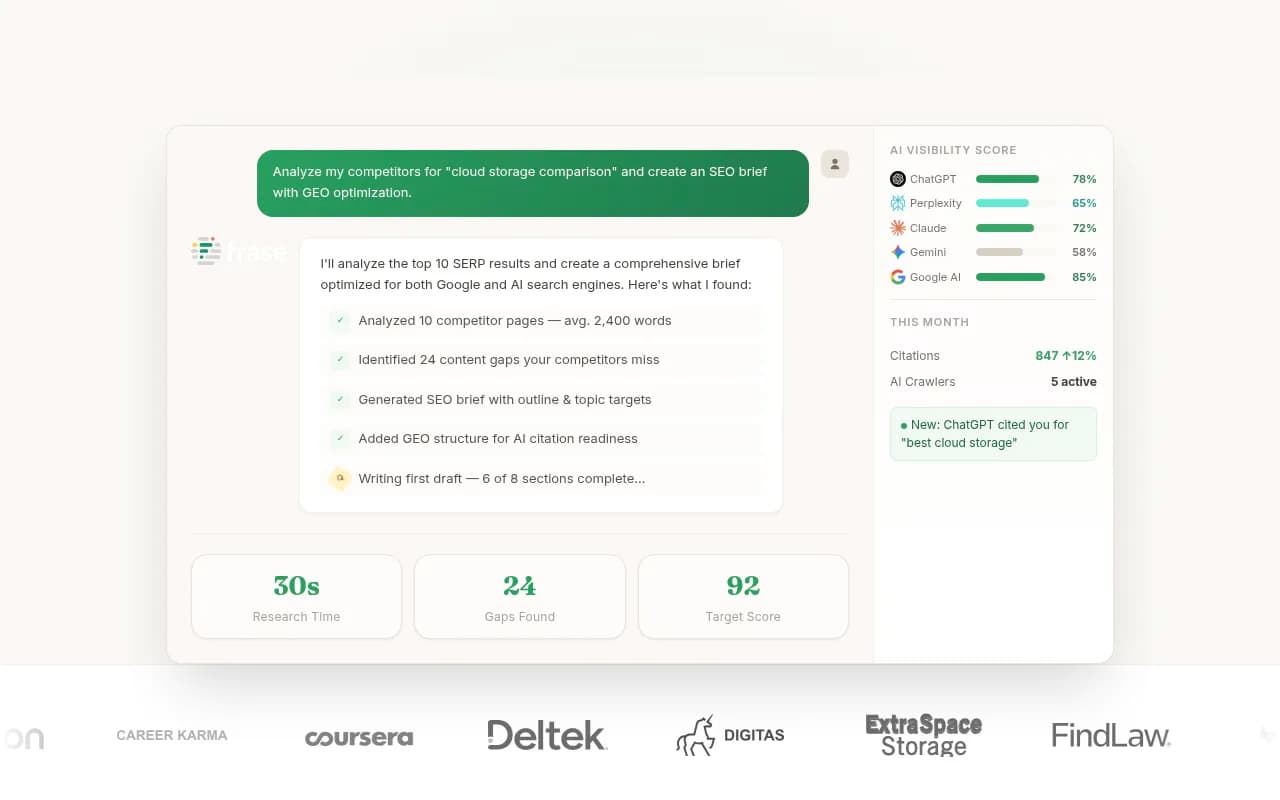
For the content creation side, tools like Frase can help you build content briefs grounded in what AI models are actually looking for:
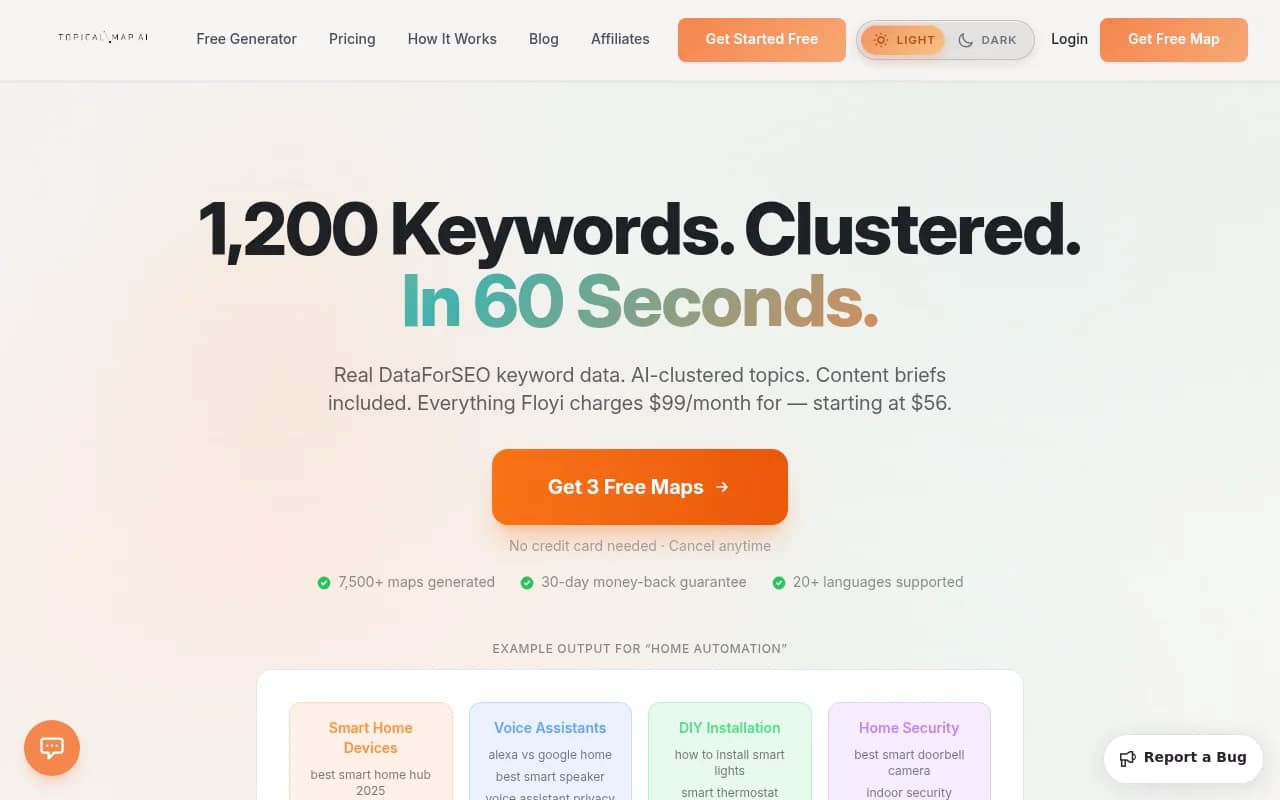
And if you want to build topical authority in your niche systematically -- which is one of the most reliable ways to improve AI visibility over time -- a topical mapping approach helps:
A practical 60-day setup plan
Here's a concrete timeline for getting a niche prompt monitoring system running from scratch.
Week 1-2: Build your prompt list
- Map the buyer journey for your specific product category
- Write 20-40 prompts across all five types
- Prioritize prompts where competitors are already visible
Week 3-4: Baseline tracking
- Run all prompts manually across ChatGPT, Perplexity, and Google AI Overviews
- Record brand mentions, citations, and competitor appearances
- Set up automated tracking in your chosen tool
Week 5-6: Gap analysis
- Identify which prompt types you're weakest on
- Audit competitor content that AI models are citing
- Build a list of specific content gaps
Week 7-8: Content and technical fixes
- Fix any technical issues blocking AI crawler access
- Publish 2-3 pieces of content targeting your highest-priority gaps
- Make sure existing content is structured for AI citation (clear headings, direct answers, factual claims with sources)
After day 60: Review your tracking data, compare to baseline, and identify which content investments moved the needle. Expand your prompt list based on what you've learned.
The bottom line
Niche prompt monitoring isn't complicated, but it does require more thought than generic brand tracking. The brands that will win AI visibility in specific product categories are the ones that understand how buyers in those categories actually use AI search -- not just the obvious comparison queries, but the full range of informational, instructional, and transactional questions that happen before and after the "best X" moment.
Start with a structured prompt list, track consistently for at least 30 days, and use the data to identify specific content gaps. That cycle -- find gaps, create content, track results -- is what actually moves the needle. The tools are there to make it faster. The thinking is still yours to do.