Key takeaways
- Google AI Overviews behave differently depending on device type, user location, and login state -- the same query can produce completely different results across these variables.
- Mobile users see AI Overviews more often and in more prominent positions than desktop users, which has direct implications for mobile content strategy.
- Location affects which sources get cited in AI Overviews, especially for queries with local or regional intent -- even if they don't look "local" on the surface.
- Logged-in users with Google accounts may receive personalized AI Overviews based on search history and preferences, while logged-out users get a more generic response.
- Tracking your visibility across all three dimensions (device, location, login state) requires deliberate monitoring -- your Search Console data alone won't show you the full picture.
Why AI Overviews don't show up the same way for everyone
If you've ever compared Google search results between your phone and your laptop, you already know the results aren't identical. With AI Overviews, those differences are more pronounced -- and more consequential for anyone trying to understand or improve their visibility.
Google's AI Overviews (the AI-generated summaries that appear above organic results) are not a static feature. They're generated dynamically based on the query, the user's context, and a range of signals that vary by device, geography, and account state. That means a brand that appears prominently in an AI Overview for a user in Amsterdam on a logged-in desktop session might not appear at all for someone in Chicago on a mobile device without a Google account.
This isn't a bug. It's how the system is designed. But it creates a real measurement problem: if you're only checking your AI visibility from one context, you're probably missing a significant portion of what's actually happening.
How device type changes AI Overview visibility
Mobile vs. desktop: different layouts, different frequencies
AI Overviews appear more frequently on mobile than on desktop. This has been consistent since the feature launched, and it's gotten more pronounced as Google has leaned into mobile-first experiences throughout 2025 and into 2026.
On mobile, AI Overviews often take up the majority of the visible screen before a user scrolls. On desktop, the same query might show a shorter overview, a collapsed version, or no overview at all. The threshold for triggering an AI Overview also seems lower on mobile -- queries that produce a standard SERP on desktop will sometimes generate a full AI Overview on mobile.
Why does this happen? A few reasons:
- Mobile users tend to ask more conversational, voice-style queries, which are exactly the type AI Overviews are optimized to answer.
- Google's mobile interface has more real estate to work with above the fold in a vertical layout.
- Mobile search behavior skews toward quick answers rather than deep browsing, which aligns with what AI Overviews are designed to deliver.
What this means for your content
If you're optimizing for AI Overview visibility, you need to be testing on mobile. A lot of teams check their rankings and AI presence from a desktop browser and assume that's representative. It isn't. Your content might be getting cited in mobile AI Overviews for queries you'd never see on desktop -- or vice versa.
Structured content that answers questions concisely tends to perform better in mobile AI Overviews. Long paragraphs that require scrolling to reach the answer are less likely to be cited than content that leads with a direct response.
How location affects what gets cited
Geographic personalization in AI Overviews
Location is one of the most significant variables affecting AI Overview content. Google uses the user's detected location (via IP address, GPS on mobile, or account settings) to determine which sources are most relevant to cite.
This matters even for queries that don't look location-specific. A search for "best project management software" might surface different sources for a user in Germany versus one in Australia, because Google factors in local domain authority, regional review sites, and language preferences. A search for "how to file taxes" will almost certainly produce different AI Overview content by country, pulling from the relevant national tax authority or local financial publications.
For businesses with a regional focus, this is actually an opportunity. If your content is well-optimized for a specific market and you have strong local signals (local backlinks, regional schema, mentions in local publications), you're more likely to be cited in AI Overviews for users in that area.
The February 2026 Discover update and local relevance
Google's February 2026 core update for Discover tightened local relevance signals, with US-based publishers gaining visibility while some international publishers saw drops. The same logic appears to be influencing AI Overviews: content that's clearly tied to a specific region or audience is being cited more reliably for users in that region.
This creates an interesting tension for global brands. A single piece of content can't be simultaneously optimized for every market. The brands doing this well are creating region-specific content variations -- not just translated versions, but content that references local context, local regulations, and local examples.
City and state-level tracking
For businesses that operate at a local level, visibility can vary dramatically even within a single country. A dental practice in Denver might appear in AI Overviews for users in Denver but not for users in Colorado Springs, even for the same query. Tracking this requires monitoring at the city or state level, which most standard SEO tools don't support.
Promptwatch supports city and state-level tracking on its Professional plan, which is one of the few ways to get granular visibility data at this resolution without manually running searches from different locations.

How login state changes the AI Overview experience
Logged-in vs. logged-out: personalization kicks in
When a user is signed into their Google account, AI Overviews can incorporate personalization signals. Google has access to that user's search history, location history, and potentially their Google Workspace activity. This means two people searching the same query can receive meaningfully different AI Overview responses based on their account history.
A user who frequently searches for technical content might receive a more detailed, technical AI Overview. Someone who tends toward consumer-level content might get a simpler response citing different sources. This personalization is subtle but real.
For brands, this creates a measurement challenge: if you're checking your AI visibility while logged into your Google account, you might be seeing a personalized version of the results that doesn't reflect what most users see. Logged-out searches give you a more neutral baseline.
The Google account tier question
There's also the question of Google One and Workspace subscribers. Google has been rolling out enhanced AI features to paid subscribers, including more capable AI Mode experiences. The AI Overview a Google One subscriber sees may be more detailed, more agentic, or drawn from a wider source pool than what a logged-out user sees.
This is still evolving. But it means the "standard" AI Overview experience is increasingly a floor, not a ceiling.
Practical implications for testing
When you're auditing your AI Overview visibility, run the same queries in three states:
- Logged out, in a private/incognito browser
- Logged in with a standard Google account
- On mobile (both logged in and logged out if possible)
The differences you find will tell you a lot about where your visibility gaps actually are.
Google Search Console's new AI visibility reports
In 2026, Google added AI-specific reporting to Search Console, allowing site owners to isolate impressions from AI Overviews, AI Mode, and Discover separately. This is a significant improvement -- previously, AI Overview impressions were mixed into standard search data, making it nearly impossible to understand how much traffic was coming from AI features specifically.

The new reports let you see:
- Which queries triggered AI Overviews that cited your content
- Impressions and clicks from AI Overview citations specifically
- How AI Mode traffic differs from standard organic traffic
What Search Console still doesn't show you is the breakdown by device type, location, or login state. You can see aggregate AI Overview data, but not the contextual variation that this guide is about. For that, you need to either run manual tests or use a dedicated monitoring tool.
The agent-ready factor: how Google's 2026 AI changes compound this
At Google I/O 2026, the company announced a significant shift in how Search works -- moving toward agentic AI capabilities where users can complete multi-step tasks directly within Search. This isn't just a UI change. It means AI Overviews are becoming more dynamic and context-aware, pulling in real-time data and adapting to the user's intent across a session.
For visibility, this means the device/location/login state variables are becoming more important, not less. An agentic search session on mobile for a logged-in user might pull in local business data, personal calendar context, and real-time pricing -- none of which a logged-out desktop user would see.
Google's own guidance (via Search Central) describes three things that help content appear in AI features: being technically accessible to crawlers, following SEO best practices, and producing genuinely helpful content. But "helpful" is increasingly defined in context. Helpful for a logged-in user in Tokyo is different from helpful for a logged-out user in Toronto.
How to track visibility across these variables
Manual testing approach
The simplest approach is systematic manual testing. Set up a spreadsheet with your target queries, then run each one across different conditions:
| Query | Desktop logged-out | Desktop logged-in | Mobile logged-out | Mobile logged-in |
|---|---|---|---|---|
| [Your query] | Cited / Not cited | Cited / Not cited | Cited / Not cited | Cited / Not cited |
| [Your query] | Source cited | Source cited | Source cited | Source cited |
Do this from multiple locations using a VPN or by coordinating with team members in different regions. It's tedious but it gives you real data.
Automated monitoring
Manual testing doesn't scale. If you're tracking dozens of queries across multiple markets, you need tooling that can simulate different user contexts and report back consistently.
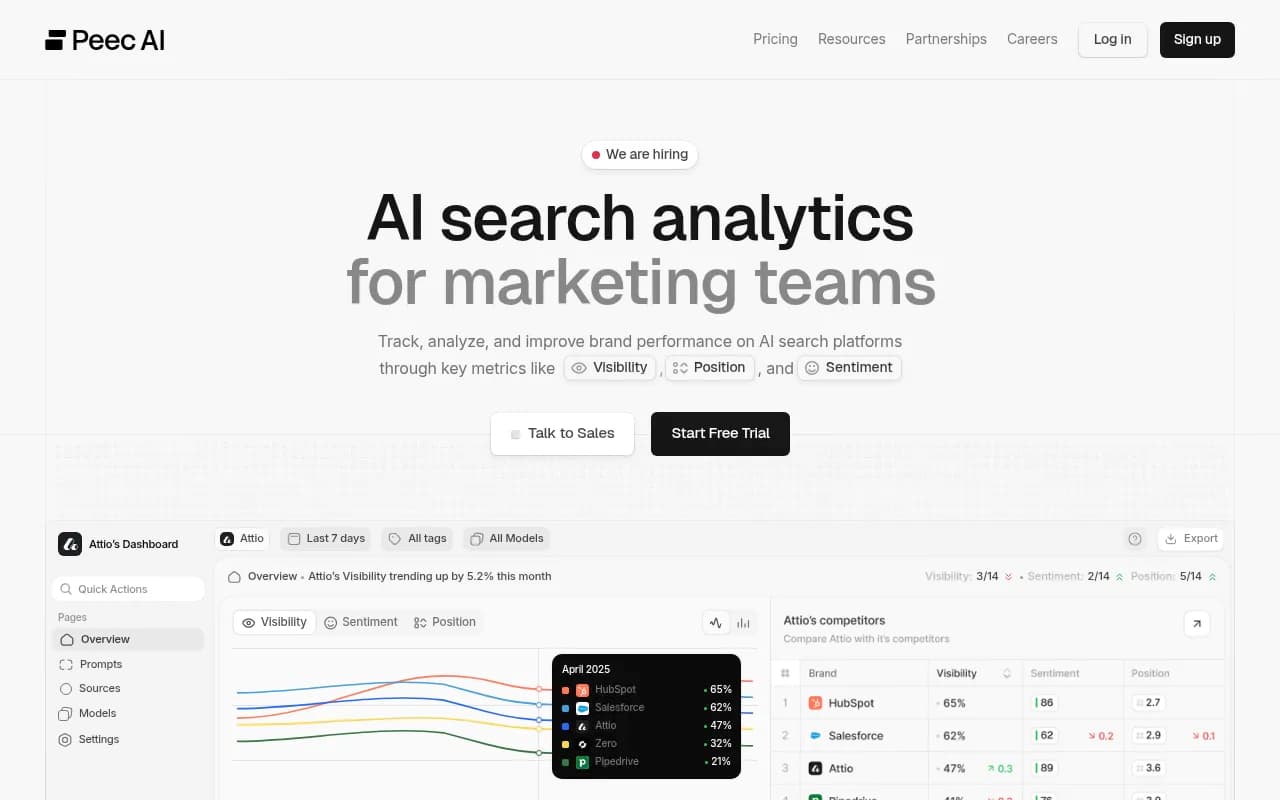
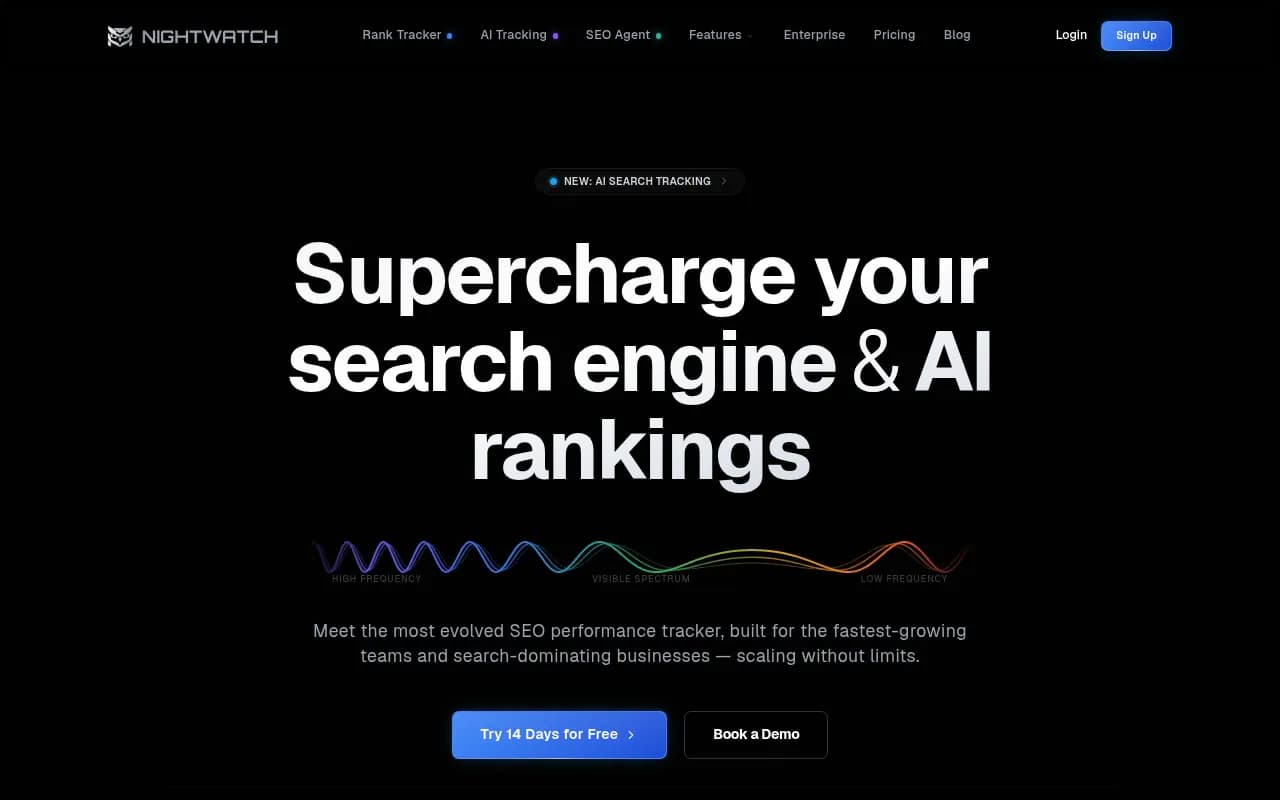
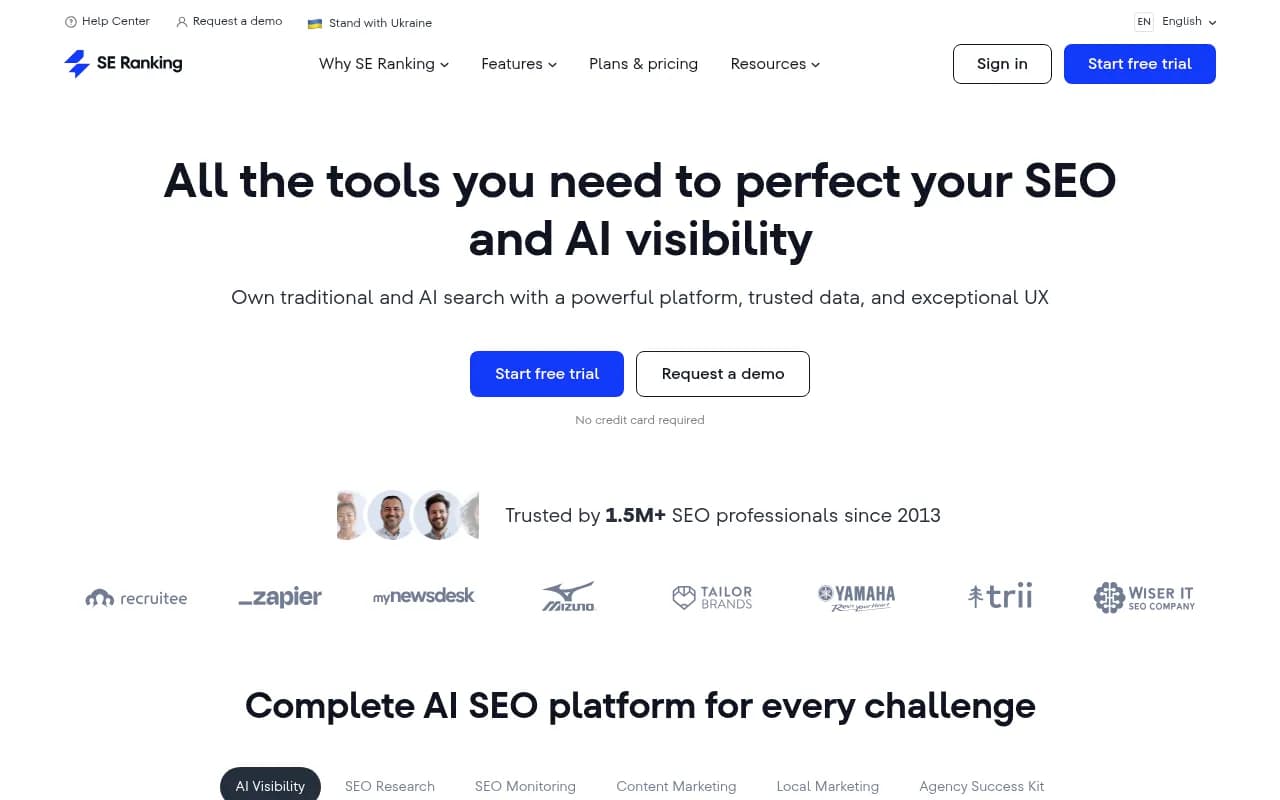
Several tools in the AI visibility space support location-based monitoring:

For more comprehensive tracking that includes city/state-level granularity, crawler log analysis, and content gap identification across these variables, Promptwatch covers all of this within a single platform -- including the ability to set custom personas that simulate different user types and locations.
Comparison: how major AI visibility tools handle device, location, and login state tracking
| Tool | Location tracking | City/state level | Device simulation | Login state testing | Content gap analysis |
|---|---|---|---|---|---|
| Promptwatch | Yes | Yes (Professional+) | Yes | Yes | Yes |
| Otterly.AI | Limited | No | No | No | No |
| Peec AI | Basic | No | No | No | No |
| Nightwatch | Yes | Limited | No | No | No |
| SE Ranking | Yes | Limited | No | No | Limited |
| Google Search Console | Aggregate only | No | Limited | No | No |
What content changes based on these variables
Understanding that visibility varies by context is one thing. Knowing what to do about it is another.
For device optimization
Write content that answers the query in the first paragraph. AI Overviews on mobile pull from content that gets to the point quickly. If your article buries the answer 500 words in, it's less likely to be cited on mobile even if it's technically the most comprehensive resource available.
Use clear heading structures. AI systems use headings to understand what each section of your content covers. A well-structured article with descriptive H2s and H3s is easier to parse and cite than a wall of text.
For location optimization
Create location-specific content where it makes sense. For regional businesses, this means dedicated pages for each market. For national or global brands, it means including regional context in relevant articles -- local regulations, local examples, local data.
Build local citation signals. AI Overviews for location-influenced queries tend to cite sources that have strong local authority signals: local backlinks, mentions in regional publications, and accurate local business data.
For login state
Don't optimize for personalization -- you can't control it. What you can do is ensure your content is strong enough to be cited in the baseline (logged-out) experience. If you're visible there, you're likely to be visible in personalized contexts too.
Pulling it together
The core insight here is that "your AI Overview visibility" isn't a single number. It's a distribution across device types, locations, and user states. A brand that appears in 40% of AI Overviews for a given query on desktop might appear in 65% of them on mobile. A business that's invisible in AI Overviews nationally might be prominently cited for users in its home city.
Most visibility audits miss this because they're run from a single context. The brands that are winning in AI search in 2026 are the ones that understand their visibility isn't uniform -- and are actively testing and optimizing across the variables that matter.
Start with manual testing across device and login state. Layer in location testing for your key markets. Then use the data to identify where your content is underperforming and why. The answers are usually specific: a piece of content that's too slow to load on mobile, a topic that needs a regional angle, a query where you're losing to a competitor who's more clearly authoritative in a specific geography.
That specificity is what separates brands that are guessing about AI visibility from brands that are actually managing it.