Key takeaways
- Event and entertainment buyers now ask ChatGPT and Google "best ticketing platform for a festival" or "things to do this weekend" before they ever open a search results page. GEO tools tell you whether your brand shows up in those answers.
- Promptwatch's data shows product pages and landing pages take about 39% of ChatGPT citations (Sep 28 to Oct 4, 2026). Your listing, pricing and event pages matter more than blog posts.
- Social citations differ wildly by engine: 0.46% of ChatGPT citations versus 12.2% for Google AI Overviews. Video and social strategy should follow the engine.
- Monitoring-only tools tell you that you are missing. For most event teams, the better pick is a platform that also shows crawler activity, citation sources and what to publish next.
- No public research covers ticketing or entertainment prompts directly. The travel data below is an adjacent vertical, and I label it as such.
Why events and entertainment are a strange fit for classic SEO
Event brands have a messy search problem. Inventory expires. A concert page that mattered on Friday is dead on Sunday. Third parties (marketplaces, aggregators, local guides) often outrank the organizer for its own event. And now an AI assistant stitches an answer together from ten or more sources before the user clicks anything.
That last point is measurable. According to Promptwatch Data, almost half of ChatGPT responses cite 10 or more unique domains (Sep 28 to Oct 4, 2026). For an event brand, that means you are competing with Eventbrite-style marketplaces, review sites, city guides and news coverage inside a single answer.
So the question GEO tools need to answer for you is not "did ChatGPT mention us once?" It is closer to: which prompts do buyers use, which pages get cited instead of ours, and what do we change?
What the data says about how AI cites events-adjacent content
There is no Promptwatch report specifically on ticketing or entertainment. The closest is the travel report, which I treat as adjacent, not equivalent.
In Promptwatch's travel citation data (Sep 28 to Oct 4, 2026), Skyscanner leads with 0.78% of travel citations, then Going at 0.52% and Tripadvisor at 0.49%. Time Out shows up for things-to-do queries. Booking and search sites make up 2.42% of the 4.18% held by the 17 listed domains, and reviews and advice sites another 0.86%. The takeaway for event brands: citations spread across many domains, and third-party listings and reviews carry real weight.
Content types that get cited
The ChatGPT content type report (Sep 28 to Oct 4, 2026) is more directly useful:
| Content type | Share of ChatGPT citations |
|---|---|
| Product pages | 22.4% |
| Landing pages | 16.8% |
| Listicles | 13.6% |
| How-tos | 8.7% |
| Documentation | 7.5% |
| General articles | 6.1% |
| Comparisons | 5.9% |
| News | 5.7% |
| FAQ | 3.3% |
| Reviews | 1.7% |
For "best X" commercial prompts, product pages hit 26.0%, landing pages 20.6%, listicles 15.0% and comparisons 7.9%. Translate that to ticketing: a prompt like "best ticketing platform for festivals" is answered mostly from vendor product pages, "best of" roundups and comparison pages. Your event or venue page with clear pricing, capacity and fees is the asset. A clever blog post usually is not.
News decays fast. The content half-life report says news pages lose half their citations within roughly five weeks, while landing pages and docs keep most of theirs for months. That matters for event announcements: build evergreen venue, series and festival pages, and treat each dated announcement as short-lived.
Social and video depend on the engine
Per Promptwatch's social citation report (Sep 28 to Oct 4, 2026), social platforms are 0.46% of ChatGPT citations but 12.2% of Google AI Overviews citations, about 26x higher. In AI Overviews, YouTube is 4.28%, Facebook 2.38%, Instagram 1.61% and TikTok 0.22%. Perplexity sits at 2.7%.
Event and entertainment brands live on video, recap clips and Instagram. That content is more likely to matter in Google's AI surfaces than in ChatGPT. Reddit used to be a ChatGPT lever, but it fell from 5.19% to 0.09% in that report, so don't build a plan around it for ChatGPT.
What to look for in a GEO tool for this vertical
Before the tool list, here is the checklist I would use. Event brands have specific needs that generic "brand mention" trackers miss.
- Real interface tracking, not only API calls. What users see in ChatGPT and AI Overviews can differ from API output.
- Location tracking. Event queries are local ("concerts in Austin this weekend"). City-level tracking is not a nice-to-have.
- Citation source visibility, so you can see whether Time Out-style guides, marketplaces or review sites are beating your own pages.
- AI crawler logs. Ticketing sites are often JavaScript heavy, gated or protected by bot filters that block AI crawlers without anyone noticing.
- A path from insight to action: content gaps, briefs and publishing, not just a dashboard.
- Video and social citation reports, given the AI Overviews numbers above.
- Competitor and marketplace comparison, since your rival may be the aggregator and not another organizer.
The best GEO tools for event, ticketing and entertainment brands
I have not tested all of these against ticketing prompts, and no one has published event-specific benchmarks, so treat this as a shortlist built on capability fit, not a ranking proven by event data.
Promptwatch
Promptwatch is the one I would start with for this vertical, mainly because it covers the full loop. It tracks the real interfaces of ChatGPT, Google AI Overviews, AI Mode, Gemini, Perplexity, Copilot and others, with country tracking on every paid plan and state/city tracking from the Business plan. That city-level piece fits event queries well.
The part most trackers skip: IP-verified AI crawler logs show whether GPTBot, OAI-SearchBot or ChatGPT-User can actually read your event pages, and weekly site audits flag the technical blockers. Citation reports cover Reddit, YouTube and LinkedIn, which matters given the video-heavy AI Overviews numbers. When there is a gap, the Action Board and Content Agent turn it into briefs and published pages (Webflow, Framer or WordPress), then track whether those pages get crawled and cited.

Pricing starts at a free Explore tier, then Essential at $95/month and Business at $579/month. Check promptwatch.com/pricing for current numbers. Agencies running several venue or festival clients can look at the Kick-off ($199), Growth ($399) and Scale ($799) agency plans.
Profound
Profound is an enterprise AI visibility product aimed at large brands. It is strong on monitoring, and it suits a Live Nation-sized organization with a big budget and a dedicated team. It sits at a higher price point and, from what I can tell, is lighter on agentic execution and crawler-level diagnostics.

Scrunch
Scrunch monitors and optimizes how AI assistants represent a brand. It is worth a look if brand accuracy (correct dates, venues, policies) is your main worry, because it leans toward how AI describes you.

Otterly.AI
Otterly.AI is an affordable prompt tracker. If you are a single venue or small festival and just want to know whether you appear for 20 or 30 prompts, it is a cheap way in. You will not get crawler logs or content creation.

Peec AI
Peec AI is monitoring without the optimization side. A decent fit for an in-house team that already has strong content operations and just needs the measurement layer.

Semrush and Ahrefs Brand Radar
If your team already lives in a traditional SEO suite, the AI add-ons are the lowest-friction place to start. The trade-off is shallower AI-specific data and fixed prompt sets, which hurts for fast-changing event queries.
Goodie AI and Bluefish AI
Both pitch toward enterprise GEO. Goodie AI is described as a gold standard for enterprise GEO, and Bluefish AI as an enterprise GEO powerhouse. Consider them if you manage a portfolio of venues or a ticketing marketplace with complex brand rules.
AirOps
AirOps automates content workflows for GEO. It is a content engine, so pair it with a tracker. On its own it will not tell you where you are invisible.
Comparison table
| Tool | Real-UI tracking | Crawler logs | Content execution | Best for |
|---|---|---|---|---|
| Promptwatch | Yes, 9+ interfaces | Yes, IP-verified | Content Agent, CMS publishing | Event brands and agencies that want to fix gaps |
| Profound | Yes | Limited | Limited | Large enterprises with budget |
| Scrunch | Yes | Not a focus | Some | Brand accuracy monitoring |
| Otterly.AI | Basic | No | No | Small venues on a budget |
| Peec AI | Basic | No | No | Teams with their own content ops |
| Semrush / Ahrefs | Fixed prompt sets | No | No | Teams already in an SEO suite |
| AirOps | No | No | Strong workflows | Content production |
Feature depth changes quickly, so verify against each vendor's current pricing and docs before buying. For wider scans, the GEO software directory lists many more options.
A practical setup for an event or ticketing brand
The tool matters less than how you use it. A workable first month looks like this.
Week 1: Build the prompt set
Don't copy a generic list. Write prompts the way buyers talk:
- "best ticketing platform for a 2,000-person festival"
- "Eventbrite alternatives with lower fees"
- "things to do in [city] this weekend"
- "is [venue] good for [type of show]"
- "how do I sell tickets for a nonprofit gala"
Split them into commercial ("best X"), informational and branded. The content type report shows each behaves differently: branded prompts lean on reviews at 5.6% of citations, more than three times their overall share.
Week 2: Read the citation sources
Look at who gets cited instead of you. For ticketing vendors, it will often be roundup articles. The ticketing roundups from Amego and TicketSpice show the type of page that gets written about this category, with vendors segmenting by event type, fee model and white-label control.
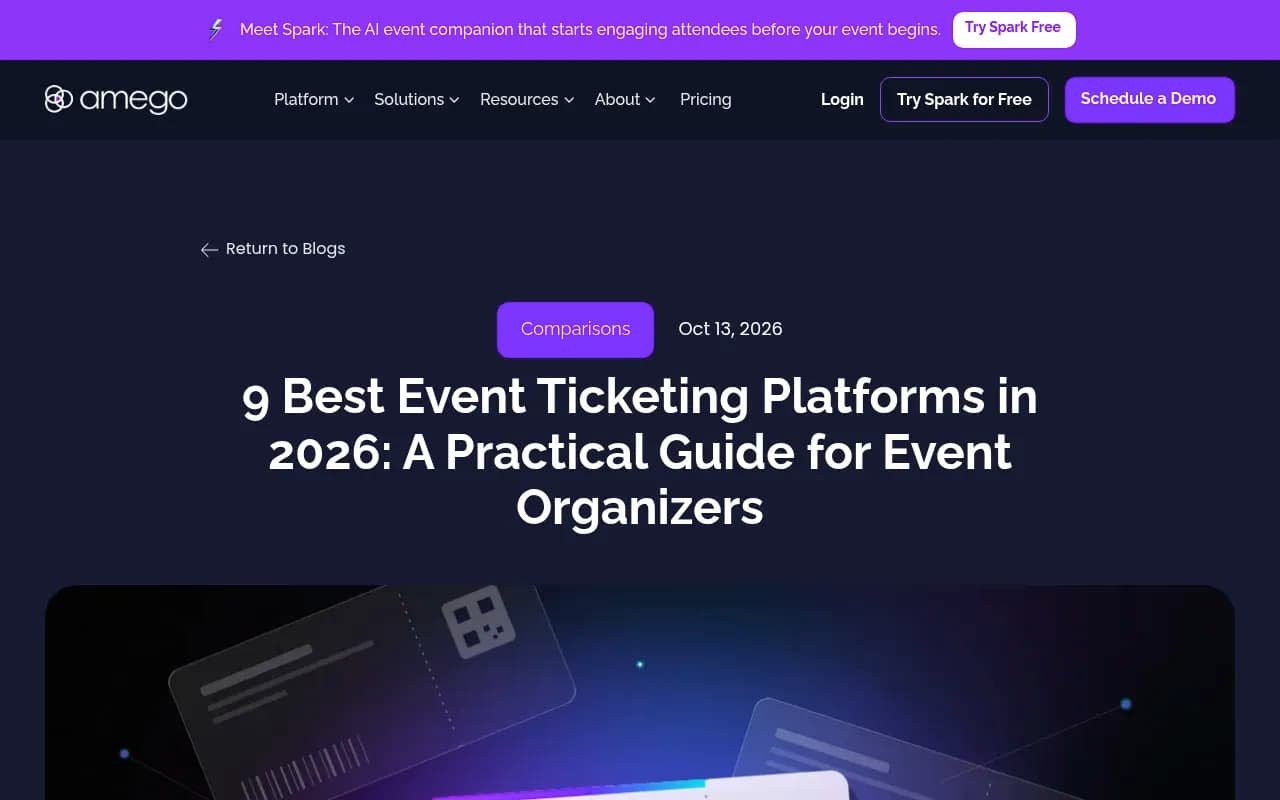
If you are not in those lists, that is a gap. Getting included in "best of" roundups is one of the actions Promptwatch's own content type report recommends.
Week 3: Fix what is structural
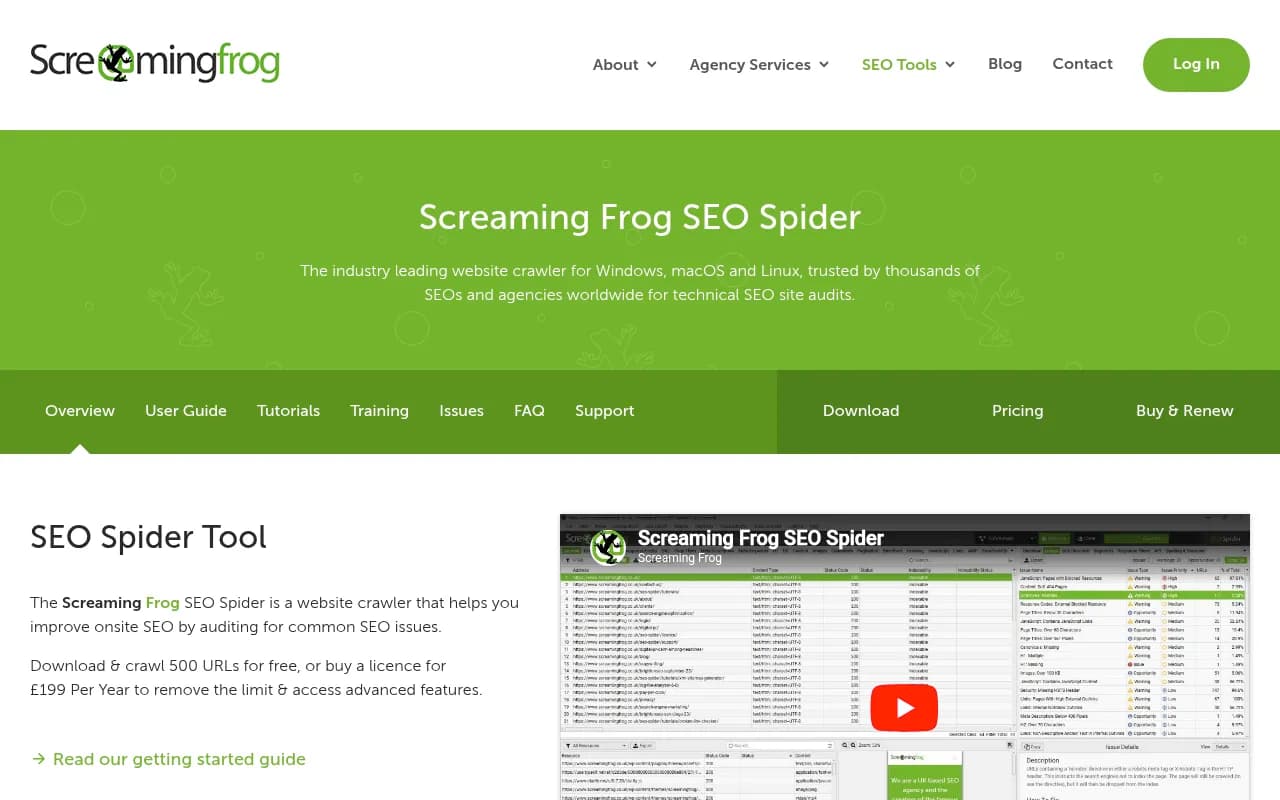
Check whether AI crawlers can read your pages at all. Many ticketing and event sites render listings with JavaScript or sit behind bot protection. Crawler logs, or a technical SEO crawler like Screaming Frog SEO Spider, tell you whether the pages are reachable.
Then make sure product and landing pages carry complete pricing, capacity, fee structure and positioning. That is where the 39% of ChatGPT citations lives.
Week 4: Publish what AI wants
Four formats, in priority order: comparison pages ("us vs Eventbrite"), FAQ pages, evergreen venue or series landing pages, and video for Google surfaces. Keep dated news short and expect it to decay.
Adjacent tools worth knowing
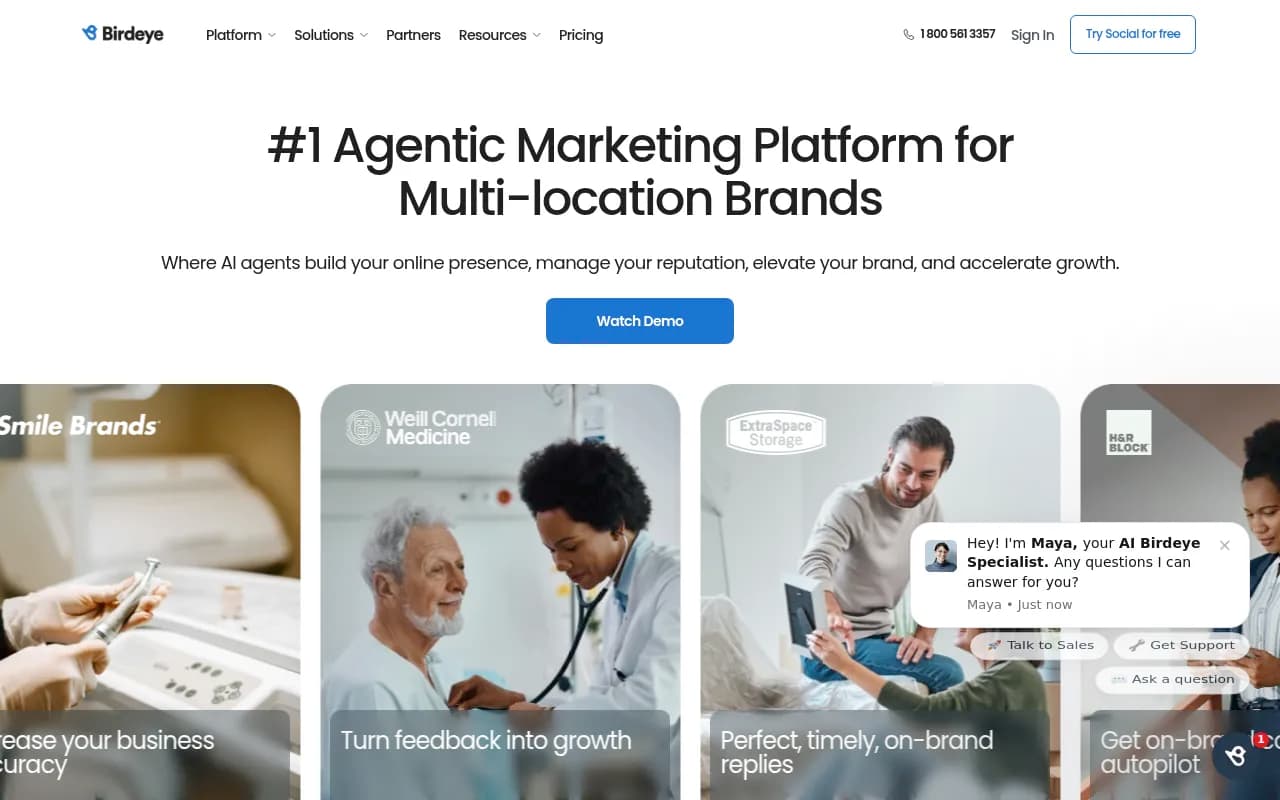
GEO tracking is only part of the stack. Event brands also lean on review and reputation tools, since reviews get cited on branded prompts. Trustpilot and Birdeye cover review collection.
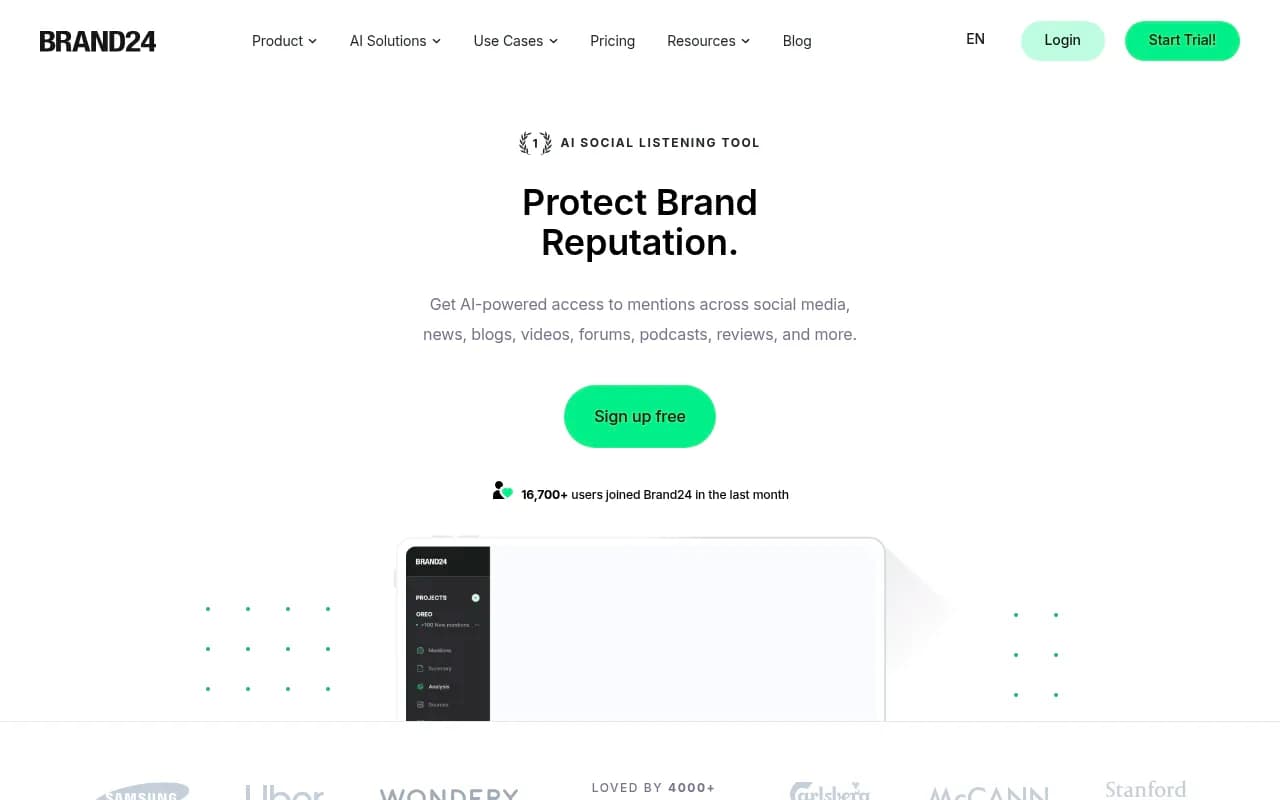
For social listening around fan sentiment, Brand24 and Meltwater are options.
For structured data on events, Schema App is useful, because clean markup helps machines understand dates, venues and offers.
For the free end, Google Search Console shows which pages already rank before you layer AI tracking on top.
Choosing by team type
| Your situation | Start with |
|---|---|
| Single venue or small festival, tight budget | Otterly.AI or Promptwatch Essential |
| Ticketing platform or software vendor | Promptwatch plus a comparison page program |
| Agency serving venues and promoters | Promptwatch agency plans with white-label reports |
| Large entertainment group with brand governance needs | Profound, Bluefish AI, or Promptwatch Business |
| Team already deep in Semrush or Ahrefs | Their AI add-on first, then reassess |
If you would rather hand the work to specialists, an agency that combines technical SEO with GEO can run the program for you. 1001 SEO Media is the agency behind this site and uses Promptwatch for its own AI visibility work.
Mistakes I see event brands make
The first is tracking only branded prompts. Everyone searches the brand name and appears. The money is in "best X" and "things to do" prompts, where a marketplace might be taking your slot.
The second is treating all AI engines as one. The 0.46% versus 12.2% social split is the clearest example. A strategy tuned for ChatGPT will undersell video, and one tuned for AI Overviews will overspend on Reddit.
The third is publishing a flood of dated news and expecting lasting citations. Half is gone in about five weeks.
The fourth is buying a dashboard and stopping there. A chart that says you are invisible is not a plan. Pick something that tells you which page to write or fix next.
Bottom line
For most event, ticketing and entertainment brands in 2026, the sensible order is: pick a tracker that watches real AI interfaces with city-level tracking, confirm AI crawlers can read your pages, and put your effort into product, landing and comparison pages, since those draw the largest share of ChatGPT citations. Promptwatch is the strongest all-round fit because it connects tracking, crawler data and content execution. Otterly.AI and Peec AI suit lean budgets, and Profound or Bluefish AI suit large enterprise setups. Whichever you choose, rerun your prompt set monthly, because the numbers in this guide will move.