Key takeaways
- Crayon and Klue are the go-to enterprise CI platforms for sales teams, both starting around $20K-$40K/year -- with Klue edging ahead on battlecard quality and Crayon on real-time alerting
- Kompyte is the budget-friendly alternative, starting at just $300/year, making it accessible for SMBs and startups
- "Competitive intelligence" now covers more ground than it used to -- website monitoring, SEO traffic, financial data, social listening, and AI search visibility are all distinct disciplines with different tools
- Most teams need more than one tool: a CI platform for battlecards, plus a traffic/SEO tool like Similarweb or Semrush, and possibly a market intelligence layer for strategic decisions
- Gartner predicts 40% of tech and service providers will use commercial CI tools by 2026, up from roughly 10% a few years ago -- the gap between CI-enabled teams and everyone else is real
Your competitor updated their pricing page last week. You found out from a prospect who asked why you're more expensive.
That's the scenario competitive intelligence tools exist to prevent. They watch your competitors so you don't have to -- tracking website changes, pricing shifts, messaging updates, job postings, and more. But "competitive intelligence" has become a broad umbrella. Some tools focus on arming sales reps with battlecards. Others analyze web traffic. Others surface financial filings and strategic signals. A few newer ones track how brands appear in AI search results.
This guide covers 8 of the most important CI tools in 2026 -- what each one actually does, who it's for, honest pricing, and where it falls short.
What to look for in a competitive intelligence tool
Before jumping into the tools, it's worth being clear about what you actually need. CI tools fail teams not because they're bad software, but because teams buy the wrong category.
There are four main categories:
- Sales CI platforms (Crayon, Klue, Kompyte): Built around battlecards, win/loss analysis, and arming sales reps with competitive talking points
- Digital/traffic intelligence (Similarweb, Semrush): Show where competitors get their audience, which keywords they rank for, and how their traffic compares to yours
- Market intelligence (AlphaSense, Contify, Valona): Broader strategic signals -- financial filings, news, analyst reports, industry trends
- Social and brand monitoring (Brand24, Meltwater): Track mentions, sentiment, and conversations across social media and the web
Most mid-size companies need at least two of these. A sales team needs battlecards. A marketing team needs traffic benchmarks. A strategy team needs market signals. The tools below are the best in each category.
The 8 best competitive intelligence tools in 2026
Crayon -- best for enterprise sales CI programs
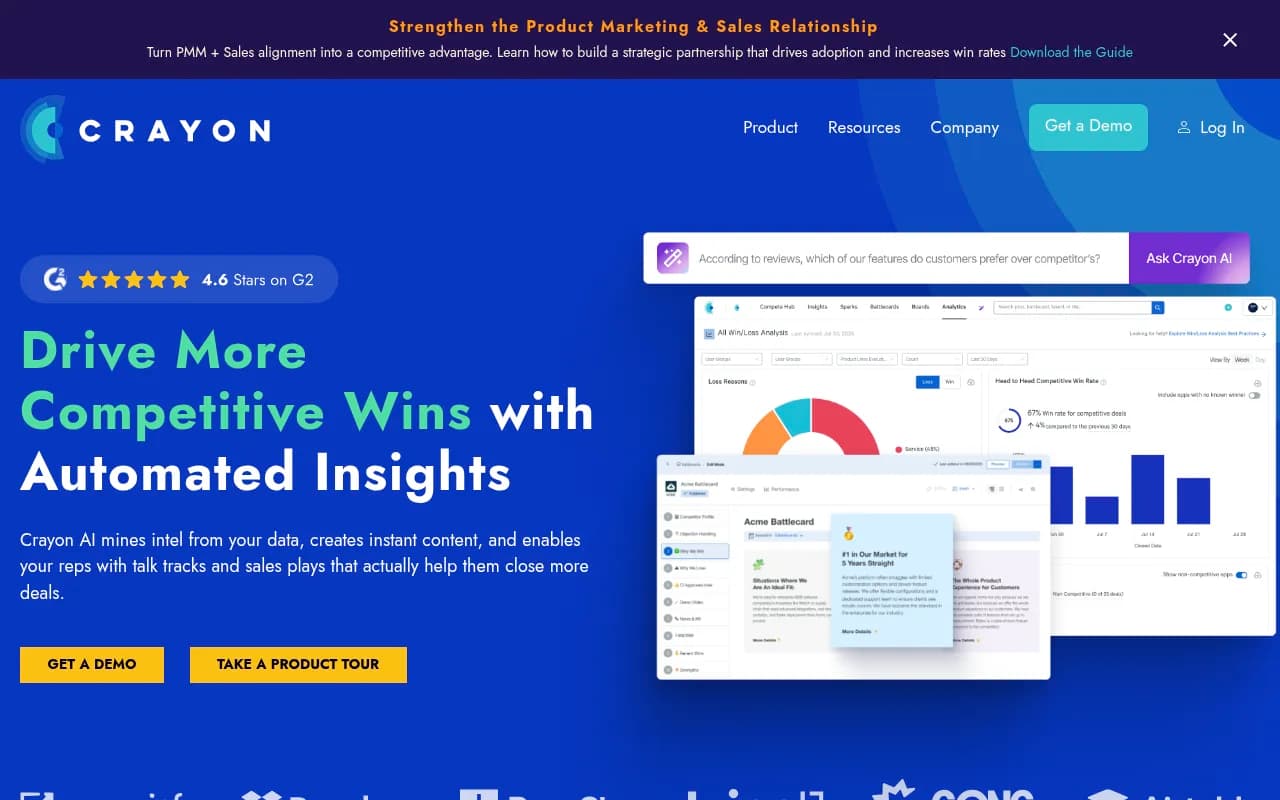
Crayon is the most feature-complete CI platform for sales-focused teams. It monitors competitor websites, pricing pages, job postings, social media, and review sites, then surfaces changes as alerts that feed into battlecards and CI reports.
The platform's real strength is the breadth of its data collection. Crayon tracks thousands of data points per competitor and uses AI to filter noise from signal -- so you're not drowning in alerts about minor CSS changes, but you do get notified when a competitor launches a new product tier or rewrites their homepage.
Battlecard creation is polished. Templates are well-designed, and the workflow for keeping cards updated as new intel comes in is genuinely good. Crayon also integrates with Salesforce and Slack, so reps can pull battlecards mid-deal without leaving their existing tools.
The downside is price. Crayon runs roughly $20K-$40K/year, which puts it out of reach for most small teams. There's also a learning curve -- getting full value requires someone who owns the CI function, not just a tool sitting in a corner.
Pricing: ~$20K-$40K/year (enterprise contracts, custom pricing) Best for: Mid-market and enterprise teams with a dedicated CI function
Klue -- best for battlecard quality and win/loss analysis
Klue and Crayon are the two names that come up in every enterprise CI conversation, and the choice between them usually comes down to one thing: Klue's battlecards are better.
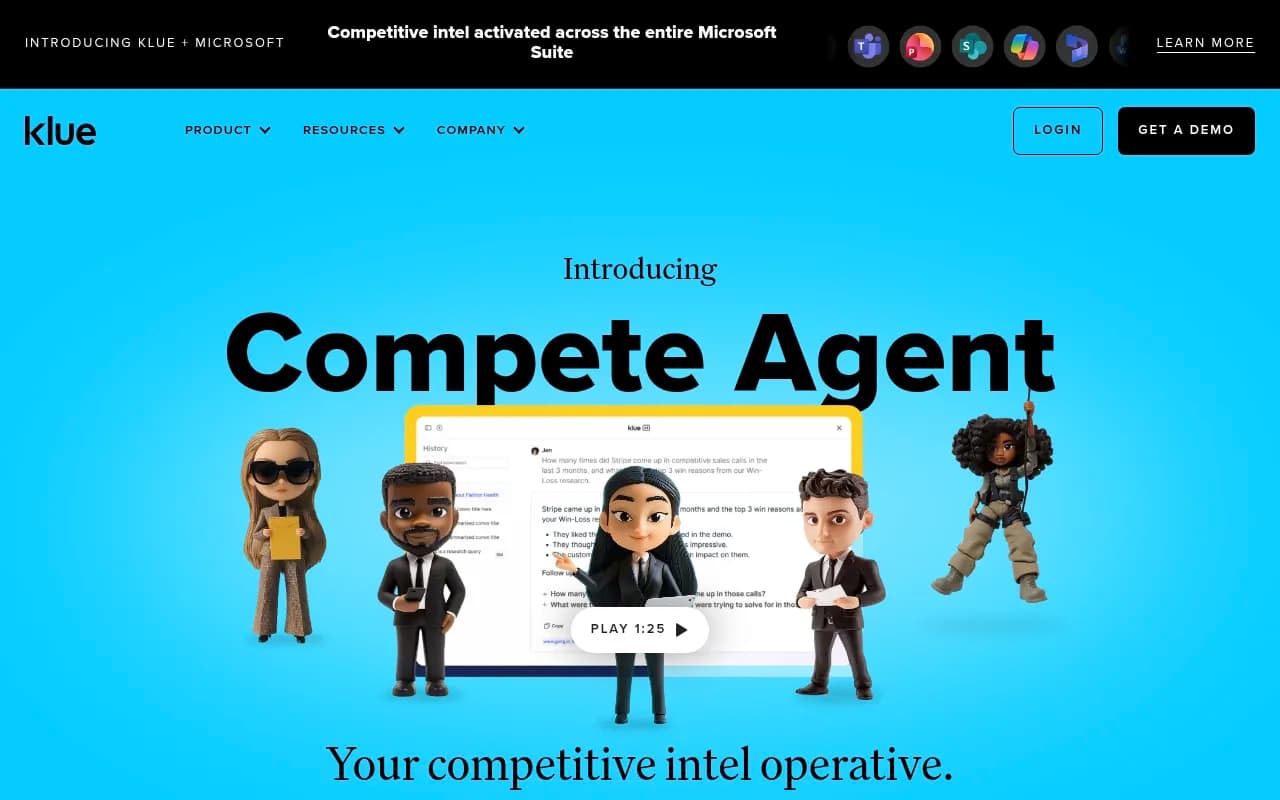
The platform has invested heavily in what it calls "agentic AI" -- AI that doesn't just surface information but helps you synthesize it into usable competitive content. The battlecard editor is more flexible than Crayon's, and Klue's win/loss analysis features are more developed, with structured interview workflows and analytics that show which competitive objections are actually costing you deals.
Klue also has a strong enablement layer. Cards can be embedded directly into Salesforce, Highspot, and other sales tools, and the analytics show which battlecards reps are actually using (and which ones are being ignored).
Like Crayon, Klue is enterprise-priced -- expect $20K-$40K/year or more. It's not a tool you buy on a whim.
Pricing: ~$20K-$40K/year Best for: Enterprise teams where win/loss analysis and battlecard quality are the top priority
Kompyte -- best budget CI option
Kompyte is what you buy when you need real competitive intelligence but can't justify $30K/year for it. Starting at $300/year, it's roughly 50-100x cheaper than Klue or Crayon at the entry level -- and for many SMBs and startups, it covers the basics well.
The platform monitors competitor websites, tracks changes, and generates battlecards automatically. The automation is the headline feature: Kompyte can produce a draft battlecard from competitor data without much manual input, which is useful if you don't have a dedicated CI analyst.
The trade-off is depth. Kompyte's data collection isn't as comprehensive as Crayon's, the battlecard quality requires more manual editing, and the win/loss analysis features are limited. But if you're a 50-person company that just needs to know when a competitor changes their pricing or launches a new feature, Kompyte does that job well.
Pricing: From $300/year (SMB plans), enterprise pricing available Best for: SMBs, startups, and teams that need CI basics without enterprise pricing
Similarweb -- best for traffic and digital market intelligence
Similarweb is a different kind of competitive intelligence tool. It doesn't track website changes or help you build battlecards -- it shows you the traffic picture. How much traffic does a competitor get? Where does it come from? Which keywords drive it? How does their paid vs. organic mix compare to yours?
For marketing teams, this is often more actionable than traditional CI. Knowing that a competitor gets 40% of their traffic from a specific keyword cluster you're not targeting is a concrete opportunity. Knowing that their direct traffic doubled after a product launch tells you something about brand momentum.
Similarweb's data accuracy has improved significantly. For sites with meaningful traffic, the estimates are reliable enough for strategic decisions. For smaller sites, take the numbers as directional rather than precise.
The platform also covers app intelligence, which matters if you're competing in a mobile-heavy market.
Pricing: Free tier available; paid plans from ~$125/month (annual billing); enterprise pricing custom Best for: Marketing teams benchmarking digital performance and identifying traffic opportunities
AlphaSense -- best for financial and strategic market intelligence
AlphaSense is in a different league from the other tools on this list -- both in capability and price. It's an AI-powered research platform that indexes earnings call transcripts, SEC filings, analyst reports, news, and broker research, then lets you search across all of it with natural language queries.
For strategy teams, investor relations, and anyone making decisions that depend on understanding market dynamics at a macro level, AlphaSense is genuinely powerful. You can search for every time a competitor mentioned "pricing pressure" on an earnings call in the last two years, or track how analyst sentiment on a market has shifted over time.
The price reflects this: roughly $24K/year per user. That's not a typo. AlphaSense is built for financial services, pharma, and large enterprise strategy teams -- not marketing or sales teams looking for battlecard fodder.
Pricing: ~$24K/year per user Best for: Strategy teams, corporate development, and anyone who needs financial-grade market intelligence
Contify -- best for market intelligence without the enterprise price tag
Contify sits between traditional CI platforms and market intelligence tools. It monitors news, blogs, press releases, and regulatory filings across competitors, industries, and topics, then organizes the information into a structured feed that teams can act on.
The platform is particularly strong for industries where regulatory news, partnership announcements, and executive moves matter as much as product changes. It's used by strategy teams, product teams, and CI analysts who need a broad view of what's happening in a market.
Pricing is more accessible than AlphaSense -- Contify targets mid-market companies and offers custom pricing that's generally in the $10K-$20K/year range depending on the number of topics and users.
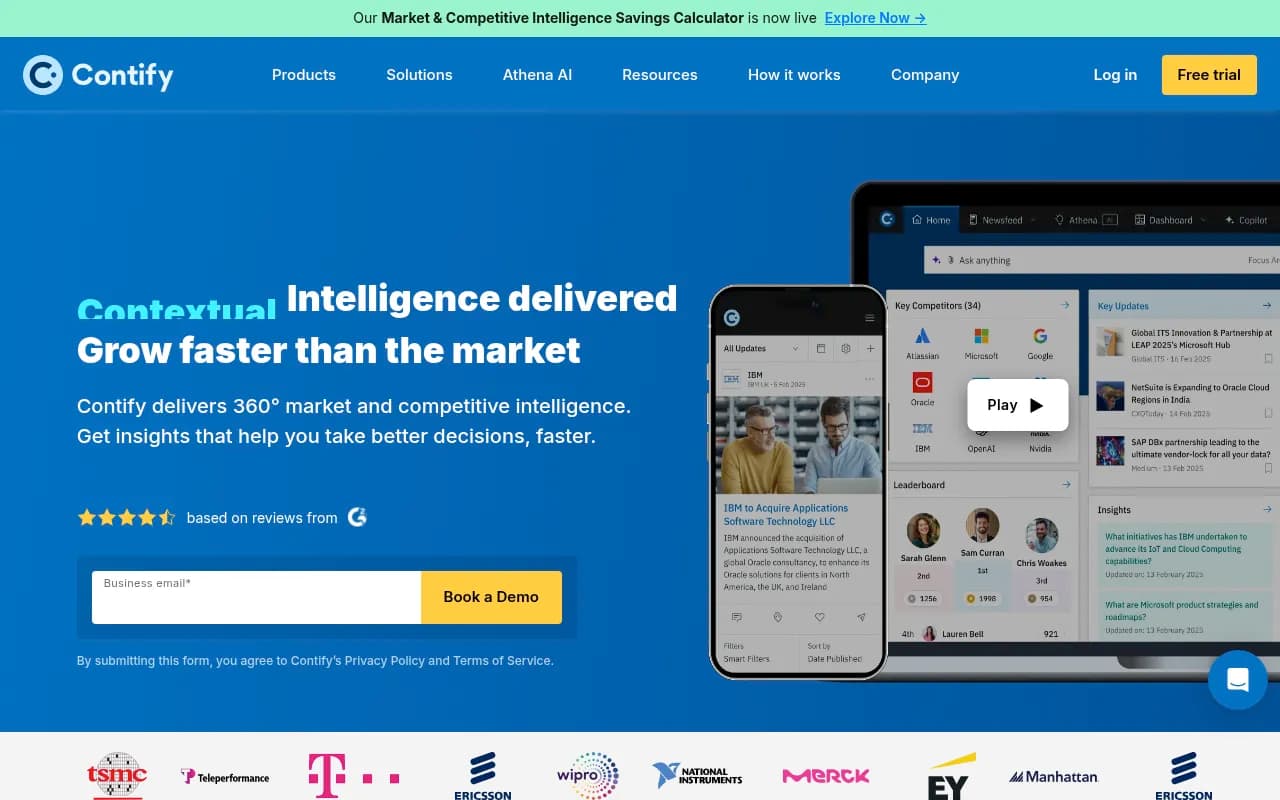
Pricing: Custom (typically $10K-$20K/year range) Best for: Strategy and product teams tracking market signals beyond just competitor websites
Brand24 -- best affordable social listening
Brand24 monitors mentions of your brand (and competitors' brands) across social media, news sites, blogs, forums, and podcasts. It's not a CI platform in the traditional sense, but social listening is a legitimate competitive intelligence channel -- and Brand24 does it better than most at a price point that's actually accessible.
The platform tracks sentiment, reach, and mention volume, and surfaces trending topics and influencers. For competitive purposes, you can track competitor brand mentions to see how their reputation is evolving, spot PR crises before they become public knowledge, and identify the conversations that are shaping buyer perception.
At around $79-$299/month depending on the plan, Brand24 is one of the most affordable tools on this list with genuine CI value.
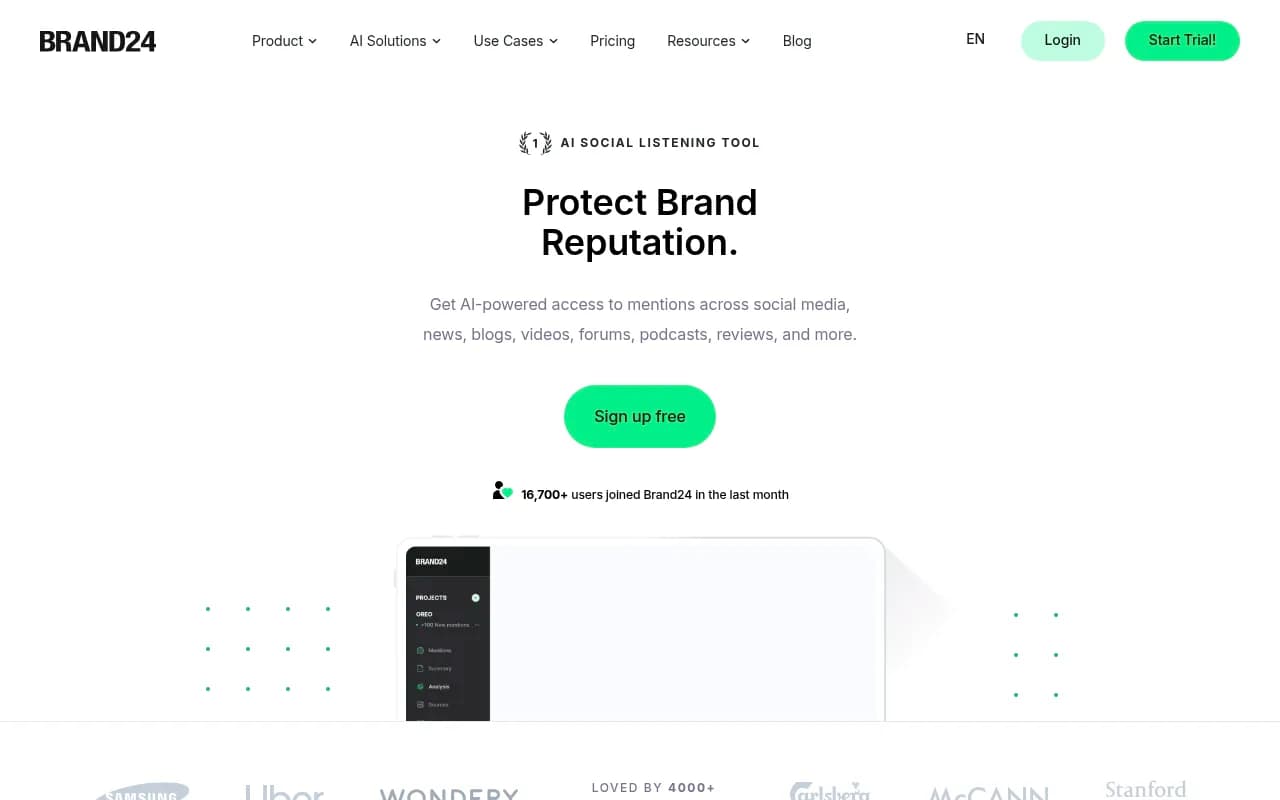
Pricing: From $79/month (Individual) to $299/month (Enterprise) Best for: Marketing teams that want social listening as part of their CI stack
Valona Intelligence -- best for strategic intelligence in regulated industries
Valona (formerly M-Brain) is a market and competitive intelligence platform that combines automated monitoring with human analyst support. It's particularly strong in regulated industries -- pharma, energy, financial services -- where the competitive landscape includes regulatory changes, patent filings, and government procurement data alongside the usual product and pricing signals.
The human analyst layer is what differentiates Valona from pure-software tools. For teams that need someone to actually synthesize information and produce strategic reports, not just surface raw data, this matters.
Pricing is enterprise-level and custom.

Pricing: Custom enterprise pricing Best for: Enterprise strategy teams in regulated industries that need both software and analyst support
Head-to-head comparison
| Tool | Category | Starting price | Best for | Battlecards | Win/loss | Traffic data | Market signals |
|---|---|---|---|---|---|---|---|
| Crayon | Sales CI | ~$20K/yr | Enterprise CI programs | Yes | Basic | No | Limited |
| Klue | Sales CI | ~$20K/yr | Battlecard quality + win/loss | Yes (best-in-class) | Yes | No | Limited |
| Kompyte | Sales CI | $300/yr | SMBs and startups | Yes (automated) | Limited | No | No |
| Similarweb | Digital intelligence | ~$125/mo | Traffic benchmarking | No | No | Yes (core feature) | Limited |
| AlphaSense | Market intelligence | ~$24K/user/yr | Financial/strategic CI | No | No | No | Yes (best-in-class) |
| Contify | Market intelligence | ~$10K-$20K/yr | Broad market monitoring | No | No | No | Yes |
| Brand24 | Social listening | $79/mo | Brand + competitor mentions | No | No | No | Social only |
| Valona Intelligence | Strategic CI | Custom | Regulated industries | No | No | No | Yes + human analysts |
How to build a CI stack that actually works
The biggest mistake teams make with CI tools is buying one platform and expecting it to cover everything. It won't. Here's a practical framework:
If you're a sales-focused team: Start with Kompyte if budget is tight, or Klue/Crayon if you're enterprise. Add Similarweb for traffic context. That's usually enough.
If you're a marketing team: Similarweb or Semrush for traffic and SEO intelligence. Brand24 or Meltwater for social listening. A lightweight CI tool like Competitors App for website change monitoring.
If you're a strategy team: AlphaSense or Contify for market signals. Crayon or Klue if you also need to arm sales. Valona if you're in a regulated industry and need analyst support.
If you're a startup or SMB: Kompyte for CI basics. Similarweb's free tier for traffic benchmarks. Brand24's entry plan for social listening. You can cover the fundamentals for under $500/month.
One thing worth noting: competitive intelligence increasingly includes AI search visibility -- understanding how your brand and competitors appear in ChatGPT, Perplexity, and other AI engines. Traditional CI tools don't cover this yet. If that's a concern for your team, Promptwatch tracks brand visibility across 10+ AI models and shows you exactly which competitors are being cited in AI responses when yours isn't.

What the research says about CI adoption in 2026
A few numbers worth knowing before you make a buying decision:
According to Crayon's 2025 State of Competitive Intelligence report, 68% of B2B sales deals now involve at least one direct competitor, yet the average sales team rates itself just 3.8 out of 10 for competitive preparedness. AI adoption within CI teams surged 76% year-over-year, with 60% of teams now using AI daily for competitive analysis.
Gartner's Market Guide for Competitive and Market Intelligence Tools (which Gartner notably renamed to "Platforms" in 2025) projects that 40% of technology and service providers will use commercial CI tools by 2026, up from roughly 10% a few years ago.
The market itself is growing fast. Mordor Intelligence projects the CI tools market will reach $1.46 billion by 2030 at nearly 20% annual growth.
The practical implication: CI is becoming table stakes, not a competitive advantage in itself. The advantage comes from how well you act on the intelligence.
A few tools worth knowing about
Beyond the eight tools above, a few others are worth a mention depending on your specific needs:
Competitors App is a lightweight, affordable option for tracking competitor website changes, social media, and email campaigns. It's not as deep as Crayon or Klue but covers the basics at a much lower price point.
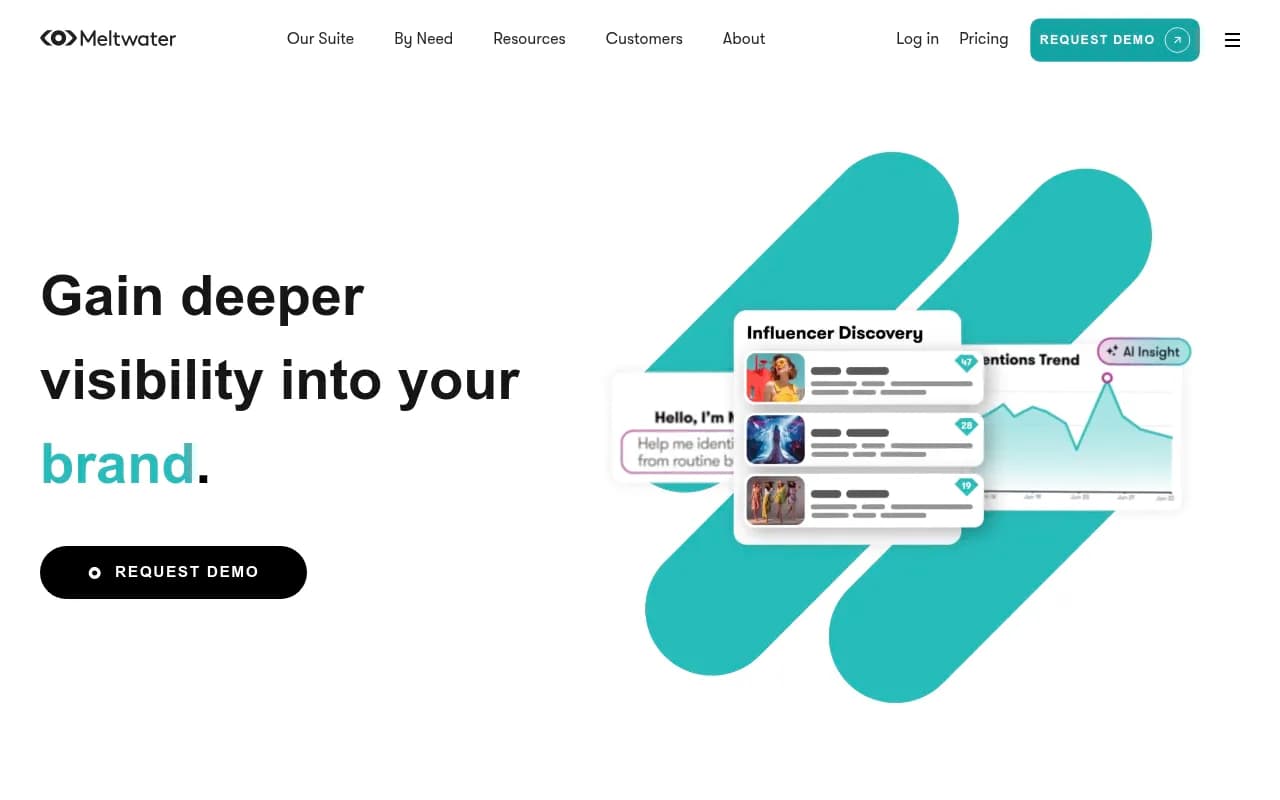
Meltwater is the enterprise alternative to Brand24 for social and media monitoring -- more data sources, more analytics, more price.
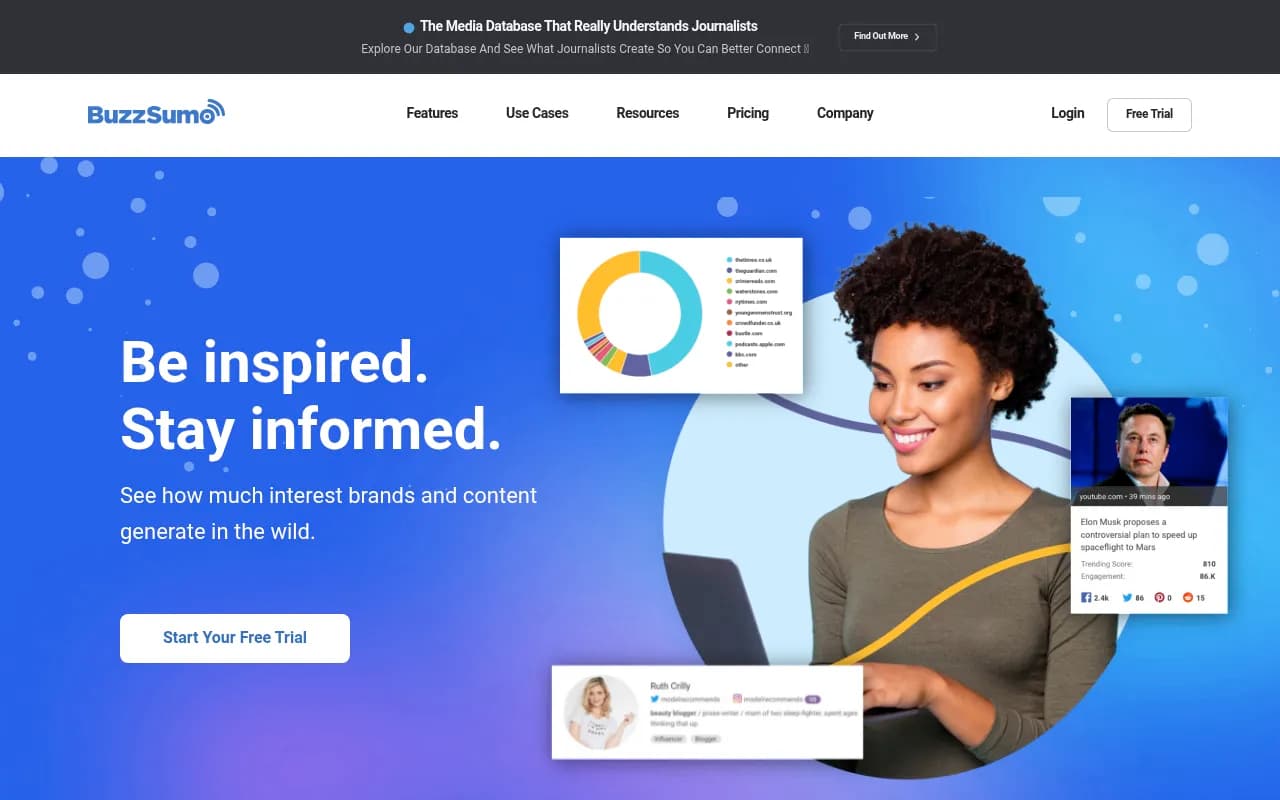
BuzzSumo is useful for content intelligence specifically -- tracking which competitor content gets the most engagement and identifying content gaps.
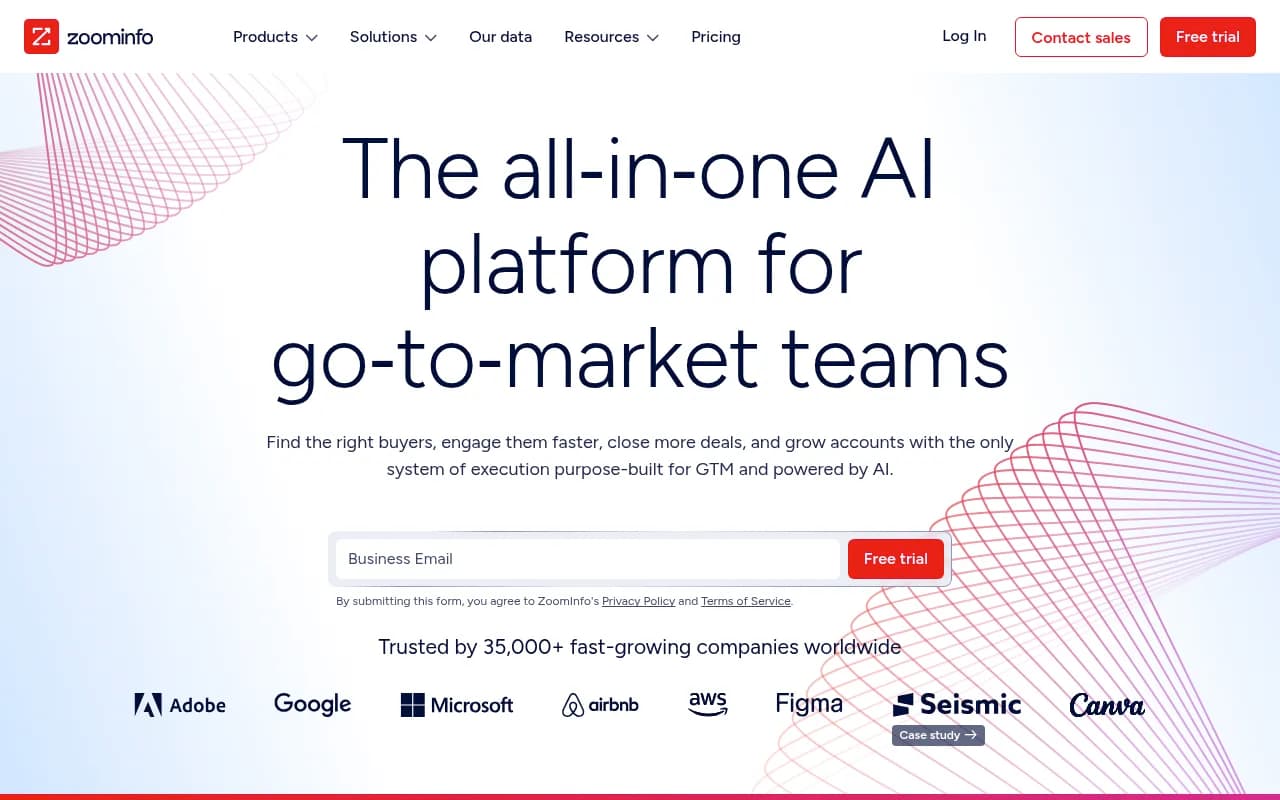
ZoomInfo and 6sense blur the line between CI and sales intelligence -- they're primarily prospecting and intent data platforms, but their company intelligence features give sales teams useful competitive context.
Final thoughts
The right competitive intelligence tool depends entirely on what question you're trying to answer. "What did my competitor change on their website this week?" is a different question from "Why are we losing deals to them?" which is different again from "Where is this market heading in three years?"
Crayon and Klue answer the sales enablement questions. Similarweb answers the digital performance questions. AlphaSense answers the strategic questions. Most teams need more than one.
Start by being honest about the one question that would most change your team's behavior if you could answer it reliably. Buy the tool that answers that question well. Add layers from there.