Key takeaways
- Most teams don't leave Ahrefs over missing features. They leave over price, keyword difficulty scores that don't match the SERPs, and the cost of AI search data.
- Semrush is the closest full replacement, but it sits in the same price bracket. It is not a budget fix.
- SE Ranking suits agency reporting, Mangools suits beginners and solo operators, and Ubersuggest suits founders on a tight budget.
- Ahrefs now has a $29 Starter plan and a free tier, so the "too expensive" argument is weaker than it was. Check the current tiers before you switch.
- Stacking two cheaper specialist tools can beat one big subscription. Verify prices on each vendor's page before you buy.
Why people look for Ahrefs alternatives
Ask ten SEO professionals what they use and most will say Ahrefs. It earned that spot. Site Explorer, Content Explorer and the backlink index are still among the best in the business. So why is this article needed?
Because the complaints are rarely about capability. In its Ahrefs alternatives comparison, Spike AI argues that teams leave over three friction points: pricing structure, keyword difficulty scores that feel disconnected from reality, and the cost of getting visibility data for AI search.
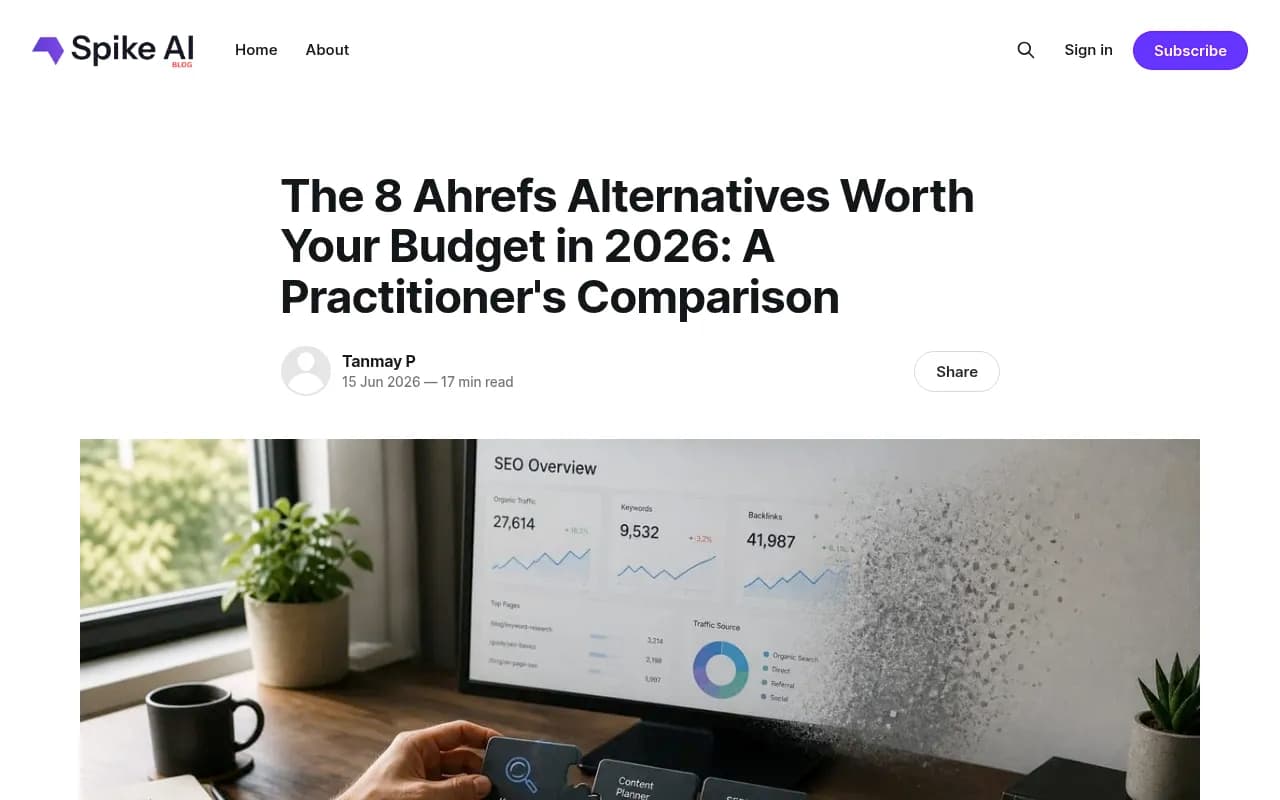
I think the framing is mostly right, with one correction. The "credit trap" complaint is partly out of date. Ahrefs' pricing page now shows unlimited credits per user on Standard and above, and only Lite is capped at 1,000 per user. If you last priced Ahrefs two years ago, look again.
What Ahrefs costs now
From Ahrefs' official pricing page (monthly, USD):
| Plan | Price | Notable limits |
|---|---|---|
| Starter | $29/mo | Keyword research and competitor spying |
| Lite | $129/mo | 5 projects, 750 tracked keywords, 5 AI prompts, 1 user |
| Standard | $249/mo | 20 projects, 2,000 keywords, Content Explorer, 10 AI prompts |
| Advanced | $449/mo | 50 projects, 5,000 keywords, Looker Studio, 20 AI prompts |
| Enterprise | $1,499/mo | Annual commitment required |
Extra users cost $40 to $80 a month depending on plan. Brand Radar, Ahrefs' AI visibility product, is a separate purchase from $199/mo. Annual billing saves up to 17% (the page's meta description says 20%, so confirm at checkout). Ahrefs Webmaster Tools is free for your own verified sites.
The number that matters for 2026: Lite includes only 5 tracked AI prompts. If AI search visibility is part of your reporting, that gets expensive quickly.
How to pick an alternative
Skip the feature-count tables. Ask three questions instead.
- What did you actually use Ahrefs for last quarter? Backlink audits, keyword research, rank tracking and client reports need different tools.
- How many seats and projects do you need? Per-seat pricing hurts agencies most.
- Do you need AI search data in the same tool? If yes, check how many prompts are included, not whether the feature exists.
One more point. Keyword difficulty scores disagree across every tool because the methods differ. Ahrefs leans on backlinks, Semrush blends in SERP features, and Moz leans on its Domain Authority metric. Whatever you buy, calibrate its KD against your own Google Search Console data before you trust it for planning.
The best Ahrefs alternatives at a glance
| Tool | Best for | Pricing note |
|---|---|---|
| Semrush | Closest all-in-one replacement | SEO plan $139/mo ($117.33 annual) |
| SE Ranking | Agency reporting, budget all-rounder | Reported from $129/mo ($103.20 annual), verify |
| Mangools | Beginners and keyword research | Reported around $29/mo, verify |
| Ubersuggest | Founders on a tight budget | Reported $29/mo or $290 lifetime, verify |
| Moz Pro | Teams built around Domain Authority | Check current pricing |
| Serpstat | Multi-region keyword research | Check current pricing |
| Similarweb | Market and traffic intelligence | Quote-based |
| seoClarity | Enterprise SEO at scale | Quote-based |
Prices for tools other than Ahrefs and Semrush come from third-party roundups and I haven't confirmed them on the vendors' own pages. Treat them as starting points.
Semrush: the obvious full replacement
If you want the most direct Ahrefs substitute and have the budget, Semrush is the answer most reviewers land on. Zapier's roundup calls it the obvious choice, and it has several competitor gap tools (Keyword Gap, Backlink Gap, Market Explorer) plus content tooling.
Current official pricing:
- SEO plan: $139/mo, or $117.33/mo billed annually. 5 websites, 500 daily tracked keywords, and AI search tracking features.
- Starter (SEO + AI Search): $199/mo, or $165.17/mo annual. 50 daily AI prompts, 1 domain for AI brand performance, MCP access.
- Pro+: $299/mo, or $248.17/mo annual. 15 websites, 1,500 daily tracked keywords, historical data, content optimization.
- A higher Advanced tier reportedly sits around $549/mo. I haven't verified it.
You'll see Semrush quoted at $117, $140 and $199 in different articles. They are all correct for different plans and billing periods. Always note whether a figure is monthly or annual.
The honest take, echoed in Reddit threads from people who tested several tools over six months: Semrush is a powerhouse, but it isn't cheaper than Ahrefs. Switch for workflow reasons, such as wanting PPC, content and social in one place. Don't switch to save money.
Its AI visibility bundling is the real differentiator. Every tier includes AI tracking, starting at 50 prompts on Starter, versus Ahrefs' 5 prompts on Lite. Writers who live in the content side can also look at ContentShake AI and the Semrush Writing Assistant.
SE Ranking: the agency-friendly pick
SE Ranking covers rank tracking, site audits, keyword research and backlink data with white-label reporting. Rankability's roundup lists it at $129/mo ($103.20/mo annual) with a 14-day no-card trial. I haven't verified that on SE Ranking's own page, so check before budgeting.
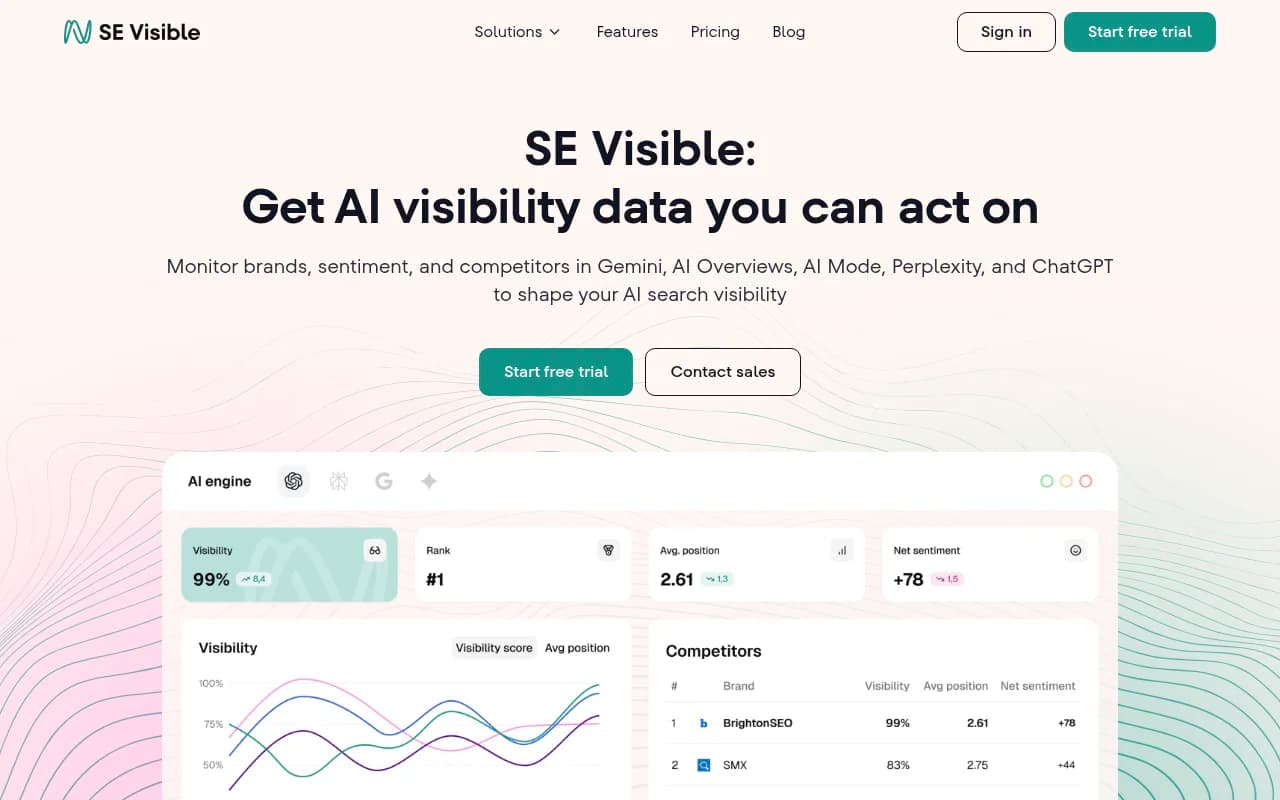
It works best for agencies who need client dashboards without paying per-seat fees on top. SE Ranking also sells a separate AI visibility product, SE Visible, if you want AI tracking split from classic SEO.
Mangools: simplest for beginners
Mangools bundles KWFinder, SERPChecker, SERPWatcher and LinkMiner in a clean interface. Multiple roundups call KWFinder the easiest keyword tool to learn. Several list it at about $29/mo, but I'd confirm that figure on their site.
It is the better choice if you mainly do keyword research and light rank tracking. It won't replace Ahrefs for deep backlink work or large site audits, and that is fine. A common pairing is Mangools plus Majestic for link analysis. The combined bill often undercuts a single Ahrefs Standard plan, and each tool is stronger in its own lane.
Ubersuggest: founders on a budget
Neil Patel's Ubersuggest gives small businesses and bloggers core SEO data in a simple interface. Spike AI cites $29/mo or a $290 lifetime deal. Lifetime pricing is rare in this category, so verify it is still offered.
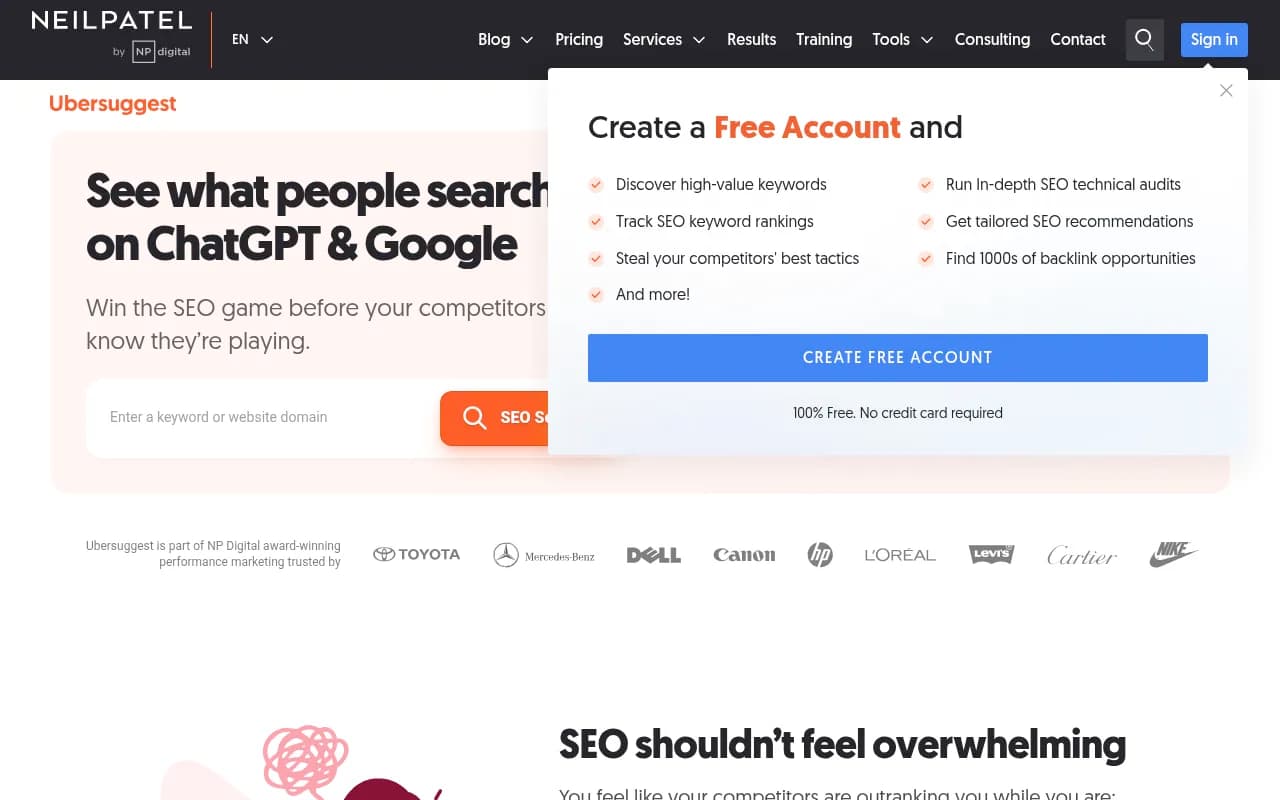
Expect thinner data than Ahrefs. For a founder doing their own SEO, that tradeoff is usually acceptable.
Moz Pro and Serpstat
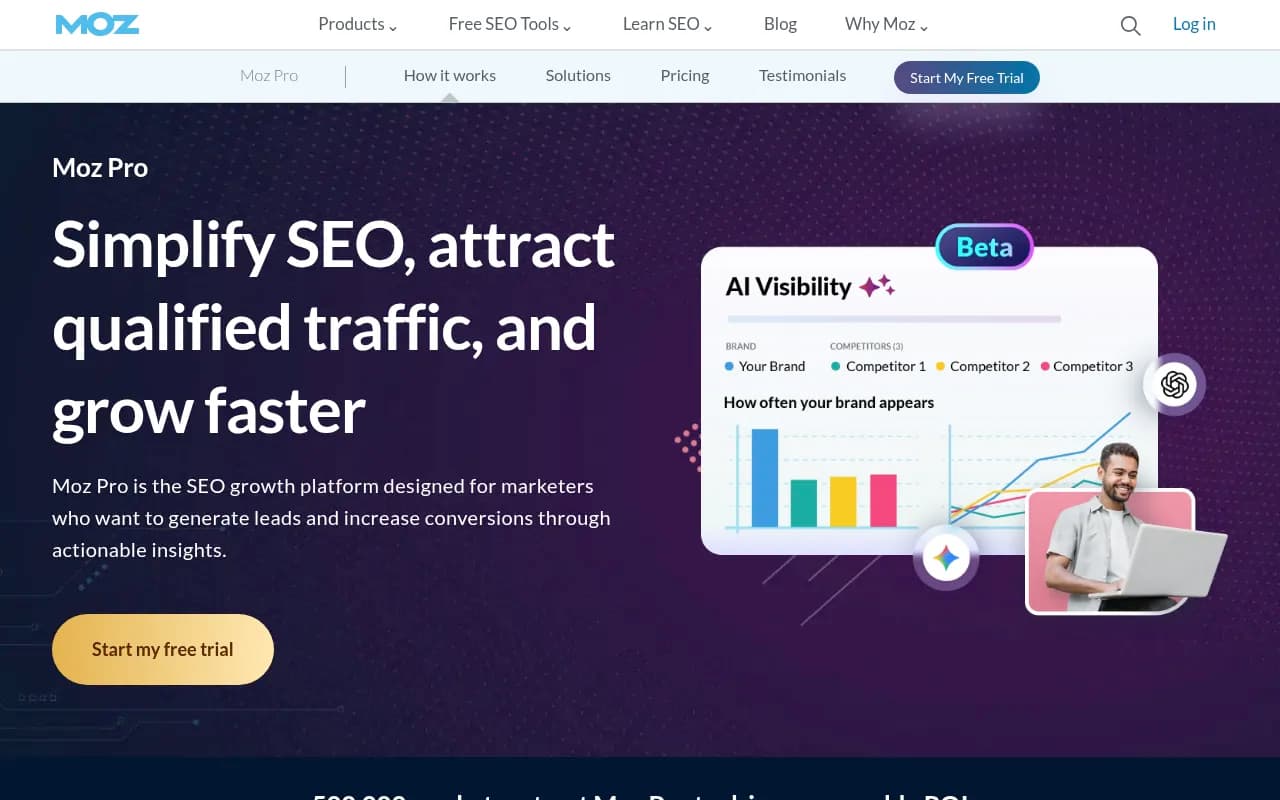
Moz Pro makes sense if your clients or bosses already talk in Domain Authority. That is a legitimate reason: a shared metric saves arguments. Zapier recommends it for rank tracking with integrations.
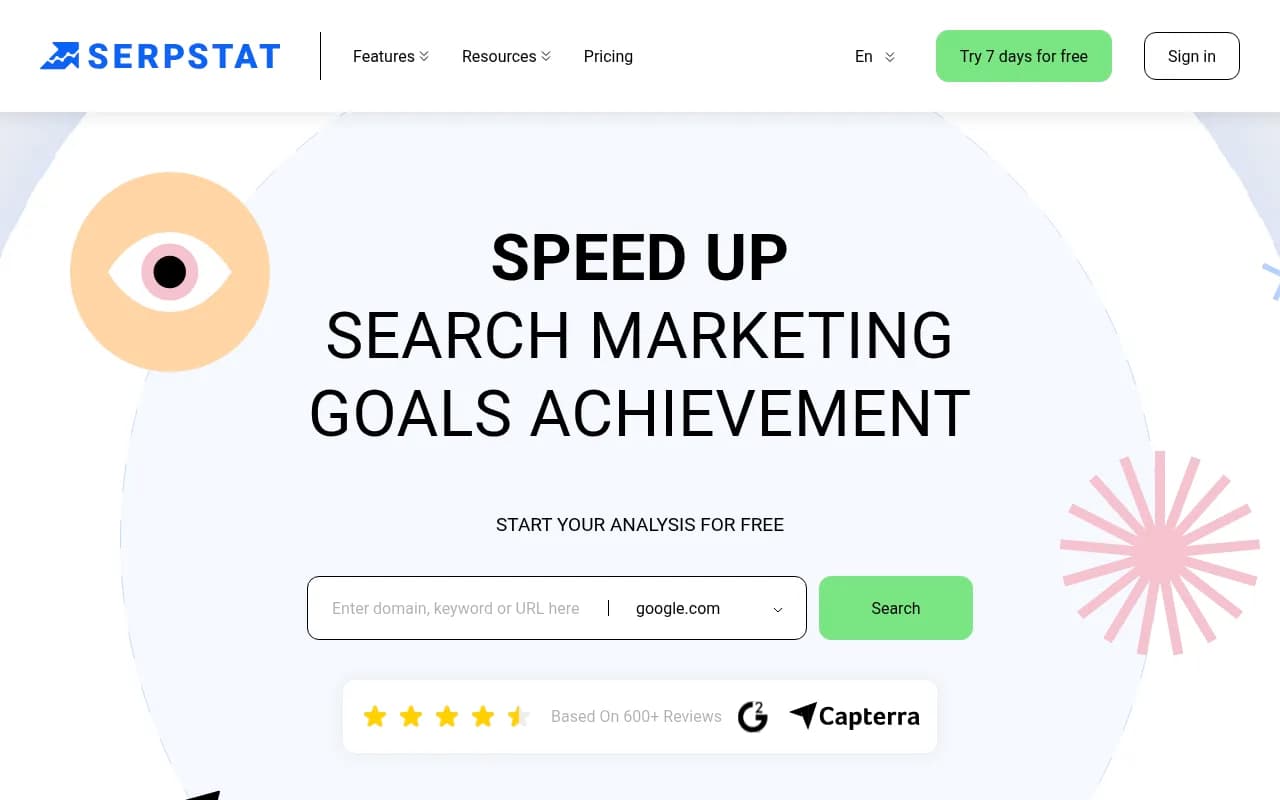
Serpstat is the practical pick for international SEO teams on a constrained budget because of its multi-region keyword research.
Majestic, SpyFu and other specialists
Some alternatives are narrower by design:
- Majestic for pure link quality analysis. One reviewer still calls it king for backlinks.
- SpyFu for historical PPC data.
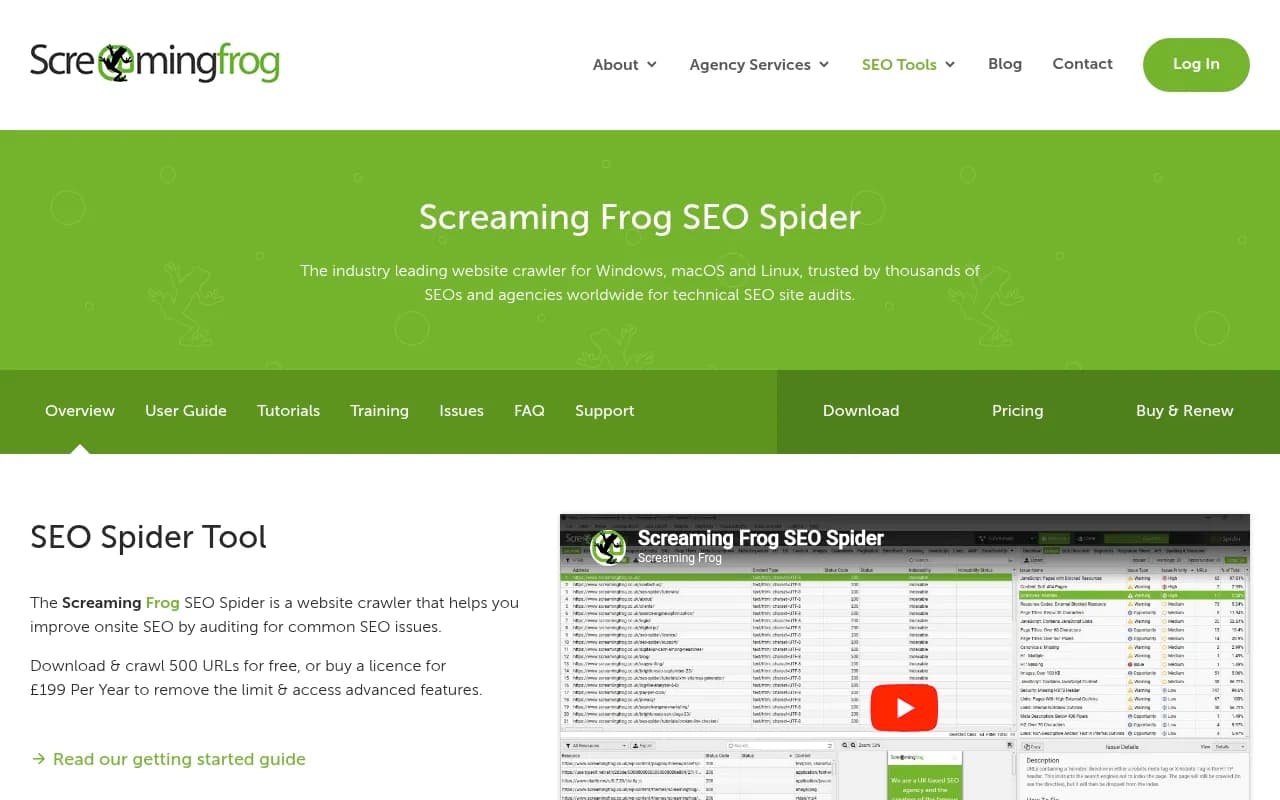
- Screaming Frog for technical crawling. StoryChief's roundup names it best for technical SEO.
- Keywords Everywhere for cheap keyword data inside your browser.
One caution from Spike AI is worth repeating. Backlink index size is a vanity metric. Recrawl cadence and how a tool handles dead links matter more for competitive analysis, and Ahrefs' live-link index is often fresher than competitors with larger raw counts. Don't pick Majestic or anyone else on headline link counts alone.
Market intelligence and content-focused alternatives
Sometimes the thing you miss isn't keyword data at all.
- Similarweb for traffic and market intelligence on competitors.
- Clearscope and Surfer for content optimization and editing.
- seoClarity and BrightEdge for enterprise scale.
- Google Keyword Planner for free keyword research with PPC forecasting.
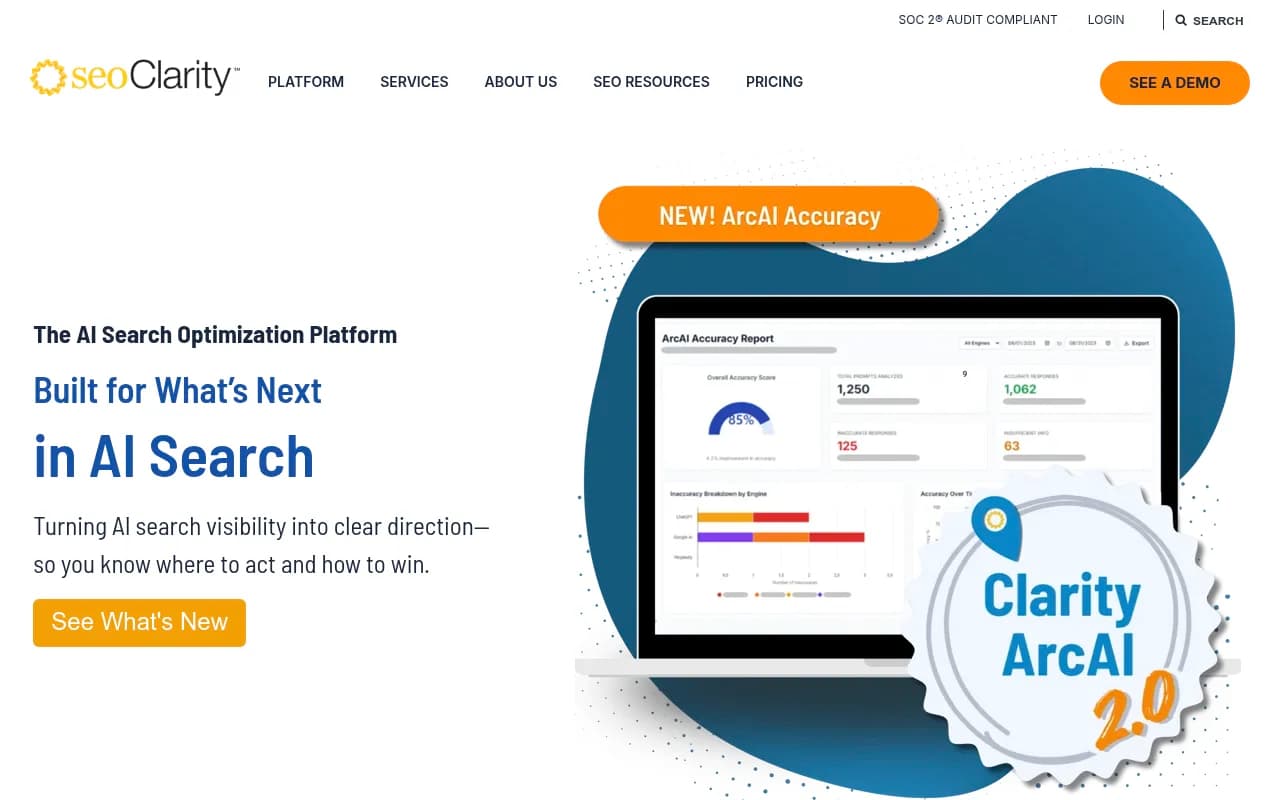
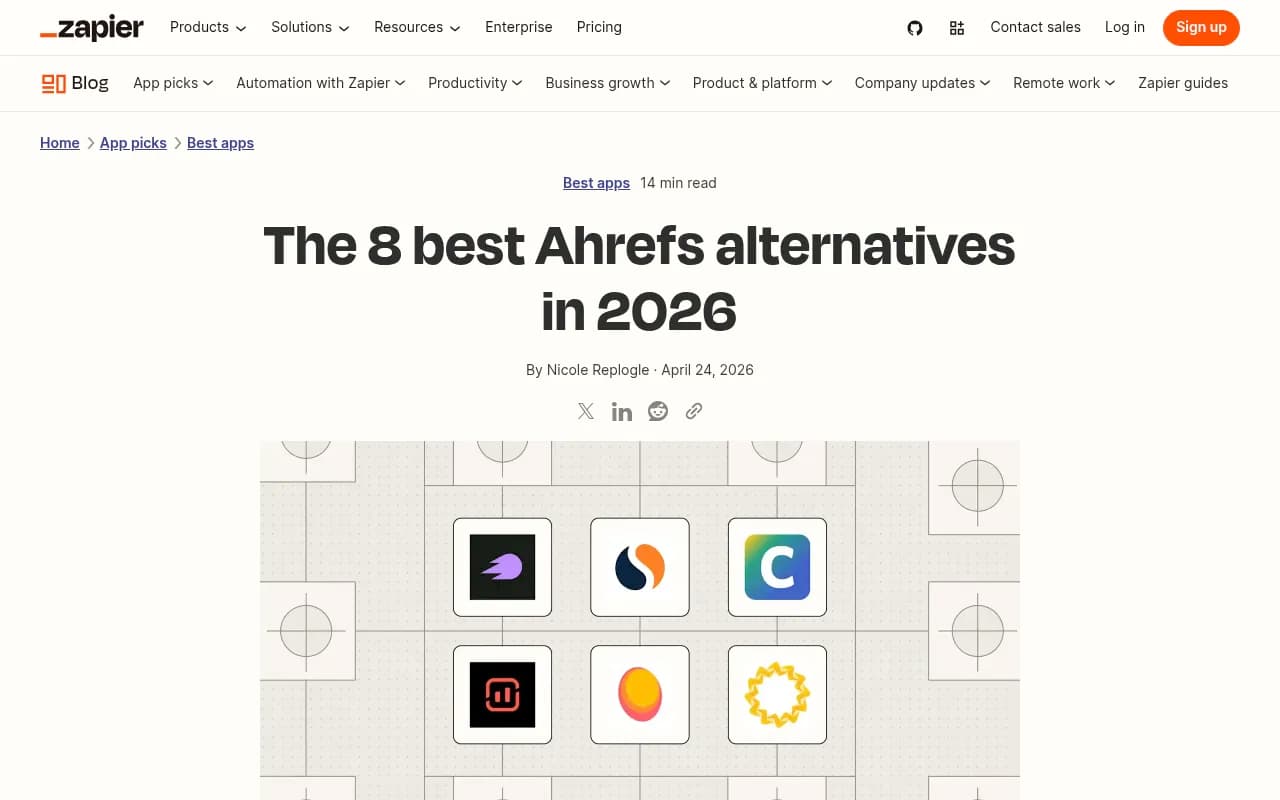
Zapier's list is a useful second opinion if you want a longer set of editorial picks, and it separates content tools from research suites better than most.
The AI visibility gap
This is where 2026 differs from earlier comparisons. Classic SEO suites measure rankings and links. They are still catching up on what ChatGPT, Google AI Overviews and Perplexity say about your brand.
Some context on why it matters. In Promptwatch's ChatGPT software citation data for Sep 28 to Oct 4, 2026, documentation and help centers earned the largest share of citations for software prompts, with GitHub, Microsoft's docs and G2 leading. If you sell SEO software, that means your docs and review profiles feed AI answers as much as your blog does. The broader Top ChatGPT Sources report shows G2 and Trustpilot are the review sites that actually get cited, at roughly 0.1 to 0.3% of citations each.
How the big suites handle it:
- Ahrefs: 5 to 20 tracked AI prompts on regular plans, with Brand Radar as a separate product from $199/mo.
- Semrush: AI tracking in every tier, 50 daily prompts on Starter.
- Dedicated AI visibility platforms: built for the job, usually priced by prompt volume.
If AI search is a real reporting line for you, a dedicated platform often beats bolt-on tracking. Promptwatch is the one I'd look at first. It tracks real ChatGPT, AI Overviews, Perplexity and Gemini interfaces, shows IP-verified AI crawler logs, and its Content Agent can plan and publish fixes. Plans start at $95/mo, and you should confirm on its pricing page.
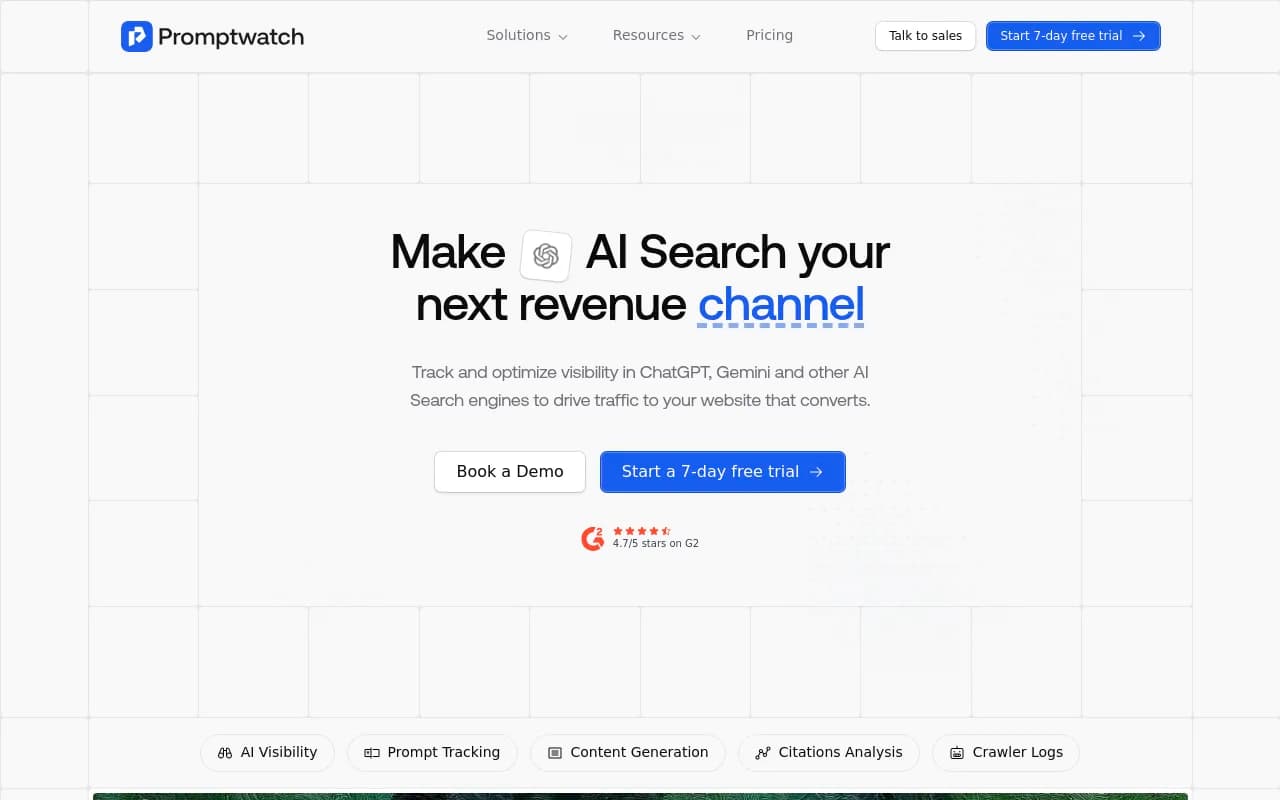
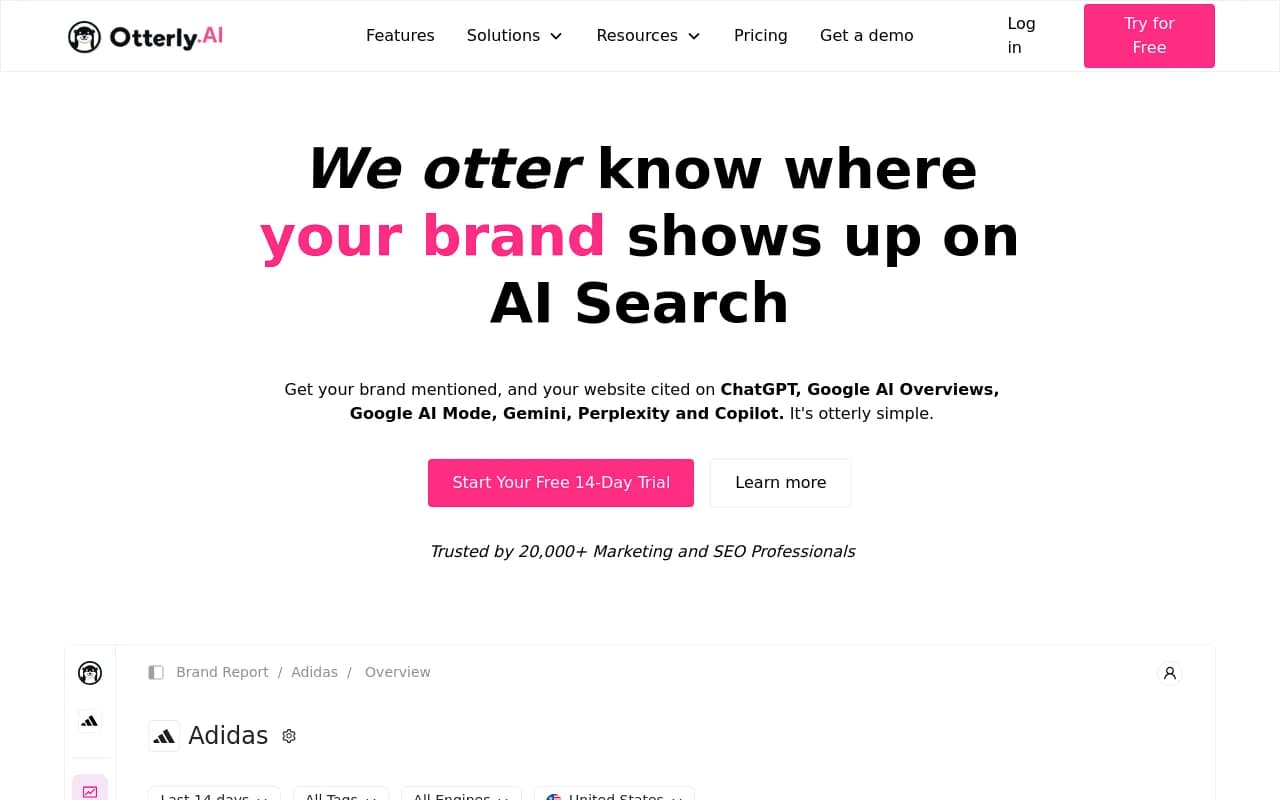
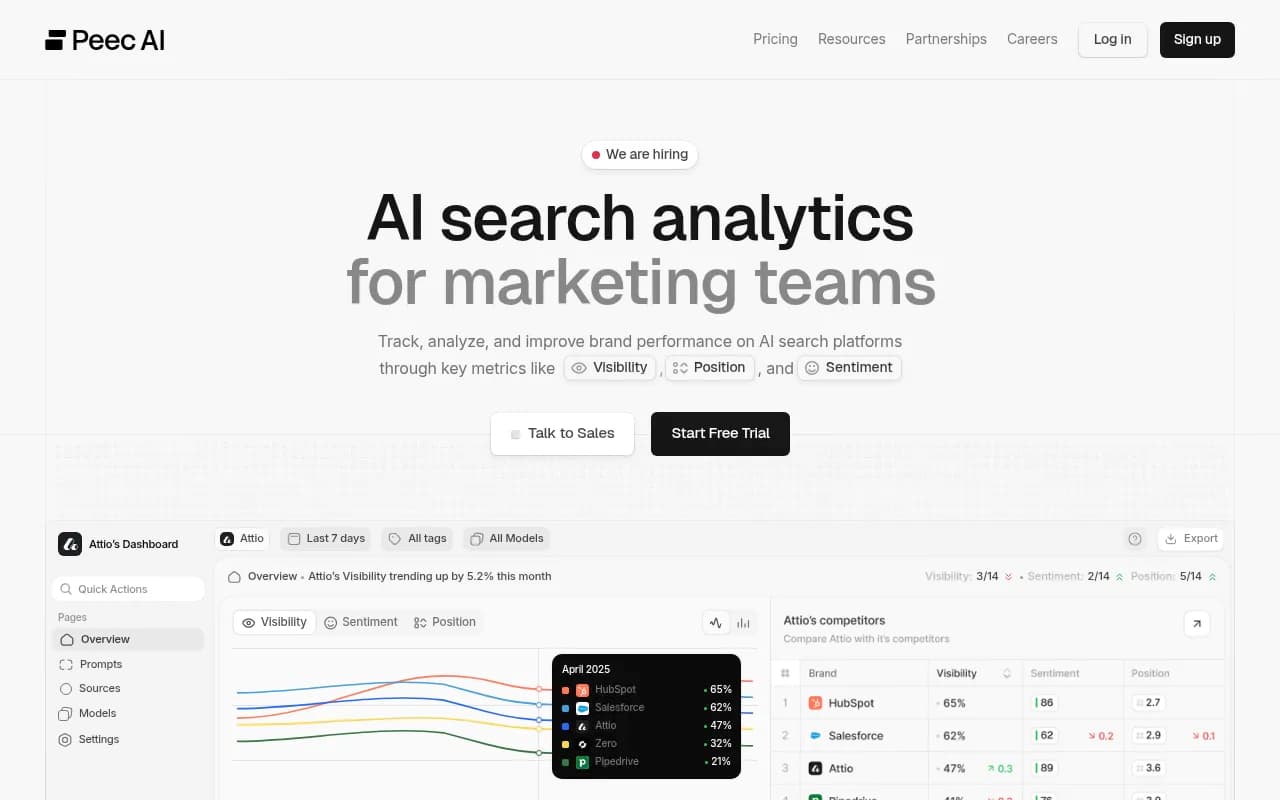
For a wider view of the category, the GEO software directory lists many more options. Other tools worth knowing if you want a cheaper tracker include Otterly.AI and Peec AI, which are monitoring-focused.
Which one should you choose?
| If you are... | Consider |
|---|---|
| An in-house team wanting one platform for SEO, PPC and content | Semrush |
| An agency needing white-label reports | SE Ranking |
| A beginner or solo marketer | Mangools |
| A founder watching every dollar | Ubersuggest, or Ahrefs Starter at $29/mo |
| Heavy on backlink research | Majestic, possibly paired with Mangools |
| A team that reports in Domain Authority | Moz Pro |
| Doing international SEO | Serpstat |
| Enterprise with many sites | seoClarity or BrightEdge |
| Needing real AI search visibility data | A dedicated platform like Promptwatch |
Should you leave Ahrefs at all?
Maybe not. If your complaint is price and you mainly do keyword research, Ahrefs Starter at $29/mo or the free Webmaster Tools may solve it without a migration. If your complaint is the seat cost, remember extra users run $40 to $80 a month, which is where agencies get hit. If your complaint is AI data, adding a dedicated tracker beside Ahrefs is often cheaper than moving everything.
A practical switching checklist
- Export what you can: keyword lists, tracked rankings, backlink audits.
- Run a 30-day trial of your top two candidates on the same 20 keywords and compare against Search Console.
- Check KD and traffic estimates on keywords you already rank for. This is the fastest way to see which tool matches your reality.
- Price the full setup, including extra seats and AI prompt add-ons.
- Decide whether two tools beat one before you commit to annual billing.
If you want an outside team to audit your stack and run the work, an agency such as 1001 SEO Media handles technical SEO, content and AI search optimization. That is a different decision from picking software, but it is the right call when the tool isn't the bottleneck.
For more software comparisons, the SurferStack directory covers the wider category.
Bottom line
Semrush is the safest full replacement, SE Ranking is the agency pick, and Mangools is the easiest on-ramp. Check each vendor's pricing page before buying, because several figures in this space conflict between sources. Then test two tools on your own keywords for a month.