Key takeaways
- Google Search Console does not separate AI Overview data from standard organic results, so you need another tool to see which of your keywords trigger one.
- Two kinds of tools do this: classic rank trackers with an AI Overview filter (Semrush, SE Ranking, Advanced Web Ranking, Keyword.com) and AI visibility platforms that also track ChatGPT, Perplexity and others.
- Published trigger rates vary wildly, from 12.95% of US queries (Semrush Sensor) to 48% (Otterly's figure). Both can be right because the keyword sets differ. Measure your own list.
- Trigger detection is only step one. You also need to know whether you are cited, and in what position.
- A small manual check still matters, because tool snapshots can lag behind what searchers actually see.
Why you can't just use Search Console
It would be convenient if Google Search Console had an "AI Overview" filter. It doesn't. Per Otterly's 2026 tracking guide, Search Console doesn't separate AI Overview data from standard organic results, so a click or impression from a query with an AI Overview looks like any other.
That matters because the click impact is large. Otterly cites a Seer Interactive study of 25.1 million impressions across 42 organizations: organic CTR fell from 1.76% to 0.61% when an AI Overview appeared, a 61% drop. Ahrefs' December 2025 analysis found a 58% lower organic CTR for position-one content. So a keyword where you rank first may be delivering far less traffic than it used to, and you won't see why unless you know the AI Overview is there.
There's an upside. Otterly's own study found AI Overviews cite 3 to 8 sources per response, and 59.8% of those citations are brand websites. That is a lot higher than what ChatGPT or Perplexity tend to show. Being cited is realistic, but first you need to know where the overviews appear.
What "trigger detection" actually means
Tools in this space report some mix of three things:
- Trigger rate: which of your tracked keywords currently show an AI Overview.
- Citation presence: whether your domain or URL is one of the cited sources.
- Citation position and wording: where you sit in the source list and how the answer describes you.
Searchable's roundup makes a point worth remembering: most tools only record whether a citation is present, not its position. And tools that only check ChatGPT tell you nothing here. In Searchable's data, of 80,525 prompt-and-domain pairs cited by AI Overviews, only 25.2% were also cited by ChatGPT. The two systems pick different sources.
Don't trust one prevalence number
You'll see conflicting figures quoted. Otterly says AI Overviews appear on 48% of queries in February 2026, up from 31% a year earlier. Shattered.io, summarizing Semrush Sensor data updated in August 2026, puts the US average at 12.95%, roughly one in eight searches.
They aren't really contradicting each other. Different keyword sets, different industries, different methodologies. Informational, long-tail queries trigger overviews far more often than branded or transactional ones. So treat any headline percentage as a rough benchmark and compute your own rate from your own keyword list. That is the number that decides your priorities.
Rank trackers with AI Overview detection
If you already pay for a rank tracker, check it first. These tools show an AI Overview flag next to each keyword, so you can filter your existing list.
Semrush
Semrush has an AI Overview filter inside its Organic Rankings report. It shows which of your existing keywords already trigger the feature, which gives you a baseline in a few clicks. Its Sensor tool is also where the widely quoted 12.95% US figure comes from. Good for teams already living in Semrush.
SE Ranking
Searchable specifically names SE Ranking as a fit for teams that want organic rankings and AI Overview citations side by side. It's a sensible mid-market pick when you don't want a second tool.
Advanced Web Ranking
Also called out by Searchable for combined rank and AI Overview tracking. It has been around for 20+ years and is popular with agencies that need flexible reporting.
Keyword.com
Keyword.com's own guide says it shows which queries trigger AI Overviews, which URLs get cited, and how your AIO visibility moves over time. That is exactly the question this guide is about.
Other rank trackers to check
I haven't verified feature depth for every tracker, so confirm AI Overview support on the vendor's pricing page before you commit. Candidates in our catalog that position themselves around rank plus AI tracking include [tool:trueranker], [tool:serptag], [tool:accuranker], and [tool:ahrefs-brand-radar].
AI visibility platforms that cover AI Overviews
Rank trackers answer "does this keyword show an overview?". AI visibility platforms are built around prompts and citations, and they usually add other engines. Several of them track Google AI Overviews alongside ChatGPT, Perplexity and Gemini.
Promptwatch
Promptwatch monitors the real Google AI Overviews and AI Mode interface by country and language, not just API output, which matters because the user-facing answer can differ. It also gives prompt volumes and difficulty, query fan-outs, and per-page citation data, and it brings in Search Console and Bing data so you can see which pages rank but never get cited. Where it differs from most trackers is that it goes on to suggest and draft the content fixes, then checks whether they worked.
Its research is useful context for what gets cited once you're in. Promptwatch Data's July 2026 AI Overviews citation types report found listicles averaged 18.0% of citations, product pages 16.3%, how-tos 15.1% and news 13.5%. Product pages overtook listicles as the most cited format from July 28, ending the month at 17.9% against 16.2%. Listicles had averaged about 26% in Q1, and video citations rose from about 2.7% in January to about 6.3% by late July.
In Promptwatch's rolling AI Overview source report, YouTube takes about 4.1% of citations and Reddit about 2.7%. That is the reverse of the usual assumption that Reddit dominates. The page's snapshot date isn't stated, so treat the figures as approximate.
Searchable
Searchable is ranked first in its own roundup (take that with the usual grain of salt). It tracks AI Overviews with ChatGPT and Perplexity, and shows whether a brand was mentioned or cited, its position, and how engines describe it.
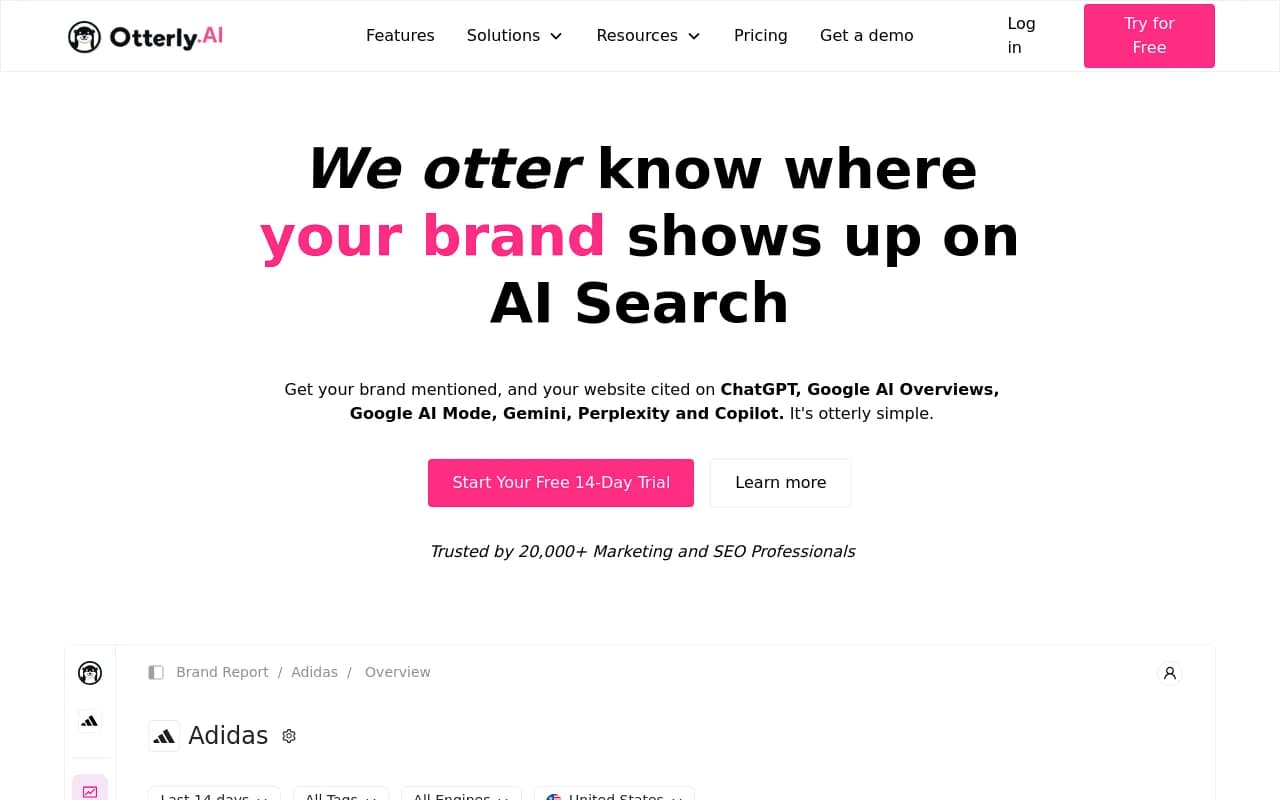
Otterly.AI
Otterly.AI is a lower-cost monitoring option with a thorough guide on AI Overview tracking. It's primarily a tracker, so expect to do the optimization work elsewhere.
Others worth a look
The webglazer review lists ZiptIe as a pick for simple keyword monitoring. Also in the catalog: [tool:ziptie], [tool:profound], [tool:athena-hq], [tool:peec-ai], [tool:llmrefs], and [tool:nightwatch]. For enterprise suites, see [tool:seoclarity], [tool:brightedge], and [tool:conductor].
For a wider directory of options, the GEO software directory at bestgeosoftware.com and the AI rank tracker list at ai-rank-tools.com are good places to browse.
Comparison table
| Tool | Type | Shows trigger per keyword | Shows if you're cited | Also tracks ChatGPT/Perplexity |
|---|---|---|---|---|
| Semrush | SEO suite | Yes (AI Overview filter) | Partial | Add-on products |
| SE Ranking | Rank tracker | Yes | Yes | Separate AI visibility product |
| Advanced Web Ranking | Rank tracker | Yes | Yes | Yes |
| Keyword.com | Rank tracker | Yes | Yes (URLs cited) | Check vendor |
| Promptwatch | AI visibility platform | Yes, real UI | Yes, with page-level data | Yes, 10+ engines |
| Searchable | AI visibility platform | Yes | Yes, with position | Yes |
| Otterly.AI | AI visibility tracker | Yes | Yes | Yes |
Feature depth and pricing change often, and I haven't compared pricing here. Check each vendor's pricing page.
A practical workflow
Step 1: build the right keyword list
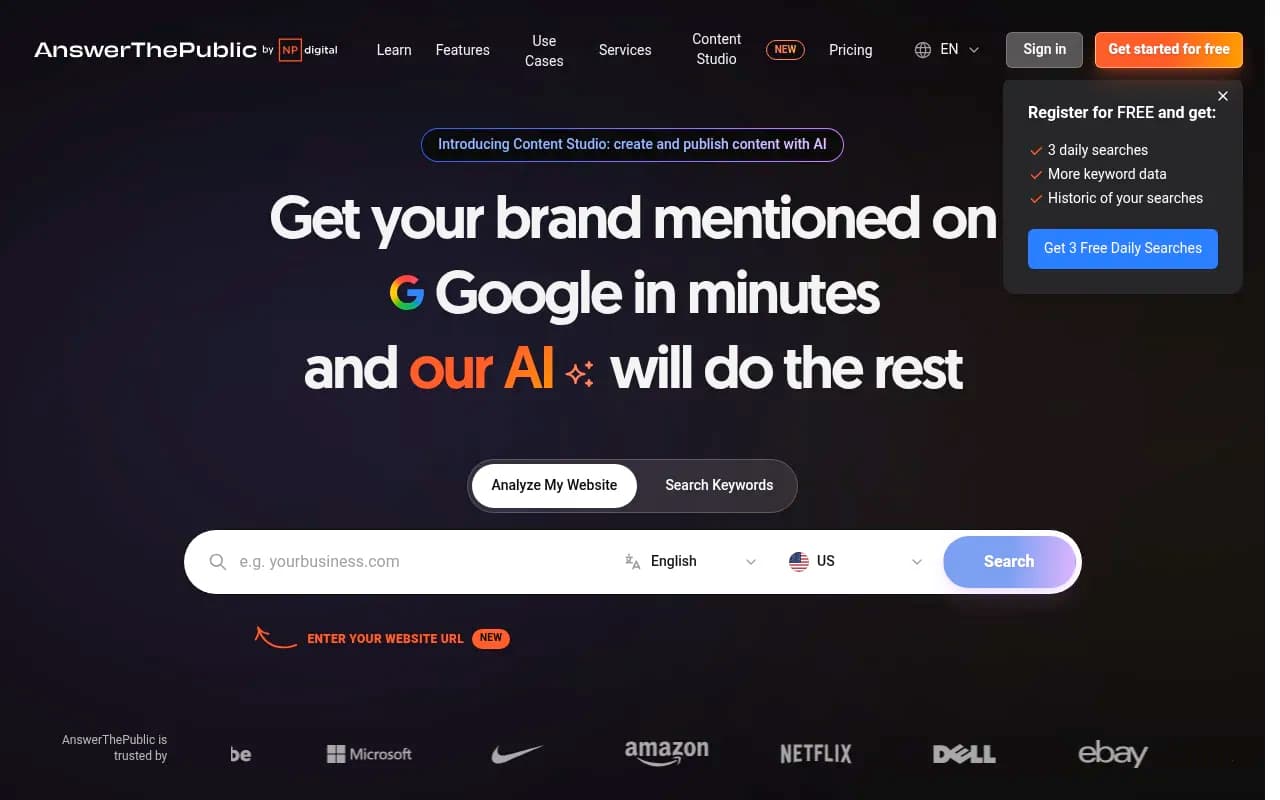
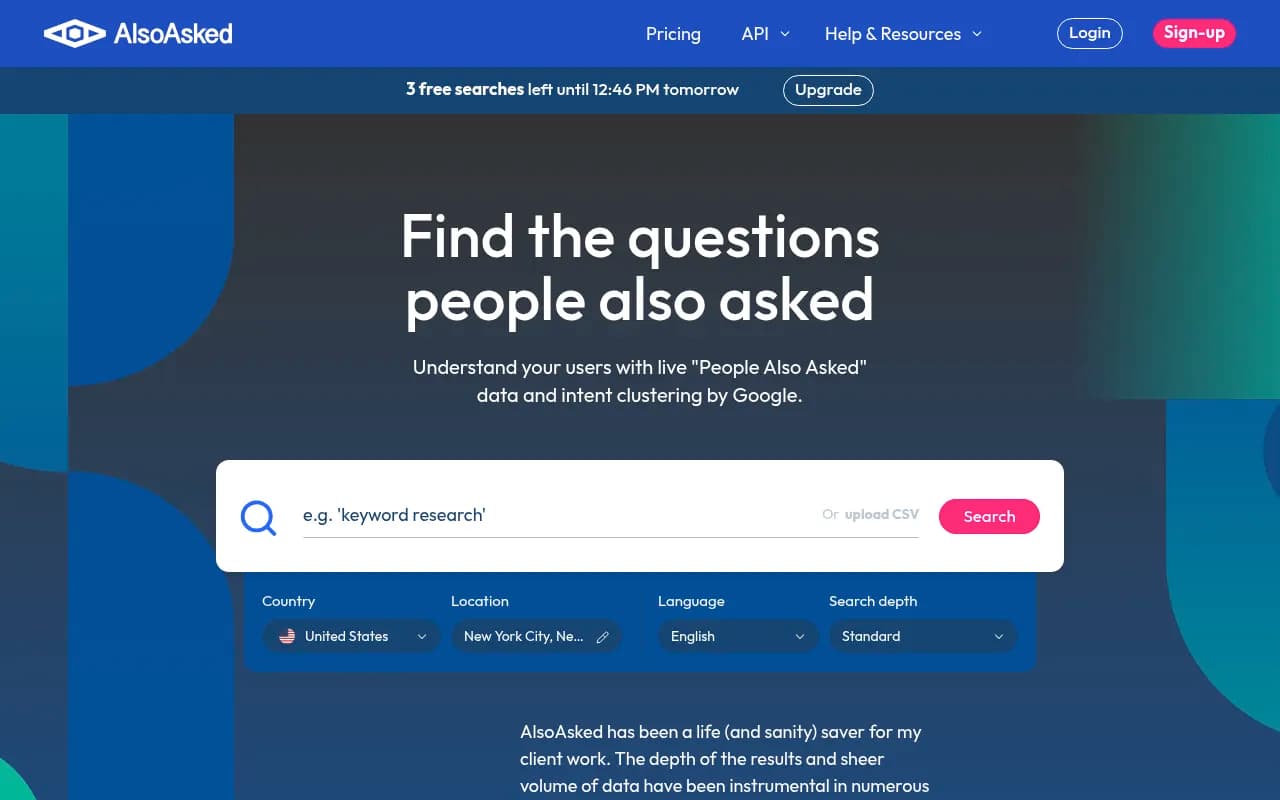
Export your tracked keywords, plus the top queries from Search Console. Add question-style variants from tools like AnswerThePublic or AlsoAsked, since question queries trigger overviews most often.
Step 2: get a baseline trigger rate
Upload the list to your chosen tool and record the percentage that trigger an overview. Split it by intent (informational, commercial, branded) and by page type. Your own rate beats any headline figure.
Step 3: cross-check against clicks
Pull Search Console data for the triggering keywords and compare CTR to the non-triggering ones at similar positions. If position-one pages are underperforming on exactly the keywords that trigger overviews, you've found the traffic you're losing.
Step 4: check citations and position
For each triggering keyword, note whether you're cited, which URL, and where in the source list. Competitors cited instead of you are your content gap list.
Step 5: spot-check manually
Open a private window, search a dozen high-value keywords, and compare with the tool. Overviews vary by location, language and day, so snapshots can differ from what a given searcher sees. If the tool and reality disagree on more than a couple of keywords, find out why before trusting the dashboard.
Step 6: act, then re-measure
Given the format data above, make sure product and service pages get the same attention as blog content, keep a few strong listicles and how-tos, and don't neglect video. Re-run the same list monthly so you can see whether changes moved citations.
Which one should you pick?
- Already in Semrush, SE Ranking or Advanced Web Ranking: use the built-in AI Overview filter first. It's free to try on what you already pay for.
- You need to know why you're not cited and want fixes: an AI visibility platform like Promptwatch fits better than a pure tracker.
- Tight budget and just need monitoring: Otterly.AI or a similar lightweight tracker.
- Enterprise with thousands of keywords: seoClarity, BrightEdge or Conductor, where AI Overview data sits with the rest of your SEO reporting.
If you'd rather hand this off, an agency can run the tracking and the content changes for you. 1001 SEO Media does this as part of its technical SEO and AI search work, and uses Promptwatch for the monitoring side.
What to remember
Search Console can't see AI Overviews, so a dedicated tool is mandatory if you care about them. Start with whatever rank tracker you already own, measure your own trigger rate instead of quoting a 13% or 48% headline, and then track citations, not just triggers. A keyword that triggers an overview you aren't in is a problem. One you are in is a small win. Know which is which.