Key takeaways
- Profound costs roughly 48% more than comparable platforms and locks key features behind Enterprise pricing
- The core problem isn't price -- it's that Profound shows you where you're invisible in AI search but doesn't help you do anything about it
- Promptwatch closes the loop: find gaps, generate content, track results -- all in one platform
- Promptwatch covers 10 AI models from its entry plan; Profound starts with ChatGPT only and expands coverage at higher tiers
- Teams switching report the biggest gains come from AI crawler logs and content generation -- two things Profound doesn't offer
There's a pattern showing up across marketing teams right now. They sign up for Profound, spend a few weeks getting comfortable with the dashboards, and then hit a wall. The data is good. The visibility scores make sense. But when someone asks "okay, so what do we actually do now?" -- the tool goes quiet.
That's not a knock on Profound's data quality. It's a structural problem. Profound was built to show you things. Promptwatch was built to help you fix them.
This guide is about why that distinction matters more than any feature comparison table, and why it's driving a real wave of platform switches in 2026.
The monitoring trap
Most AI visibility platforms -- Profound included -- are built around a core loop: run prompts, collect responses, score your brand's presence, show you a dashboard. That's useful. Knowing you're invisible for "best project management software" or "top CRM for small teams" is genuinely valuable information.
The problem is what happens next. You have a gap. Now what?
With Profound, the answer is: go figure it out yourself. You'd need to take the gap data, brief a content writer, wait for a draft, optimize it for AI search (which is different from traditional SEO), publish it, and then come back to Profound weeks later to see if anything moved. There's no thread connecting insight to action.
This is what people mean when they say Profound is "monitoring-only." It's not that the monitoring is bad. It's that monitoring without action is just expensive reporting.
What Promptwatch does differently
Promptwatch is built around what it calls the Action Loop: find gaps, create content, track results. Each step feeds the next.

The gap analysis shows you exactly which prompts competitors are visible for that you're not. Not just "you're missing coverage in the CRM space" -- but the specific questions, the specific angles, the specific phrasing that AI models are already responding to with your competitors' content. That's a brief, not just a data point.
From there, Content Agents generate articles, listicles, comparisons, and briefs grounded in that prompt data. The output isn't generic AI filler. It's content engineered around what AI models are actually looking for -- informed by citation data, prompt volumes, competitor analysis, and your own brand guidelines.
Then you track what happens. Page-level tracking shows which pages get cited, how often, and by which models. Agent analytics shows the timeline from publish to crawl to citation. And traffic attribution connects visibility gains to actual revenue.
That full cycle -- gap to content to citation to revenue -- is what most teams switching from Profound say they were missing.
The price problem
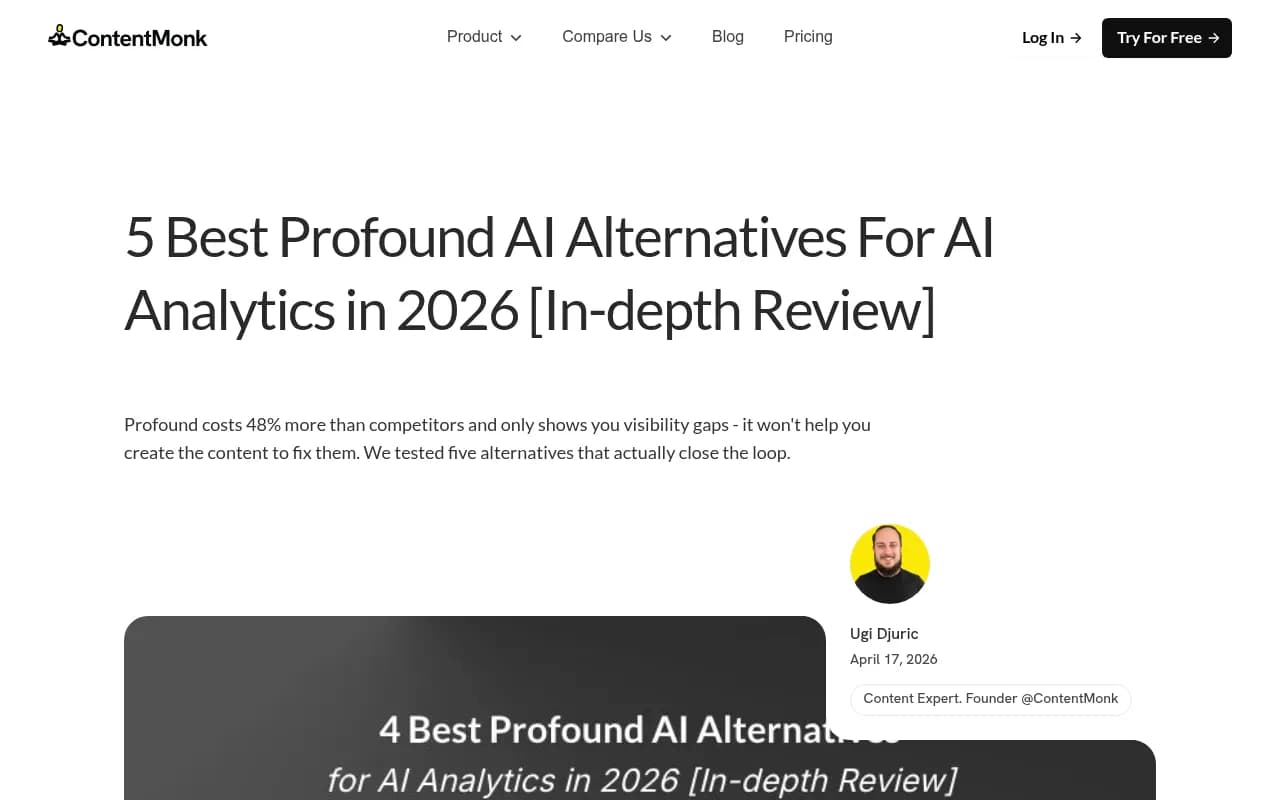
Profound costs about 48% more than comparable platforms, according to a 21-day head-to-head test published by ContentMonk in April 2026. That's not a small gap, and it gets worse when you factor in feature gating.
Profound's entry tier starts with ChatGPT coverage only. Broader model coverage -- Perplexity, Gemini, Claude, and others -- requires moving up to higher plans. For teams that want to understand their visibility across the full AI search landscape, that means paying significantly more before they even get to the features that matter.
Promptwatch's Essential plan at $99/month covers all 10 AI models it tracks: ChatGPT, Perplexity, Google AI Overviews, Google AI Mode, Claude, Gemini, Meta/Llama, DeepSeek, Grok, and Mistral. You're not paying extra to see the full picture.
| Feature | Profound | Promptwatch Essential ($99/mo) |
|---|---|---|
| AI model coverage | ChatGPT only (entry tier) | 10 models from day one |
| Content generation | No | Yes (5 articles/mo) |
| AI crawler logs | No | No (Professional+) |
| Answer gap analysis | Yes | Yes |
| Reddit/YouTube tracking | No | Yes |
| ChatGPT Shopping tracking | No | Yes |
| Traffic attribution | No | Yes |
| Prompt volume/difficulty | No | Yes |
| Free trial | Demo required | Yes, 7-day free trial |
The pricing difference compounds when you consider what you're getting. Profound's higher price buys you more monitoring. Promptwatch's lower price buys you monitoring plus the tools to act on it.
The crawler logs gap
One capability that comes up repeatedly in conversations with teams who've switched: AI crawler logs.
When an AI model like ChatGPT or Perplexity crawls your website, it leaves a trace. Which pages it read, how often it returned, whether it encountered errors, and -- critically -- when a page moved from "crawled" to "cited." Most platforms have no visibility into this at all.
Promptwatch's Professional plan ($249/month) includes real-time logs of AI crawler activity across your site. This matters for a few reasons. First, you can catch indexing problems before they become visibility problems. If Claude is hitting a 404 on your most important product page, you want to know that now, not after six weeks of wondering why your visibility scores aren't moving.
Second, the timeline from publish to crawl to citation gives you real feedback on whether your content strategy is working. You published a new comparison article two weeks ago. Has it been crawled? By which models? Has it been cited yet? Without crawler logs, you're guessing.
Profound doesn't offer this. Neither do most competitors.
Real prompt data vs. API approximations
There's a subtle but important distinction in how different platforms collect their data. Many tools query AI models through their APIs and use the responses to build visibility scores. That's fine for a baseline, but it misses something.
The answers you get through an API can differ from what a real user sees in ChatGPT's interface, or in Perplexity's web app, or in Google's AI Mode. Shopping recommendations, citation carousels, and entity mentions sometimes appear in user-facing interfaces but not in API responses.
Promptwatch tracks how AI search engines behave in real user interfaces, not just through API calls. For teams selling products that might appear in ChatGPT's shopping recommendations, this isn't a minor detail -- it's the difference between knowing you're visible and actually knowing you're visible.
What the switch actually looks like
Teams don't usually switch platforms because of a single missing feature. They switch because of accumulated friction.
The typical pattern with Profound goes something like this: the initial setup is solid, the dashboards are clean, and the first few weeks of data are genuinely interesting. Then the questions start. "We can see we're losing to Competitor X on these 12 prompts -- what do we write?" "We published three new articles last month -- has anything changed?" "Which pages are AI models actually reading on our site?"
Profound can't answer most of those questions. So teams end up building workarounds: exporting data to spreadsheets, briefing writers manually, tracking content performance through Google Analytics and hoping something correlates.
Promptwatch answers those questions natively. The answer gap analysis tells you what to write. The content agents help you write it. The crawler logs tell you if AI models found it. The page-level tracking tells you if it's being cited.
That's not a feature list. That's a workflow.
Who should actually switch
Not every team is a good candidate for switching. A few honest considerations:
If you're primarily a large enterprise with a dedicated analytics team that wants to do custom analysis on raw visibility data, Profound's data depth might still be worth the premium. Their analytics layer is genuinely strong.
If you're a marketing team or agency that needs to show results -- not just report data -- Promptwatch is almost certainly the better fit. The content generation and crawler logs alone justify the price difference for most teams running active content programs.
If you're just starting out with AI visibility tracking and want to understand the landscape before committing, Promptwatch's 7-day free trial is a lower-risk entry point than Profound's demo-required sales process.
For agencies managing multiple brands, Promptwatch's Business plan ($579/month for 5 sites) and custom Agency/Enterprise pricing make more sense than trying to scale Profound's per-seat model across client accounts.
Other tools worth knowing
Promptwatch and Profound aren't the only options in this space. A few others worth considering depending on your situation:
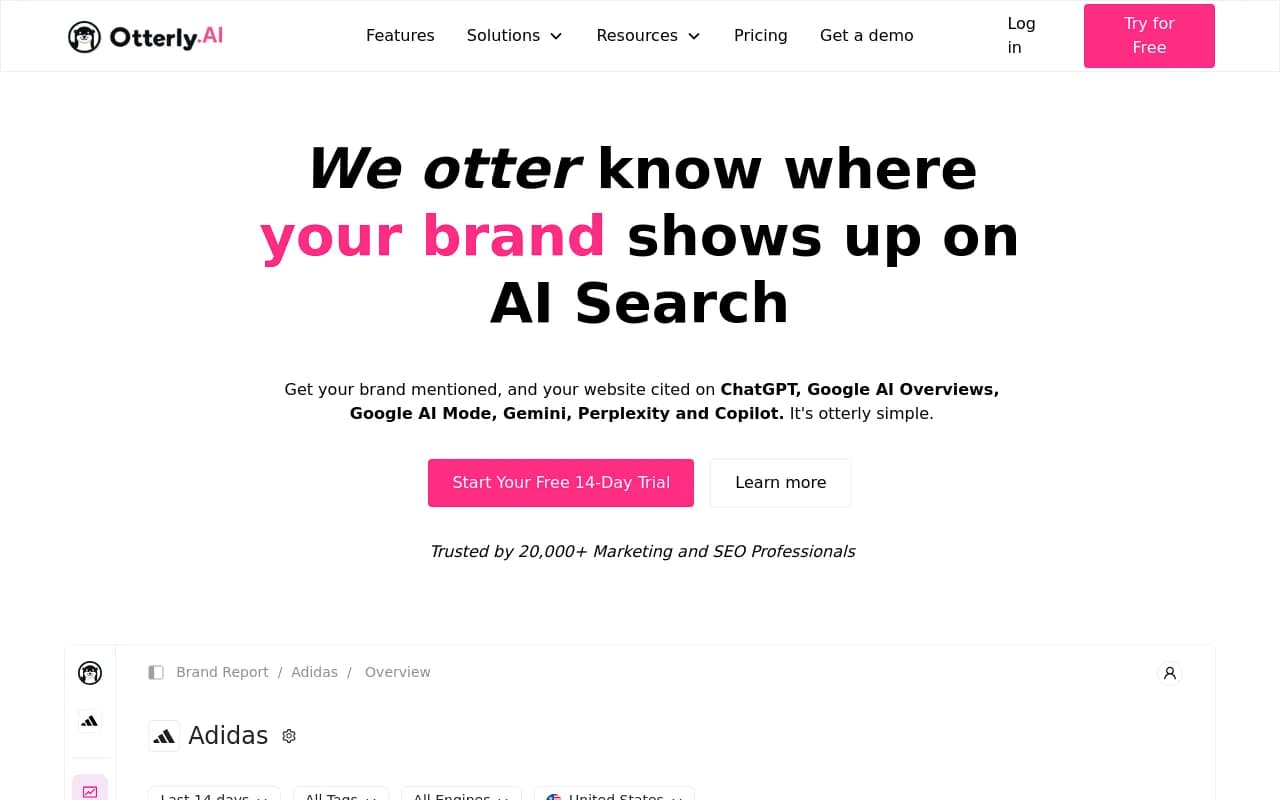
Otterly.AI is a lighter-weight monitoring tool that works well for teams that genuinely only need basic tracking. No content generation, no crawler logs -- but the price reflects that.
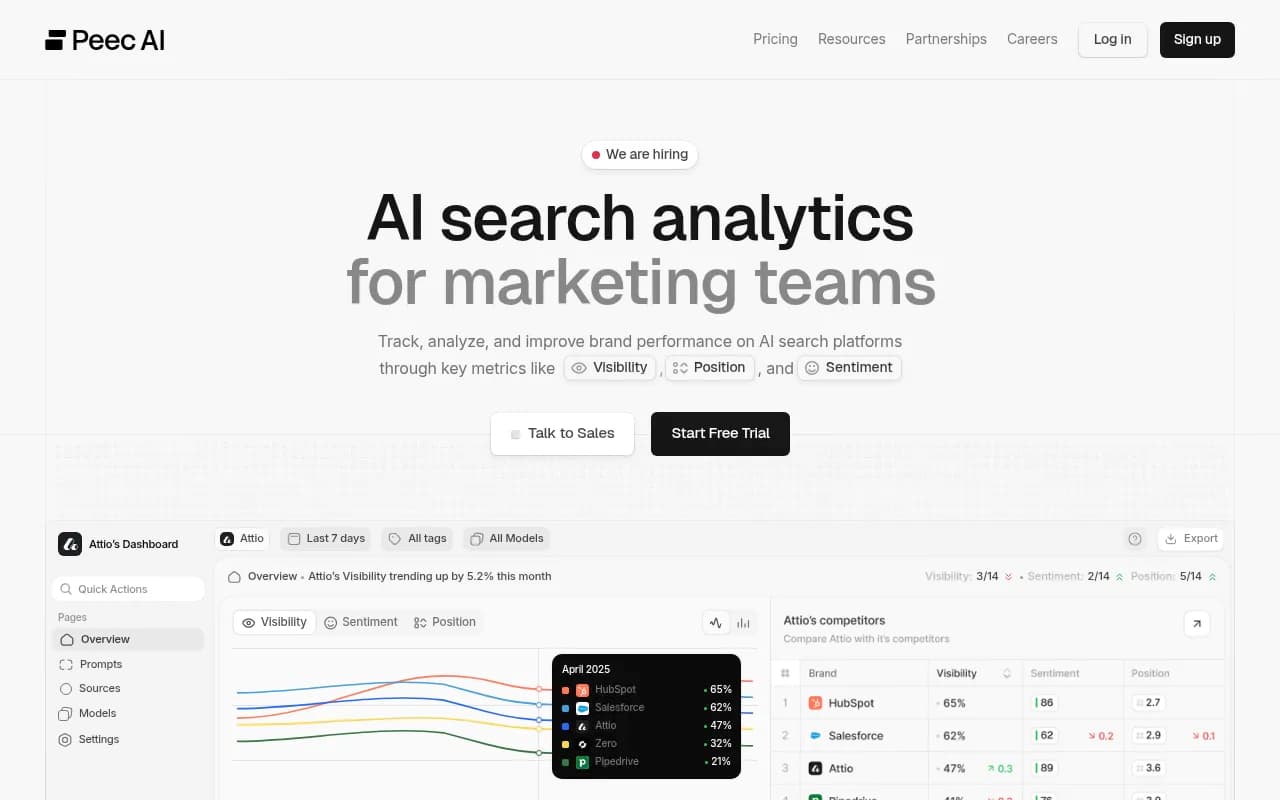
Peec AI is similar: clean interface, solid monitoring, no optimization capabilities. Good for getting started, but you'll outgrow it if you're running an active content program.
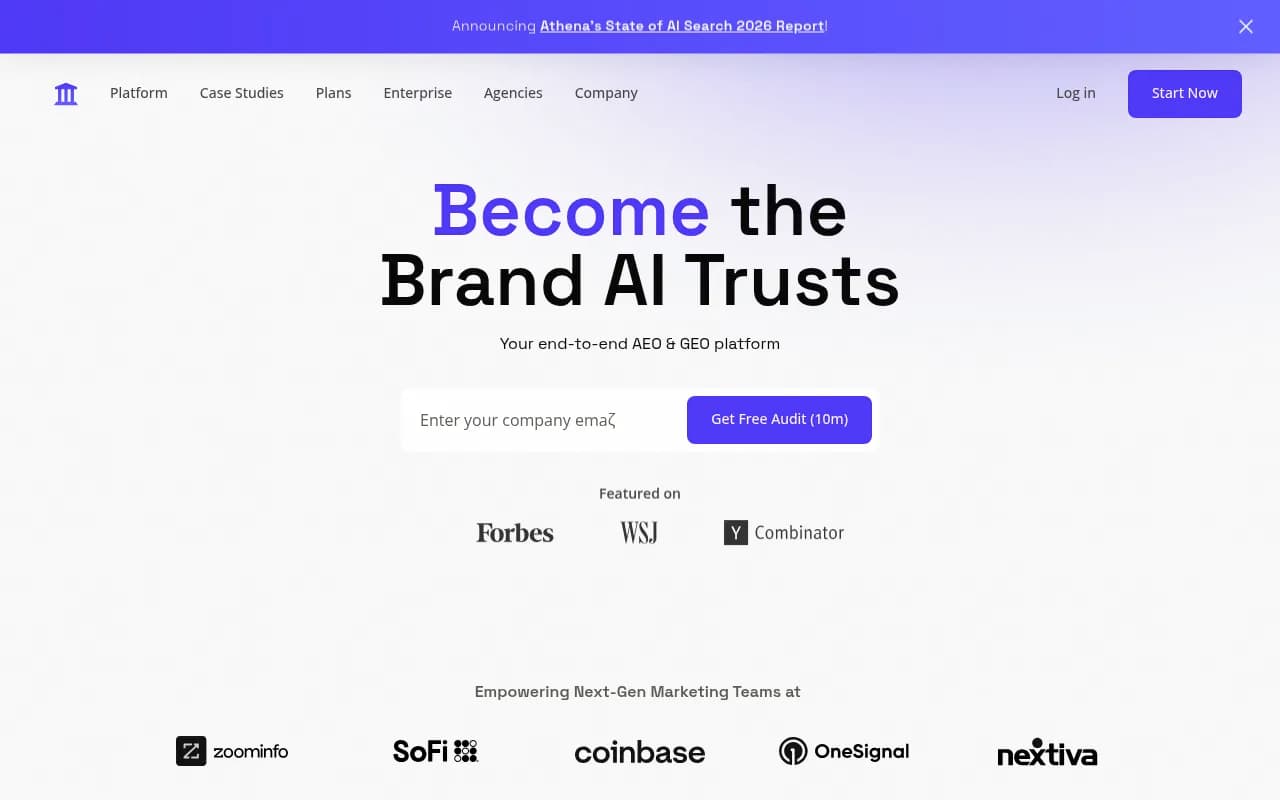
AthenaHQ has a more sophisticated monitoring layer but still sits in the monitoring-only camp. No content generation, no crawler logs.
Scrunch AI covers monitoring with some optimization features, though it lacks the content generation depth and Reddit/YouTube tracking that Promptwatch offers.
For teams that want a direct comparison across the full competitive landscape, Promptwatch's own comparison page against Profound is worth reading -- it covers model coverage, feature availability, and pricing side by side.
The bottom line
The shift from Profound to Promptwatch in 2026 isn't really about features. It's about what teams are trying to accomplish.
If the goal is to understand your AI visibility -- to have a dashboard that shows you scores and trends -- Profound does that. It's expensive for what it is, but the data is solid.
If the goal is to improve your AI visibility -- to actually show up more often in ChatGPT, Perplexity, and Google AI Mode -- then a monitoring-only tool isn't enough. You need to know what to create, create it, confirm AI models found it, and track whether it's being cited. That's the loop Promptwatch is built around.
The teams switching aren't doing it because Promptwatch has a better dashboard. They're doing it because Promptwatch gives them something to do on Monday morning.