Key takeaways
- Keyword stuffing, thin content, and low-quality link schemes don't just fail in 2026 -- they actively hurt your rankings
- AI Overviews now appear on roughly 50% of queries, and they reduce clicks to the sites below them by 34.5%
- Topical authority, genuine expertise, and technical site health have replaced keyword density as the primary ranking signals
- Zero-click searches now account for 60%+ of all searches -- visibility in AI-generated answers matters as much as traditional rankings
- The brands winning in 2026 are optimizing for both Google and AI search engines simultaneously
SEO in 2020 felt like a game with clear rules. Find a keyword, write a page targeting it, build some links, wait a few months. Repeat. A lot of that still worked, even if it was already starting to creak.
In 2026, those rules have been rewritten. Not tweaked -- rewritten. The search result page itself looks different. AI-generated answers sit above organic results. ChatGPT has 400 million+ users who never open Google at all. And Google's own algorithm has gotten sophisticated enough that it can tell the difference between a page that genuinely covers a topic and one that's just repeating a keyword 47 times.
This isn't a "SEO is dead" piece. SEO is very much alive. But the brands still running 2020 playbooks are the ones asking why their traffic has collapsed.
Here's what changed, what didn't, and what you should actually be doing.
7 things that no longer work
1. Keyword density as a ranking signal
Back in 2020, there was still a contingent of SEOs who tracked keyword density -- the percentage of times your target keyword appeared on the page. Some tools even flagged pages as "under-optimized" if the density dropped below 1-2%.
Google moved past this model years ago, but in 2026 it's completely irrelevant. Search engines now evaluate topical depth and contextual relevance. A page that thoroughly covers a subject from multiple angles -- addressing related questions, using semantically connected terms, satisfying the actual intent behind the query -- will consistently outperform a page that just repeats the same phrase.
If you're still writing content around a single keyword target, you're optimizing for a search engine that no longer exists.
2. Thin content at scale
The old playbook: publish as many pages as possible, each targeting a slightly different keyword variation. Volume was the strategy. More pages meant more surface area for Google to find you.
This approach is now actively harmful. Google's Helpful Content system penalizes sites where a significant portion of content exists primarily for search engines rather than humans. A site with 500 thin, low-value pages will rank worse than a competitor with 50 genuinely useful ones. The math has flipped.
Tools like Clearscope can help you audit which pages are pulling their weight and which are dragging your domain authority down.

3. Low-quality link building schemes
In 2020, you could still buy links from link farms, participate in private blog networks, or run aggressive guest posting campaigns on irrelevant sites and see results. Google's link spam detection has improved dramatically since then.
The Penguin algorithm updates, now baked into Google's core systems, catch unnatural link patterns much more reliably. More importantly, the value of a link now depends heavily on topical relevance and the authority of the linking domain. A hundred links from random sites in unrelated niches are worth less than one link from a genuinely authoritative source in your industry.
4. Ignoring page experience signals
In 2020, you could get away with a slow, clunky website if your content was good enough. Core Web Vitals weren't even a ranking factor yet (Google announced them in 2020 but didn't roll them out until 2021).
In 2026, page experience is table stakes. Structure, spacing, clarity, and load speed are ranking factors. Google measures user behavior -- bounce rates, time on page, scroll depth -- and uses it as a signal of content quality. A page that loads in 4 seconds on mobile is losing rankings to a faster competitor, even if the content is identical.
5. Exact-match anchor text manipulation
Exact-match anchor text -- linking to a page with the precise keyword you want it to rank for -- used to be a reliable way to boost rankings. Build enough links with "best project management software" as the anchor text, and you'd rank for that phrase.
Google now treats unnatural anchor text distributions as a spam signal. Natural link profiles have varied anchor text: branded mentions, partial matches, generic phrases, bare URLs. If your backlink profile looks like it was engineered, it will be treated like it was engineered.
6. Faking topical depth
You can't fake depth anymore. This is the one that's hardest to game. In 2020, a 1,500-word article with decent structure could rank for competitive terms even if it didn't say anything particularly original. Now, Google's systems are sophisticated enough to evaluate whether a piece of content actually covers a topic comprehensively or just appears to.
This means surface-level "what is X" articles that don't go beyond what's already on Wikipedia are struggling. Original research, specific examples, expert perspectives, and content that answers questions the user didn't even know they had -- that's what ranks.
7. Treating SEO and AI search as separate problems
This is the newest failure mode, and it's catching a lot of brands off guard. In 2020, there was no ChatGPT, no AI Overviews, no Perplexity. SEO meant Google rankings, full stop.
In 2026, over 60% of searches end without a click. AI Overviews appear on roughly half of all queries. ChatGPT, Claude, Perplexity, and Gemini are answering questions that used to send traffic to your website. If you're only optimizing for traditional search rankings and ignoring how AI models discover and cite your content, you're leaving a growing share of your potential audience unreachable.
Brands that want to stay visible need to think about Generative Engine Optimization (GEO) alongside traditional SEO. Tools like Promptwatch track how your brand appears across AI search engines -- ChatGPT, Claude, Perplexity, Gemini, and others -- and help you identify where you're missing from AI-generated answers.

5 things that matter more than ever
1. Topical authority
The concept of topical authority isn't new, but it's never mattered more. Google wants to surface content from sources that demonstrably know a subject -- not just pages that target a keyword.
Building topical authority means covering a subject comprehensively across multiple pages, with clear internal linking that shows how the content connects. A site that has 30 well-researched articles about email marketing will outrank a site with one email marketing page, even if that single page is technically well-optimized.
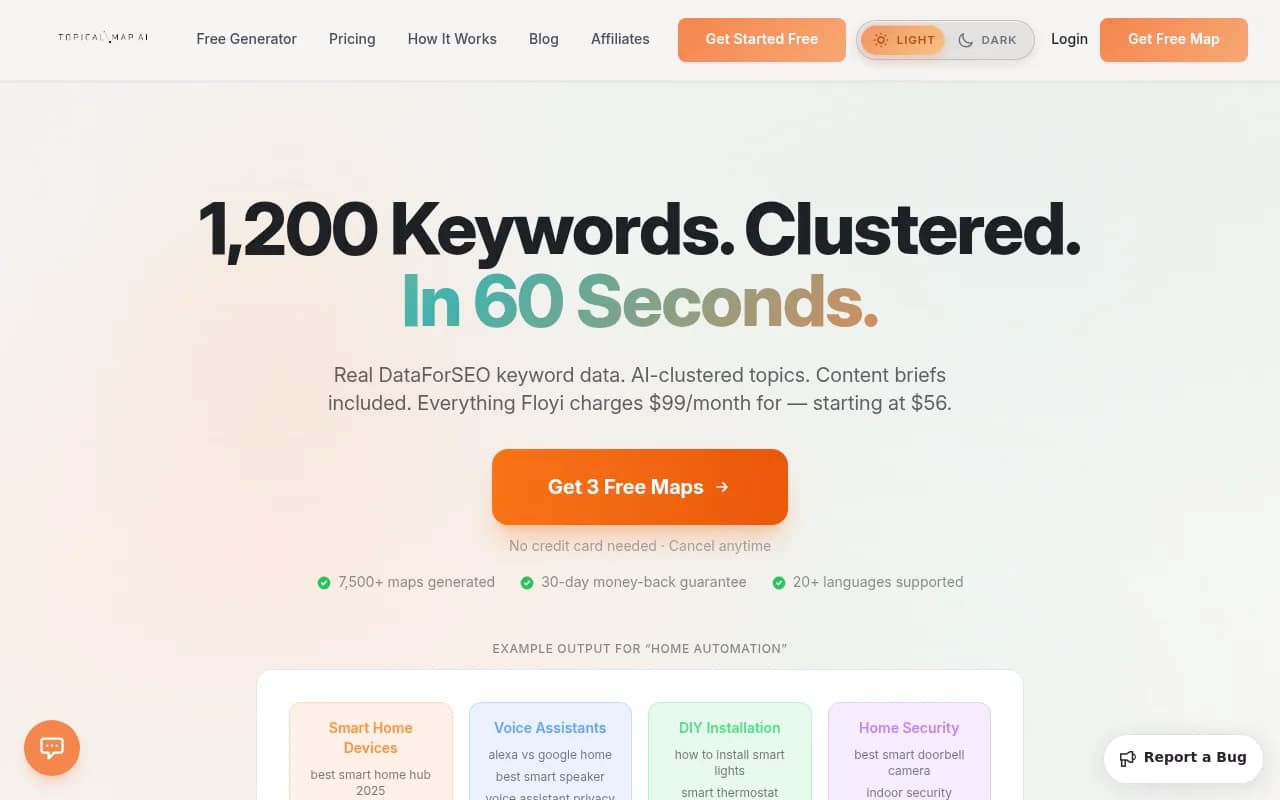
Tools like Topical Map AI help you plan content clusters that build authority systematically rather than randomly.
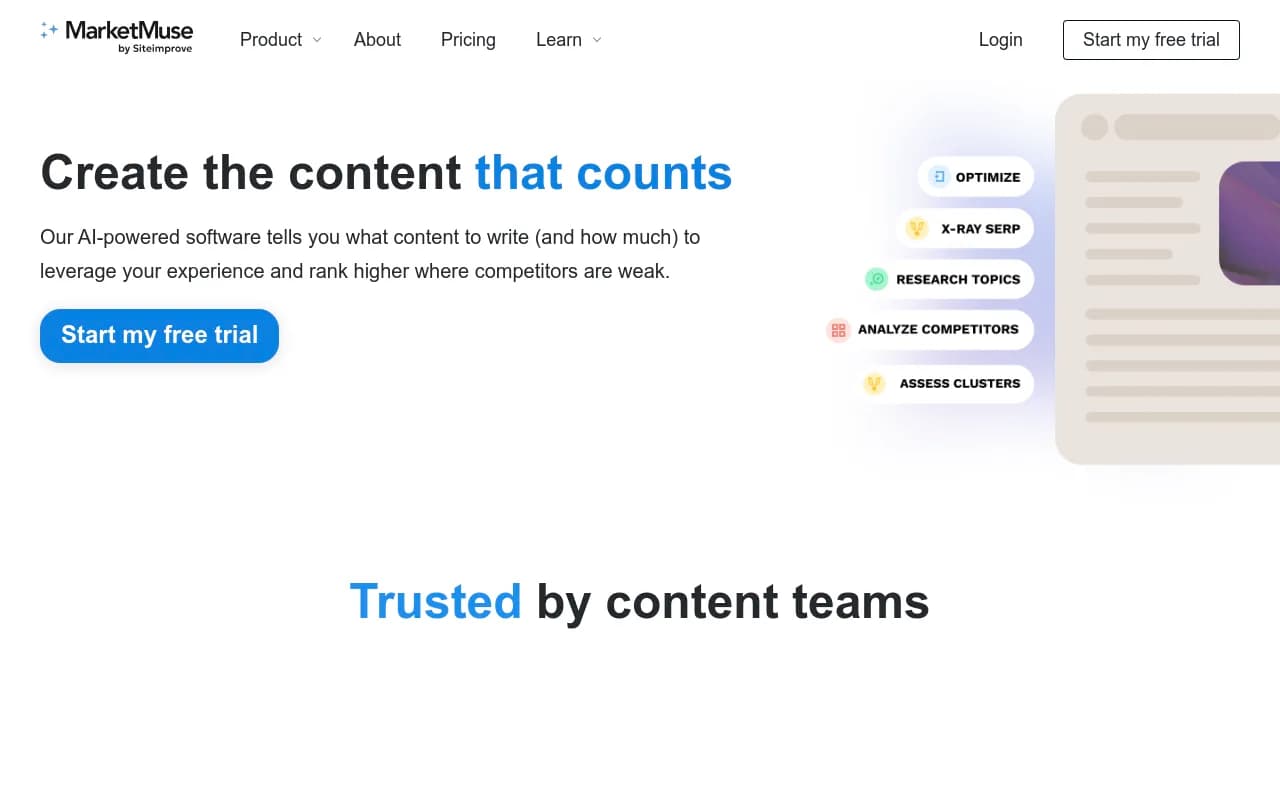
MarketMuse takes a similar approach, using AI to identify content gaps and show you which topics you need to cover to compete in a given space.
2. Technical SEO and site health
Technical SEO has always mattered, but the bar has risen. In 2026, Google's crawlers are more sophisticated, Core Web Vitals are firmly established ranking factors, and structured data (schema markup) plays a bigger role in how your content gets interpreted and displayed.
Site architecture matters too. A well-organized site with clear hierarchy and logical internal linking helps both search engines and AI crawlers understand what your content is about and how it relates to other content on your site.
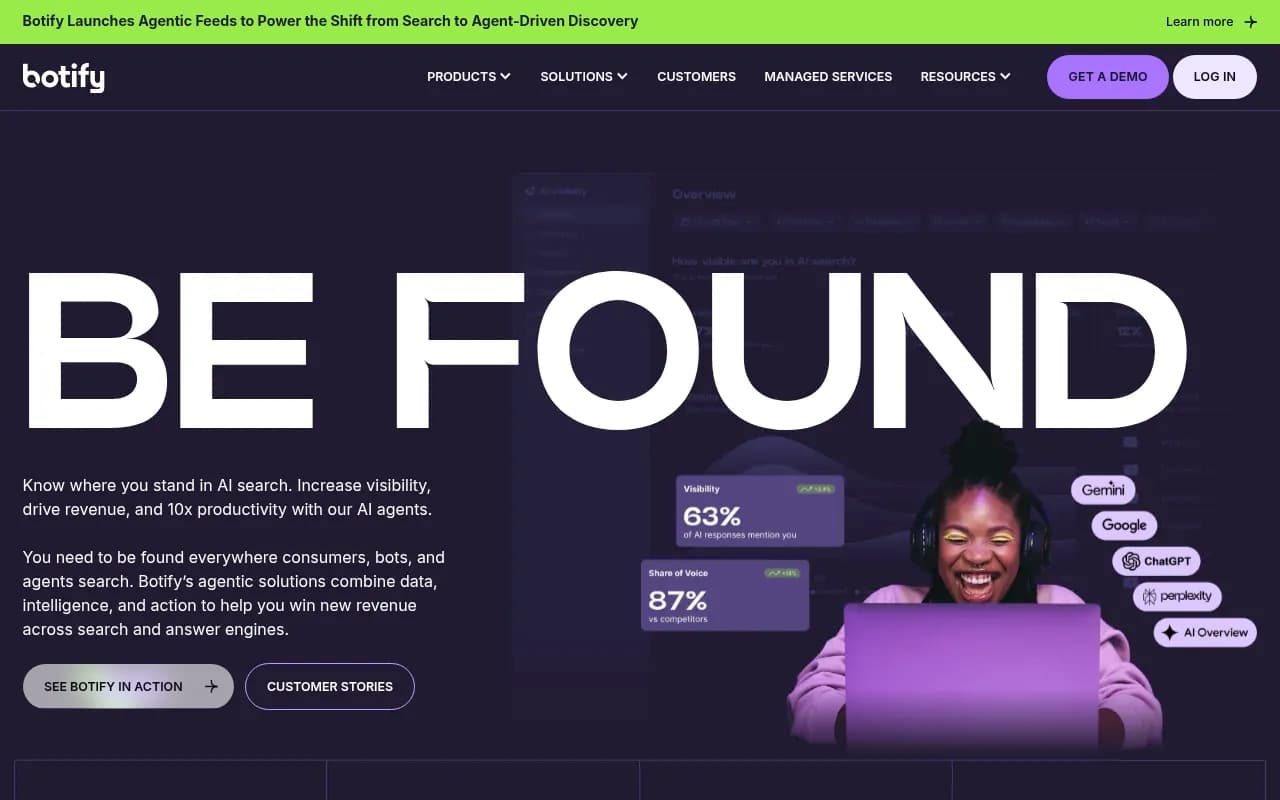
Botify is worth looking at for enterprise-level technical SEO -- it handles crawl analysis, log file analysis, and now also tracks AI crawler activity on your site.
For smaller sites, Google Search Console remains the most direct window into how Google sees your site -- and it's free.
3. Genuine E-E-A-T signals
Google's E-E-A-T framework (Experience, Expertise, Authoritativeness, Trustworthiness) has been around since 2018, but it's become more concrete in how it's applied. In 2026, Google looks for real signals of expertise: named authors with verifiable credentials, original research and data, citations from authoritative sources, and content that demonstrates first-hand experience.
This is particularly important in YMYL (Your Money or Your Life) categories -- health, finance, legal -- where Google applies stricter quality standards. But it's increasingly relevant across all verticals.
Practically, this means: put real author bios on your content, cite your sources, publish original data when you can, and make sure your "About" page actually tells people who you are and why you're qualified to write about what you write about.
4. Content that satisfies intent completely
Search intent has always been a factor, but Google's ability to evaluate whether a piece of content actually satisfies intent has improved dramatically. The question isn't just "does this page target the right keyword?" but "does this page give the user what they were actually looking for?"
This means understanding the different types of intent -- informational, navigational, commercial, transactional -- and making sure your content matches what someone searching that query actually wants. A page targeting "best CRM software" needs to be a comparison, not a product page. A page targeting "how to set up Google Analytics" needs to be a step-by-step guide, not a sales pitch.
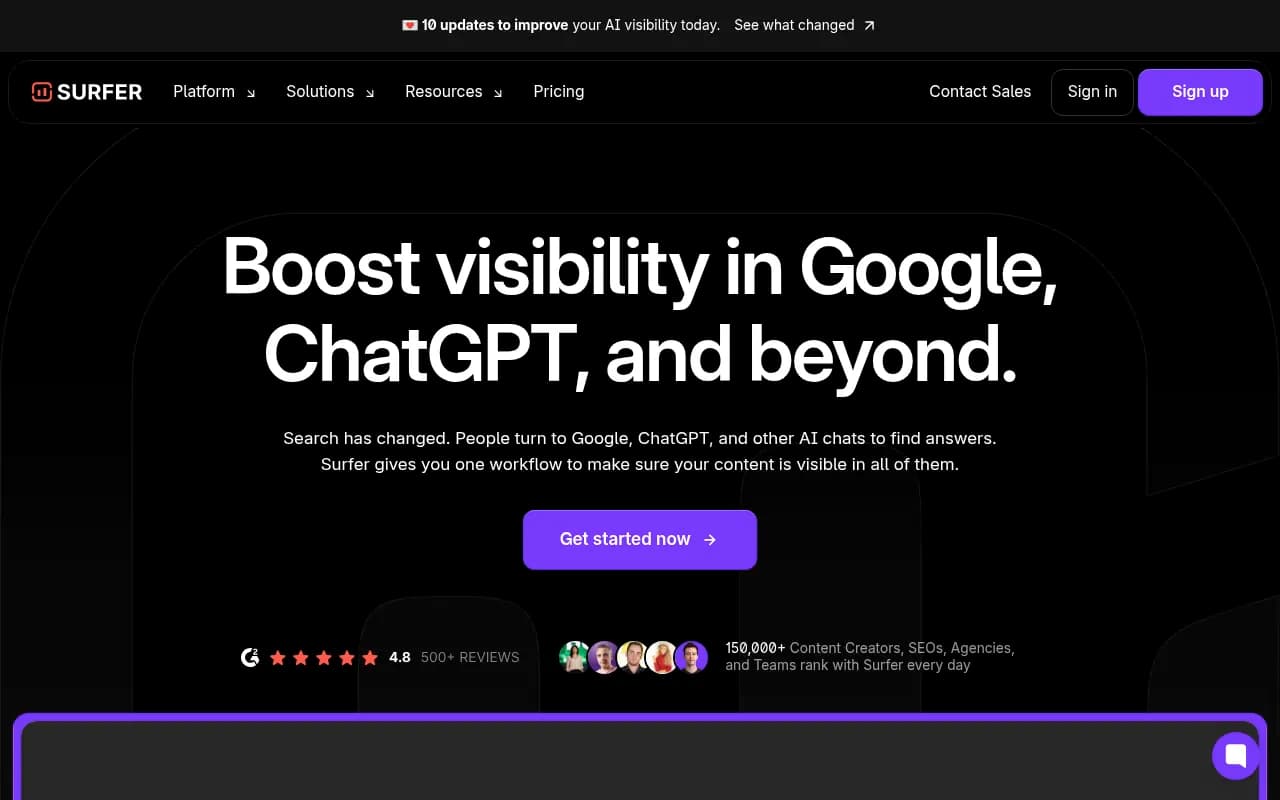
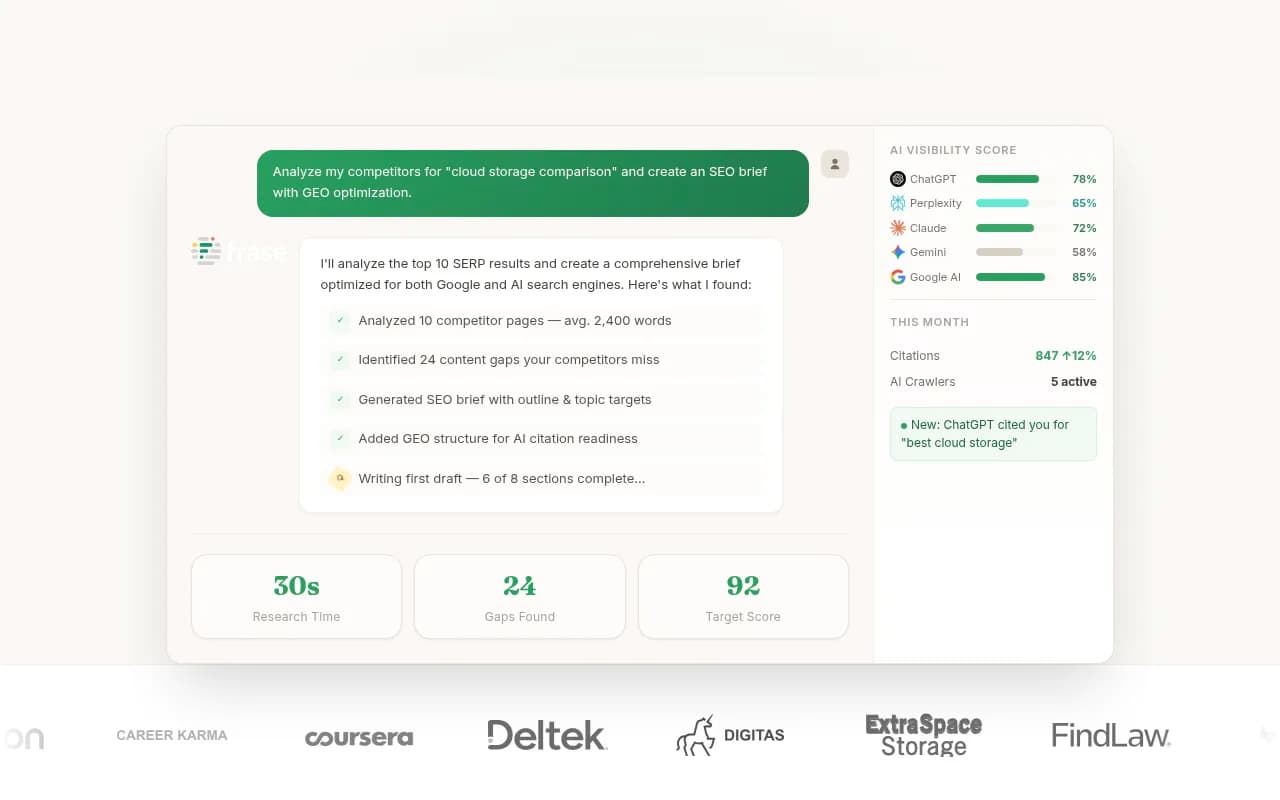
Surfer SEO and Frase are both useful here -- they analyze top-ranking pages for a given query and help you understand what content elements are present in pages that are already satisfying intent.
5. Visibility in AI-generated answers
This is the biggest shift of the last two years, and it's only going to accelerate. As AI Overviews, ChatGPT, Perplexity, and other AI search tools handle more queries, the question of whether your brand gets cited in those answers is becoming as important as whether you rank on page one.
Getting cited by AI models requires a different kind of optimization than traditional SEO. AI models pull from sources they trust -- sites with clear expertise signals, well-structured content, strong backlink profiles, and content that directly answers the questions users are asking. The overlap with good SEO practice is real, but there are additional considerations: schema markup, clear factual statements, content that reads as authoritative rather than promotional.
Understanding which prompts your competitors are visible for -- and you're not -- is where tools like Promptwatch become genuinely useful. Its Answer Gap Analysis shows exactly which questions AI models are answering with competitor content instead of yours, so you know what to create next.
How to think about SEO strategy in 2026
The brands winning right now aren't abandoning SEO fundamentals -- they're extending them. The core logic hasn't changed: create content that genuinely helps people, make it easy for search engines to understand, and build credibility through links and mentions from trusted sources.
What's changed is the surface area. "Search engines" now includes ChatGPT, Claude, Perplexity, and Gemini alongside Google and Bing. "Ranking" now includes appearing in AI-generated answers, not just the blue links below them. And "content quality" is now evaluated by systems sophisticated enough to tell the difference between genuine expertise and keyword-stuffed filler.
Here's a quick comparison of what the priorities looked like then vs now:
| Area | 2020 approach | 2026 approach |
|---|---|---|
| Keywords | Target one keyword per page, optimize density | Build topical clusters, satisfy full intent |
| Content volume | More pages = more rankings | Fewer, deeper pages outperform thin content |
| Links | Volume of links, exact-match anchors | Relevance and authority of linking domains |
| Technical SEO | Basic crawlability and meta tags | Core Web Vitals, schema, site architecture |
| Search channels | Google organic only | Google + AI search engines (ChatGPT, Perplexity, etc.) |
| Author signals | Anonymous content was fine | Named experts with verifiable credentials |
| Success metric | Rankings and organic traffic | Rankings + AI citations + zero-click visibility |
The practical implication: your SEO strategy needs a GEO layer. That means tracking how you appear in AI-generated answers, identifying content gaps that AI models are filling with competitor sources, and creating content that's structured to be cited -- not just ranked.
For content creation and optimization, tools like Surfer SEO, Clearscope, and MarketMuse handle the traditional SEO side well. For the AI visibility layer, Promptwatch is the most complete option -- it tracks your brand across 10 AI models, shows you where competitors are getting cited and you're not, and includes a built-in content generation tool designed to produce articles that get picked up by AI search engines.
The brands that treat these as two separate problems will fall behind the ones that handle them together.