Summary
- GEO platforms split into two camps: monitoring-only dashboards vs. full optimization platforms that help you create content AI engines cite
- Promptwatch leads the action-oriented category: combines gap analysis, AI content generation, and crawler logs -- most competitors stop at tracking
- Enterprise platforms like Evertune and Profound offer deep source influence analytics but come with higher price tags and steeper learning curves
- Budget-friendly options (Otterly.AI, Rankscale) work for basic monitoring but lack optimization features and content tools
- The real differentiator in 2026: platforms that close the loop from visibility data to content creation to traffic attribution
What changed in GEO platforms this year
GEO tools went from experimental side projects to serious marketing infrastructure in 2026. Gartner's prediction that traditional search would drop 25% came true -- and brands that ignored AI visibility paid for it. ChatGPT now serves 800 million users weekly, Google AI Overviews reach 2 billion monthly users, and Perplexity processes hundreds of millions of queries. Getting cited in AI responses is no longer optional.
The platform landscape matured. Venture capital poured in (Evertune raised $19M Series A, Peec AI closed $29.1M, Scrunch AI got $19M). Some platforms got acquired (HubSpot bought XFunnel in October 2025). The category split into clear tiers: enterprise solutions, mid-market optimization platforms, and budget monitoring tools.
What separates winners from losers: the ability to take action. Most tools show you where you're invisible in AI search. The best ones help you fix it.
The monitoring-only trap
Half the platforms on the market are glorified dashboards. They track brand mentions across ChatGPT, Perplexity, Claude, and Google AI Overviews. They show you visibility scores, citation counts, and competitor comparisons. Then they leave you stuck.
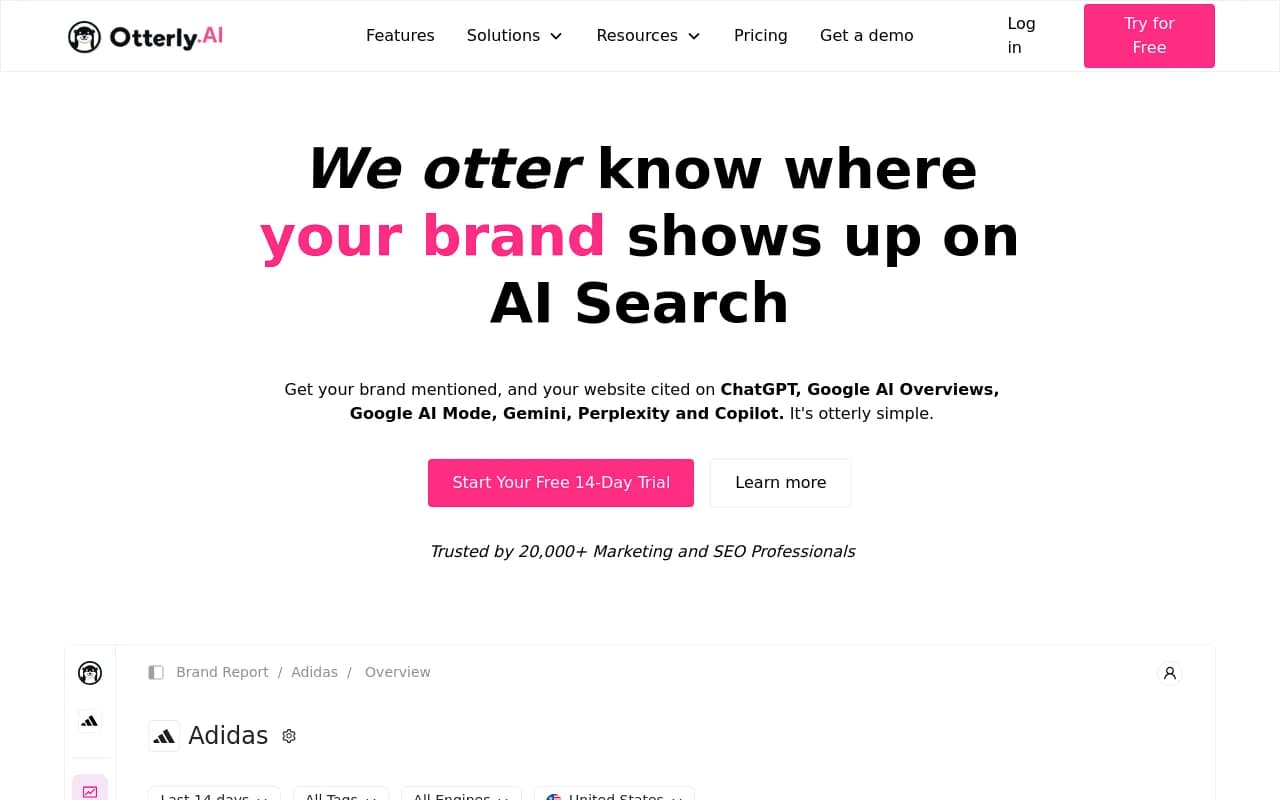
Otterly.AI exemplifies this category. It's affordable (bootstrapped, low entry price), tracks mentions across multiple AI engines, and delivers clean reports. But when you ask "what do I do about this?", the answer is: figure it out yourself.
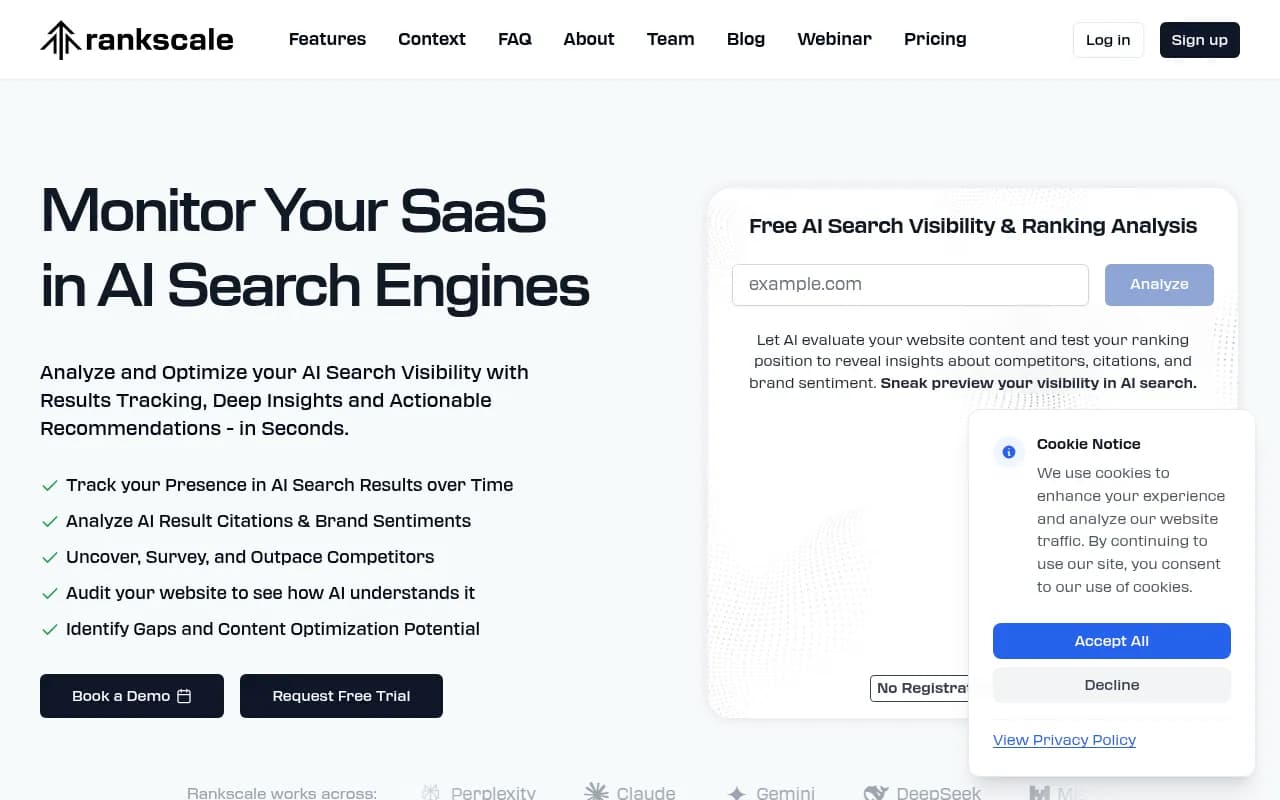
Rankscale AI follows the same pattern -- daily monitoring, structured data, affordable pricing. Great for awareness. Useless for optimization.
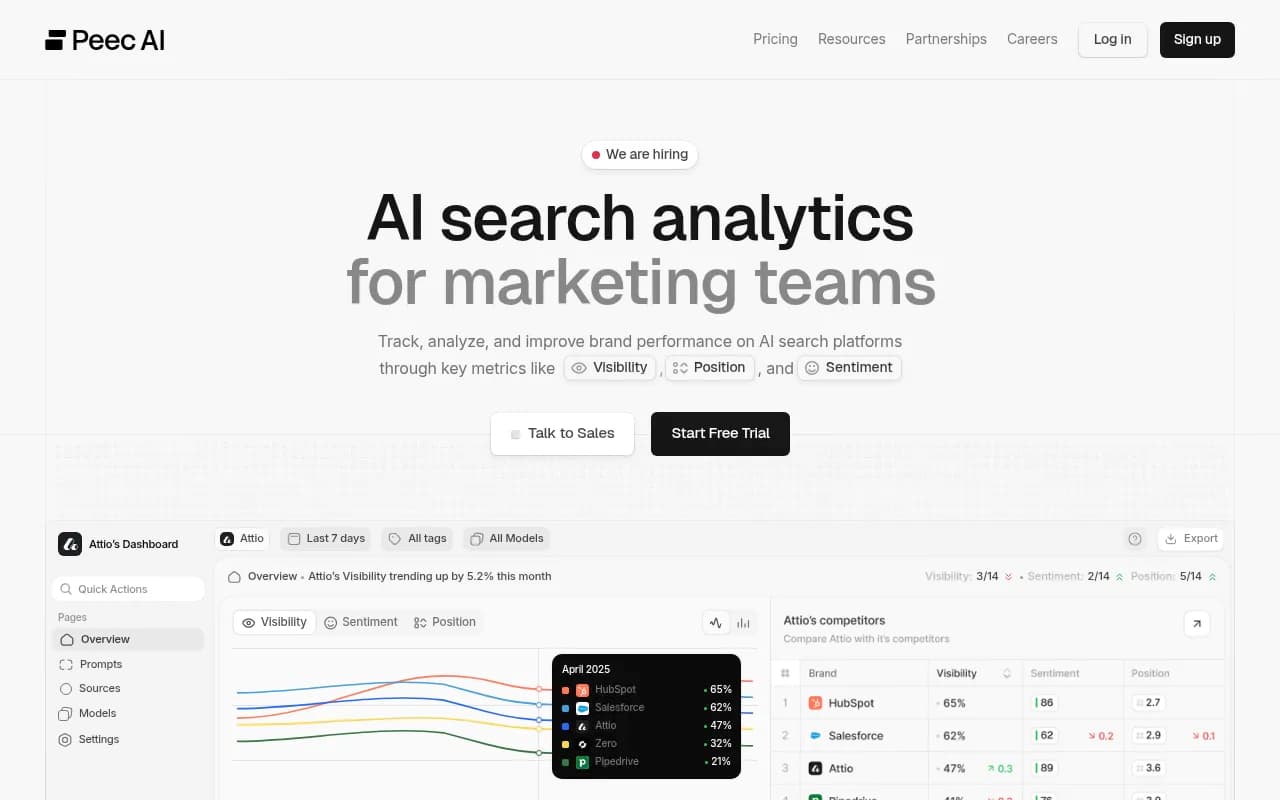
Peec AI improved on this formula with better reporting and multi-language support, but it's still fundamentally a tracker.
The problem: knowing you're invisible doesn't help you become visible. You need to know why competitors are cited and you're not, which content is missing from your site, and how to create content that AI engines actually cite.
Platforms that close the action loop
Promptwatch is the only platform rated as a "Leader" across all GEO categories in a 2026 comparison of 12 platforms. The difference: it's built around taking action, not just showing data.

Here's the loop:
-
Answer Gap Analysis shows exactly which prompts competitors rank for but you don't. You see the specific content missing from your site -- the topics, angles, and questions AI models want but can't find.
-
AI writing agent generates articles, listicles, and comparisons grounded in 880M+ citations analyzed, prompt volumes, persona targeting, and competitor data. This isn't generic SEO filler -- it's content engineered to get cited by ChatGPT, Claude, and Perplexity.
-
Page-level tracking shows which pages AI models cite, how often, and by which models. Traffic attribution (code snippet, GSC integration, or server logs) connects visibility to revenue.
Additional capabilities that support this loop:
- AI Crawler Logs: Real-time logs of ChatGPT, Claude, and Perplexity crawlers hitting your site. See which pages they read, errors they encounter, return frequency. Fix indexing issues most competitors can't even detect.
- Prompt Intelligence: Volume estimates and difficulty scores for each prompt, plus query fan-outs showing how one prompt branches into sub-queries.
- Citation & Source Analysis: See exactly which pages, Reddit threads, YouTube videos, and domains AI models cite.
- Reddit & YouTube Insights: Surface discussions that influence AI recommendations -- a channel most platforms ignore.
- ChatGPT Shopping Tracking: Monitor when your brand appears in ChatGPT's product recommendations and shopping carousels.
Pricing: Essential $99/mo (1 site, 50 prompts, 5 articles), Professional $249/mo (2 sites, 150 prompts, 15 articles, crawler logs), Business $579/mo (5 sites, 350 prompts, 30 articles). Free trial available.
Target audience: Marketing teams, SEO teams, agencies, and any brand competing for AI search visibility.
Enterprise platforms for Fortune 500 budgets
Evertune raised $19M Series A in August 2025 and positioned itself as the enterprise GEO standard. It uses base model API access to process 1M+ prompts per month per brand and provides deep source influence analytics.
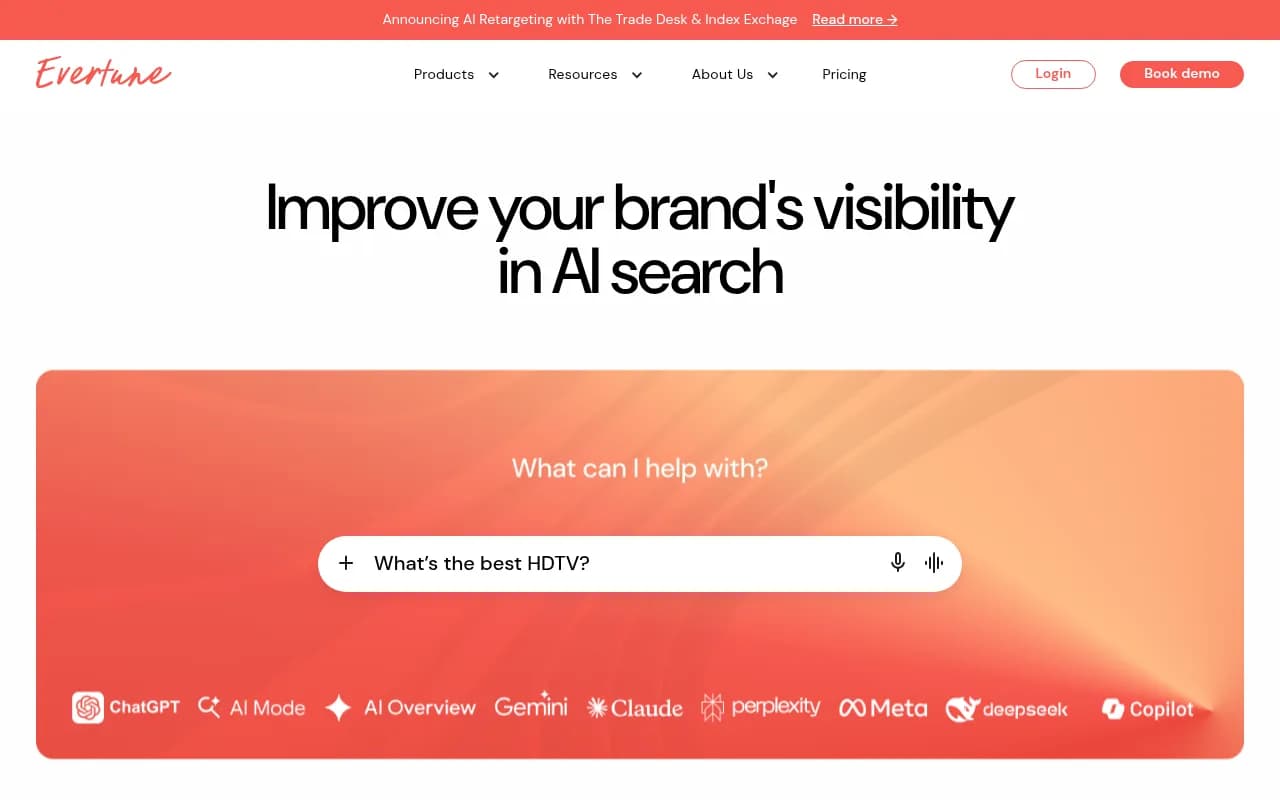
Key differentiator: statistical rigor. Evertune doesn't sample UI responses -- it queries base models directly and analyzes massive prompt volumes. This gives you confidence the data represents real user behavior, not cherry-picked examples.
Downside: price and complexity. Evertune targets Fortune 500 brands with dedicated GEO teams. If you're a mid-market company or agency, the learning curve and cost are hard to justify.
Profound (also called Profound AI) takes a similar enterprise approach with comprehensive source tracking and optimization recommendations.
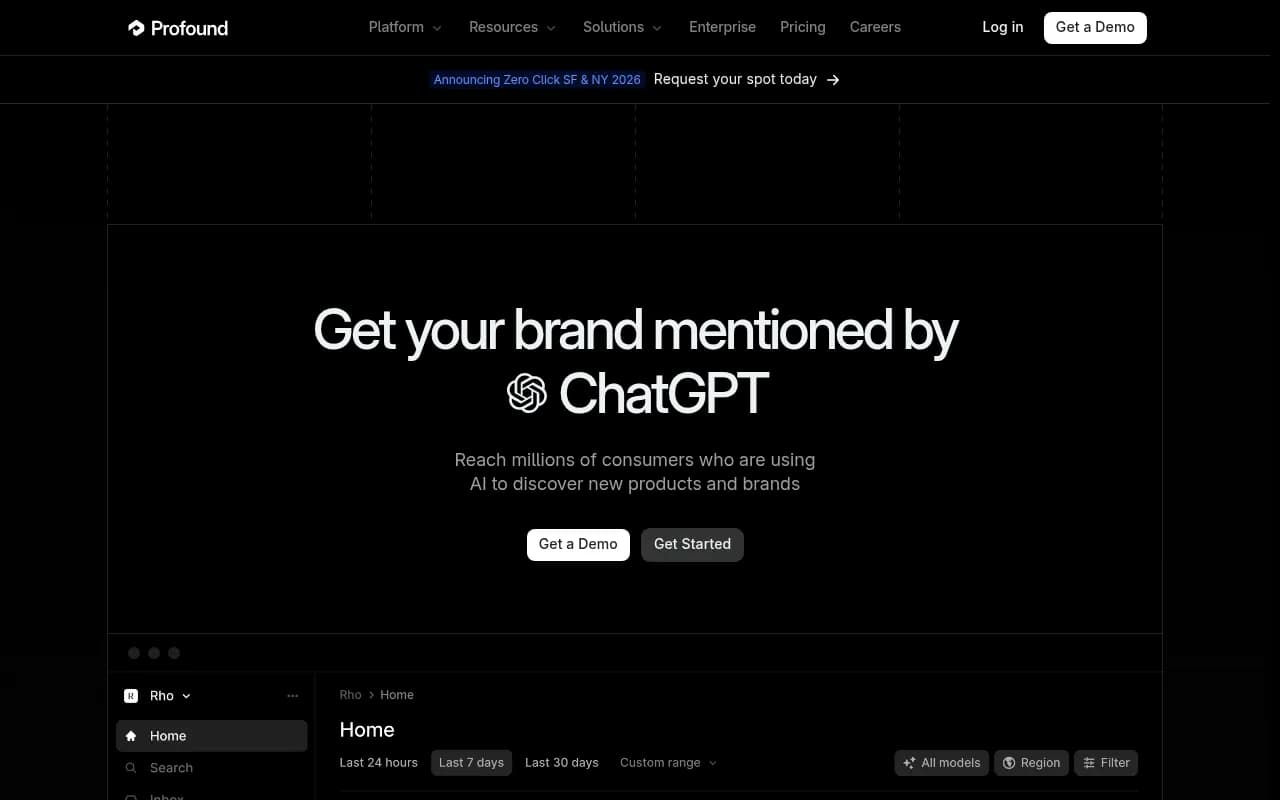
Profound's strength: it shows you which sources (your site, competitor sites, Reddit threads, YouTube videos) AI models cite and why. This helps you understand the competitive landscape and identify content gaps.
Weakness: like Evertune, it's built for large teams with big budgets. Smaller companies struggle to extract value from the platform's depth.
Scrunch AI ($19M Series A) differentiates with misinformation and hallucination detection -- useful if your brand operates in a regulated industry or deals with frequent AI-generated errors.
Mid-market platforms that balance features and price
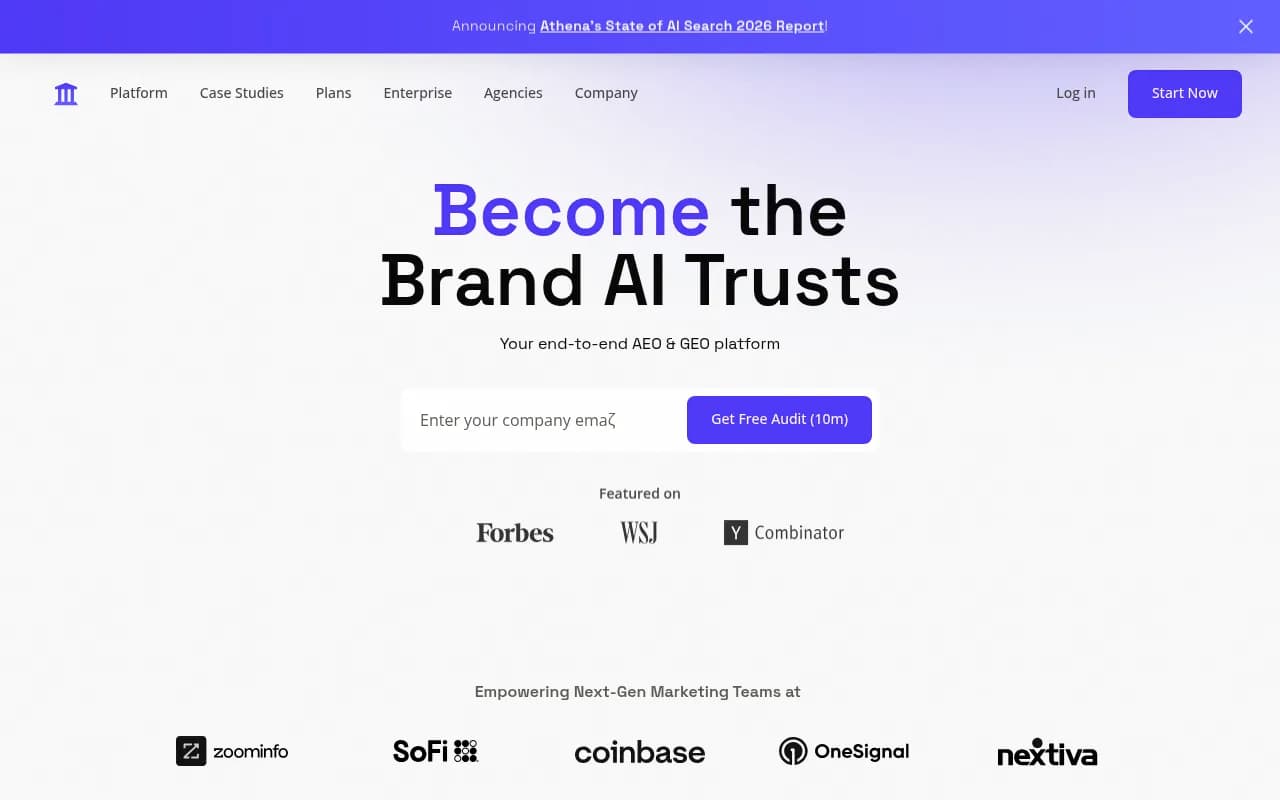
AthenaHQ ($2.7M seed, June 2025) integrates LinkedIn outreach with GEO tracking. If your sales team uses LinkedIn heavily, this combo makes sense.
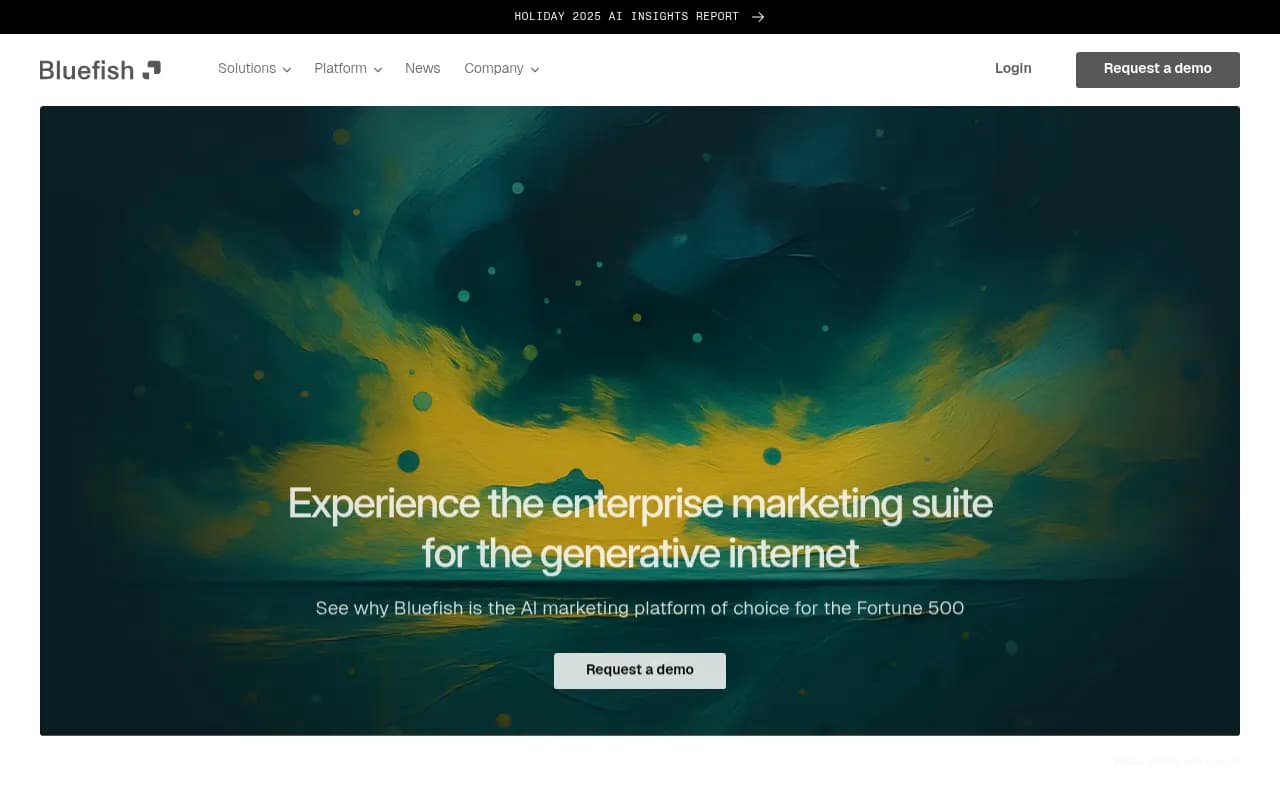
Bluefish AI ($24M total, $20M Series A August 2025) offers GA4 and Slack integrations, making it easier to connect AI visibility data to your existing marketing stack.
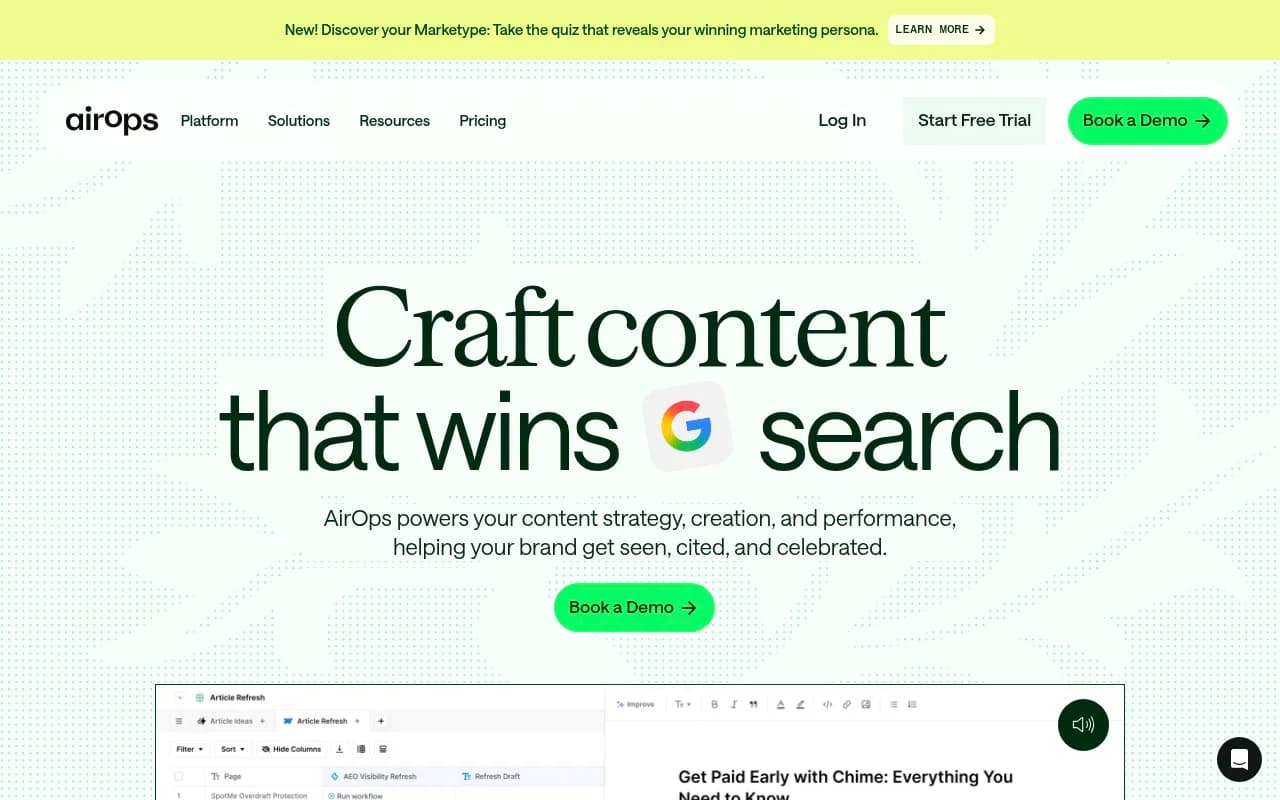
AirOps ($60M total, $40M Series B November 2025) focuses on content engineering workflows. It helps you build repeatable processes for creating AI-optimized content at scale.
These platforms sit between budget trackers and enterprise solutions. They offer real optimization features but don't require Fortune 500 budgets or dedicated GEO teams.
Traditional SEO platforms adding GEO features
Semrush and Ahrefs both launched AI visibility tracking in 2025. Semrush's AI Toolkit uses fixed prompts and integrates with its existing SEO suite. Ahrefs Brand Radar does the same.
The problem: both platforms treat GEO as an add-on to traditional SEO, not a core capability. Fixed prompts mean you can't customize tracking for your specific audience or use cases. No AI traffic attribution. No content generation tools. No crawler logs.
If you already pay for Semrush or Ahrefs and want basic AI visibility monitoring, the add-on makes sense. If GEO is a strategic priority, you need a dedicated platform.
BrightEdge (enterprise SEO platform) added AI-powered optimization and visibility tracking. It's comprehensive but expensive and complex.
Content-first platforms that prioritize creation over tracking
Writesonic launched a GEO module that tracks visibility and generates optimized content. The AI writing assistant is solid, but the tracking features lag behind dedicated GEO platforms.
Gushwork takes a different approach: it builds 100+ pages of AI-optimized content to generate qualified B2B leads from Google and AI search. Less tracking, more creation.
Gushwork
Orchly.ai combines content ops with GEO -- it writes, optimizes, and publishes content designed to rank in AI search.
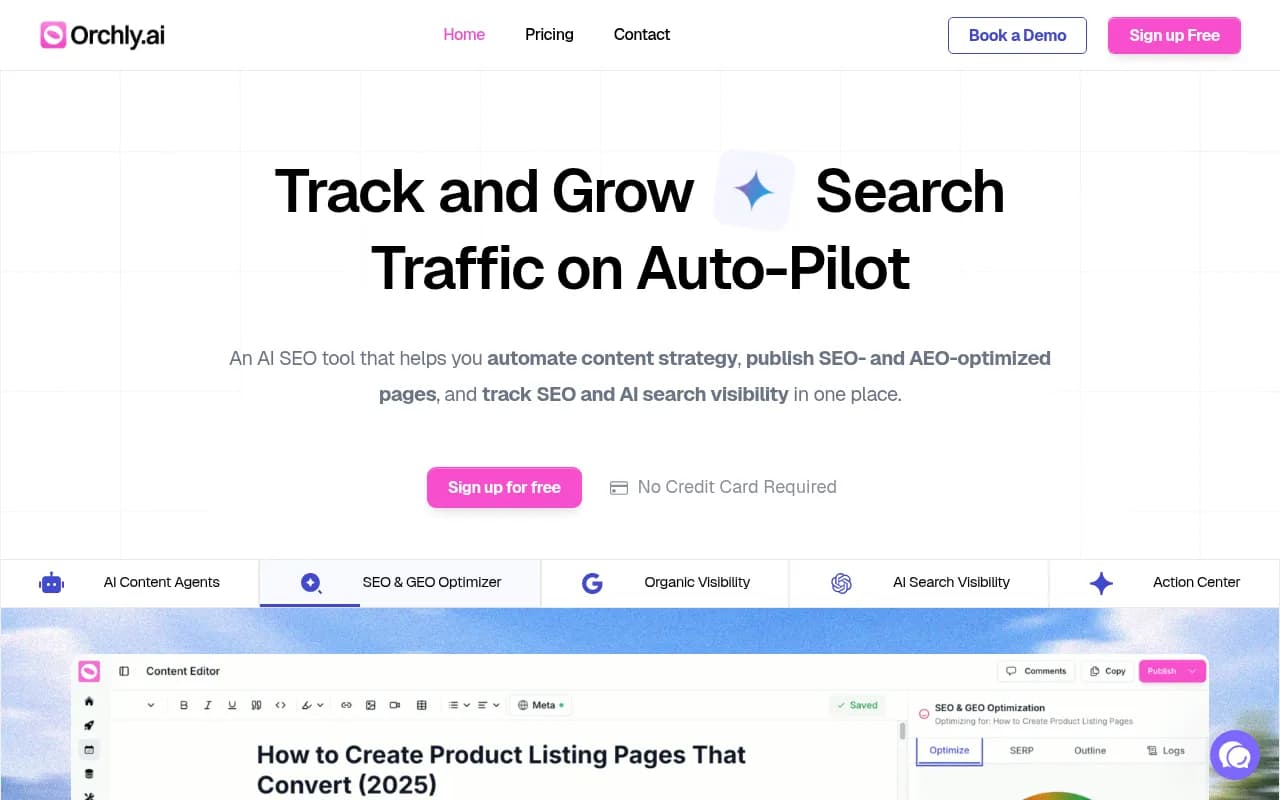
These platforms work if you need content volume and basic AI optimization. They don't replace dedicated GEO tools for brands serious about AI visibility.
Niche players solving specific problems
Goodie AI focuses on brand alerts -- it notifies you when AI models mention your brand, then helps you respond.
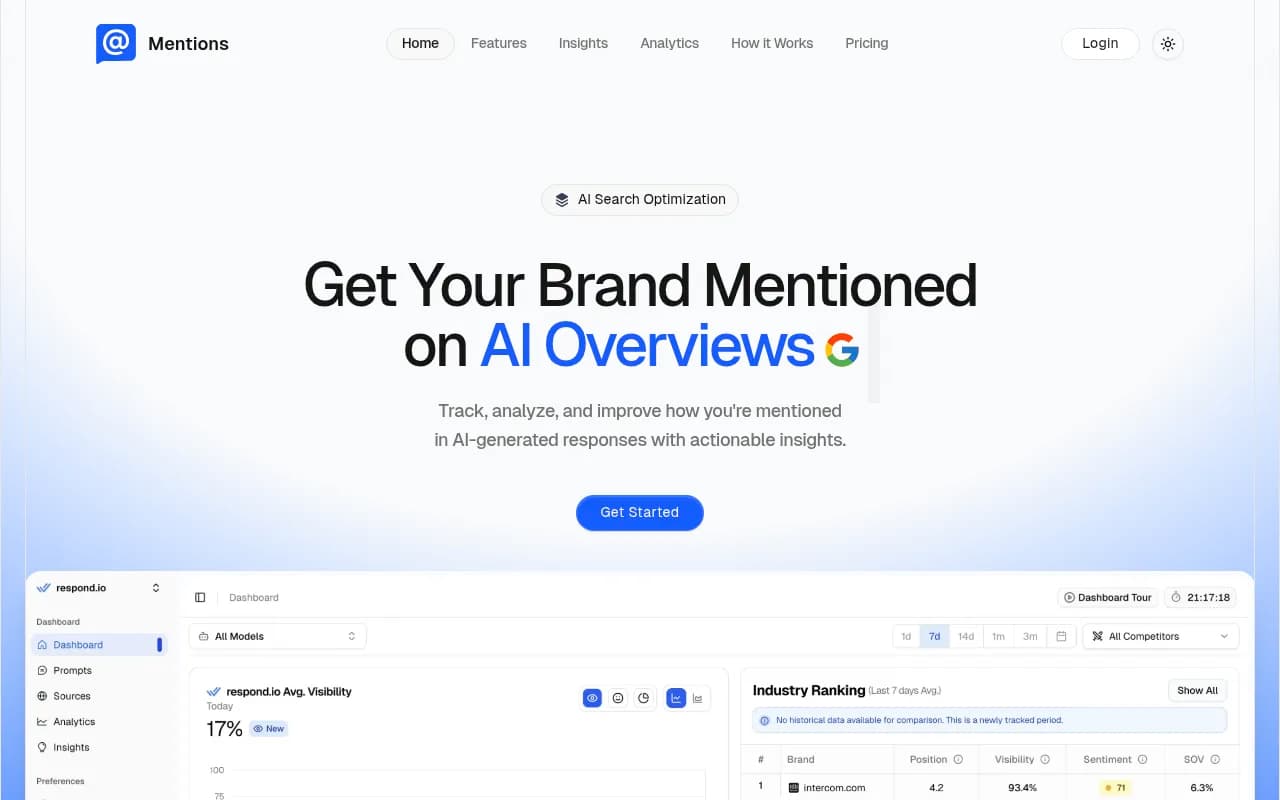
Mentions.so does the same thing with a simpler interface and lower price.
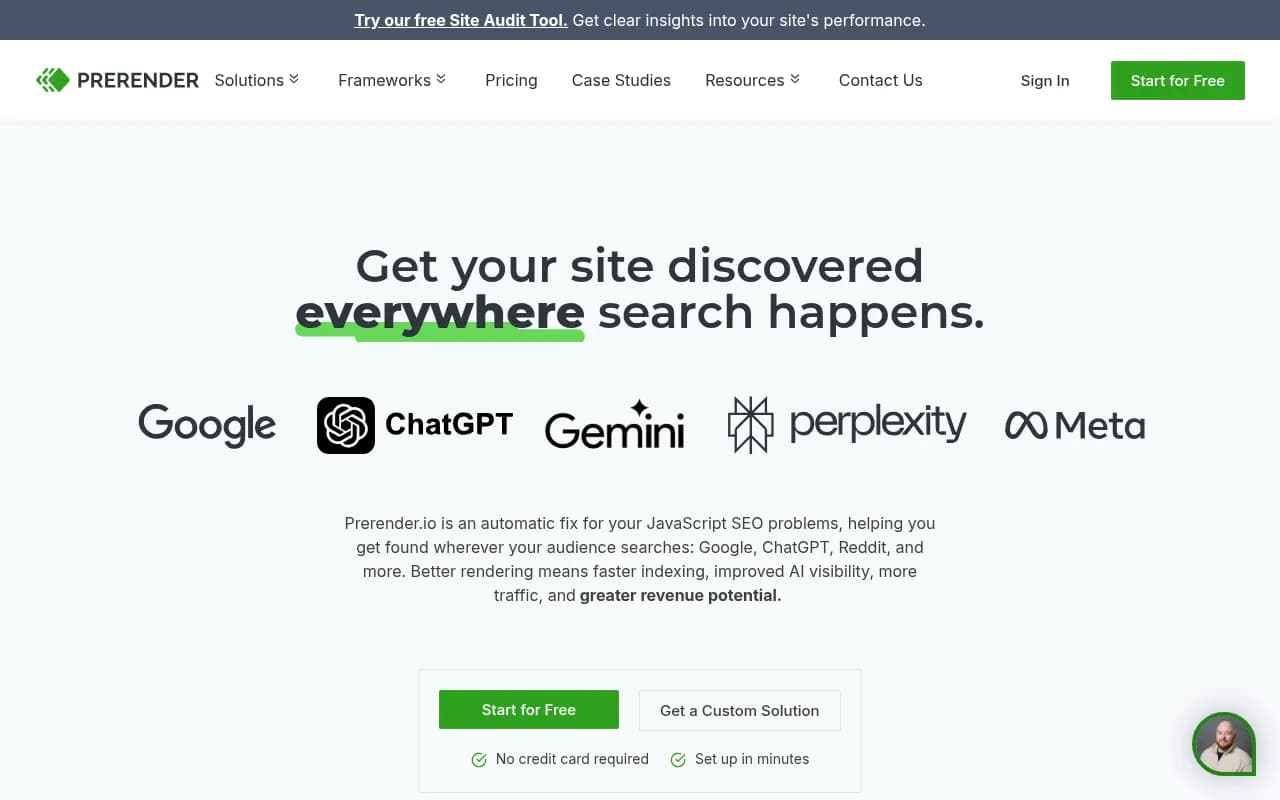
Prerender.io tackles technical GEO optimization -- it makes sure AI crawlers can read your JavaScript-heavy site.
SearchAtlas LLM Visibility deploys SEO fixes and content directly to your site, automating the optimization loop.
These tools solve real problems but don't replace comprehensive GEO platforms. Use them as complements, not replacements.
What actually works in 2026
After reviewing 50+ platforms, the pattern is clear: monitoring-only tools leave you stuck. Optimization platforms that help you create content and track results are worth paying for.
| Platform | Category | Key strength | Best for |
|---|---|---|---|
| Promptwatch | Optimization | Content gap analysis + AI writing + crawler logs | Mid-market brands and agencies |
| Evertune | Enterprise | 1M+ prompts/month, base model API access | Fortune 500 with dedicated GEO teams |
| Profound AI | Enterprise | Source influence analytics | Large brands in competitive markets |
| Otterly.AI | Monitoring | Affordable tracking | Budget-conscious awareness |
| Bluefish AI | Mid-market | GA4 and Slack integrations | Teams using existing marketing stack |
| AirOps | Mid-market | Content engineering workflows | Scaling content creation |
| Semrush AI Toolkit | SEO add-on | Integration with SEO suite | Existing Semrush customers |
| Writesonic GEO | Content-first | AI writing assistant | Content volume over deep tracking |
The platforms that win in 2026 share three traits:
-
They show you what's missing: Answer gap analysis, competitor heatmaps, prompt intelligence that reveals exactly which content you need to create.
-
They help you create it: AI writing agents, content briefs, optimization recommendations grounded in real citation data.
-
They close the loop: Page-level tracking, traffic attribution, crawler logs that show AI engines discovering and citing your new content.
Most platforms do one of these things. The best do all three.
How to choose a GEO platform
Start with your budget and team size:
-
Under $500/mo, small team: Promptwatch Essential ($99/mo) or Professional ($249/mo). You get monitoring, content gap analysis, AI writing, and crawler logs without enterprise complexity.
-
$500-2000/mo, mid-market team: Promptwatch Business ($579/mo), Bluefish AI, or AirOps. These platforms scale with your team and integrate with your existing stack.
-
$2000+/mo, enterprise team: Evertune or Profound AI. You need statistical rigor, massive prompt volumes, and dedicated support.
-
Already paying for Semrush or Ahrefs: Try their AI visibility add-ons first. If they don't meet your needs, upgrade to a dedicated platform.
-
Content creation is the bottleneck: Writesonic GEO, Gushwork, or Orchly.ai. These platforms prioritize content generation over deep tracking.
Next, test the action loop:
- Sign up for a free trial (most platforms offer one)
- Run a brand visibility audit
- Ask: "What specific content should I create to improve this?"
- If the platform gives you a clear answer (topics, angles, formats), it's worth paying for
- If it just shows you data and leaves you guessing, move on
Finally, check for these must-have features:
- Multi-model tracking: At minimum ChatGPT, Perplexity, Claude, Google AI Overviews
- Prompt customization: You should be able to add your own prompts, not rely on fixed lists
- Page-level tracking: See which specific pages AI models cite
- Competitor analysis: Compare your visibility to competitors
- Traffic attribution: Connect AI visibility to actual website traffic
If a platform lacks these, it's not ready for serious GEO work.
What's coming in 2026 and beyond
The GEO category is consolidating. Expect more acquisitions (HubSpot buying XFunnel was just the start). Traditional SEO platforms will keep adding AI visibility features, but dedicated GEO platforms will stay ahead on depth and optimization capabilities.
Three trends to watch:
-
Reddit and YouTube tracking: AI models cite these sources heavily. Platforms that surface relevant discussions and videos (like Promptwatch) have an edge.
-
ChatGPT Shopping integration: As ChatGPT's product recommendations grow, tracking your brand's presence in shopping carousels becomes critical.
-
Agentic workflows: Platforms that automate the entire loop -- gap analysis, content creation, publishing, tracking -- will win. SearchAtlas LLM Visibility and AirOps are early movers here.
The monitoring-only platforms will struggle. Brands don't pay for dashboards -- they pay for results. Platforms that help you create content AI engines cite will capture the market.
If you're choosing a GEO platform in 2026, pick one that closes the action loop. Everything else is just expensive data.