Key takeaways
- Grok and DeepSeek are genuinely different AI search channels with different ranking signals -- Grok weights X/Twitter activity heavily, while DeepSeek favors structured, authoritative web content
- Most brands haven't optimized for either platform, which means there's real competitive whitespace right now
- Getting cited in Grok requires an active X presence, not just good web content -- it's the only major AI platform where social signals directly shape responses
- DeepSeek responds well to the same fundamentals that work for Perplexity: clear, factual, well-structured content published on credible domains
- Tracking your visibility across both platforms (and knowing which prompts you're missing) is the starting point before any optimization effort
Most AI visibility conversations start and end with ChatGPT, Perplexity, and Google AI Overviews. That's understandable -- they're the biggest. But in 2026, Grok and DeepSeek are pulling real traffic and influencing real purchase decisions, and almost nobody has thought seriously about optimizing for them.
That's an opportunity. When everyone's fighting for the same real estate in ChatGPT, the brands showing up in Grok and DeepSeek are often doing so almost by accident -- which means a deliberate strategy can go a long way.
This guide covers what makes each platform distinct, what signals actually matter for getting cited, and what you can do this week to start improving your visibility in both.
Why Grok and DeepSeek deserve your attention
Grok, built by xAI and deeply integrated with X (formerly Twitter), has a user base that skews toward tech-forward, high-intent audiences. People using Grok for product research or brand comparisons tend to be early adopters and decision-makers. DeepSeek, meanwhile, has seen explosive adoption in Asia-Pacific markets and among developers globally -- and its responses are increasingly surfacing in third-party AI interfaces that pull from multiple models.
Neither platform is a niche curiosity anymore. And because most brands haven't done any deliberate optimization for them, the bar to stand out is lower than it is in ChatGPT or Perplexity.
The other reason to care: these platforms have different source preferences. What gets you cited in ChatGPT doesn't automatically get you cited in Grok. Understanding those differences is the whole game.
How Grok actually decides what to say about your brand
Grok pulls from three sources, and the mix is unlike any other major AI platform.
The first is training data -- the broad web corpus that xAI used to train the model. This is table stakes. If your brand has thin or inconsistent information across the web, Grok's foundational knowledge about you will be weak.
The second is live web search. Grok retrieves current web content to answer questions that require recent information. This is similar to how Perplexity works, and the same content principles apply: clear, factual, recently published pages that answer specific questions tend to get retrieved.
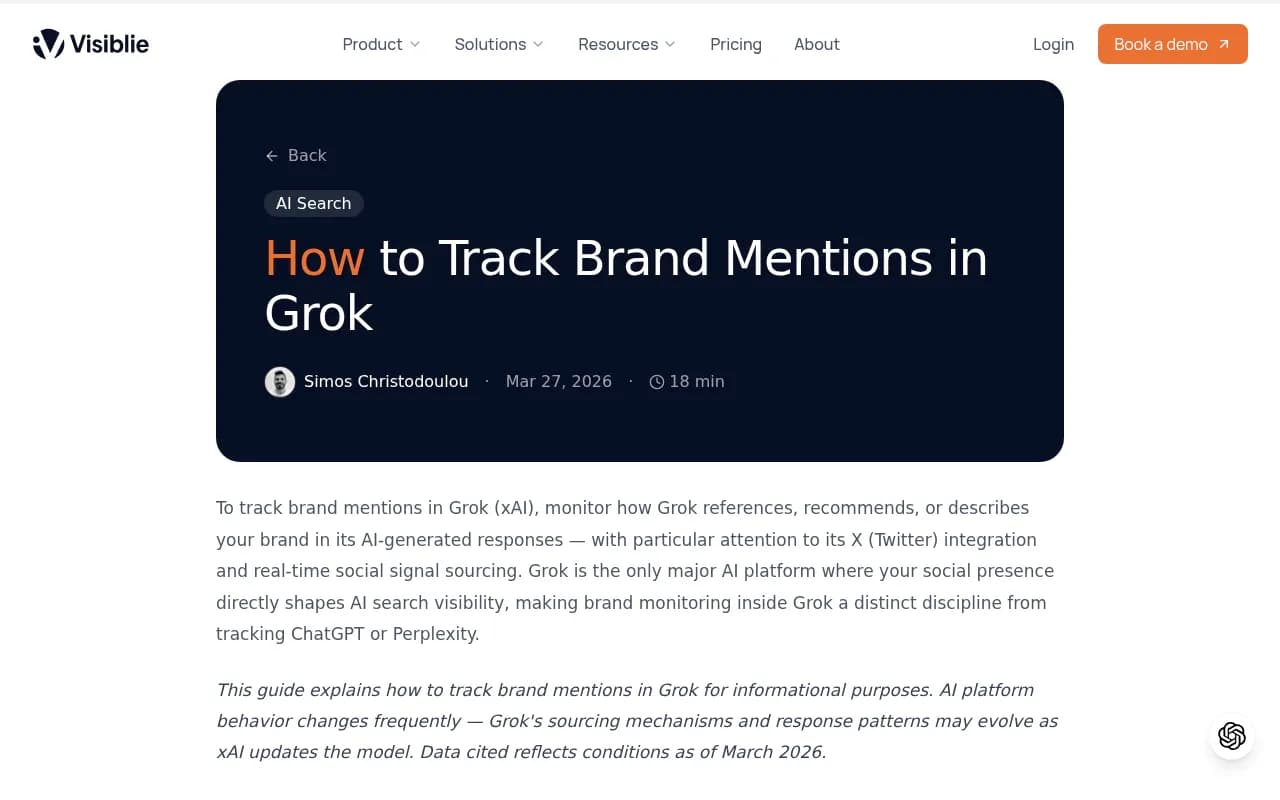
The third source is what makes Grok genuinely different: X (Twitter) posts. Grok has direct access to the X firehose -- public posts, engagement signals, verified account content. No other major AI platform has this. A brand that's actively discussed on X, with positive engagement and a verified presence, generates stronger signals in Grok's responses than a brand with identical web content but no social footprint.
This means your X strategy is now an AI visibility strategy. That's a real shift worth internalizing.
What this means practically for Grok
- Maintain an active, verified X account. Post consistently about your category, not just your brand.
- Engage with relevant conversations. Grok picks up on engagement patterns, not just post volume.
- Encourage customers and partners to mention your brand on X. Organic third-party mentions carry more weight than self-promotion.
- When you publish new content (a study, a product launch, a guide), amplify it on X immediately. The social signal and the web content reinforce each other.
- Monitor how Grok describes your brand right now. If the framing is wrong or outdated, the fastest fix is often X-side, not web-side.
How DeepSeek decides what to cite
DeepSeek's sourcing model is closer to traditional AI search: it relies heavily on training data and, in its search-enabled modes, live web retrieval. There's no social media integration. What matters here is the quality and structure of your web presence.
DeepSeek tends to favor content that's:
- Factual and specific (it's less tolerant of vague marketing language than some other models)
- Well-structured with clear headings and logical information hierarchy
- Published on domains with genuine authority signals -- backlinks, editorial mentions, Wikipedia presence
- Consistent across multiple sources (if your brand description varies wildly across your site, press releases, and third-party coverage, DeepSeek's entity recognition suffers)
DeepSeek also has a strong presence in developer and technical communities. If your brand operates in a technical space, getting cited in developer documentation, GitHub discussions, Stack Overflow answers, and technical blogs will help your visibility in DeepSeek more than it might in other platforms.
What this means practically for DeepSeek
- Audit your brand's information consistency. Your company description, product positioning, and key claims should be consistent across your website, press releases, Wikipedia (if applicable), and major third-party directories.
- Publish content that answers specific questions directly. DeepSeek responds well to content structured around clear questions and answers -- think FAQ sections, comparison pages, and how-to guides.
- Build genuine authority signals. Third-party editorial coverage, industry association mentions, and academic or research citations all help.
- If you're in a technical space, invest in developer community presence: GitHub, technical forums, documentation sites.
The content fundamentals that work for both
Despite their differences, Grok and DeepSeek share some common ground when it comes to what gets cited. These are the basics you need before platform-specific tactics matter.
Write content that answers questions, not content that sells
AI models are looking for answers to user queries. Content that's structured around specific questions -- "What is [your brand]?", "How does [your product] compare to [competitor]?", "What are the best [category] tools in 2026?" -- is far more likely to be retrieved than content that's primarily promotional.
This doesn't mean abandoning your brand voice. It means making sure your content is genuinely useful before it's persuasive.
Get mentioned in sources AI models trust
Both Grok and DeepSeek give more weight to brands that appear in authoritative third-party sources. Industry publications, major news outlets, analyst reports, and well-trafficked review sites all count. A single mention in a credible source often does more for your AI visibility than dozens of pages on your own site.
This is why PR and content marketing are now AI visibility strategies, not just brand awareness plays.
Make your content easy to extract
AI models don't read pages the way humans do -- they extract structured information. Content with clear headings, short paragraphs, explicit definitions, and structured data (schema markup, FAQ schema) is easier for models to parse and cite.
If your pages are dense walls of text with no clear structure, they're harder to cite even if the information is excellent.
Tracking your visibility in Grok and DeepSeek
You can't optimize what you can't measure. The challenge is that standard analytics tools don't capture AI citations -- you need dedicated tracking.
The basic approach is to build a prompt library: a set of queries your target customers might use when researching your category. Run those prompts in Grok and DeepSeek regularly and record whether your brand appears, what it says, and how it compares to competitors. This is tedious to do manually, but it gives you a baseline.
For more systematic tracking, Promptwatch monitors your brand across 10 AI models including Grok and DeepSeek, tracks which prompts you appear in, and shows you the specific gaps where competitors are visible but you're not. The Answer Gap Analysis feature is particularly useful here -- it shows you exactly which questions AI models are answering about your category without citing you, so you know precisely what content to create.

Other tools worth knowing about:
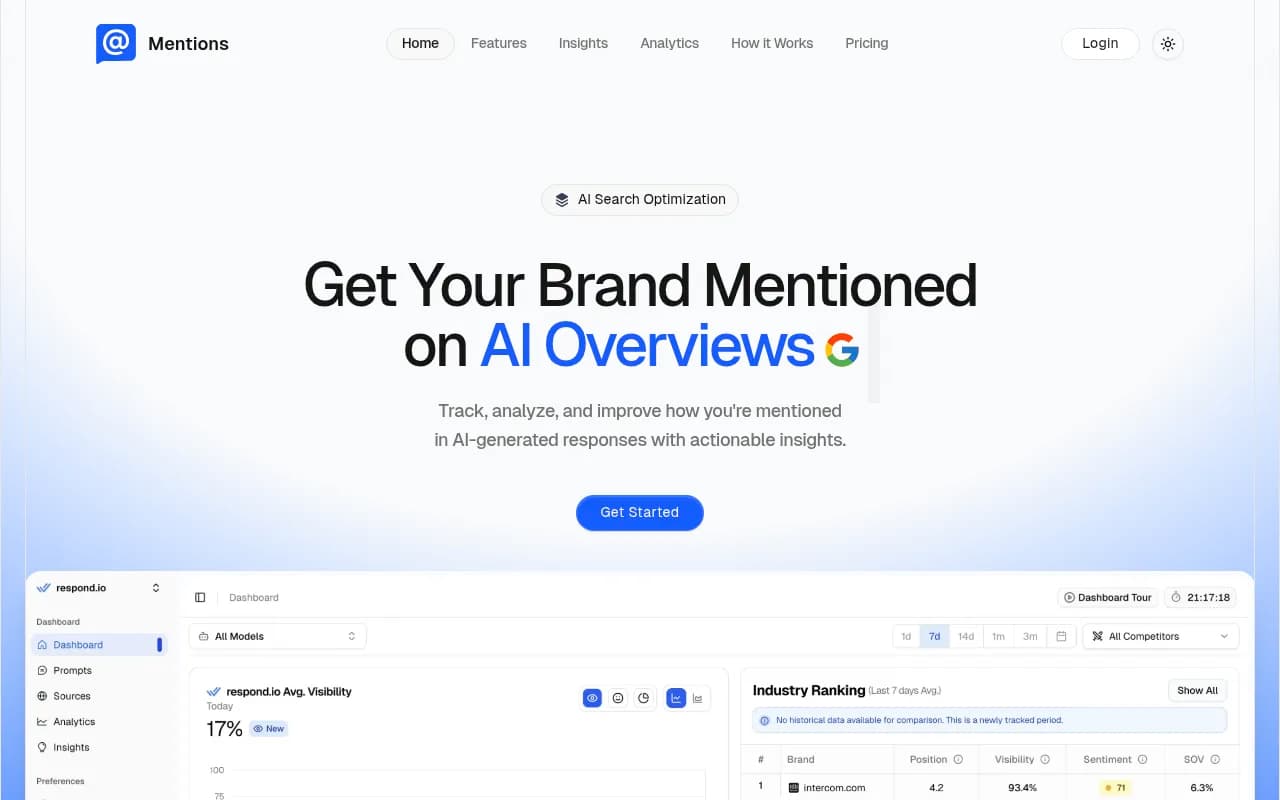
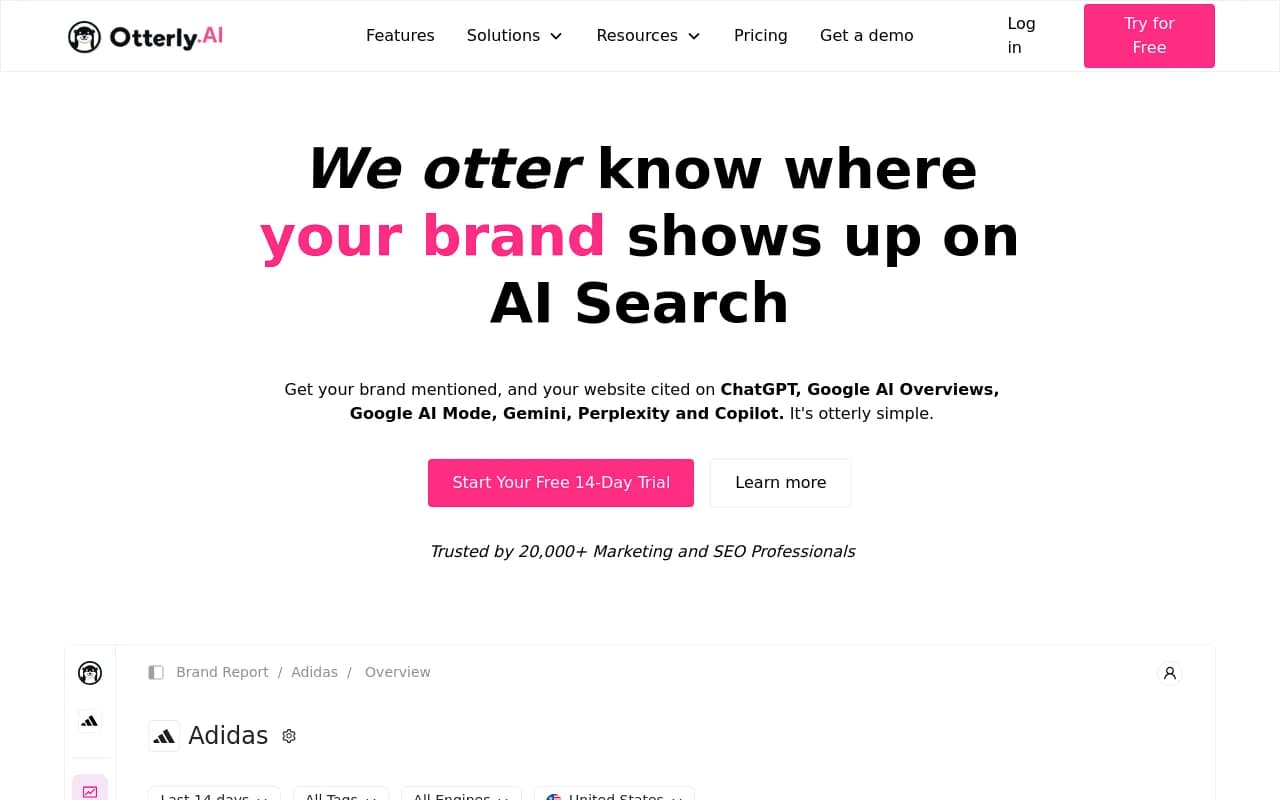
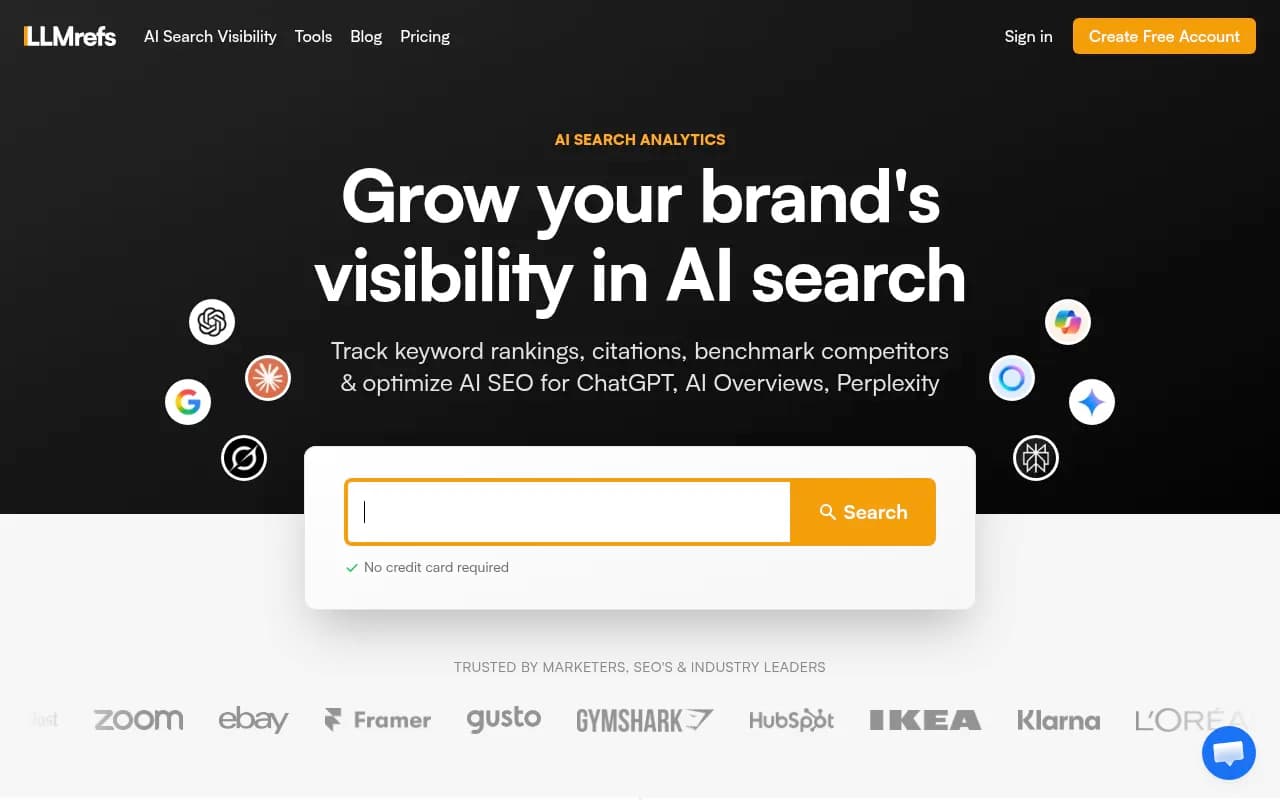
The key metric to track isn't just "do we appear" -- it's share of voice across the prompts that matter to your category. If a competitor appears in 80% of relevant Grok responses and you appear in 20%, that gap is costing you.
Platform comparison: Grok vs DeepSeek vs the big three
| Platform | Primary signal | Social integration | Best content type | Competitive difficulty |
|---|---|---|---|---|
| Grok | Training data + X posts + web search | X/Twitter (unique) | Social-amplified content, real-time topics | Low (most brands ignore it) |
| DeepSeek | Training data + web search | None | Structured, factual, technical content | Low-medium |
| ChatGPT | Training data + web search | None | Authoritative long-form, third-party citations | High |
| Perplexity | Live web search | None | Recent, well-structured pages | High |
| Google AI Overviews | Google index + structured data | None | Schema-optimized, E-E-A-T content | Very high |
The pattern is clear: Grok and DeepSeek have lower competitive difficulty right now, which is exactly why they're worth prioritizing alongside the bigger platforms.
A practical action plan
Here's a realistic sequence for getting started, ordered by impact and effort.
Step 1: Baseline your current visibility
Before changing anything, run 20-30 category-relevant prompts in both Grok and DeepSeek. Record whether you appear, what's said about you, and who else appears. This takes a few hours but gives you a real picture of where you stand.
Step 2: Fix your information consistency
Search for your brand across your own site, your Wikipedia page (if you have one), Crunchbase, G2, Capterra, and major industry directories. Make sure your description, founding date, product positioning, and key claims are consistent everywhere. Inconsistency confuses AI entity recognition.
Step 3: Audit your X presence (for Grok)
Look at your X account honestly. Is it active? Does it engage with your category, not just broadcast your content? Is it verified? If the answer to any of these is no, that's a Grok visibility problem. Start posting consistently about your category -- not just your brand -- and engage with relevant conversations.
Step 4: Create content that answers the questions you're missing
Based on your baseline audit, identify the specific questions where competitors appear but you don't. Create content that directly answers those questions. Structure it clearly, publish it on your main domain, and amplify it on X.
Step 5: Build third-party mentions
Reach out to industry publications, relevant blogs, and review platforms. A guest post, a data study that gets picked up, or a product review on a credible site all contribute to the authority signals both Grok and DeepSeek use.
Step 6: Set up ongoing monitoring
Manual prompt testing doesn't scale. Set up automated tracking so you can see your visibility trend over time and catch changes when model updates shift what's being cited.
Tools to support your Grok and DeepSeek strategy
Beyond tracking, a few tools are worth knowing for the content creation and optimization side:
For content creation specifically -- writing the articles, comparison pages, and FAQ content that AI models want to cite -- tools that understand AI citation patterns are more useful than generic SEO writers.
The window won't stay open forever
Grok and DeepSeek are growing fast, and the competitive landscape in both will get harder as more brands wake up to AI visibility as a discipline. The brands that build a presence now -- while most competitors are still focused exclusively on ChatGPT -- will have a meaningful head start when these platforms become as contested as Google AI Overviews.
The fundamentals aren't complicated: be consistent, be authoritative, be active on X if you want Grok visibility, and create content that actually answers the questions your customers are asking. What's different from traditional SEO is the tracking layer -- you need to know which prompts you're winning and which you're losing before you can optimize systematically.
Start with a baseline. The rest follows from there.