Key takeaways
- Nearly half of global consumers (45%) now use AI tools during their buying journeys, per a January 2026 IBM-NRF study, making AI search a mainstream part of how people discover and evaluate products.
- The traditional linear funnel (awareness → consideration → decision) no longer reflects how buyers actually behave -- they enter, exit, and loop back through stages in any order.
- AI search compresses research time dramatically: buyers arrive at first contact already informed, already comparing, and already skeptical of generic messaging.
- Brand visibility in AI-generated answers is now a prerequisite for being considered -- if ChatGPT or Perplexity doesn't mention you, a growing share of buyers will never find you.
- Marketers need to shift from funnel management to content authority -- creating content that AI models will cite, not just content that ranks in traditional search.
The buyer journey has been "changing forever" for about twenty years now. Every new channel -- social, mobile, video -- came with the same proclamation. But what's happening with AI search in 2026 actually is different, and the difference is structural, not cosmetic.
When a buyer used to start researching a software purchase or a hotel stay or a B2B vendor, they'd Google something, click a few links, read some pages, maybe download a whitepaper. You had multiple touchpoints to make an impression. The funnel was long, but it was legible.
Now a significant chunk of that journey happens inside a single AI conversation. The buyer asks ChatGPT or Perplexity a question, gets a synthesized answer with a handful of citations, and forms an opinion before they've visited a single vendor website. By the time they reach you, they've already decided whether you're worth talking to.
That's the shift. And it has real consequences for how marketers think about awareness, consideration, and intent.
The funnel was already broken -- AI just made it obvious
At the B2BMX 2026 conference, Atlassian's Ashley Faus made the case that marketers need to stop thinking about the buyer journey as a funnel and start treating it like a playground. Her argument: buyers don't move linearly through stages. They enter at different points, skip steps, loop back, and engage with content in the "wrong" order all the time.
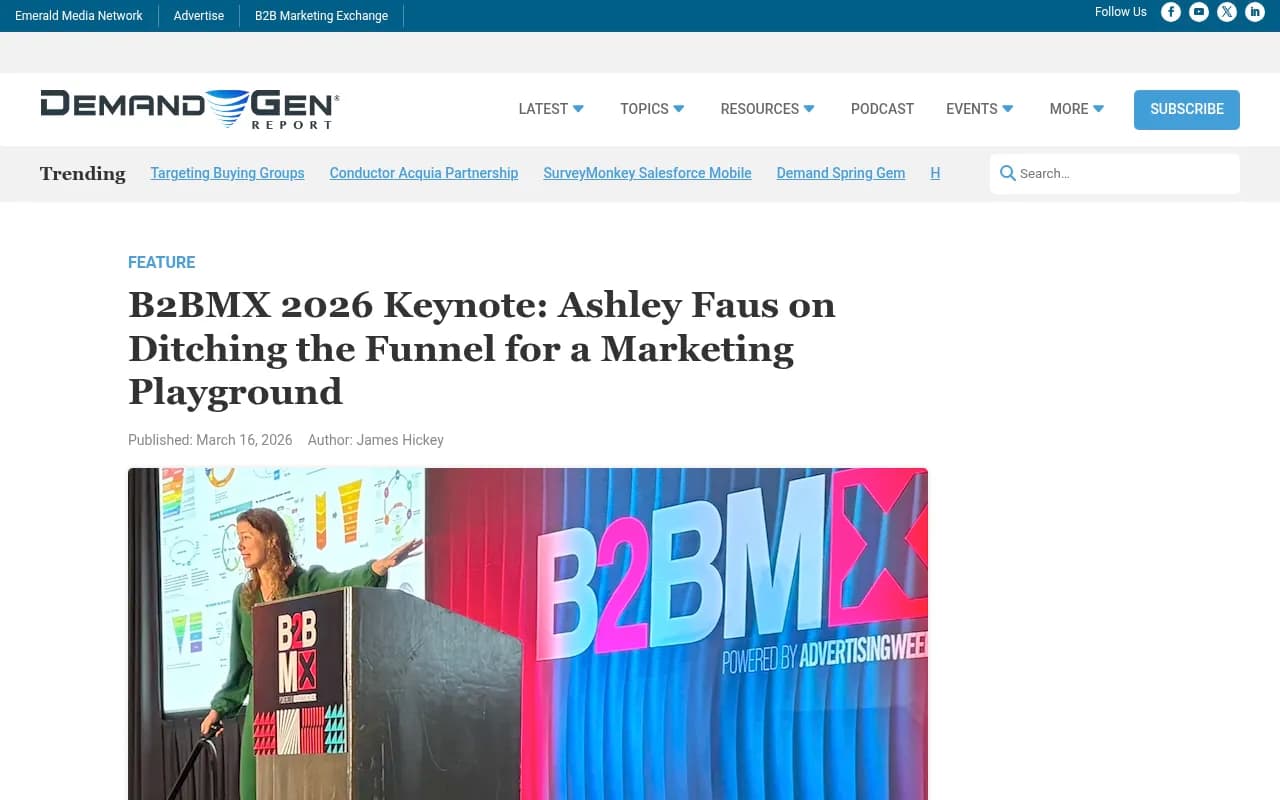
The funnel model was always a simplification. What AI search has done is make that simplification actively harmful. If you're still building campaigns around a neat awareness-to-decision sequence, you're optimizing for a journey that fewer and fewer buyers are actually taking.
The IBM-NRF study from January 2026 found that 45% of global consumers use AI during their buying journeys. That number is almost certainly higher in B2B tech, financial services, and other research-heavy categories. These buyers aren't using AI as a supplement to traditional search -- they're using it as a replacement for the early and middle stages of the journey entirely.
What "awareness" means when AI is the first touchpoint
In the old model, awareness was about getting your brand in front of people who didn't know you existed. You ran ads, published content, showed up in search results. The goal was exposure.
In an AI-mediated world, awareness happens differently. When someone asks ChatGPT "what are the best project management tools for remote teams," they get a synthesized response that names four or five options. If your product isn't in that response, you don't exist for that buyer at that moment. Not because your SEO failed, but because AI models are drawing on a different set of signals to decide what to recommend.
This is a genuinely new problem. Traditional SEO got you into Google's index. Getting cited by AI models requires something more: you need content that AI systems actually find useful enough to reference. That means comprehensive, authoritative, specific content that answers real questions -- not keyword-stuffed pages optimized for a crawler that reads differently than a language model does.
The practical implication: awareness is no longer just about reach. It's about being present in the AI responses your potential buyers are already reading.
Tools like Promptwatch exist specifically to track this -- showing you which prompts your competitors are being cited for that you're not, so you can identify the content gaps that are costing you AI visibility.

Consideration has collapsed into a single conversation
Here's what the consideration stage used to look like: a buyer would spend weeks or months reading comparison articles, watching demos, talking to peers, attending webinars. You had time to nurture them, to drip content, to gradually build a case.
AI search compresses this dramatically. A buyer can now ask a single question -- "compare Salesforce vs HubSpot for a 50-person sales team" -- and get a detailed, synthesized comparison in seconds. They don't need to visit your comparison page. They don't need to read your whitepaper. The AI has already done the work.
DemandWorks put it well: buyers now come to the table with a deeper knowledge base and a clearer picture of options available. The first conversation with a vendor is no longer introductory -- it's evaluative. Buyers have already formed opinions. They're testing whether those opinions hold up.
For marketers, this means a few things:
- Generic nurture sequences don't work on buyers who already know more than your email assumes they do.
- Comparison content matters enormously -- if AI models are synthesizing comparisons, the sources they draw from shape the narrative.
- Your brand's reputation in AI-generated answers is effectively your consideration-stage presence for a growing segment of buyers.
The consideration stage hasn't disappeared. It's just moved inside AI conversations that you can't directly control -- but you can influence.
Intent signals are arriving later and hotter
When buyers finally do reach out or visit your site, they're further along than they used to be. They've already done the research. They've already compared options. They may have already decided.
This is both good and bad. Good, because the buyers who contact you are more qualified. Bad, because you've had less opportunity to shape their thinking along the way.
Swanky Agency described this shift well in their analysis of AI-led discovery in ecommerce: paid media is increasingly about validation rather than awareness. Buyers who've already been recommended your product by an AI engine are using ads and your website to confirm that recommendation, not to discover you for the first time.
The implication for intent-stage marketing: your website, your case studies, your pricing pages, your demos -- these need to be built for buyers who already know who you are and are deciding whether to trust you. The job is confirmation, not introduction.
What this means for content strategy
The single biggest practical change AI search demands is a shift in how you think about content.
Traditional SEO content was built around keywords and rankings. You'd find a keyword with decent volume, write a page targeting it, and hope to rank. The content served the algorithm.
AI-optimized content has to serve the model's judgment about what's actually useful. Language models cite sources that are comprehensive, specific, and authoritative. They favor content that directly answers questions, uses concrete examples, and demonstrates genuine expertise. Generic "10 tips for better marketing" articles don't get cited. Detailed, specific, well-structured content that actually answers a real question does.
This means:
- Answer-first structure. Get to the point immediately. AI models are looking for direct answers, not preambles.
- Specificity over breadth. A detailed guide to one narrow topic outperforms a shallow overview of ten topics.
- Original data and perspectives. AI models favor sources that say something that can't be found everywhere else.
- Consistent topical authority. Being the go-to source on a specific topic matters more than having a large volume of loosely related content.
For teams building this kind of content at scale, platforms like Content at Scale combine AI content generation with B2B intent data, which helps prioritize what to write based on what buyers are actually researching.
The brand visibility problem in AI search
There's a specific challenge that doesn't get enough attention: brand sentiment in AI responses.
AI models don't just mention brands -- they characterize them. When ChatGPT describes your product, it draws on everything it's been trained on: reviews, articles, Reddit threads, forum discussions, news coverage. If the dominant narrative about your brand in those sources is negative or outdated, that's what gets reflected in AI responses.
This is why brand monitoring in AI search is becoming a core marketing function, not a nice-to-have. You need to know what AI models are saying about you, how often they're citing you, and whether the characterization is accurate.
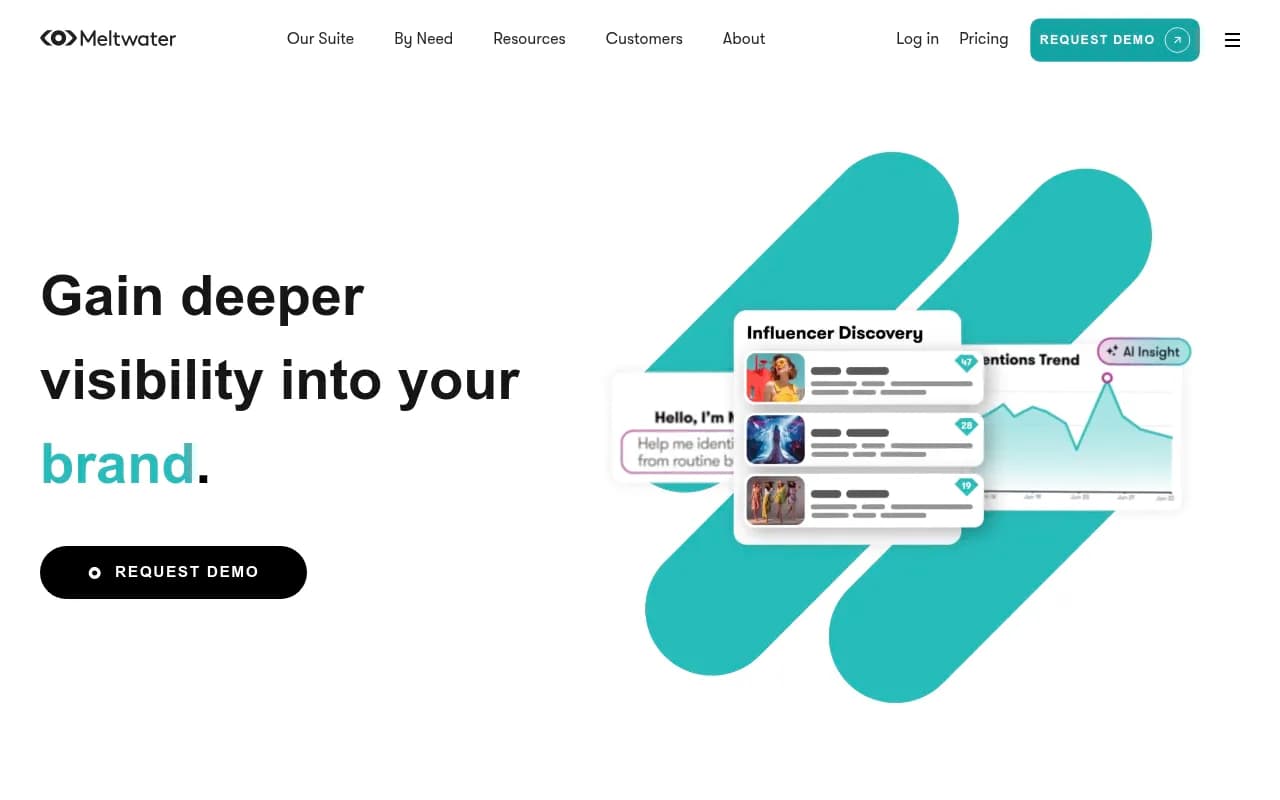
Tools like Brand24 and Meltwater can help track brand mentions across the web, including the sources that AI models are likely drawing from. But for tracking what AI models are actually saying in their responses, you need something purpose-built for that.
B2B vs. B2C: the journey looks different but the problem is the same
In B2B, the AI-mediated buyer journey has some specific characteristics worth calling out.
Buying committees are still a reality -- most B2B purchases involve multiple stakeholders. But each of those stakeholders may now be doing their own AI-assisted research independently, arriving at the same conversation with different AI-synthesized perspectives. Aligning a buying committee is harder when each member has been primed by a different AI conversation.
Madison Logic's 2026 B2B marketing predictions make the point that AI's impact on search makes brand building more important than ever. When buyers are forming opinions through AI conversations rather than direct brand touchpoints, the brands that have invested in consistent, authoritative content presence have a structural advantage.
In B2C, the dynamic is slightly different but the core problem is the same. A consumer asking Perplexity for hotel recommendations or asking ChatGPT which running shoes to buy is getting a curated answer that reflects the AI's training data. If your brand isn't in that answer, you're invisible for that query.
Metrics that need to change
If the buyer journey has changed, the metrics used to measure marketing performance need to change too. Some things to reconsider:
| Old metric | Why it's insufficient | What to track instead |
|---|---|---|
| Organic search rankings | Doesn't capture AI search visibility | AI citation rate by prompt |
| First-touch attribution | Misses AI-mediated discovery | Multi-touch with AI source tracking |
| Time-in-funnel | Journey is no longer linear | Engagement depth per touchpoint |
| MQL volume | Buyers arrive more qualified | MQL-to-close rate, not just volume |
| Page views | AI may summarize without a click | Brand mention frequency in AI responses |
The attribution problem is particularly thorny. If a buyer discovers you through a ChatGPT response, visits your site three weeks later, and converts, your analytics will likely credit the direct or organic visit -- not the AI touchpoint that started the journey. This is a real measurement gap that most marketing teams haven't solved yet.
For teams serious about connecting AI visibility to actual revenue, Promptwatch offers traffic attribution through a code snippet, Google Search Console integration, or server log analysis -- which is one of the few ways to actually close the loop between AI citations and conversions.
Practical steps for 2026
Rather than a complete strategic overhaul, here are the highest-leverage changes most marketing teams can make right now:
Audit your AI visibility. Find out which prompts relevant to your category are generating AI responses, and whether you're being cited. This is the starting point for everything else.
Map your content gaps. Identify the questions buyers are asking AI tools that your content doesn't currently answer well. These are your highest-priority content opportunities.
Invest in topical authority. Pick the specific topics where you want to be the definitive source and build comprehensive content around them. Breadth without depth doesn't work in AI search.
Monitor brand sentiment in AI responses. Know what AI models are saying about you, not just whether they're mentioning you. Inaccurate or negative characterizations need to be addressed at the source.
Rethink your website for validation, not introduction. Buyers arriving from AI search are further along. Your site needs to confirm their decision, not introduce your category.
Update your attribution model. Accept that some AI-influenced journeys won't be fully trackable, and build that uncertainty into how you report and plan.
Tools worth knowing about
A few platforms that are directly relevant to navigating this shift:
For tracking AI search visibility and identifying content gaps:
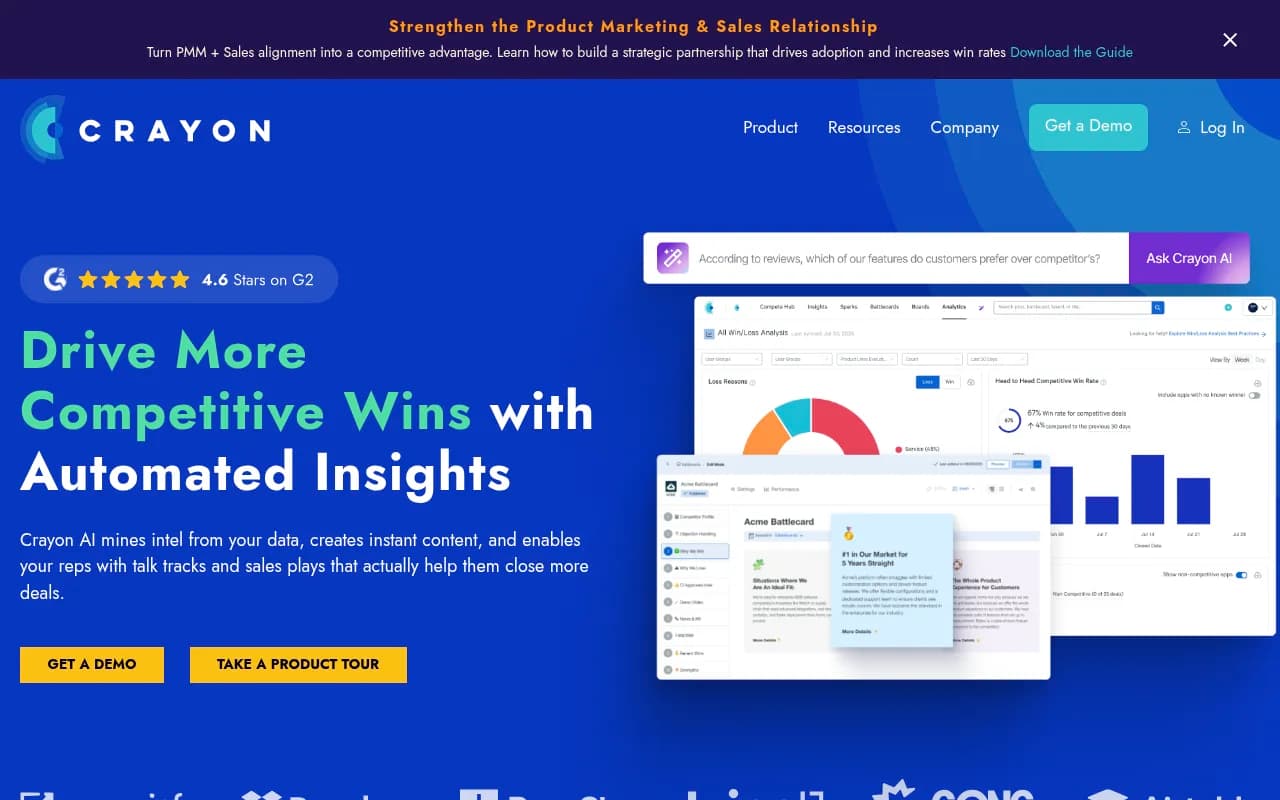
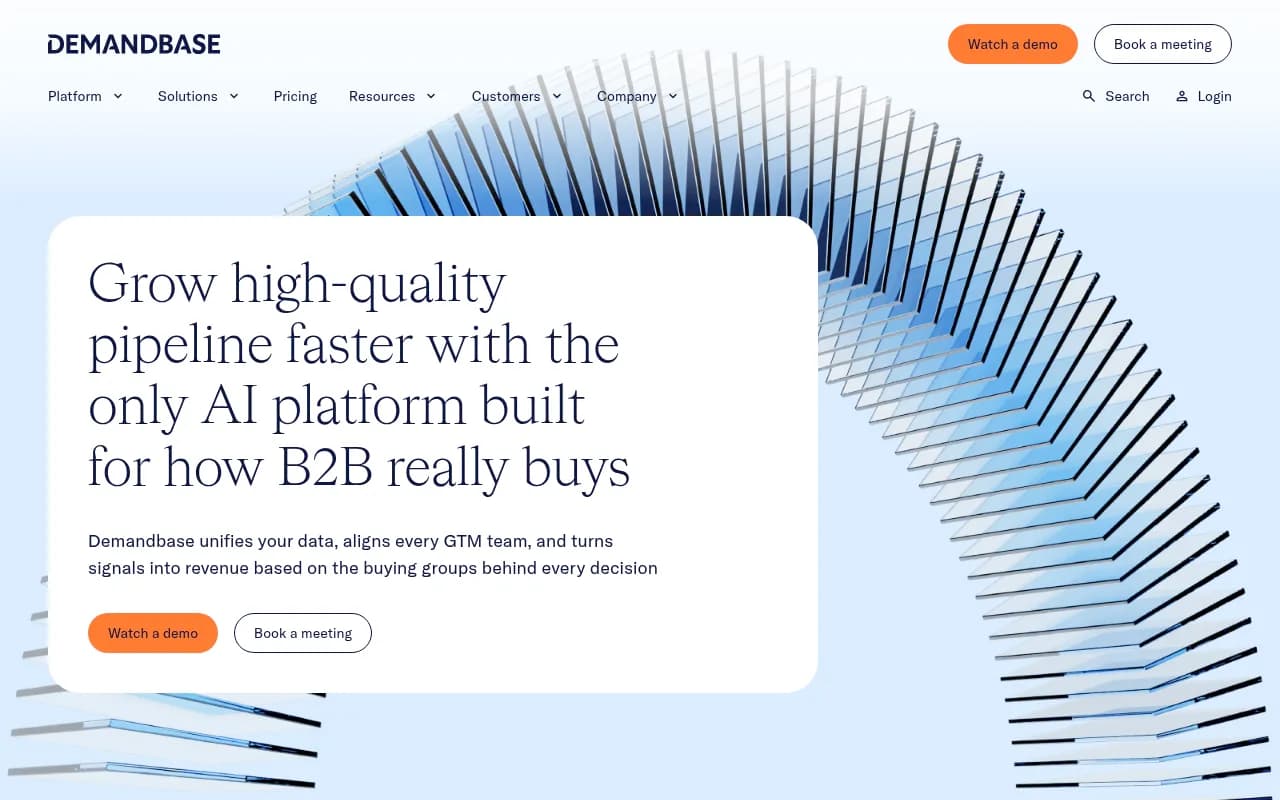
For competitive intelligence on what's driving visibility in your category:
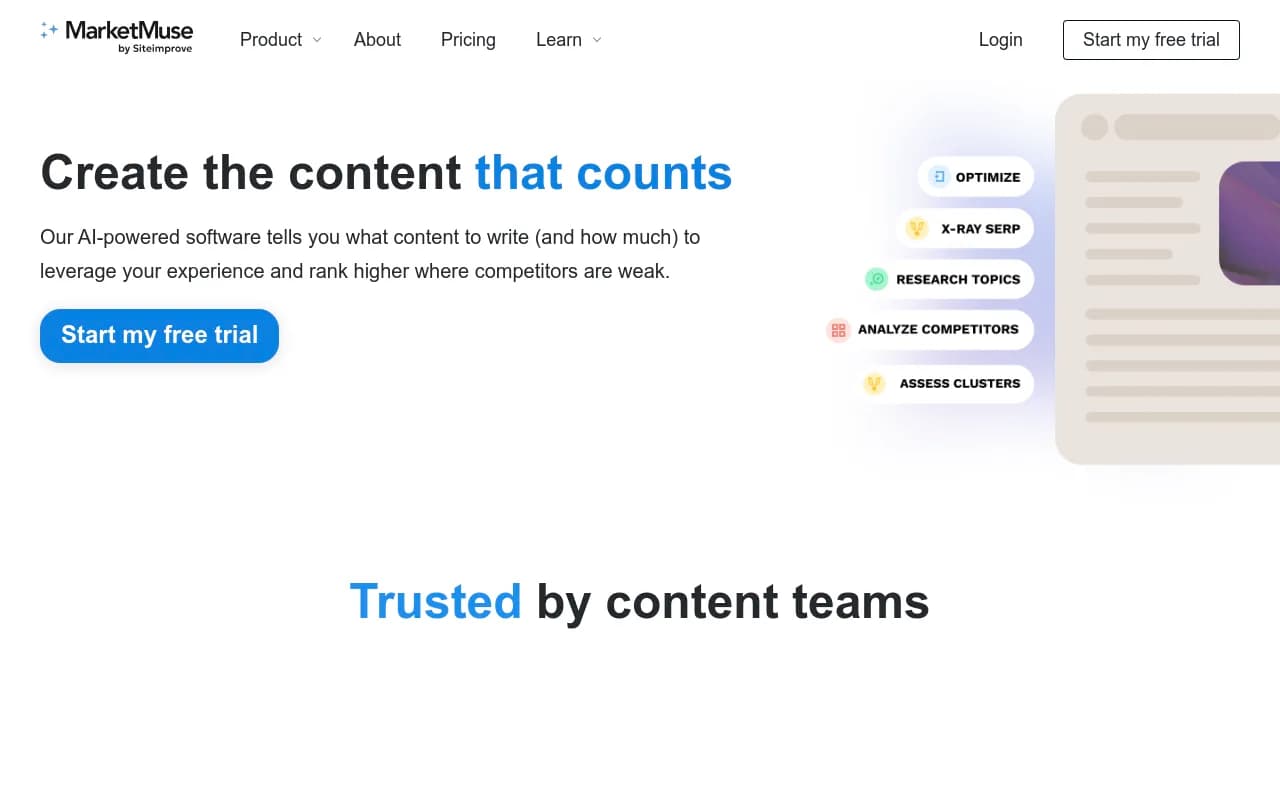
For building content that earns AI citations:
For understanding buyer intent signals earlier in the journey:
The bottom line
The buyer journey in 2026 isn't just "more digital" or "more complex." It's structurally different because a meaningful share of the research and comparison work now happens inside AI conversations that marketers can't directly observe or control.
The brands that adapt will be the ones that invest in content authority, monitor their AI visibility seriously, and build websites and campaigns for buyers who arrive already informed. The brands that don't will find themselves invisible in the conversations that matter most -- and they won't even know it's happening.
The funnel isn't dead. But it's been rerouted through a layer that most marketing teams are only beginning to understand.