Key takeaways
- Google AI Overviews appear in roughly 50% of US searches, but users who see an AI Overview click organic results at about half the rate of users who don't.
- Most e-commerce teams have no idea whether their product pages, category pages, or buying guides are being cited in AI Overviews.
- Google Search Console gives you a partial signal, but it wasn't built for this. Dedicated AI visibility tools fill the gaps.
- Product pages need structured data, direct answers, and fresh content to compete. Category pages need comparison-style content and clear entity signals.
- Tracking AI citations is only useful if you act on the gaps. Monitoring alone doesn't move the needle.
Why this matters more than most e-commerce teams realize
Here's the uncomfortable reality: Google AI Overviews now appear on roughly half of all US searches, and according to Pew Research, users who encounter one click on a traditional organic result at about half the rate of users who don't. That's a significant traffic hit if you're relying on organic rankings to drive product discovery.
For e-commerce specifically, the stakes are higher than for most content sites. When someone searches "best wireless headphones under $100" or "what's the difference between a duvet and a comforter," they're often in a buying mindset. If an AI Overview answers their question by citing a competitor's category page or a review site, your product page might as well not exist for that query.
The problem is that most e-commerce teams are flying blind. They know their Google rankings. They track their organic traffic. But they have no idea whether Google's AI is pulling from their pages, ignoring them entirely, or actively citing a competitor instead.
This guide walks through how to check, what to fix, and how to build a system that keeps you informed as AI search continues to evolve.
What Google AI Overviews actually pull from (and what they ignore)
Before you can check whether your pages are being cited, it helps to understand what Google's AI is actually looking for.
AI Overviews don't just pull from the top-ranked organic results. They synthesize information from pages that are already indexed and ranking, but they prioritize pages that:
- Answer a specific question directly, ideally in the first paragraph or two
- Use structured formats like bullet points, numbered lists, comparison tables, and clear headings
- Have strong E-E-A-T signals (Experience, Expertise, Authoritativeness, Trustworthiness)
- Include structured data markup (Product schema, Review schema, FAQ schema)
- Are kept reasonably fresh, especially for product categories where specs and prices change
For e-commerce, this creates a specific challenge. Product pages are typically optimized for conversion, not for answering questions. They're built around "add to cart" flows, image galleries, and feature bullets. Category pages are often thin, with little more than a grid of products and some filter options. Neither format is naturally well-suited to being cited in an AI Overview.
The pages that do get cited tend to be buying guides, comparison pages, "best of" roundups, and FAQ-style content that lives on e-commerce sites but reads more like editorial content. Think "how to choose the right running shoe" on a sports retailer's site, or "what to look for in a standing desk" on an office furniture store's blog.
That said, product pages with rich structured data, detailed specifications, and genuine customer reviews do get cited, especially for specific product queries where someone is clearly in the final stages of a purchase decision.
How to check if your pages are being cited
Start with Google Search Console (with caveats)
Google Search Console is the most accessible starting point, but it has real limitations for this use case.
The Performance report in Search Console does capture some AI Overview impressions and clicks, but Google doesn't give you a clean "AI Overview" filter. What you can do:
- Go to the Performance report and look at queries where you have impressions but unusually low click-through rates. A CTR of 1-3% on queries where you rank in positions 1-5 is a strong signal that an AI Overview is absorbing the clicks.
- Filter by page to see which specific URLs are getting impressions on these low-CTR queries. If your category page for "ergonomic office chairs" is getting 5,000 impressions but only 80 clicks, something is intercepting that traffic.
- Look for impression spikes on informational queries. If you recently published a buying guide and see a sudden impression increase without a corresponding click increase, you may be getting cited in an AI Overview without getting the click.
The honest limitation here: Search Console doesn't tell you whether you're in the AI Overview or just ranking below it. You're inferring from click behavior, not seeing direct citation data.
Manual spot-checking
The most direct method is also the most tedious. Pick 20-30 queries that are relevant to your top product categories and search them in Google while logged out (or in incognito mode). Note:
- Does an AI Overview appear?
- Is your site cited as a source?
- Which competitors are cited?
- What format is the cited content in (list, paragraph, comparison table)?
This gives you ground truth, but it doesn't scale. Doing this manually for hundreds of queries across multiple product categories isn't realistic for most teams.
Use a dedicated AI visibility tool
This is where purpose-built tools become genuinely useful. Several platforms now track AI Overview citations at scale, letting you monitor which of your pages are being cited, for which queries, and how that changes over time.
Promptwatch tracks Google AI Overviews alongside nine other AI models, and importantly, it monitors how AI search engines behave in real user interfaces rather than just through APIs. This matters because the citations and product recommendations you see in an actual Google search can differ from what an API call returns.

For e-commerce teams specifically, Promptwatch's Answer Gap Analysis shows exactly which queries competitors are being cited for that you're not, which is the most actionable starting point for any optimization effort.
Other tools worth knowing about:
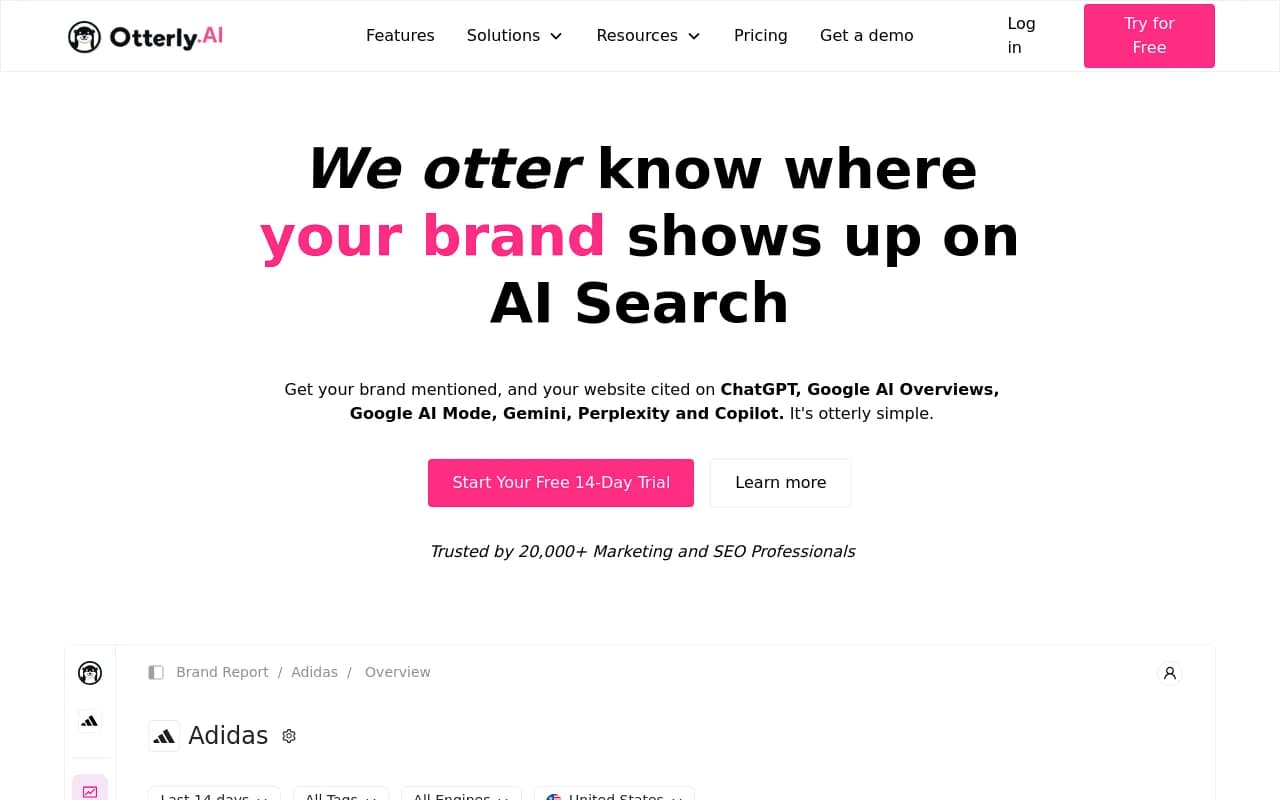
Otterly.AI offers affordable AI visibility monitoring across multiple models including Google AI Overviews. It's a solid starting point if you want basic citation tracking without a large budget.
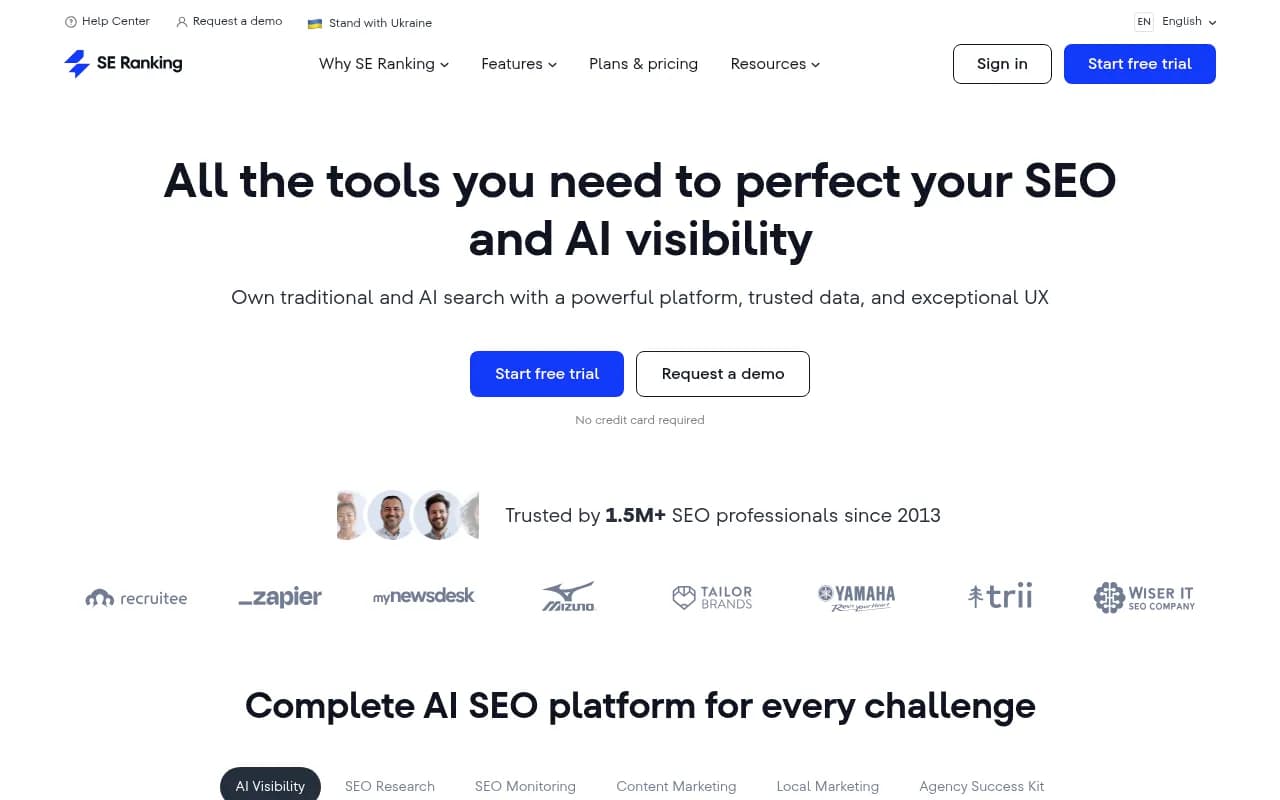
SE Ranking has added AI visibility tracking to its existing SEO suite, which makes it convenient if you're already using it for rank tracking.
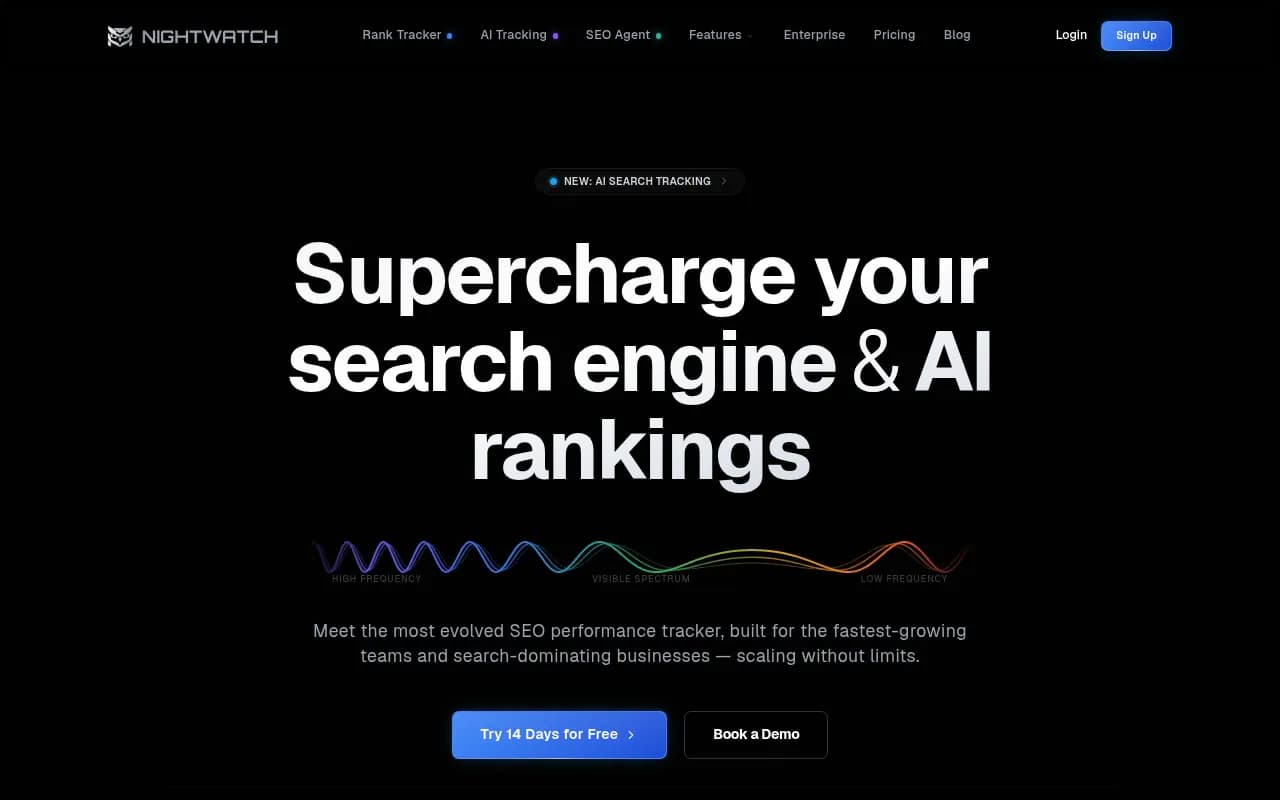
Nightwatch includes AI search monitoring alongside traditional rank tracking, useful if you want a single tool for both.
Profound is a more enterprise-focused option with strong AI visibility features, though it comes at a higher price point.
What good citation tracking looks like for e-commerce
Here's what you actually want to know, and what each data source can tell you:
| Question | Google Search Console | Manual checks | Dedicated AI tool |
|---|---|---|---|
| Am I being cited at all? | Indirect (inferred from CTR) | Yes, but not scalable | Yes, at scale |
| Which pages are cited? | Partial | Yes | Yes |
| Which queries trigger citations? | Partial | Yes | Yes |
| What are competitors cited for? | No | Manually | Yes |
| How often am I cited vs. competitors? | No | No | Yes |
| How has citation rate changed over time? | Partial | No | Yes |
| Which AI models cite me? | Google only | Google only | Multiple models |
The pattern is clear: Search Console and manual checks are useful for initial diagnosis. Dedicated tools are necessary for ongoing monitoring and competitive analysis.
Why product pages and category pages need different approaches
Product pages
A product page for a specific item (say, a specific model of standing desk) can get cited in AI Overviews, but usually only for queries where someone is clearly looking for that exact product or comparing it to a close alternative.
To improve citation chances on product pages:
- Add Product schema markup with complete fields: price, availability, brand, SKU, aggregate rating
- Include a genuine FAQ section that answers common pre-purchase questions ("Is this desk compatible with dual monitors?" "How long does assembly take?")
- Make sure your product description answers the "why this product" question in the first paragraph, not just lists specs
- Keep pricing and availability information current. Stale data is a trust signal problem.
- Aggregate real customer reviews. AI Overviews frequently pull review sentiment when recommending products.
Category pages
Category pages are harder to get cited from, because they're typically not answering a question. They're presenting options. But there's a real opportunity here if you treat the category page as both a navigation tool and an editorial resource.
The category pages that get cited in AI Overviews tend to include:
- A brief introductory section that explains what to look for when buying in this category (this is the part that gets cited)
- Comparison tables that highlight key differences between product types
- Clear headings that match the language people use when searching
- FAQ sections addressing common category-level questions
Think of it as adding a buying guide layer on top of your existing category page, rather than replacing the product grid.
Buying guides and comparison pages
These are your highest-probability citation candidates. A well-structured buying guide that lives on your e-commerce site can get cited for dozens of queries across the purchase funnel. The format that works best:
- Start with a direct answer to the main question ("The best budget wireless headphones in 2026 are...")
- Use a comparison table early in the page
- Break down the decision factors with clear H2 and H3 headings
- Include specific product recommendations with brief explanations
- Update regularly, especially when new products enter the category
Technical signals that affect AI Overview citation rates
Beyond content format, several technical factors influence whether Google's AI will pull from your pages.
Structured data
This is the most direct lever you have. Google's AI uses structured data to understand what a page is about and to extract specific information. For e-commerce:
- Product schema: Price, availability, brand, description, SKU, aggregate rating
- Review schema: Individual reviews with rating, author, and date
- FAQ schema: Question-and-answer pairs that map to common queries
- BreadcrumbList schema: Helps AI understand your site's category hierarchy
You can validate your structured data with Google's Rich Results Test. If your product pages aren't passing, that's the first thing to fix.
Page speed and crawlability
AI systems can't cite pages they can't read. Check that:
- Your key product and category pages aren't blocked in robots.txt
- JavaScript-rendered content is being properly indexed (use Google's URL Inspection tool to see what Googlebot actually sees)
- Core Web Vitals are in a reasonable range. Very slow pages get crawled less frequently.
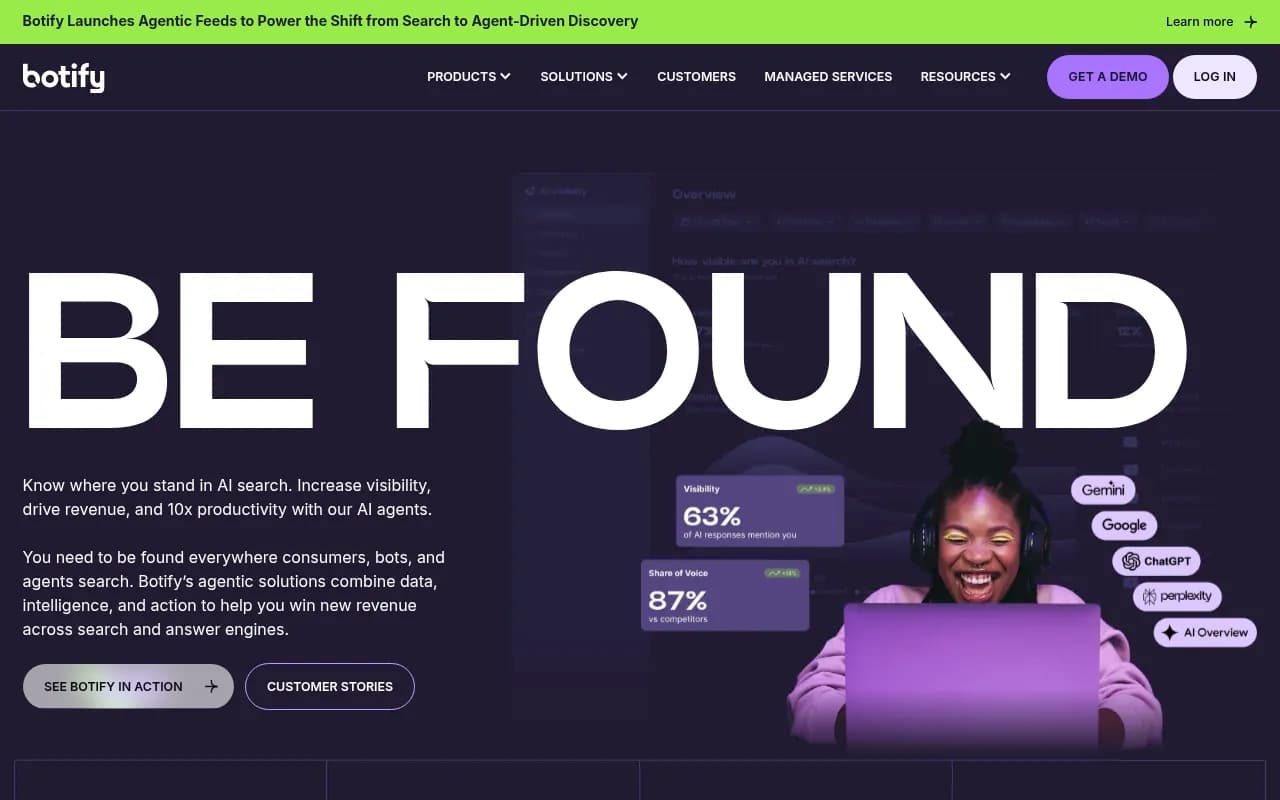
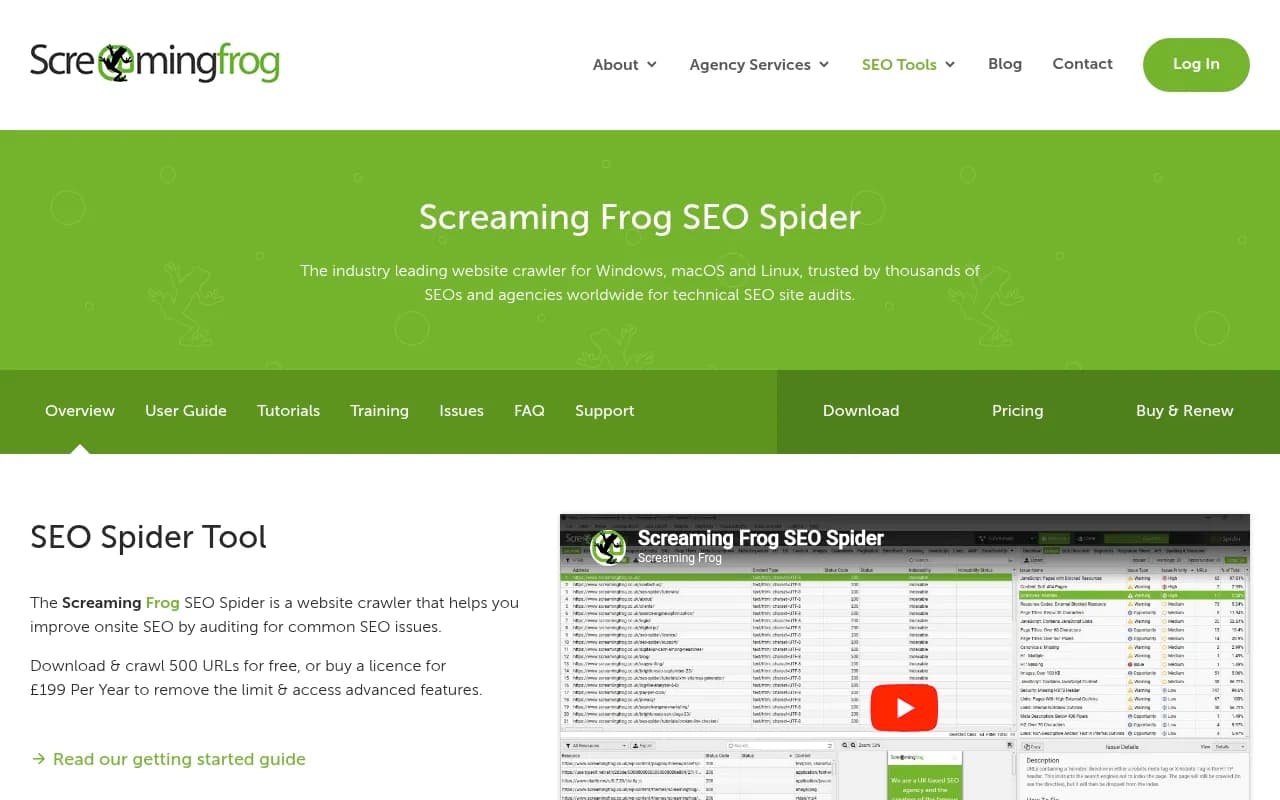
Tools like Botify or Screaming Frog can help you audit crawlability at scale.
Entity clarity
Google's AI needs to understand what your brand is and what it sells. This means:
- Consistent brand name usage across your site, Google Business Profile, and third-party mentions
- Clear product category taxonomy that matches how people search
- Internal linking that connects your buying guides to the relevant category and product pages
Building a monitoring workflow
Checking once isn't enough. AI Overview citations change as Google updates its models, as competitors publish new content, and as you make changes to your own pages. Here's a practical monitoring cadence:
Weekly: Check your top 10-20 priority queries manually. Note any new AI Overviews that appear and whether you're cited.
Monthly: Pull your Search Console data and look for CTR anomalies on queries where you rank well. Flag any pages where impressions are growing but clicks aren't.
Quarterly: Run a full competitive analysis using a dedicated AI visibility tool. Identify which queries competitors are winning in AI Overviews that you're not, and prioritize content creation accordingly.
The quarterly competitive analysis is where most of the strategic value lives. Knowing that a competitor's buying guide is being cited for "best mattress for back pain" when you sell mattresses is actionable. Knowing that your own category page isn't cited is only useful if you know what to do about it.
From tracking to action: closing the citation gap
Tracking AI visibility is only half the job. The other half is doing something about the gaps you find.
The most common gaps for e-commerce sites:
- Missing buying guide content for high-intent category queries
- Product pages with thin descriptions and no FAQ content
- Category pages with no editorial layer
- Structured data that's incomplete or outdated
- No content addressing comparison queries ("X vs Y" style searches)
For each gap, the fix is usually one of: create new content, update existing content, or add structured data. The priority order should be based on query volume and how close the query is to a purchase decision.
Promptwatch's Content Agents can generate content briefs and articles grounded in real prompt data and citation analysis, which is useful when you have a long list of gaps and need to move quickly. But even without a dedicated tool, the process is the same: identify the gap, understand what the cited competitor is doing, and create something more useful.
A note on Google AI Mode
Alongside AI Overviews, Google has been rolling out AI Mode, a more conversational search experience that goes even deeper into AI-generated responses. AI Mode is more likely to be used for complex, multi-step research queries, and it pulls from a wider range of sources.
For e-commerce, AI Mode is particularly relevant for high-consideration purchases where buyers do extensive research before deciding. If you sell products where the purchase decision involves comparing multiple options, reading reviews, and understanding technical specifications, AI Mode is worth monitoring separately.
The same principles apply: structured data, direct answers, E-E-A-T signals, and fresh content. But the query types that trigger AI Mode tend to be more complex, so your content needs to go deeper.
Putting it together
The e-commerce teams that will win in AI search aren't the ones with the most products or the biggest budgets. They're the ones that treat their product and category pages as genuine information resources, not just conversion funnels.
That means adding buying guide content to category pages, building out FAQ sections on product pages, keeping structured data current, and monitoring citation rates the same way you monitor organic rankings. It's more work than traditional SEO, but the alternative is watching AI Overviews route your potential customers to competitors who did the work first.
Start with a manual audit of your top 20 queries. See what's appearing in AI Overviews, who's being cited, and what format their content is in. That 30-minute exercise will tell you more about your AI visibility gaps than any tool can, and it'll give you a clear list of pages to prioritize.