Key takeaways
- GetMint.ai and Meteoria.ai are both AI search visibility tools, but neither covers the full optimization loop most teams actually need
- Monitoring your brand in AI search is only step one -- the harder problem is knowing what to do about gaps you find
- Several alternatives in 2026 go further: content gap analysis, AI-native content generation, crawler logs, and traffic attribution in one place
- If you're evaluating tools in this space, the right question isn't "which tracker is better?" -- it's "which platform helps me act on what I find?"
There's a specific kind of frustration that comes from paying for a tool, getting a dashboard full of data, and then sitting there wondering what to do next.
That's the situation a lot of marketing teams find themselves in after trying GetMint.ai or Meteoria.ai. Both tools exist in the growing category of AI search visibility monitoring -- tracking how your brand appears in ChatGPT, Perplexity, Claude, and similar AI engines. It's a real problem worth solving. But solving the monitoring part and solving the visibility problem are two very different things.
So let's be honest about what each tool does, where they fall short, and what your actual options are.
What GetMint.ai does (and where it stops)
GetMint is a monitoring-focused platform. You set up prompts, it tracks whether your brand appears in AI-generated responses, and you get visibility scores over time.
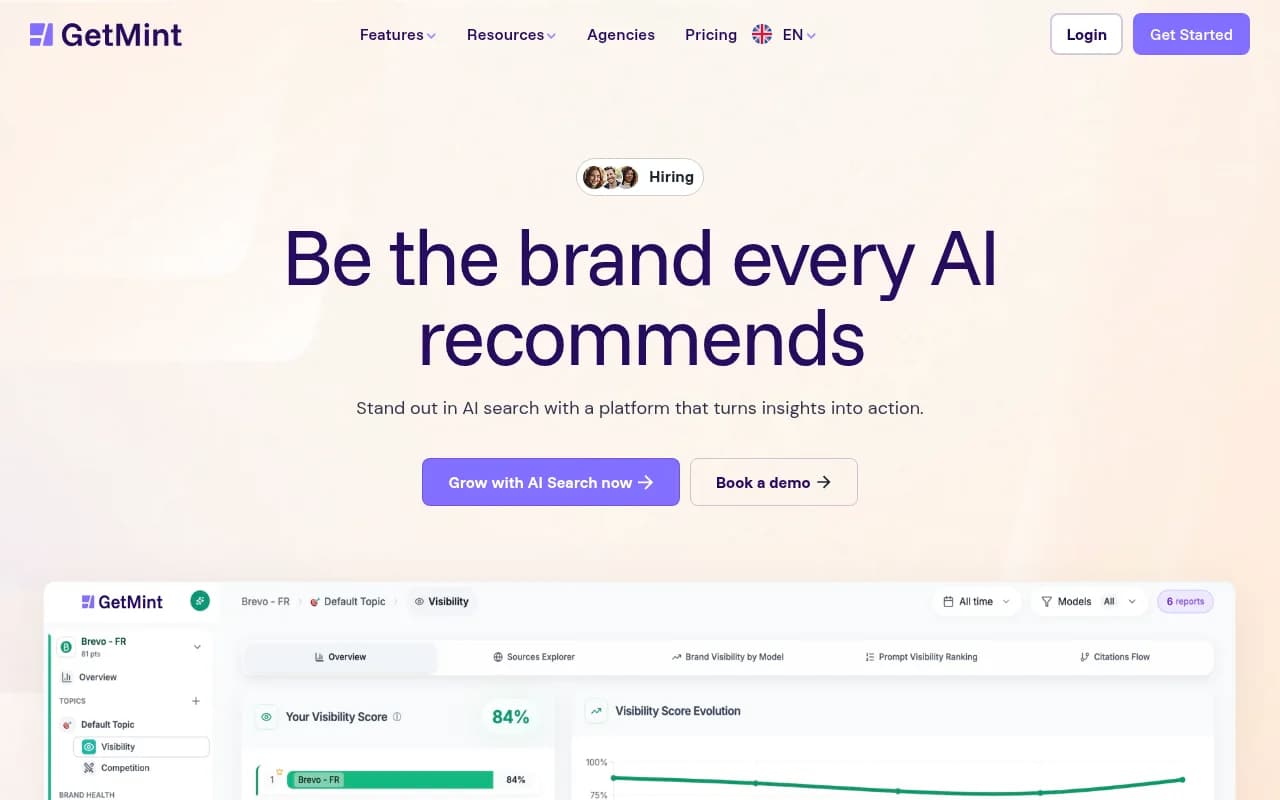
That's genuinely useful for a baseline. Knowing you're invisible for a category of queries is better than not knowing. But the problem most teams hit quickly: GetMint shows you the gap without helping you close it. There's no content generation, no answer gap analysis that tells you why competitors are getting cited and you're not, and no crawler log data to understand how AI engines are actually reading your site.
For a solo founder or a small team just starting to think about AI search, it might be enough. For anyone who needs to move from "we have a visibility problem" to "we fixed it," it tends to fall short.
What Meteoria.ai does (and where it stops)
Meteoria.ai isn't in our tools catalog, which itself says something about its footprint in the market. Based on what's publicly available, it sits in a similar monitoring-only lane -- tracking brand mentions across AI models, giving you sentiment and share-of-voice data.
The core limitation is the same: it's a reporting tool. It can tell you that a competitor is appearing more often than you in responses about your category. It can't tell you what content to create, which prompts to prioritize, or whether AI crawlers are even successfully reading your pages.
When you're paying for a tool in a category that's supposed to help you win in AI search, stopping at the report feels like buying a GPS that shows you where you are but won't give you directions.
The real problem with monitoring-only tools in 2026
The AI search landscape has matured fast. In 2024, just knowing whether you appeared in ChatGPT responses was novel. In 2026, that's table stakes.
What teams actually need now is a full loop:
- Find out which prompts competitors are winning that you're not
- Understand what content your site is missing that AI models want to cite
- Create that content in a way that's actually engineered to get cited
- Track whether it worked, and connect visibility to real traffic and revenue
GetMint and Meteoria cover maybe the first half of step one. That's not nothing, but it's not enough if you're trying to justify the spend to a CMO or an agency client.
What to use instead
Here's where it gets more useful. Several platforms in 2026 go significantly further than monitoring dashboards.
For teams that need the full optimization loop
Promptwatch is the clearest example of a platform built around action rather than just reporting. It tracks your brand across 10 AI models (ChatGPT, Perplexity, Claude, Gemini, Grok, DeepSeek, Copilot, Meta AI, Mistral, and Google AI Overviews), but the more interesting parts are what happen after you see the data.
The Answer Gap Analysis shows you exactly which prompts competitors are visible for that you're not -- and more specifically, what content your site is missing that would make AI models want to cite you. There's a built-in AI writing agent that generates articles grounded in citation data from over 880 million analyzed citations, not generic SEO filler. And crawler logs show you in real time which AI crawlers are hitting your pages, which ones are encountering errors, and how often they return.

That's a meaningfully different product than a monitoring dashboard. It's the difference between a fitness tracker that shows your heart rate and a trainer who tells you what to do about it.
Pricing runs from $99/month (Essential, 1 site, 50 prompts) to $579/month (Business, 5 sites, 350 prompts, 30 articles/month). There's a free trial.
For enterprise teams with bigger budgets
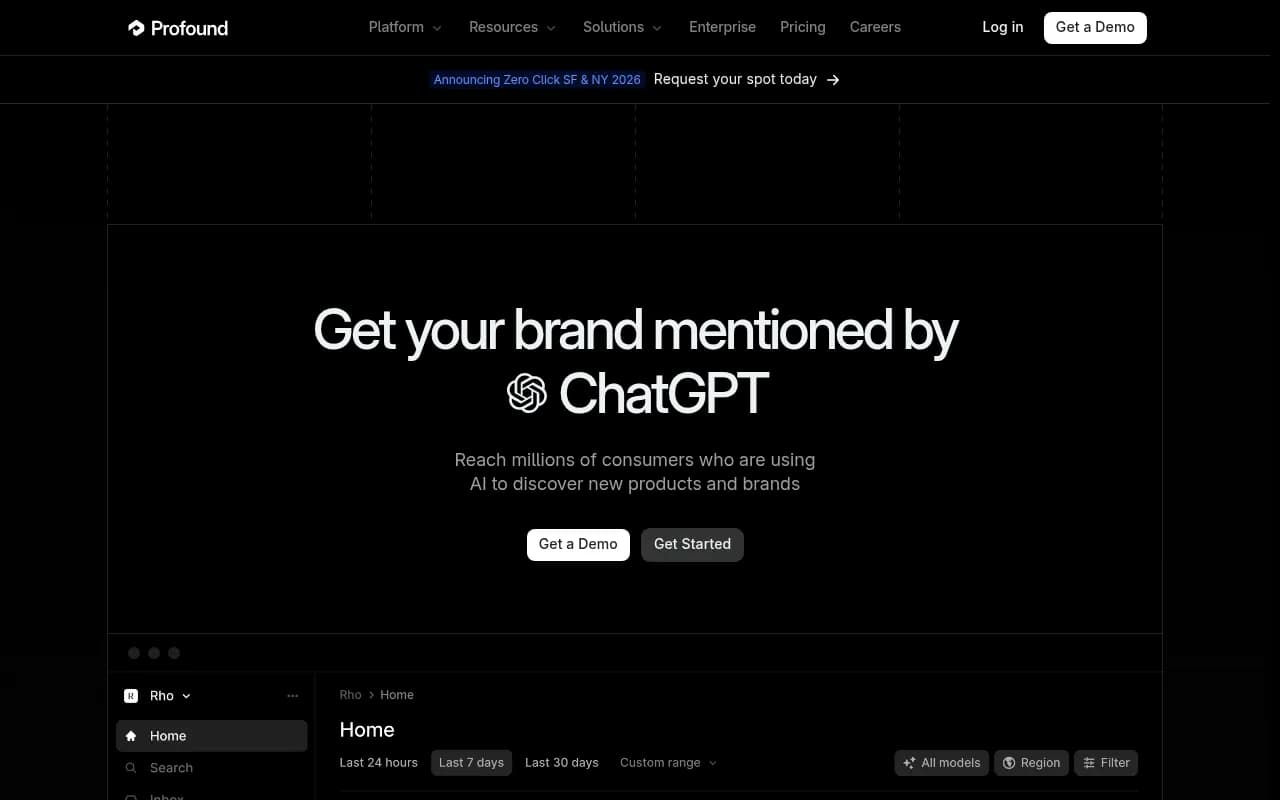
Profound is a solid enterprise-tier option with strong feature depth. It's more expensive than GetMint and covers more ground on the monitoring side, though it doesn't have the same content generation capabilities as Promptwatch.
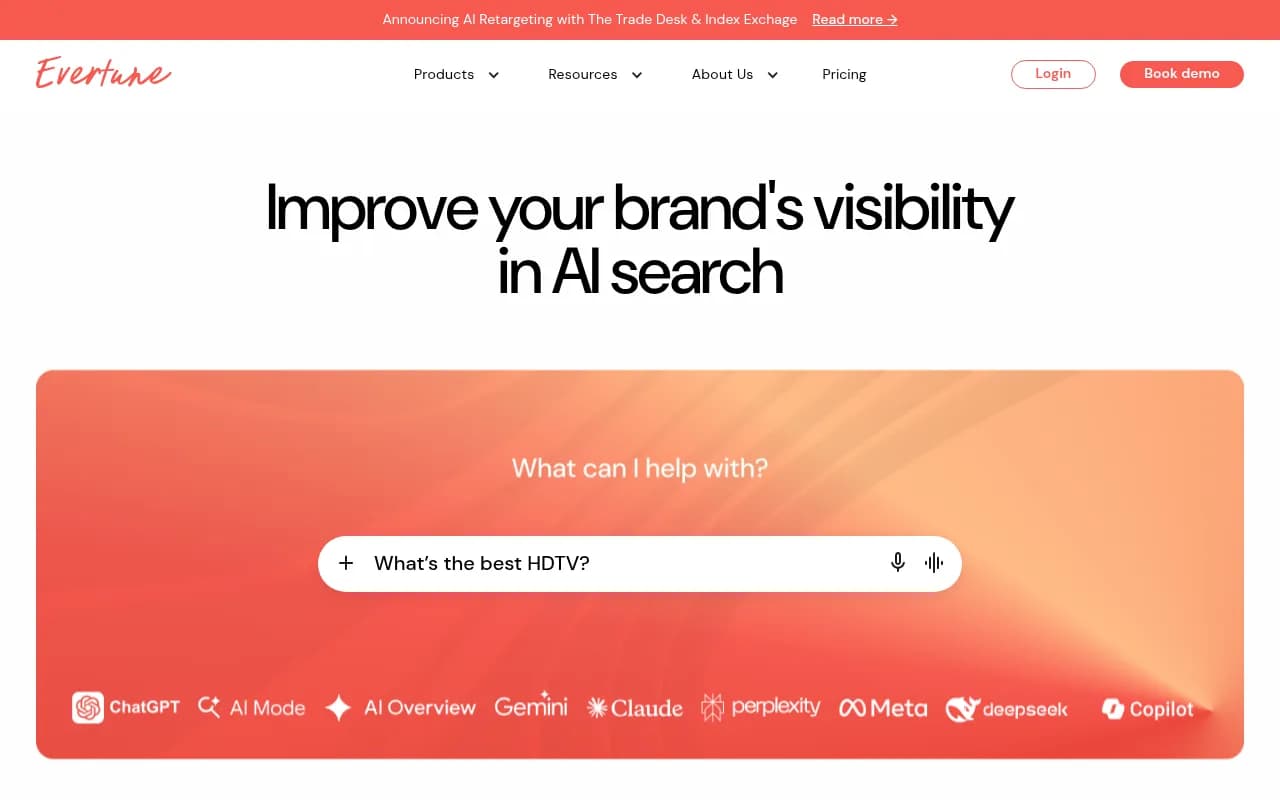
Evertune positions itself toward Fortune 500 brands and has good enterprise support. Worth evaluating if you're in a large org with complex multi-brand needs.
For agencies managing multiple clients
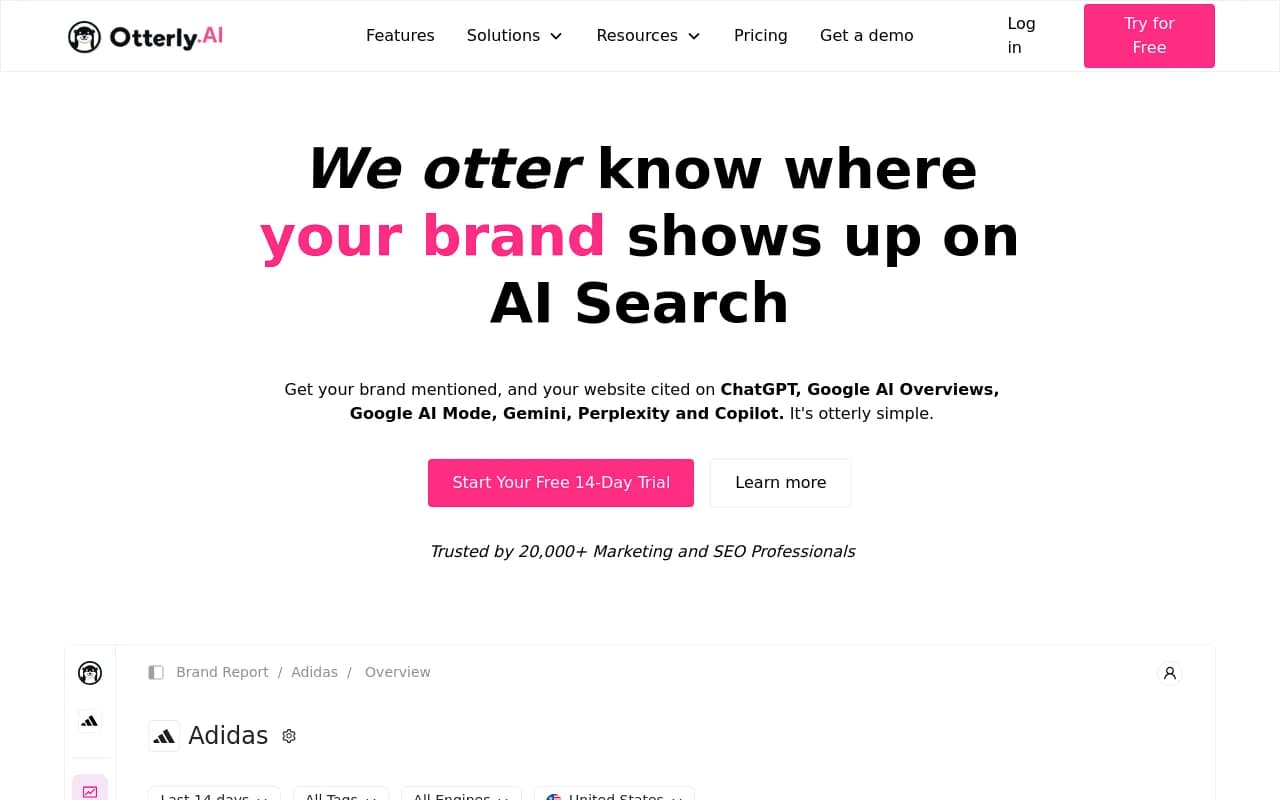
Otterly.AI is affordable and reasonably capable for basic monitoring across multiple client accounts. It's monitoring-only (no content generation, no crawler logs), but the price point makes it workable for agencies that just need to show clients visibility data.
Scrunch AI covers monitoring across ChatGPT and Claude with decent reporting. Similar limitations to Otterly in terms of optimization depth.
For teams that want something more action-oriented but lighter than Promptwatch
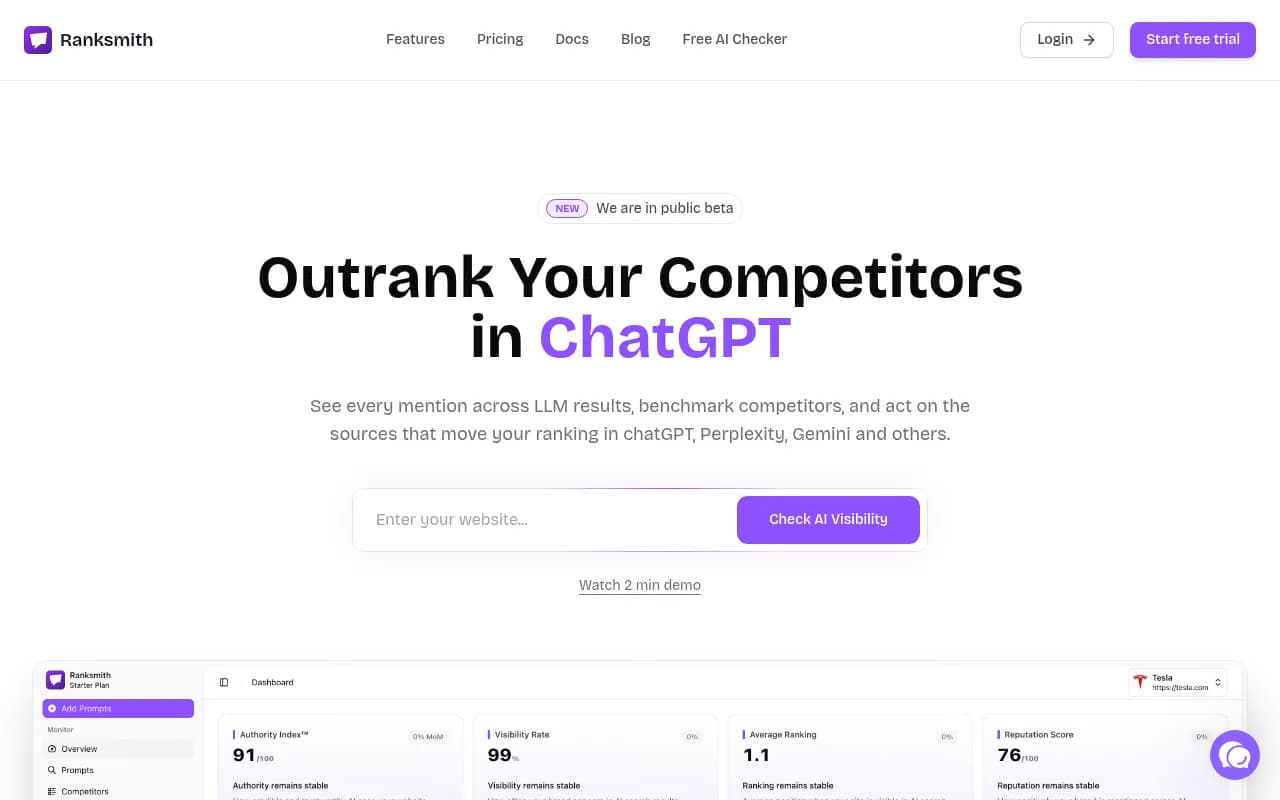
Ranksmith focuses on actionable AI search visibility insights -- it's positioned more toward helping you understand what to do, not just what's happening.
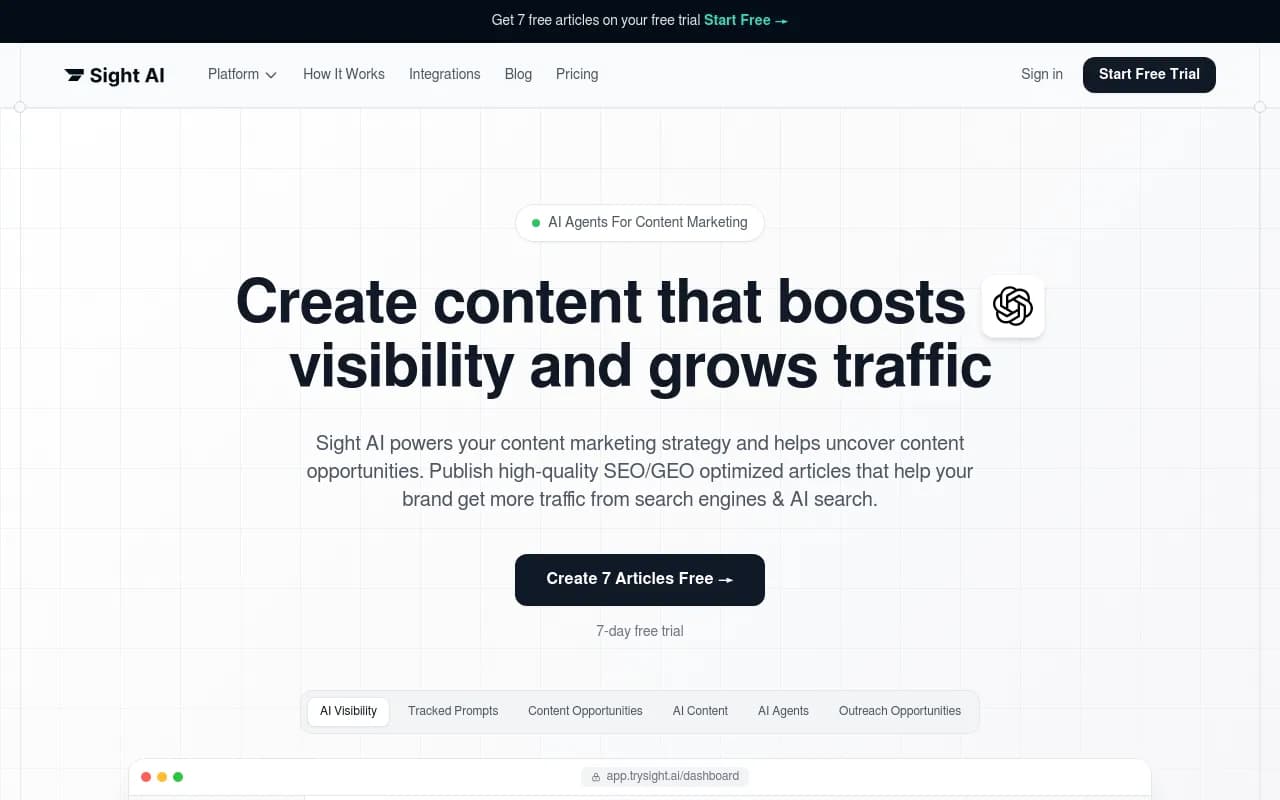
Sight AI is an all-in-one GEO platform that's worth a look if you want monitoring plus some optimization guidance in a single interface.
How these tools compare
| Tool | Monitoring | Content gap analysis | AI content generation | Crawler logs | Traffic attribution | Starting price |
|---|---|---|---|---|---|---|
| GetMint.ai | Yes | Limited | No | No | No | ~$49/mo |
| Meteoria.ai | Yes | No | No | No | No | Unknown |
| Promptwatch | Yes (10 models) | Yes | Yes | Yes | Yes | $99/mo |
| Profound AI | Yes | Partial | No | No | No | Custom |
| Otterly.AI | Yes | No | No | No | No | ~$29/mo |
| Scrunch AI | Yes | No | No | No | No | ~$49/mo |
| Ranksmith | Yes | Yes | No | No | No | ~$79/mo |
| Evertune | Yes | Partial | No | No | No | Custom |
The pattern is pretty clear. Most tools in this space are monitoring dashboards. A few add some level of gap analysis. Very few help you actually create content or understand crawler behavior.
How to decide what you actually need
Before picking a tool, it's worth being honest about what stage you're at.
If you're just starting to understand AI search visibility and want to see where you stand, a cheaper monitoring tool might be fine for the first month or two. GetMint or Otterly.AI can give you a baseline without a big commitment.
If you've already done that baseline work and you know you have visibility gaps, you need something that helps you act. Paying for a better monitoring dashboard at that point is like buying a more detailed map when what you need is a car.
If you're an agency that needs to show clients AI visibility data as part of a reporting package, Otterly.AI or Scrunch AI might be enough -- clients often just want to see the numbers.
If you're a brand that actually wants to improve AI search rankings and connect that improvement to revenue, the monitoring-only tools will frustrate you. The full loop (find gaps, create content, track results) requires a platform built around optimization, not just observation.
One thing worth watching
The AI search visibility space is moving fast, and tools that were adequate six months ago are being outpaced by platforms that have added content generation, crawler intelligence, and traffic attribution. GetMint and Meteoria may add these capabilities -- or they may stay in the monitoring lane and compete on price.
Either way, the question to ask any vendor right now is: "After I see my visibility gaps, what does your platform help me do about them?" If the answer is vague, you're looking at a dashboard, not an optimization platform.
The teams winning in AI search in 2026 aren't the ones with the best monitoring setup. They're the ones who found the gaps and filled them with content that AI models actually want to cite.