Key takeaways
- Most AI visibility tools track organic mentions and citations. Very few track the ads and sponsored placements that now appear inside AI answers, so check this before you buy.
- Promptwatch's data shows ads appeared in an average of 20.1% of ChatGPT web-search responses between May 20 and Aug 17, 2026, so this is no longer an edge case.
- Tools worth a look for ad-level monitoring: Promptwatch (Ads Radar), KIME (KIME Ads), Cognizo (ChatGPT Ads reporting) and Profound (OpenAI Ads nodes for agents).
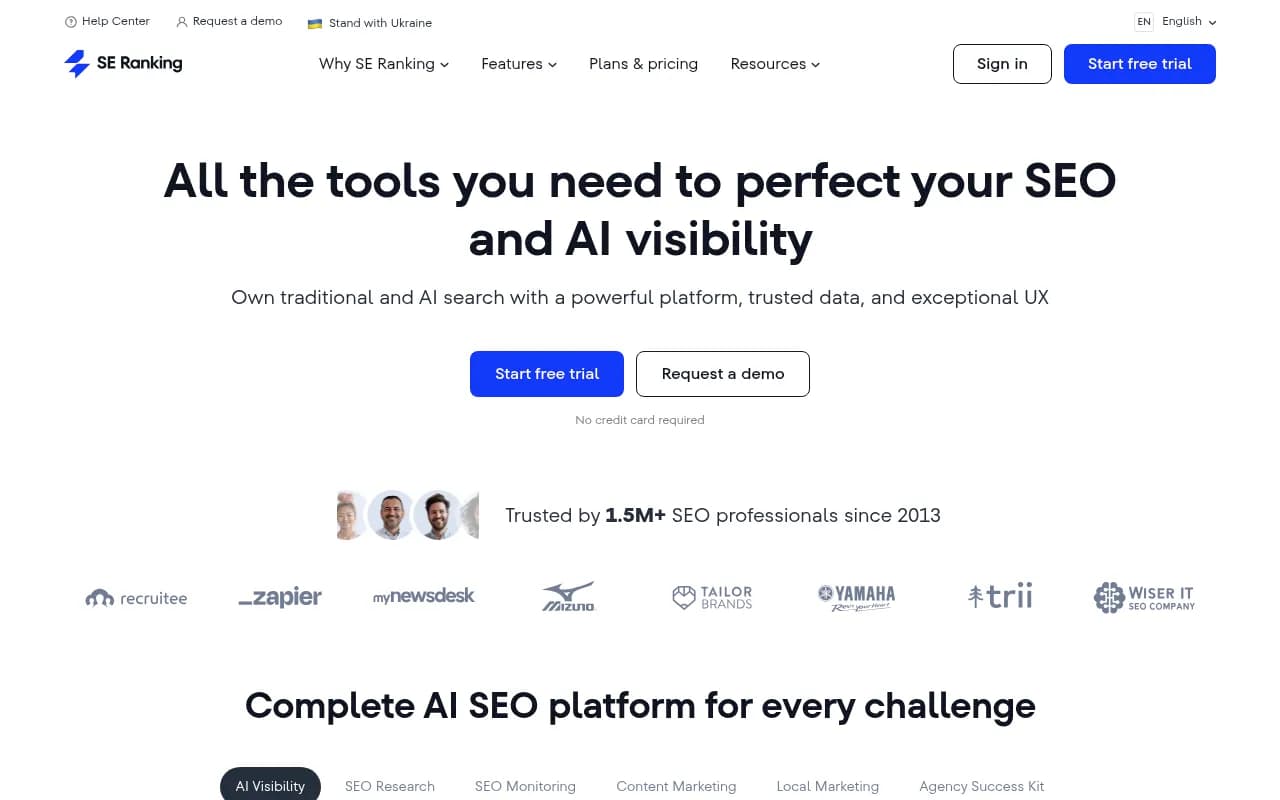
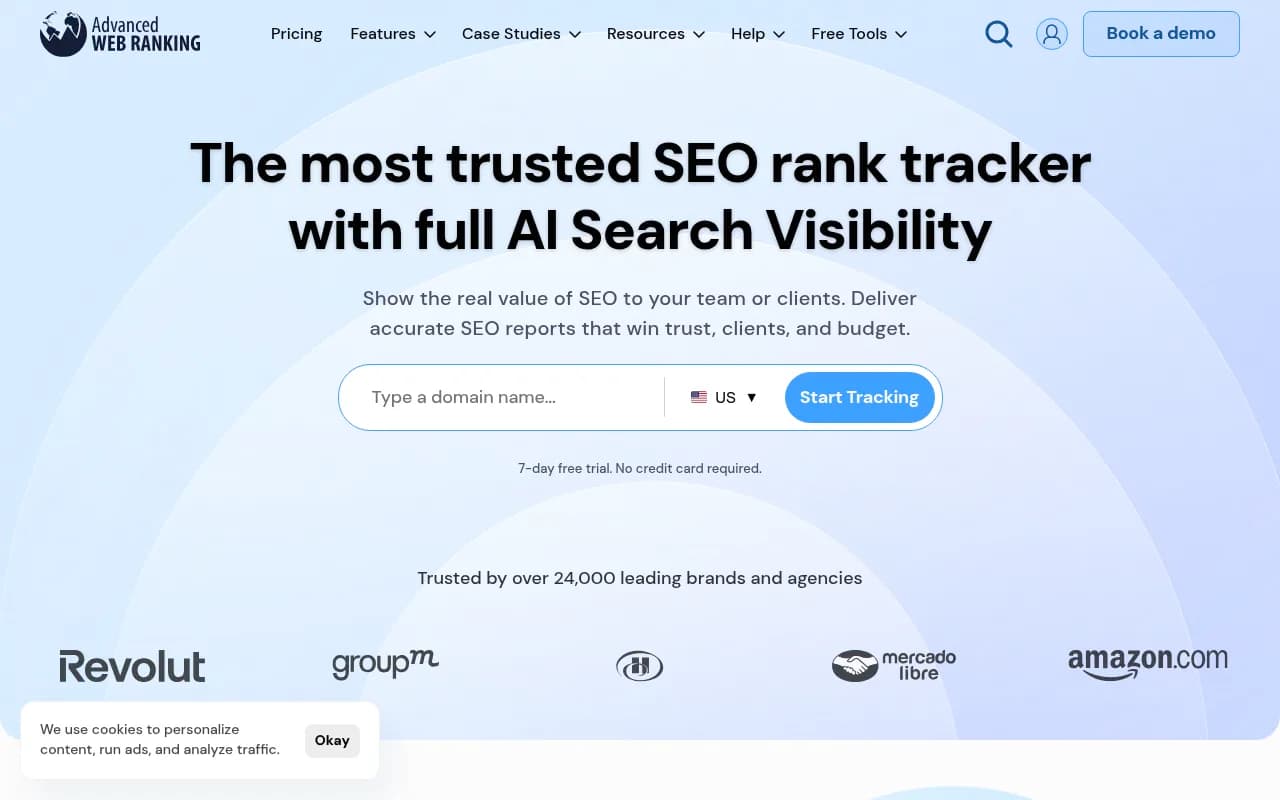
- Rank trackers like SE Ranking and Advanced Web Ranking show whether an AI Overview appears and who is cited, but they are not ad intelligence tools.
- Whatever you pick, monitor across several days and segment by prompt type. One run on one day tells you very little.
Why ad tracking in AI answers is its own problem
For years, monitoring a search results page meant watching two things: organic rankings and paid ads. AI answers collapsed that split. The answer, the citations and now the sponsored slots all sit in one generated response, and most monitoring tools were built to look at only the answer and the citations.
The numbers explain why this matters now. Promptwatch Data's ChatGPT Ads Over Time report covers May 20 to August 17, 2026. ChatGPT served no ads until May 27, when they showed up in 1.69% of responses. After a jump past 30% on July 1, the daily rate mostly sat between the low 20s and high 30s, with a peak of 43.9%. Over the full 90 days, ads appeared in an average of 20.1% of responses that ran a web search. The 30-day average was 29.6%.
A caveat on measurement: those figures only count responses where ChatGPT searched the web, returned at least one citation and completed ad extraction. Read them as the rate for citation-enabled search responses, not for every chat.
The same report splits ad-bearing responses by prompt type over the latest 7 days: organic prompts 73.3%, brand-specific 18.0%, competitor comparison 8.6%. That is a volume mix, not a trigger probability. If you add more organic prompts to your monitor, their share rises without anything changing on OpenAI's side. I would not quote that split as "organic prompts are most likely to show ads." It does not say that.
Two different things people call AI ads
It helps to separate them, because tools differ here:
- Sponsored placements inside a generated answer, such as ChatGPT ads, where an advertiser bids on prompts and the ad appears alongside the response.
- Google AI Overview and AI Mode surfaces, where the thing most tools actually track is whether an overview triggers and who gets cited, not the paid units around it.
The research behind this guide could not confirm whether ads inside Google AI Overviews are separately trackable in each tool listed below. Ask vendors directly and ask for a demo on your own keywords before you pay.
What to look for in an ad tracking tool
Before comparing products, decide which questions you need answered:
- Which advertisers appear on my prompts, and how often?
- What do their ads say, and where do they send visitors?
- Do ads differ between brand-specific, competitor-comparison and organic prompts?
- Does the tool capture the real user interface, or an API response that may not show ads at all?
- Can I see ad data next to my organic visibility, so I can tell whether an ad is taking attention from my citation?
Point 4 matters more than it sounds. User-facing answers can differ from API outputs, and ads are the clearest example. Tools that rely on APIs alone may miss them entirely. Cognizo, for instance, says it captures the rendered answer a real user sees rather than leaning only on API sampling.
Tools that track AI ads and sponsored answers
Promptwatch
Promptwatch is the one I would start with if you want ad tracking and the organic side in the same place. Its Ads Radar shows sponsored placements in AI search: which advertisers bid on your tracked prompts, their ad copy and claims, and the landing pages they send people to. That maps directly onto the questions above.
The broader platform matters because an ad is only half the story. You also want to know whether AI crawlers can read your pages, which of your pages get cited, and what traffic that drives. Promptwatch combines IP-verified crawler logs, citation tracking, visitor analytics and a Content Agent that writes and publishes fixes. Most competitors stop at monitoring. It tracks real interfaces of ChatGPT, Google AI Overviews, Google AI Mode, Gemini, Perplexity, Copilot and others, by country and language.
Ads Radar is included on the Business plan ($579/mo) and on agency plans, so check promptwatch.com/pricing for current terms. Essential ($95/mo) does not include it.

KIME
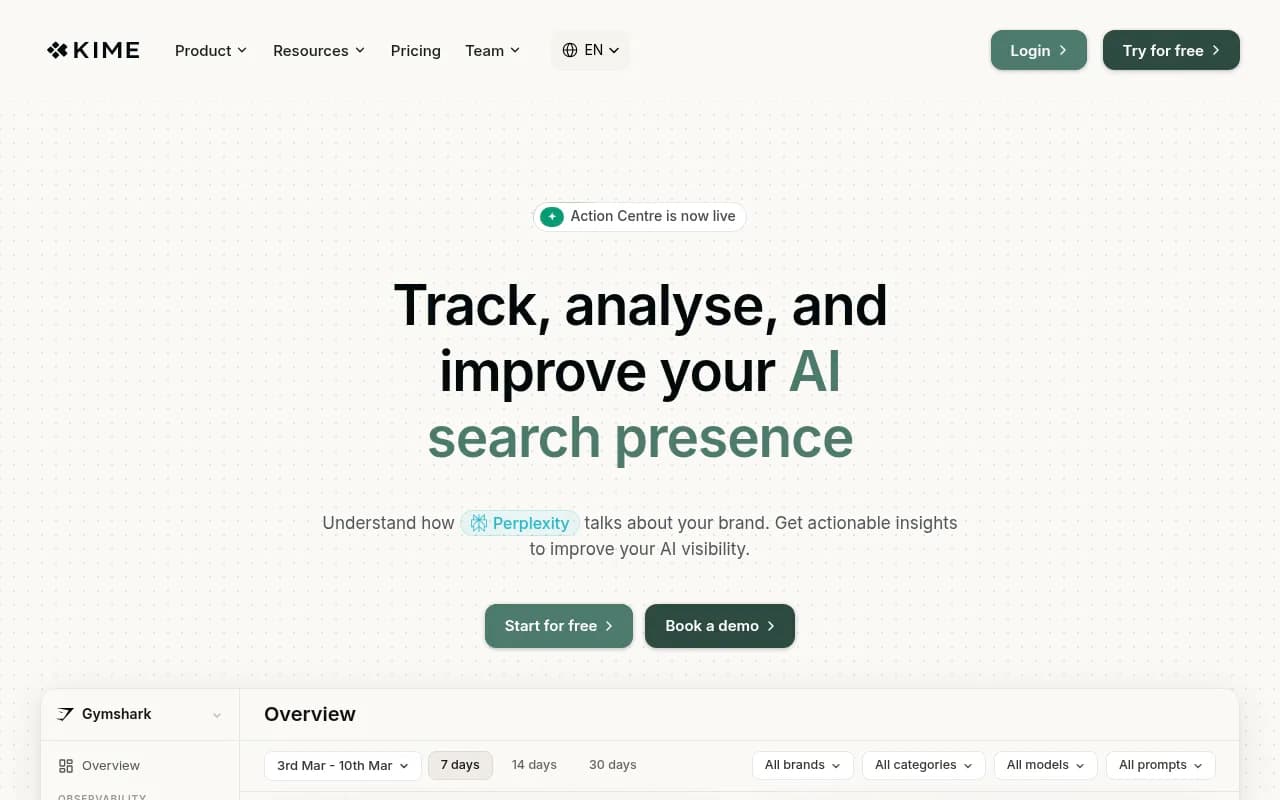
KIME Ads is the feature that earns KIME a spot here. According to KIME's own materials, it shows which competitors advertise inside ChatGPT, Perplexity, Google AI Overviews, Gemini and Copilot, the prompts their ads target, the exact chats each ad appeared in, every creative, and ranks advertisers by appearance count and ad share of voice. Pricing starts at EUR 99/month.
This is vendor-published information, and KIME ranks itself first on its own list. The breadth of engines is appealing, but test it on your prompts.
Cognizo
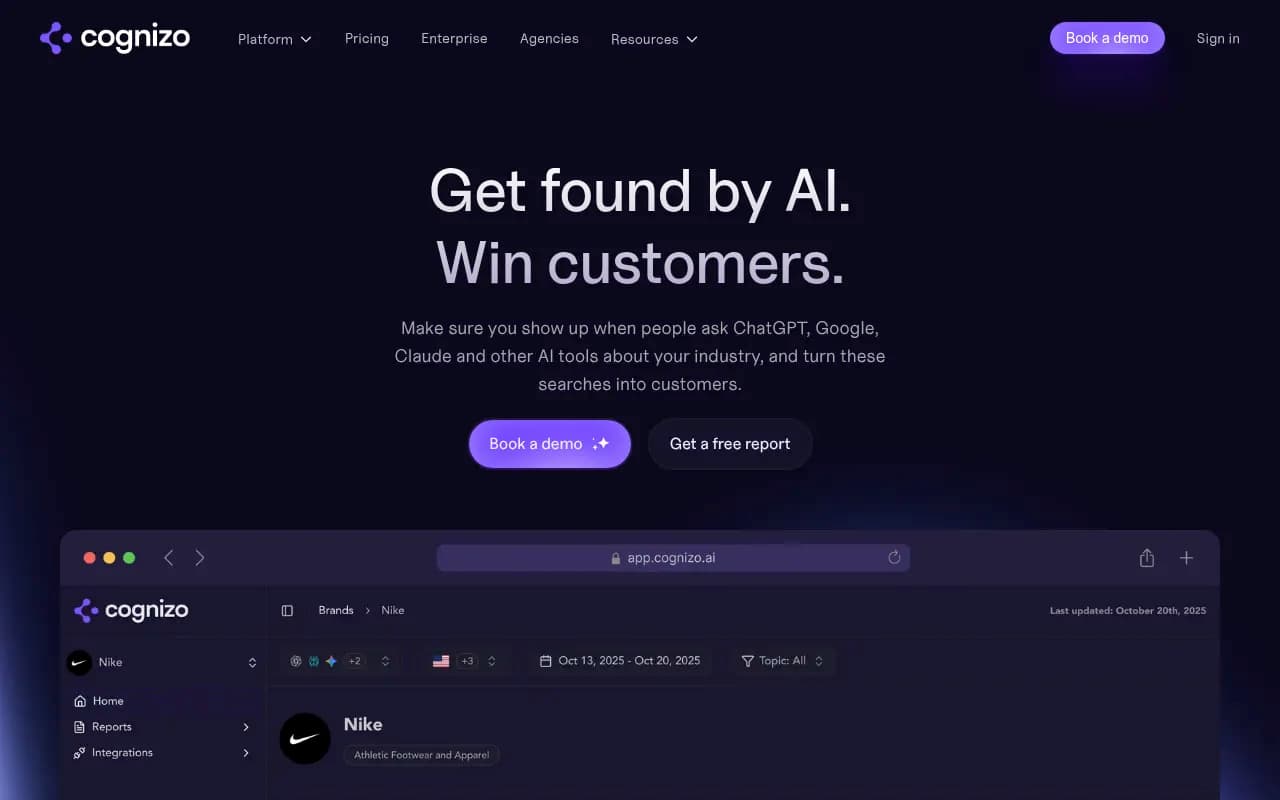
Cognizo puts ChatGPT Ads reporting beside organic visibility, tracking engines including ChatGPT, Google AI Overviews, AI Mode, Gemini, Perplexity, Copilot, Meta AI, Claude, Grok and DeepSeek. It uses UI scraping, which suits ad capture. It also links visibility to attribution and content production. The case study it cites (Hat Club, roughly 1 in 50 visitors from AI referral traffic) is the vendor's own claim.
Profound
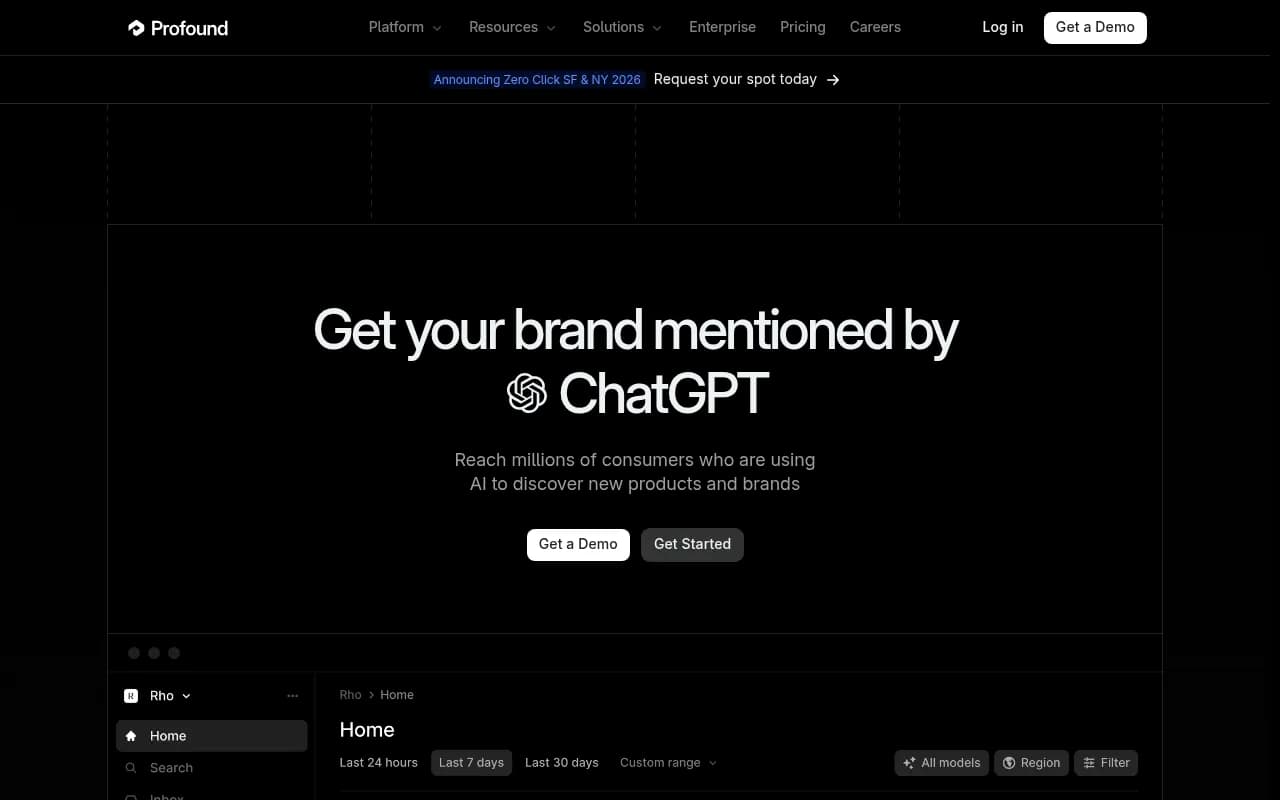
Profound launched OpenAI Ads nodes for its Agents on the same day OpenAI shipped its self-serve ChatGPT Ads Manager, which opened the platform to any U.S. advertiser, dropped the earlier $50K minimum spend and added CPC bidding alongside CPM. If you are an advertiser and want ChatGPT Ads data pulled into agentic workflows, that is a specific, useful hook. It is an enterprise product with enterprise pricing.
Adment
Adment, covered in one of the ChatGPT ads monitoring reviews, is a narrower ad-focused option. You select branded and non-branded keywords, the platform runs a 24-hour learning period, then reports live competitor ads, landing pages, screenshots and prompt activity across markets. It publicly names Adobe, Monday.com, Booking.com, Canva, Spotify, HubSpot and IKEA among brands already running ChatGPT ads. It is not in our tools catalog, so I cannot embed a card, but it is worth a look if all you need is ad surveillance.
Tools for the AI Overview side (organic, not ads)
If your real question is "does an AI Overview appear for my keyword and am I cited?", a different group of tools fits. These generally do not show ad units. They show triggers and citations.
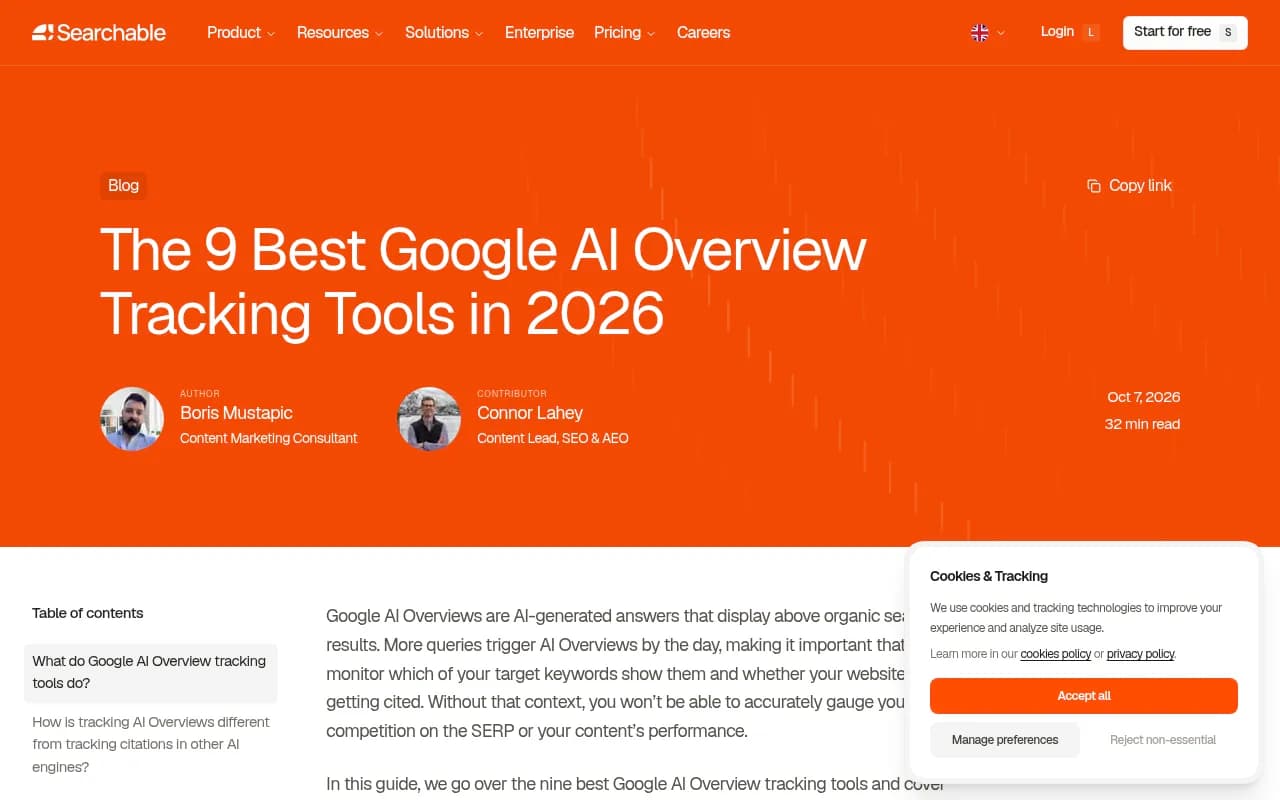
The Searchable guide above makes a point worth remembering: most AI Overview trackers only record whether a citation is present, not its position. It also reports that of 80,525 prompt-and-domain pairs cited by AI Overviews in its data, only 25.2% were also cited by ChatGPT. Treat that as Searchable's own dataset, but the direction is plausible: AI Overviews and ChatGPT cite different sources, so a ChatGPT-only tool tells you little about Google.
SE Ranking and Advanced Web Ranking
Both show organic rank beside AI Overview citations for the same keyword. Advanced Web Ranking suits agencies because of unlimited projects, users and history, according to Searchable's comparison.
ZipTie and AIclicks
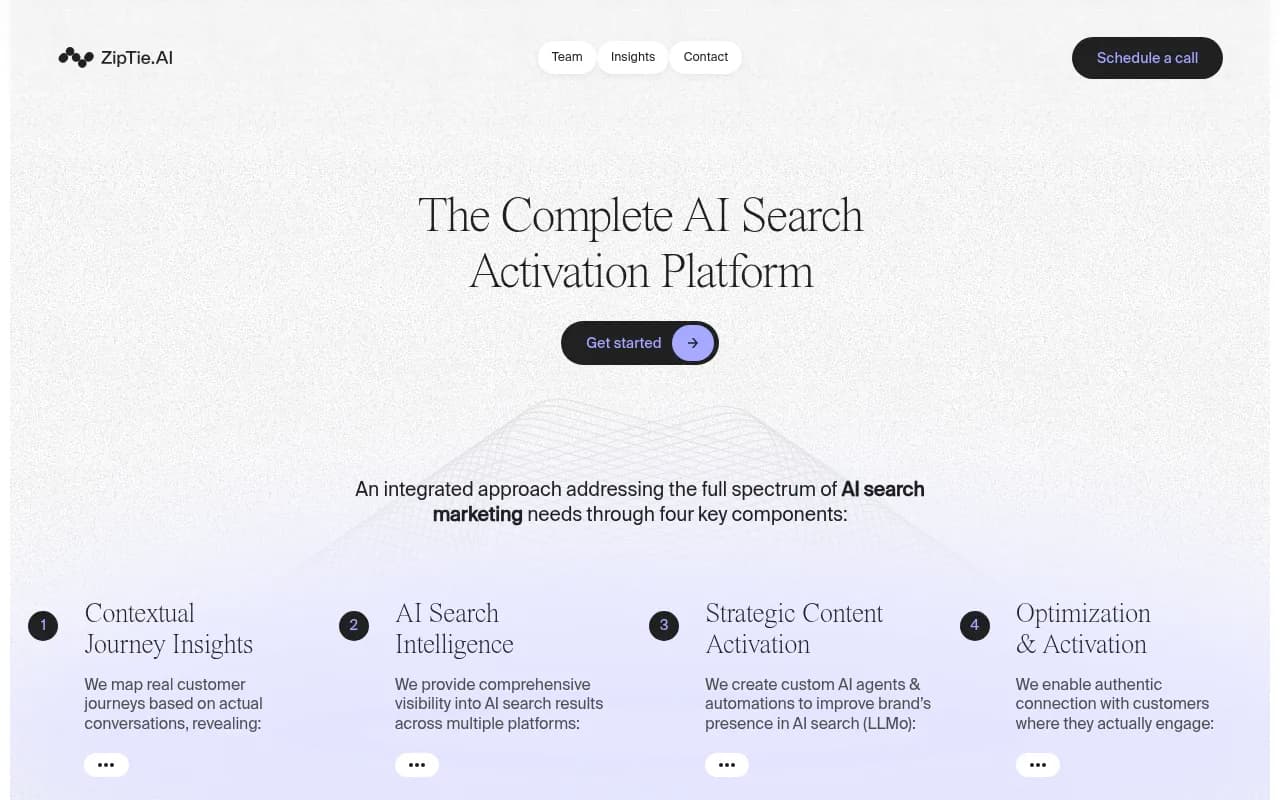
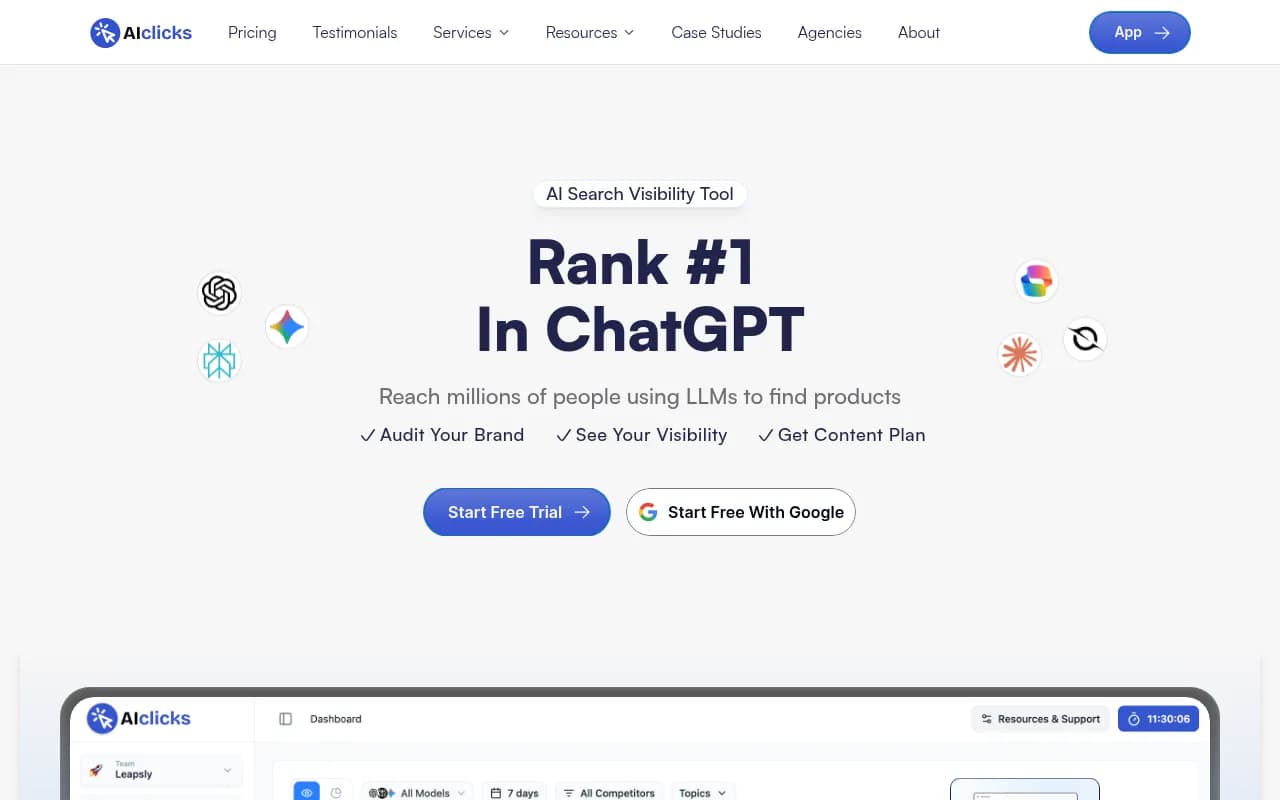
ZipTie records the full text of each AI Overview your keywords trigger, whether you are cited or mentioned, and sentiment. It connects to Google Search Console. Its stated gap: it does not show citation position inside an overview. Pricing per Demand Local starts at $42.75/month. AIclicks checks Google daily across AI Overviews and engines like ChatGPT, Gemini and Claude, from $59/month. Note that Demand Local's page says it was last updated 8 July 2026 yet cites September 2026 pricing, so confirm both numbers on the vendors' sites.
Otterly.AI
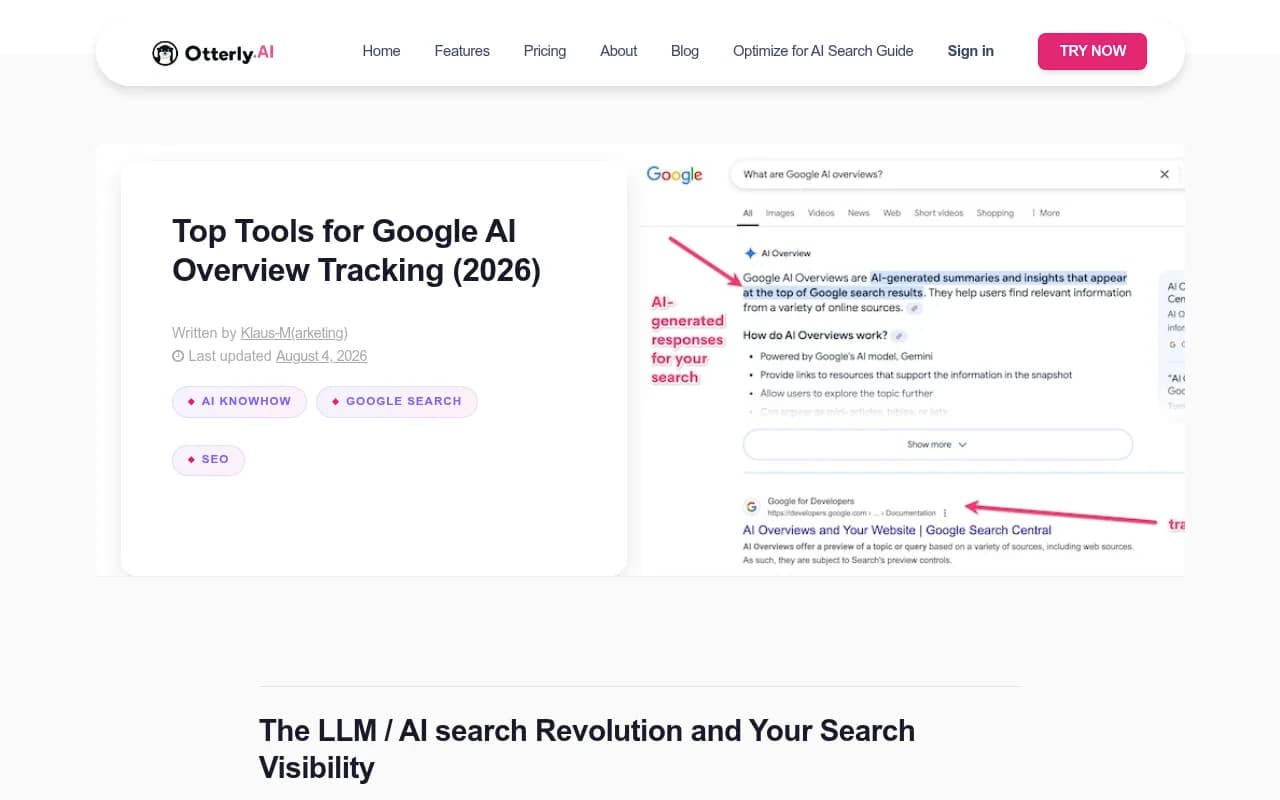
Otterly.AI is a lower-cost monitor for Google AI Overviews, ChatGPT and Perplexity, and shows up in most small-business shortlists.

Comparison table
| Tool | Tracks ads or sponsored placements | Organic AI citations | Engines covered | Best for |
|---|---|---|---|---|
| Promptwatch | Yes (Ads Radar, Business and agency plans) | Yes, plus crawler logs and traffic | ChatGPT, AI Overviews, AI Mode, Gemini, Perplexity, Copilot and more | Ad data tied to visibility and fixes |
| KIME | Yes (KIME Ads) | Yes | Up to nine engines | Competitor ad share of voice |
| Cognizo | ChatGPT Ads reporting | Yes | Ten engines listed | Ads plus attribution |
| Profound | OpenAI Ads nodes for agents | Yes | Up to nine engines | Enterprise ad workflows |
| ZipTie | Not confirmed | Yes, no citation position | AI Overviews, ChatGPT, Perplexity | Budget AI Overview tracking |
| SE Ranking | Not confirmed | Yes, next to organic rank | AI Overviews | Rank and overview side by side |
| Otterly.AI | Not confirmed | Yes | AI Overviews, ChatGPT, Perplexity | Small teams |
"Not confirmed" means the research did not verify ad tracking, not that it is absent. Ask each vendor.
A workable monitoring routine
Tools matter less than habits. Promptwatch's report offers three sensible rules, and I would add a fourth:
- Check ad visibility across several days before concluding anything. A single run can land on an outlier day, and the daily rate moved a lot in the period measured.
- Track which advertisers and landing pages show up on your prompts. The rate tells you how often a slot appears, and the ad details tell you who wins it.
- Compare advertisers by prompt segment. Brand-specific and competitor-comparison prompts can show different ads from organic prompts.
- Log it next to your own citations. If a competitor's ad appears on your brand-specific prompts, that is a different problem from not being cited at all.
Prompt choice also matters. Brand-specific prompts show who is bidding on your name. Competitor-comparison prompts show who targets buyers mid-decision. Keep the segments separate in your reporting so a larger organic prompt set does not distort the picture.
Shopping placements
If you sell products, also watch shopping cards. Promptwatch's ChatGPT shopping data (dated Nov 23, 2025, so possibly stale) found shopping features appear in a low single-digit share of web-search responses overall, and concentrate on commercial and transactional prompts. Its advice is to keep Product schema complete, prices and availability accurate and your merchant feed clean. Promptwatch also tracks ChatGPT shopping carousels and Amazon Alexa product results.
Which tool should you choose?
- You want ad intelligence and the ability to act on organic gaps: start with Promptwatch.
- You mainly want competitor ad share of voice across many engines: compare KIME and Promptwatch on your own prompts.
- You run ChatGPT Ads yourself and want reporting in agent workflows: look at Profound.
- You just need to know which keywords trigger AI Overviews and whether you are cited: SE Ranking, ZipTie or Otterly.AI are cheaper and sufficient.
For wider shortlists, the GEO software directory at bestgeosoftware.com and the AI rank tracking directory list many more options.
Caveats worth knowing
Most pricing and rankings in public roundups come from vendor-run listicles, and each ranks itself near the top. One widely repeated stat, that only about 12% of URLs cited by AI assistants also rank in Google's top 10, is attributed to Ahrefs through KIME, and I could not verify it against the original study. Use it directionally at most.
Also confirm any claim that a tool tracks ads in Google AI Overviews specifically. That is the part of the market where documentation is thinnest. Ask for a live demo on your own keywords, in your own country, before signing anything.
Finally, start with the AI platform where your buyers actually search. The ad rate in ChatGPT is measured and substantial. Elsewhere, the data is thinner, so keep your monitoring broad but your conclusions modest.