Key takeaways
- Buyers now ask ChatGPT, Gemini, and Perplexity to shortlist agencies, so your own AI visibility is a lead source, not a side project.
- Almost half of ChatGPT responses cite 10 or more domains, so you win by being named across many third-party pages, not just on your own site.
- Track branded, organic, and competitor-comparison prompts separately. They behave differently and need different fixes.
- A tracker alone does not generate leads. Pair monitoring with content production, crawler visibility, and AI-referred traffic attribution.
- Agencies can get started cheaply with free audits, then move to a platform with agency pricing once client work and self-promotion overlap.
Why agencies need GEO for their own pipeline
There is a funny pattern in this industry. Agencies spend all day selling AI search visibility to clients, then run their own site on a 2022 playbook. I have seen this more than once: a shop with a beautiful GEO service page that ChatGPT has never heard of.
The buyer behavior has changed, though. When a marketing director asks an AI assistant "best B2B SEO agency for SaaS," the answer names a handful of companies. If you are not one of them, you never find out you lost the deal. There is no impression report for that.
As the First Page Sage study from October 2026 notes, GEO is young enough that few agencies can show independently verified results, and many published rankings lean on directory reviews or self-written case studies. That is also a hint about how AI engines may see the category: a crowded, self-promotional field where third-party evidence stands out.
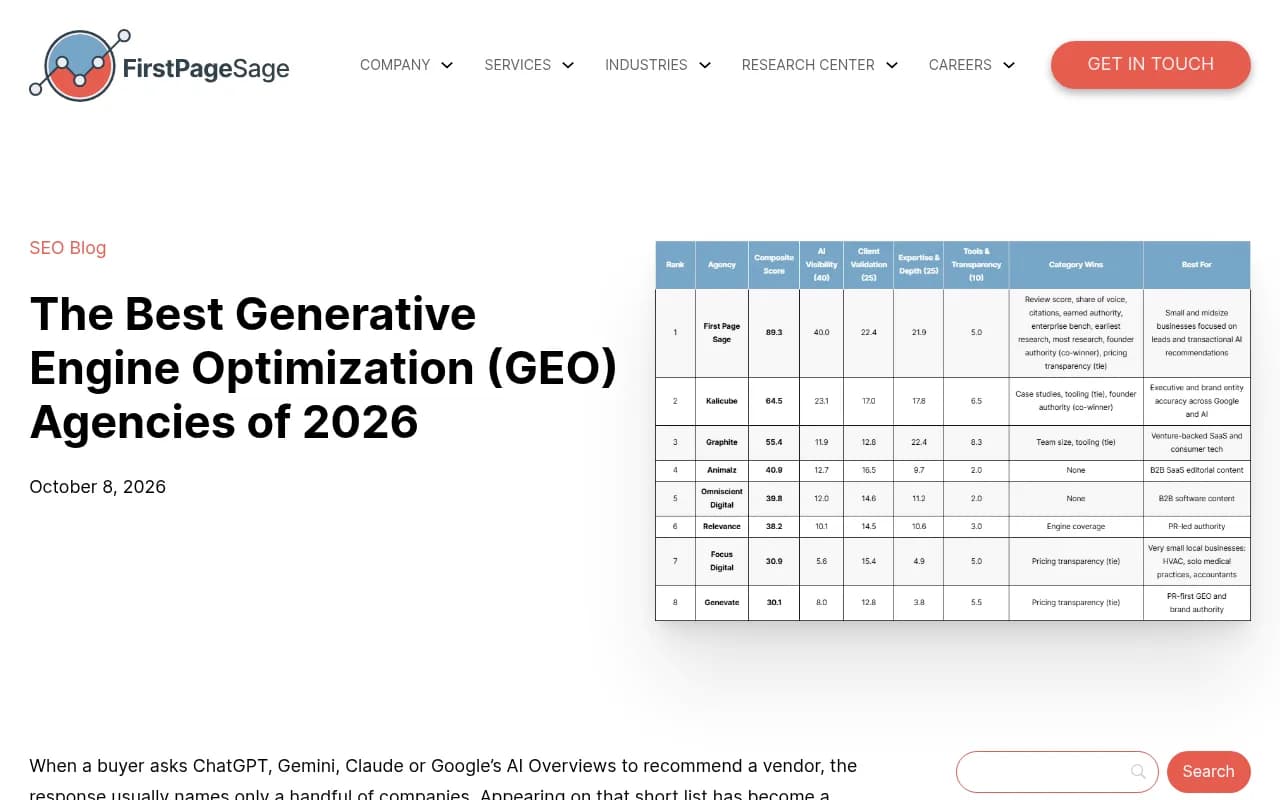
Treat those agency roundups with care. Many are written by agencies that rank themselves. They are useful as a map of how competitors position, less so as neutral truth. What matters for you is what the AI engines themselves say about your agency, and which pages they pull that from.
What the citation data says about agency lead generation
Before picking tools, it helps to know what you are optimizing for. Three reports from Promptwatch Data, all covering Sep 28 to Oct 4, 2026, shape the approach below.
ChatGPT shares every answer with many sites
According to Promptwatch's data on unique domains per ChatGPT response, 47.6% of responses cite 10 or more domains, and 66.1% cite at least 8. Only 6% cite three or fewer. For competitor-comparison prompts, 49.1% cite 10 or more.
For an agency, that means a single "best agency" answer pulls from listicles, review sites, forums, and company pages at once. Your own site is one source among ten. Brand-specific prompts are different: 21.3% cite 10 or more domains, and five domains is the most common count.
Product and landing pages are the main citation surface
Promptwatch's content type report shows product pages at 22.4% of ChatGPT citations, landing pages at 16.8%, and listicles at 13.6%. For commercial prompts, product pages hit 26.0% and landing pages 20.6%.
Translate that to an agency: your service pages are your product pages. A vague "What we do" page with three buzzwords will lose to a page that states pricing ranges, industries served, team size, and process. Branded prompts also pull reviews at 5.6%, more than three times their overall share, so reviews on trusted sites matter when someone asks "is [your agency] any good?"
Social is not a shortcut anymore
Promptwatch's October 2026 social citations report found social platforms are just 0.46% of ChatGPT citations, while Google AI Overviews gets 12.2% from social. LinkedIn is ChatGPT's top social source at 0.3%. Reddit fell from roughly 4% to 0.5% of ChatGPT citations on August 14, 2026, covered in the Reddit citation drop report.
So posting on Reddit to get your agency into ChatGPT is mostly a dead end now. YouTube, Facebook, and Instagram matter more for AI Overviews, and LinkedIn plus Reddit matter for Perplexity.
The four jobs your GEO stack has to do
Most agencies buy one tracker and call it done. For lead generation you need four jobs covered:
- Monitor which prompts mention your agency and your competitors.
- Trace which sources AI cites, including third-party listicles and review sites.
- Produce and publish the content that fills the gaps.
- Measure AI-referred visits and turn them into pipeline.
Here is how the tool categories line up.
| Job | What to look for | Example tools |
|---|---|---|
| Monitoring | Real-interface tracking, many prompts, competitor view | Promptwatch, Profound, Peec AI, Otterly.AI |
| Source tracing | Citation and third-party domain reports | Promptwatch, MentionBird, Ahrefs Brand Radar |
| Content production | Gap analysis, publishing to your CMS | Promptwatch, AirOps, Gushwork |
| Traffic and lead attribution | AI-referral analytics, CRM link | Promptwatch, HockeyStack, HubSpot |
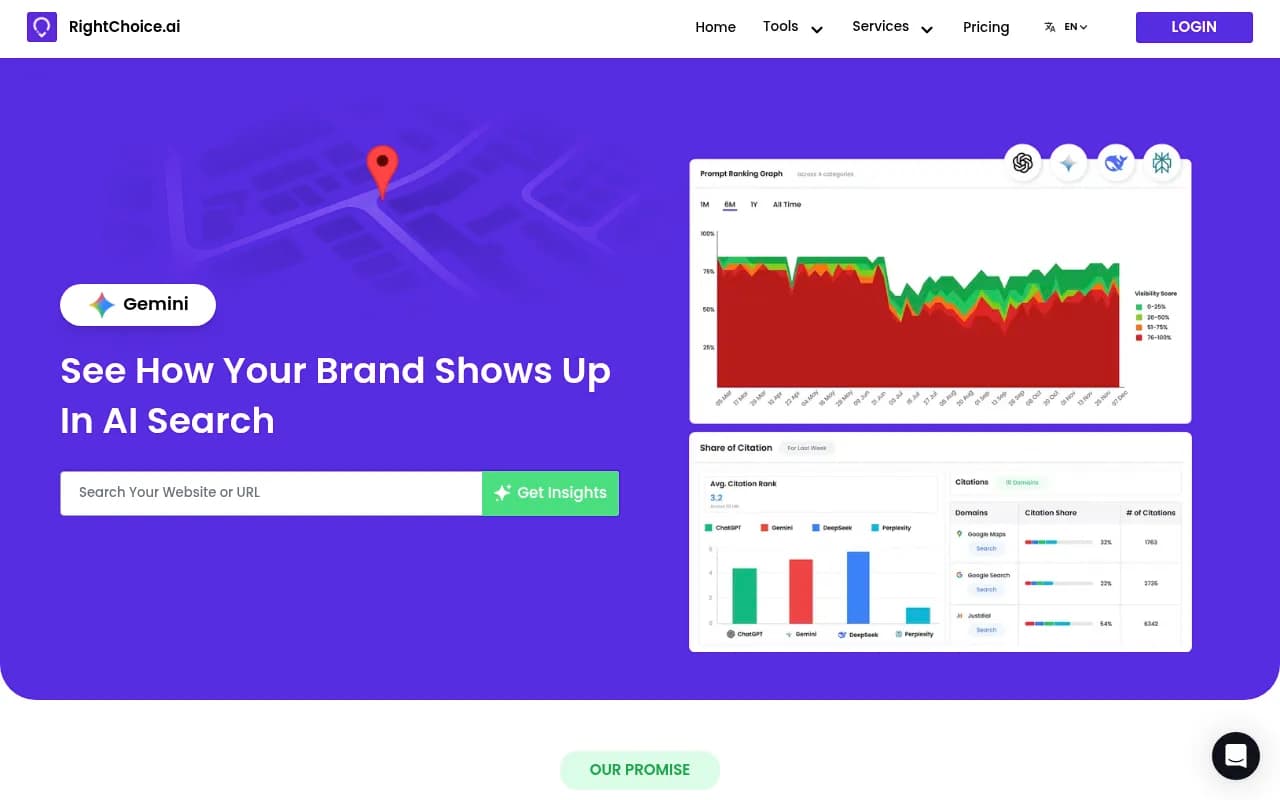
| Quick free checks | One-off audits | AnswerGist, HubSpot AI Search Grader, RightChoice.Ai |
Best GEO tools for agency lead generation
Promptwatch: monitoring plus the fix
Promptwatch is the one I would put first for agencies that want to close the loop between visibility and leads. It tracks ChatGPT, Google AI Overviews, Google AI Mode, Gemini, Perplexity, Copilot, Meta AI, Claude and others through their real interfaces, in the countries and languages you choose. That matters for agencies selling into specific markets.

The parts that map to lead generation are the ones most trackers skip. Content gap analysis shows which prompts AI answers where your agency has no page. The Content Agent writes and publishes to WordPress, Webflow, or Framer, which is where many agency sites live. IP-verified AI crawler logs tell you whether GPTBot or ClaudeBot can even read your service pages. Visitor analytics measure AI-referred traffic and conversions. Brand Narrative pulls out what AI claims about you ("expensive," "great for enterprise," "slow reporting") so you can fix the pages teaching it the wrong thing.
Pricing is published at promptwatch.com/pricing. Business is $579/mo and is the first brand plan with the Content Agent. The agency plans (Kick-off $199/mo, Growth $399/mo, Scale $799/mo) give unlimited projects, which suits you if you also report on clients. One catch: agency plans do not include the Content Agent or AEO articles, so an agency that wants automated content for its own site should look at Business or Enterprise. A 7-day free trial and a free AI visibility report are the low-risk starting points. See the agencies page for the setup.
Monks used the Answer Gap Report and Visibility Score to build content roadmaps for enterprise clients, as described in their case study. Compare against rivals in the 2026 GEO platform comparison or the Promptwatch vs Profound page.
Profound and Scrunch: enterprise monitoring
Profound and Scrunch have strong monitoring feature sets and are built for larger brands. They carry higher price points, and neither offers the agentic execution or Reddit and ChatGPT Shopping tracking that Promptwatch does. For a 10-person agency, that spend is hard to justify unless you also resell it.


Peec AI and Otterly.AI: cheap and simple
If all you need is "are we mentioned, and by whom," these two are lighter. Otterly.AI is affordable and easy to learn. Peec AI is monitoring without the optimization. Neither gives you crawler logs, visitor analytics, or content generation, so you will bolt on other tools to act on what you learn.


Semrush and Ahrefs Brand Radar: add-ons to your SEO suite
You probably already pay for one of these. Both add AI tracking to a traditional SEO suite, and they are convenient. The trade-off is shallower AI-specific data and no AI crawler logs. They work as a second opinion, not a replacement for a dedicated platform.

Gushwork and AirOps: content engines
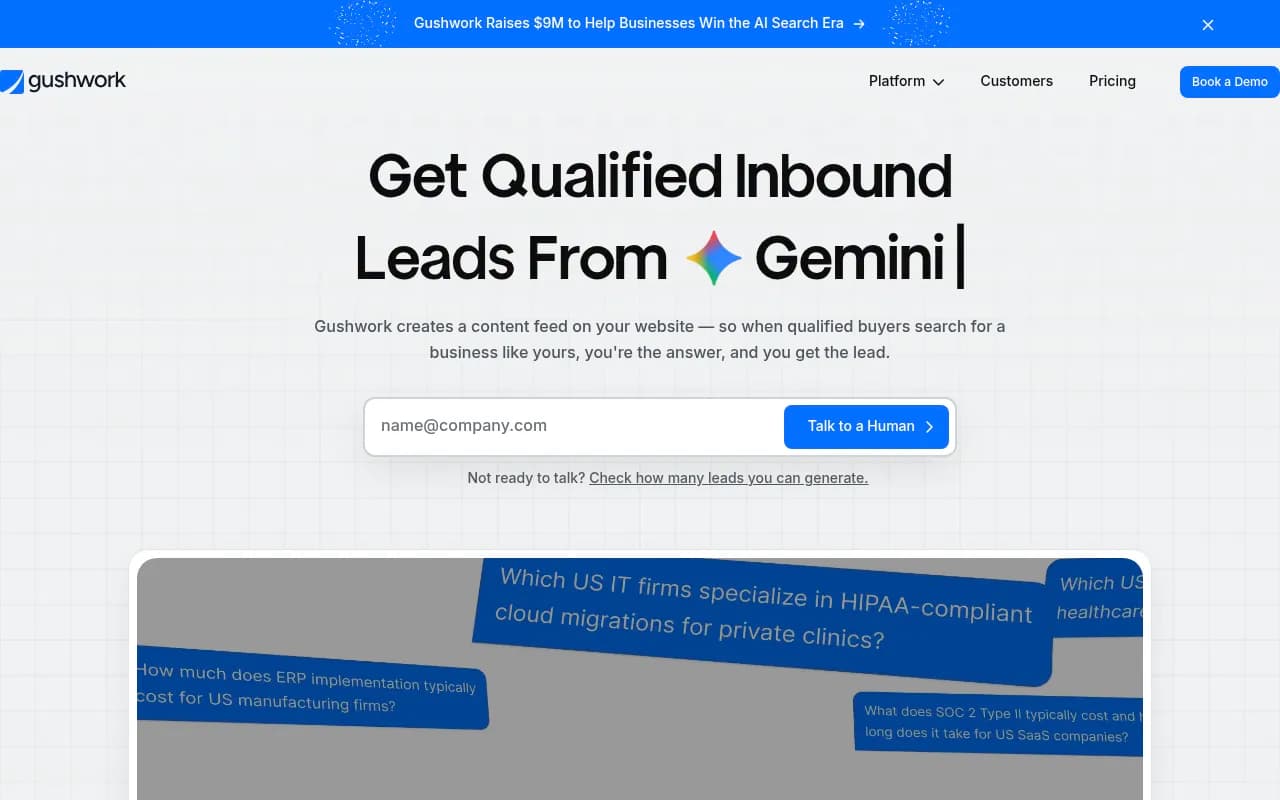
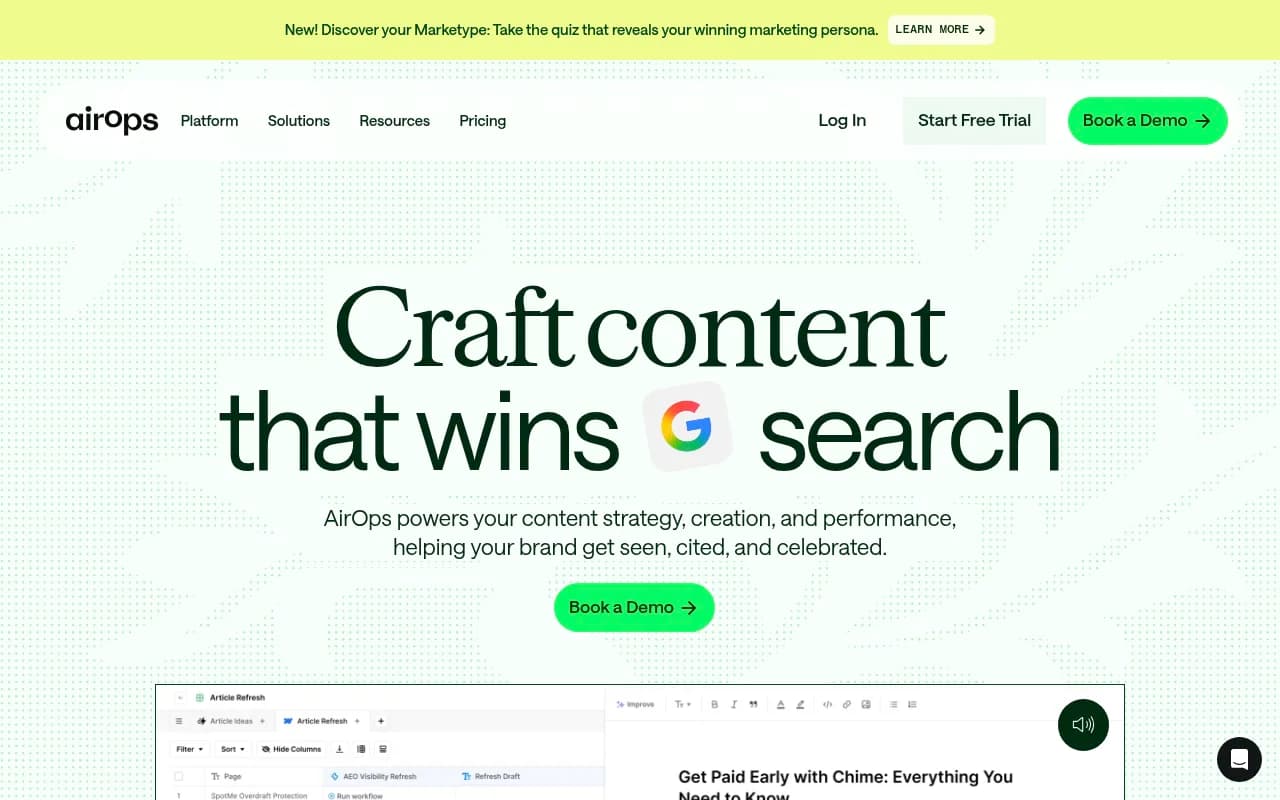
Gushwork builds 100+ pages aimed at qualified B2B leads from Google and AI search. AirOps focuses on AI workflow automation for GEO. Both produce content, but neither grounds it in citation and crawler data the way an integrated platform does, so you still need a monitoring layer.
Gushwork
Free audits to start
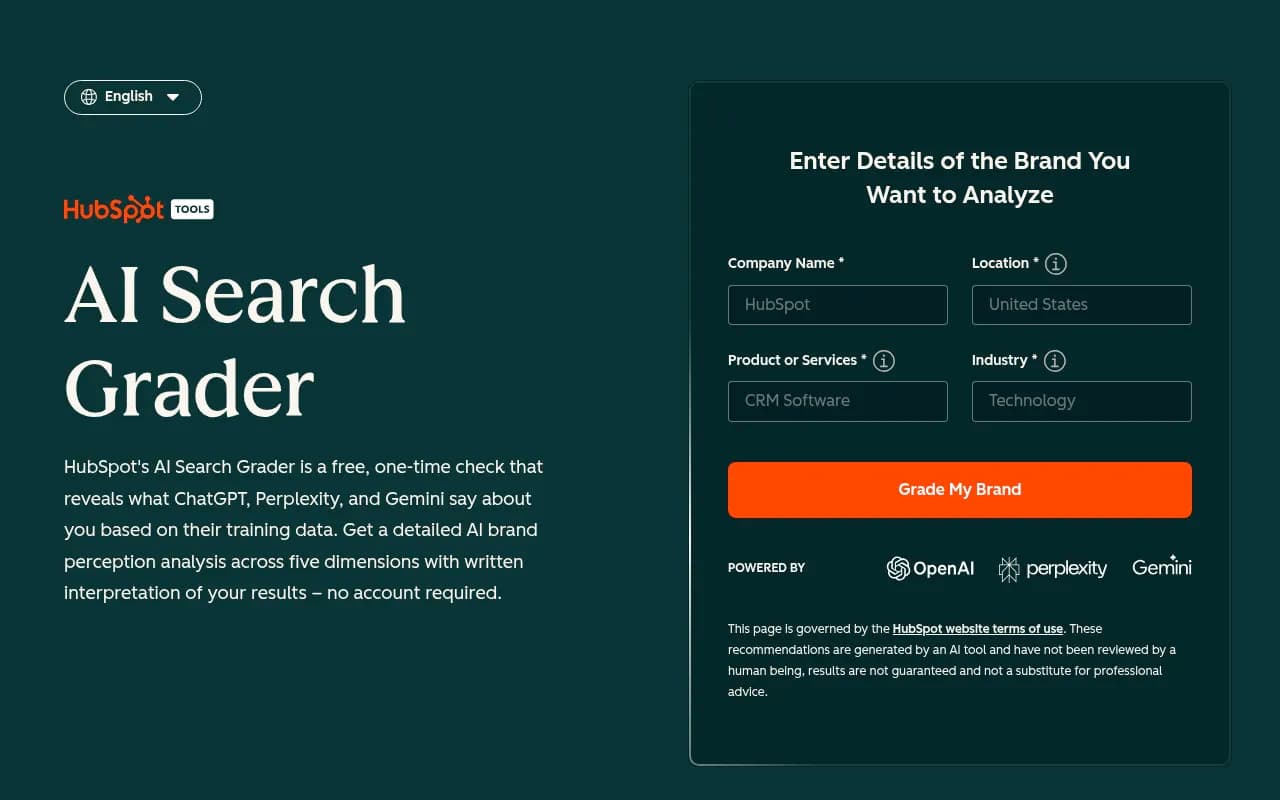
Before paying anyone, run a few free checks. AnswerGist gives a free AI visibility audit with prioritized fixes. HubSpot AI Search Grader is a one-time brand diagnostic. RightChoice.Ai checks brand citation for free. Promptwatch also offers a free Agentic Readiness Check and a robots.txt generator for AI.

Comparison at a glance
| Tool | Strength for agency lead gen | Watch out for |
|---|---|---|
| Promptwatch | Monitor, content gaps, publishing, crawler logs, AI traffic in one loop | Content Agent only on Business and Enterprise |
| Profound | Deep enterprise monitoring | Higher price, no agentic execution |
| Scrunch | Strong monitoring | Higher price, no Reddit tracking |
| Peec AI | Simple, affordable tracking | No optimization or crawler data |
| Otterly.AI | Low-cost monitoring | No content generation |
| Semrush / Ahrefs Brand Radar | Already in your stack | Fixed prompt sets, shallower AI data |
| Gushwork / AirOps | Content volume | No visibility or citation grounding |
For more options, the GEO software directory at bestgeosoftware.com lists dozens of trackers side by side.
From visibility to leads: the supporting stack
Tracking mentions does not fill a calendar. You also need a path from an AI answer to a booked call.
Attribute AI traffic
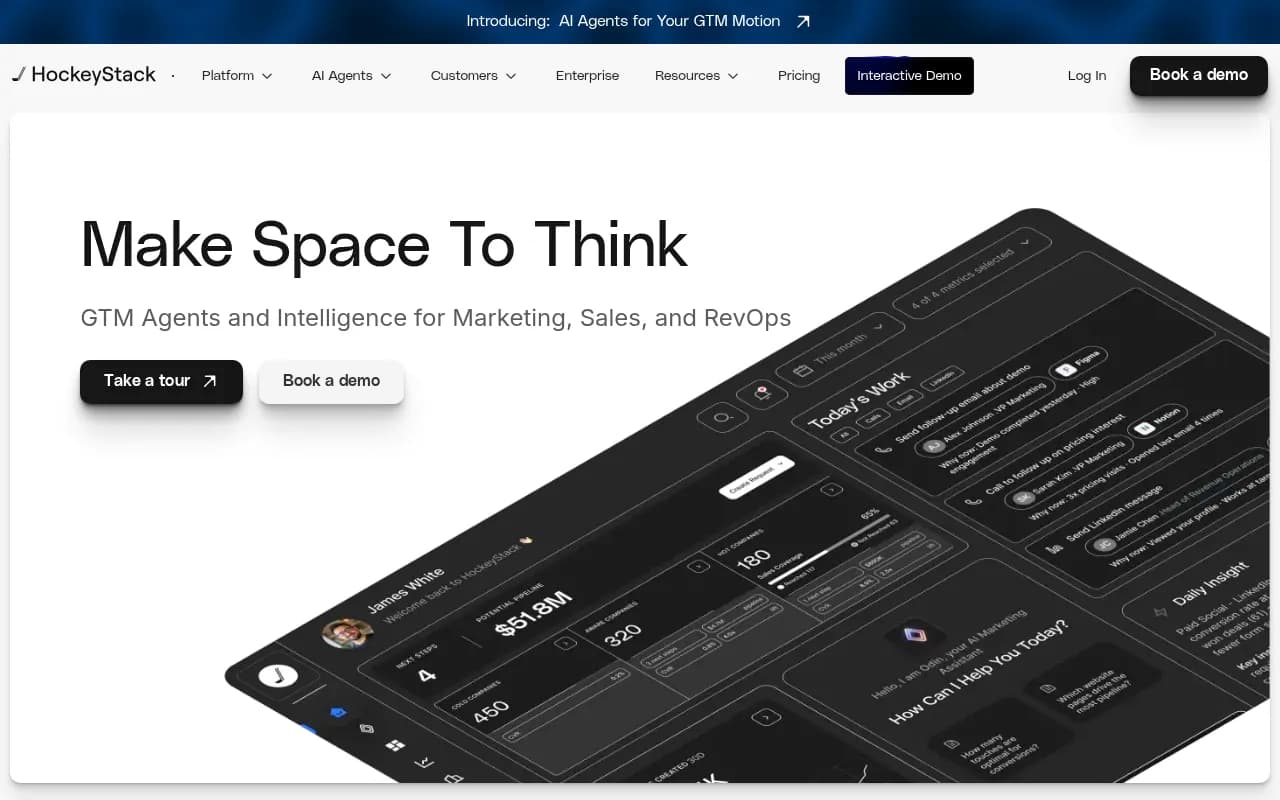
ChatGPT stopped sending a referrer on October 8, 2026, which hides a chunk of its traffic in "direct." Tag links you control with utm_source=chatgpt.com where you can, and use analytics that count those visits. Promptwatch's visitor analytics has a setting for this, and HockeyStack is a general attribution option for B2B funnels.
Connect to your CRM
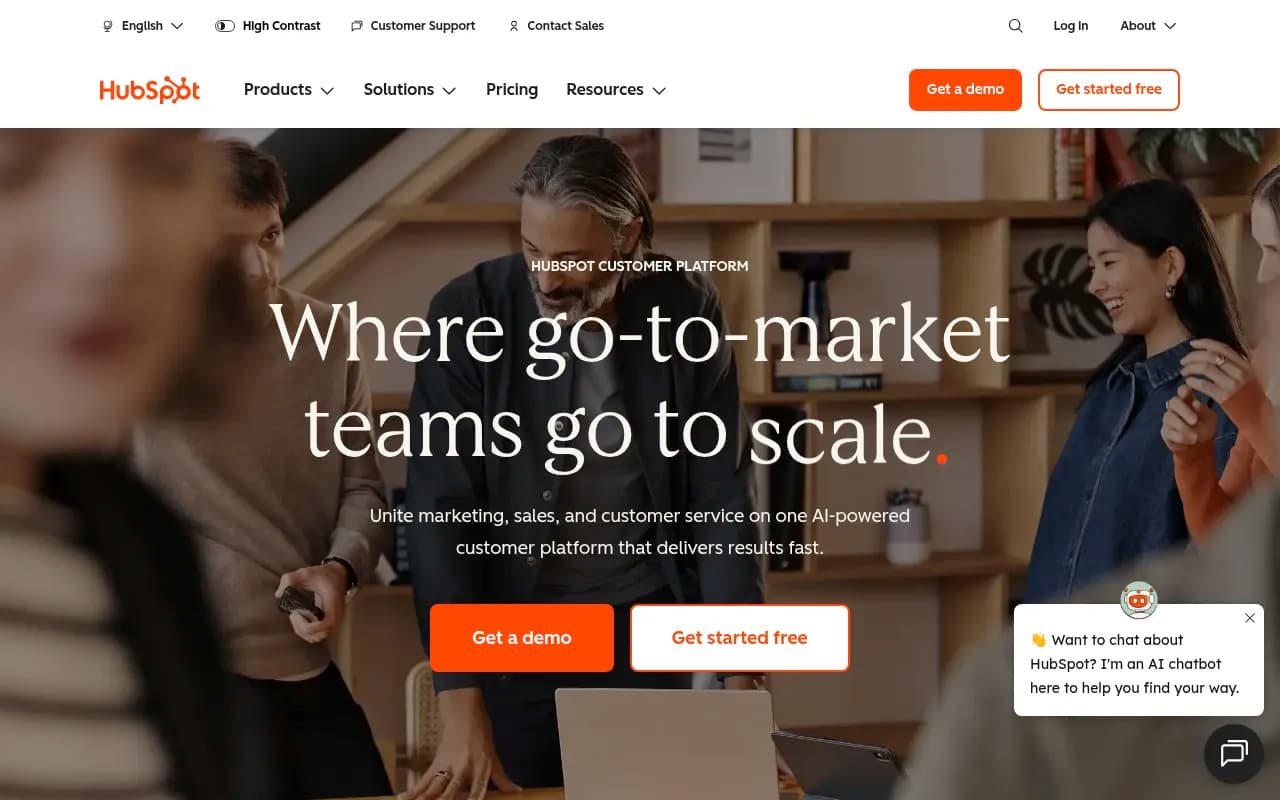
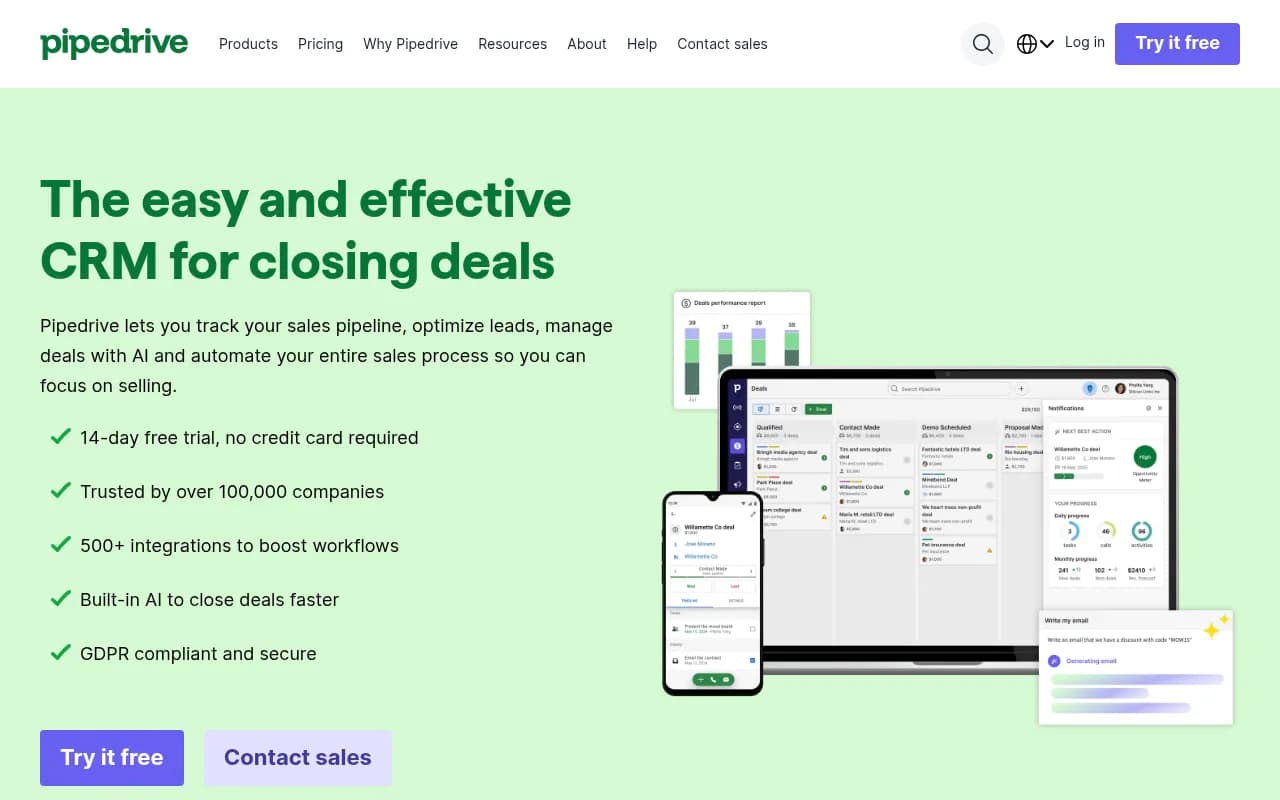
AI-referred leads only matter if sales sees the source. Pipedrive, HubSpot, and Close are all fine for a small agency; pick whichever your team will actually keep clean, and add a "how did you hear about us" field that includes "ChatGPT or another AI assistant." Self-reported attribution is messy but often catches what analytics miss.
Prospecting and outreach
GEO is not a replacement for outbound. Apollo.io and Clay help build lists, and HeyReach handles LinkedIn outreach. Use them as a complement while AI visibility compounds, which is slow.
A 30-day plan for your own agency
Week 1: baseline
Build a prompt set of 30 to 50 questions your buyers ask. Split it three ways: organic ("best SEO agency for fintech"), competitor-comparison ("[Competitor] vs [You]"), and branded ("is [You] worth it"). Run a free audit first, then set up a monitor. Record visibility, position, and which domains show up next to you.
Week 2: fix access and facts
Check robots.txt and CDN rules for AI crawlers. Many agency sites block them by accident. Then rewrite your core service pages with real specifics: who you serve, what it costs, how long results take, named processes. Remember product and landing pages are the biggest citation share.
Week 3: earn third-party mentions
Given that ChatGPT pulls from many domains per answer, find the listicles and review pages cited for your category and pitch for inclusion. Collect reviews on trusted sites in your niche. Publish comparison pages against the two or three competitors you are compared with most. Skip Reddit as a ChatGPT tactic; put effort into LinkedIn and YouTube instead.
Week 4: measure and repeat
Compare visibility by prompt type, check crawler logs for your updated pages, and look at AI-referred visits and form fills. Landing pages and docs keep citations for months, while news loses half its citations in roughly five weeks, so favor evergreen pages over timely posts.
Should you hire help or do it in-house?
If you do not have the time, a specialist can run this. 1001 SEO Media is a full-service SEO and GEO agency that works without long-term contracts, and it uses Promptwatch for its own AI visibility work. Most agencies reading this can run the plan above themselves, but an outside audit is useful when your team is too busy serving clients to work on its own growth.
Common mistakes
- Tracking one or two prompts and calling it a strategy. Measure across many.
- Counting mentions without checking position and description in the answer.
- Trusting self-ranked agency roundups, including the ones that rank their publisher first.
- Ignoring crawler access, then wondering why nothing gets cited.
- Spending on social posting for ChatGPT visibility when the data shows it barely cites social.
Final take
Start free: run an audit, build a three-way prompt set, and look at who gets named next to you. If the gaps are real, choose a platform that also helps you publish and measure, not just count mentions. For most agencies that means an end-to-end option like Promptwatch; for tighter budgets, a lightweight tracker plus your existing SEO suite will get you through the first quarter. Either way, check your numbers against fresh data from Promptwatch Data, because the citation patterns shift month to month.