Key takeaways
- Peec AI is a dedicated AI visibility monitoring platform -- it tracks how often your brand appears in ChatGPT, Perplexity, Gemini, and other AI engines, running synthetic prompts every 24 hours
- Writesonic is primarily an AI content writing platform with over 5 million users; its GEO (Generative Engine Optimization) tracking module is a secondary feature that requires ~30 days of data before it becomes useful
- Neither tool closes the full loop: Peec AI doesn't help you create content to improve visibility, and Writesonic's visibility tracking is too shallow for serious GEO work
- If you need both monitoring and optimization in one place, platforms built around the full action cycle -- find gaps, create content, track results -- are worth considering
These two tools get compared constantly, and honestly, the comparison doesn't quite make sense. Peec AI and Writesonic are built for different jobs. One is a visibility tracker. The other is a content machine. The overlap is real but thin, and choosing between them mostly comes down to what problem you're actually trying to solve.
Let me break down exactly what each tool does, where each one falls short, and when you'd want to use one versus the other.
What Peec AI actually is
Peec AI launched in February 2025 out of Berlin. It's an AI search analytics platform -- the whole product is built around tracking how your brand shows up in AI-generated answers. You set up prompts relevant to your business, and Peec runs those prompts through AI engines every 24 hours to check whether you're being mentioned, cited, or recommended.
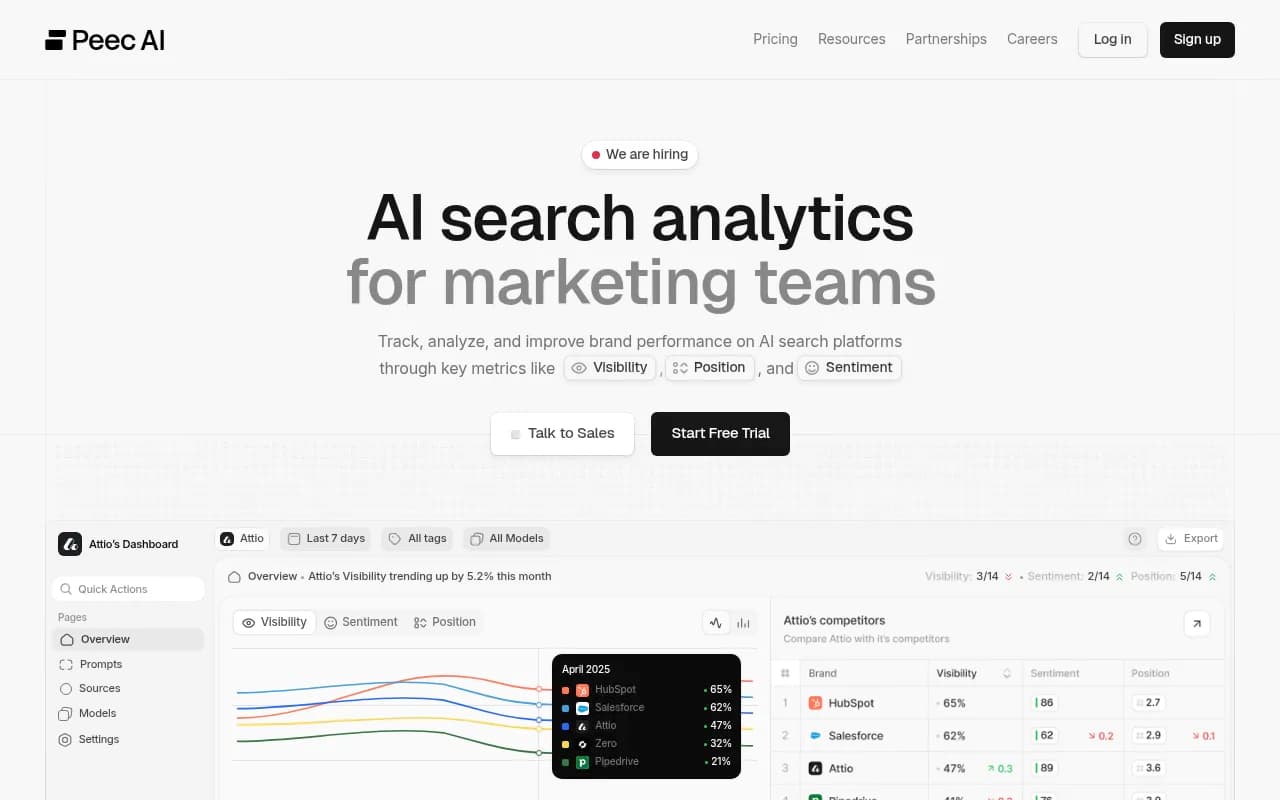
The tracking covers ChatGPT, Perplexity, Gemini, Claude, DeepSeek, and Grok. You get metrics like mention frequency, citation position, sentiment, and share of voice compared to competitors. The prompt setup is reasonably smart -- it scans your website and suggests relevant prompts rather than making you start from scratch.
One thing worth knowing: Peec uses UI scraping rather than API data. That means it simulates real user interactions with AI tools instead of pulling from official APIs. This approach captures how AI actually responds to users, but it also means the data collection method is less stable than API-based competitors.
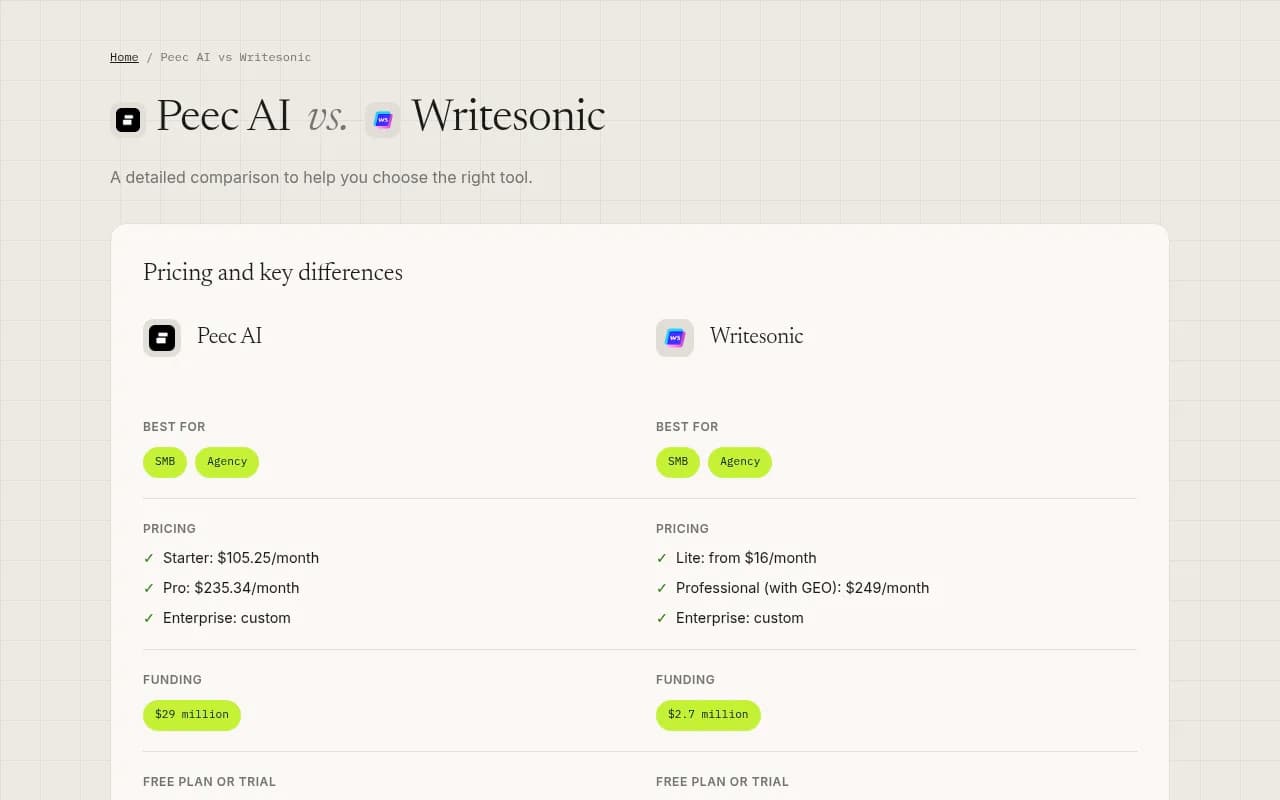
Peec's pricing starts at around $105/month for the Starter plan, with a Pro tier at roughly $235/month. There's a 7-day free trial and a limited free plan. The company has raised $29 million, which is substantial for a tool in this space.
Where Peec stops: it monitors. It doesn't audit your content, suggest what to write, or help you actually improve your AI visibility. You can see that a competitor is getting cited for a prompt you're not -- but Peec won't tell you why or what to do about it.
What Writesonic actually is
Writesonic is a different animal. It's been around longer, has 5 million+ users, and is fundamentally an AI content creation platform with 80+ templates for blog posts, ad copy, social content, product descriptions, and more. Most people use it to generate marketing copy at scale.
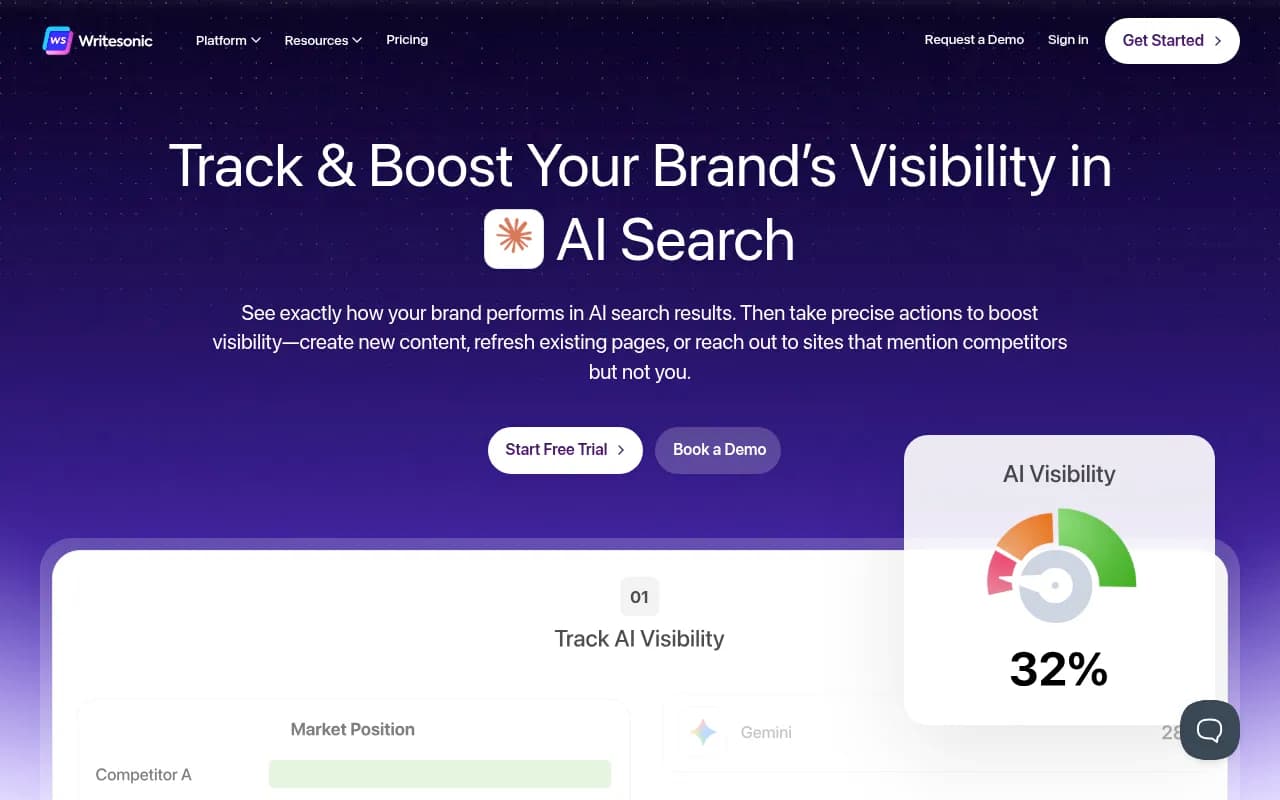
The GEO (Generative Engine Optimization) module was added more recently. It tracks brand mentions across ChatGPT, Google AI Overviews, Perplexity, Gemini, and Claude -- similar coverage to Peec but with weekly monitoring cadence rather than daily. You get metrics on mentions, citations, sentiment, share of voice, and competitive benchmarks.
The GEO module is powered by 120M+ real AI conversations, which is a meaningful data source. But there's a catch: it requires about 30 days of data collection before the insights become reliable. That's a significant lag if you're trying to understand your current AI visibility quickly.
Writesonic's pricing is more flexible. There's a free plan, a Lite tier from $16/month, and a Professional plan at $249/month that includes the GEO features. Enterprise pricing is custom.
Where Writesonic stops: the GEO tracking is genuinely secondary to the content creation features. If you're buying Writesonic for AI visibility monitoring, you're paying for a lot of content tools you may not need, and the monitoring itself isn't as deep or frequent as dedicated trackers.
Side-by-side comparison
| Feature | Peec AI | Writesonic GEO |
|---|---|---|
| Primary purpose | AI visibility monitoring | AI content creation |
| GEO/AEO tracking | Yes (core feature) | Yes (secondary feature) |
| AI models tracked | ChatGPT, Perplexity, Gemini, Claude, DeepSeek, Grok | ChatGPT, Perplexity, Gemini, Claude |
| Tracking cadence | Every 24 hours | Weekly |
| Data method | UI scraping | Proprietary (120M+ conversations) |
| Time to first insight | Fast | ~30 days |
| Content creation | No | Yes (80+ templates) |
| Content gap analysis | No | No |
| Citation analysis | Yes | Yes (manual optimization required) |
| Competitor heatmaps | Yes | Yes |
| Crawler logs | No | No |
| Prompt suggestions | Yes (website scan) | Yes (AI-suggested) |
| Team collaboration | Unlimited members | Per-seat pricing |
| Starting price | ~$105/month | $16/month (GEO: $249/month) |
| Free trial | 7-day + limited free plan | Free plan + 7-day trial |
| Funding | $29M | $2.7M |
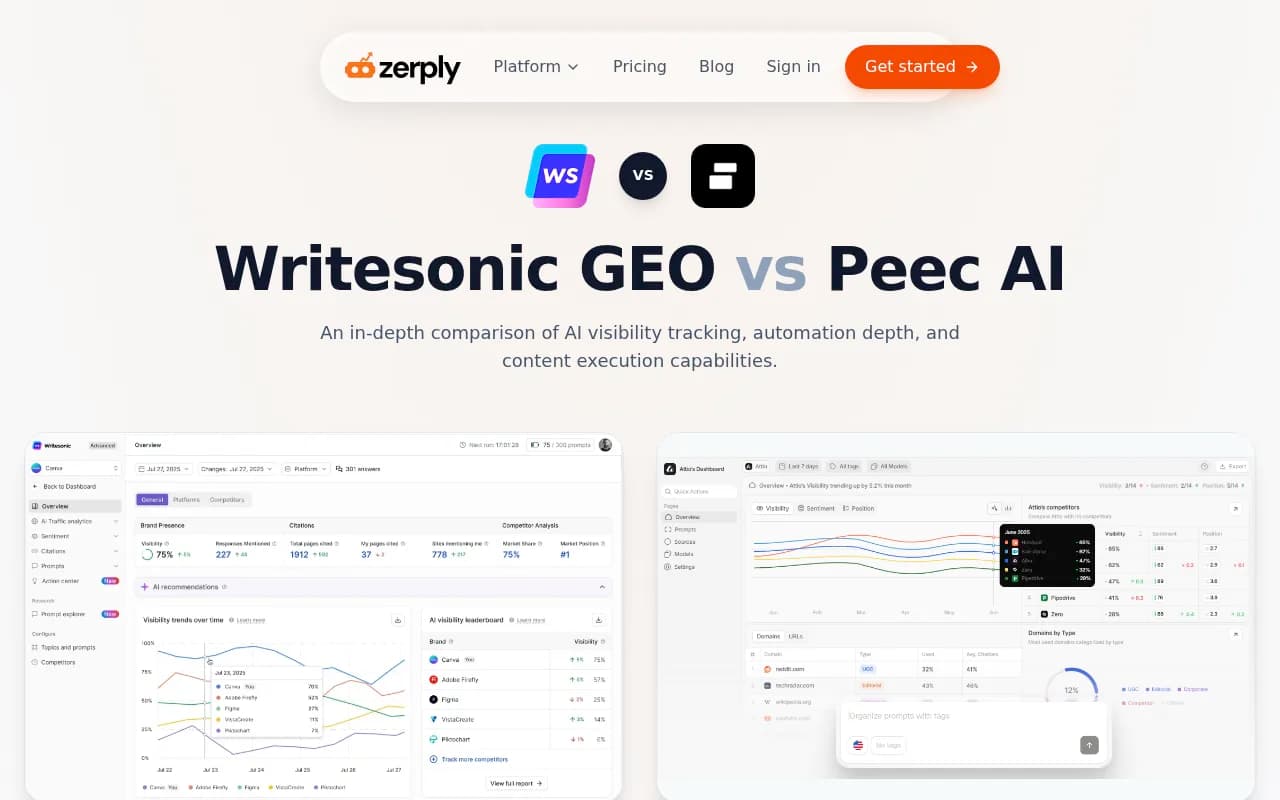
Where each tool wins
Peec AI wins when you need dedicated monitoring
If your primary goal is understanding your brand's AI search visibility -- how often you appear, where competitors beat you, which prompts you're winning or losing -- Peec is the more focused tool. The daily tracking cadence is a real advantage over Writesonic's weekly checks. You'll catch changes faster.
Peec also supports unlimited team members, which matters for agencies managing multiple clients. The multi-language support and the breadth of AI models covered (including DeepSeek and Grok, which Writesonic doesn't track) give it an edge for brands operating in competitive or international markets.
For mid-market B2B SaaS teams focused on competitive positioning, Peec is a reasonable choice. The data is actionable in the sense that you can see exactly where you're losing ground.
Writesonic wins when content creation is the priority
If you need a steady stream of marketing copy -- blog posts, ads, social content, email -- and you want basic AI visibility tracking bundled in, Writesonic makes sense. You're not paying extra for a separate content tool, and the GEO module gives you enough visibility data to understand roughly how you're performing.
For content teams that are already using Writesonic for writing and want to add some AI search awareness without switching platforms, the Professional plan is a reasonable upgrade. The 120M+ conversation dataset is genuinely interesting as a data source, even if the 30-day warmup period is frustrating.
What neither tool does well
This is the honest part of the comparison: both tools are monitoring-only in the GEO sense. Peec doesn't help you create content that will improve your AI visibility. Writesonic's GEO module shows you data but leaves the optimization work entirely to you.
The gap that matters most in 2026 is the space between "I can see I'm not being cited" and "I know what to write to fix that." Neither Peec nor Writesonic bridges that gap.
Peec will tell you which prompts your competitors rank for that you don't. But it won't tell you what content to create, generate that content, or track whether the new content actually improved your citations. Writesonic can generate content, but its GEO module doesn't connect content creation to visibility outcomes in any meaningful way.
For teams that want the full loop -- find gaps, create content, track results -- you'd need to stitch these tools together manually, or look at platforms built around that cycle from the start.
Promptwatch is one example of a platform that tries to close that loop: it combines answer gap analysis (which prompts competitors rank for that you don't), an AI writing agent that generates content grounded in citation data, and page-level tracking to see whether the new content actually gets cited. Worth knowing about if the monitoring-only approach feels incomplete.

Who should use Peec AI
- B2B SaaS companies that want daily AI visibility data and competitive benchmarking
- Agencies managing multiple brands who need team collaboration without per-seat costs
- Teams that already have a content workflow and just need the monitoring layer
- Brands that need DeepSeek or Grok coverage alongside the major models
Who should use Writesonic
- Content teams that need high-volume AI writing and want basic GEO tracking bundled in
- Small marketing teams on tighter budgets who can't justify separate tools for content and monitoring
- Brands that are patient with the 30-day data collection warmup
- Teams already invested in the Writesonic ecosystem for other writing tasks
Other tools worth knowing about
If you're evaluating this space more broadly, a few other tools are worth a look depending on your needs.
For dedicated AI visibility monitoring at a lower entry price, Otterly.AI is a common starting point:

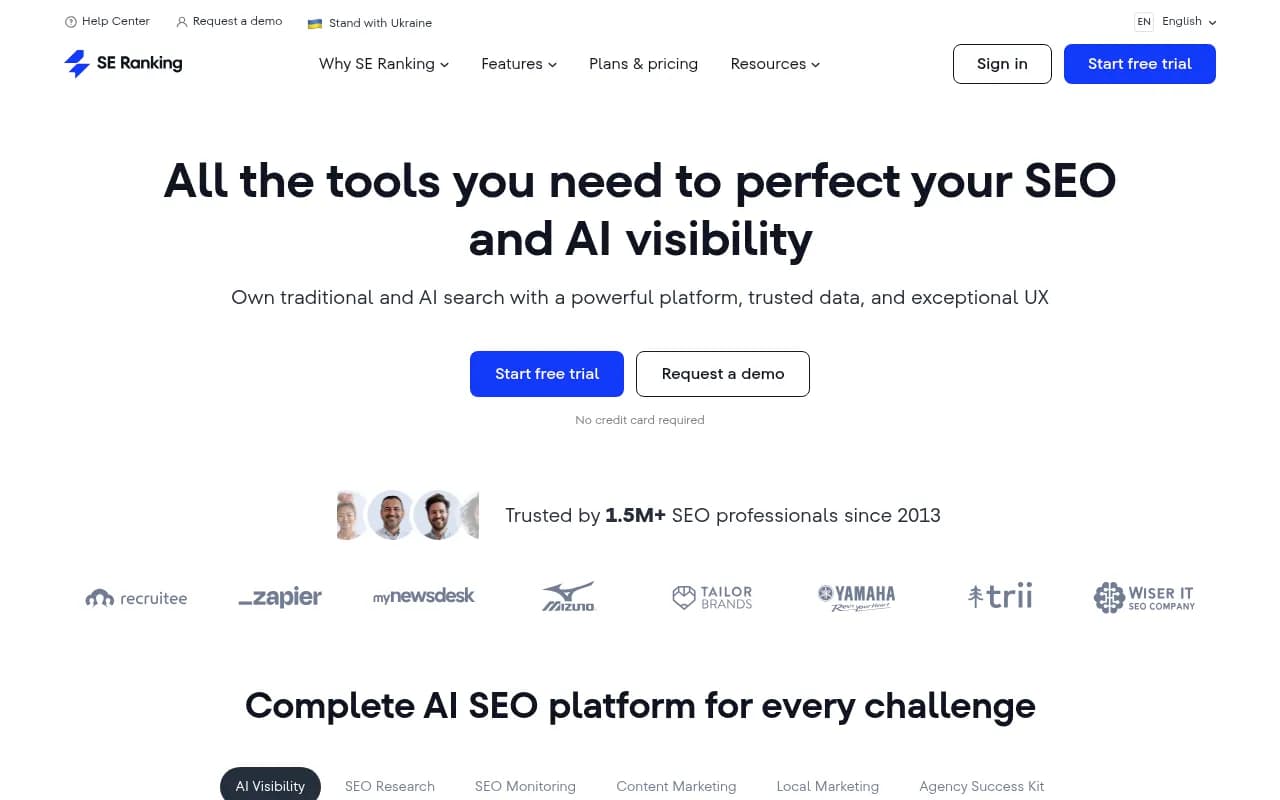
For agencies that need structured reporting alongside visibility tracking, SE Ranking has added AI visibility features to its existing SEO platform:
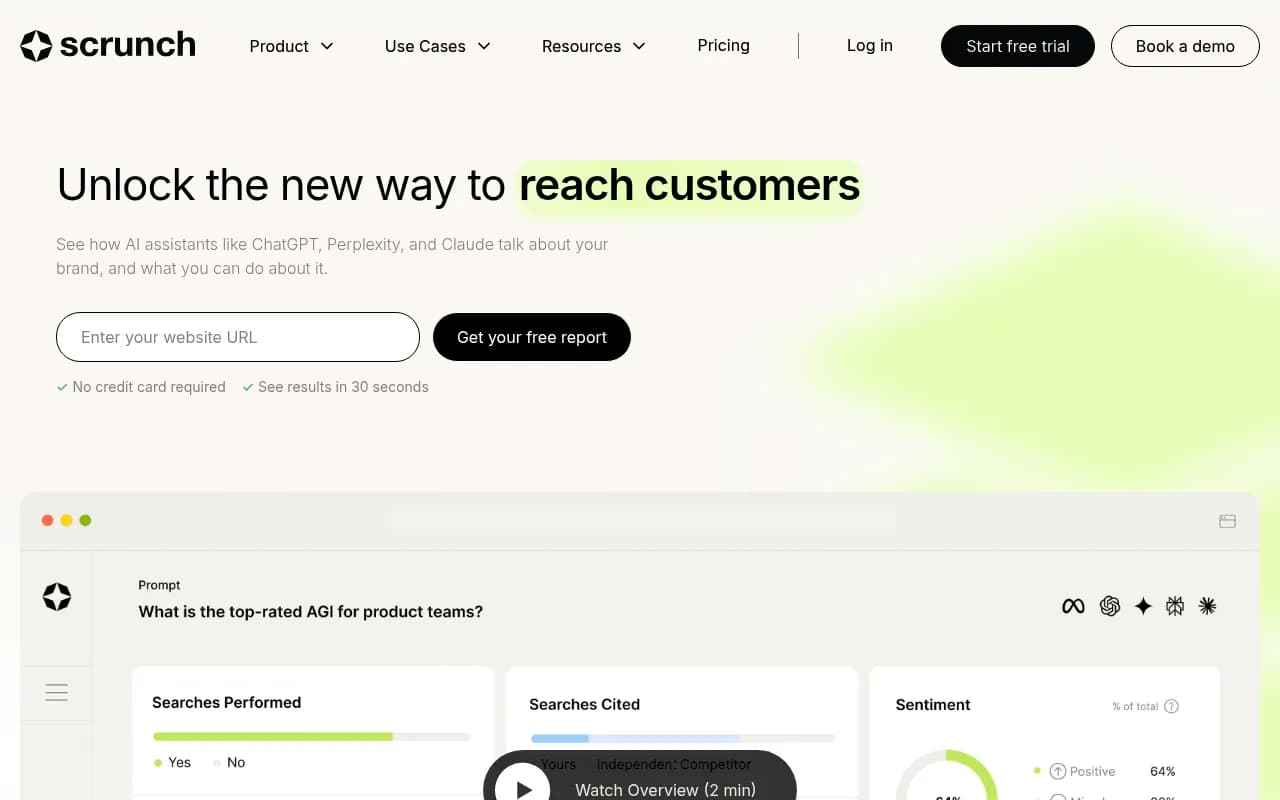
For teams that want monitoring plus some content optimization guidance, Scrunch covers both sides of the equation:
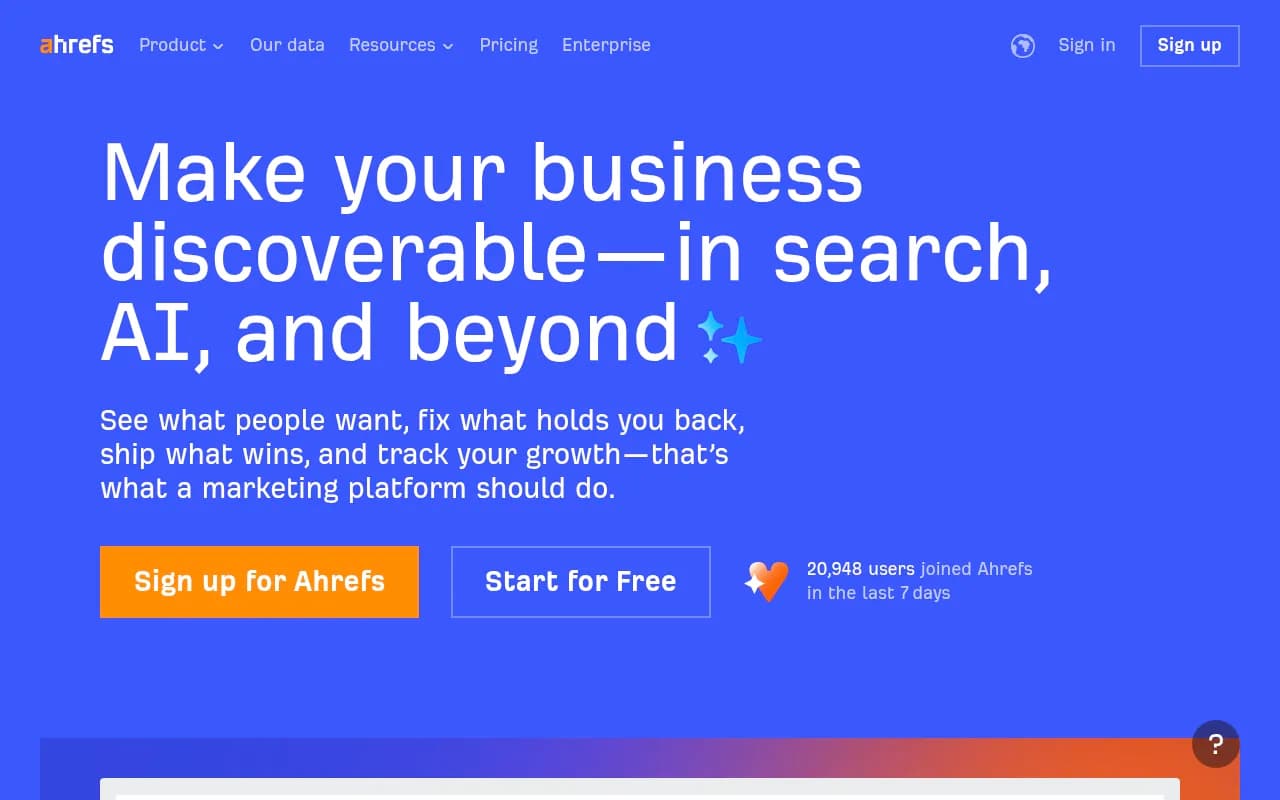
And if you're coming from a traditional SEO background and want AI visibility layered onto existing rank tracking, Ahrefs Brand Radar and Semrush both have AI monitoring features -- though they're less specialized than dedicated GEO tools:
The bottom line
Peec AI and Writesonic are not really competing for the same buyer. Peec is for teams that want serious, daily AI visibility monitoring with competitive depth. Writesonic is for content teams that want writing tools and don't mind that the GEO module is a secondary feature with a slow warmup.
If you're choosing between them purely for GEO tracking, Peec wins on cadence, model coverage, and focus. If you're choosing between them for content creation with some visibility awareness, Writesonic wins on price and writing capabilities.
The harder question is whether either tool is enough on its own. For most marketing teams in 2026, monitoring your AI visibility without a clear path to improving it is only half the job. That's the gap worth thinking about before you commit to either platform.