Key takeaways
- MarketMuse is a content strategy platform that helps you decide what to write, build topic clusters, and understand your site's topical authority at scale.
- Clearscope is a content optimization tool that helps you write better once you already know what you're writing about.
- These tools aren't really competitors -- they solve different problems at different stages of the content workflow.
- Clearscope is simpler, cheaper to start, and better for individual writers or small teams optimizing existing content.
- MarketMuse is better for content teams managing large sites who need strategic direction, not just on-page grading.
- If neither fits, Surfer SEO and Frase are strong alternatives worth considering.
There's a question that comes up constantly in content marketing circles: "Should we use MarketMuse or Clearscope?" And the honest answer is that it's a bit like asking whether you should use a map or a compass. They both help you navigate, but they're doing fundamentally different jobs.
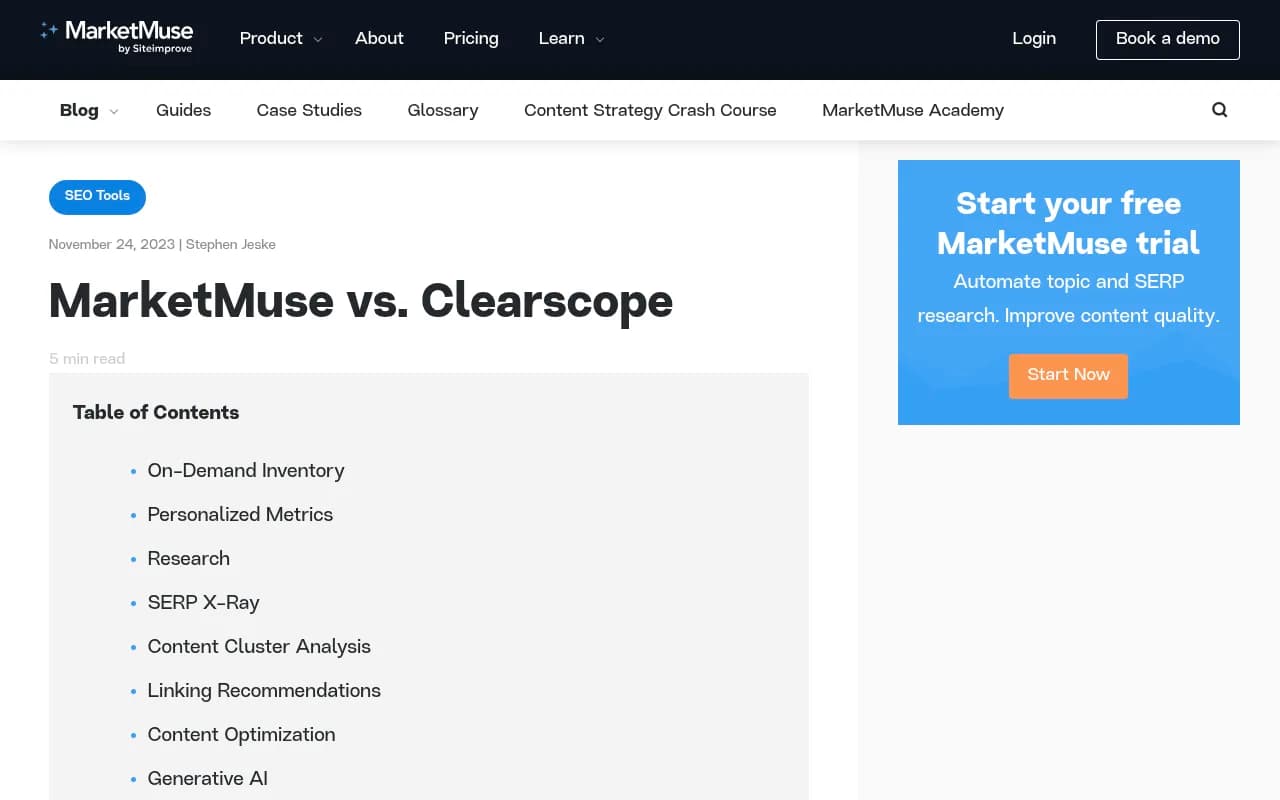
Clearscope tells you how to write a piece of content so it covers the right terms and scores well against competing pages. MarketMuse tells you whether you should write that piece at all, how it fits into your broader topic coverage, and what your site is missing compared to competitors.
That distinction matters a lot when you're choosing where to spend your budget.
What each tool actually does
Clearscope
Clearscope is a content grading and optimization tool. You enter a keyword, it analyzes the top-ranking pages, and it gives you a report with recommended terms to include, a readability grade, and a content score that updates in real time as you write.
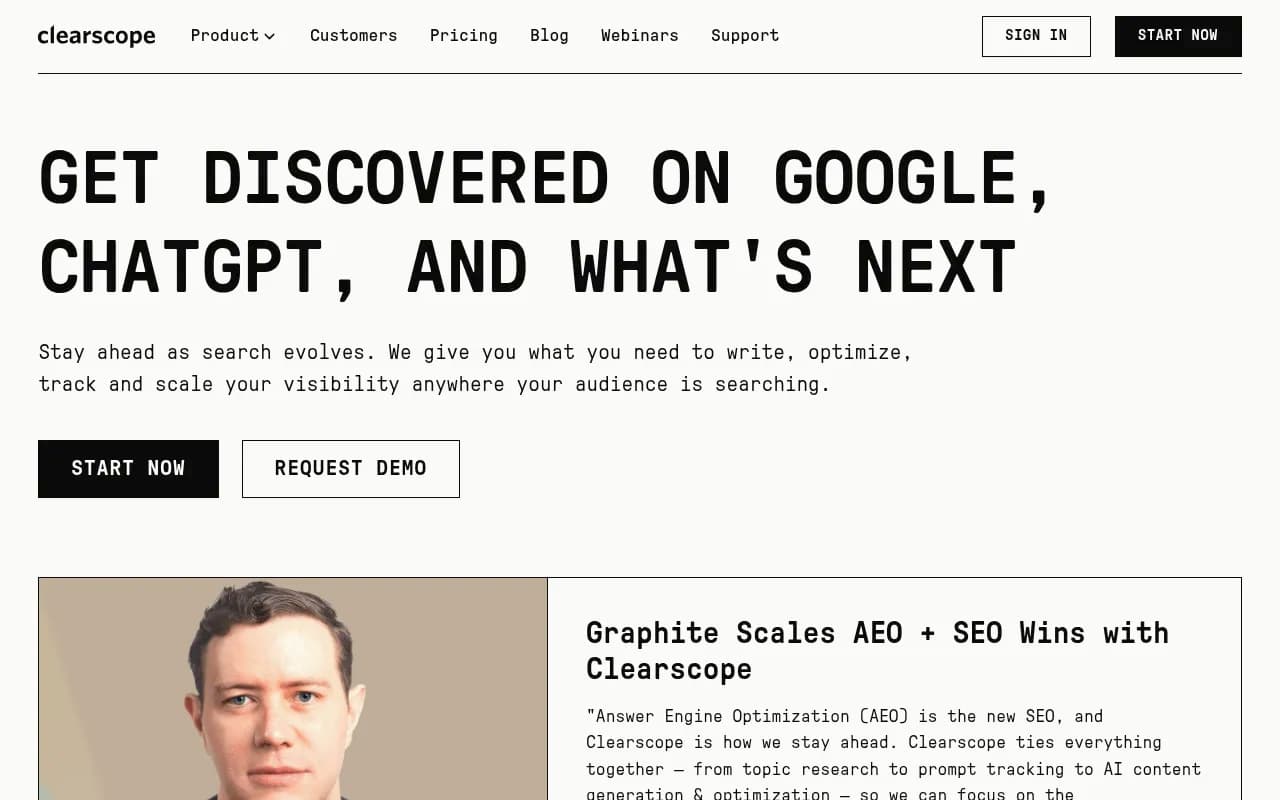
The interface is clean and genuinely easy to use. Writers can be up and running in minutes. It integrates with Google Docs and WordPress, which removes friction from the actual writing process. The content grade (A+ down to F) gives editors a quick signal about whether a draft is ready to publish.
What Clearscope doesn't do: it won't tell you whether this keyword is worth pursuing given your site's authority. It won't show you how this article fits into a cluster of related content. It has no personalized metrics -- the recommendations are the same whether you're a new blog or a domain with 10 years of authority. And there's no site-level gap analysis.
MarketMuse
MarketMuse operates at a different level. It crawls your entire domain, maps your existing content against topic coverage, and surfaces gaps -- topics where competitors are ranking but you have nothing. It also generates personalized difficulty scores based on your specific site, not generic industry averages.
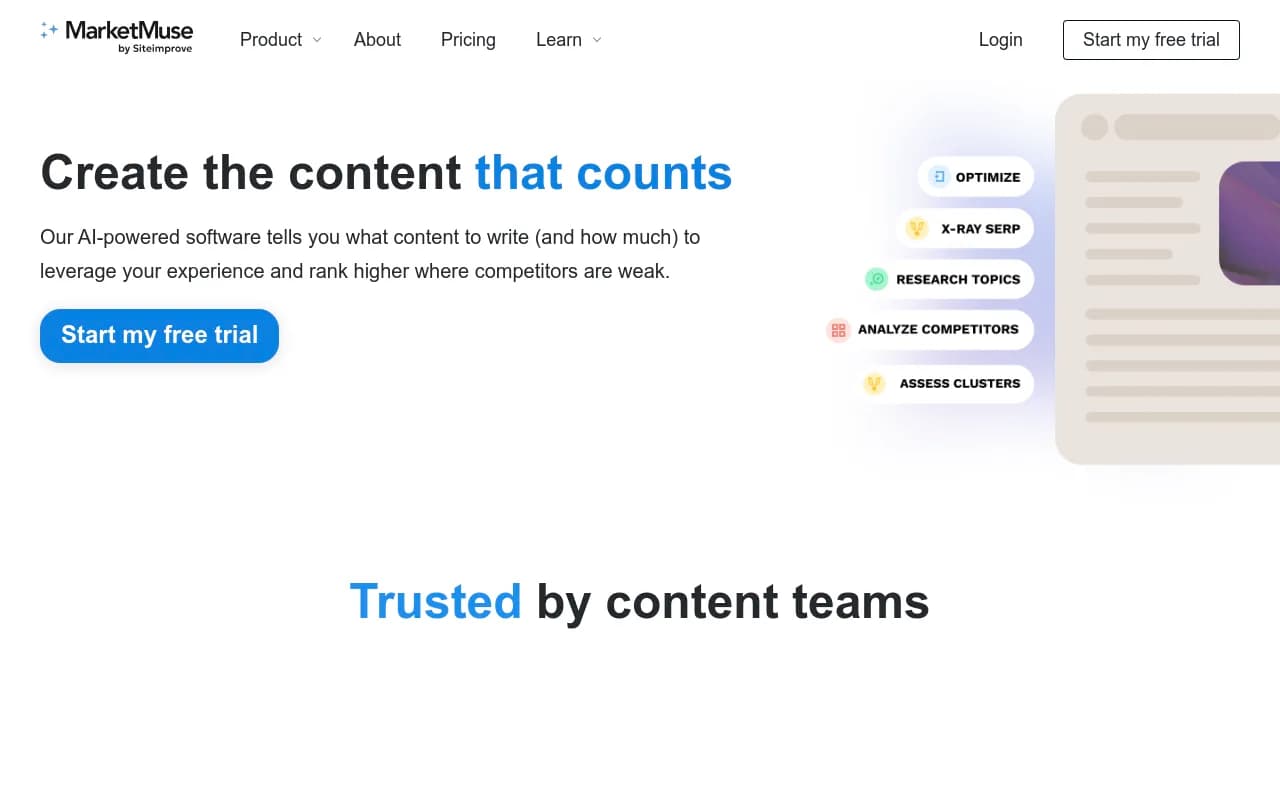
The platform's "Inventory" view shows every page on your site alongside topic and keyword data, so you can spot mismatches, find cannibalization issues, and build content clusters. Its research tools go beyond keyword suggestions to show user intent, competitor coverage, and related concepts that should appear in a thorough treatment of a topic.
MarketMuse also has generative AI capabilities for creating briefs and drafts, though this isn't its core differentiator. The core value is strategic: it helps content teams make better decisions about where to invest their writing effort.
Head-to-head comparison
| Feature | Clearscope | MarketMuse |
|---|---|---|
| Content grading/scoring | Yes (A+ to F scale) | Yes |
| Keyword term recommendations | Yes | Yes |
| Personalized site metrics | No | Yes |
| Topic cluster analysis | No | Yes |
| Site-level gap analysis | No | Yes |
| SERP content analysis | Basic | Detailed |
| Competitive content quality analysis | No | Yes |
| Internal linking recommendations | No | Yes |
| Generative AI for briefs/drafts | No | Yes |
| Content inventory tracking | Basic | Full |
| Google Docs integration | Yes | Yes |
| Starting price | ~$170/mo | $149/mo |
| Best for | Writers, small teams | Content strategists, large sites |
Pricing
Clearscope starts at around $170/month for their Essentials plan, which gives you a set number of content reports per month. It's not cheap for what you get, and the per-report model can get expensive if you're producing a lot of content.
MarketMuse starts at $149/month. Their higher tiers unlock more of the strategic features -- the full inventory, cluster analysis, and deeper competitive research. For large sites, they offer custom enterprise pricing.
Neither tool has a particularly generous free tier. Clearscope offers a demo. MarketMuse has a free plan with very limited credits that's mostly useful for testing the interface.
Where Clearscope wins
Clearscope's strength is simplicity. If you have a writer who needs to optimize a single article, the workflow is fast: enter keyword, get report, write to the recommendations. The content score gives clear, actionable feedback without requiring any strategic context.
For teams where the strategy is already figured out -- you know what you're writing, you've done your keyword research, you just need help making sure the content is thorough -- Clearscope does that job well. It's also better for non-technical users who don't need to understand topic modeling or content clusters.
The Google Docs integration is genuinely smooth. Writers can see their score update as they type without switching between tools.
Where MarketMuse wins
MarketMuse's advantage is scope. It doesn't just optimize individual articles -- it optimizes your content strategy. If you're managing a site with hundreds or thousands of pages, the ability to see your entire content inventory mapped against topic coverage is genuinely valuable. You can find pages that are ranking for the wrong topics, identify clusters that are missing key supporting content, and prioritize new articles based on where your site has the best chance of building authority.
The personalized metrics are a real differentiator. A generic keyword difficulty score from a tool like Clearscope (or most SEO tools, honestly) tells you how hard it is for anyone to rank. MarketMuse's personalized score tells you how hard it is for your specific site to rank, based on your existing topical authority. That changes how you prioritize.
For content strategists and SEO managers who are making decisions about what to build over the next quarter, MarketMuse gives you a much richer picture.
The workflow question
The most useful way to think about this isn't "which tool is better" but "where in my workflow do I need help?"
If your bottleneck is at the writing stage -- your writers need guidance on what terms to cover and how to structure content -- Clearscope fits there.
If your bottleneck is at the planning stage -- your team doesn't know what to write next, you're not sure if your content is building authority in the right areas, or you're managing a large site with lots of existing content to audit -- MarketMuse fits there.
Some teams use both. MarketMuse for strategy and planning, Clearscope (or another optimizer) for execution. That's not an unreasonable setup if the budget allows, though it adds complexity.
Alternatives worth considering
If you're not sold on either, there are other tools that sit in this space.
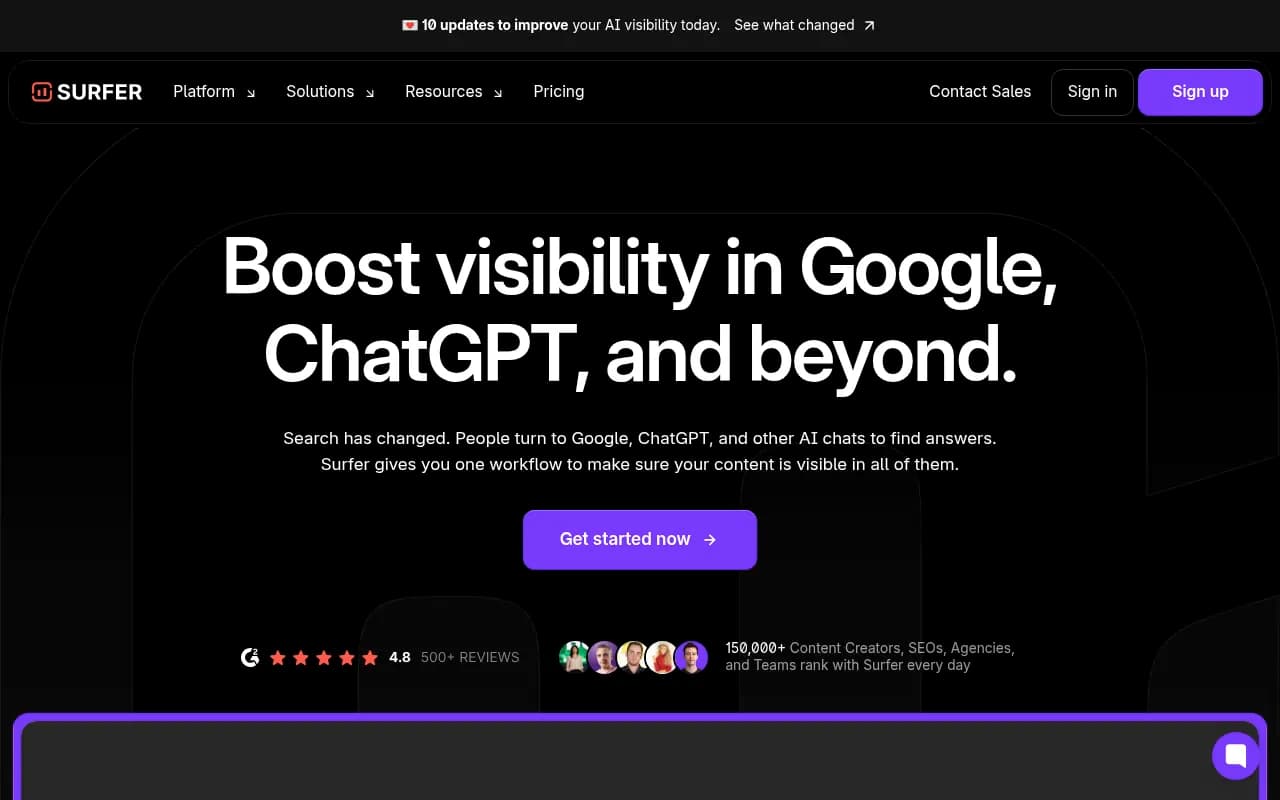
Surfer SEO is probably the most direct competitor to Clearscope for on-page optimization. It's widely used, has a solid content editor, and includes more keyword research features than Clearscope at a comparable price point.
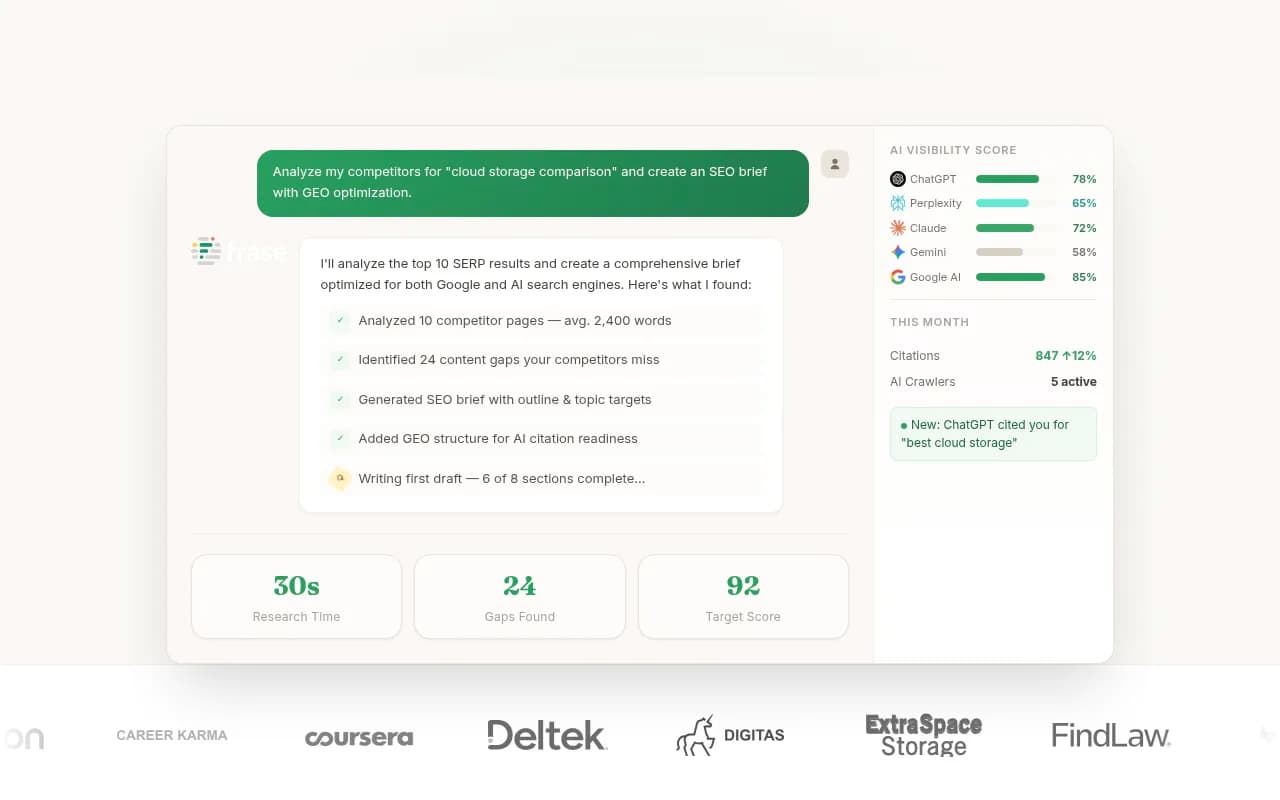
Frase sits between the two -- it has research and brief-generation capabilities closer to MarketMuse, but at a much lower price ($49/month). It's less powerful than either tool at their respective strengths, but it's a reasonable option for smaller teams or solo operators who want one tool that does both jobs adequately.
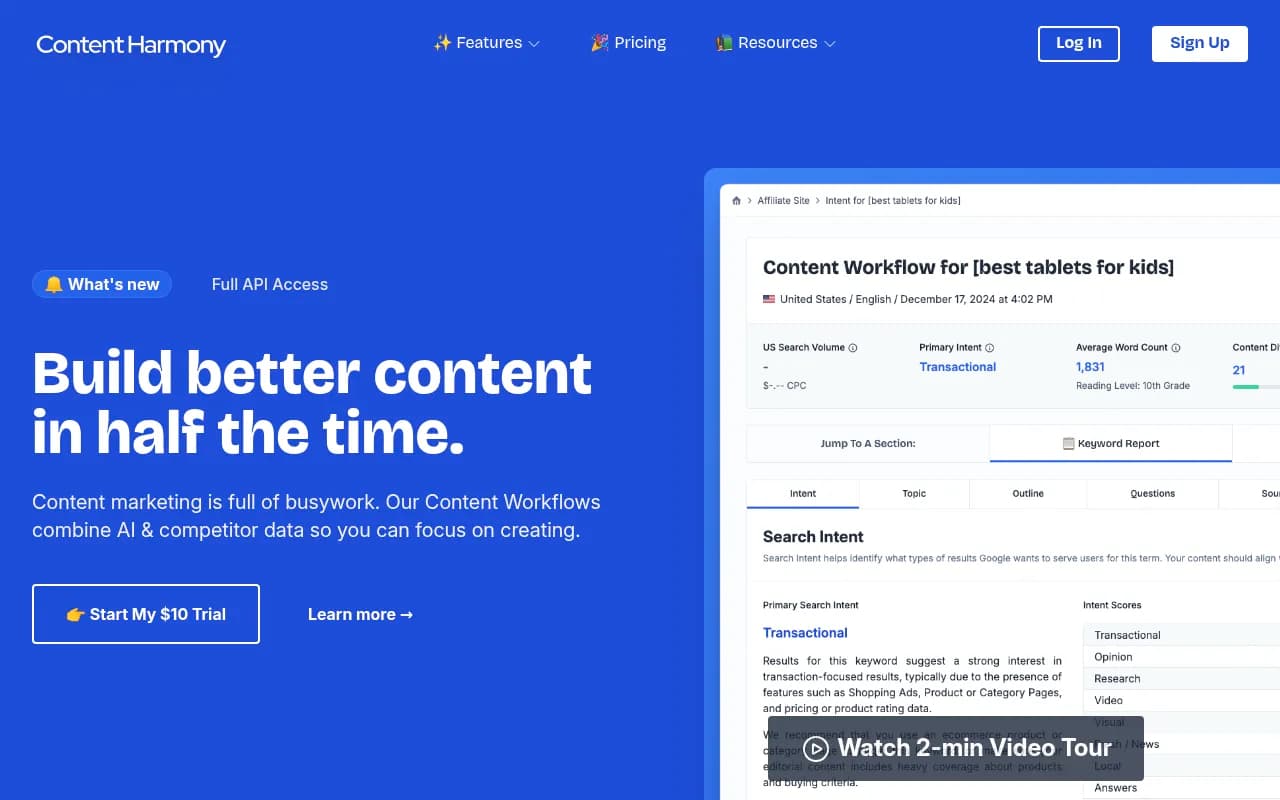
Content Harmony is worth a look if you're primarily building content briefs. It's more focused than MarketMuse but more thorough than Clearscope for the brief-creation workflow.
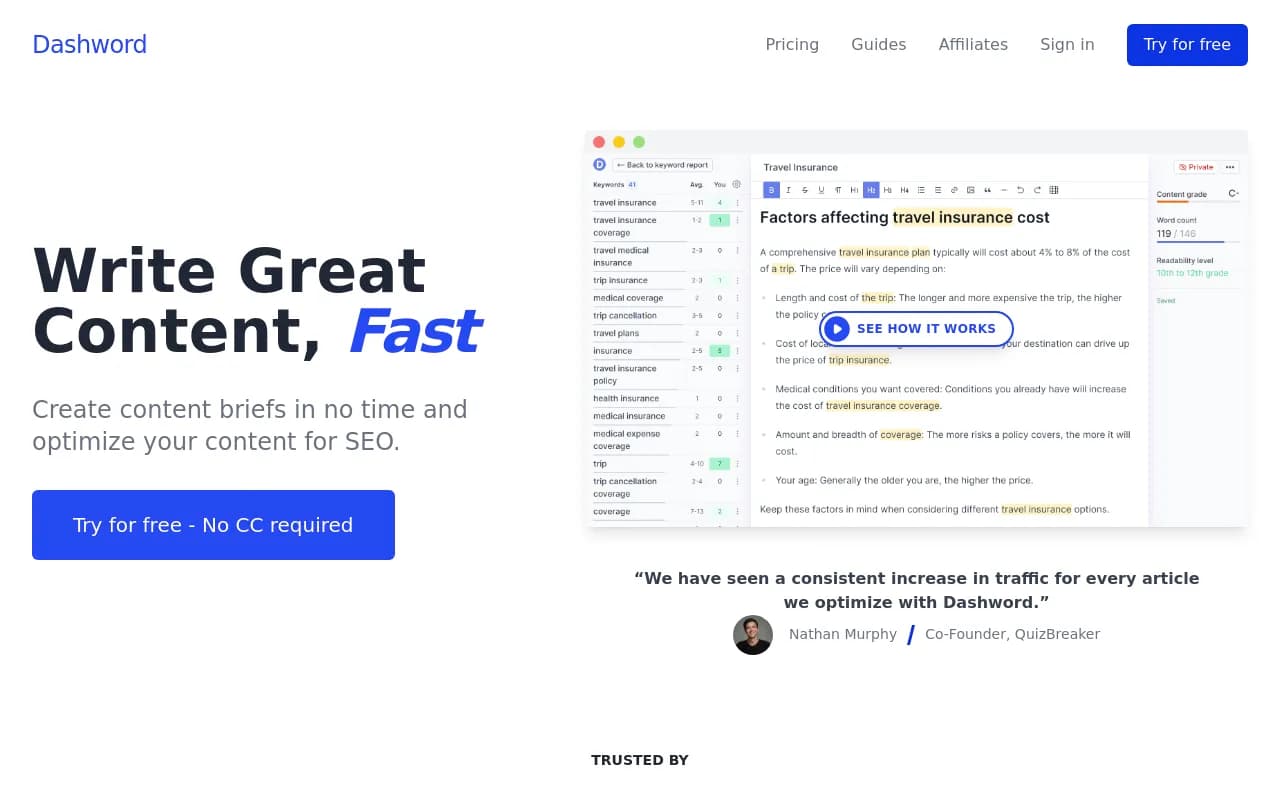
Dashword is a simpler, cheaper alternative to Clearscope for teams that just need basic content scoring without the complexity.
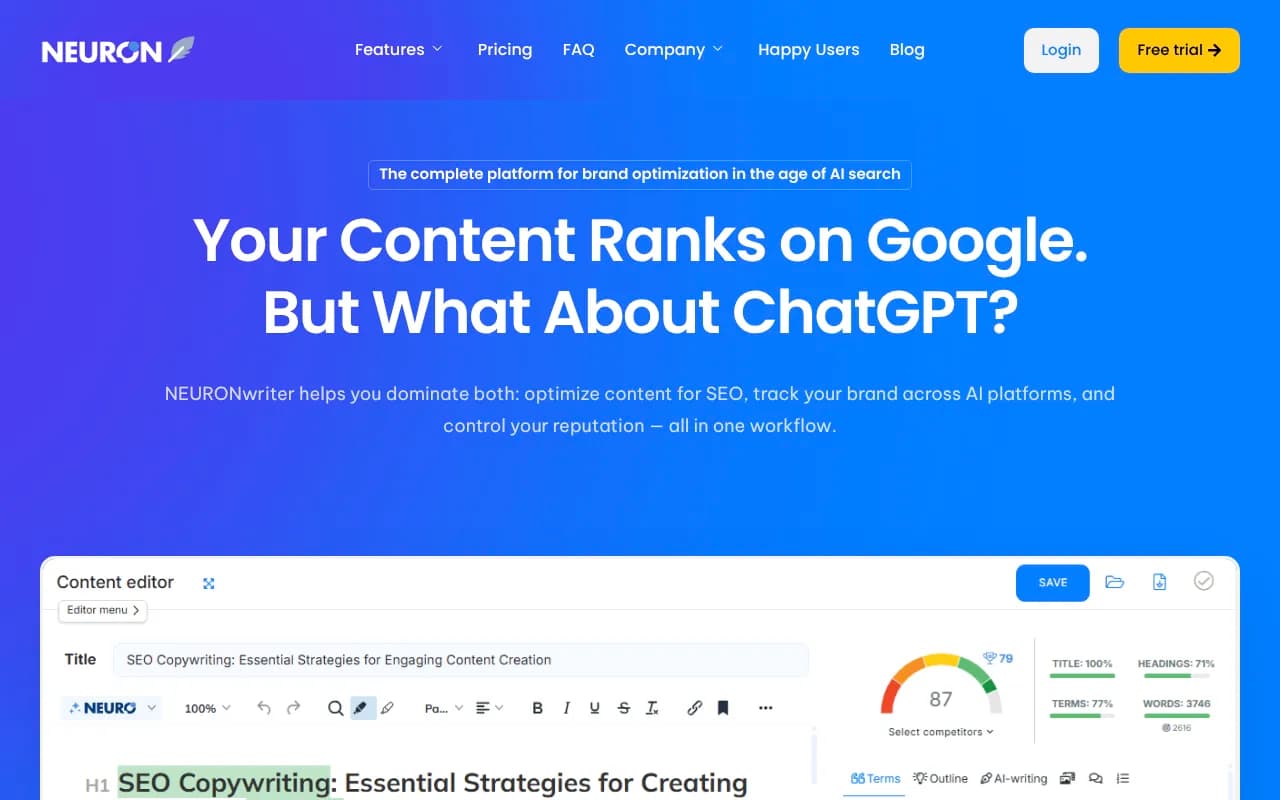
NeuronWriter is the budget option. At $19/month it covers the core optimization use case reasonably well, though it lacks the depth of either Clearscope or MarketMuse.
A note on AI search visibility
One thing worth flagging: as of 2026, traditional content optimization tools like Clearscope and MarketMuse are primarily built for Google rankings. They don't tell you whether your content is getting cited by ChatGPT, Perplexity, or Gemini.
That's a separate problem. If AI search visibility matters to your business -- and for most brands it increasingly does -- you'd need a different category of tool for that. Promptwatch tracks how your content performs across 10+ AI models, identifies which topics you're missing in AI responses, and helps you create content that gets cited.

This isn't a knock on MarketMuse or Clearscope -- they're doing a different job. But if you're building a content strategy in 2026, it's worth knowing that optimizing for Google rankings and optimizing for AI citations are related but distinct problems that currently require different tools.
Which one should you choose?
Here's the short version:
Choose Clearscope if:
- You have a small team or work solo
- Your content strategy is already defined and you need help executing it
- Your writers need a simple, low-friction optimization tool
- You're primarily optimizing existing content rather than building from scratch
Choose MarketMuse if:
- You manage a large site with lots of existing content
- You need help deciding what to write, not just how to write it
- You want personalized metrics based on your site's actual authority
- You're building topic clusters and need to see the full picture
Consider alternatives if:
- Budget is tight (Frase at $49/month covers the basics)
- You want on-page optimization with more keyword research built in (Surfer SEO)
- You need a simpler brief-creation workflow (Content Harmony, Dashword)
The comparison that keeps coming up in reviews is accurate: Clearscope assumes you know what to write. MarketMuse helps you figure that out. Neither assumption is wrong -- it just depends on where you are in your content operation.