Key takeaways
- InSpace.io is not a lightweight monitor. It is a managed AI SEO content service priced by pages per month, from $1,000/mo. Peec AI and Otterly.AI are self-serve dashboards that track how AI engines talk about your brand.
- Otterly.AI is the cheapest way in: Lite is $29/mo for 15 prompts across four engines. Gemini, Google AI Mode, and Claude cost extra.
- Peec AI starts at $95/mo for 50 prompts and unlimited users. Its agency plans are credit-based and its pitch workspaces are free.
- Neither Peec nor Otterly writes or publishes content for you. They show the gap. InSpace tries to close it, but it does not appear to be a tracking product.
- Check every price on the vendor's own page before buying. These tools change plans often, and several third-party listicles quote stale numbers.
The comparison is lopsided
The title says three lightweight AI visibility tools. That is only two-thirds true. Once I read through InSpace's own pricing page, it was clear it plays in a different category.
Peec AI and Otterly.AI are monitors. You enter prompts, they run them against ChatGPT, Perplexity, and the other engines every day, and you see whether your brand shows up, where, and with what sentiment.
InSpace.io is an AI SEO content platform and service. Its engine, called NOVA, automates content, site structure, and publishing for Google and for AI search such as ChatGPT and Gemini. You buy pages, not prompts. Sales go through a demo or contact form, with no self-serve signup.
So this guide treats it honestly: two monitors compared head to head, then InSpace as the thing you might buy instead of, or after, a monitor.
At a glance
| InSpace.io | Peec AI | Otterly.AI | |
|---|---|---|---|
| Category | Managed AI SEO content service | AI visibility monitor | AI visibility monitor |
| Entry price | $1,000/mo (10 pages) | $95/mo (50 prompts) | $29/mo (15 prompts) |
| Pricing unit | Pages per month | Prompts, or credits on agency plans | Prompts per plan |
| Self-serve signup | No, demo or contact form | Yes | Yes, with a trial |
| Tracks AI answers | Not documented in what I found | Yes, daily | Yes, daily |
| Writes content | Yes | No | Audits and recommendations only |
| Seats | Not published | Unlimited | Unlimited |
| Best for | Teams that want content produced for them | Agencies and lean EU teams | Solo marketers and small teams |
All figures come from the vendors' pricing pages as quoted in the research. Confirm before you commit.
Peec AI
Peec is a Berlin-based platform that runs your prompts daily and reports visibility, position, and sentiment. Its docs say it collects data by interacting with the engines the way a real user would, rather than through model APIs, because API answers often differ from what people see in the interface. That is a sensible design choice, and it matters when you are deciding which numbers to trust.

Pricing
Brand plans, per Peec's official pricing page:
- Starter: $95/mo, 50 prompts, 3 models of your choice, unlimited users, 1 project
- Pro: $245/mo, 150 prompts, 3 models, 2 projects
- Advanced: $495/mo, 350 prompts, 5 projects, multi-country tracking, Looker Studio
- Enterprise: custom, up to 13 models, API, SSO
Some listicles quote euro figures like €85 or €89 for the entry plan. That is most likely the same plan in a different currency. The dollar numbers match the official page.
Agency plans work differently. They are credit-based, where one prompt on one model for one day costs one credit. Essential is $245/mo for 10,000 credits, Growth is $495/mo for 25,000, and Scale is $795/mo for 65,000, per one independent comparison that read the page in August 2026. Those include all default models and unlimited users.
Where it is strong
- Unlimited seats on every plan, so you do not pay more as the team grows
- Free pitch workspaces, which agencies use to audit prospects
- Citation analysis that separates sources a model used from sources it cited
- Strong multi-country support and EU data residency
Where it falls short
- Brand plans let you activate only three engines. Claude, Grok, DeepSeek, and others sit at Enterprise or in paid extensions.
- Zapier's review flagged thin trend data.
- It does not ship work. As one comparison put it, Peec tells you what is happening and leaves the fix to you.
- API access and SSO are Enterprise-only.
On funding: one blog claims $29M raised, another sources a $21M Series A from November 2025. I could not verify the larger figure, so I would not lean on either when judging vendor stability.
Otterly.AI
Otterly was founded in Vienna by the team that previously sold Usersnap. It was named a Gartner Cool Vendor for AI in Marketing in 2025. It tracks brand mentions, citations, and sentiment, and it adds some practical extras: a GEO audit, a crawlability checker, a query fan-out tool, and AI keyword research.

Pricing
- Lite: $29/mo, 15 prompts, 4 engines (ChatGPT, Google AI Overviews, Perplexity, Copilot), unlimited team members, 1 workspace
- Standard: $189/mo, 100 prompts, unlimited workspaces, API, MCP, Agent Analytics, Looker Studio connector
- Premium: $489/mo, 400 prompts, higher quotas, onboarding session
- Enterprise: custom, from 1,000 prompts, SSO, dedicated CSM
Annual billing takes 15% off. One caution: the scraped pricing page still contained older text showing Lite at $25 and Standard at $160. The $29, $189, and $489 figures match the page's meta description, so I used those.
The add-on costs matter. Claude, Google AI Mode, and Gemini are paid extras. At Premium, one source lists them at $439, $149, and $149 per month respectively. A low headline price with several add-ons stacks up fast.
Where it is strong
- Cheapest credible entry point on the market
- Unlimited brands, competitors, countries, and languages on all plans
- API and MCP from $189/mo, which Peec reserves for Enterprise
- Tracks ChatGPT ads and shopping, and Google AI Overviews ads, which the independent comparison says no other tool in its set does
Where it falls short
- Only four engines in the base price
- Analytical depth is shallower. Several reviewers say you will outgrow Lite.
- It does not publish whether collection is UI-scraped or API-based, so you cannot tell how closely results match what users see
- No native GA4 attribution
Peec AI vs Otterly.AI head to head
| Factor | Peec AI | Otterly.AI |
|---|---|---|
| Cheapest plan | $95/mo, 50 prompts | $29/mo, 15 prompts |
| Mid plan | $245/mo, 150 prompts, 3 engines | $189/mo, 100 prompts, 4 engines |
| Engines in the base price | 3 of your choice | 4 fixed |
| Gemini and AI Mode | Selectable among base engines | Paid add-ons |
| API | Enterprise | From $189/mo |
| Looker Studio | From Advanced ($495) | From Standard ($189) |
| Seats | Unlimited | Unlimited |
| Citation analysis | Deeper classification | Same surface, less classification |
| Agency angle | Free pitch workspaces, credit model | White-label reporting, unlimited workspaces from Standard |
The pattern is clear. Otterly wins on entry price and on API access. Peec wins on analytical depth and on how cleanly it prices for agencies. At the middle tier the two are close enough that your engine needs should decide it. If you need Gemini and AI Mode, Peec is cheaper. If you want API and MCP without an enterprise contract, Otterly is.
It is also worth knowing how little room a citation has. Promptwatch Data's average sources per response analysis (dated September 2025) found ChatGPT cites about five sources per web-search answer, while Google AI Overviews and Perplexity cite about ten. With so few slots, prompt-level, per-engine tracking matters more than a single blended score. Both tools give you that.
InSpace.io
InSpace is the odd one out, so judge it on what it actually is.
Pricing from its official page, on a one-year term:
| Plan | Price | Volume | Notes |
|---|---|---|---|
| Stratosphere | $1,000/mo | 10 pages/mo | Long-tail and question-focused articles |
| Milky Way | $1,700/mo | 20 pages/mo | Category hubs and service pages, marked most popular |
| Universe | $3,000/mo | 40 pages/mo | Location pages, dedicated content strategist |
| Multiverse | From $6,900/mo | Custom | Businesses in 4+ countries, local SEO and GEO per market |
Discounts exist: 10% for paying a year upfront, and more for two-year terms. The page text is garbled on the exact percentages, but the 2-year upfront price for Stratosphere shows as $700/mo.
What I could not find: engine coverage, prompt limits, or a visibility-tracking feature list. The vendor's tools page lists free utilities like a Tech Scan and ROI calculator, and an AI SEO services page exists, but I found no evidence of an in-product dashboard like Peec's or Otterly's. Ask for a demo and ask that question directly.
Who it is for
Someone who already knows the gap and wants content produced against it, without hiring writers or an agency. At $1,000 a month, it costs more than the most expensive Peec Advanced plan and roughly 35 times Otterly Lite. You are paying for output, not insight.
The gap both monitors leave open
Peec and Otterly show you that a competitor owns the "best tool for X" prompt in ChatGPT. Neither writes the comparison page, optimizes your existing one, or gets you cited on third-party listicles. You end up stitching together a monitor, a writer, an optimizer, and a reporting tool.
That gap is what InSpace sells into. If you want both halves in one product, platforms like Promptwatch pair real-UI prompt tracking and AI crawler logs with a Content Agent that writes and publishes to your CMS, then tracks whether the page gets cited.

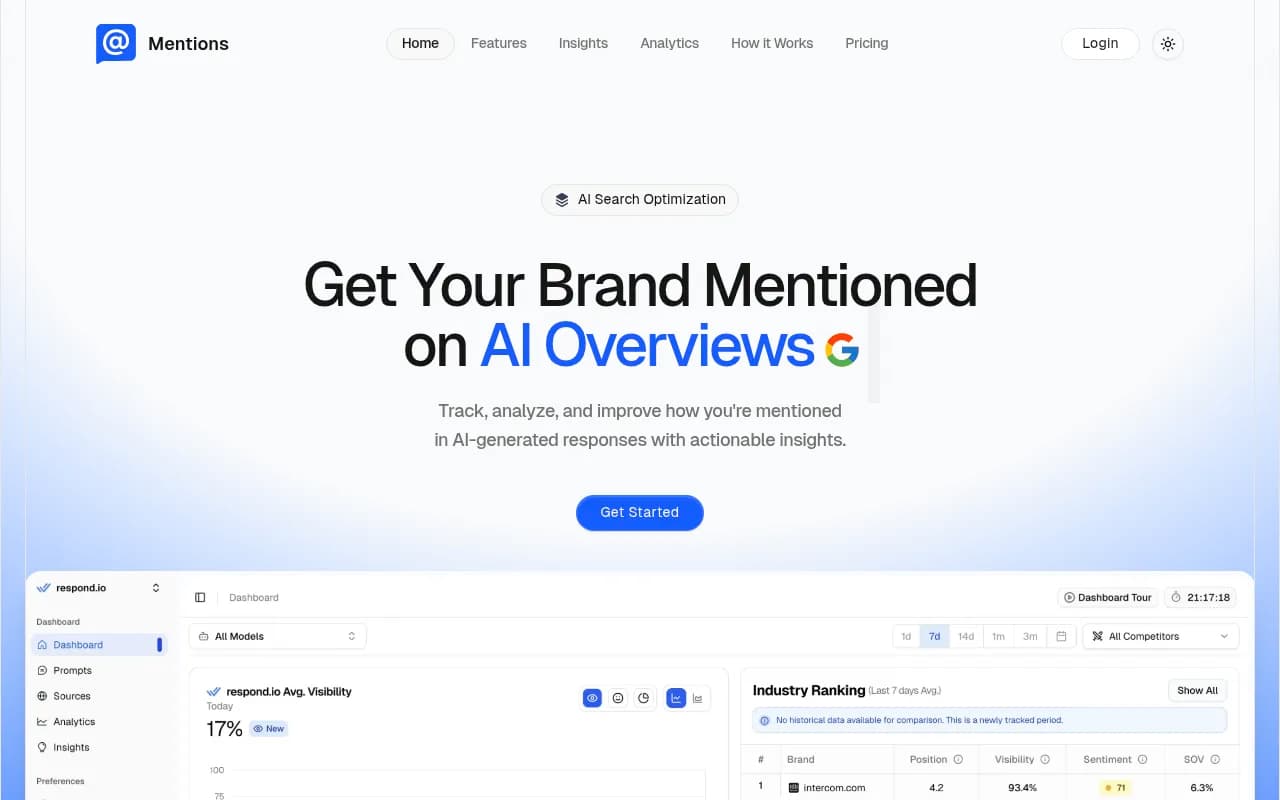
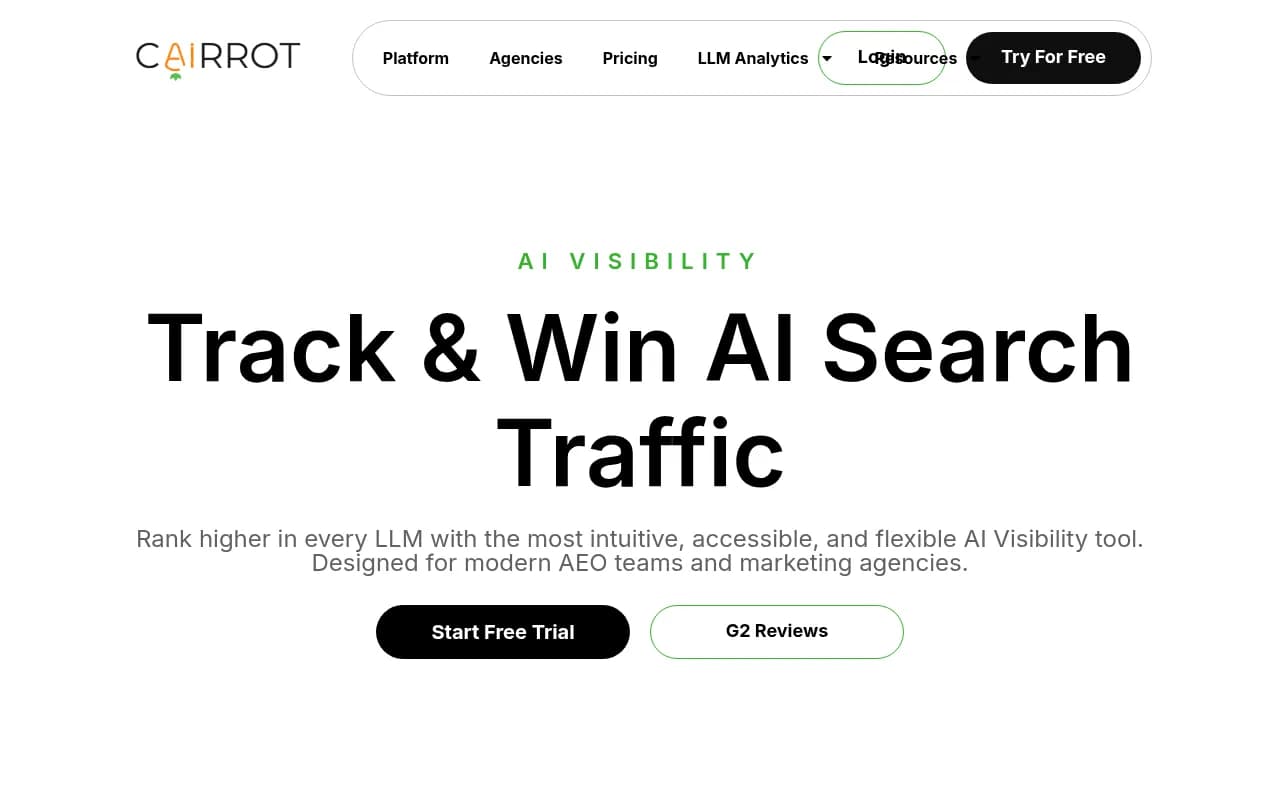
Other monitoring-only options in the same price band as Otterly include Mentions.so and Cairrot, and the GEO software directory at bestgeosoftware.com lists many more.
Which one should you pick?
You have never measured AI visibility
Start with Otterly Lite at $29/mo. It is the cheapest way to learn whether you show up at all. Treat 15 prompts as a diagnostic, not a program.
You are an agency with many client brands
Look at Peec first. Unlimited seats, free pitch workspaces, and a credit formula you can forecast across clients make it easier to bill. Otterly is a fair alternative if you value unlimited workspaces and API access from $189/mo.
You are a lean EU team that cares about data residency
Peec. GDPR-first handling is one of its stated strengths.
You need Gemini and AI Mode coverage on a budget
Peec, since those can be among your three base engines. On Otterly they are add-ons.
You want content shipped, not dashboards
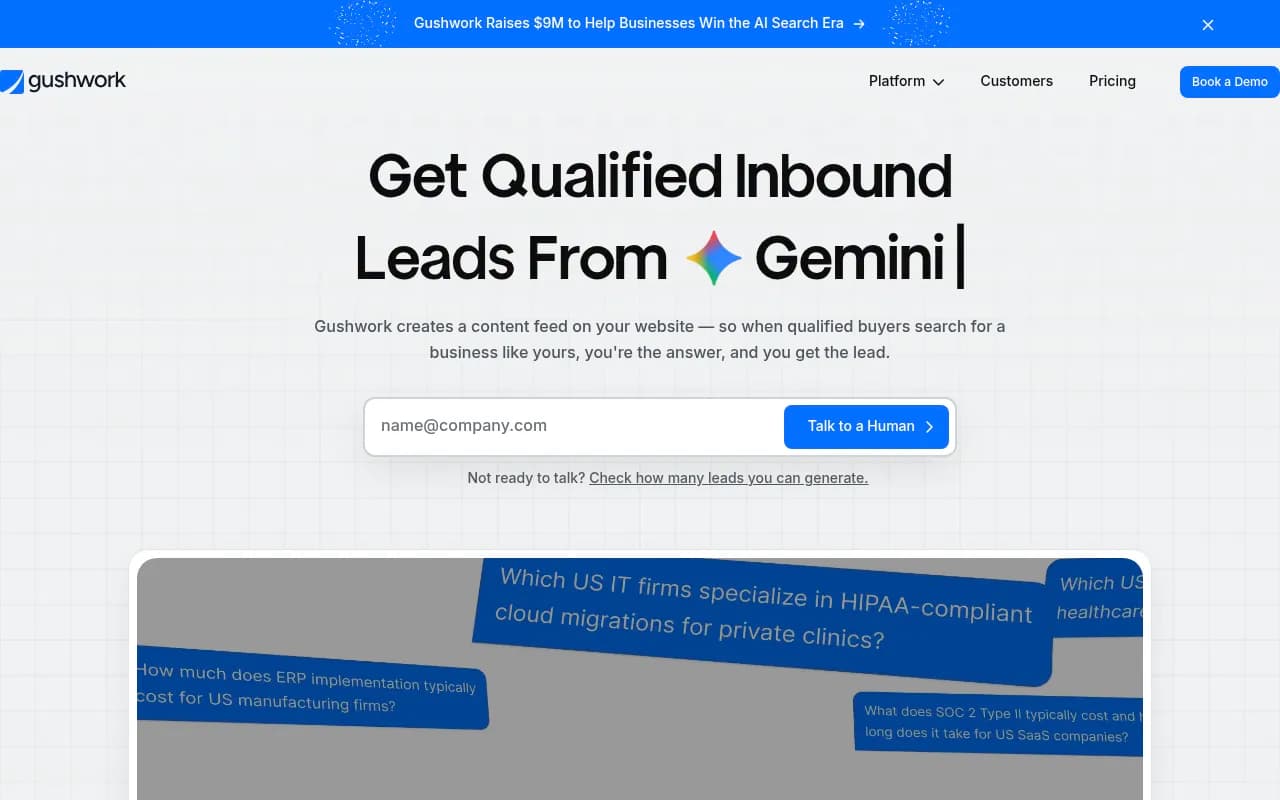
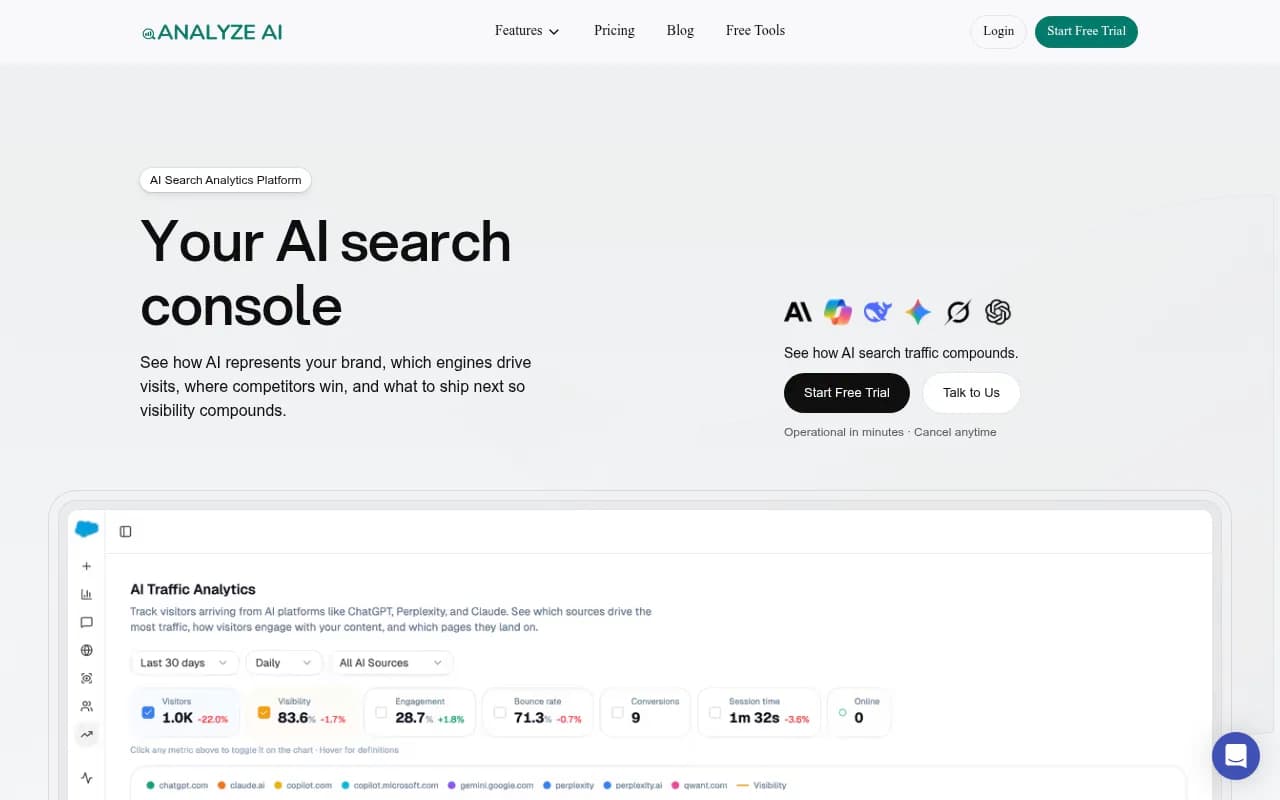
Get a demo of InSpace, but compare it against other content-led options such as Gushwork and Analyze AI before signing a one-year term.
Gushwork
Mistakes to avoid
- Comparing headline prices. Otterly's engine add-ons and Peec's three-engine cap both change the real cost.
- Trusting vendor-run listicles. Several of the sources I used are published by competing vendors, including Surmado, Brandlight, and Otterly itself.
- Buying more tracking than you can act on. Fifty prompts you review weekly beat 400 you never open.
- Skipping the trial. Otterly offers a free evaluation window. Peec's pricing page is client-rendered, so verify at signup.
What I would do this week
- Write down 20 prompts a real buyer would ask about your category.
- Run them in Otterly's trial and note which engines you actually need.
- Book a Peec demo if you need Gemini, AI Mode, or multi-client reporting.
- Ask InSpace specifically whether it tracks AI answers, and what you would own if you cancelled after a year.
I could not find independent hands-on tests of any of the three, so run your own prompts before you trust any dashboard. If you only remember one thing: Otterly is the cheap diagnostic, Peec is the sturdier monitor, and InSpace is a content service wearing the same buzzwords.
For more of the market, the AI rank tracking directory at ai-rank-tools.com lets you filter by price and engine coverage.