Key takeaways
- Comparison queries are the single most cited content format in AI search, making up over 32% of all AI citations in 2026
- AI models extract self-contained sentences and structured data -- your content needs to be written for extraction, not just ranking
- Only 23% of branded-query AI citations come from your own website; the other 77% comes from reviews, forums, and editorial coverage
- Schema markup, comparison tables, and clear answer-first formatting are the structural signals that get pages selected as citations
- Tracking which prompts you're winning (and losing) is now as important as tracking keyword rankings -- tools like Promptwatch are built specifically for this
Comparison queries are where AI search gets interesting. "Best CRM for startups," "Notion vs Obsidian," "which email marketing tool is right for small businesses" -- these are the prompts people type into ChatGPT, Perplexity, and Google AI Mode every day, and they're also the prompts where AI models are most likely to cite specific sources.
According to data from a LinkedIn analysis of AI search ranking shifts, well-structured comparative listicles now make up over 32% of all AI citations. That's not a small number. If you're not optimizing for comparison queries specifically, you're leaving the most citable content format on the table.
This guide is the playbook. It covers what AI models actually look for when they choose a source for a comparison query, how to structure your content to get extracted, and what to do after you publish.
Why comparison queries are different from other AI search queries
When someone asks an AI "how do I set up a VPN," the model can synthesize an answer from dozens of sources and not cite any of them prominently. The answer is procedural -- it doesn't depend on a specific source's opinion or data.
Comparison queries are different. "Which is better, X or Y?" requires a source that has actually done the comparison. The model needs to attribute the judgment to someone. That creates a citation opportunity that doesn't exist for purely informational queries.
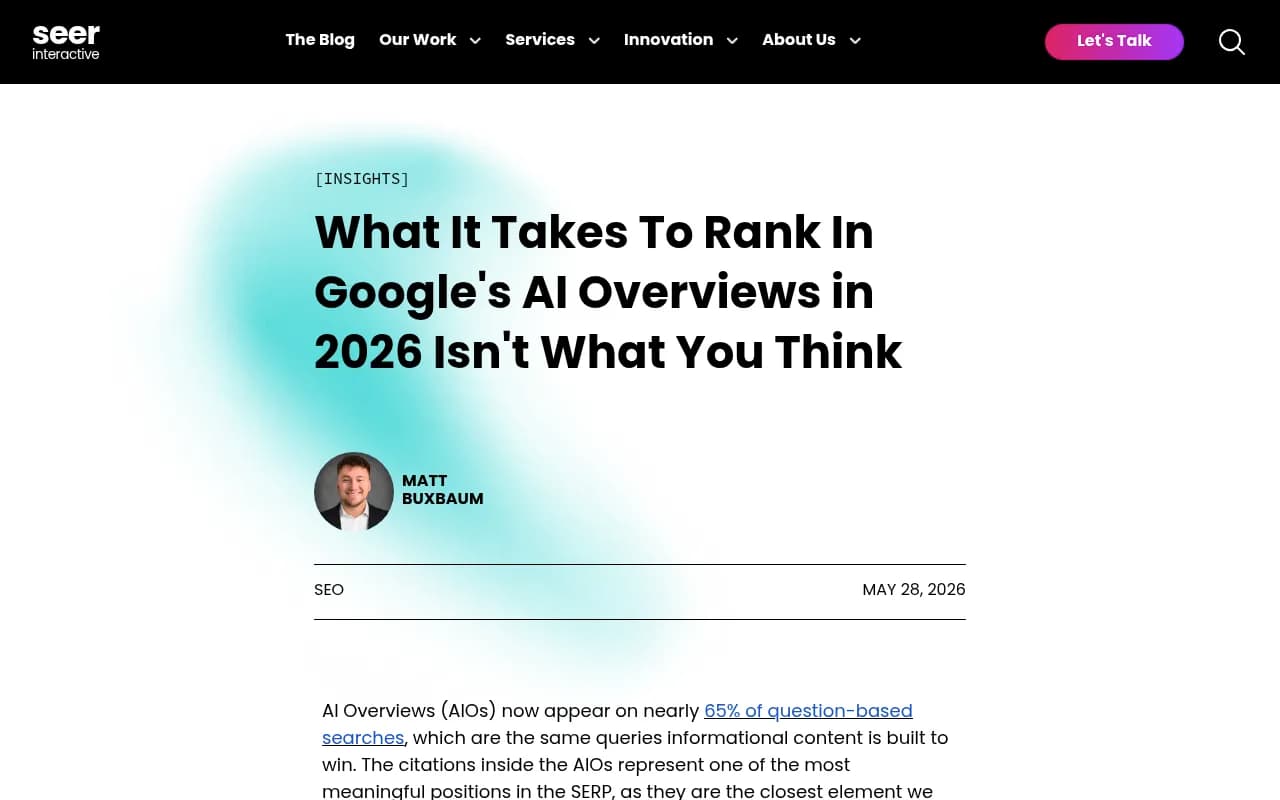
Seer Interactive's analysis of 8,500 keywords (captured via SerpAPI in May 2026) found that AI Overviews now appear on nearly 65% of question-based searches. Comparison and "best-of" queries were among the highest-trigger intent shapes. The first citation slot in those AIOs is, as they put it, "the new position zero."
The practical implication: if you publish in a category where people compare options, comparison content is probably your highest-leverage AI search play right now.
What AI models actually look for in a comparison page
Before getting into structure, it helps to understand how AI models read your content. They're not reading it the way a human does, top to bottom, building up context. They're scanning for extractable units -- sentences and paragraphs that can stand alone as answers without requiring surrounding context to make sense.
A few things that matter a lot:
Answer-first sentences. Every section should open with a direct statement. Not "In this section, we'll explore the differences between X and Y" but "X is better for teams that need real-time collaboration; Y is better for solo users who prioritize offline access." The model can lift that sentence and use it. The windup sentence is useless to it.
Structured data. Comparison tables, bullet lists, and clear headings help AI models parse the structure of your content. A table comparing five tools across six dimensions is extremely extractable. A wall of prose comparing the same tools is much harder for a model to work with.
Specificity. Vague claims ("Tool A has great features") don't get cited. Specific claims ("Tool A supports 150+ integrations and has a free tier capped at 1,000 contacts") do. AI models prefer content that gives them something concrete to quote.
Freshness signals. A comparison page last updated in 2022 is a liability. Models are increasingly sensitive to content freshness, especially in fast-moving categories like software and AI tools. Date your updates visibly.
The structure that gets comparison pages cited
Here's the template that works. It's not complicated, but most comparison pages miss at least two or three of these elements.
1. A clear, specific title that matches how people actually prompt
"Best project management tools" is too vague. "Best project management tools for remote engineering teams in 2026" is better. AI models are matching your content against specific prompts -- the closer your title and headers are to how people actually phrase their questions, the better.
Use natural language, not keyword-stuffed titles. "Notion vs Obsidian: which is better for personal knowledge management?" is exactly how someone would type a comparison query. That alignment matters.
2. A summary table near the top
Put the comparison table early -- ideally within the first two scrolls. AI models weight content that appears early in the page more heavily, and a well-structured table gives them an immediately extractable summary.
Here's an example of what a useful comparison table looks like:
| Tool | Best for | Free tier | Standout feature | Pricing from |
|---|---|---|---|---|
| Tool A | Small teams | Yes (up to 5 users) | Built-in time tracking | $9/user/mo |
| Tool B | Enterprises | No | Advanced permissions | $25/user/mo |
| Tool C | Freelancers | Yes (unlimited) | Client portal | $12/mo flat |
The columns matter. "Best for," "standout feature," and concrete pricing are the kinds of specific claims AI models want to extract. Generic columns like "ease of use" (with no score or qualifier) are less useful.
3. A verdict section for each tool
After the summary table, give each tool its own section with a clear verdict. Structure it like this:
- One sentence stating who this tool is best for
- Two or three specific strengths (with concrete details)
- One or two genuine limitations (not softened to the point of uselessness)
- A bottom-line recommendation
The limitation part is important. Content that only says positive things about every tool reads as promotional and gets weighted lower by AI models. Honest trade-offs signal that the content is genuinely useful.
4. A "how we compared" section
This is underused and surprisingly effective. A short section explaining your evaluation criteria -- what you tested, how long you used each tool, what use cases you focused on -- adds E-E-A-T signals that AI models pick up on. It doesn't need to be long. Three to five sentences is enough.
5. A clear final recommendation
End with a direct answer to the implied question. "If you're a solo creator on a budget, go with Tool C. If you're managing a team of 10+, Tool B's permissions system is worth the price jump." AI models love a clear, attributable recommendation.
Schema markup for comparison content
Schema markup won't single-handedly get you cited, but it helps AI models understand what your content is about. For comparison pages, a few schema types are worth implementing:
ItemList schema works well for "best of" lists. Each item in your comparison gets its own ListItem with a name, description, and URL.
Product schema (or SoftwareApplication schema for tools) lets you mark up individual items with ratings, pricing, and features. When AI models see structured pricing and rating data in schema, they can extract it more reliably than from prose.
FAQPage schema is useful if you include a Q&A section at the bottom of your comparison page. Questions like "Which is cheaper, X or Y?" or "Does X integrate with Slack?" are exactly the kind of comparison sub-queries people ask AI models.
Don't over-engineer this. Clean, accurate schema on the key elements is better than elaborate markup that doesn't match your actual content.
The off-site problem most people ignore
Here's the uncomfortable part: even if your comparison page is perfectly structured, it might not get cited if your brand doesn't have off-site presence.
According to data from Omniscient Digital, only 23% of branded-query AI citations come from a brand's own website. The other 77% comes from reviews, forums, Reddit threads, YouTube videos, and editorial coverage. AI models aggregate signals from across the web, and a brand that only exists on its own website is a brand that AI models don't fully trust.
For comparison content specifically, this means:
- Getting your tool or brand included in third-party comparison roundups (not just your own comparisons)
- Building a presence on Reddit in relevant subreddits where people ask comparison questions
- Earning reviews on G2, Capterra, Trustpilot, and similar platforms
- Getting mentioned in YouTube reviews and tutorials
This isn't a quick fix. It's a sustained effort. But it's why two pages with identical on-site optimization can have very different AI citation rates -- one has distributed brand presence and one doesn't.
Prompt research: finding the comparison queries worth targeting
Not all comparison queries are equal. Some have high prompt volume and are asked constantly across AI search engines. Others are niche and barely trigger AI responses. Before you invest in a comparison page, you want to know which bucket you're in.
Traditional keyword research tools give you Google search volume, but that's increasingly disconnected from AI search behavior. A query might have modest Google volume but be asked constantly in ChatGPT because it's the kind of nuanced comparison question people prefer to ask an AI rather than Google.
Promptwatch tracks actual prompt behavior across 10 AI models -- including volume estimates and difficulty scores for specific prompts -- so you can prioritize comparison queries that are actually being asked in AI search, not just Google. Its Answer Gap Analysis also shows which comparison prompts your competitors are being cited for but you're not.

For a lighter-weight starting point, you can also use tools like Perplexity to research what comparison questions are being asked in your category, then work backward to build content around them.
Perplexity
Content optimization tools that help with structure
Once you know which comparison queries to target, you need to write content that's actually well-structured and comprehensive. A few tools that help:
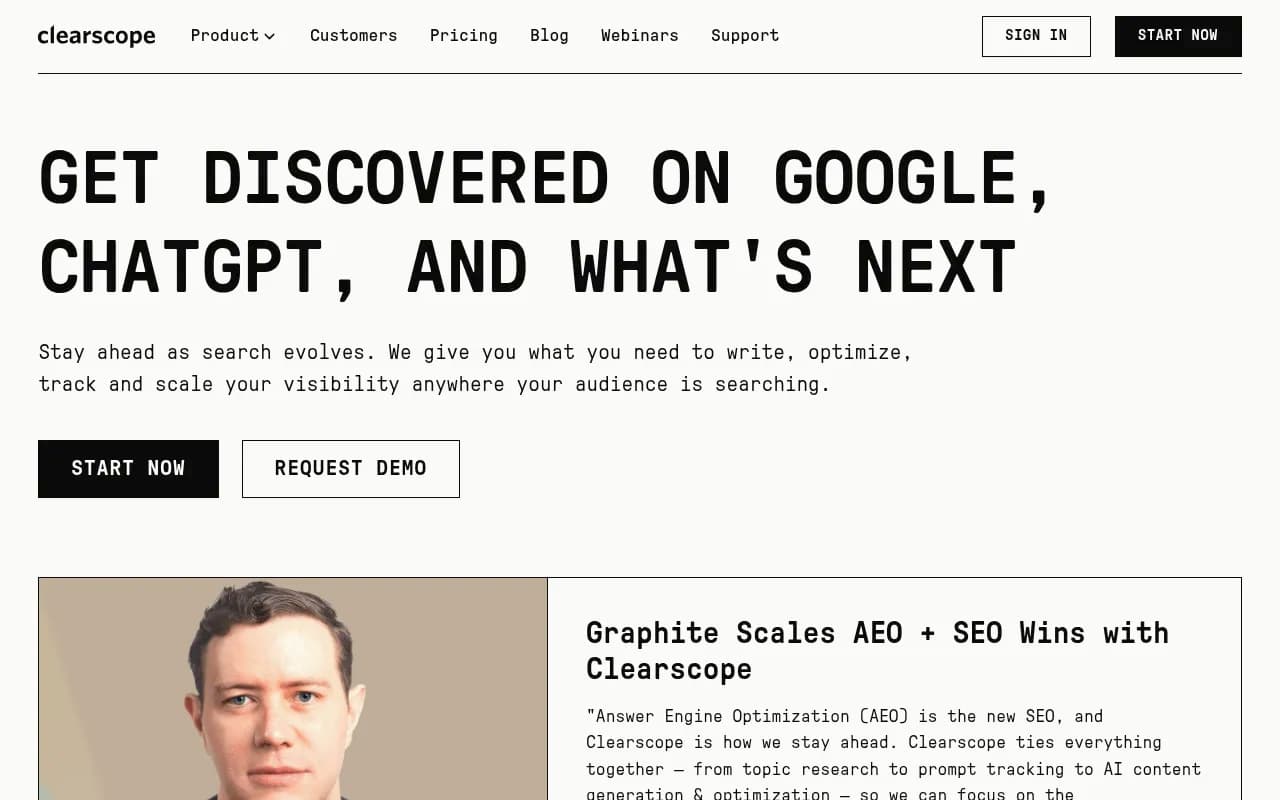
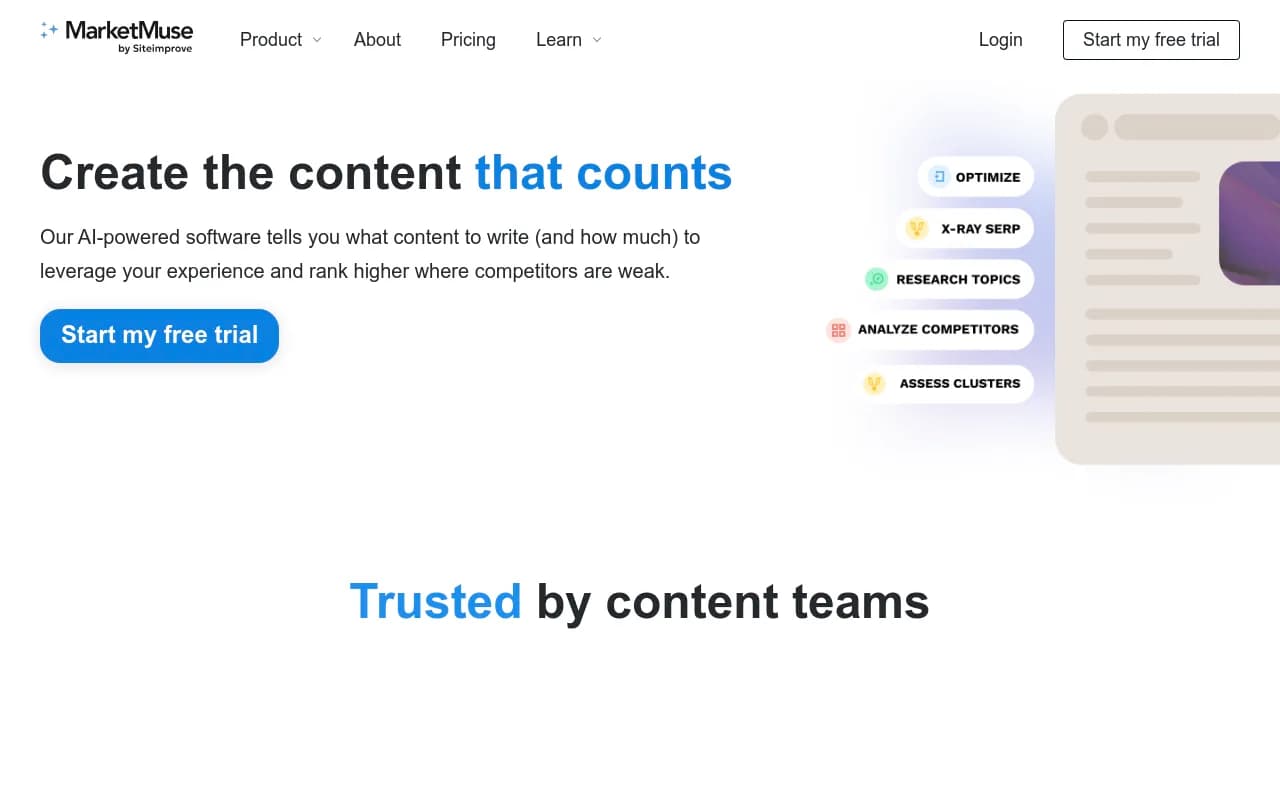
For content briefs and optimization: Clearscope and MarketMuse both analyze top-ranking content and tell you what topics and terms to cover. They're built for traditional SEO but the coverage recommendations translate well to AI search too.
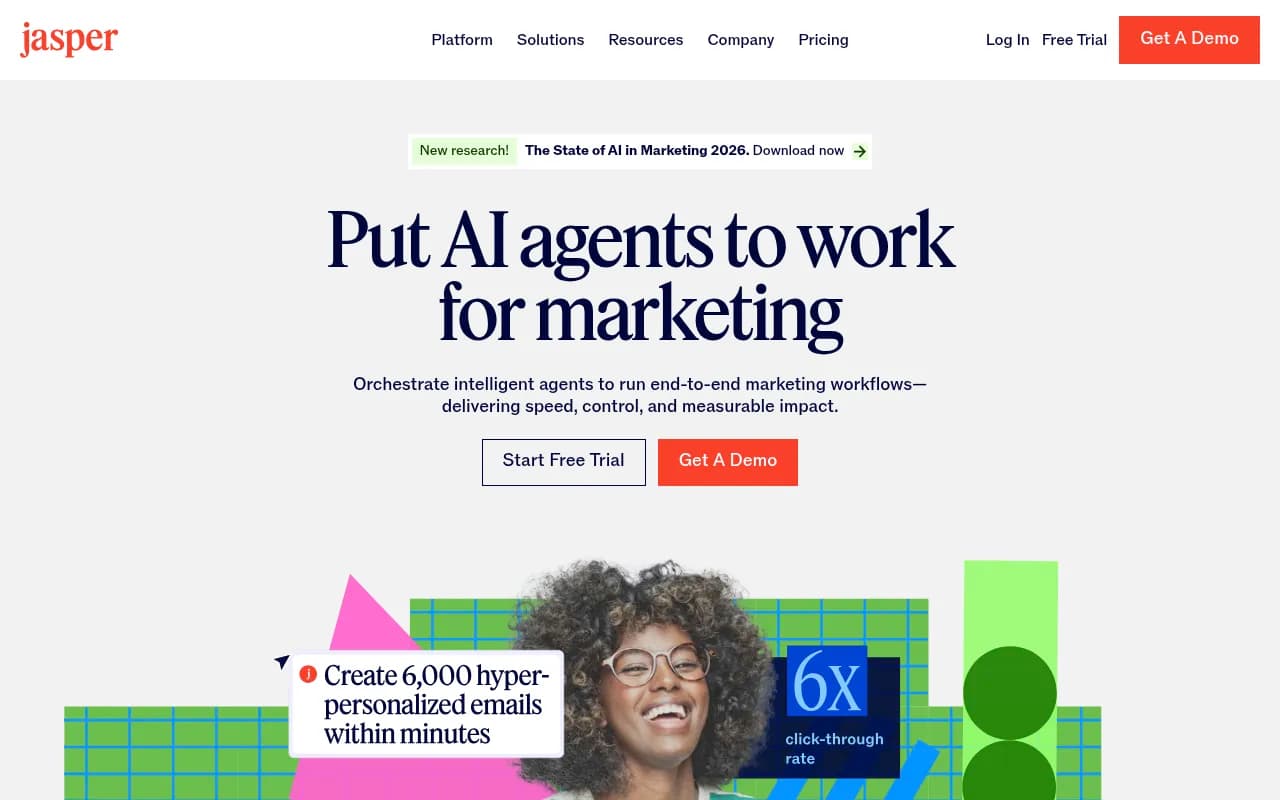
For content creation: If you're producing comparison content at scale, Jasper and Content at Scale can help with first drafts. The key is treating AI-generated drafts as starting points, not finished products -- you need to add the specific details, genuine trade-offs, and original observations that make comparison content worth citing.
For on-page SEO signals: Surfer SEO and NeuronWriter both give real-time feedback on content structure and semantic coverage as you write.
Tracking whether your comparison pages are getting cited
Publishing the content is step one. Knowing whether it's actually getting cited by AI models is step two, and most people skip it entirely.
AI search visibility tracking is genuinely different from traditional rank tracking. You're not checking a position in a list of ten blue links -- you're checking whether your page appears in AI-generated responses across multiple models, for multiple prompt variations, in multiple contexts.
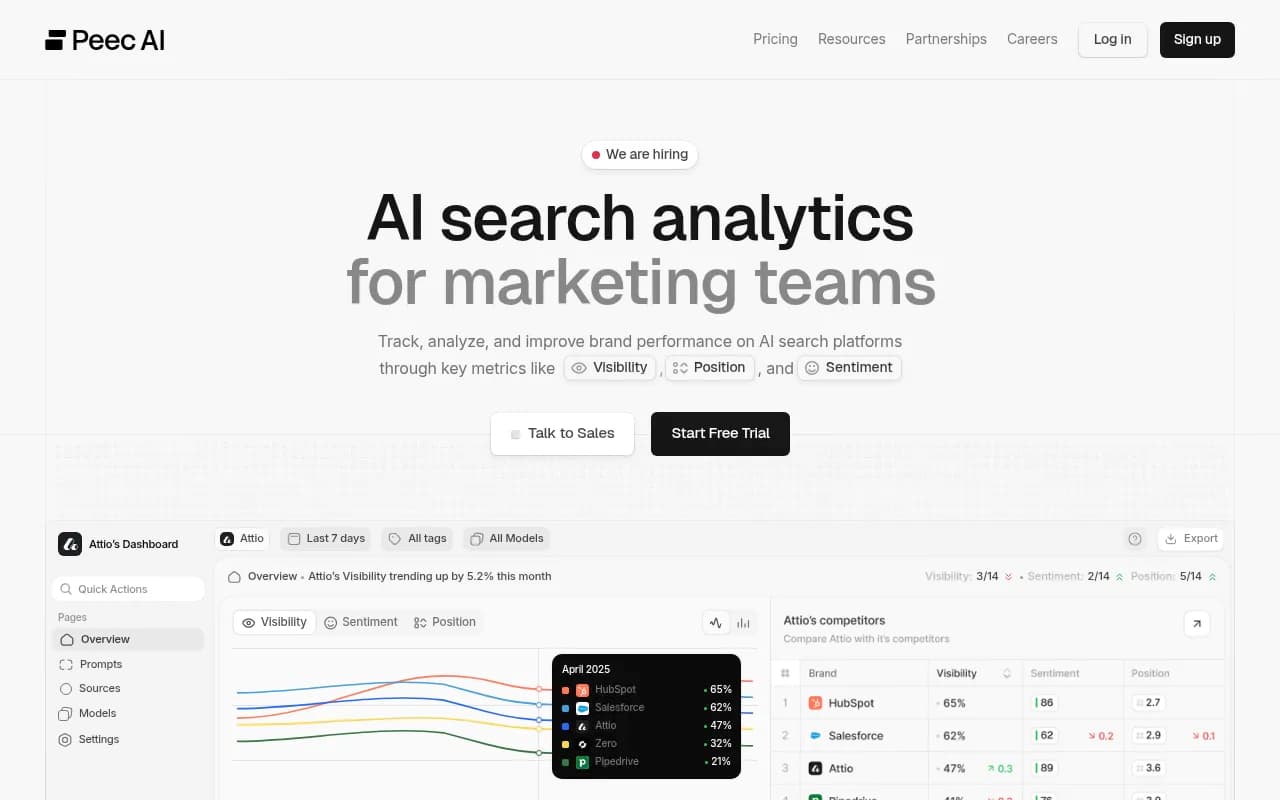
A few tools worth knowing about:

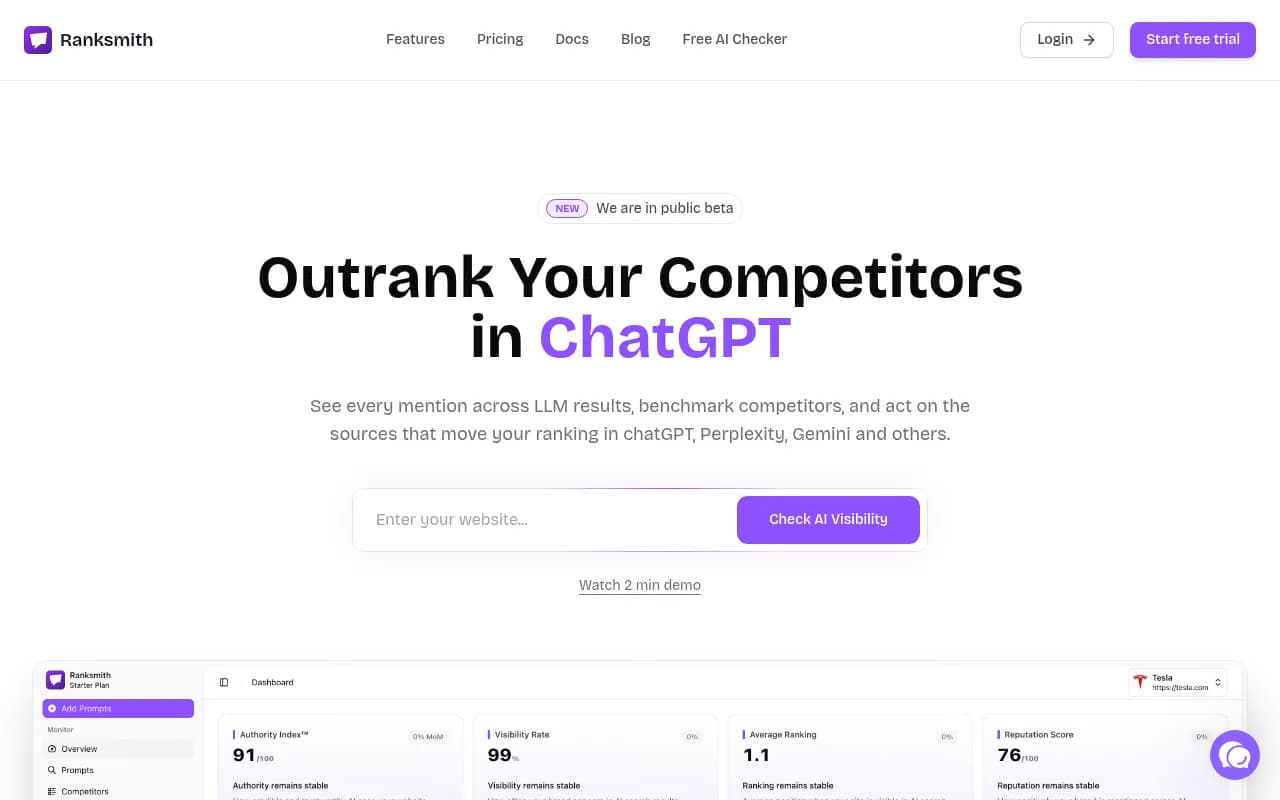
For more comprehensive tracking that goes beyond monitoring into actual optimization, Promptwatch's page-level tracking shows exactly which of your pages are being cited, how often, and by which AI models. Its agent analytics shows the timeline from when AI crawlers first hit a page to when it starts appearing in citations -- which tells you whether a newly published comparison page is being discovered at all.
A note on content freshness and maintenance
Comparison pages decay faster than almost any other content type. Pricing changes. Features get added or removed. New tools enter the category. A comparison page that was accurate six months ago might now be actively misleading.
AI models are increasingly sensitive to freshness signals. A page that shows a "last updated" date from 18 months ago is a liability. A page that shows a recent update date, with a changelog or update note explaining what changed, signals that the content is maintained and trustworthy.
Build a maintenance schedule into your comparison content strategy. Quarterly reviews for fast-moving categories, semi-annual for slower ones. When you update, make the update visible -- a brief note at the top ("Updated June 2026: revised pricing for Tool B, added Tool D to the comparison") is worth adding.
The full playbook, summarized
Here's the complete checklist for a comparison page that gets cited in AI search:
Before you write:
- Identify comparison prompts with real AI search volume (not just Google volume)
- Check which prompts competitors are being cited for that you're not
- Confirm the query triggers AI responses in the models your audience uses
Structure:
- Title that matches natural language comparison queries
- Summary comparison table in the first half of the page
- Answer-first opening sentences in every section
- Individual verdict sections for each tool/option with specific details
- Genuine limitations, not just positives
- "How we compared" methodology section
- Clear final recommendation
Technical:
- ItemList or Product schema markup
- FAQPage schema for common sub-questions
- Visible publish and update dates
- Fast page load (AI crawlers are sensitive to slow pages)
Off-site:
- Get included in third-party roundups in your category
- Build presence on Reddit and review platforms
- Earn mentions in YouTube content
After publishing:
- Track AI citation rates across models
- Monitor for content freshness decay
- Update quarterly (or when anything significant changes)
The comparison query opportunity in AI search is real and it's large. The brands that figure out structured comparison content now will have a significant head start as AI search continues to take share from traditional Google results.
Tools mentioned in this guide
| Tool | Best for | Category |
|---|---|---|
| Promptwatch | Tracking AI citations, finding prompt gaps, content optimization | AI visibility / GEO |
| Perplexity | Researching what comparison questions are being asked | AI research |
| Clearscope | Content briefs and semantic coverage | Content optimization |
| MarketMuse | Topic modeling and content strategy | Content strategy |
| Surfer SEO | Real-time on-page optimization | Content optimization |
| NeuronWriter | Semantic SEO and content scoring | Content optimization |
| Jasper AI | AI-assisted first drafts | Content creation |
| Content at Scale | Comparison content at volume | Content creation |
| Otterly.AI | Basic AI visibility monitoring | AI visibility |
| Peec AI | AI search monitoring | AI visibility |
| Ranksmith | Actionable AI search visibility insights | AI visibility |