Key takeaways
- In Promptwatch Data for Sep 28 to Oct 4, 2026, product pages are the most cited format in ChatGPT (22.4%), followed by landing pages (16.8%) and listicles (13.6%).
- Third-party studies put listicles first, at anywhere from 21.9% (Wix) to 63% (Evertune). The gap comes mostly from different classification schemes and engine mixes, not from one side being wrong.
- Format follows intent. Commercial prompts reward product pages, landing pages, listicles and comparisons. Informational prompts spread citations across how-tos, docs and articles.
- Docs, landing pages and comparisons stay cited longest. News decays fastest, losing half its cited pages within 36 days.
- The practical play is a portfolio: complete product pages, a few well-researched ranked lists, public docs, and an FAQ.
Why the numbers disagree
If you have read two or three "most cited content type" studies this year, you probably noticed they contradict each other. That is not your imagination.
- Evertune (May 2026, nearly 400 million citations across 25,000 URLs): 63% of citations point to listicle pages.
- Otterly (617,985 citations): 66.6% listicles.
- Qvery: listicles are 45.8% of classifiable citations, but only about 12% of all citations were classifiable at all.
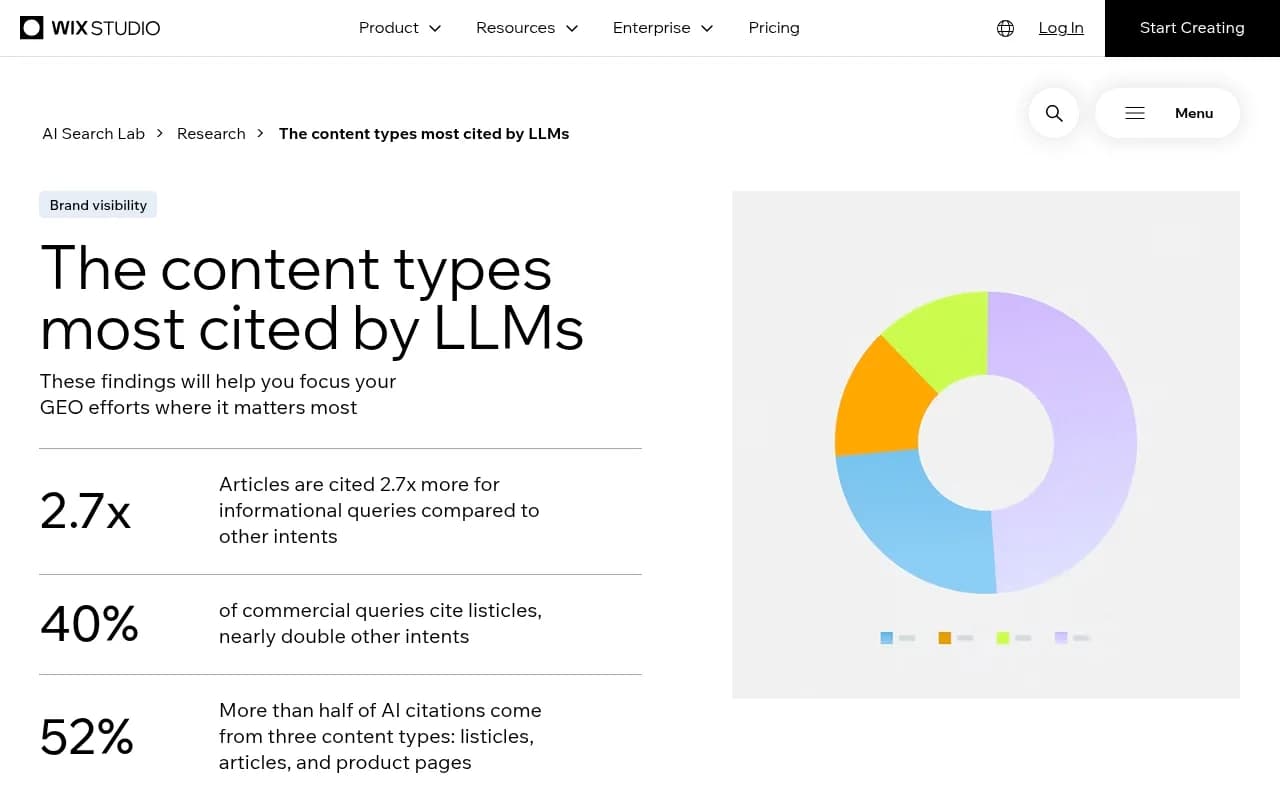
- Wix (75,000 AI answers, 1,056,727 citations across ChatGPT, Google AI Mode and Perplexity): listicles 21.9%, articles 16.7%, product pages 13.7%.
- Boring Marketing: brand and product pages 51.7%, guides and blog posts 14.3%, listicles 12.4%.
So listicles are somewhere between 12% and 67% of citations, depending on who you ask. My read: the studies differ on three things. What counts as a listicle (a ranked "best X" page versus any page with bullets). Which prompts were used (a ranking-shaped prompt set produces list-shaped results; Otterly found 73.2% listicles when the question asks for a ranking). And which engines were tracked (Otterly saw Claude citing 78% listicles, while Google AI Overviews was closer to 45% with a lot of forums and video).
The most useful single source here is the one that is narrowest and most recent. Promptwatch tracks the real ChatGPT interface, and its content type report for Sep 28 to Oct 4, 2026 is a snapshot of one engine in one week. That is a limitation, but it also means the numbers are not blended across engines that behave very differently.

What ChatGPT actually cited in early October 2026
Here is the breakdown from Promptwatch Data for all prompts, Sep 28 to Oct 4, 2026:
| Content type | Share of ChatGPT citations |
|---|---|
| Product pages | 22.4% |
| Landing pages | 16.8% |
| Listicles | 13.6% |
| How-to guides | 8.7% |
| Documentation | 7.5% |
| General articles | 6.1% |
| Comparisons | 5.9% |
| News | 5.7% |
| FAQ pages | 3.3% |
| Reviews | 1.7% |
Product and landing pages together make up about 39% of citations. That is the opposite of the "listicles rule everything" story, and it is worth sitting with. ChatGPT, at least in this window, is leaning on pages that describe a thing itself rather than pages that rank a set of things.
It also moves around. In July 2026 product pages led at roughly a third of ChatGPT citations, and listicles were the fastest-growing format. In August, product pages averaged about 29% of daily citations, held near 30% until August 22, then slid to about 25%. Landing pages dropped from around 20% in week one to under 12% by month end. Meanwhile how-tos rose from 4.3% to 9.1% over the last nine days of the month, and documentation climbed from 3.3% to 8.2%.
Treat any single month as a weather report, not a climate. The mix shifts, and a strategy built around one format will get caught out.
Format by intent
The same report splits citations by prompt intent, and this is where it gets practical.
| Intent | Top formats |
|---|---|
| Commercial ("best CRM for small businesses") | Product pages 26.0%, landing pages 20.6%, listicles 15.0%, comparisons 7.9% |
| Informational | Product pages 19.1%, landing pages 13.9%, listicles 13.6%, how-tos 10.7%, docs 8.5%, articles 7.7% |
| Branded | Product pages 23.3%, landing pages 22.8%, reviews 5.6%, FAQ pages 4.8%, social posts 3.0% |
Two things stand out. First, the four commercial formats (product, landing, listicle, comparison) account for almost 70% of commercial citations. If you sell something, that is the shelf you need to be on. Second, reviews jump to 5.6% on branded prompts, more than three times their overall share. When someone asks about you by name, ChatGPT goes looking for what other people say.
The Wix study adds a pattern that agrees on direction even where the numbers differ: listicles appeared in about 40% of commercial queries, nearly double other intents, while articles were cited 2.7x more for informational queries. Digital Applied's summary of the same data has articles at 45.5% of informational citations and listicles at 40.86% of commercial ones. Different engine mix, same shape.
Product pages: the most cited format nobody writes about
Most content advice is about blog posts. Yet in ChatGPT's data the single largest slice goes to pages you probably already have. Boring Marketing puts brand and product pages at 51.7% in its mix, with the caveat that this holds "when it can read it." That caveat matters.
What makes a product page citable:
- Complete specs, pricing and positioning in plain HTML, not buried behind a script or a "contact us" wall.
- A clear statement of who it is for, so a model can match it to a prompt like "best X for small teams."
- Easy comparison. If a model has to reconcile three vague pages to understand your pricing, it will cite someone else's summary of you.
- Crawler access. Check that AI bots can actually fetch the page. Tools like Promptwatch's crawler logs, or a quick look at your own server logs, show whether GPTBot and OAI-SearchBot are hitting it or hitting errors.
This is the cheapest win in the whole guide, because there is no new content to write. It is an audit.
Listicles: still big, still misunderstood
I would not read the Promptwatch numbers as "listicles are dead." Listicles are the third most cited format in ChatGPT at 13.6%, they ranked higher on commercial prompts at 15.0%, and they are the format Claude and the Google engines lean on heavily in other datasets. They also have a respectable shelf life: about 60% of cited listicles were still cited at day 60.
Two things from the third-party research are worth keeping:
- Of the listicles AI cites, 71% to 86% are ranked, numbered lists, according to Evertune's analysis reported by Search Engine Land. Loose roundups do worse.
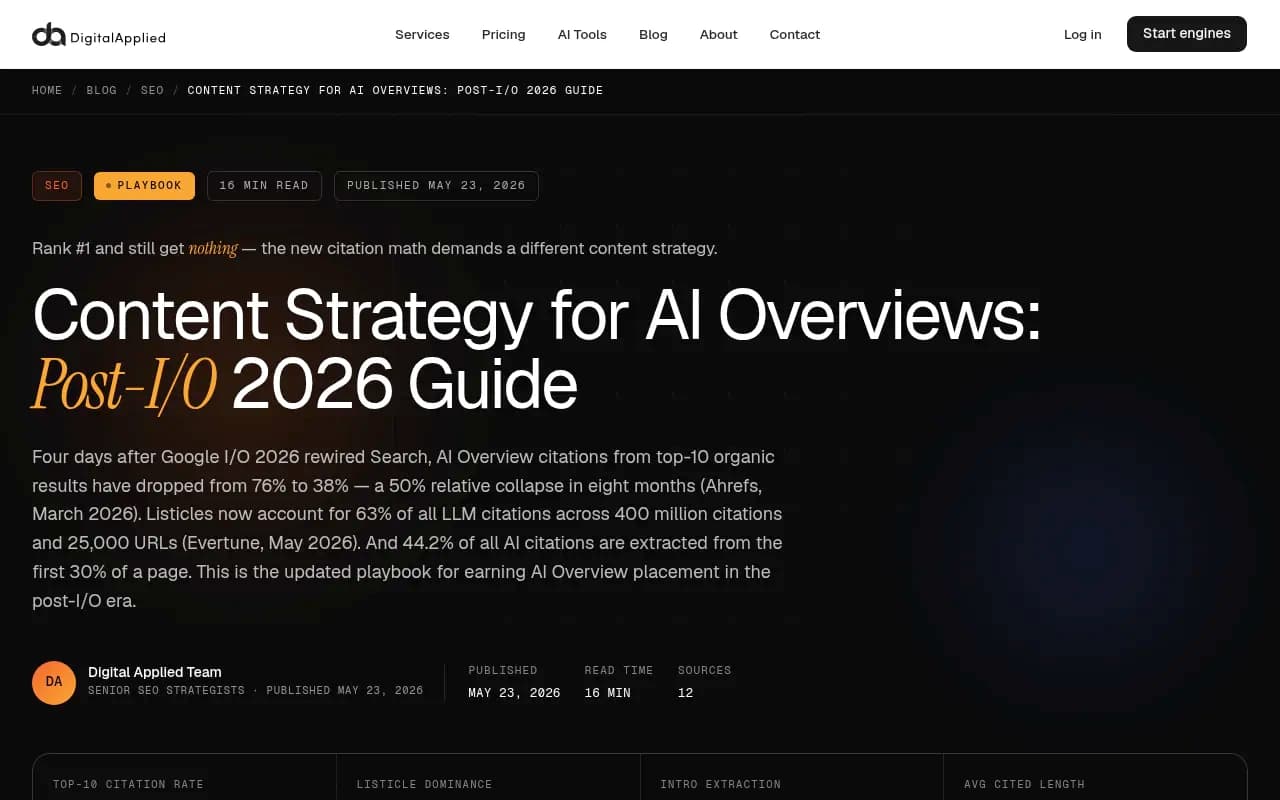
- Citation tends to come from near the top. Digital Applied cites a Wix/Evertune finding that 44.2% of citations are extracted from the first 30% of a page, and that heavily cited content averages around 18 words per sentence with frequent H2 and H3 headings.
There is also a risk. Wix noted that Google seems to be cracking down on brands using listicles for self-promotion, and Otterly found that 44.8% of citations to listicles, comparisons and guides go to publishers that disclose affiliate earnings. A "Top 10" where you rank yourself first, with no evidence, is the weak version of this format. Masset's advice is the stronger one: do real homework, with actual quotes, numbers and named sources. The honest listicle and the citable listicle turn out to be the same page.
Practically, there are two ways to play it. Get listed in the "best of" roundups ChatGPT already cites for your category, and publish your own ranked comparison where you are honest about trade-offs and include per-item attributes like price, use case and verdict.
Docs and help centers: the quiet long-lived format
Documentation is only 7.5% of ChatGPT citations overall, but it behaves differently from everything else. In the content half-life study, which followed every page cited on July 6, 2026 for 90 days, docs had the smallest drop after day zero: 93% of cited docs pages were cited again later, against 77% of news pages. After 30 days ChatGPT still cited 76% of them.
For software prompts the pattern is stronger. In the October 2026 software report, GitHub, Microsoft's docs and G2 lead, and documentation and help centers earn the largest share of citations. If you sell a developer tool, your docs are not support content. They are a primary acquisition channel.
The rule here is boring: keep docs public, crawlable and current. Gating them or hiding them in a JavaScript-only app is the quickest way to lose that slot. One side note: markdown files are only 0.05% of AI search citations. Markdown versions of pages serve AI agents, not AI search, so do not bother publishing .md copies for the sake of citations.
How long each format stays cited
Format choice is also a maintenance decision. Here is the 90-day half-life picture from the same Promptwatch study:
| Format | Still cited at day 30 | Still cited at day 60 | Notes |
|---|---|---|---|
| Landing pages | 78% | 69% | Likely half-life at or beyond 90 days |
| Docs | 76% | 67% | Most likely to be cited again |
| Comparisons | 72% | 63% | Likely at or beyond 90 days |
| Listicles | n/a | 60% | Crosses 50% only in the final week |
| Product pages, reviews, how-tos | n/a | 55% | Half-life roughly 74 to 77 days |
| News | n/a | 41% | Half gone after 36 days |
Almost a quarter of cited news pages are never cited again. If your plan is a steady drip of news-style posts, expect to keep running to stand still. Evergreen landing pages, comparisons and docs compound. Pricing pages, by the way, are classified as landing or product pages in this data.
Other signals worth knowing
- How many sources: almost half of ChatGPT responses cite 10 or more unique domains (Promptwatch Data, Sep 28 to Oct 4, 2026). There is room for more than one winner per prompt.
- Social: ChatGPT got only 0.46% of its citations from social platforms in the same week, against 12.2% for Google AI Overviews (report). Reddit's share of ChatGPT citations fell from about 4% to 0.5% on August 14, 2026 (report). Social posts in ChatGPT dropped from 4.4% to under 1% that same day. If your Reddit strategy was aimed at ChatGPT, rethink it. For AI Overviews it still matters.
- Engine differences: Perplexity draws about 17% of its citations from discussions, more than double other models, per Wix. Claude skews to listicles per Otterly. Do not assume one engine's habits transfer.
- Page position: front-load the answer. Extraction clusters in the top third of a page.
Digital Applied's post-I/O playbook also reports that top-10 organic results now account for only 38% of AI Overview citations, down from 76% in mid-2025 (Ahrefs). Ranking helps, but it is not the gate it was.
A practical format plan
Here is how I would put this together, in order of effort.
- Audit product, pricing and landing pages. Fill in specs, prices, target buyer, and make sure they render without JavaScript and are not blocking AI crawlers.
- Open up docs and help content. Public, crawlable, current. Add an FAQ page, which earned 3.3% of citations overall and 4.8% on branded prompts.
- Build two or three ranked comparisons for your commercial queries. Number them, give every item standalone attributes, and put the verdict at the top.
- Get into the roundups that already get cited. Find them by looking at which listicle URLs appear for your category prompts, then pitch or earn inclusion.
- Collect reviews on trusted third-party sites, since reviews matter most on branded prompts.
- Map each page to an intent so you stop writing a how-to for a prompt that wants a ranked list.
- Refresh on a schedule. Landing pages and docs can sit; news and how-tos need attention.
Tools to measure and act on this
You cannot manage format mix without seeing it. A rough split of the options:
| Need | Options | Notes |
|---|---|---|
| Citation share by content type, crawler logs, content gaps, publishing | Promptwatch | Classifies citations into content types and tracks which of your pages get cited, then helps create the content |
| Enterprise GEO monitoring | Profound, Evertune | Evertune produced the 400-million-citation study |
| Basic prompt tracking | Otterly.AI, Peec AI | Cheap monitoring, less on the action side |
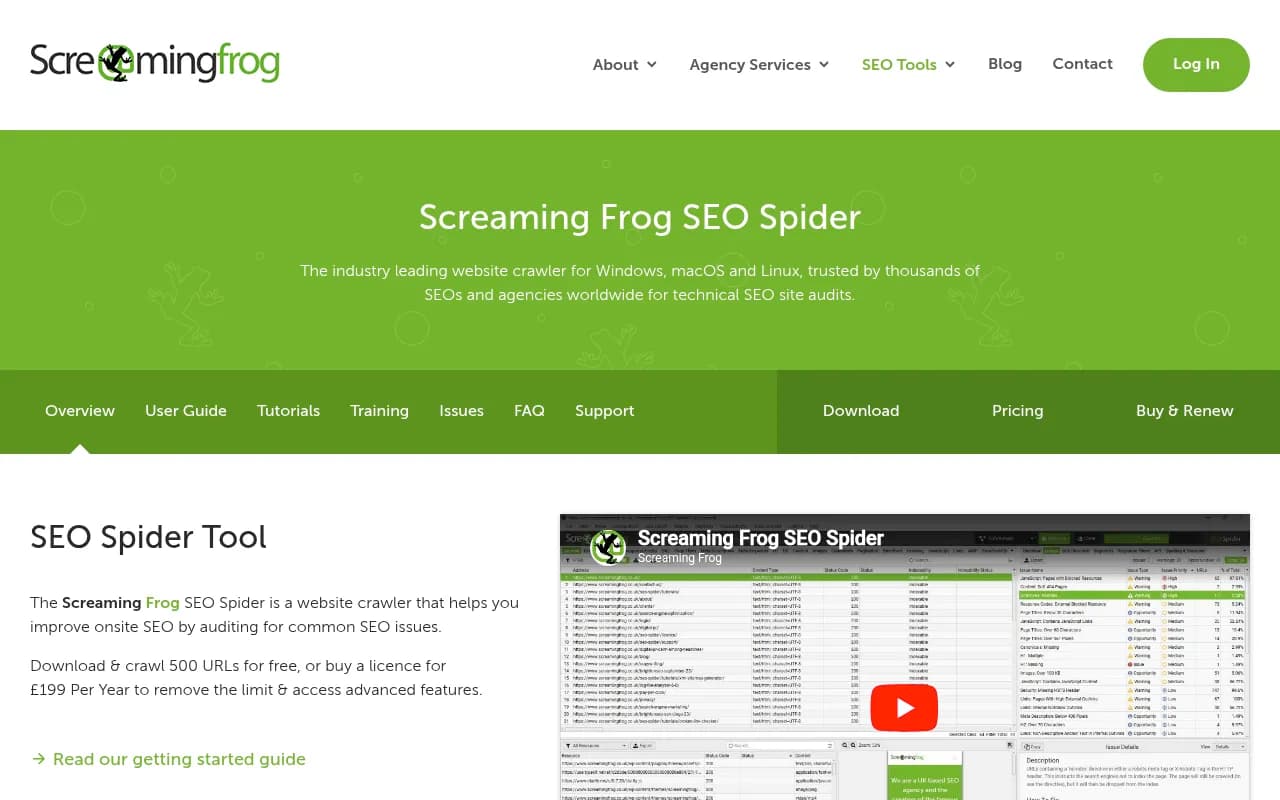
| Technical crawl checks | Screaming Frog SEO Spider | Confirms product and docs pages are reachable and rendering |
| Search data alongside AI | Google Search Console | Free; shows which pages already earn Google traffic |



For a wider look at what is out there, the GEO software directory lists more options.
So which format should you bet on?
None alone. If I had to pick a priority list from the Promptwatch numbers, it would be product pages first, then landing pages, then a small number of strong listicles and comparisons, with docs and an FAQ underneath. If you look at the Evertune or Otterly numbers, you might put listicles first. Both can be true, because they are measuring different things in different engines.
The lazy conclusion is "write more listicles." The better one is that AI engines cite the page that most directly answers the shape of the prompt. A ranking prompt gets a ranking. A "what does X cost" prompt gets a product page. A "how do I set up X" prompt gets docs. Build for the prompt, and check your numbers again next month, because they will have moved.