Key takeaways
- In the first 12 months, GEO is three separate jobs, monitoring, optimization, and conversion, and no single startup-priced tool does all three well, so pick based on which job is bleeding you the most
- You don't need enterprise domain authority to get cited: Promptwatch's citation-share data shows mid-authority domains (DR 46-75) earned nearly half of all ChatGPT citations in August 2026, while the top DR 91-100 tier shrank to about 3%
- Start with free or sub-$50 diagnostics (HubSpot AI Search Grader, Otterly.ai Lite) before paying for anything, then graduate to a paid tool only once you know what you're optimizing for
- Skip the llms.txt rabbit hole for now, markdown files account for roughly 0.05% of AI search citations versus 99.94% for HTML, so clean, crawlable HTML beats a markdown mirror
- Prioritize how-to and documentation content early: that format's share of ChatGPT citations more than doubled in August 2026, while product pages and landing pages lost ground
Why GEO can't wait until year two
Here's the uncomfortable math every early-stage founder eventually runs into. You've spent 12 months building something people want, you finally have a few case studies, and then you realize your prospects aren't googling you, they're asking ChatGPT. Gartner's 2024 forecast that traditional search volume would fall 25% by 2026 as people shift to AI chatbots looks less like a prediction now and more like a description of what already happened. G2's research backs this up from the buyer side: 51% of B2B software buyers say they now start their research in an AI chatbot instead of a search engine.
That's not a reason to panic-buy an enterprise GEO suite. It's a reason to get the basics right while your content footprint is still small enough to control. The good news, genuinely, is that GEO rewards content quality over domain age in a way traditional SEO never did. A lower-ranked site climbing from nothing to real visibility in AI answers is a much more realistic 12-month story than clawing your way onto page one of Google against incumbents with a decade of backlinks.
The three jobs GEO tooling actually does
Most comparison articles treat "GEO tool" as one category. It isn't. There are three distinct problems, and almost no startup-budget tool solves all three:
Monitoring answers "where am I cited, and by whom?" This is the cheapest job to buy and the easiest to start with. Otterly.ai, HubSpot's AI Search Grader, and similar tools live here.
Optimization answers "what should I actually change on my site or in my content?" This requires connecting citation data to specific pages and specific gaps, not just a dashboard of mentions.
Conversion answers "what happens after AI sends someone to my site, and did it make money?" This is the job most monitoring tools skip entirely, and it's the one that actually justifies the spend to a board or a co-founder watching runway.
If you only have budget for one tool in your first 12 months, figure out which job is costing you the most sleep before you shop.
What the data says about where to focus first
A few data points should shape how you spend your first GEO dollars, because they contradict some of the conventional wisdom floating around startup Slack channels.
First, you don't need to out-rank the internet's biggest sites. Promptwatch's domain-rank citation data for August 2026 found that DR 46-75 domains picked up nearly half of all ChatGPT citations that month, while DR 0-30 sites still captured around 14%. The very top tier, DR 91-100, actually shrank through the month, down to roughly 3% of citations by mid-August. If you've been told you need Forbes-level authority to show up in AI answers, that's not what the citation data shows.

Second, format matters more than most startups assume. Promptwatch's citation-type breakdown for ChatGPT in August 2026 shows how-to content's share of citations more than doubling over the month, while product pages and landing pages both lost ground. If you're deciding what to write first with a two-person content team, a sharp how-to or piece of documentation is a better bet right now than another landing page.
Third, skip the markdown detour. A lot of startup GEO advice says "add an llms.txt file and markdown mirrors of your pages." Promptwatch's cross-engine sample found markdown files account for about 0.05% of citations across ChatGPT, Claude, Perplexity, and AI Overviews, a 2,000-to-1 ratio against HTML. Markdown is genuinely useful for AI coding agents like Claude Code fetching docs directly, but it does almost nothing for consumer AI search visibility. Spend that engineering time on clean, crawlable HTML instead.
Fourth, check your crawler access before you assume it's fine. OpenAI's crawlers made up about 80% of verified AI crawler requests in early September 2026, down from roughly 95% in June, meaning Anthropic, Google, Perplexity, and others are picking up real share fast. A robots.txt rule or WAF setting that seemed harmless a year ago might now be quietly blocking a crawler that matters.
How many citation slots are you even fighting for?
This is worth knowing before you set expectations with a founder or investor. ChatGPT typically cites around 5 sources per web-search answer, a tighter, more contested space than a Google results page. Google AI Overviews and Perplexity both cite roughly 10 sources per answer, which makes them somewhat more forgiving targets for a new brand. Microsoft Copilot is the wildcard, its average citation count has swung from under 2 to nearly 17 within weeks, which tells you Microsoft is still rebuilding its retrieval system and probably isn't worth over-indexing your strategy on yet.
Comparing the realistic startup-budget options
Here's how the tools that actually come up in startup GEO conversations stack up on price and what job they solve.
| Tool | Entry price | Best job | Engines covered | Watch out for |
|---|---|---|---|---|
| HubSpot AI Search Grader | Free (one-time) | Quick diagnostic | ChatGPT, Perplexity, Gemini | One-time snapshot, not ongoing tracking |
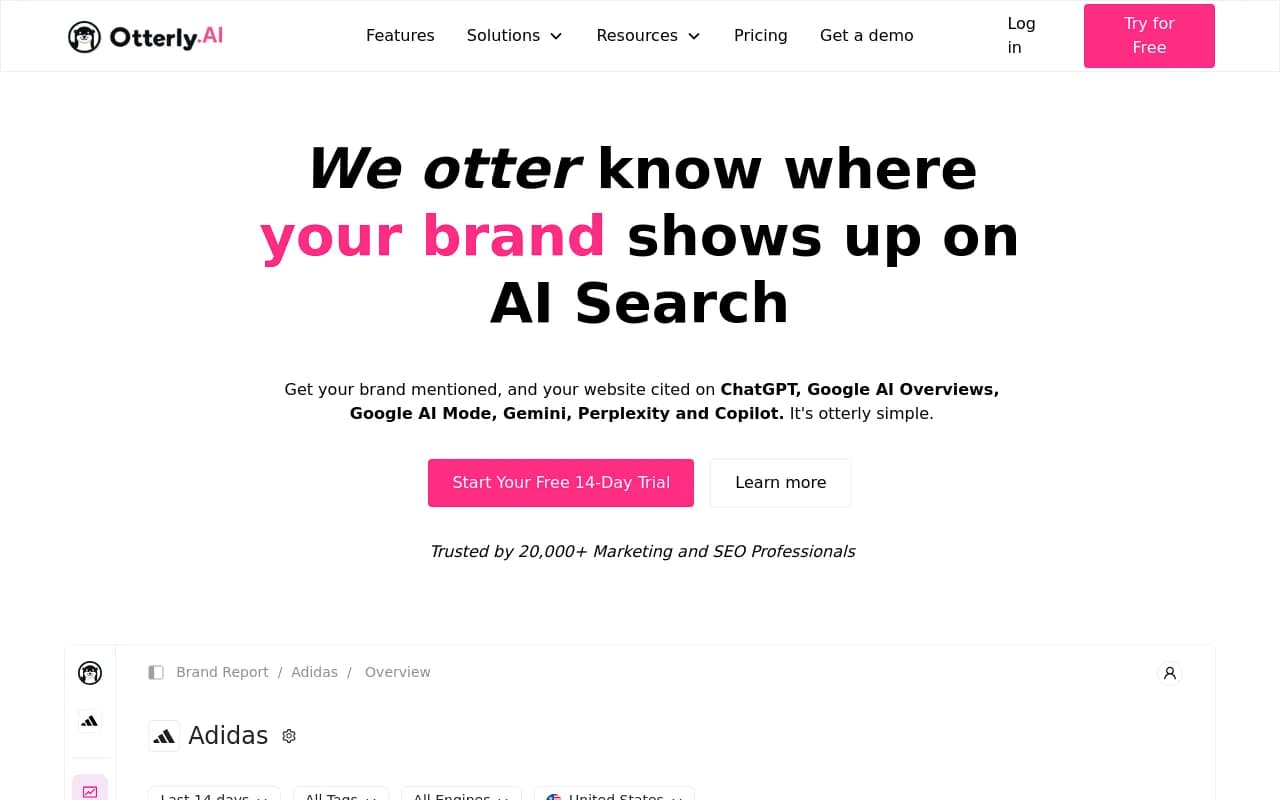
| Otterly.ai Lite | $29/mo | Monitoring | ChatGPT, AI Overviews, Perplexity, Copilot | Claude and Gemini are paid add-ons, not included |
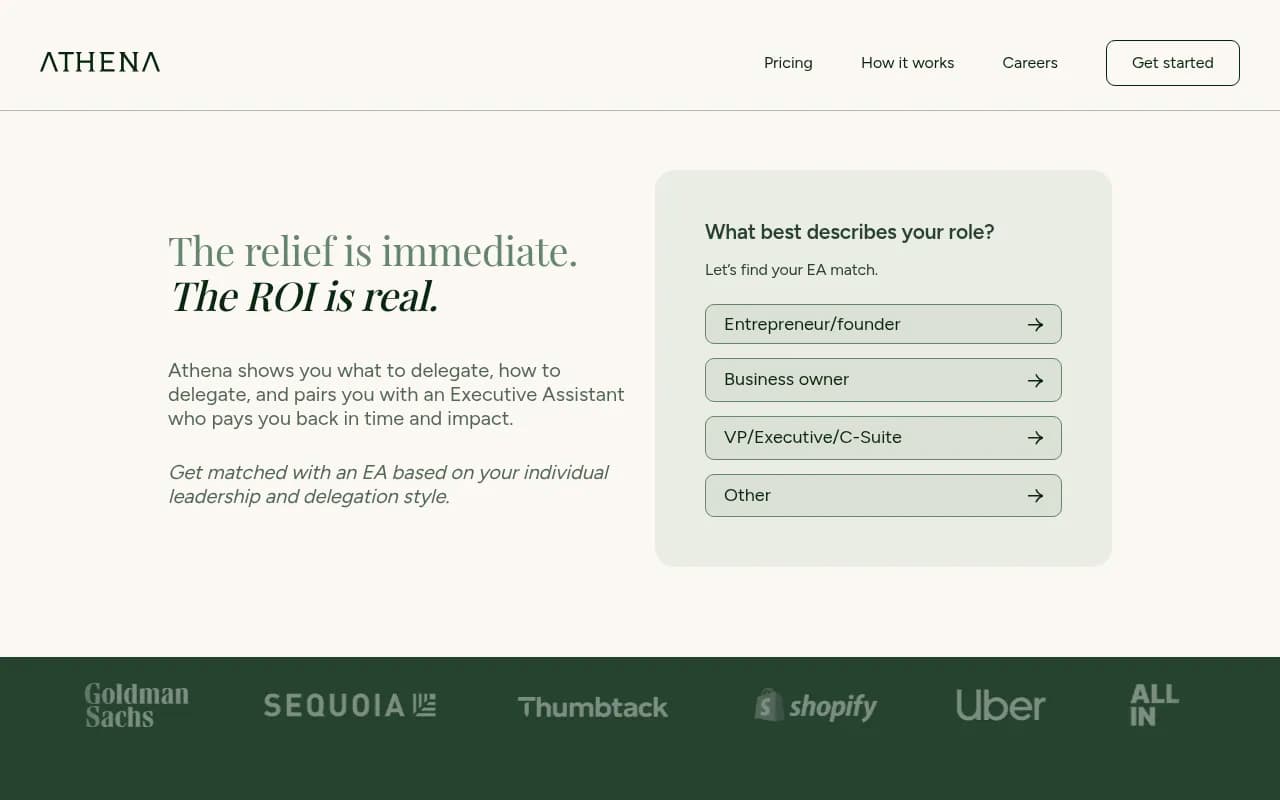
| AthenaHQ Essential | Free (300 credits) | Monitoring + basic recs | 8-11 engines | Content optimization agent is Enterprise-only |
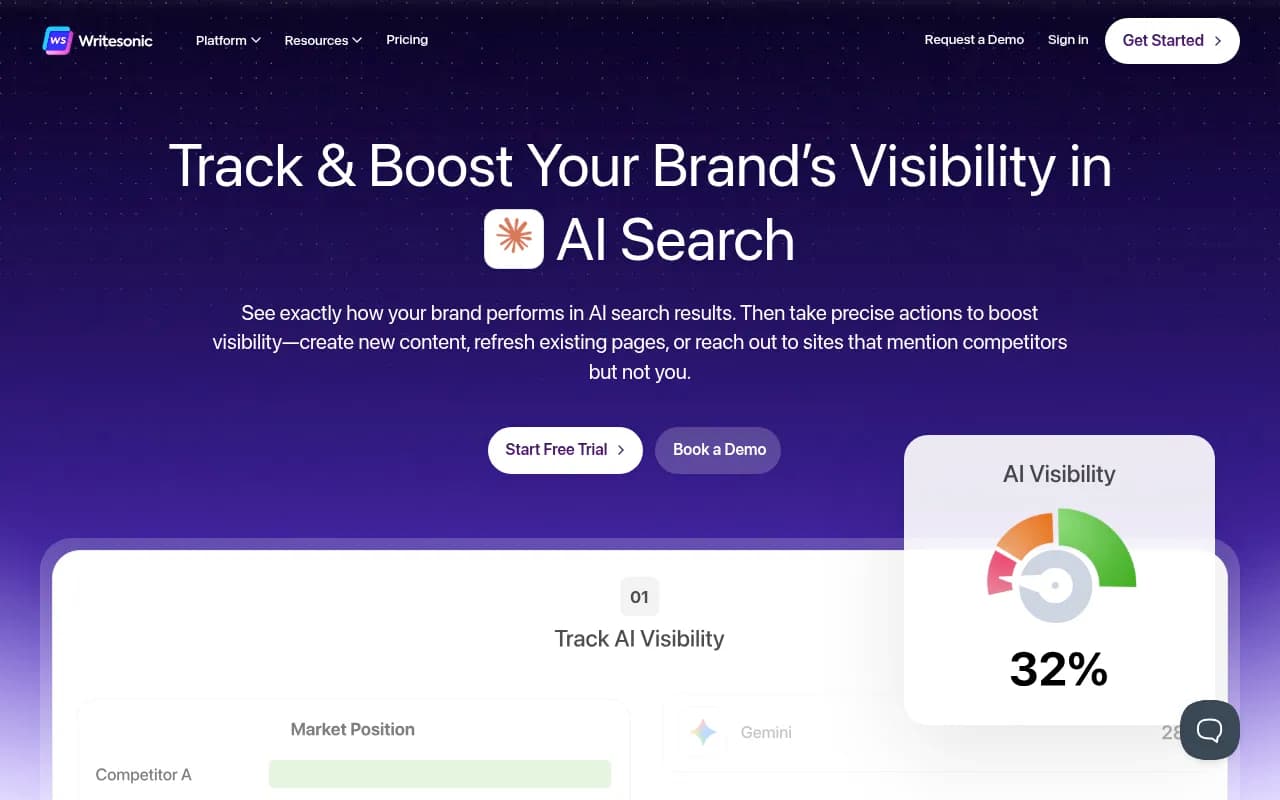
| Writesonic | ~$39-49/mo entry | Content + tracking | Varies by plan | Full GEO tracking depth comes at higher tiers |
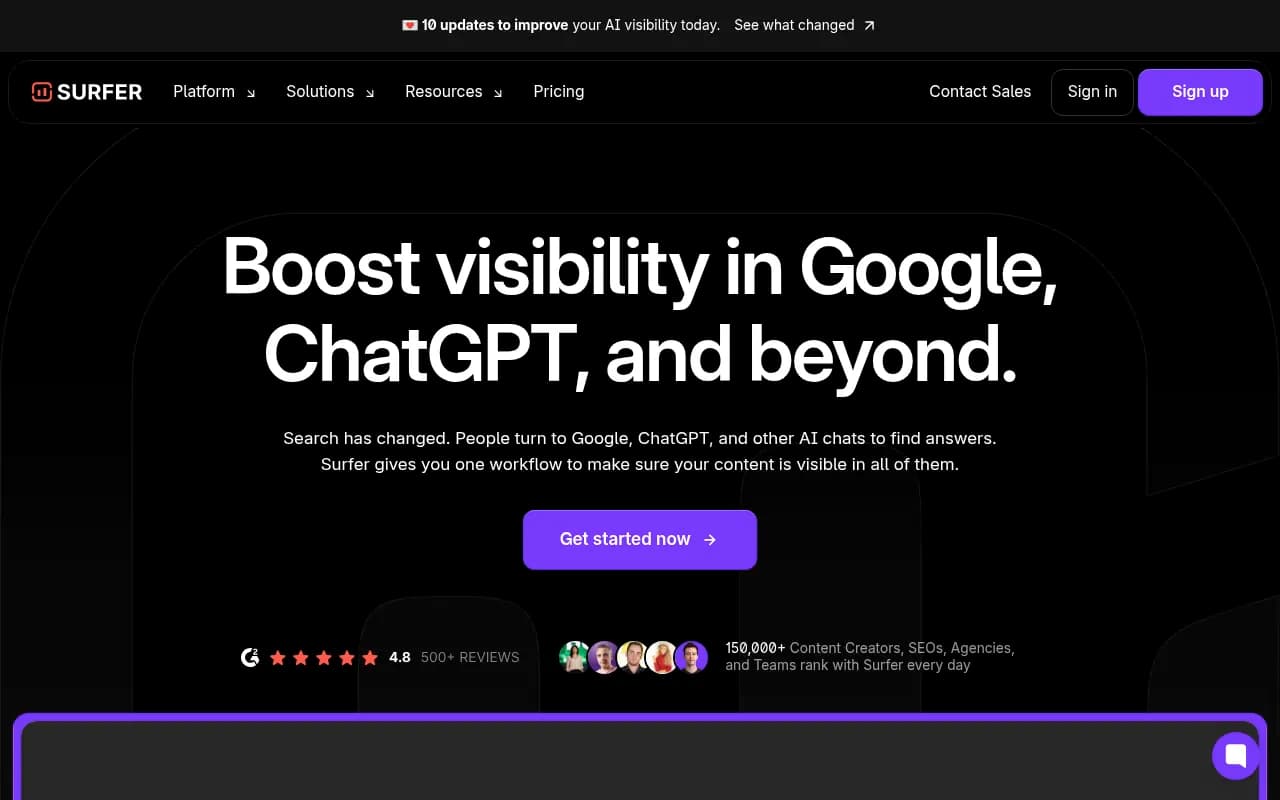
| Surfer SEO | $99/mo | Content optimization | ChatGPT only at entry | Not a dedicated monitoring tool |
| Promptwatch Essential | $95/mo | Monitoring + optimization + publishing | All major LLMs | None of the above three-job split applies, it covers more ground than competitors at this price |
A quick honesty check on pricing: Anagram.ai's own blog advertises AI Visibility plans "starting at $99/mo," but its live Shopify App Store listing shows a $299/mo floor. Profound's $82.50-99/month starter tier only covers ChatGPT and 50 prompts, the multi-engine coverage startups actually want starts at the $399/month Growth tier. Always check the pricing page directly before you commit, these numbers shift and vendors aren't always consistent across their own marketing.
A month-by-month approach for the first year
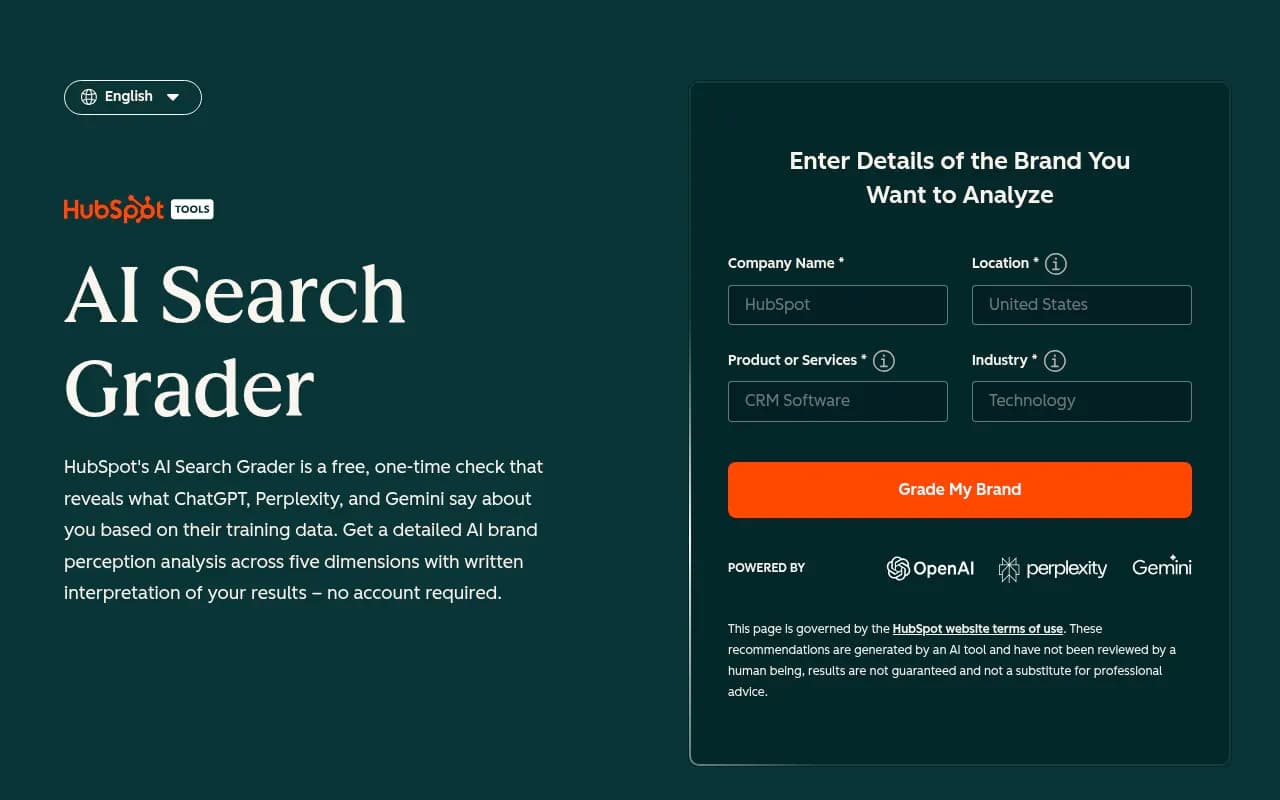
Months 1-3: diagnose, don't subscribe. Run the free HubSpot AI Search Grader, which scores your brand across ChatGPT, Perplexity, and Gemini without a credit card. If you have Shopify or e-commerce traffic, Amplitude's free AI Visibility analysis is worth a look too.

Months 3-6: start tracking, keep it cheap. Once you know you have a visibility gap, move to a paid monitoring tool. Otterly.ai Lite at $29/month is the lowest credible entry point, covering four engines with daily updates. This is also when you should start publishing how-to and documentation-style content rather than another product landing page, given what the citation-type data shows about format trends.
Months 6-9: connect monitoring to action. This is where pure trackers stop being enough. You need a tool that turns "you're not cited for X" into an actual content brief or a published fix. This is the gap that 1001 SEO Media sees most often with early-stage clients, teams that have a dashboard full of gaps and no mechanism to close them.
Months 9-12: measure what AI traffic actually does. By now you should know if AI-referred visitors convert differently than organic search traffic. This is where a platform with visitor analytics and content agents earns its keep, because a mention in ChatGPT that drives zero revenue isn't worth optimizing for. Promptwatch's Content Agents handle this end of the pipeline, planning, writing, and publishing GEO-optimized content directly to your CMS (Webflow, Framer, or WordPress) rather than leaving you with another to-do list.
Common first-year mistakes
The pattern that comes up again and again in competitive research on this topic is buying an enterprise-grade analytics platform before you have anything worth optimizing. A beautiful dashboard showing you're invisible in six AI engines doesn't fix the problem, it just tells you about it more expensively.
The second mistake is treating GEO as one job. Teams buy a monitoring tool, see the gaps, and then have no budget or workflow left to actually produce the content that closes them. If you're choosing between a $29/month tracker and a $95/month platform that tracks and helps you publish, the second one is often the better year-one bet, even though the sticker price is higher, because it collapses two purchasing decisions into one.
The third mistake, and this one's sneaky, is assuming your robots.txt or CDN rules from eighteen months ago still make sense. With AI crawler market share shifting fast (OpenAI alone dropped from roughly 95% to 80% of verified crawler requests in under three months), a rule that blocked "some bot nobody uses" might now be blocking a crawler your prospects' AI assistant relies on.
Where to go from here
If your first-year bottleneck is pure visibility tracking and budget is genuinely tight, Otterly.ai or AthenaHQ's free tier will get you real data without a spend commitment. If you're past the diagnostic stage and need something that tracks citations, shows you why you're missing them (via crawler logs), and actually helps produce the fix, Promptwatch's Essential plan at $95/month is built for exactly that stage of a startup, with AEO article generation and MCP/API access included from day one.
For a broader look at GEO platforms beyond the startup-budget tier, the directory at bestgeosoftware.com is a reasonable place to compare more options as your team and budget grow. And if you eventually need help turning that visibility data into an actual content and SEO program rather than managing it yourself, that's the kind of work 1001 SEO Media does for growing teams.
Either way, the first 12 months aren't about buying the most sophisticated tool on the market. They're about picking the cheapest tool that answers the specific question keeping you up at night, and not paying for five capabilities you won't use until month eighteen.