Key takeaways
- Most AI visibility tools, including Ceyo.ai, stop at monitoring -- they show you data but don't help you act on it
- The best alternatives in 2026 combine citation tracking, content gap analysis, and content generation in one platform
- Promptwatch is the only platform rated "Leader" across all categories in a 2026 comparison of 12 GEO platforms -- and the only one with a built-in AI writing agent
- Monitoring-only tools (Otterly.AI, Peec.ai, AthenaHQ) are useful for awareness but leave you stuck when it comes to improvement
- Enterprise platforms like Profound and Evertune offer depth but come at significantly higher price points
If you're looking for Ceyo.ai alternatives, you're probably running into the same wall that most marketers hit with early-generation AI visibility tools: the data is interesting, but it doesn't tell you what to do next. You can see that ChatGPT isn't mentioning your brand. You can see that a competitor is getting cited constantly. And then... nothing. No path forward.
That's the core problem with monitoring-only platforms. They're built to show you a dashboard, not to help you move the needle.
This guide covers the strongest alternatives available in 2026, with honest assessments of what each one actually does -- and where each one stops.
What to actually look for in a Ceyo.ai alternative
Before jumping into the list, it's worth being clear about what separates a useful AI visibility platform from a glorified alert system.
The basics -- tracking brand mentions across ChatGPT, Perplexity, Claude, Gemini -- are table stakes now. Almost every tool on this list does that. What separates the good ones from the great ones:
- Do they show you why you're not being cited, not just that you're not?
- Can they tell you which specific content gaps are costing you visibility?
- Do they help you create content that AI models will actually cite?
- Can you connect visibility improvements to real traffic and revenue?
- Do they track AI crawlers hitting your site, so you know if your pages are even being read?
Keep those questions in mind as you go through the options below.
The best Ceyo.ai alternatives in 2026
Promptwatch -- best overall for brands that want to improve, not just monitor
Promptwatch takes a fundamentally different approach from most tools in this space. Where Ceyo.ai and similar platforms show you a snapshot of your current AI visibility, Promptwatch is built around a closed loop: find the gaps, fix them, track the results.

The Answer Gap Analysis is the most practically useful feature I've seen in this category. It shows you the exact prompts where competitors are getting cited and you're not -- not as a vague "you're losing share of voice" summary, but as a specific list of questions and topics your website doesn't answer well enough for AI models to cite you. That's actionable in a way that most dashboards aren't.
From there, the built-in AI writing agent generates content grounded in real citation data -- 880M+ citations analyzed -- so the articles it produces aren't generic SEO filler. They're engineered around what AI models actually want to cite. Once you publish, page-level tracking shows which specific pages are getting cited, by which models, and how often. Traffic attribution (via a code snippet, GSC integration, or server log analysis) closes the loop by connecting visibility to actual revenue.
A few other things worth mentioning: Promptwatch has AI crawler logs that show you in real time which pages ChatGPT, Claude, and Perplexity are actually reading on your site -- and which ones they're ignoring or hitting errors on. Most competitors don't have this at all. It also tracks Reddit and YouTube discussions that influence AI recommendations, monitors ChatGPT Shopping carousels, and supports multi-language and multi-region monitoring with customizable personas.
Pricing starts at $99/month for the Essential plan (1 site, 50 prompts, 5 articles), $249/month for Professional (2 sites, 150 prompts, crawler logs, city-level tracking), and $579/month for Business (5 sites, 350 prompts, 30 articles). A free trial is available.
In a 2026 comparison of 12 GEO platforms, Promptwatch was the only one rated "Leader" across all categories. The gap between it and monitoring-only tools is significant.
Profound -- best for enterprise teams with big budgets
Profound is one of the more established names in AI visibility, and it earns its reputation for depth. It tracks brand citations across major AI models, offers share-of-voice analysis, and has solid competitor benchmarking.
Where Profound falls short relative to Promptwatch is on the action side. It's primarily a monitoring and analytics platform -- it tells you what's happening but doesn't help you fix it. There's no built-in content generation, no AI writing agent, and no crawler log visibility. For enterprise teams with dedicated content teams who just need the data, that might be fine. For teams that need the full loop, it's a gap.
Pricing is also on the higher end, which makes it harder to justify for mid-market companies.
Otterly.AI -- best for teams just getting started with AI visibility
Otterly.AI is one of the more affordable options in this space, and it's genuinely good for what it does: tracking brand mentions and sentiment across AI-generated responses. The interface is clean, setup is fast, and it covers the major models.

The honest limitation is that Otterly.AI is monitoring-only. There's no content gap analysis, no content generation, no crawler logs, and no traffic attribution. It's a good starting point if you just want to understand where you currently stand -- but if you want to actually improve your AI visibility, you'll quickly outgrow it.
Peec AI -- best for multi-language monitoring
Peec AI has carved out a niche with strong multi-language support, which makes it genuinely useful for brands operating across multiple markets. It tracks AI visibility across several models and provides share-of-voice comparisons against competitors.
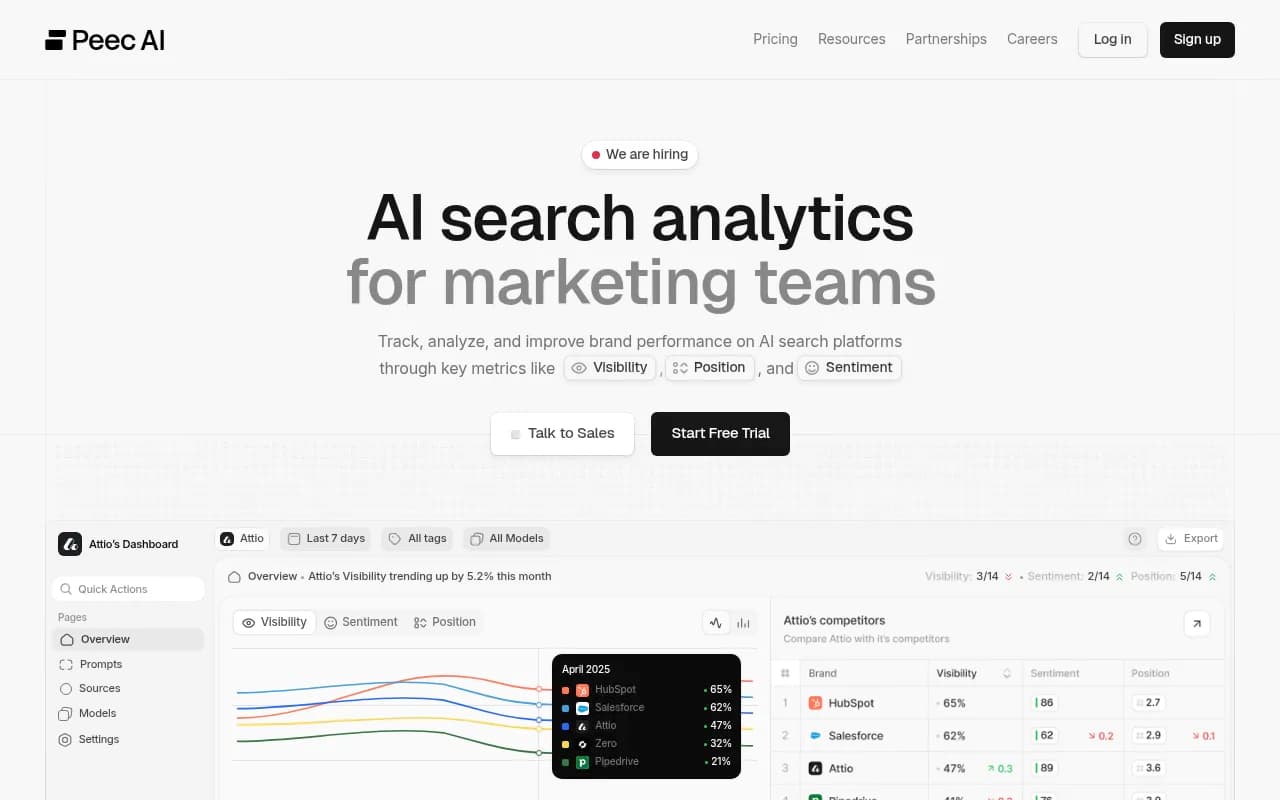
Like Otterly.AI, it's a monitoring platform. The data is good, but the path from "here's your visibility score" to "here's what to do about it" isn't built in. Teams using Peec AI will need to do their own content strategy work based on the data it surfaces.
Scrunch AI -- best for dashboard-focused teams
Scrunch AI offers clean dashboards showing how brands appear across AI assistants, with decent competitor comparison features. It's a solid monitoring tool with a polished UI.
The story here is similar to the other monitoring-only tools: good for awareness, limited for action. No content generation, no crawler logs, no traffic attribution. It's worth considering if your primary need is reporting and stakeholder communication rather than optimization.
AthenaHQ -- best for teams tracking across many AI models
AthenaHQ covers a wide range of AI models (8+) and has a monitoring-focused feature set with reasonable depth. It's particularly useful if you need broad coverage across less common models alongside the big ones.

The limitation is the same pattern: monitoring-focused, without content optimization or generation capabilities. It's a solid tracker but not an optimization platform.
ZipTie -- best for deep analysis and reporting
ZipTie leans into detailed analysis and reporting, which makes it useful for teams that need to present AI visibility data to stakeholders or build internal reports. Zapier's review of AI visibility tools highlighted it specifically for "deep analysis and reporting."
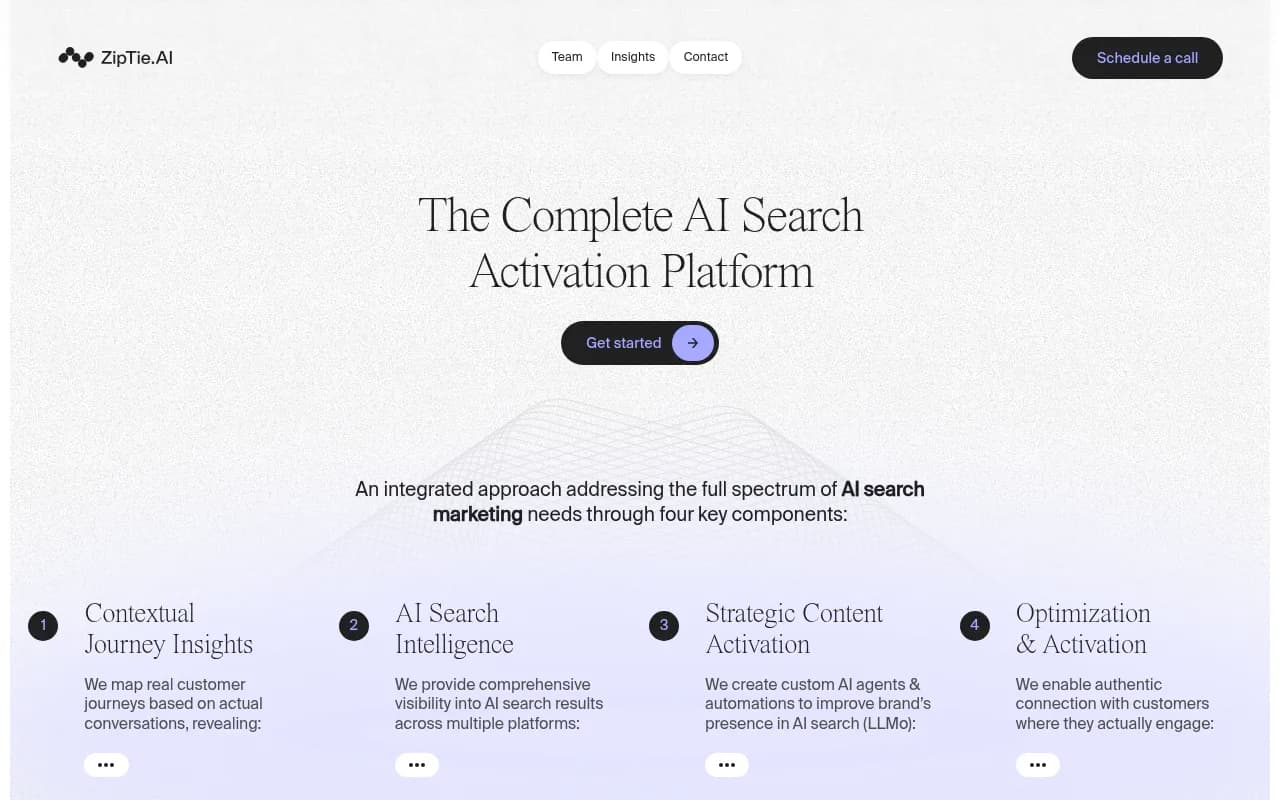
It's more analytically oriented than most monitoring tools, which is a genuine differentiator. Still, like most of the tools in this category, it doesn't help you create content or close the loop between visibility and revenue.
Rankscale -- best budget option for smaller teams
Rankscale is frequently cited as a more affordable entry point for teams starting to formalize AI visibility tracking. It covers the core monitoring use cases without the enterprise price tag.
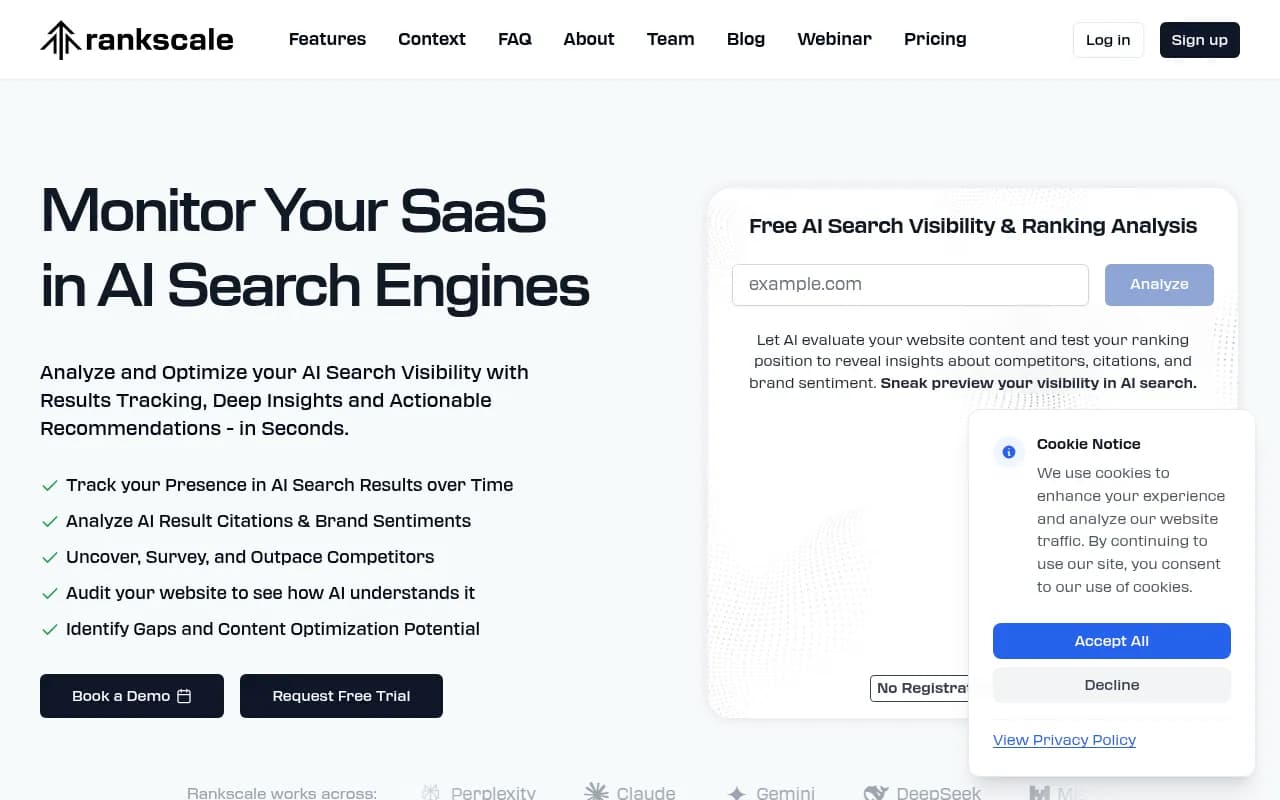
The trade-off is depth. Rankscale doesn't have the citation analysis, content gap features, or crawler logs you'd find in more mature platforms. For a small team that just wants basic tracking without a big commitment, it's a reasonable starting point.
Semrush -- best if you're already in the Semrush ecosystem
Semrush has added AI visibility features to its existing SEO platform, which makes it convenient if your team is already using it for traditional SEO work. The integration with keyword data and site auditing is a genuine advantage.
The downside: Semrush uses fixed prompts rather than letting you define your own, which limits how targeted your monitoring can be. It also doesn't have AI traffic attribution or content generation built around citation data. It's a useful addition to an existing Semrush workflow, not a replacement for a dedicated AI visibility platform.
Ahrefs Brand Radar -- best for Ahrefs users who want basic AI monitoring
Similar story to Semrush: Ahrefs Brand Radar adds AI monitoring to an existing SEO platform, which is convenient for existing users. Fixed prompts and no AI traffic attribution are the main limitations.
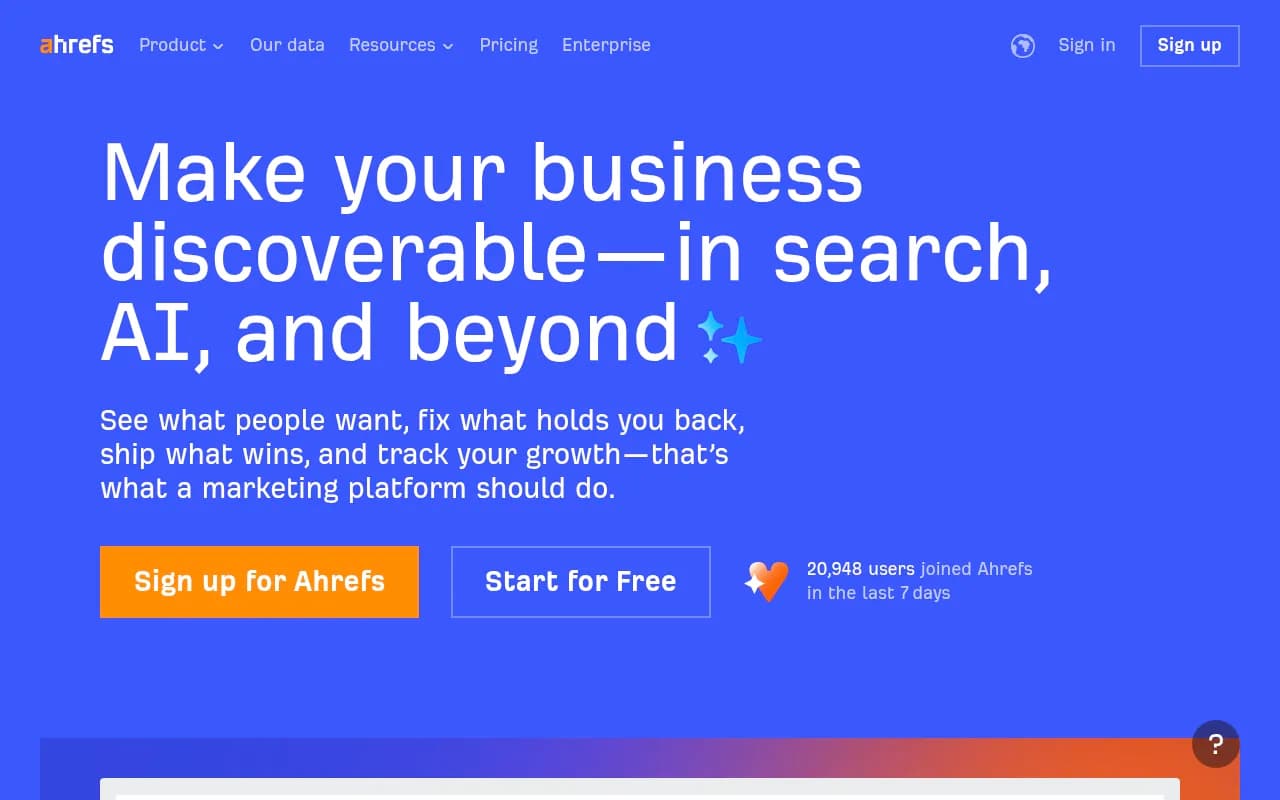
If you're already paying for Ahrefs and just want a basic sense of your AI visibility without adding another tool, Brand Radar is worth exploring. For serious AI visibility work, you'll want something more purpose-built.
LLMrefs -- best for lightweight citation tracking
LLMrefs focuses specifically on tracking brand visibility and rankings across ChatGPT, Perplexity, and other major models. It's lightweight and focused, which some teams prefer over more complex platforms.
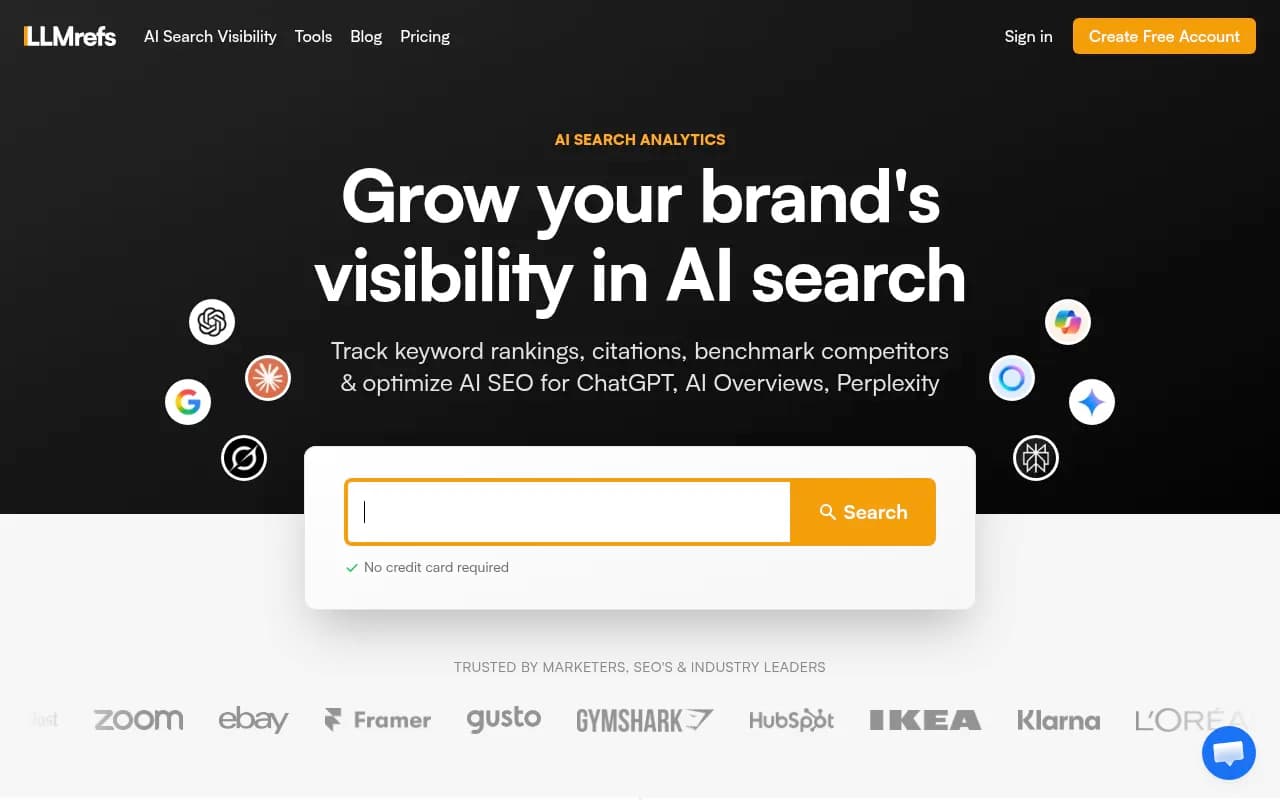
It's a narrower tool than most on this list, but it does what it does cleanly. Good for teams that want citation tracking without a lot of additional complexity.
Evertune -- best enterprise option with strong GEO depth
Evertune positions itself as an enterprise-grade GEO platform and has genuine depth in citation analysis and brand monitoring. It's trusted by larger brands and has a strong feature set for understanding how AI models portray your brand.
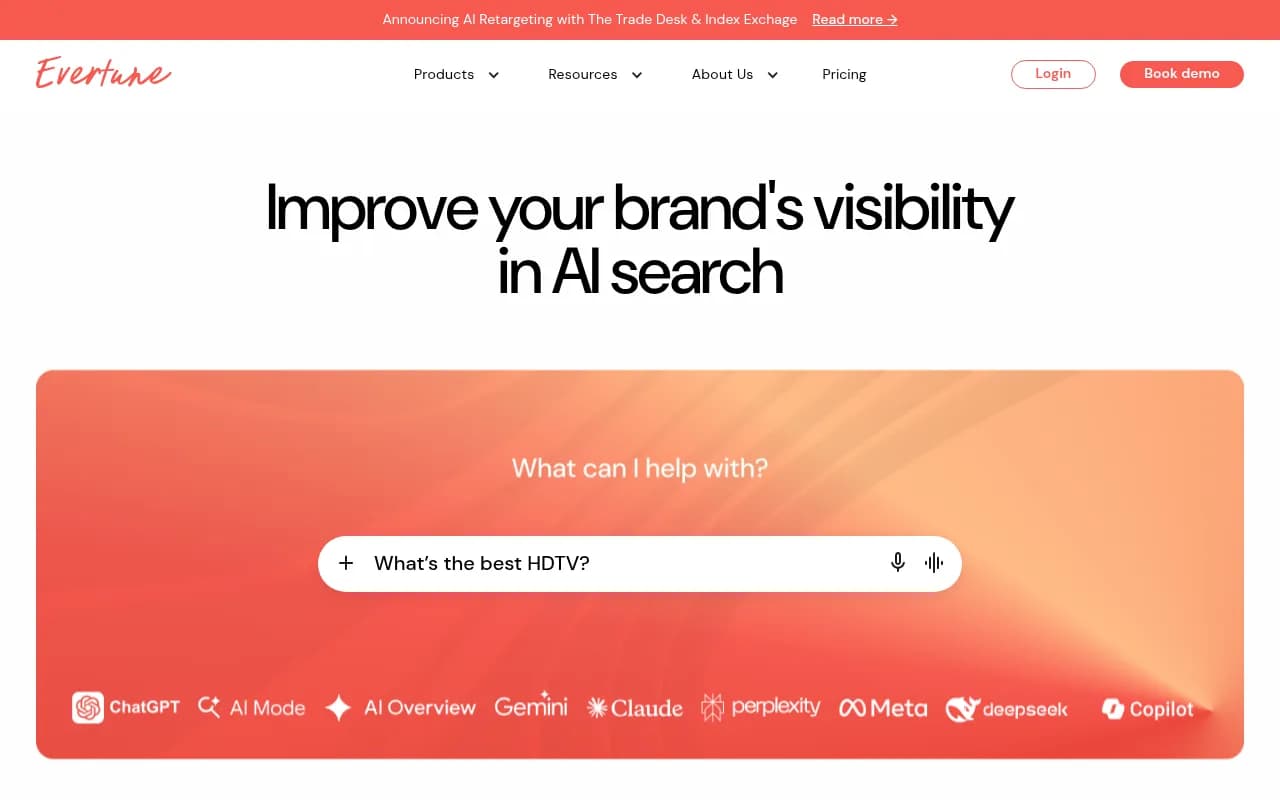
The main considerations: it's priced for enterprise, and like Profound, it's primarily an analytics and monitoring platform rather than an optimization platform. Teams that need content generation and gap analysis will still need additional tools.
How these tools compare
| Tool | Monitoring | Content gap analysis | Content generation | Crawler logs | Traffic attribution | Price starts at |
|---|---|---|---|---|---|---|
| Promptwatch | Yes | Yes | Yes | Yes | Yes | $99/mo |
| Profound | Yes | Partial | No | No | No | Enterprise |
| Otterly.AI | Yes | No | No | No | No | ~$49/mo |
| Peec AI | Yes | No | No | No | No | ~$49/mo |
| Scrunch AI | Yes | No | No | No | No | Varies |
| AthenaHQ | Yes | No | No | No | No | Varies |
| ZipTie | Yes | Partial | No | No | No | Varies |
| Rankscale | Yes | No | No | No | No | Low-cost |
| Semrush | Yes | No | No | No | No | Add-on |
| Ahrefs Brand Radar | Yes | No | No | No | No | Add-on |
| Evertune | Yes | Partial | No | No | No | Enterprise |
The pattern is pretty clear. Most tools in this category are monitoring platforms. Promptwatch is the only one that covers the full loop from gap identification through content creation to traffic attribution.
Which alternative is right for you?
The honest answer depends on what you actually need.
If you're just starting out and want to understand your current AI visibility without a big investment, Otterly.AI or Rankscale will get you oriented. They're affordable and easy to set up.
If you need enterprise-grade monitoring with deep analytics and have the budget for it, Profound or Evertune are solid choices -- especially if you have a content team that can act on the data independently.
If you're already using Semrush or Ahrefs for SEO, their AI visibility add-ons are worth turning on as a baseline, even if they're not comprehensive.
But if you want to actually move the needle -- if you want to go from "we know we're invisible in AI search" to "we're getting cited and we can prove it's driving traffic" -- you need a platform that does more than monitor. That's where Promptwatch stands apart from everything else in this list. The combination of Answer Gap Analysis, AI-generated content grounded in citation data, crawler logs, and traffic attribution is something no other tool in this category currently offers end-to-end.
The monitoring-only tools will tell you there's a problem. Promptwatch helps you fix it.