Key takeaways
- AI visibility platforms track whether ChatGPT, Gemini, Perplexity, Claude and Google AI Overviews mention or cite your agency. Most insurance AI tool roundups cover underwriting and AMS software, not this.
- Pure monitoring tools tell you that you are missing. Platforms that also show crawler activity, citations and traffic, and help you publish fixes, are worth more to an agency with a small marketing team.
- ChatGPT answers usually pull from many sources. Promptwatch Data shows 47.6% of responses cite 10 or more unique domains (Sep 28 to Oct 4, 2026), so you are competing for a slot among carriers, aggregators and review sites.
- Pick by agency size: a free or cheap tracker for a single-location independent, a full platform for multi-state brokerages, and an agency-tier plan if you serve clients.
- Insurance is a regulated category. Whatever you publish for AI search still needs licensed human review.
Why insurance agencies should care about AI visibility
Most of the 2026 "best AI tools for insurance" lists you will find (Tabulera, Notch, Sonant, Perspective AI) are about operations. Benefits reconciliation, license management in tools like AgentSync, AMS-embedded AI from Vertafore, voice receptionists, claims intake. Useful stuff, but it all happens after someone already became a lead.
This guide is about the step before that. A homeowner in Ohio types "best independent insurance agent near me for a bundled home and auto policy" into ChatGPT. Maybe they get a short list of three or four names with a sentence on each. If you are not on it, you never see the lead and nothing in your CRM tells you what you missed.
I think this matters more for insurance than for most categories, because the purchase is trust-heavy and the research is conversational. People ask follow-ups: "Is that agency independent? Do they handle commercial lines? Are the reviews good?" AI assistants answer those in one place, using whatever sources they found.
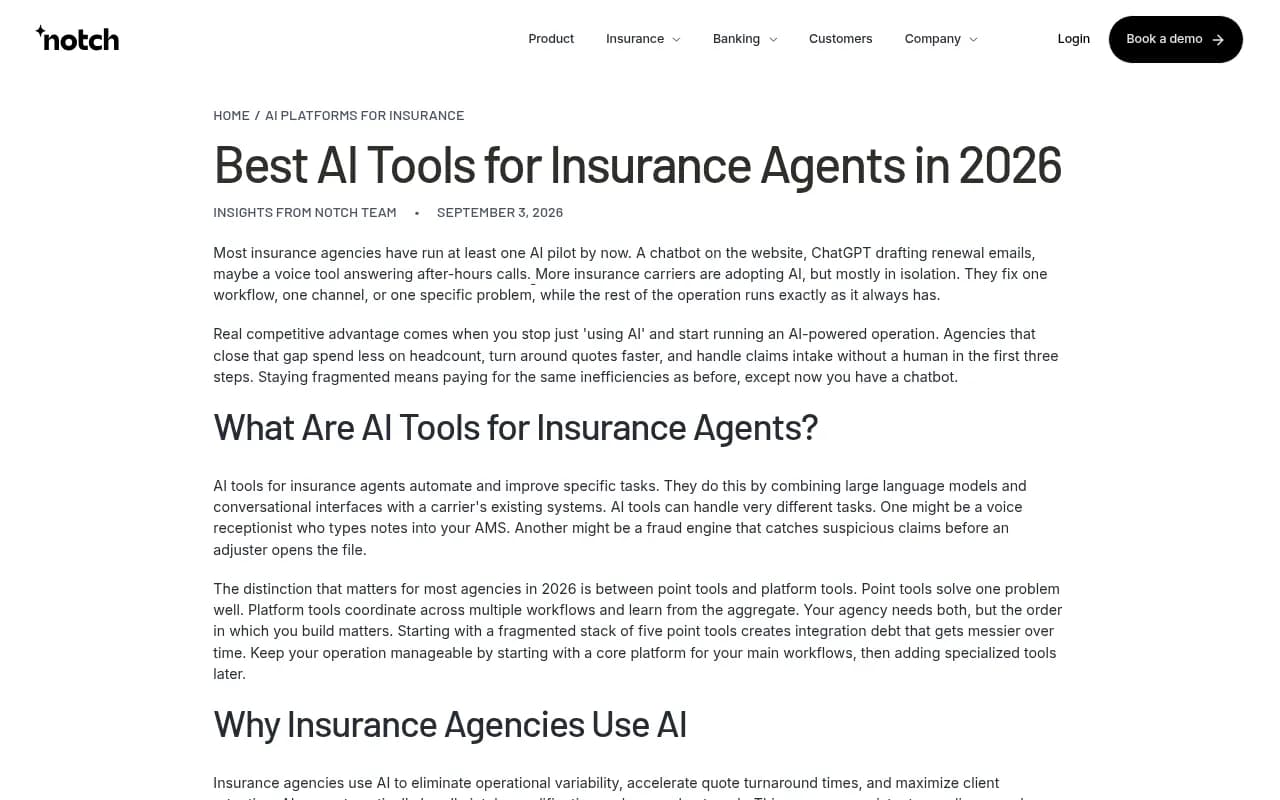
Roundups like the one above are fine for the back office. They just do not cover how your agency shows up in AI answers.
What an AI visibility platform actually does
The category is crowded, and the tools range from simple prompt trackers to systems that also write and publish content. At minimum, a platform should:
- Run a fixed set of prompts (for example "best commercial insurance broker in Texas") across several AI models on a schedule.
- Report whether your agency is mentioned, where in the answer, and how it is described.
- Show which sources the AI cited, including competitors, carriers, review sites and forums.
- Let you track by location, since insurance is local and state-licensed.
Better platforms add things that explain the result: whether AI crawlers can read your site, which of your pages get cited, and whether AI referrals turn into form fills or calls.
Metrics worth caring about
Do not obsess over a single "visibility score" in isolation. Read a few numbers together:
- Share of voice: how often you appear compared to competing agencies across your prompt set. Low means a coverage problem.
- Position in the answer: first-named agencies get more attention than the fifth.
- Sentiment: how the model describes you. "Reliable local agency" and "limited carrier options" are very different outcomes.
- Citations of your own pages: mentions without self-citations often point to thin content or crawl problems.
How ChatGPT chooses sources, and what that means for brokers
Two things from Promptwatch Data are worth knowing before you shop for tools. Neither is insurance-specific (Promptwatch has no insurance citation report yet), so treat them as general patterns, not insurance benchmarks.
First, Promptwatch's ChatGPT content type data for Sep 28 to Oct 4, 2026 shows product pages are the most cited type at 22.4%, with landing pages at 16.8% and listicles at 13.6%. For commercial prompts like "best X for...", product pages hit 26.0% and landing pages 20.6%. For an agency, the "product page" is your page for each line of coverage: business owner's policy, workers' comp, Medicare supplement. If those pages are thin or just a contact form, you are leaving citations on the table.
Second, the unique domains per response report shows 47.6% of ChatGPT responses cite 10 or more unique domains, and 52.5% for non-brand prompts. For brand-specific prompts, that falls to 21.3%, with five domains the most common count. Translation: for generic questions you share the answer with a crowd, and third-party listicles, reviews and forums are often how a brand gets in. For questions that name your agency, your own site and the review sites carry more weight because there are fewer sources.
One more detail: the content half-life report found landing pages and docs stay cited longest while news pages lose half their citations in about five weeks. Evergreen coverage pages beat blog posts about this month's rate changes.
Platforms to consider
I have not tested every tool below on insurance prompts, and pricing changes often, so verify on each vendor's site. The notes reflect what each tool is positioned to do.
Promptwatch
Promptwatch is the one I would shortlist first for a brokerage that wants more than a dashboard. It tracks ChatGPT, Google AI Overviews, AI Mode, Gemini, Perplexity, Copilot, Claude and others, and it goes past mentions: IP-verified AI crawler logs show whether bots can actually read your coverage pages, citation analytics show which pages get cited, and visitor analytics tie AI referrals to real traffic. Its Content Agent can plan, write and publish gap-filling content to WordPress, Webflow or Framer, with a review inbox so a licensed person can approve before anything goes live. That review step matters in insurance.
Plans start free (1 project, 10 prompts, ChatGPT only), then Essential at $95/mo for 50 prompts across all models, with country tracking on every paid plan and state and city tracking from Business. Agencies serving clients get Kick-off at $199/mo and up. Confirm on promptwatch.com/pricing.

Wellows
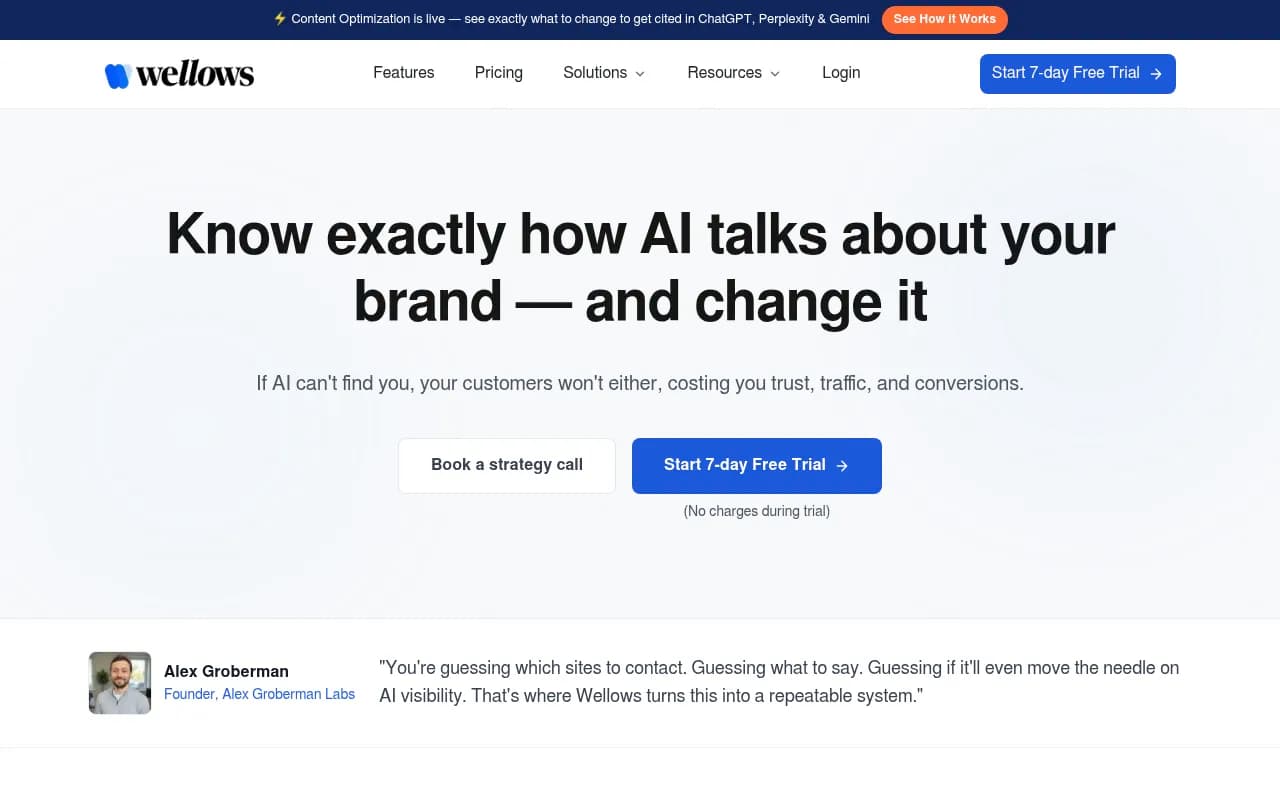
Wellows positions itself around AI citation tracking, with daily competitor scans across ChatGPT, Perplexity, Gemini and Google's AI surfaces. It has published an insurance-marketing-specific playbook, which is a point in its favor if you want vertical advice. It is monitoring-focused, so plan on handling content and technical fixes elsewhere.
Profound
Profound is an enterprise-priced monitoring platform. It makes sense for large national brokerages or carriers with a dedicated team. For a ten-person agency it is probably too much.

Otterly.AI and Peec AI
Both are straightforward prompt trackers at lower price points. Good for answering "are we mentioned?" Not built to tell you why, and they lack crawler logs and content workflows. Fine as a starter if you already have an SEO person who can act on the data.


Semrush and Ahrefs Brand Radar
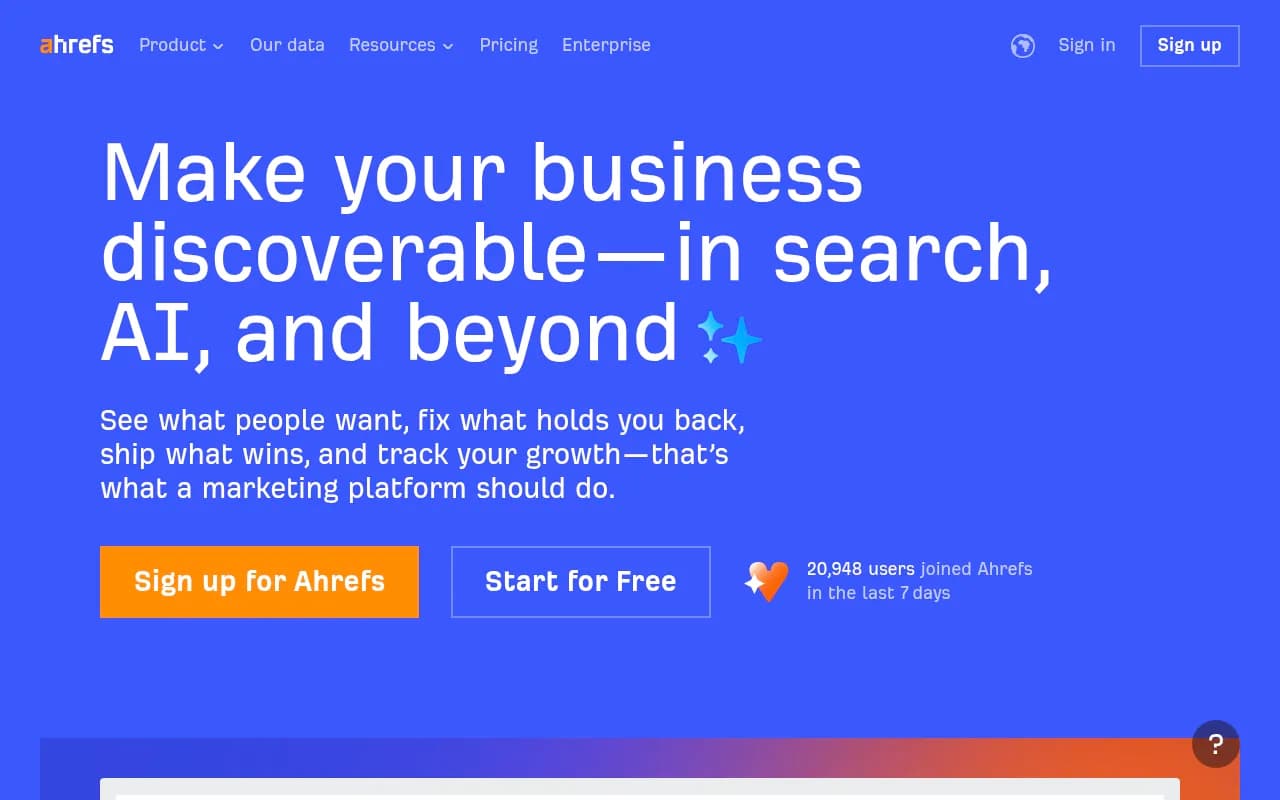
If you already pay for a traditional SEO suite, the AI tracking add-ons are convenient. The trade-off is usually a fixed or limited prompt set and shallower AI-specific data than the dedicated tools.
Local and free options
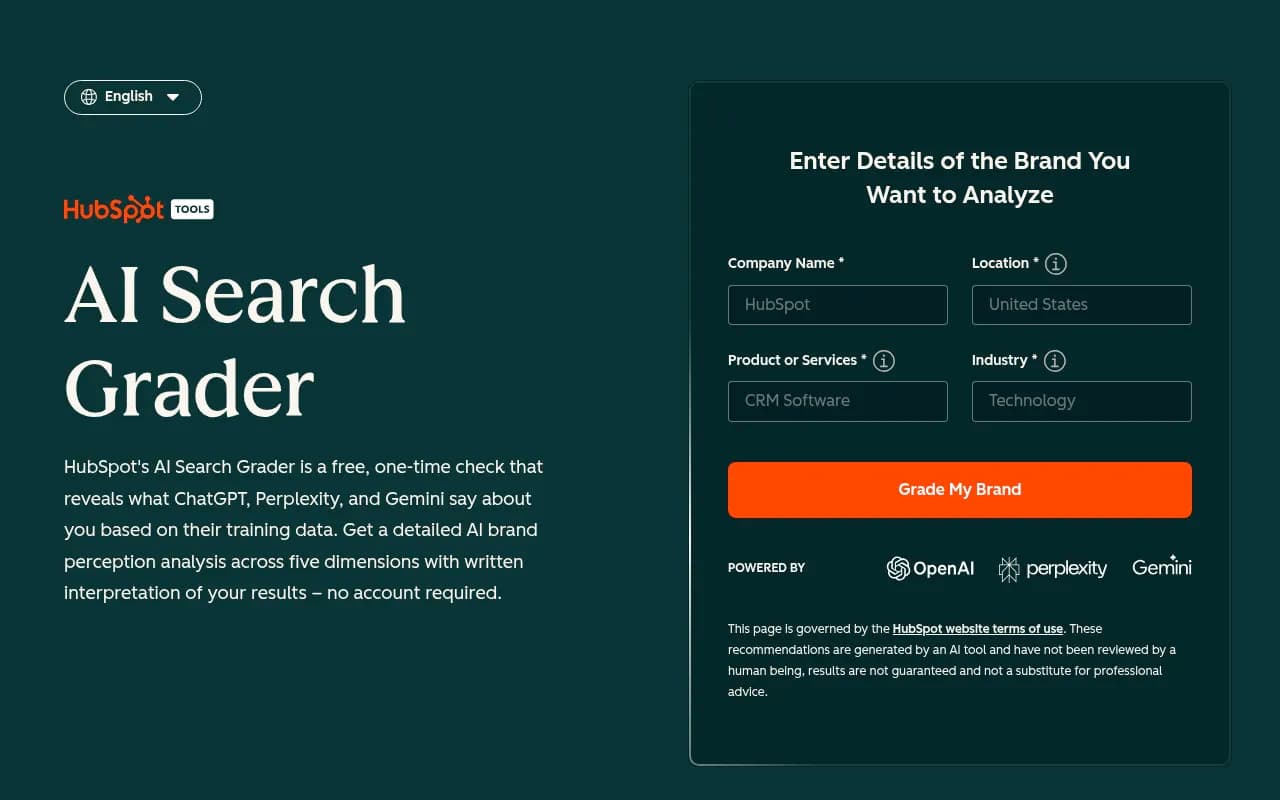
Insurance is local, so tools aimed at local businesses are worth a look. Tibly targets local business AI visibility, and Amplitude AI Visibility and HubSpot AI Search Grader offer free one-time snapshots. A free snapshot is a good first step before you spend anything.


For a wider view of the market, the GEO software directory at bestgeosoftware.com lists many more options.
Comparison table
| Platform | Tracks multiple AI models | Crawler logs and traffic attribution | Helps create and publish content | Best for |
|---|---|---|---|---|
| Promptwatch | Yes, real-UI tracking | Yes | Yes, with CMS publishing | Brokerages and agencies that want to fix visibility, not just watch it |
| Wellows | Yes | Limited | Limited | Agencies wanting citation tracking with insurance guidance |
| Profound | Yes | Varies by plan | No agentic execution | Large enterprises with budget |
| Otterly.AI | Yes | No | No | Small agencies starting out |
| Peec AI | Yes | No | No | Teams with an in-house SEO to act on data |
| Semrush / Ahrefs Brand Radar | Yes | Limited | Separate tools | Agencies already on those suites |
Choosing by agency size
Single-location independent agency
Run a free AI visibility snapshot, pick 15 to 25 prompts that match how clients actually ask ("home insurance in [your city]", "business insurance for contractors in [state]"), and check them monthly. A free Promptwatch plan, Otterly.AI or a free grader is enough to start. Spend your effort on the content, not the tool.
Multi-state brokerage
You need location-level tracking and a way to see which pages get read by AI crawlers. State-specific prompts matter because regulations, carriers and product names differ by state. Look at Promptwatch Essential or Professional, or Wellows if you mostly need citation monitoring.
Marketing agency serving insurance clients
You want multiple projects, white-label reports and a client portal. Agency tiers exist at several vendors. Promptwatch's agency plans (Kick-off, Growth, Scale) include unlimited projects and prompts. If you need hands-on SEO and GEO help rather than software, an agency like 1001 SEO Media covers technical SEO, content and AI search work.
A practical setup in one afternoon
- Write 20 prompts in three buckets: generic ("best independent insurance agent in Denver"), comparison ("[Carrier] vs independent agent") and branded ("is [your agency] good for commercial insurance").
- Run them in ChatGPT, Gemini, Perplexity and Google AI Overviews manually, or load them into a tracker.
- Note which domains get cited. You will likely see aggregators, carrier sites, review platforms and local directories.
- Check your site: are coverage pages complete, with who they are for, which carriers you place with, and licensed states? Are AI crawlers blocked in robots.txt?
- Fix the biggest gap first. Often it is a missing or thin page for a specific line of coverage, or no presence on the review sites AI keeps citing.
- Re-check in four weeks. One prompt tells you little, so compare across the whole set.
Compliance notes
Insurance content carries licensing and disclosure requirements that vary by state. If a platform generates content for you, treat it as a draft. Have a licensed producer or compliance reviewer approve anything about coverage, pricing or eligibility. Nationwide's agent blog covers SEO, GEO and AEO for insurance agents from a carrier perspective, and it is a useful read before you scale content.
What I would do
Start with a free snapshot, learn how you look today, then pay only when you have a list of fixes a tool could speed up. If you have one marketing person and no SEO specialist, an optimization platform like Promptwatch saves more time than a cheap tracker, because the hard part is knowing what to change. If you already have strong SEO talent, a lower-cost tracker may be all you need.
Whichever you choose, keep the scope tight: a defined prompt set, monthly review, and a short list of page and review-site fixes.