Key takeaways
- Reddit, YouTube, and LinkedIn behave completely differently as citation sources across ChatGPT, Google AI Overviews, AI Mode, and Perplexity, so your calendar needs platform-specific rules, not one blanket posting strategy.
- ChatGPT's Reddit citation share collapsed from roughly 3.8% to 0.5% in mid-August 2026, which means betting your GEO plan on Reddit alone for ChatGPT visibility is risky right now.
- Mid-tier content wins in AI citations: YouTube videos with 10K-100K views and Reddit posts under 10 upvotes get cited more than viral hits, so stop chasing virality and start chasing clarity.
- Build a single calendar with three lanes: scheduled social posts, GEO-anchored long-form content (pillar/cluster), and a recurring refresh slot for older pages, since content refreshed within 90 days reportedly earns roughly double the citation rate.
- Tools like Buffer, Notion, or Airtable can run the scheduling side, while a platform like Promptwatch tells you which of your posts and pages are actually getting cited by AI engines, so the calendar keeps adjusting instead of running on guesses.
Why your social calendar and your GEO strategy should be the same document
Most teams run two separate calendars. One lives in Buffer or Hootsuite and handles the daily grind of Instagram captions and LinkedIn posts. The other, if it exists at all, sits somewhere in a content brief spreadsheet aimed at getting cited in ChatGPT or Google AI Overviews. This split makes no sense anymore.
Here's the thing: a chunk of what AI engines cite when they answer a question is social content. Not evenly, and not the way most marketers assume, but enough that ignoring it in your planning is a mistake. Promptwatch's analysis of citation behavior across ChatGPT, Gemini, Perplexity, Claude, and AI Overviews found that Reddit accounts for an average 3.36% share of citations across engines, more than four times YouTube's 2.94%, while Facebook sits at 1.15%, LinkedIn at 0.74%, Instagram at 0.65%, and X barely registers at 0.07% (Promptwatch Data). If you're spending a third of your posting budget on X threads hoping they'll show up in an AI answer, you're fighting the data.
So the smart move for 2026 is to stop treating "social calendar" and "GEO content calendar" as separate projects. One calendar, three lanes: scheduled social posts for audience-building, GEO-anchored long-form pieces designed to get cited, and a recurring refresh slot. Let's build it.
Step 1: audit what's actually citable, platform by platform
Before you fill in a single cell, understand how differently each engine treats each platform. This is the part most calendar templates skip entirely, and it's the part that determines whether your posting effort turns into AI visibility or just disappears into the feed.
ChatGPT is a Reddit specialist, but that's shifting fast
ChatGPT pulls 5.19% of its citations from Reddit, more than 20 times its next-best social source, LinkedIn, at 0.23% (Promptwatch Data). That's a huge gap. But don't lock your whole GEO-social plan around it just yet. Reddit's share of ChatGPT Search citations held steady around 3.8% from mid-July through early August 2026, then fell off a cliff to under 1% by August 14, an 86% relative drop, coinciding with a change in how ChatGPT fans out queries using the site: operator (Promptwatch Data). Google's AI Overviews and AI Mode saw only gradual declines over the same window, nowhere near as steep.
The lesson: Reddit is still worth showing up on, but the ChatGPT-specific payoff is volatile month to month. Diversify.
What actually gets cited on Reddit isn't what you'd expect
If your calendar plan is "post something in a big subreddit and hope it goes viral," throw that out. Promptwatch's January 2026 data found about 71% of Reddit posts ChatGPT cited had fewer than 10 upvotes, and posts with 500+ upvotes made up just 0.6% of citations (Promptwatch Data). Same story with comment count: roughly 55% of cited posts had fewer than 10 comments, while sprawling megathreads with 250+ comments produced only 10 citations out of about 19,500. AI retrieval is matching a clear, complete answer to a specific query, not rewarding popularity contests.
Also worth noting: Reddit citations skew old. Posts two or more years old are the single largest age bucket at roughly 22%, and about 60% of cited posts are six months or older. This is a compounding asset, not a campaign channel. Your calendar should include a recurring "seed a genuinely useful Reddit answer" slot, then leave it alone and let it age.
YouTube rewards clarity over subscriber count
YouTube behaves almost opposite to what you'd expect on virality too. Promptwatch's February 2026 data on 100M+ citations shows that the 10K-100K view range is the largest cited bucket at 36%, and about 80% of cited videos sit under 100K views. Only 7% of cited videos have passed a million views. Likes barely matter either; 43% of cited videos had under 100 likes (Promptwatch Data).
The engine split matters here too. ChatGPT cites YouTube in just 0.05% of citations, essentially nothing, while AI Overviews (2.25%) and Perplexity (2.74%) treat YouTube as a top-tier social source, with AI Overviews even citing YouTube more than Reddit in that window (1.65%). If your goal is Google AI Overviews visibility, YouTube deserves a real calendar slot. If your goal is ChatGPT visibility, don't bother building a video strategy around it.
Promptwatch's practical tip translates directly into a calendar template field: put the exact question your video answers in the title, summarize the answer in the first lines of the description, and add chapters so engines can locate the relevant segment.
LinkedIn: match the format to the engine
LinkedIn citation behavior splits hard by content type and by engine. Across all engines, Pulse articles account for 37.67% of LinkedIn citations and regular posts 32.19%, so nearly 70% of LinkedIn's AI visibility comes from long-form writing plus feed content (Promptwatch Data). But ChatGPT treats LinkedIn almost like a company directory, citing company pages (23.84%) and the LinkedIn homepage (22.55%) far more than Pulse articles (8.77%). Google AI Mode and AI Overviews are the opposite, hungry for Pulse articles at 44.85% and 42.25% respectively. Perplexity favors ordinary feed posts over Pulse articles.
What this means for your calendar: if you're optimizing for Google-driven AI answers, schedule recurring long-form Pulse articles. If ChatGPT visibility matters more, keep your LinkedIn company page's about section and offerings current, since AI Overviews cited the LinkedIn homepage 0% of the time in the studied window, meaning visibility there comes only from actual published content, not the profile itself.

Step 2: pick your content pillars, then map them to citation-worthy formats
Most calendar advice says pick 3-5 content pillars so you're not staring at a blank screen every week. That's still right. What's new for 2026 is layering citation-friendly formats onto those pillars.
Looking at what ChatGPT Search actually cited in July 2026: product pages led at roughly 33% of daily citations, up from about 18% in March, listicles sat around 10% and were the fastest-growing format within the month, how-tos grew from 3.3% to 4.3%, and comparison pages grew from 2.5% to 3.2% (Promptwatch Data). Google AI Overviews showed a similar shift, with product pages overtaking listicles as the most-cited format late in July (Promptwatch Data).
Translate that into calendar line items: for every pillar, build at least one comparison piece ("X vs Y") and one how-to. These are still growing, lower-competition categories compared to raw product pages, and both formats double as strong social hooks too. A comparison post performs on LinkedIn and in a listicle-style AI answer at the same time.
Step 3: build the calendar with three lanes
Here's the actual structure. Whether you use Google Sheets, Notion, or Airtable, set up three lanes side by side so the social team and the content team are looking at the same document.
Lane 1: scheduled social posts. Daily or weekly cadence, platform-specific, built for engagement and consistency. This is where the 80/20 rule applies: 80% value-based content, 20% direct promotion.
Lane 2: GEO-anchored long-form. Weekly or biweekly. Pillar articles, comparison pages, how-tos, and the occasional Pulse article or long YouTube explainer, mapped to the citation data above. Backlinko's analysis of 50 B2B SaaS sites found pillar-organized content clusters hit a 41% AI citation rate versus 12% for standalone pages, so this lane should always link back to a pillar and sideways to sibling articles.
Lane 3: refresh slot. This is the one most calendars skip entirely. Allocate 15-25% of your weekly content capacity to updating existing posts rather than only producing new ones. Content refreshed within the last 90 days reportedly gets roughly double the citation rate of stale content, so a recurring "revisit last quarter's top three pieces" task belongs on the calendar, not in someone's someday list.
Step 4: pick the right tools for each lane
You don't need one tool to do everything. Match the tool to the lane.
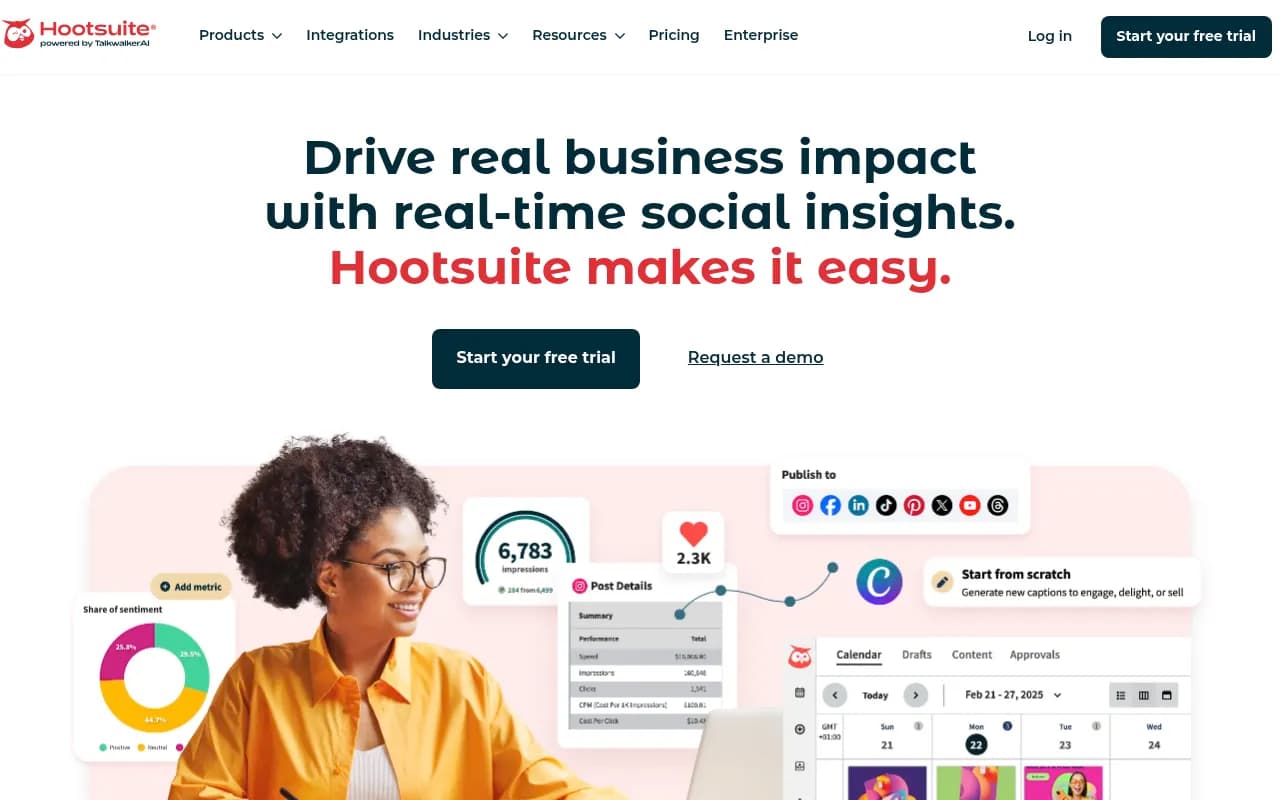
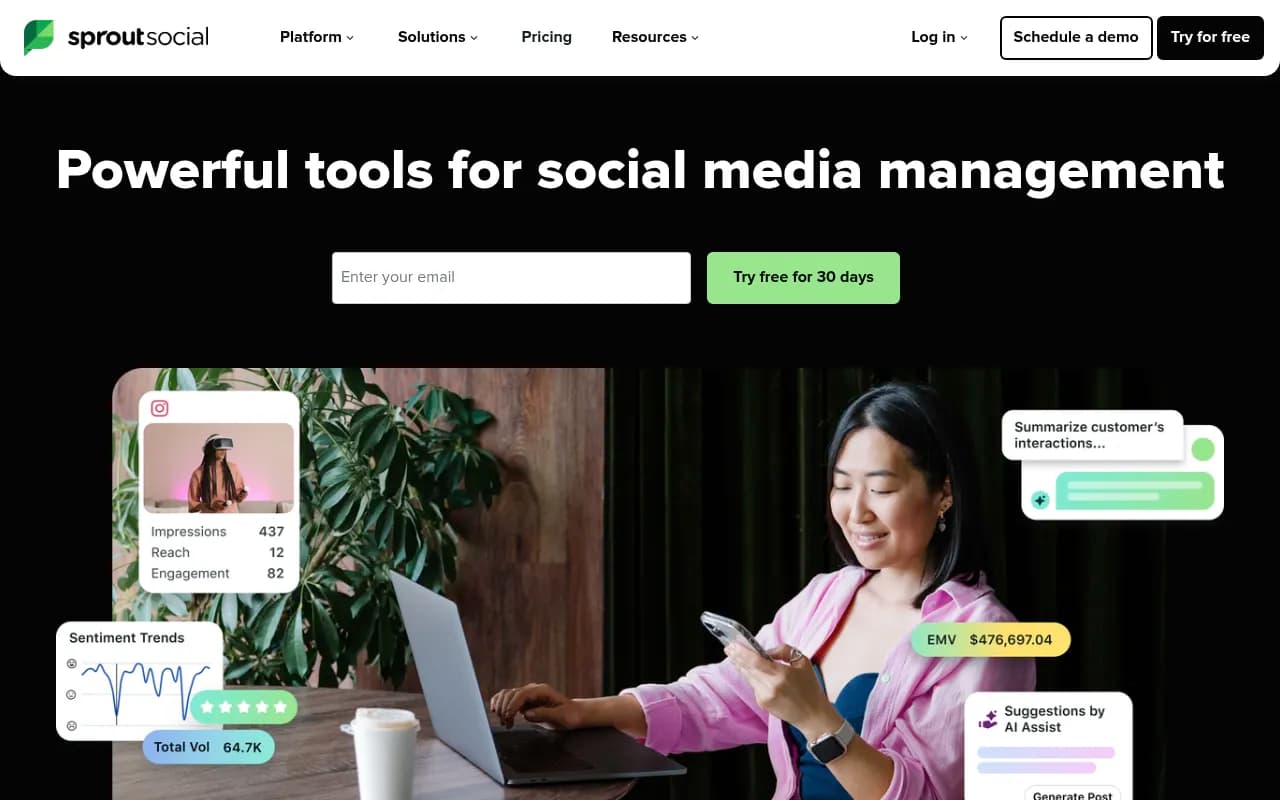
For scheduling and publishing social posts, Buffer starts around $5/month per channel and is the simplest entry point; Hootsuite dropped its free plan in 2026 and now starts at $99/user/month for the Standard tier; Sprout Social runs $79-99/seat for Essentials and scales up to $399 for Advanced. Later, at around $25/month, is built for visual-first platforms like Instagram and TikTok, while SocialBee, from $29/month, is designed around evergreen content recycling.
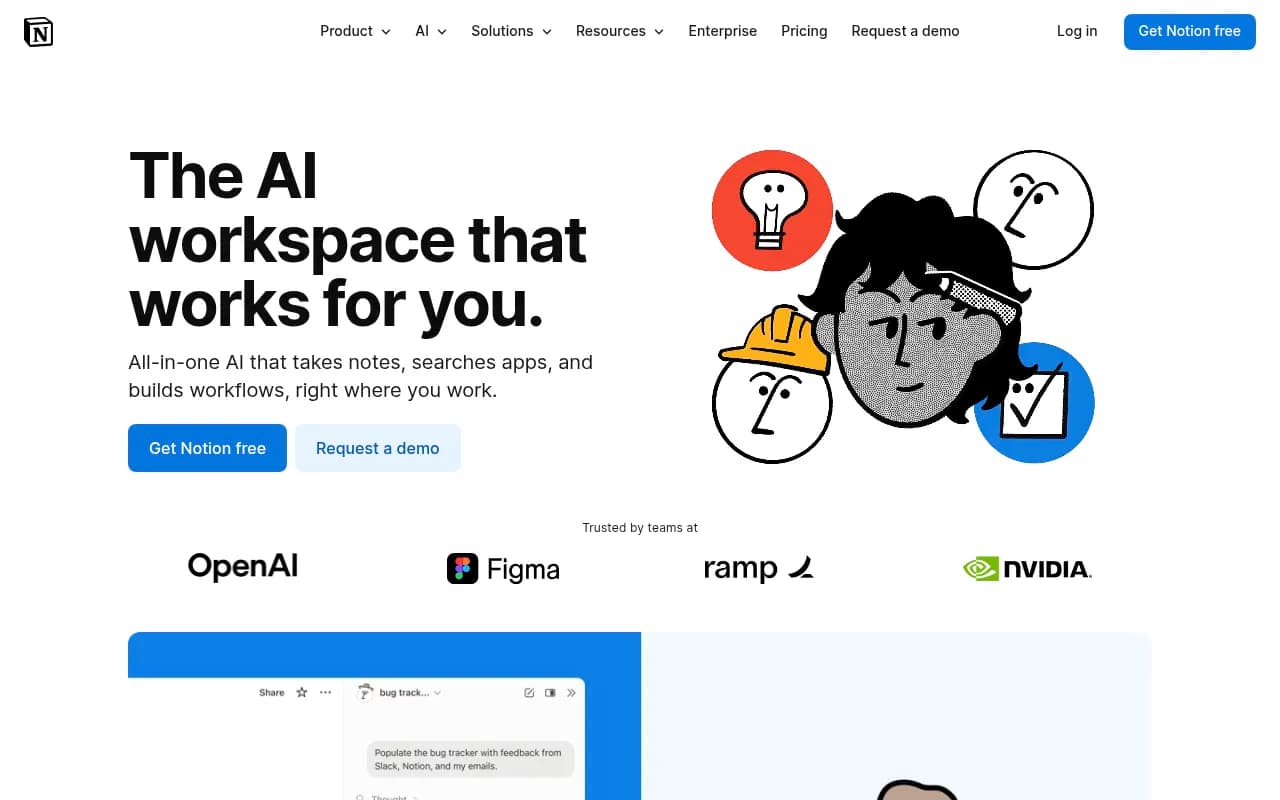
For organizing the calendar itself, Notion AI or Airtable both work well for a three-lane structure, especially since Airtable's built-in AI can draft platform-specific copy and surface scheduling gaps directly inside the grid view.
For the writing itself, tools like Jasper, Copy.ai, or Rytr can draft social captions and briefs quickly, while Canva handles the visual assets that go alongside them.
For the GEO side specifically, the tool that matters most isn't a writing tool, it's a monitoring and action tool. Promptwatch tracks citations across ChatGPT, Gemini, Claude, Perplexity, Grok, and Google AI Overviews and AI Mode, and it includes dedicated Reddit and YouTube citation reporting, the two social channels that matter most based on the data above. It also runs AI crawler logs so you can see whether ChatGPTBot or PerplexityBot actually visited the page you scheduled a refresh for last month, and its content gap analysis and automated Content Agents can turn a citation gap straight into a drafted, CMS-published article.

Quick comparison of scheduling tools
| Tool | Starting price | Best for | AI features |
|---|---|---|---|
| Buffer | ~$5/mo per channel | Solo marketers, small teams | Basic AI caption assist |
| Hootsuite | $99/user/mo (annual) | Mid-size teams, no free tier | OwlyWriter AI on all paid tiers |
| Sprout Social | $79-99/seat | Agencies needing deep analytics | ViralPost AI optimal-time suggestions |
| Later | ~$25/mo | Visual-first platforms | Basic scheduling AI |
| SocialBee | ~$29/mo | Evergreen content recycling | Category-based automation |
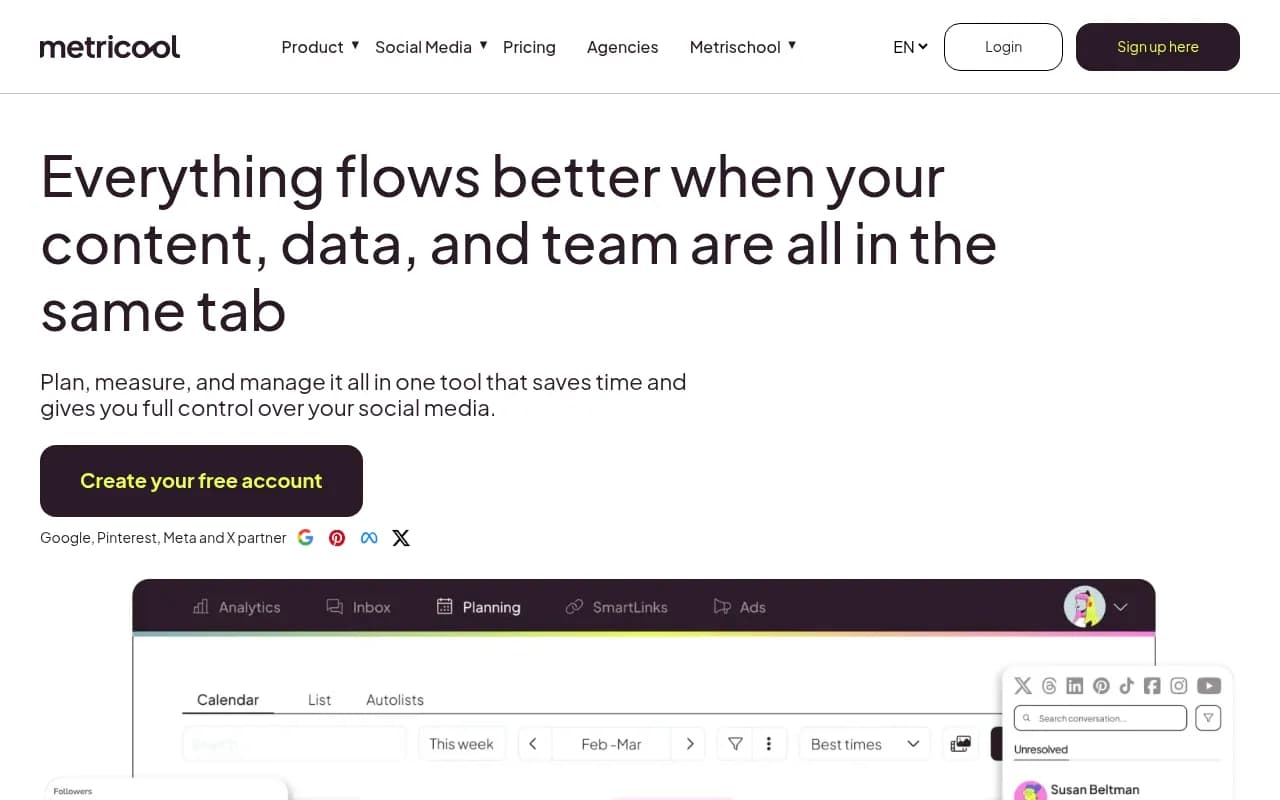
| Metricool | ~$25/mo (free tier: 20 posts/mo) | Analytics-driven planners | Reporting-focused AI |
Step 5: set the cadence, informed by the data
There's no single Promptwatch report that says "post X times per week for optimal citation timing," so don't trust anyone who claims otherwise with false precision. What the data does support is a cadence built around two different clocks.
Social posts run on a fast clock: daily to a few times a week, tuned to platform norms, because engagement decays quickly and audiences expect regularity. GEO-anchored content runs on a slower clock, because Reddit citations skew toward posts six months to two years old, and refreshed content gets a citation boost within a 90-day window. That means your GEO lane doesn't need daily output. It needs steady, dependable output, plus a refresh habit that never lapses.
A workable starting cadence for a small team: three to five social posts per week across your top two platforms, one GEO-anchored article every one to two weeks, and one refresh pass on an older piece every week. Scale up from there once you can see, through your citation data, which lane is actually driving AI-sourced traffic.
Step 6: know how many citation slots actually exist
One more number worth building into your expectations. ChatGPT cites roughly 5 sources per web-search answer, while Google AI Overviews and Perplexity each cite closer to 10, and Perplexity in particular has stayed remarkably consistent at almost exactly 10 sources per response day after day (Promptwatch Data). Microsoft Copilot, by contrast, swings wildly and hasn't settled into a pattern.
The practical implication: ChatGPT is the most competitive, scarcest slot to win. If your domain doesn't have much authority yet, AI Overviews and Perplexity offer a more forgiving path since they simply cite more sources per answer, giving mid-authority content more room to appear.
Putting it together: a sample week
Monday: publish a comparison-style social post on LinkedIn, drawn from a pillar page. Tuesday: schedule three Instagram or TikTok posts from Lane 1 using Buffer or SocialBee. Wednesday: publish or update a how-to article in Lane 2, add it to the internal linking structure of its pillar. Thursday: seed a genuinely useful, specific answer in a relevant Reddit thread, no promotion, just a clear response. Friday: run a refresh pass on a GEO article from the last quarter, check its crawler logs in Promptwatch to see whether AI bots have actually visited since the update.
That's a full week, and it treats social and GEO as one operation instead of two departments passing spreadsheets back and forth.
Final thought
A content calendar built only for engagement metrics is going to miss most of what's happening in AI search right now. A content calendar built only for citations is going to starve your actual audience relationships. The teams doing well in 2026 aren't choosing between the two. They're running one calendar with clear lanes, checking their citation data monthly instead of guessing, and treating a refresh cadence as seriously as new production. If you want to see which of your existing pages and posts are already getting picked up by AI engines before you plan next month's calendar, that's exactly the kind of audit worth running first.