Key takeaways
- GetMint is a monitoring-focused AI visibility tool, and like most trackers in this category, it doesn't give you much room to evaluate the platform before paying.
- There's a meaningful difference between a free trial (full product, limited window), a free tier (a few prompts forever), and a free audit (one-time snapshot). Each answers a different question.
- Promptwatch is the strongest option if you want to test an end-to-end platform: it has a permanent free plan, a 7-day trial on its paid tier, and it goes beyond tracking into content generation and CMS publishing.
- Otterly.AI, Peec AI, ZipTie, and Scrunch AI all offer trial or free entry points worth testing in the same week.
- Run your trials in parallel with the same prompt set. That's the only way to compare apples to apples.
Why teams look beyond GetMint
GetMint does one job and does it reasonably well: it monitors how your brand shows up across AI search engines. If you already know you need monitoring and you're happy to pay for it, it's a fine choice.
The friction shows up earlier in the buying process. If you're evaluating AI visibility platforms for the first time, or you're an agency that wants to demo a workflow to a prospective client before quoting them, a tool with no meaningful free entry point makes that hard. You end up choosing based on a sales call and a feature list instead of real data from your own brand.
There's a second issue too. Monitoring tells you where you're invisible, but it doesn't fix anything. Several platforms in this space have moved past pure tracking into actually generating content, publishing it, and prioritizing what you should work on next. If you're going to test tools before committing anyway, you might as well test the ones that close the loop.
Free trial vs free tier vs free audit
Before comparing tools, get the categories straight, because vendors use the word "free" loosely.
A free trial gives you the full product for a set window, usually 7 to 14 days. This is the right way to evaluate a tool, with one catch: the clock is running, so plan your test week in advance.
A free tier gives you a handful of prompts and engines forever. It works well as a permanent lightweight baseline once you've made your decision, but it's usually too shallow to make a decision on.
A free audit is a one-time snapshot of where you stand, often without even creating an account. It's the fastest first read, but it can't show you a trend, and trends are most of what AI visibility work is about.
The smart sequence: start with a free audit for a quick read, then run one or two no-card trials to pick your platform, then keep a free tier running as a sanity check.
GetMint alternatives with free trials or free plans, compared
| Tool | Free option | Card required | What you can actually test | Paid entry |
|---|---|---|---|---|
| Promptwatch | Free plan (10 prompts, ChatGPT) + 7-day trial | No for free plan | Full stack: tracking, crawler logs, content agents, CMS publishing | $95/mo |
| Otterly.AI | 14-day trial + limited free tier | No | Prompt tracking across major engines, quick baseline audit | Check site |
| Peec AI | Free way to start, 7-day prospect projects for agencies | Check | Daily tracking, 6 engines, agency workspaces | ~EUR 75-89/mo |
| ZipTie | 14-day trial | Check | ChatGPT, Perplexity, AI Overviews, browser-level checks | ~$69/mo |
| Scrunch AI | 7-day trial | Check | Prompt tracking, citation sources, content gaps | Check site |
| Dageno AI | Free plan | No | Visibility monitoring across 10+ platforms | Check site |
| OpenLens | Generous free plan | No | Visibility tracking plus an in-dashboard AI agent | Check site |
| Llumo | Free, bring-your-own-key | No | Full platform if you supply your own LLM API keys | Check site |
For contrast: Profound, one of the best-known enterprise platforms in this category, offers no trial at all. Entry sits around $399/mo on its Growth tier, and you pay before you test. That's a legitimate enterprise model, but it's the opposite of what this guide is about.
The top picks in detail
1. Otterly.AI, the easiest first trial

Otterly.AI is the lowest-friction way to get a real baseline. The 14-day trial requires no credit card, and there's a limited free tier underneath it, so you can keep a light monitoring setup running even after the trial ends.
What I like here is honesty about scope. Otterly is a tracker. It tells you whether your brand appears in AI answers for your prompts, and it does that cleanly and cheaply. It won't write content for you or tell you which crawler errors are hurting your citations, because it doesn't have that data.
Best for: solo marketers and small teams who want a quick, no-risk answer to "are we visible at all?"
2. Promptwatch, the only free-tier platform that also fixes things

Promptwatch is the pick if your question isn't just "where are we invisible?" but "how do we fix it?" Its free Explore plan covers 10 prompts on ChatGPT, and the 7-day trial on the Essential tier unlocks the full product: all LLM tracking, crawler logs, content gap analysis, and the automated Content Agent that plans, writes, and publishes GEO-optimized content straight to WordPress, Webflow, or Framer.
The crawler logs are the part most competitors simply don't have. You can see when ChatGPTBot or ClaudeBot actually visited your pages, what they read, and whether they hit errors. That turns your visibility score from a mystery number into a diagnosis. The platform has analyzed more than 4.5 billion citations, clicks, and prompts, and it's used by 1,840+ brands and agencies including Duolingo, Yelp, and Shutterstock, with a 4.7/5 rating on G2.
One concrete result worth knowing: Crisp saw 2x higher conversion rates from AI traffic than from traditional channels after moving to prompt-led content planning on the platform.
Best for: teams that want to test an end-to-end GEO workflow, not just a dashboard, before paying $95/mo.
3. Peec AI, the best trial for agencies
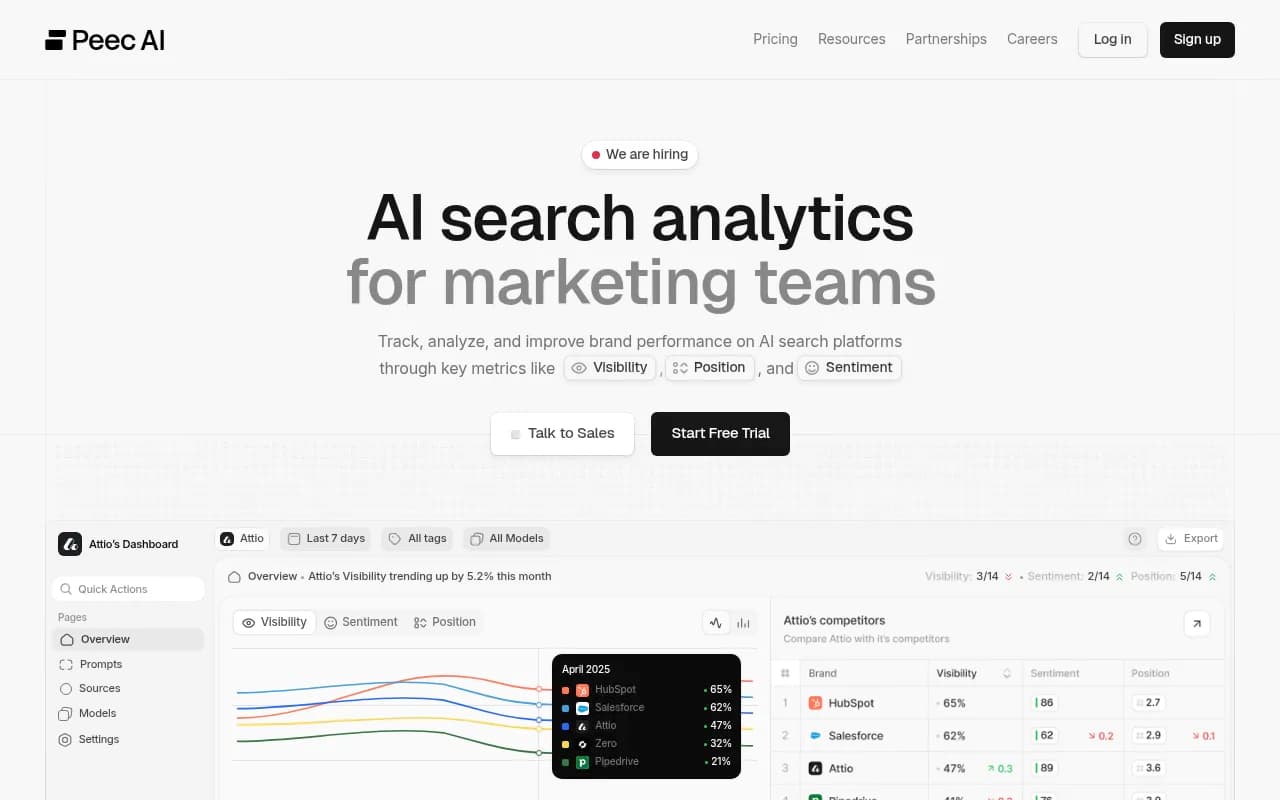
Peec AI's standout feature for agencies is the 7-day prospect project: you can run a full visibility analysis for a potential client before spending anything. That removes the cost risk from new-business pitches, which is a genuinely clever mechanic. If you pitch GEO services, test this one.
Daily tracking across six engines and agency workspaces are testable from the free starting point. Entry pricing lands around EUR 75-89/mo.
Best for: agencies pitching AI visibility services to clients.
4. ZipTie, for browser-level accuracy
ZipTie offers a 14-day trial covering ChatGPT, Perplexity, and AI Overviews. Its differentiator is browser-level checking, which matters because user-facing answers can differ from what APIs return. If you've ever seen a tool report a citation that you can't reproduce in the actual ChatGPT interface, you know why this matters.
Entry pricing is around $69/mo.
Best for: teams that care about what real users see, not just API responses.
5. Scrunch AI, for content gap analysis
Scrunch AI offers a 7-day trial and focuses on the connection between prompts, citations, and the content that earns them. The content gap reporting is where it earns its keep: you see which AI-cited sources are answering your prompts and what you'd need to publish to compete.
Best for: content-led teams that want monitoring tied to an editorial plan.
Free plans worth keeping after you choose
Not every free tool is a trial to evaluate. Some are worth keeping permanently, whatever platform you end up paying for.
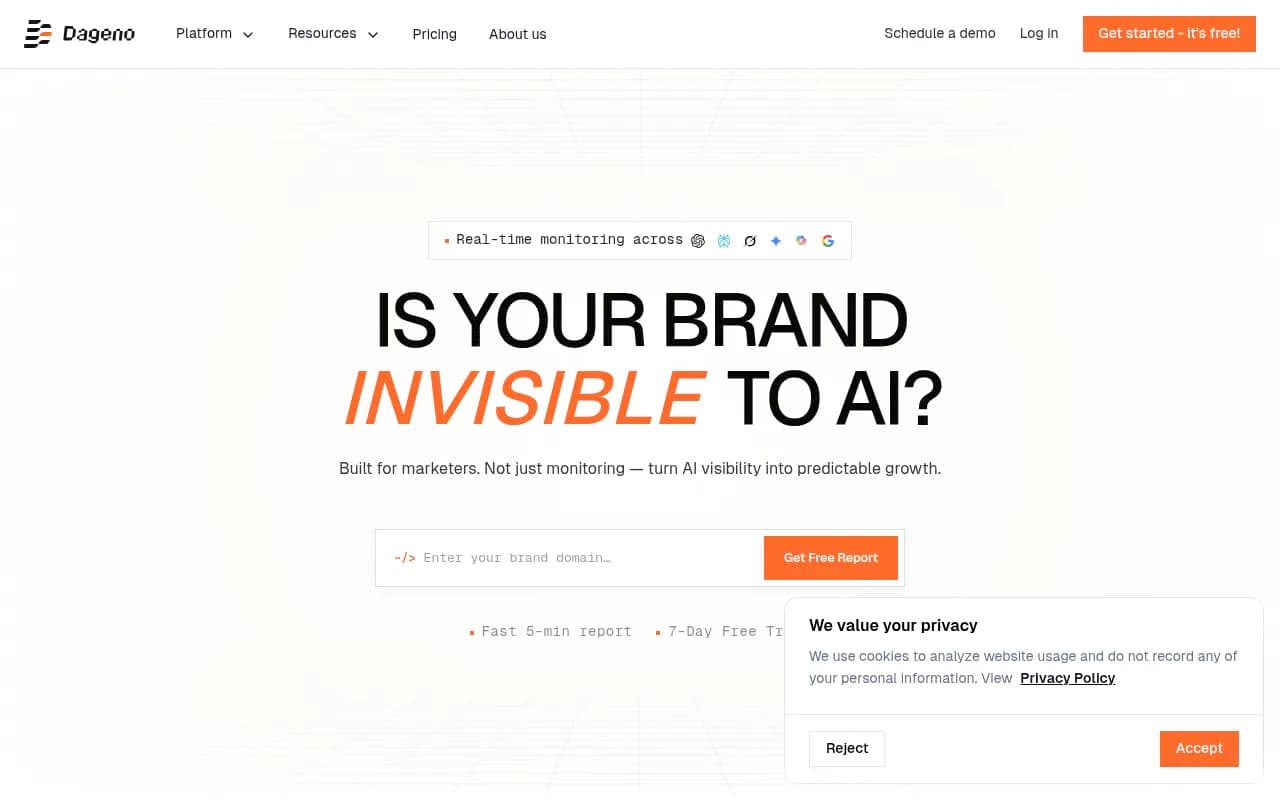
Dageno AI has a free plan covering visibility monitoring across 10+ platforms. As a permanent baseline, that's hard to beat.
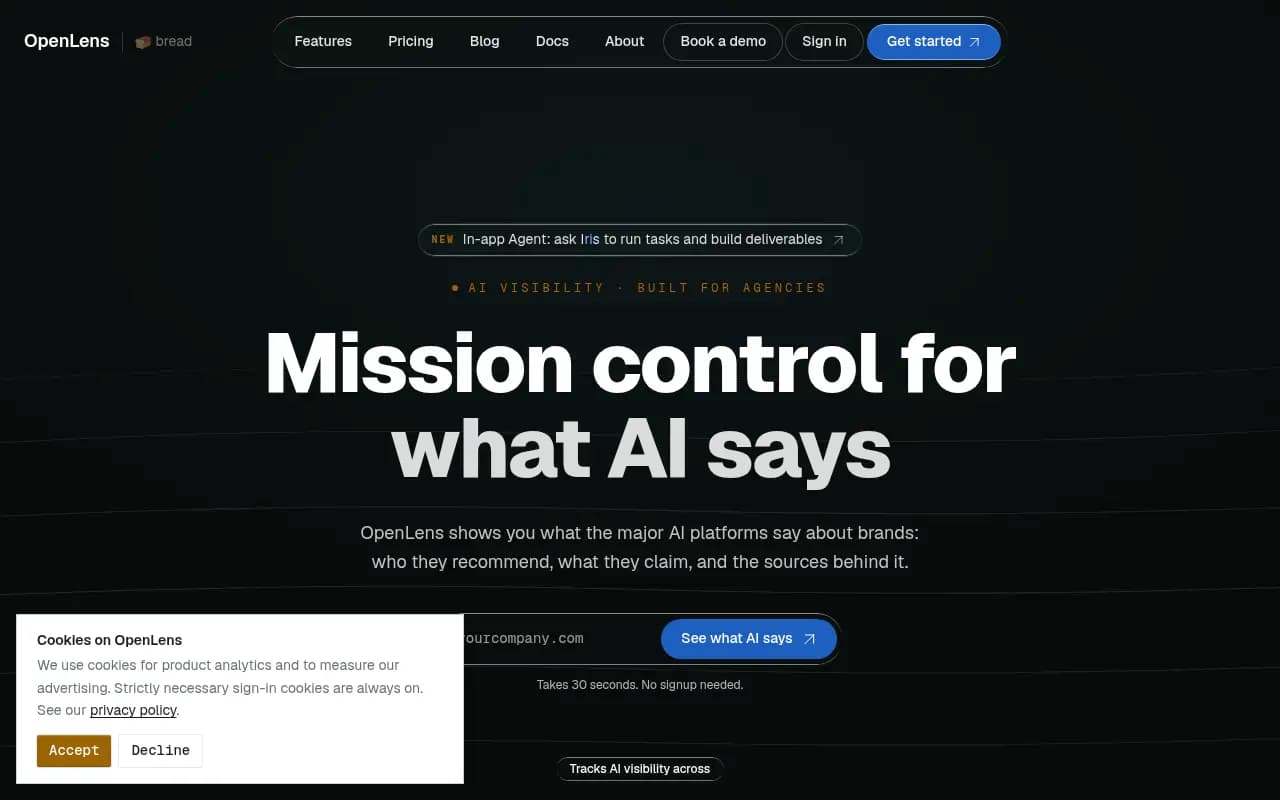
OpenLens pairs a generous free plan with an in-dashboard AI agent, which is an unusual combination at the free tier.
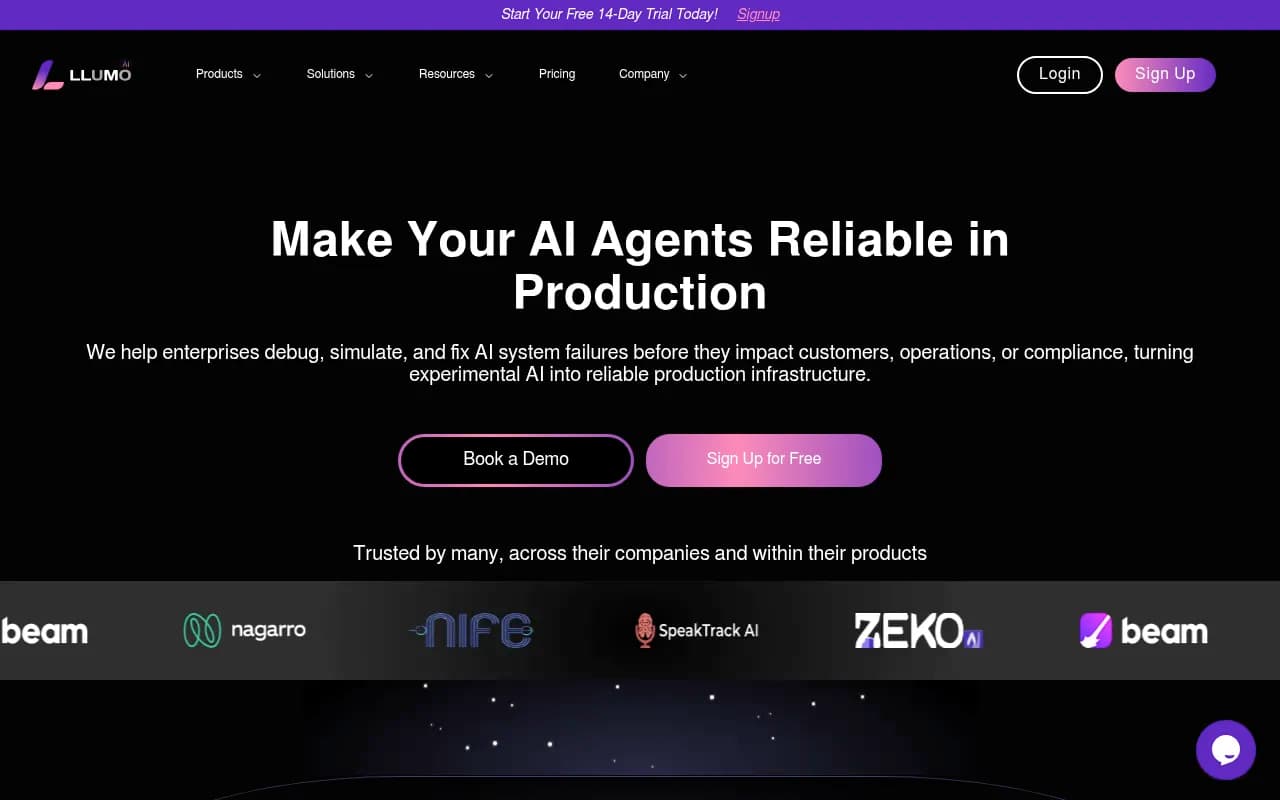
Llumo takes a bring-your-own-key approach: the platform is free, you supply your own LLM API keys. If you already pay for API access, this effectively gives you a full platform for nothing.
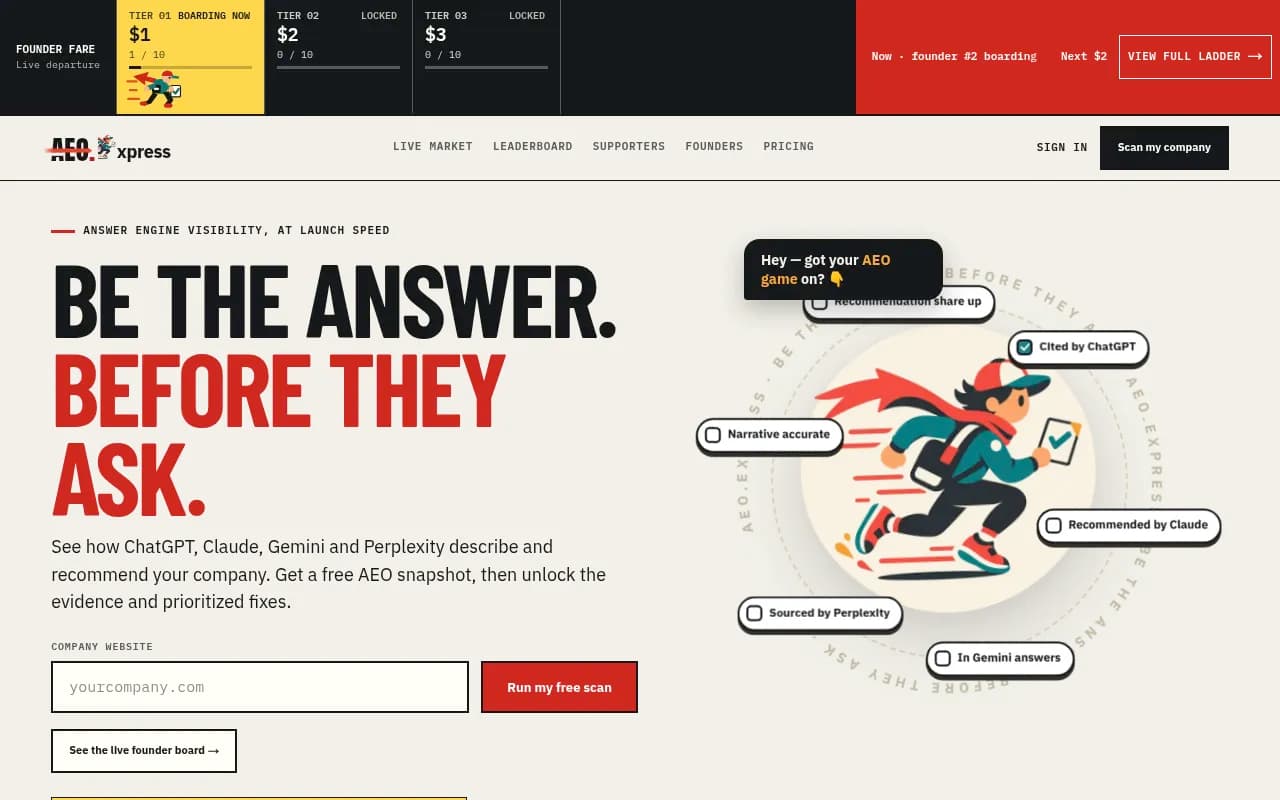
AEO.express gives you a one-time answer engine optimization snapshot. No account, no commitment, just a quick read on where you stand. Start here before any trial.
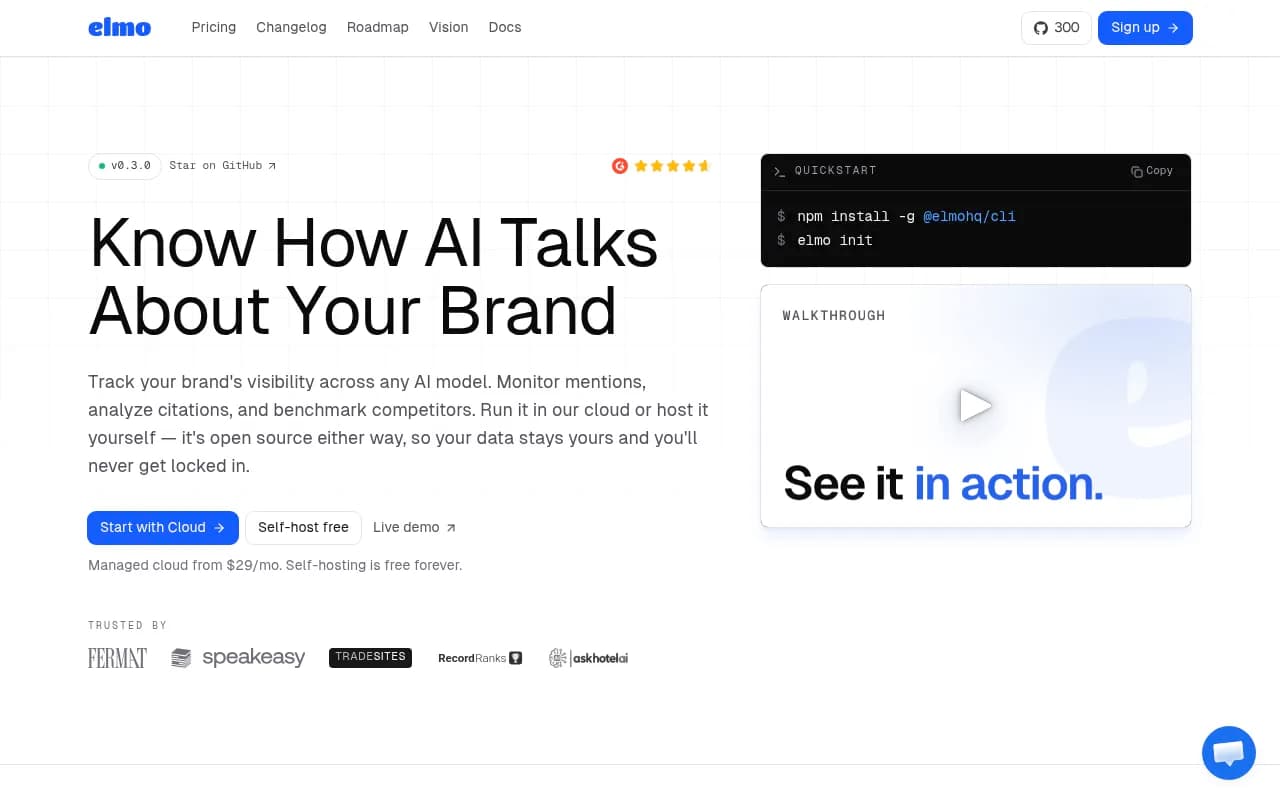
And if you're technical, Elmo is an open-source AEO and AI visibility tracker. Free forever, self-hosted, and you can inspect exactly how the measurements are made.
How to run a trial week without wasting it
Trials are short, and most people waste them. Here's the routine that works:
- Build your prompt set before you sign up. Twenty to fifty prompts that real buyers would actually use, mixing brand, category, and comparison queries. If you build the list during the trial, you've burned three days.
- Run two trials in parallel. Same prompts, same week. The differences between tools become obvious fast.
- Check the data, not the dashboard. Pick five prompts you know well and verify the tool's answers against what you see in the actual ChatGPT or Perplexity interface. If a tool reports citations you can't reproduce, that tells you something.
- Test the "why," not just the "whether." A tool that only says "you're 23% visible" is a thermometer. A tool that shows which pages get crawled, which get cited, and which errors block citations is a diagnostic. You can act on the second one.
- Test the fix path. Whatever the tool recommends, try doing one recommended action inside the platform during the trial. If the workflow is clunky on day 3, it'll be clunky forever.
What GetMint still does well
Fairness check: GetMint's monitoring is legitimate, and if you're already a customer with dashboards your team knows, switching costs are real. The alternatives above are worth your trial week if you're choosing for the first time, if you need an execution layer rather than monitoring alone, or if the lack of a free entry point has been blocking your evaluation. If none of those apply, there's no urgent reason to switch.
The verdict
If you want the fastest free read, start with AEO.express for a snapshot. If you want the best no-card trial for pure tracking, Otterly.AI's 14 days is the pick. If you want to test a platform that monitors, diagnoses, and fixes, Promptwatch's free plan plus 7-day trial is the only one that covers the full loop. And if you're an agency, run Peec AI's prospect project through one real client pitch before deciding anything.
Whichever you choose, run the same prompt set through two tools in the same week. The comparison will tell you more than any review, including this one.