Key takeaways
- Omnia charges up to €3.16 per tracked prompt -- nearly 3x more than several alternatives -- and locks data exports behind a €279/month plan
- Core features like sentiment analysis are still listed as "coming soon" despite Omnia launching in mid-2025 with €3.5M in funding
- Most Omnia alternatives fall into two camps: monitoring-only dashboards and full optimization platforms -- and the gap between them matters
- Promptwatch is the only platform in this comparison rated as a "Leader" across all evaluation categories, combining tracking, content gap analysis, and AI content generation in one workflow
- The right alternative depends on your team size, budget, and whether you need to just track visibility or actually improve it
Omnia has generated real buzz. A €3.5M pre-seed round in late 2025, a clean interface, and a clear pitch around AI search visibility. But buzz and product maturity are different things, and right now there's a gap between them.
The pricing page still lists sentiment analysis as "coming soon." Data exports require the €279/month Pro plan. The base plan gives you 25 prompts for €79/month -- that's €3.16 per prompt, which is among the highest in the category. And Google Gemini isn't clearly included in base plans.
If you're evaluating Omnia and something feels off, you're not imagining it. Here's a clear-eyed look at what's actually available in 2026.
What to look for in an Omnia alternative
Before jumping to the list, it's worth being specific about what actually matters when choosing one of these platforms.
Prompt coverage and cost per prompt. This is the most honest way to compare pricing. Divide the monthly cost by the number of prompts you can track. Omnia's €3.16/prompt is a useful benchmark -- most alternatives come in significantly lower.
Which AI models are included. ChatGPT and Perplexity are table stakes. The better platforms also cover Claude, Gemini, Grok, DeepSeek, Copilot, and Google AI Overviews. Check whether the models you care about are included at your plan tier, not just listed somewhere on the marketing page.
Monitoring vs. optimization. A lot of tools in this space show you a dashboard of where you appear (or don't appear) in AI responses. That's useful, but it doesn't tell you what to do about it. The more valuable platforms close the loop -- they identify content gaps and help you create content that actually gets cited.
Integrations and data export. If you can't get your data out, you're dependent on the vendor's reporting forever. Look for Looker Studio connectors, API access, GSC integration, or at minimum CSV exports on entry-level plans.
Traffic attribution. Knowing you're being cited is one thing. Knowing those citations drive actual traffic and revenue is another. Few platforms connect AI visibility to business outcomes -- the ones that do are worth paying attention to.
The best Omnia alternatives in 2026
1. Promptwatch -- best for teams that want to actually improve their AI visibility
Promptwatch is the most complete platform in this comparison. Where most tools show you a dashboard and leave you to figure out what to do next, Promptwatch is built around a specific workflow: find the gaps, create content to fill them, track the results.

The Answer Gap Analysis is the clearest expression of this. It shows you exactly which prompts your competitors appear for that you don't -- not as a vague "you're missing coverage here" signal, but as specific prompts with volume estimates and difficulty scores. You can see what content your site is missing and why AI models aren't citing you.
From there, the built-in AI writing agent generates articles, listicles, and comparison pages grounded in citation data from over 880 million citations analyzed. This isn't generic content -- it's built around what AI models actually cite and why.
The tracking side covers 10 AI models: ChatGPT, Perplexity, Claude, Gemini, Grok, DeepSeek, Copilot, Mistral, Meta AI, and Google AI Overviews. Page-level tracking shows which specific pages are being cited, how often, and by which models. And the traffic attribution layer (via code snippet, GSC integration, or server log analysis) connects visibility to actual sessions and revenue.
A few things that stand out versus Omnia specifically: AI crawler logs that show you which pages ChatGPT, Claude, and Perplexity are actually reading (and which ones they're ignoring), Reddit and YouTube tracking to surface discussions that influence AI recommendations, and ChatGPT Shopping tracking for e-commerce brands.
Pricing starts at $99/month for the Essential plan (1 site, 50 prompts, 5 articles). That's roughly $1.98/prompt -- about 37% cheaper than Omnia's base rate, with more features included.
In a 2026 comparison of 12 GEO platforms, Promptwatch was the only tool rated as a "Leader" across all evaluation categories. The core reason: most competitors are monitoring dashboards. Promptwatch is an optimization platform.
2. Profound -- best for enterprise teams with complex reporting needs
Profound is one of the more established names in AI visibility. It covers a solid range of AI models, has strong reporting capabilities, and is built for larger organizations that need custom dashboards and stakeholder-ready exports.
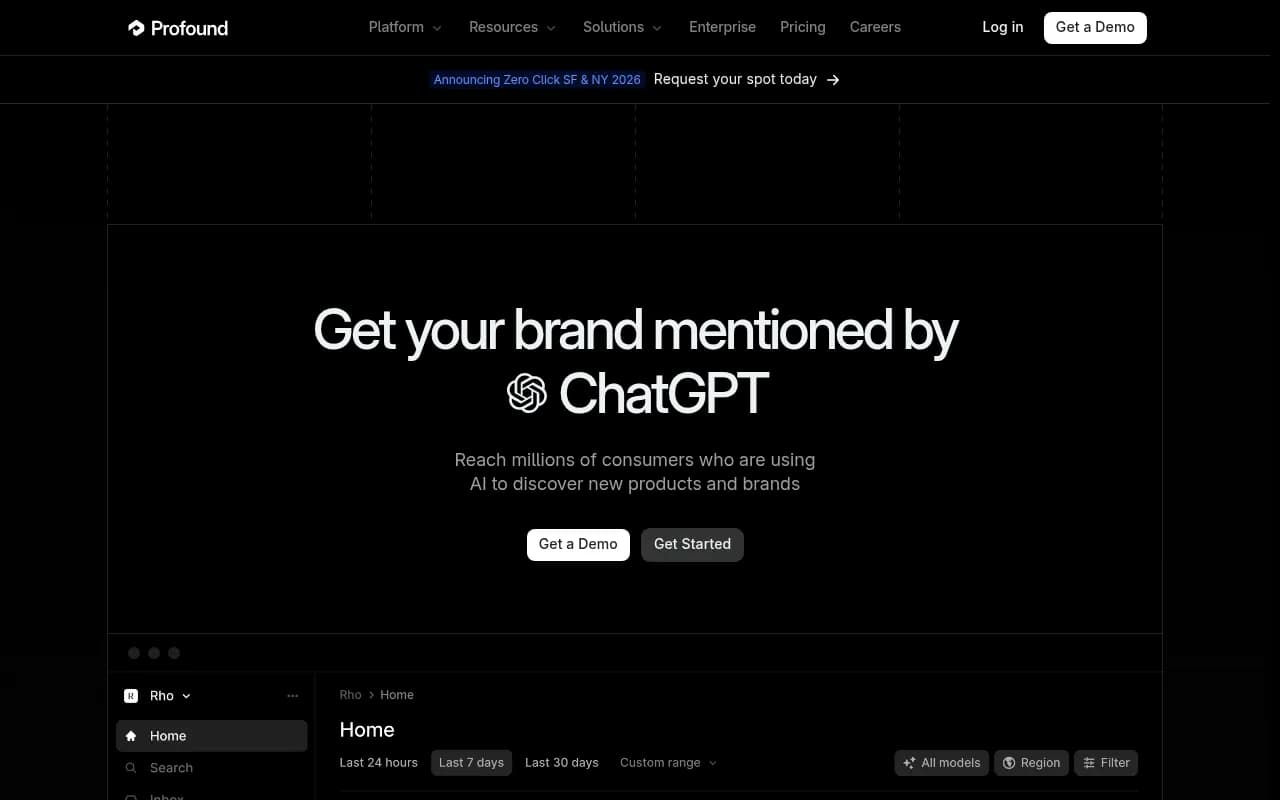
The platform is genuinely good at monitoring. Where it falls short relative to Promptwatch is on the optimization side -- there's no built-in content generation, no answer gap analysis that tells you what to create, and no crawler logs. You get strong data, but the "what do I do with this" question is left to you.
Pricing is higher than most alternatives in this list, which makes it a harder sell for mid-market teams. But if you're at an enterprise with a dedicated SEO team and need polished reporting, it's worth evaluating.
3. Scrunch AI -- best for content-focused teams
Scrunch sits in an interesting position: it's one of the few monitoring tools that also surfaces content recommendations. It won't generate the content for you, but it will tell you what topics and angles are missing from your site relative to what AI models are citing.
The interface is clean and the prompt coverage is reasonable. It's a step above pure monitoring tools, but still a step below platforms like Promptwatch that close the full loop from gap identification to content creation to tracking.
For teams that have writers ready to act on recommendations but want a tool to tell them what to prioritize, Scrunch is a reasonable pick.
4. Otterly.AI -- best for budget-conscious teams just starting out
Otterly is one of the more affordable options in the category. It covers the core AI models, gives you visibility scores, and lets you track brand mentions across ChatGPT and Perplexity without a significant budget commitment.

The honest trade-off: it's a monitoring tool. There's no content generation, no gap analysis, no crawler logs, no traffic attribution. If you're trying to understand where you stand before committing to a more complete platform, Otterly is a reasonable starting point. If you need to actually move the needle, you'll outgrow it quickly.
5. SE Visible -- best for teams already using SE Ranking
SE Visible is SE Ranking's dedicated AI visibility product. If your team already lives in SE Ranking for traditional SEO, the integration makes this a natural extension -- you can see AI visibility data alongside your regular rank tracking without switching tools.
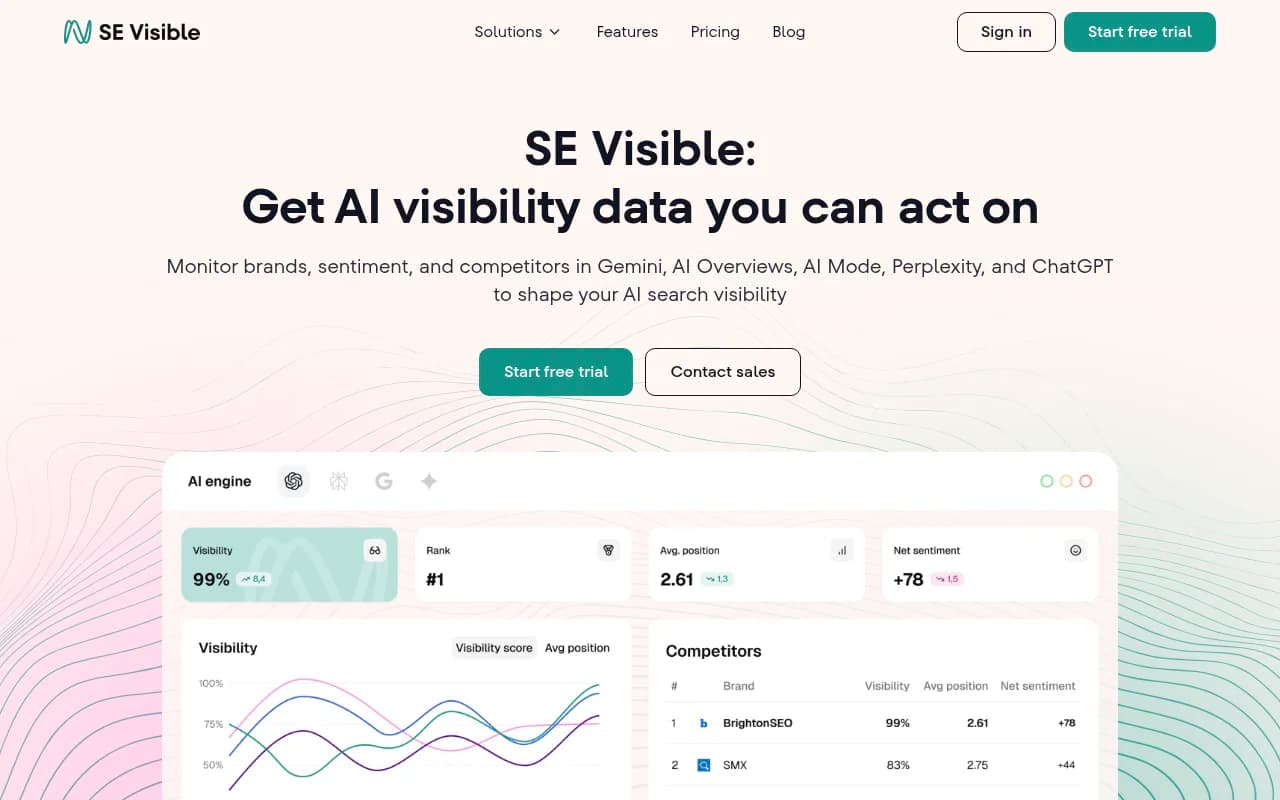
The coverage is solid and the pricing is competitive. The limitation is that it's primarily a monitoring layer -- it doesn't help you create content or identify specific gaps to fill. But for teams that want AI visibility data without adding another vendor, it's a practical choice.
6. Peec AI -- best for multi-language tracking
Peec AI has carved out a specific niche: multi-language AI visibility monitoring. If your brand operates across multiple countries and languages, most tools in this category fall short -- they're built around English-language prompts and US-centric AI model behavior.

Peec handles international monitoring better than most. The trade-off is that it's monitoring-focused, without the content optimization capabilities you'd get from a platform like Promptwatch. But for international brands where language coverage is the primary requirement, it's worth a look.
7. ZipTie -- best for deep citation analysis
ZipTie takes a different angle than most tools in this list. Rather than focusing primarily on brand mention tracking, it goes deep on citation analysis -- showing you which sources AI models are actually pulling from, how often, and in what context.
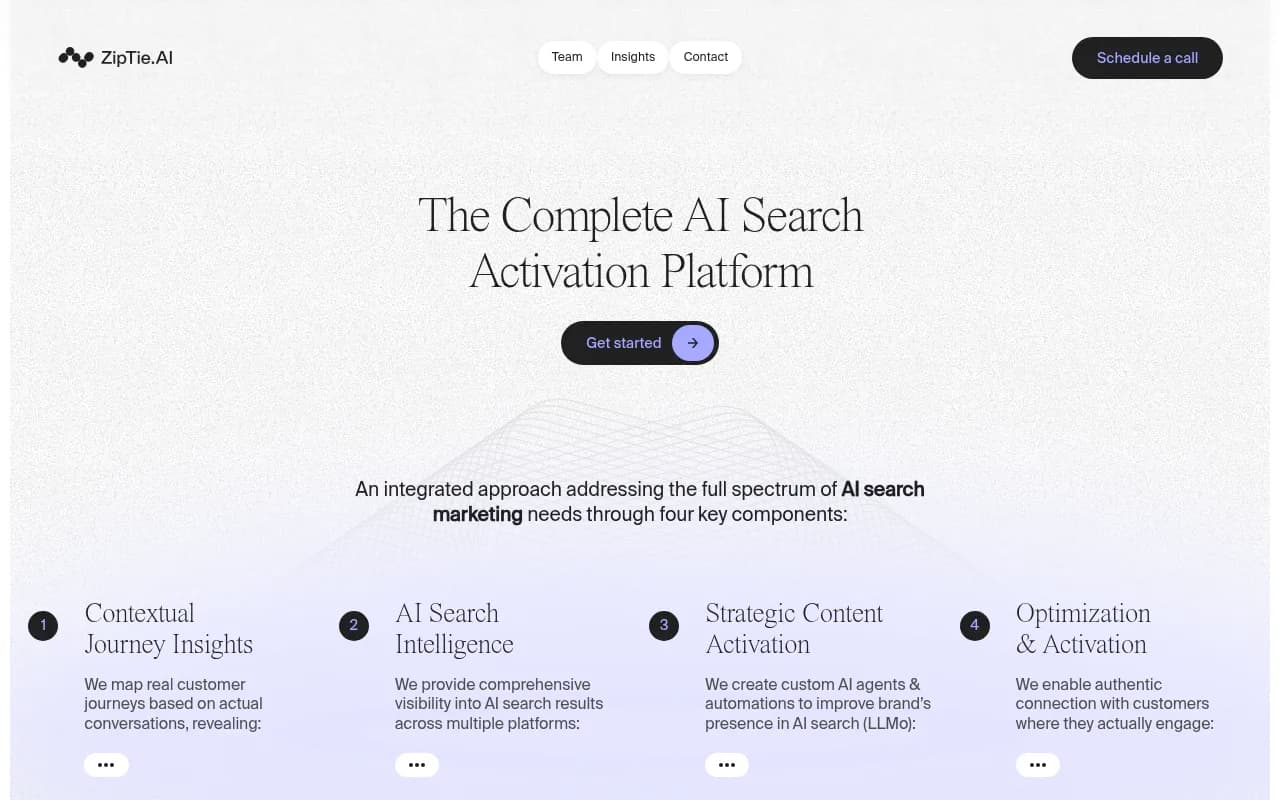
This is genuinely useful for understanding why competitors are being cited and what you'd need to do to displace them. It's more of a research and analysis tool than a full optimization platform, but the citation intelligence is some of the best available.
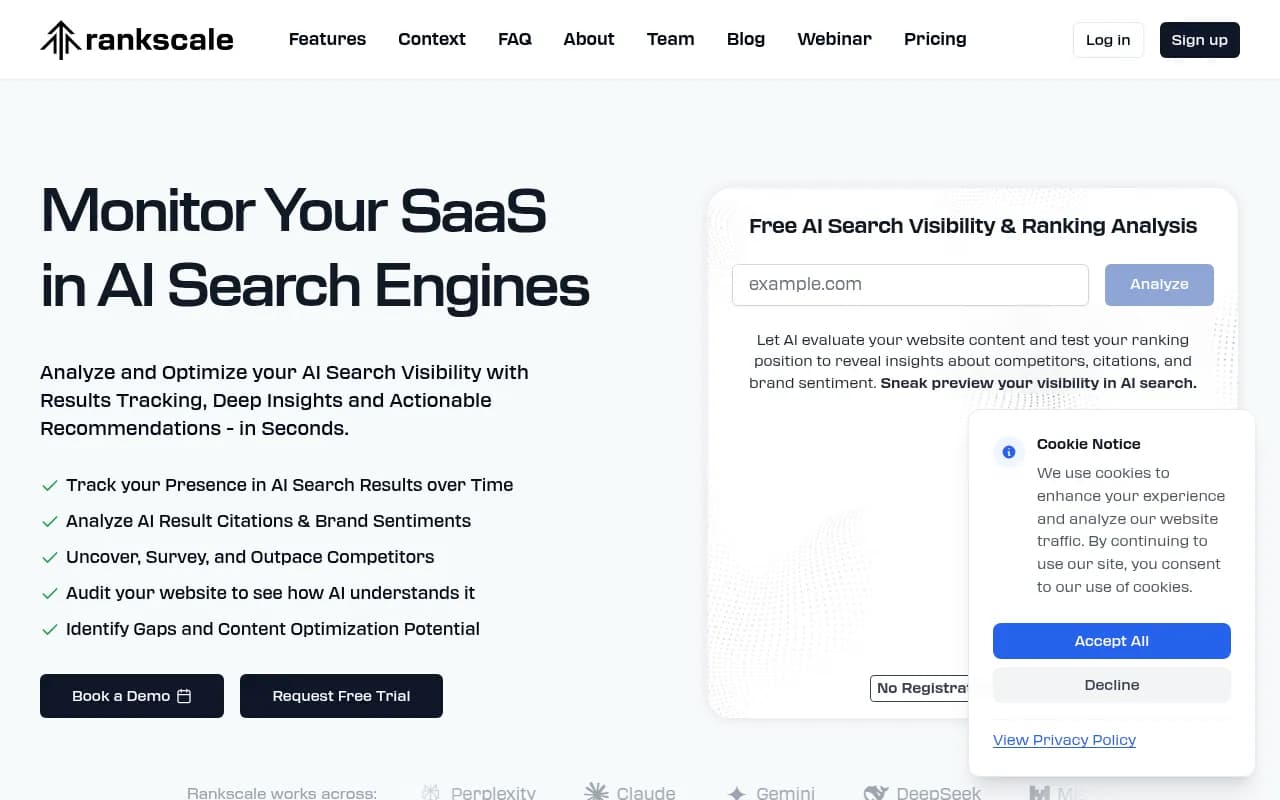
8. Rankscale -- best for agencies managing multiple clients
Rankscale is built with agency workflows in mind. Multi-client management, white-label reporting, and prompt tracking across the major AI models are the core features. It's not the deepest platform in terms of optimization capabilities, but for agencies that need to show clients AI visibility data in a clean, branded format, it works well.
9. Athena HQ -- best for brand sentiment tracking
AthenaHQ focuses on how AI models portray your brand, not just whether they mention you. Sentiment analysis, brand perception tracking, and competitive positioning are the core use cases.

This is actually an area where Omnia explicitly falls short (sentiment analysis is still "coming soon" on their platform), so if that's your primary need, AthenaHQ is a direct answer. The limitation is that it's monitoring-focused -- you get good data on how you're perceived, but limited help on how to change it.
10. LLMrefs -- best for SEO teams wanting a familiar workflow
LLMrefs is built to feel like a natural extension of traditional SEO tooling. If your team is comfortable with keyword tracking and rank monitoring, the interface and workflow will feel familiar -- just applied to AI search instead of Google.
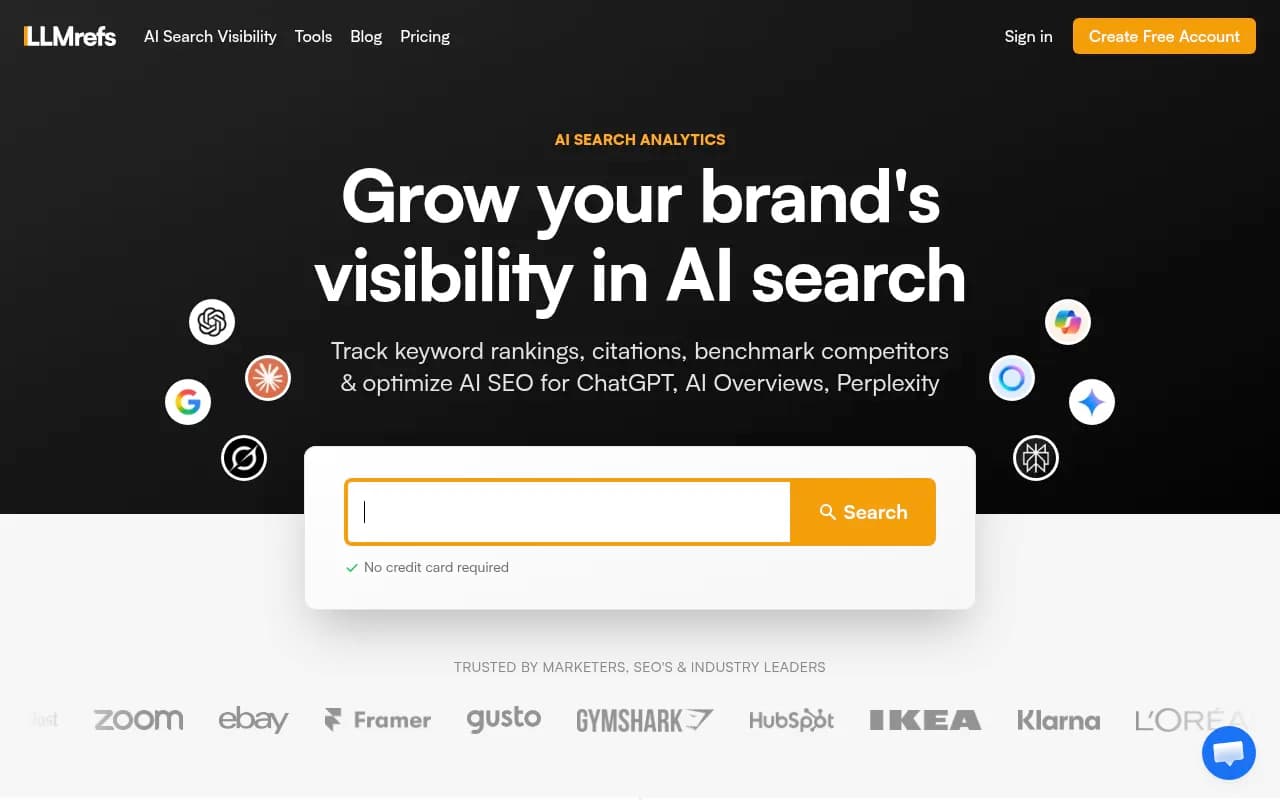
It covers the major AI models, gives you prompt-level tracking, and is reasonably priced. It's not going to replace a full optimization platform, but for SEO teams dipping their toes into AI visibility without wanting to learn a completely new tool, it's a low-friction entry point.
How these platforms compare
Here's a side-by-side look at the key dimensions that matter when choosing between Omnia and its alternatives:
| Platform | Starting price | Cost/prompt | Content generation | Crawler logs | Traffic attribution | Sentiment analysis |
|---|---|---|---|---|---|---|
| Omnia | €79/mo | €3.16 | No | No | No | Coming soon |
| Promptwatch | $99/mo | ~$1.98 | Yes | Yes | Yes | Yes |
| Profound | Custom | N/A | No | No | Limited | Yes |
| Scrunch AI | Varies | Varies | Recommendations only | No | No | Yes |
| Otterly.AI | Low | Low | No | No | No | Limited |
| SE Visible | Bundled | Low | No | No | No | Yes |
| Peec AI | Varies | Varies | No | No | No | Limited |
| ZipTie | Varies | Varies | No | No | No | No |
| Rankscale | Varies | Varies | No | No | No | Limited |
| AthenaHQ | Varies | Varies | No | No | No | Yes |
| LLMrefs | Low | Low | No | No | No | Limited |
The pattern is clear: most alternatives to Omnia are monitoring tools with better pricing or specific feature strengths. Promptwatch is the only platform in this comparison that covers the full cycle from gap identification through content creation to traffic attribution.
The monitoring vs. optimization gap
This is worth dwelling on because it's the most important decision you'll make when choosing a platform.
Monitoring tools tell you where you stand. They show you a score, a list of mentions, a comparison against competitors. That information is useful -- you need to know where you are before you can improve. But a lot of teams get stuck here. They have a dashboard full of data and no clear path to actually changing their AI visibility.
Optimization platforms go further. They tell you specifically what's missing, help you create content to fill those gaps, and then track whether that content actually gets cited. The loop closes.
Omnia is a monitoring tool with an optimization pitch. The "coming soon" features and locked exports suggest the optimization layer isn't ready yet. Most alternatives in this list are also primarily monitoring tools -- Otterly, Peec AI, AthenaHQ, LLMrefs, SE Visible, and Rankscale all fall into this category.
Promptwatch is the clearest exception. The Answer Gap Analysis, AI writing agent, crawler logs, and traffic attribution together form a genuine optimization workflow rather than just a better dashboard.
If your primary goal is understanding where you stand, any of the monitoring tools on this list will serve you. If your goal is improving where you stand, the choice narrows considerably.
Which alternative should you choose?
A few practical recommendations based on what teams actually need:
If you need the most complete platform and want to move from tracking to actually improving your AI visibility, Promptwatch is the right choice. The pricing is more reasonable than Omnia, the feature set is deeper, and it's the only platform here that helps you create content that gets cited rather than just showing you that you're not being cited.
If you're at an enterprise with a large team and need polished stakeholder reporting, Profound is worth evaluating despite the higher price point.
If you're an agency managing multiple clients and need white-label reporting, Rankscale fits that workflow better than most.
If budget is the primary constraint and you just want to start tracking, Otterly.AI gets you in the door without a significant commitment.
If you're already using SE Ranking for traditional SEO, SE Visible is the path of least resistance for adding AI visibility data.
If international, multi-language monitoring is your primary requirement, Peec AI handles that better than the alternatives.
The one thing I'd caution against: choosing a tool based on the funding announcement or the marketing pitch. Omnia's €3.5M raise is real, but so is the "coming soon" sentiment analysis. Evaluate what's actually live, what it costs per prompt, and whether the platform helps you do something about your visibility or just shows you a number.