Key takeaways
- ChatGPT does not return ten blue links. A rank tracker measures mentions, citations, and position inside answers, so "rank" means prompt-based visibility, not a SERP position.
- Country and language matter because the same prompt can produce different brands and sources in each locale. One global average hides the markets where you are invisible.
- When comparing tools, check four things: real-interface data versus API output, language and country coverage, keyword-style prompt support, and whether the tool tells you what to fix.
- Promptwatch, Omnia, KIME, Scrunch, and SE Ranking all cover multi-country tracking. They differ in how far they go past reporting.
- Verify prices on each vendor's page. Most pricing in public listicles is from early 2026 and some of it is already stale.
Why ChatGPT rank tracking needs a country and language view
If you sell in more than one market, a single "ChatGPT visibility" number is close to useless. A French buyer asking for the best accounting software gets a different shortlist than a Spanish one, and both differ from what an American sees. Local competitors dominate local prompts. A regional provider can be absent in English and win in its home language.
There is a second problem. ChatGPT only cites a handful of sources per answer. Promptwatch's average sources per response report shows ChatGPT cites about 5 sources per web-search answer, while Google AI Overviews and Perplexity sit near 10. With roughly five slots, a small visibility gap between two markets can be the difference between being cited and not appearing at all.
So you need to see results split by country and language. Everything below is about picking a tool that does that properly.
What a ChatGPT rank tracker actually measures
A ChatGPT rank tracker monitors whether your brand appears in generated answers, which URLs get cited, how you compare to competitors (share of voice), and how the model describes you. ChatGPT retrieves sources at query time, so there is no stable position to check the way there is on Google.
That retrieval step is worth understanding. According to Promptwatch's ChatGPT query fanouts data, a single prompt can trigger 3 to 8+ separate web searches. The measured average has drifted down: about 2.15 fanout queries per response in early December 2025, around 1.84 by early March 2026. Average fanout query length also shrank, from about 117 characters to the high 80s, and about 53 characters when fanouts returned in April.
The practical takeaway: each retrieval now carries more weight, and the queries are short and keyword-like. The report doesn't say whether fanouts run in the user's language, so I wouldn't assume they do. What I would do is test short, keyword-style prompts in every target language, not only long conversational ones.
What to demand from a multi-language tracker
Before you look at a vendor list, use this checklist. It filters out most dashboards quickly.
Real interface data, not just API output
User-facing ChatGPT answers and citations can differ from what the API returns. Trackers that capture the actual interface, in a chosen country and language, give you numbers closer to what a buyer sees. Some vendors push this hard in their marketing, so ask for a demo showing a live capture in a non-English market before you believe it.
Locale fixed per monitor
You want country and language set at the monitor level, so a German monitor never mixes with a UK one. Mixed locales produce averages nobody can act on.
Prompt-level control
Look for custom prompts per market, not auto-translated copies. Direct translation misses how people actually search. A Dutch buyer does not phrase a query the way an English one does.
Citation URLs and competitor share of voice
A mention without a source URL tells you what happened but not why. You want the exact pages cited, per locale.
Actions, not only reports
A score is not a plan. The better tools turn visibility gaps into content tasks, and a few help publish the content too.
Comparison of multi-language ChatGPT rank trackers
The table below summarizes how the main options handle country and language tracking. Pricing is indicative and based on vendor pages and listicles from early 2026, except Promptwatch, whose prices are from its own plan list. Confirm everything before buying.
| Tool | Multi-country and language tracking | Goes beyond monitoring | Starting price |
|---|---|---|---|
| Promptwatch | Monitors fixed to a country and language, real interface data, state/city on Business | Content Agent, Action Board, crawler logs, traffic attribution | $95/mo |
| Omnia | Unlimited countries and languages, location-based browsers | Citation URLs, content actions | Check vendor |
| KIME | Prompts organized by country, language, category, model | Action Centre | from EUR 99/mo |
| Scrunch AI | Multi-region tracking for enterprises and agencies | Competitive analysis | Check vendor |
| SE Ranking / SE Visible | Geographic and language filtering | Pairs with classic rank tracking | Check vendor |
| Nightwatch | AI tracking next to Google rankings | Unlimited team seats | from $39/mo plus AI add-on |
| Otterly.AI | Cross-engine monitoring | Light | from $29/mo |
| ZipTie | Deep AI visibility analysis | Optimization suggestions | from $69/mo |
The tools, in more detail
Promptwatch
Promptwatch is the one I'd shortlist first for multi-market teams, mostly because it doesn't stop at the dashboard. It collects answers from the real interfaces of ChatGPT, Google AI Overviews, Google AI Mode, Gemini, Perplexity, Copilot and others, in each country and language you choose. A monitor's language and location are fixed when you create it, so markets never mix. Country tracking is on every plan; state and city tracking arrive on Business.

Where it separates from pure trackers: it shows the sources behind each answer, flags content gaps against the prompts AI actually answers, and its Content Agent can write and publish pages to WordPress, Webflow, or Framer in the prompt's language. IP-verified AI crawler logs tell you whether bots can even read your localized pages, which is the usual culprit when a translated site never gets cited. Visitor analytics then show whether ChatGPT sends traffic and conversions per market.
Plans run Essential at $95/mo (50 prompts), Professional at $245/mo, and Business at $579/mo, which is the first tier with the Content Agent, faster-than-daily tracking, and local targeting. Agencies get Kick-off at $199/mo, Growth at $399/mo, and Scale at $799/mo. Check pricing before you commit. There is a 7-day free trial on monthly billing, and a free AI visibility report if you want a first look. For how the data is gathered, see the Academy page on how Promptwatch collects data.
Omnia
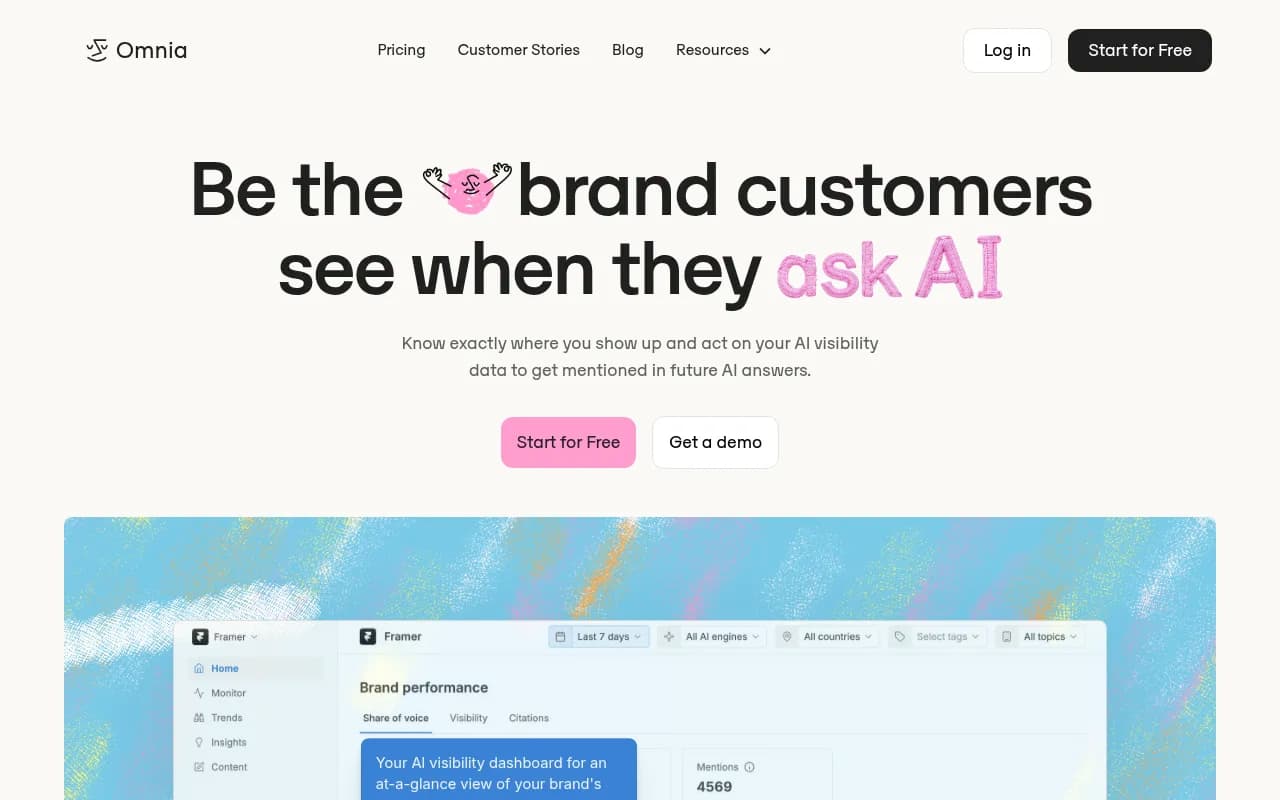
Omnia's pitch is tracking ChatGPT across unlimited countries and languages with exact citation URLs and daily runs. It says it opens browsers in real locations to capture what users see. That claim is vendor marketing, and I haven't verified it, but the approach is the right one in principle.
KIME
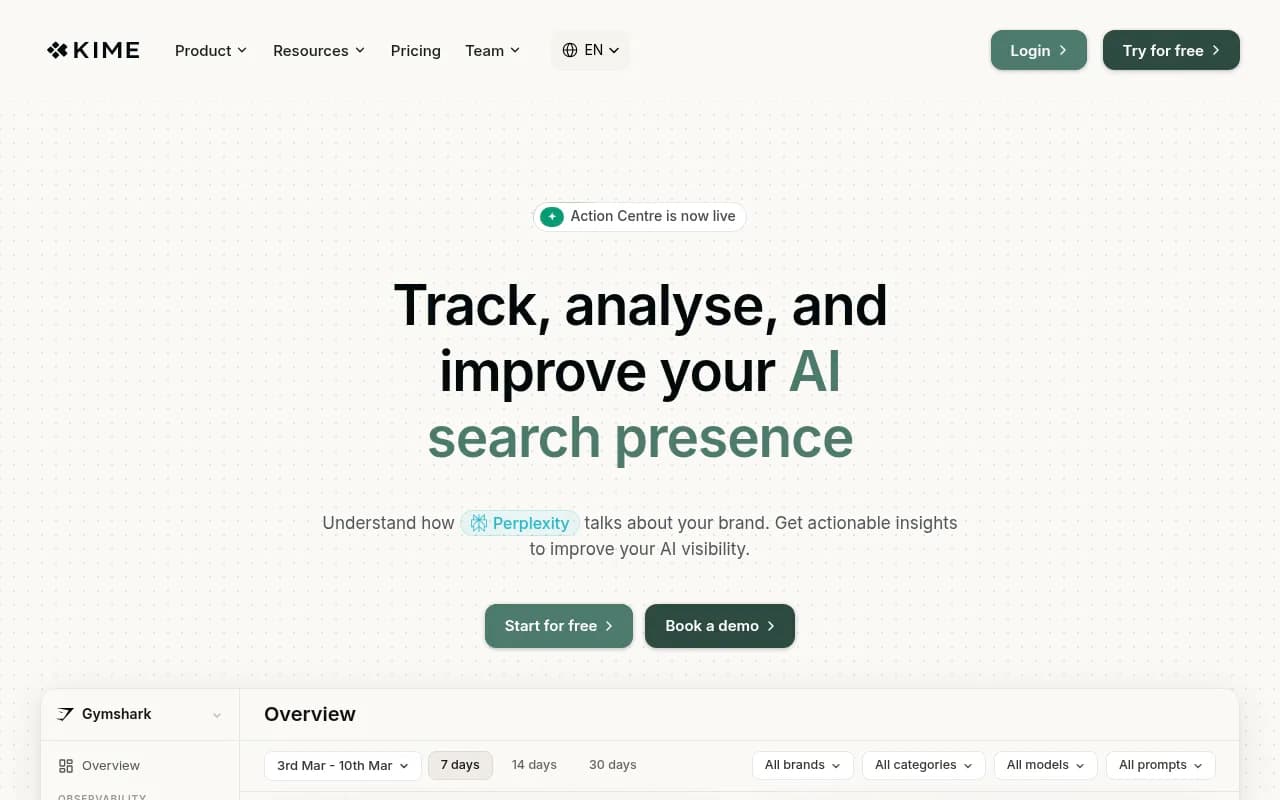
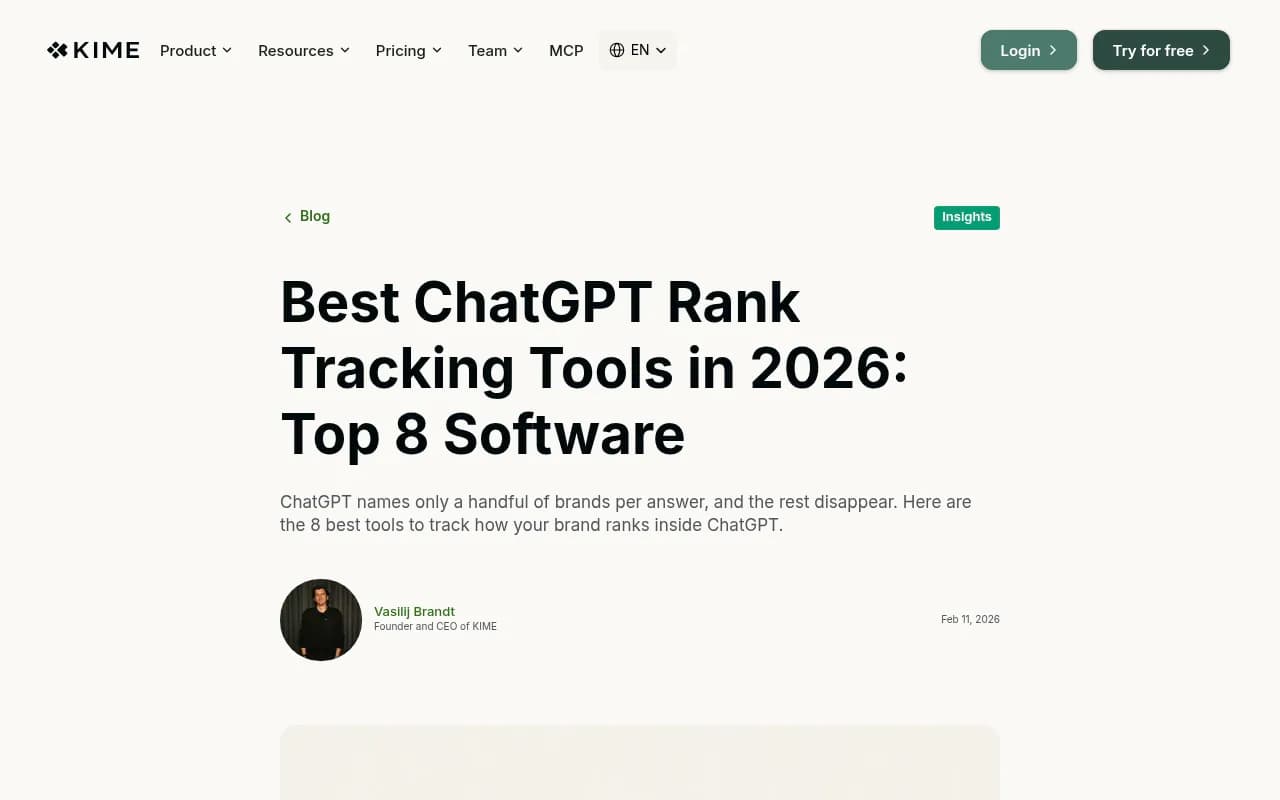
KIME monitors ChatGPT, Perplexity, AI Overviews, AI Mode, Gemini, Claude, Grok, DeepSeek and Copilot, with prompts organized by country, language, category, and model. It also has an Action Centre. Its own listicle ranks it first, so weigh that accordingly.
Scrunch AI
Scrunch is positioned at enterprises and agencies that need multi-region tracking across several brands. It has enterprise-grade security, which matters in procurement.
SE Ranking and SE Visible
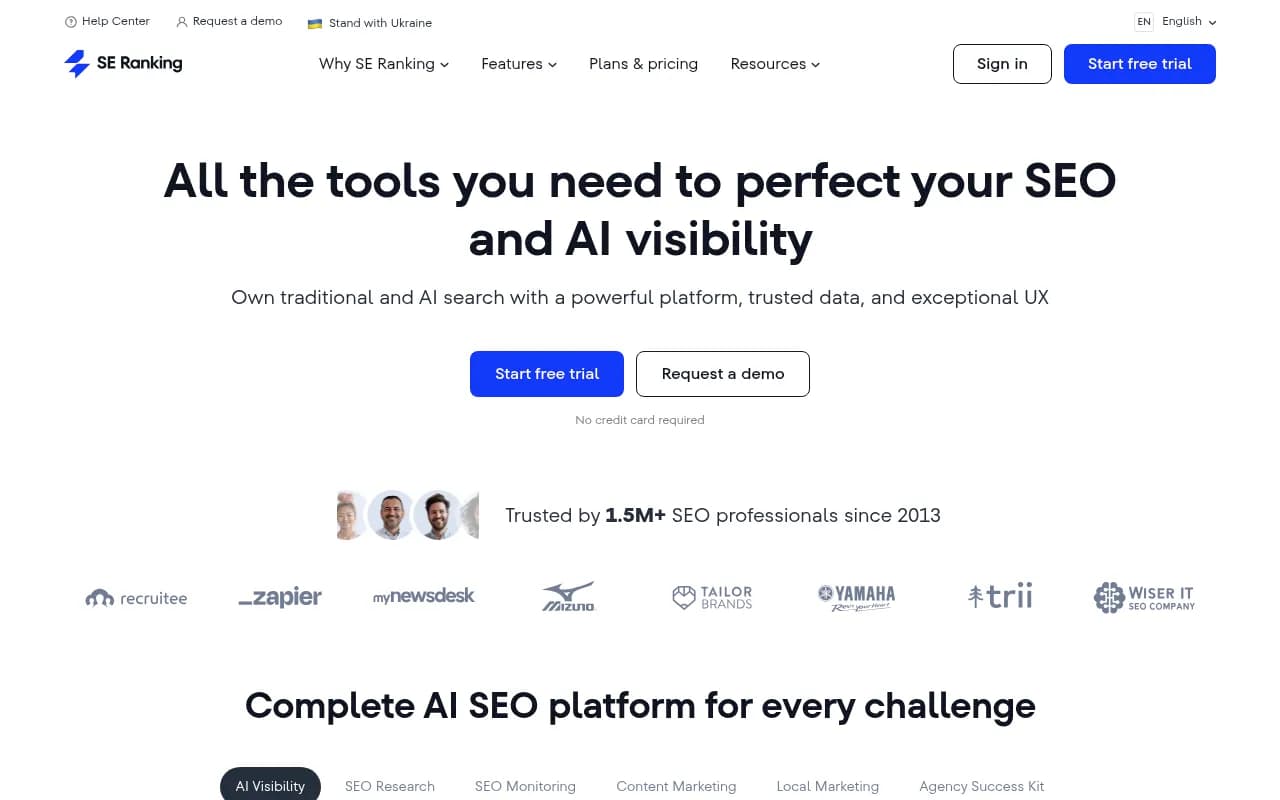
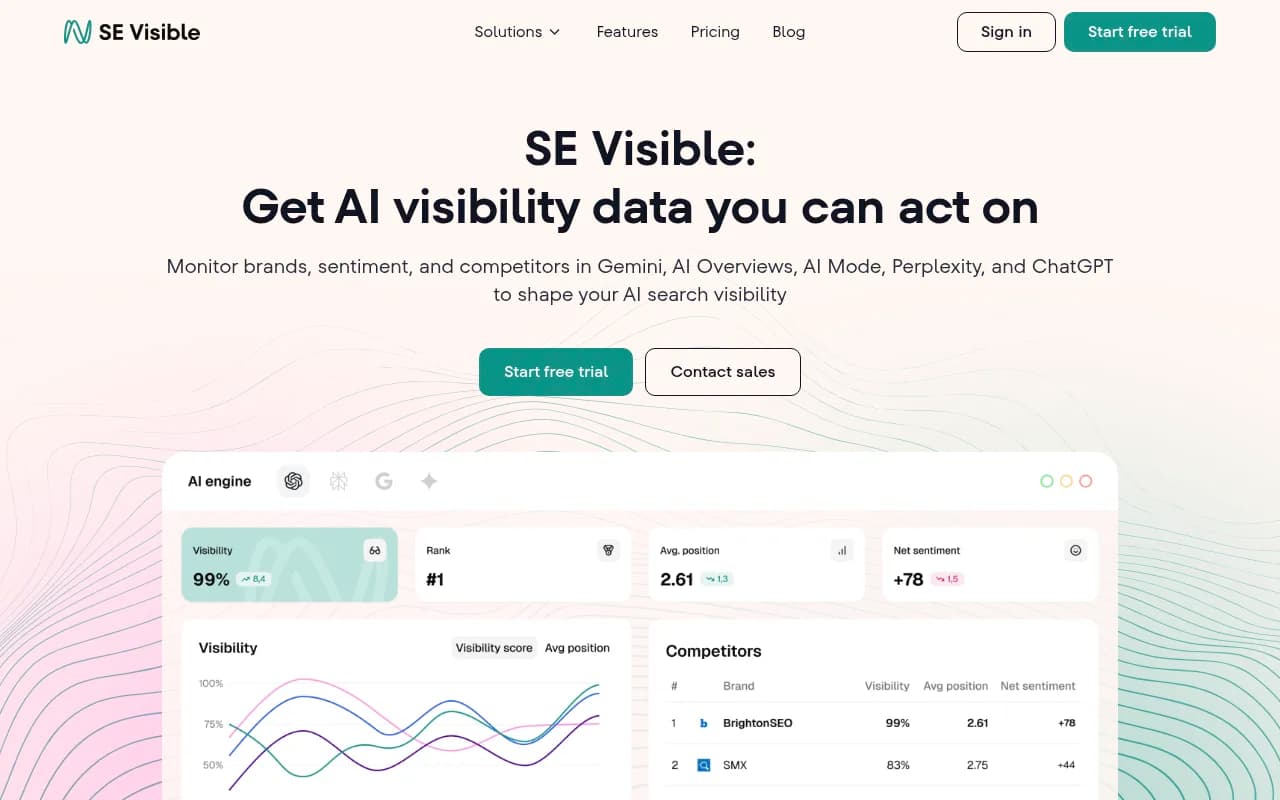
If your team already lives in SE Ranking, the AI add-on with geographic and language filtering is the low-friction path. You get classic rank tracking and AI visibility in one place.
Nightwatch
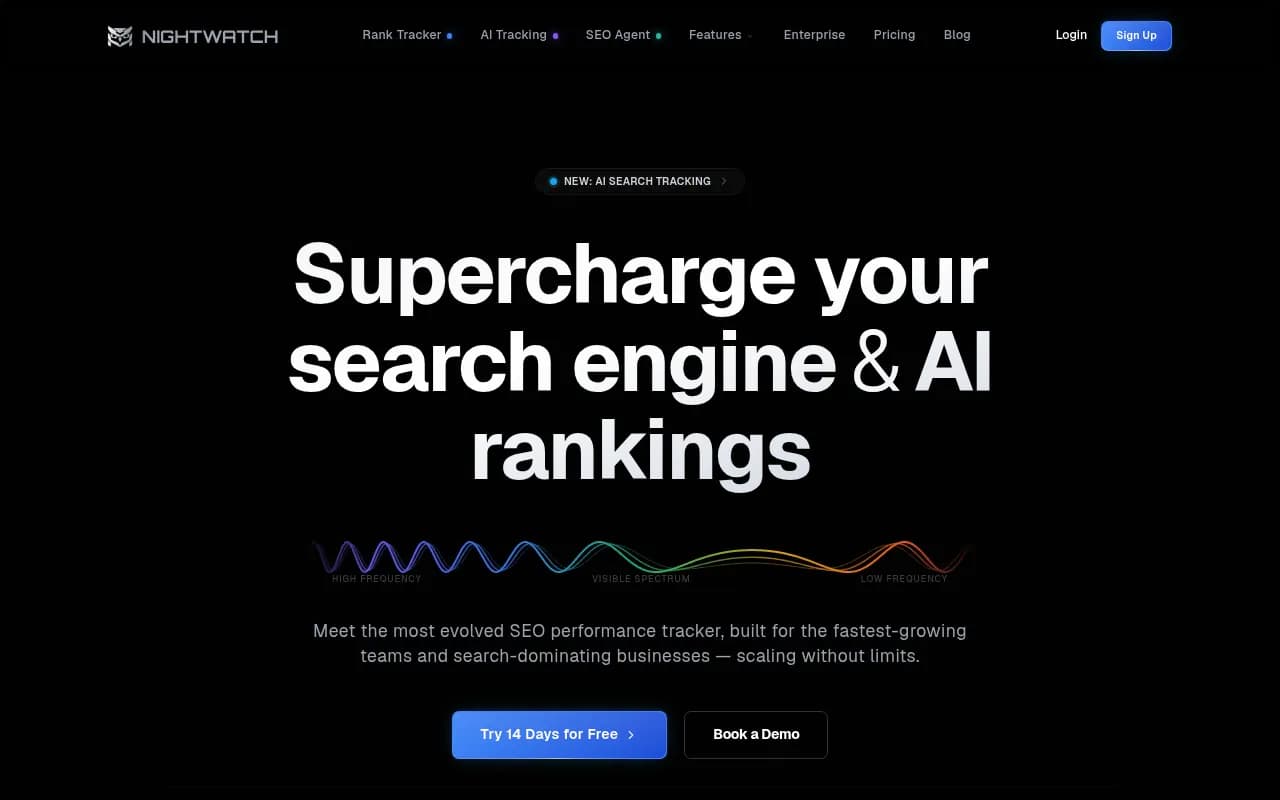
Nightwatch suits agencies that want AI tracking next to traditional Google rankings, with unlimited team seats.
Otterly.AI and ZipTie
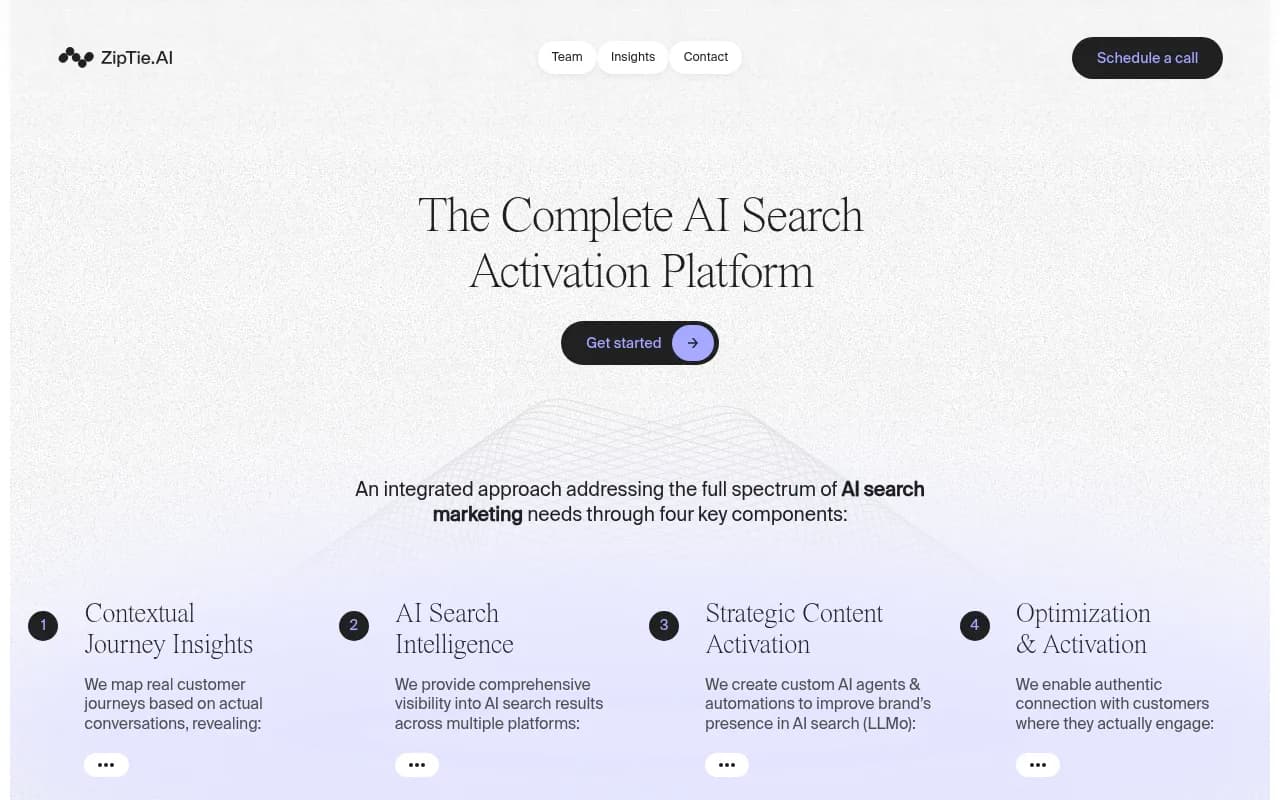
Otterly.AI is a cheap way to monitor several brands across engines. ZipTie leans toward telling you what to do next. Neither is built around deep per-locale workflows, so confirm language coverage on your specific markets.

Profound
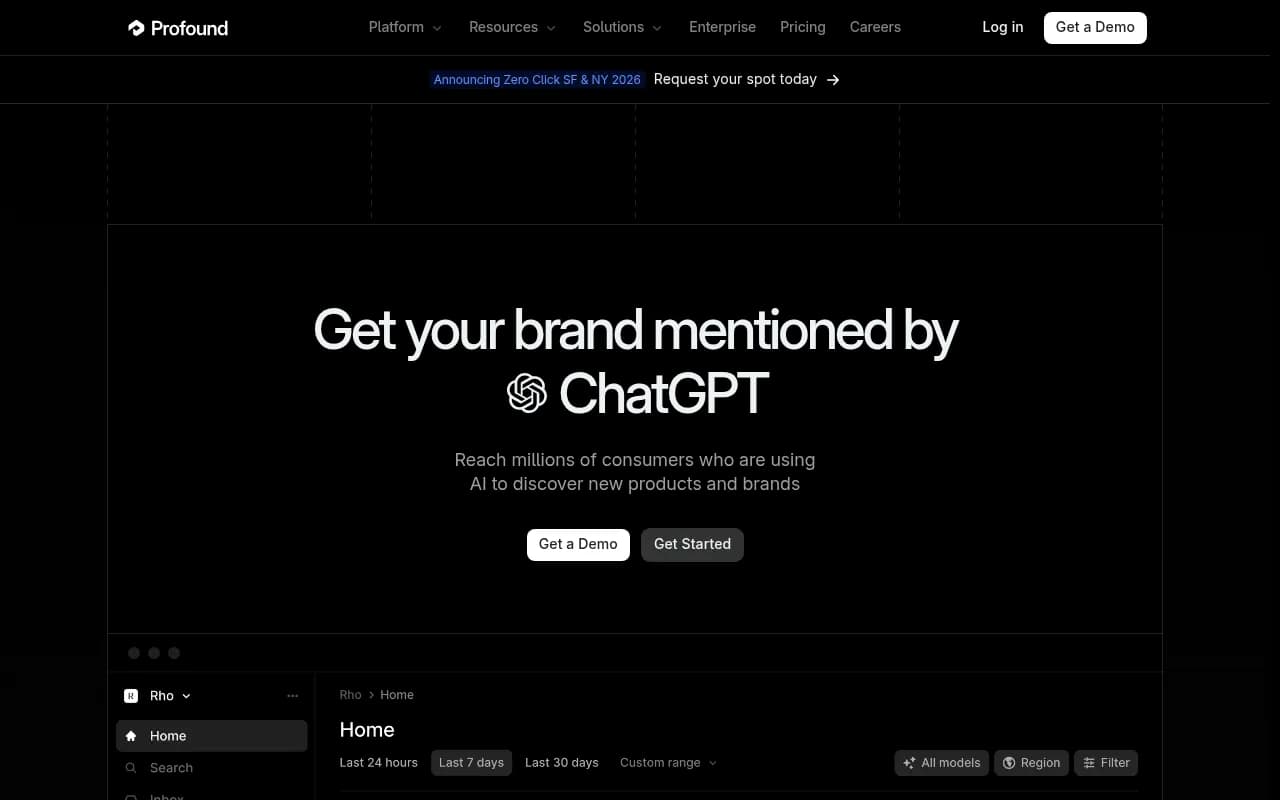
Profound targets large brands that want control over their AI narrative. It sits at a higher price point than most; see Promptwatch vs Profound for a head-to-head.
For more options, the GEO software directory at bestgeosoftware.com and the rank tracker list at ai-rank-tools.com cover the long tail.
How to set up multi-market tracking
The tool matters less than the setup. This is the sequence I'd follow.
1. Pick markets by revenue, not ambition
Start with your three to five biggest markets. Each one needs its own monitor, and each monitor eats prompt budget. Spreading 50 prompts across ten countries gives you five prompts each, which is noise.
2. Write prompts natively
Have a native speaker write or review the prompts. Include short keyword-style versions, because fanout queries are short. Something like "best CRM for small agencies 2026" translated naturally beats a long translated paragraph.
3. Mix prompt types
Split prompts into organic discovery, brand-specific, and competitor comparison. Organic prompts show whether you are even in the consideration set. The others show how you are described once someone asks.
4. Use personas where it fits
Buyers in different markets ask differently. If your tool supports personas, set them per market instead of one general audience.
5. Read metrics together
Low share of voice in one country is a coverage problem. Late position is a prominence problem. Mentions without citations to your own domain usually mean a content or crawlability problem. Sentiment issues are about reputation. Splitting by country tells you which of these you are dealing with where. The Academy has clear definitions of Visibility Score and Share of Voice.
6. Check crawler access for localized pages
Many international sites block AI bots on subfolders or serve geo-redirects that bots can't follow. Use a robots.txt generator for AI and the AI crawler URL inspector to catch this early.
Common mistakes
- Averaging all countries into one score and calling it a global number.
- Translating prompts with a machine and trusting the results.
- Trusting API-only data for user-facing questions. Answers can differ from the interface.
- Comparing vendor claims without a live demo in a non-English market.
- Repeating unsourced statistics. One listicle claims roughly 60% of organic traffic now comes from AI responses with no source. I wouldn't repeat it.
Which tool for which team
| Situation | Suggested pick |
|---|---|
| Multi-market brand that wants tracking plus content execution | Promptwatch |
| Enterprise needing multi-region and multi-brand security | Scrunch AI or Promptwatch Enterprise |
| Team already inside an SEO suite | SE Ranking / SE Visible |
| Agency mixing classic and AI rankings | Nightwatch or Promptwatch agency plans |
| Tight budget, light monitoring | Otterly.AI |
What to do this week
Pick two tools, run the same 20 native-language prompts in your top two markets for a week, and compare what each tool reports against a few manual checks in the real interface. The tool that matches reality and tells you what to fix next is the one to keep.
Treat vendor roundups like the one above as a starting list, not a verdict. Most are written by vendors who rank themselves first.
Building this out across many markets is also work an agency can take on. 1001 SEO Media, which publishes this site, runs GEO programs for brands and uses Promptwatch for AI visibility tracking.