Key takeaways
- Most AI visibility tools stop at monitoring -- they show you where you're missing but don't help you do anything about it.
- A small group of platforms in 2026 have built content generation directly into their visibility workflows, turning data into action.
- The best platforms combine prompt tracking, gap analysis, and AI-assisted content creation in a single loop.
- Promptwatch, Relixir, Orchly.ai, SearchAtlas, Writesonic, SnowSEO, and AirOps each take a different approach -- some are full GEO suites, others are more narrowly focused.
- If you're serious about AI search visibility, pick a platform that closes the loop between "you're invisible here" and "here's the content to fix it."
There's a version of this market that made a lot of sense two years ago. Brands were just waking up to the fact that ChatGPT and Perplexity were becoming real discovery channels. The first wave of tools did exactly what you'd expect: they ran queries, logged whether your brand appeared, and handed you a dashboard. Job done.
That's not enough anymore.
The brands winning in AI search in 2026 aren't just the ones with the best monitoring setup. They're the ones who found the gaps and then actually created content to fill them. Tracking without action is just expensive anxiety.
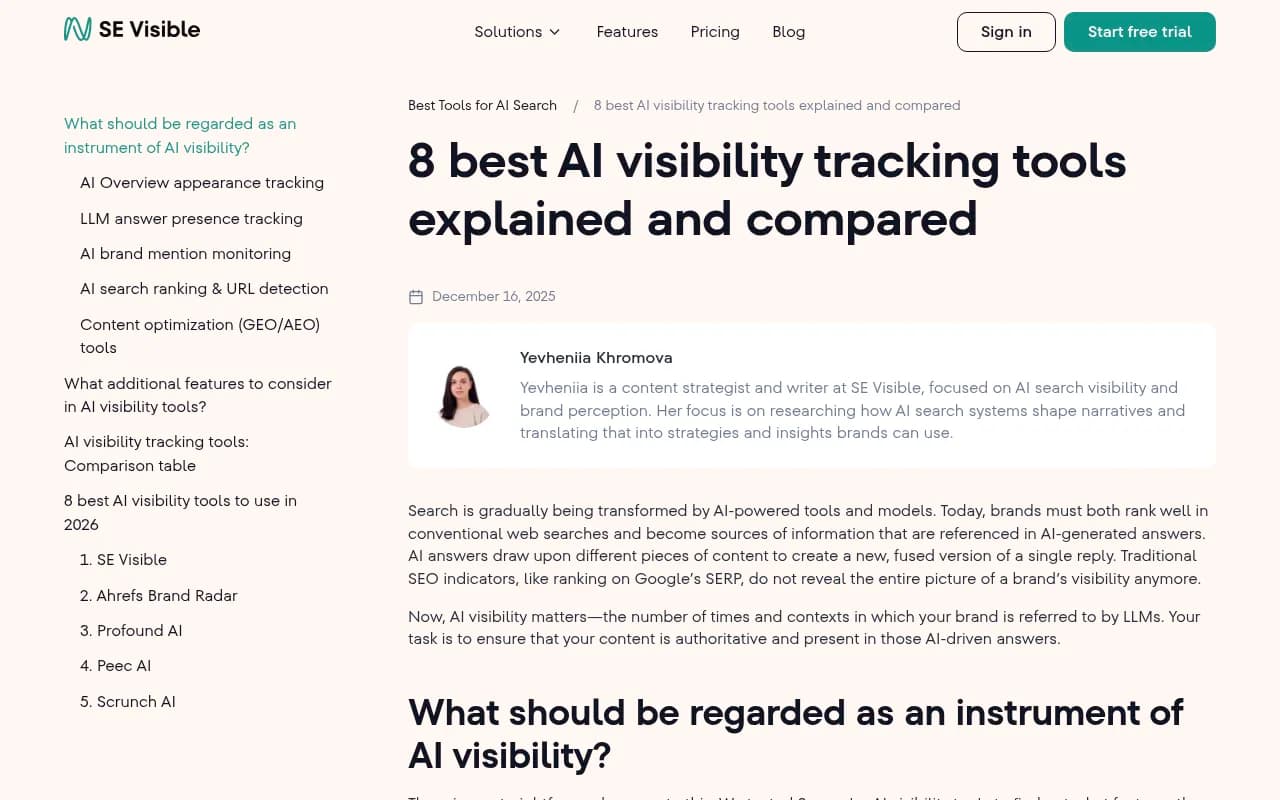
This guide covers seven platforms that understood that distinction early. Some built content generation natively. Others built tight integrations that get you from "here's your gap" to "here's your article" in a single workflow. All of them go meaningfully further than a pure monitoring dashboard.
Why content generation changed everything for GEO
The core problem with monitoring-only tools is that they surface a gap and then leave you alone with it. You see that a competitor is getting cited for "best project management software for remote teams" and you're not. Great. Now what?
Writing content to rank in AI search is different from writing for Google. AI models don't just look for keyword density -- they look for authoritative, structured answers to specific questions. The content needs to match the prompt intent, cover the right entities, and exist in places AI crawlers actually index. Getting that right without data is mostly guesswork.
Platforms that combine citation data with content generation can short-circuit that guesswork. They know which prompts drive citations, which sources AI models trust, and what structure those sources tend to use. That's a fundamentally different starting point than a blank Google Doc.
The 7 platforms worth knowing
1. Promptwatch
Promptwatch is the most complete end-to-end platform in this category. It monitors 10 AI models (ChatGPT, Perplexity, Claude, Gemini, Grok, DeepSeek, Copilot, Meta AI, Google AI Overviews, and Google AI Mode), but the monitoring is really just the foundation for everything else it does.
The Answer Gap Analysis is where it gets interesting. It shows you the specific prompts your competitors are visible for that you're not -- not just categories, but the actual questions, with volume estimates and difficulty scores attached. You can see which prompts are worth going after and which ones your competitors have already locked up.
From there, the built-in AI writing agent generates articles, listicles, and comparisons grounded in citation data from over 880 million citations analyzed. This isn't a generic content generator -- it's pulling from real data about what AI models actually cite, which makes the output structurally different from what you'd get from a standalone writing tool.
The crawler logs are also worth calling out specifically. Most platforms can't tell you whether AI crawlers are actually visiting your site, which pages they're reading, or whether they're hitting errors. Promptwatch logs all of that in real time, which means you can fix indexing problems before they cost you citations.
Pricing runs from $99/month (Essential) to $579/month (Business), with agency and enterprise tiers available. There's a free trial.

2. Relixir
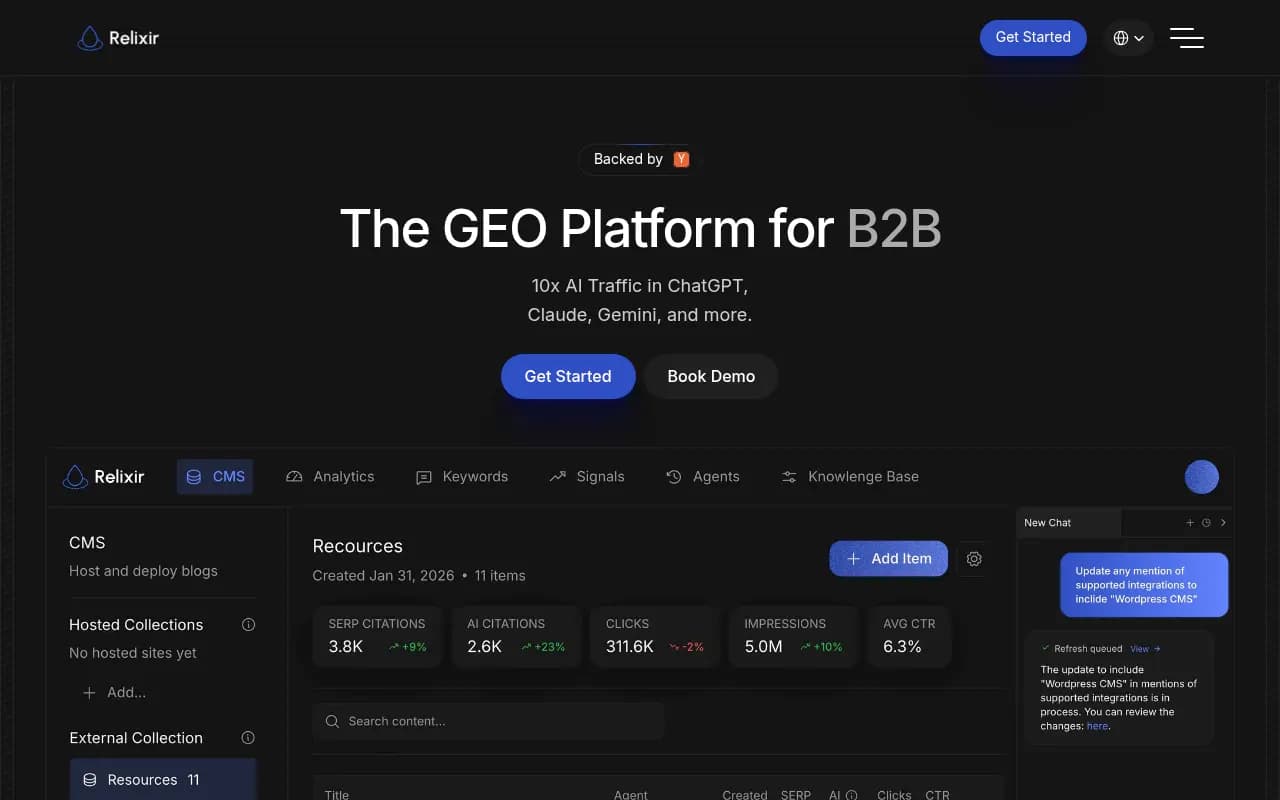
Relixir positions itself as an all-in-one GEO platform with AI content generation built directly into the visibility workflow. The core idea is similar to Promptwatch's -- find where you're invisible, generate content to fix it, track whether it worked -- but Relixir takes a somewhat different approach to the content side.
Where Promptwatch's writing agent is grounded in citation data, Relixir leans more heavily into competitive analysis to shape content recommendations. It looks at what's getting cited for a given prompt and reverse-engineers the content characteristics that seem to drive those citations.
It's a solid choice for teams that want a tighter focus on the content generation piece and are less concerned with the deeper technical layers (crawler logs, query fan-outs, Reddit/YouTube tracking) that Promptwatch covers.
3. Orchly.ai
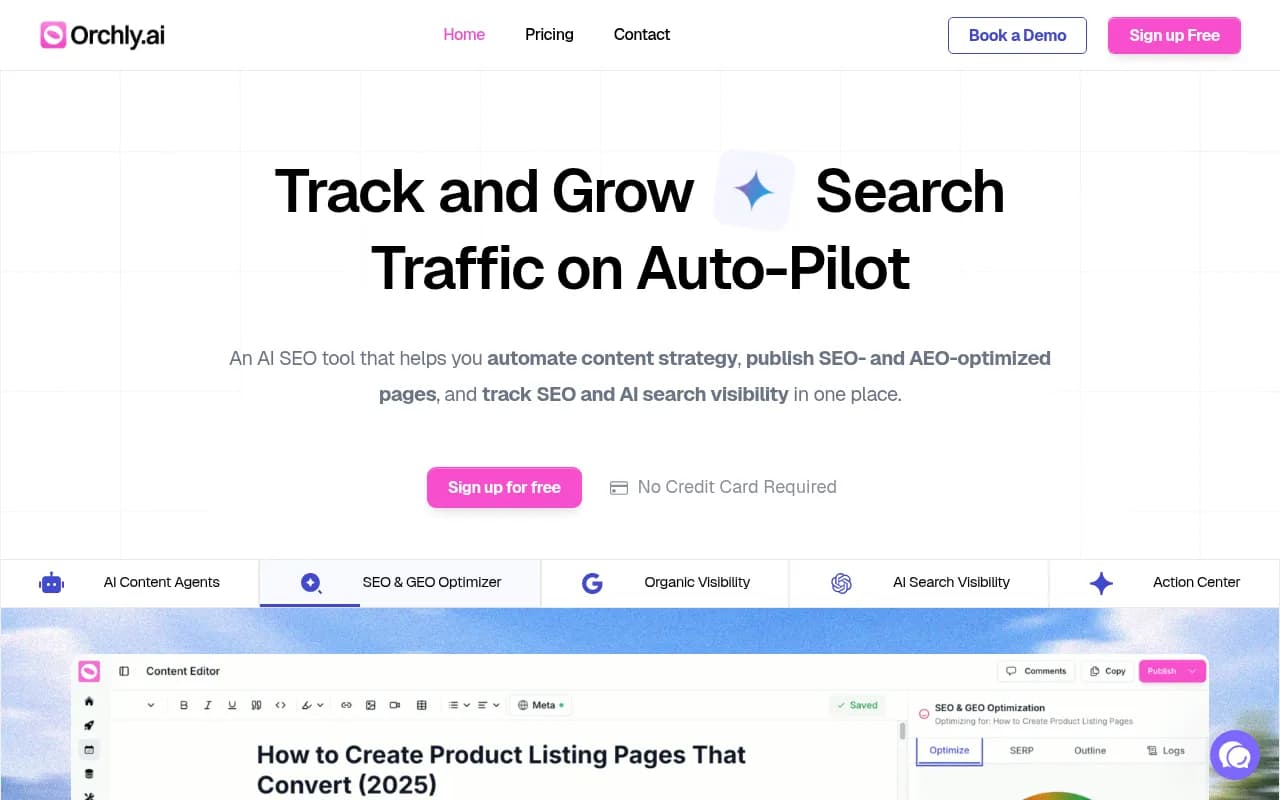
Orchly describes itself as a combined SEO and GEO optimization platform, which is an accurate description. It's one of the few tools in this space that treats traditional SEO and AI visibility as genuinely connected problems rather than separate dashboards bolted together.
The content generation workflow in Orchly is built around identifying topics where you have existing SEO authority and extending that into AI visibility. If you already rank well for a topic on Google, Orchly helps you figure out why AI models aren't citing you for related prompts -- and then helps you create the content that would fix that.
For teams that are managing both traditional SEO and GEO simultaneously (which is most teams), this integrated approach reduces the overhead of running two separate workflows.
4. SearchAtlas LLM Visibility
SearchAtlas has been building out its AI visibility features on top of an existing SEO platform, which gives it a different character from the pure-play GEO tools. The LLM Visibility module tracks brand mentions across AI models and surfaces content gaps, but the content generation side is where SearchAtlas differentiates.
It can deploy fixes and generate content directly, which is a meaningful distinction from tools that just surface recommendations. The integration with SearchAtlas's broader SEO toolset also means you're working with a more complete picture of your content's performance across both traditional and AI search.
The tradeoff is that it's a bigger platform with more surface area to learn. Teams that are already using SearchAtlas for SEO will find the AI visibility features slot in naturally. Teams coming in fresh specifically for GEO might find it more than they need.

5. Writesonic
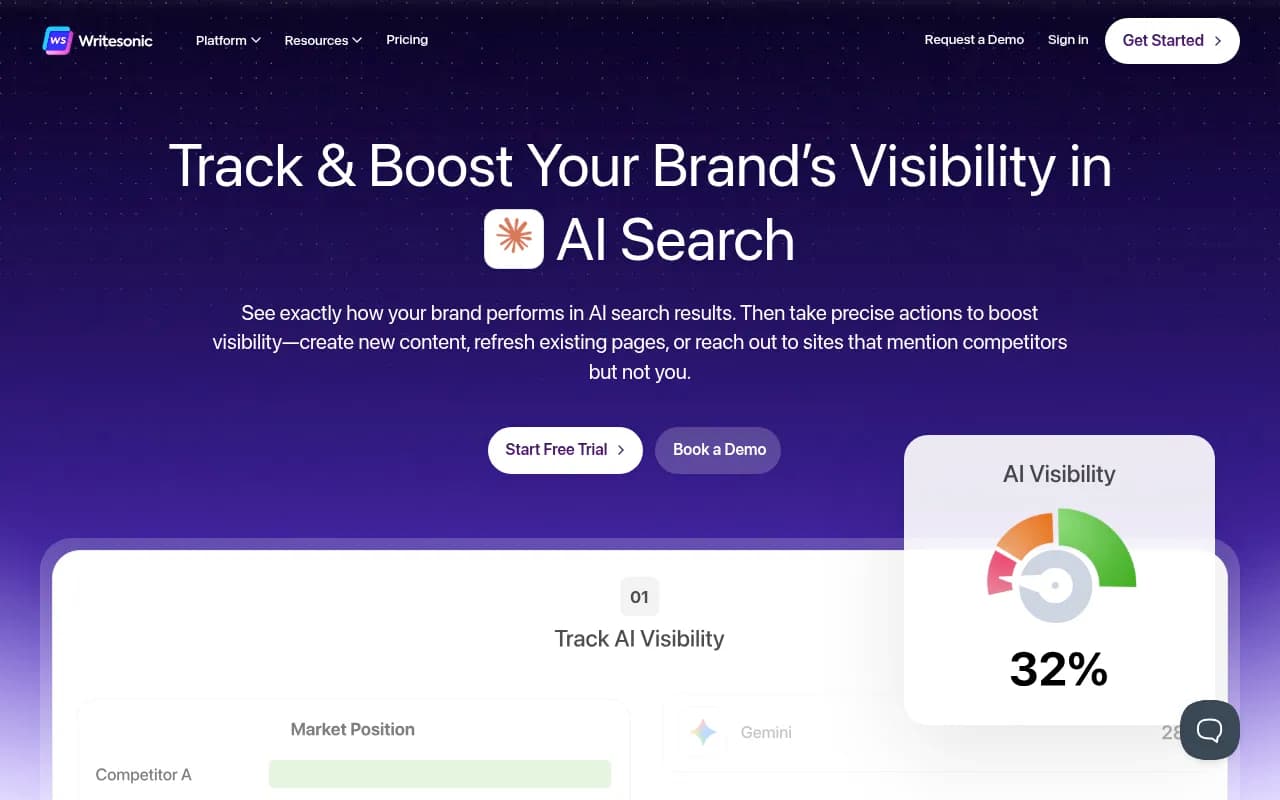
Writesonic has evolved from a general AI writing tool into something more specifically focused on AI search visibility. The current platform tracks how brands appear in AI-generated responses and uses that data to inform content creation -- a meaningful shift from its earlier positioning as a pure writing assistant.
The visibility tracking covers major LLMs and surfaces gaps, and the writing tools are genuinely good. Writesonic has more writing experience than most GEO-native platforms, which shows in the quality of the output.
The limitation is depth on the analytics side. Writesonic's tracking is solid but doesn't go as deep as dedicated GEO platforms on things like prompt volume data, query fan-outs, or crawler log analysis. If content quality is your primary concern and you're less focused on the analytical infrastructure, it's worth a look.
6. SnowSEO
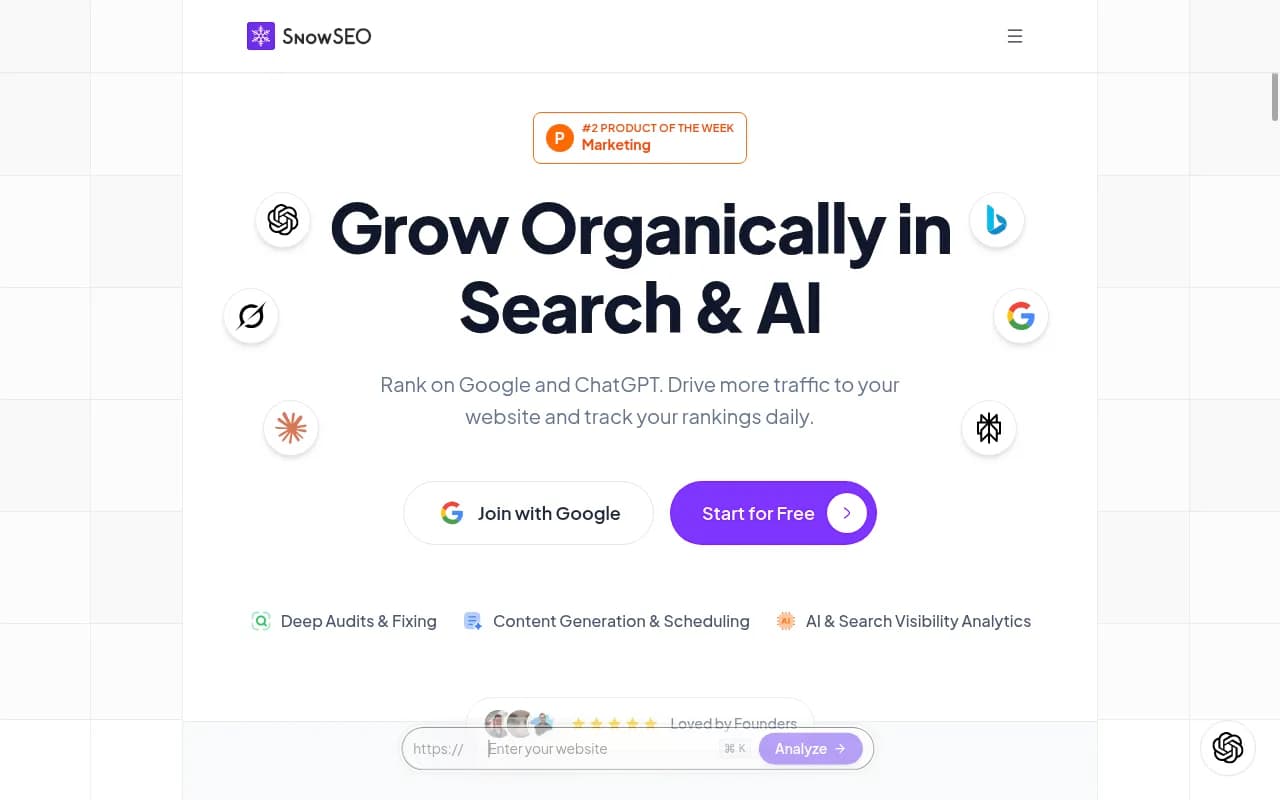
SnowSEO takes a more automated approach than most platforms here. Its core proposition is auto-generating content specifically engineered for AI visibility -- you connect your site, define your topics, and it produces content designed to get cited.
This makes it appealing for teams that don't have a lot of bandwidth for manual content strategy. The tradeoff is control: auto-generated content at scale requires careful quality oversight, and SnowSEO's approach is more "set it and run" than the more deliberate gap-analysis-to-content workflows that Promptwatch or Relixir use.
For high-volume content programs where speed matters more than surgical precision, SnowSEO is worth evaluating. For brands where every piece of content needs to reflect a specific voice or strategy, the more hands-on platforms will serve you better.
7. AirOps
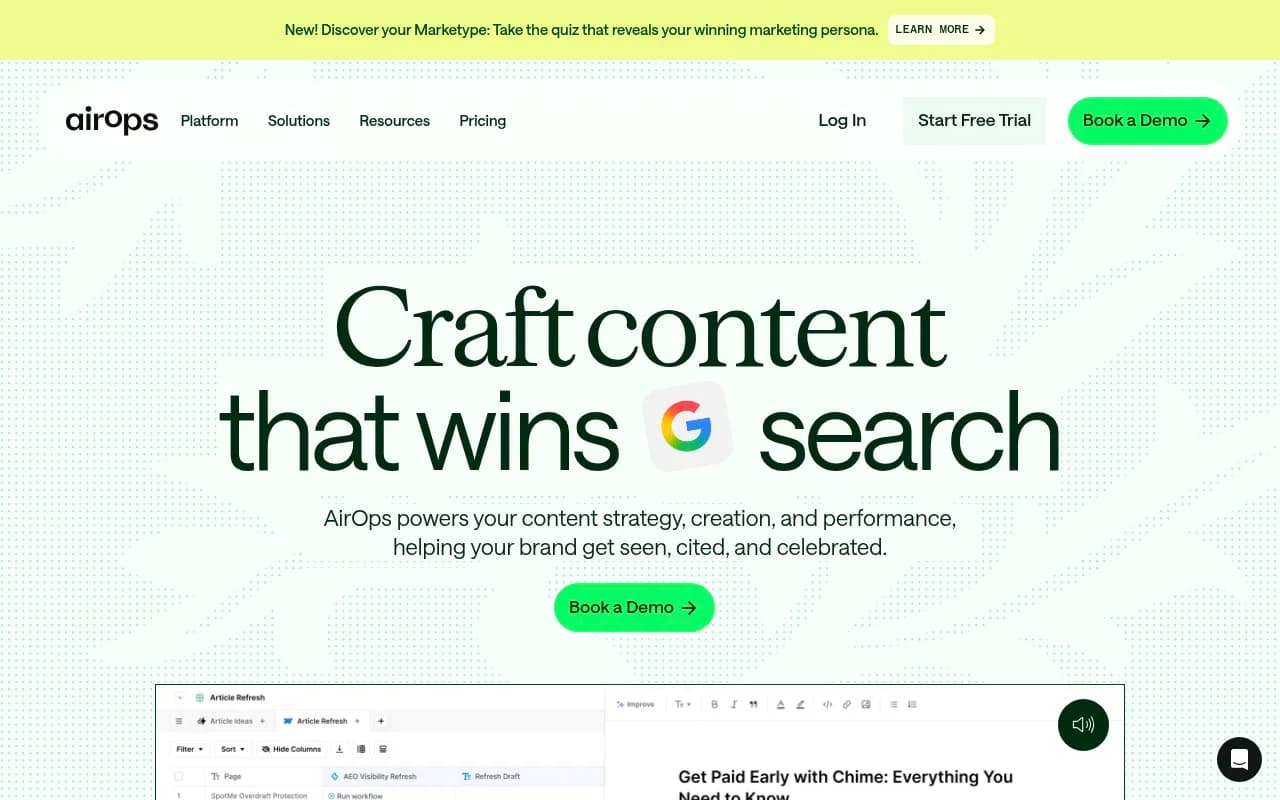
AirOps sits in a slightly different category from the others -- it's more of an AI workflow automation platform that teams use to build GEO workflows, rather than a purpose-built GEO tool. But it belongs on this list because it's become a popular choice for teams that want to build custom content generation pipelines on top of their visibility data.
The typical AirOps setup for GEO involves connecting your visibility tracking data (from whatever platform you use), running it through an analysis workflow, and then triggering content generation based on the gaps identified. It's more flexible than purpose-built platforms and more work to set up.
Teams with technical resources who want full control over their GEO workflow tend to like AirOps. Teams that want something that works out of the box should look at the dedicated platforms first.
How these platforms compare
Here's a direct comparison across the dimensions that matter most for teams choosing between them:
| Platform | Prompt tracking | Gap analysis | Content generation | Crawler logs | Pricing (starting) |
|---|---|---|---|---|---|
| Promptwatch | 10 AI models | Yes, with volume + difficulty scores | Yes, citation-grounded | Yes | $99/mo |
| Relixir | Major LLMs | Yes | Yes, competitive-analysis-driven | Limited | Custom |
| Orchly.ai | Major LLMs | Yes, SEO-integrated | Yes | No | Custom |
| SearchAtlas | Major LLMs | Yes | Yes, deploys fixes | No | Custom |
| Writesonic | Major LLMs | Basic | Yes (strong writing quality) | No | ~$99/mo |
| SnowSEO | Basic | Basic | Yes, automated at scale | No | Varies |
| AirOps | Via integrations | Via integrations | Yes, fully custom | No | Custom |
A few things stand out from this comparison. Promptwatch is the only platform with crawler logs, which matters more than it might seem -- if AI crawlers can't properly index your content, the content generation work doesn't translate into citations. The volume and difficulty scoring on prompts is also unique to Promptwatch and meaningfully changes how you prioritize your content roadmap.
Writesonic has the strongest writing quality among the platforms that aren't primarily analytics tools. AirOps has the most flexibility. SnowSEO has the lowest barrier to getting content published at volume.
What to look for when choosing
The right platform depends on a few honest questions about your situation:
How technical is your team? AirOps and SearchAtlas reward teams with technical resources. Promptwatch, Relixir, and Writesonic are more accessible out of the box.
How much do you care about the analytics depth? If you want to understand why you're invisible -- which prompts, which competitors, which content gaps -- you need a platform with real prompt intelligence. Promptwatch goes deepest here. Most others give you enough to get started.
Is content quality or content volume your bottleneck? SnowSEO and AirOps favor volume. Promptwatch and Relixir favor precision. Writesonic is somewhere in between.
Are you managing multiple sites or clients? Promptwatch has explicit multi-site pricing and agency tiers. Orchly.ai and SearchAtlas also have agency-oriented features. Most of the others are built around single-brand use cases.
Do you need to track AI crawlers? If you've ever wondered whether ChatGPT's crawler is actually visiting your site, or whether it's hitting errors on key pages, only Promptwatch gives you that data. It's a niche need, but for teams doing serious GEO work, it's genuinely useful.
The monitoring-only trap
It's worth being direct about something: there are a lot of platforms in this space that will show you a visibility score, a competitor comparison, and a list of prompts where you're not appearing -- and then stop there. That data is real and it's useful. But it creates a workflow problem.
You still have to figure out what content to create, brief a writer or use a separate AI tool, publish it, and then come back to the tracking platform to see if it worked. That's four separate steps across multiple tools, and most teams don't have the bandwidth to run that loop consistently.
The platforms in this guide all reduce that friction in some way. Some do it more completely than others. But the underlying logic is the same: visibility data is only valuable if it leads to action, and action is more likely when it's built into the same platform you're already using to track the problem.

A note on the broader market
The GEO tool market in 2026 is genuinely crowded. There are monitoring-only tools (Otterly.AI, Peec AI, LLMrefs, Airefs), enterprise analytics platforms (Profound, Evertune, Bluefish AI), and traditional SEO tools that have added AI visibility features (Semrush, Ahrefs Brand Radar, SE Ranking).
Most of the monitoring-only tools are fine for what they do. If you just need to know whether your brand is appearing in AI responses and how that compares to competitors, several of them will get you there at a lower price point than the full-stack platforms.
The enterprise analytics platforms (Profound, Evertune) go deep on data but tend to be expensive and don't always include content generation. They're built for large brands with dedicated analytics teams who can act on the data independently.
The traditional SEO tools with AI features are useful if you're already paying for them, but the AI visibility features tend to be less developed than what purpose-built GEO platforms offer.
The platforms in this guide occupy the middle ground: purpose-built for AI visibility, with content generation as a first-class feature rather than an afterthought. That's a genuinely different category, and it's where the most interesting product development is happening right now.
If you're starting from scratch and want one platform that handles the full loop -- tracking, gap analysis, content generation, and results measurement -- Promptwatch is the most complete option available. If you have specific needs that pull you toward one of the others (Relixir's competitive analysis approach, Orchly's SEO integration, AirOps' flexibility), those are legitimate choices with real strengths.
What's not a good choice in 2026 is a monitoring-only dashboard. The data without the action loop is just a more expensive way to feel bad about your AI visibility.