Key takeaways
- AirOps started as a content automation platform and added AI visibility features on top. Profound was built from the ground up as an AI search monitoring tool that later added content creation.
- If your biggest bottleneck is content production at scale, AirOps fits better. If your biggest bottleneck is understanding where and why you're invisible in AI search, Profound fits better.
- Both tools leave meaningful gaps -- AirOps is weaker on deep LLM monitoring, Profound is weaker on closing the loop from insight to published content.
- Neither tool tracks AI crawler behavior on your site, Reddit/YouTube influence, or ChatGPT Shopping -- capabilities that matter more as AI search matures.
- Platforms like Promptwatch cover the full loop: monitoring, content gap analysis, content generation, and crawler analytics in one place.
The AirOps vs Profound debate comes up constantly in marketing Slack channels right now, and it's genuinely confusing -- because both tools use similar language ("AEO," "AI visibility," "content optimization") while doing quite different things under the hood.
This guide cuts through that. I'll walk through what each platform actually does, where each one falls short, and how to figure out which one matches your situation in 2026.
What each tool actually is
Before comparing features, it helps to understand the origin story of each product, because that history shapes everything about how they work.
AirOps: content operations first, AI visibility second
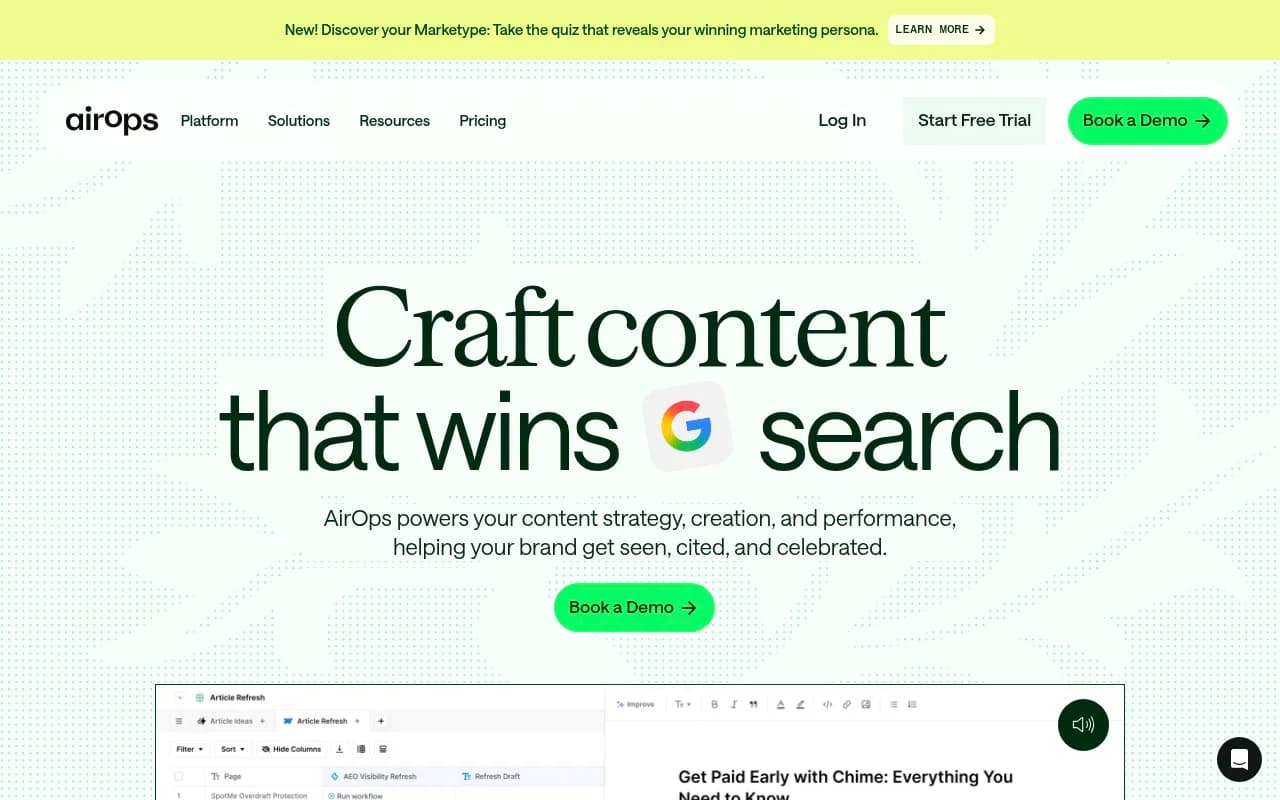
AirOps launched as a no-code AI workflow builder. The core idea was simple: take your content processes -- briefs, drafts, refreshes, metadata, internal linking -- and turn them into repeatable automated workflows. Teams at companies with large content libraries loved it because it let them scale operations without proportionally scaling headcount.
Over time, AirOps added AI visibility features. You can now track how your brand appears in AI search engines, run prompt monitoring, and connect visibility data to your content workflows. But the DNA is still content operations. The platform assumes you have a content machine that needs to run faster and smarter.
Profound: AI visibility monitoring first, content second
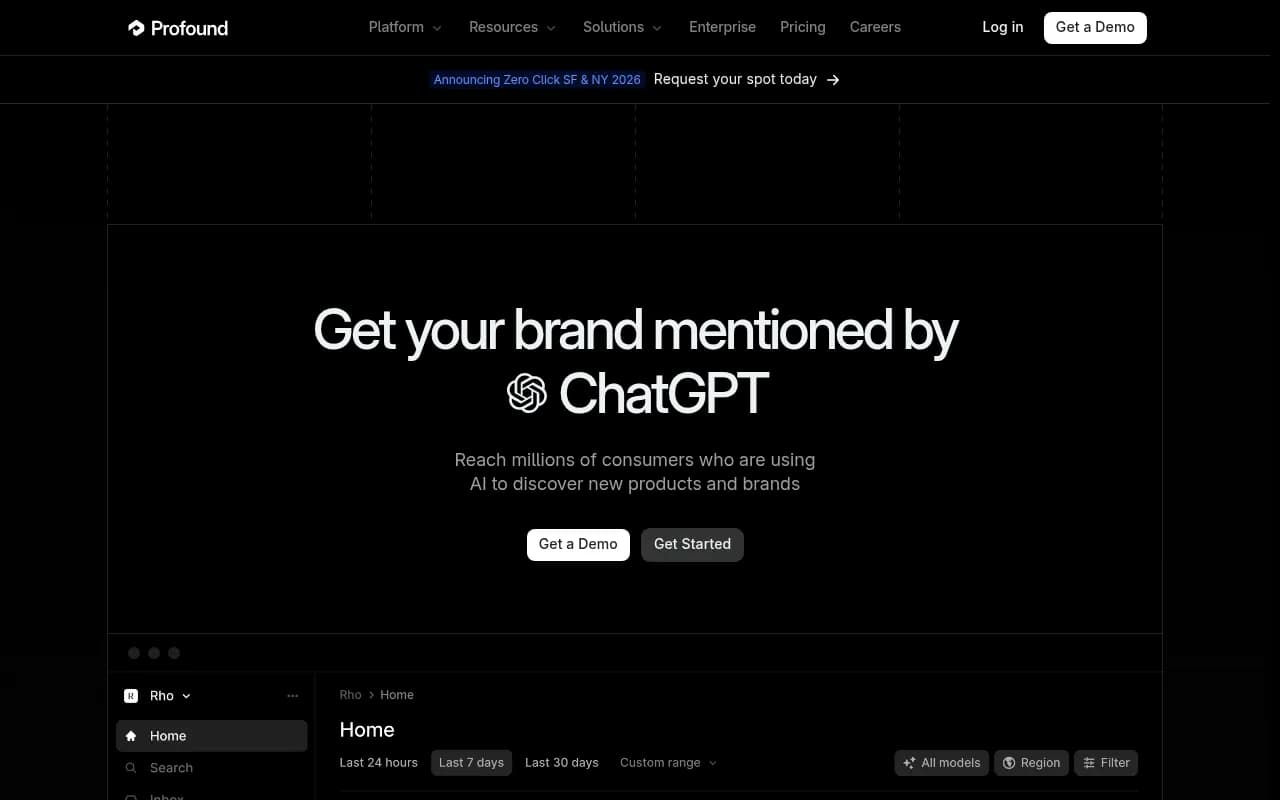
Profound went the other direction. It was purpose-built as an Answer Engine Optimization (AEO) platform -- meaning the core product is tracking how brands appear across AI engines like ChatGPT, Perplexity, Claude, and Gemini. The monitoring layer is deep: Profound claims 400M+ prompt insights and tracks responses across 10+ AI engines.
More recently, Profound added content creation and automation features (they call them "Agents") to help teams act on what the monitoring data reveals. But again, the DNA is monitoring. The platform assumes you need intelligence first, then execution.
Where they overlap -- and where they don't
Both tools sit in the same general category: helping marketing teams improve how their brand shows up in AI search. But the overlap is narrower than the marketing language suggests.
Here's a direct comparison across the dimensions that actually matter:
| Capability | AirOps | Profound |
|---|---|---|
| AI search monitoring (ChatGPT, Perplexity, etc.) | Yes, added later | Yes, core feature |
| Number of AI engines tracked | ~3 engines | 10+ engines |
| Prompt volume / difficulty data | Limited | Yes |
| Content workflow automation | Yes, core feature | Yes, added later |
| Content generation (articles, briefs) | Yes | Yes (Agents) |
| Answer gap / content gap analysis | Yes | Yes |
| AI crawler logs | No | Yes (Agent Analytics) |
| ChatGPT Shopping tracking | No | Yes |
| Reddit / YouTube influence tracking | No | No |
| Regional / multi-language tracking | Limited | Yes |
| Pricing model | Content ops pricing | AEO program pricing |
The engine coverage gap is worth pausing on. AirOps tracking ~3 AI engines versus Profound's 10+ is a real difference if you care about visibility across Grok, DeepSeek, Mistral, or Meta AI -- not just ChatGPT and Perplexity.
What AirOps does well
AirOps is genuinely strong at one thing: turning content processes into repeatable, governed workflows. If you have a team producing hundreds of pages per month -- product descriptions, landing pages, blog posts, content refreshes -- and you need consistency, brand voice enforcement, and scale, AirOps is built for that.
The workflow builder is flexible. You can chain together prompts, pull in data from external sources, set approval gates, and publish directly to your CMS. For content operations managers, this is the kind of infrastructure that used to require custom engineering work.
The AI visibility layer on top of that is useful but not the deepest in the market. You get monitoring data, and you can use it to trigger content workflows -- which is the "closed loop" AirOps talks about. But the monitoring itself covers fewer engines and has less granular prompt intelligence than dedicated visibility platforms.
Best fit for AirOps: teams with an existing content operation that needs to scale, where the primary bottleneck is production speed and consistency rather than understanding AI visibility gaps.
What Profound does well
Profound's monitoring layer is genuinely impressive. The breadth of engine coverage, the prompt volume data, and the Agent Analytics feature (which shows you how AI crawlers are interacting with your site) give you a detailed picture of your AI search presence.
The Agent Analytics piece is particularly interesting -- most monitoring tools only show you what AI engines say about you, not how they're crawling your site. Knowing which pages AI crawlers are reading, how often they return, and where they hit errors is useful for diagnosing why certain content isn't getting cited.
The content creation features (Profound Agents) are newer and less mature than the monitoring side. They work, but teams that need serious content automation at scale will find AirOps more capable on that dimension.
Best fit for Profound: teams that need deep, multi-engine AI visibility data and have dedicated resources to act on what the monitoring reveals.
The gaps both tools share
Here's what neither AirOps nor Profound handles well, and it matters as AI search gets more complex:
Reddit and YouTube influence. A significant portion of what AI models cite comes from Reddit threads and YouTube videos, not just brand-owned content. Neither tool surfaces which discussions are shaping AI recommendations about your brand or category. That's a blind spot.
ChatGPT Shopping. As ChatGPT's product recommendation and shopping features grow, tracking when and how your brand appears in those results becomes important for e-commerce and consumer brands. Profound has started building here; AirOps hasn't.
Traffic attribution. Knowing your AI visibility score is one thing. Connecting that visibility to actual website traffic and revenue is another. Both tools are limited on this.
Prompt intelligence depth. Understanding not just which prompts mention you, but the volume of those prompts, their difficulty, and how they fan out into sub-queries -- that kind of data helps you prioritize which gaps to close first. Both tools offer some of this, but it's not their strongest suit.
Pricing: a real difference in who each tool is for
AirOps prices like a content operations tool -- the cost scales with workflow usage and content volume. Profound prices like an enterprise intelligence platform -- the cost reflects the depth of monitoring data and the organizational investment required to run an AEO program.
This isn't a knock on either. It's just a signal about who each product is designed for. If you're a 3-person marketing team trying to figure out why ChatGPT never mentions your brand, Profound's pricing model might feel like overkill. If you're an enterprise content team that needs to refresh 500 pages a quarter, AirOps makes more sense than paying for monitoring depth you won't use.
How Promptwatch fits into this picture
Both AirOps and Profound are legitimate tools with real strengths. But if you're evaluating this space, it's worth knowing that the category has moved beyond the monitoring-vs-automation split.
Promptwatch is built around a full loop: find the gaps, create content to fill them, track the results. The Answer Gap Analysis shows exactly which prompts competitors are visible for that you're not. Content Agents generate articles and briefs grounded in that real prompt data. And page-level tracking shows when new content starts getting cited -- including which AI models are picking it up and when.
What makes it different from both AirOps and Profound is the combination: Promptwatch monitors 10 AI engines (including Grok, DeepSeek, Mistral, and Meta AI), has AI crawler logs showing how ChatGPT and Perplexity are crawling your site, tracks Reddit and YouTube influence on AI recommendations, and includes ChatGPT Shopping tracking. It's the only platform in a recent 12-tool comparison rated as a "Leader" across all categories.

That said, if your team is already deeply invested in either AirOps workflows or Profound's monitoring setup, switching costs are real. The right answer depends on what your current bottleneck actually is.
How to decide
Rather than picking based on feature lists, answer these questions:
What's your actual bottleneck right now?
If you can't produce enough content fast enough, AirOps addresses that directly. If you don't know where you're invisible in AI search or why, Profound addresses that. If you need both -- and most teams do -- neither tool alone gets you there.
How many AI engines do you actually need to track?
If you only care about ChatGPT and Perplexity, AirOps's lighter monitoring layer might be fine. If you need visibility across 10+ engines including regional and emerging models, Profound's coverage is meaningfully better.
Do you have the resources to act on monitoring data?
Profound gives you excellent intelligence. But intelligence without execution doesn't move your visibility scores. If your team doesn't have the bandwidth to turn monitoring insights into published content, you'll pay for data you can't use.
Do you need to connect AI visibility to revenue?
Neither AirOps nor Profound has strong traffic attribution. If that connection matters to your reporting, factor it in.
A few other tools worth knowing
The AirOps/Profound comparison is the most common one in this space right now, but it's not the only choice. A few others worth considering depending on your situation:
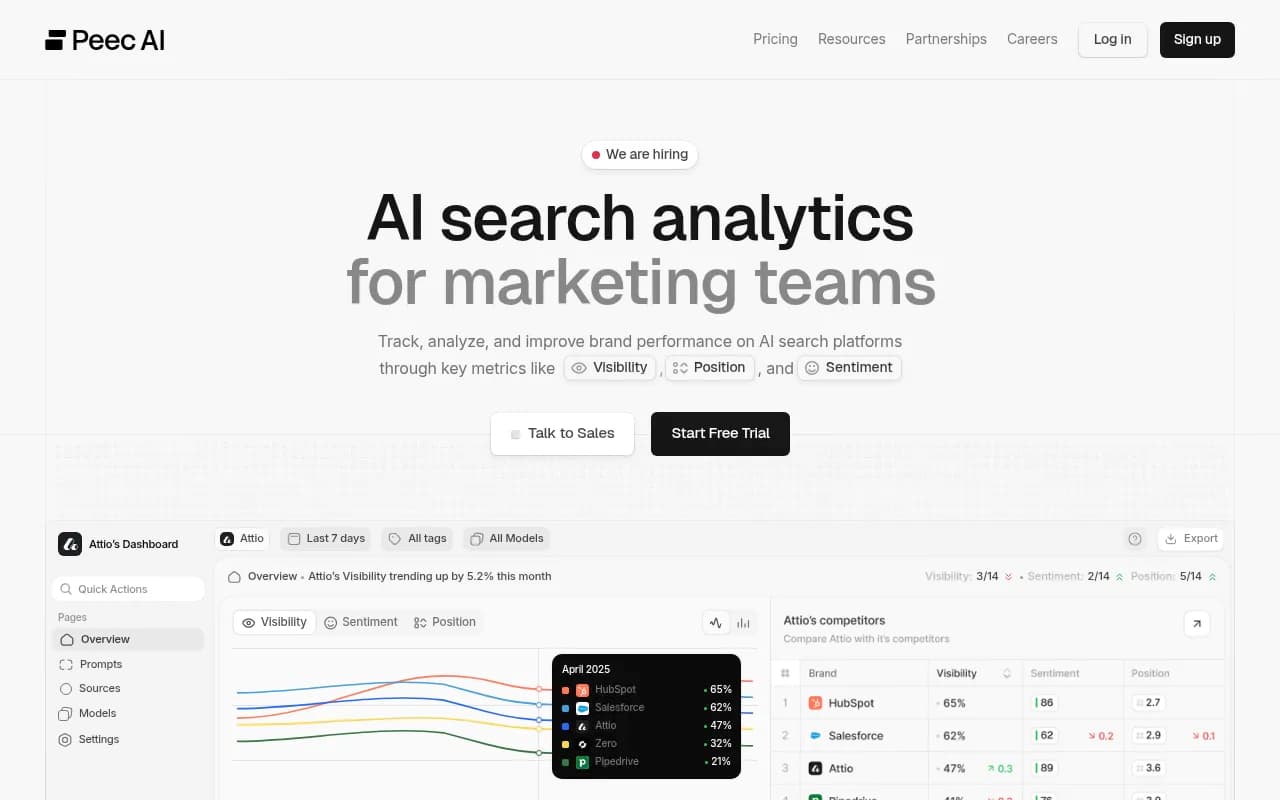
For teams that want a simpler entry point into AI visibility monitoring without enterprise pricing, tools like Otterly.AI or Peec AI offer basic tracking.

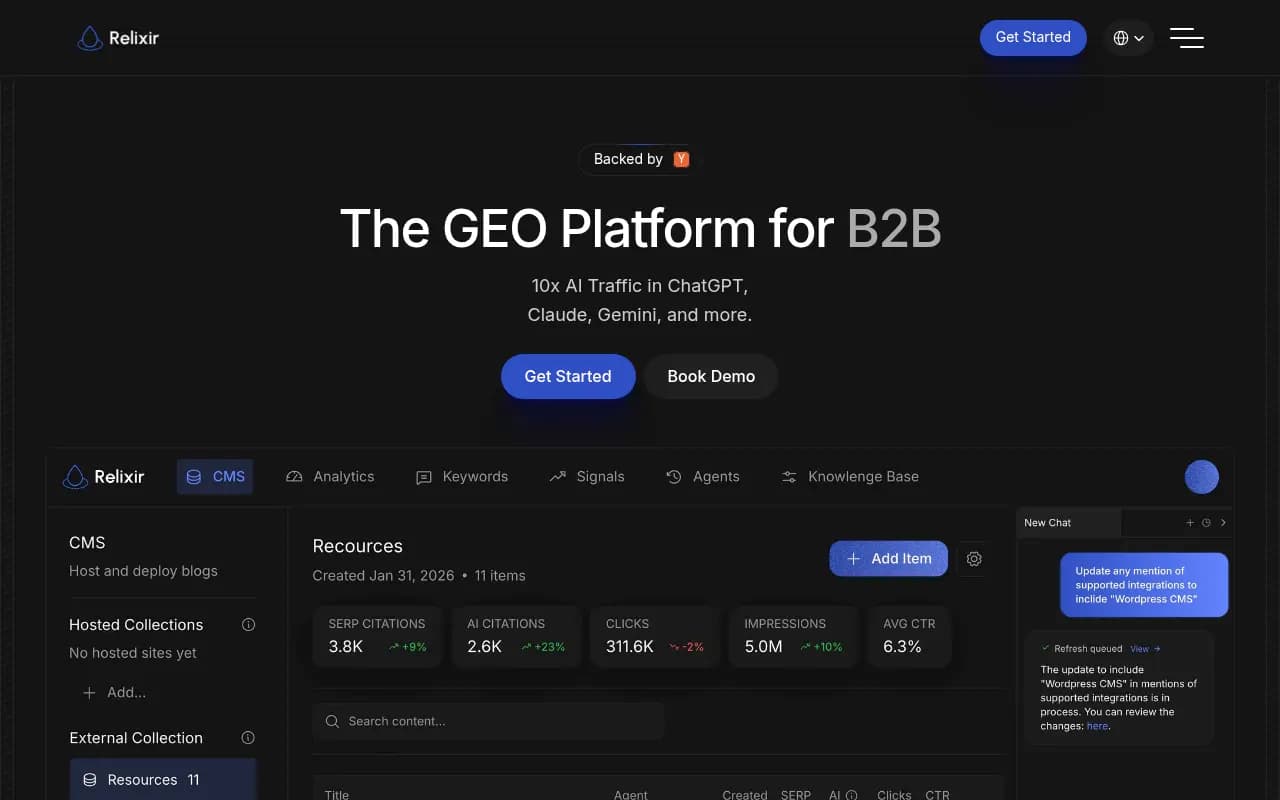
For teams that want content optimization specifically tied to AI search signals, Scrunch and Relixir both have interesting approaches.
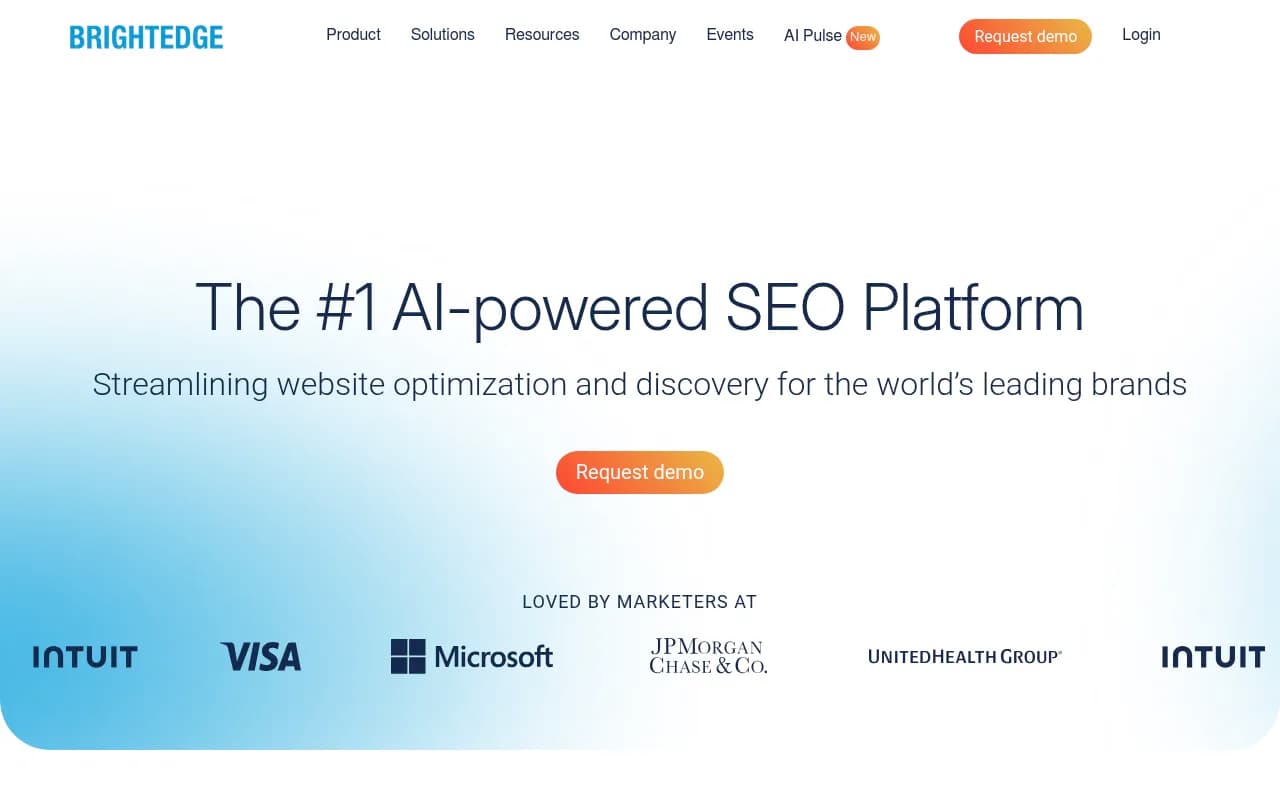
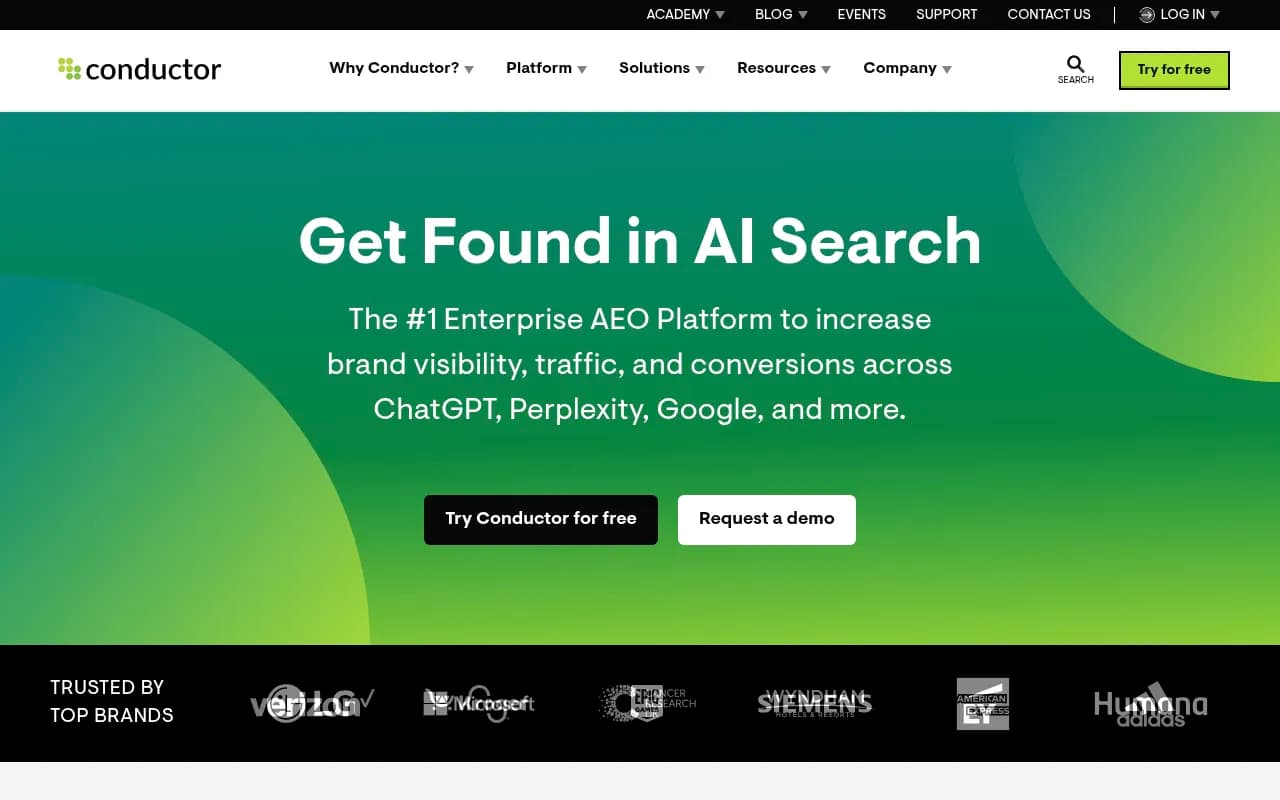
For enterprise teams that need SEO and AI visibility in one platform, BrightEdge and Conductor have both added AI search features to their existing enterprise SEO infrastructure.
The bottom line
AirOps and Profound are solving different problems and calling them by the same name. That's why the comparison is confusing.
AirOps is a content operations platform with AI visibility features. Profound is an AI visibility platform with content creation features. Neither is a complete solution for teams that need both deep monitoring and serious content execution in one place.
If you're early in figuring out AI search visibility, start with what your team will actually use. A monitoring tool you don't act on is just an expensive dashboard. A content automation tool disconnected from real AI visibility data is just faster guessing.
The most defensible position in 2026 is a closed loop: know where you're invisible, create content to fix it, and track when it works. That's the bar worth measuring any tool against.