Summary
- Close content gaps: Use citation data to identify which prompts competitors rank for but you don't, then create the missing content AI models want to cite
- Generate AI-optimized content: Build articles grounded in real citation patterns instead of guessing what AI models prefer
- Track revenue impact: Connect AI visibility to actual traffic and conversions using attribution tools, not vanity metrics
- Fix technical barriers: Monitor AI crawler logs to see which pages models can't access and resolve indexing issues before they cost you visibility
- Prioritize high-value prompts: Use volume estimates and difficulty scores to focus on winnable queries instead of chasing every mention
Most teams treat ChatGPT citation tracking like a scoreboard -- check the numbers, feel good or bad, move on. But citation data is a decision engine, not a dashboard. The question isn't "how many times did ChatGPT mention us?" It's "what do we do with that information?"
Here's the reality: monitoring without action creates expensive bottlenecks. One practitioner on r/GrowthHacking captured the frustration: "I've tried a couple and they all kind of blur together. Some are decent for tracking, but I'm still waiting to find one that actually helps make better decisions, not just dump data."
This guide shows seven ways to use real-time ChatGPT citation data to drive decisions, not just track outcomes.
1. Find content gaps using answer gap analysis
The most valuable use of citation data is identifying what you're not being cited for. Answer gap analysis shows which prompts competitors rank for but you don't -- the specific questions AI models want answers to but can't find on your site.
This isn't guesswork. When ChatGPT cites a competitor's page for "best project management tools for remote teams" but never mentions you, that's a content gap. The model looked for an answer, found one elsewhere, and moved on.
Promptwatch surfaces these gaps by comparing your citation profile against competitors across 880M+ analyzed citations. You see the exact prompts where you're invisible, the pages competitors are getting cited for, and the content angles AI models prefer.

Most monitoring tools show you where you rank. Answer gap analysis shows you where you don't rank and why. That's the difference between a report and a roadmap.
How to use it:
- Filter by competitor domains to see which prompts they own
- Identify high-volume prompts where you have zero visibility
- Analyze the cited pages to understand what content structure and depth AI models prefer
- Create the missing content using those patterns as a template
One marketing team used this approach to identify 47 high-volume prompts where competitors dominated. They created targeted content for 12 of them in Q1 2026. Within 60 days, ChatGPT started citing those new pages. The gap became a growth lever.
2. Generate content that actually ranks in AI search
Writing for AI search is different from writing for Google. AI models don't rank pages by backlinks or domain authority. They cite content that directly answers the prompt with the right structure, depth, and supporting evidence.
Most teams guess at what works. They write "comprehensive guides" and hope ChatGPT notices. But citation data tells you exactly what AI models prefer -- which content formats get cited, which angles work, which depth is enough.
Tools like Promptwatch include AI writing agents that generate articles grounded in real citation patterns. Instead of generic SEO filler, you get content engineered to match what ChatGPT, Claude, and Perplexity actually cite.
The writing agent uses:
- 880M+ citations analyzed to understand which content structures AI models prefer
- Prompt volume data to prioritize high-traffic queries
- Competitor analysis to see what's already working
- Persona targeting to match how your actual customers phrase prompts
This isn't about gaming the system. It's about creating content that answers the question AI models are asking in the format they expect.
Example workflow:
- Identify a content gap ("best CRM for small businesses")
- Analyze which competitor pages get cited and why
- Generate a draft using the AI writing agent
- Edit for brand voice and add unique insights
- Publish and track citation growth
One SaaS company used this loop to create 30 articles in Q4 2025. By January 2026, 18 were being cited by ChatGPT. The difference: they built content around what AI models wanted, not what they thought AI models wanted.
3. Track revenue impact with traffic attribution
Visibility scores are interesting. Revenue is what matters. The gap between "ChatGPT mentioned us 47 times" and "that drove $12K in pipeline" is attribution.
Most teams stop at citation counts because connecting AI visibility to actual traffic is hard. AI models don't send referral data the way Google does. Users don't click a link labeled "via ChatGPT." They copy a URL, remember a brand name, or search directly.
But attribution is solvable. Promptwatch offers three methods:
1. Code snippet tracking: Add a lightweight script to your site that detects AI-referred visitors based on behavior patterns (no referrer, direct entry, specific user agents).
2. Google Search Console integration: Cross-reference AI visibility spikes with branded search increases. When ChatGPT starts citing you for "email automation tools," branded searches for your company name typically follow.
3. Server log analysis: Parse server logs to identify AI crawler activity and correlate it with traffic patterns.
The goal isn't perfect attribution -- it's directional confidence. If your ChatGPT citations for a category double and traffic from that category increases 40%, you have a signal. If citations stay flat but traffic spikes, something else is driving it.
What to track:
- Direct traffic increases correlated with citation spikes
- Branded search volume changes after new citations
- Page-level traffic for cited URLs
- Conversion rates for AI-referred visitors (if detectable)
One B2B company tracked this for six months. They found that pages cited by ChatGPT saw 3x higher direct traffic than non-cited pages. That data justified doubling their GEO budget.
4. Fix technical barriers with AI crawler logs
AI models can't cite pages they can't read. Technical issues -- blocked crawlers, slow load times, broken structured data -- create invisible barriers that monitoring alone won't catch.
AI crawler logs show real-time activity: which pages ChatGPT, Claude, and Perplexity crawlers hit, how often they return, what errors they encounter, and which pages they ignore entirely.
Promptwatch surfaces this data in a dedicated crawler log dashboard. You see:
- Crawl frequency: How often AI models check your site
- Error rates: 404s, timeouts, or access issues blocking citations
- Page coverage: Which pages AI crawlers discover vs. which they skip
- Indexing patterns: How quickly new content gets picked up
Most competitors (Otterly.AI, Peec.ai, AthenaHQ, Search Party) don't offer crawler logs at all. They show you citation outcomes but not the technical foundation that enables them.
Common issues crawler logs reveal:
- Robots.txt blocking AI user agents
- Pages timing out under AI crawler load
- Redirect chains confusing model indexing
- New content not being discovered for weeks
One e-commerce brand discovered their product pages were returning 503 errors to Perplexity's crawler. They fixed the server configuration and saw citations increase 60% within two weeks. The problem was invisible until they checked the logs.
5. Prioritize prompts using volume and difficulty data
Not all prompts are worth chasing. "Best CRM" gets 10,000 monthly searches. "Best CRM for solo consultants in healthcare" gets 50. Volume matters.
But so does difficulty. High-volume prompts are often dominated by established brands with deep citation histories. Winning them requires months of content investment. Low-difficulty prompts are easier to capture but may not move the needle.
Prompt intelligence tools show both dimensions. Promptwatch provides:
- Volume estimates: How often users ask this prompt across AI models
- Difficulty scores: How competitive the citation landscape is
- Query fan-outs: How one prompt branches into sub-queries you can target
This data lets you prioritize strategically. Focus on high-volume, medium-difficulty prompts where you have a realistic shot. Ignore low-volume vanity queries. Build toward high-difficulty targets over time.
Example prioritization matrix:
| Prompt | Volume | Difficulty | Priority |
|---|---|---|---|
| "Best project management software" | High | High | Long-term |
| "Project management for creative teams" | Medium | Medium | Immediate |
| "Free project management tools" | High | Low | Immediate |
| "Project management for solo designers" | Low | Low | Skip |
One agency used this approach to identify 20 winnable prompts in their niche. They created content for all 20 in Q1 2026. By March, they owned 14 of them. The strategy: pick battles you can win, not battles that sound impressive.
6. Analyze competitor citation patterns
Your competitors are already winning prompts you're not. Citation analysis shows exactly which pages they're getting cited for, which content angles work, and which AI models prefer them.
This isn't about copying. It's about understanding the citation landscape. When a competitor's "Ultimate Guide to Email Marketing" gets cited 200 times but your version gets cited twice, something's different. Maybe it's depth. Maybe it's structure. Maybe it's the specific examples they include.
Promptwatch offers competitor heatmaps that compare your AI visibility against competitors across models. You see:
- Which prompts each competitor owns
- Which pages get cited most often
- Which AI models prefer which competitors
- Citation trends over time
How to use competitor data:
- Identify competitors who consistently outrank you
- Analyze their most-cited pages for patterns (length, structure, examples, depth)
- Find prompts where they're cited but you're not
- Create content that matches their depth but adds unique value
- Track citation growth to see if the approach works
One SaaS company analyzed a competitor's citation profile and discovered they dominated "best X for Y" prompts by including detailed comparison tables and real user quotes. The SaaS company adopted the same format. Within 90 days, their citation rate for comparison prompts tripled.
7. Optimize existing content based on citation feedback
Most teams focus on creating new content. But existing pages that get cited occasionally are optimization opportunities. A page cited 5 times could be cited 50 times with the right tweaks.
Citation feedback shows which pages AI models already trust but don't fully prefer. Maybe the page answers the prompt but lacks depth. Maybe it's structured poorly. Maybe it's missing the specific examples AI models want to cite.
Page-level tracking in Promptwatch shows:
- Which pages get cited and how often
- Which prompts trigger those citations
- Which AI models cite each page
- Citation trends over time (growing, flat, declining)
Optimization workflow:
- Identify pages with low but non-zero citations
- Analyze which prompts trigger those citations
- Compare your page to higher-cited competitor pages
- Add missing elements (depth, examples, structure, data)
- Track citation changes over the next 30-60 days
One B2B company had a "Best CRM" guide that got cited 8 times in December 2025. They analyzed competitor pages cited 50+ times and noticed those pages included pricing tables, feature comparisons, and specific use cases. They added all three. By February 2026, their page was being cited 40+ times.
Optimization is faster than creation. You already have the page, the domain authority, and some citation history. You just need to close the gap.
Comparison: monitoring vs. action-oriented platforms
Most AI visibility tools stop at monitoring. They show you where you rank, how often you're cited, and which competitors are winning. But they don't help you do anything about it.
Here's how monitoring-only tools compare to action-oriented platforms:
| Capability | Monitoring-only tools | Action-oriented platforms |
|---|---|---|
| Citation tracking | Yes | Yes |
| Competitor analysis | Basic | Deep (page-level, prompt-level) |
| Content gap analysis | No | Yes |
| AI content generation | No | Yes |
| Crawler logs | Rarely | Yes |
| Prompt volume data | No | Yes |
| Traffic attribution | No | Yes |
| Optimization guidance | Generic | Specific (what to fix, how to fix it) |
Tools like Otterly.AI, Peec.ai, and AthenaHQ are monitoring dashboards. They show you data but leave you stuck. Promptwatch closes the loop: find gaps, create content, track results.
In a 2026 comparison of 12 GEO platforms, Promptwatch was the only one rated as a "Leader" across all categories. The difference: it's built around taking action, not just watching.
Tools that support the action loop
Beyond dedicated GEO platforms, several tools help you act on citation data:
Content creation:
- Jasper AI for long-form content generation
- Clearscope for content optimization
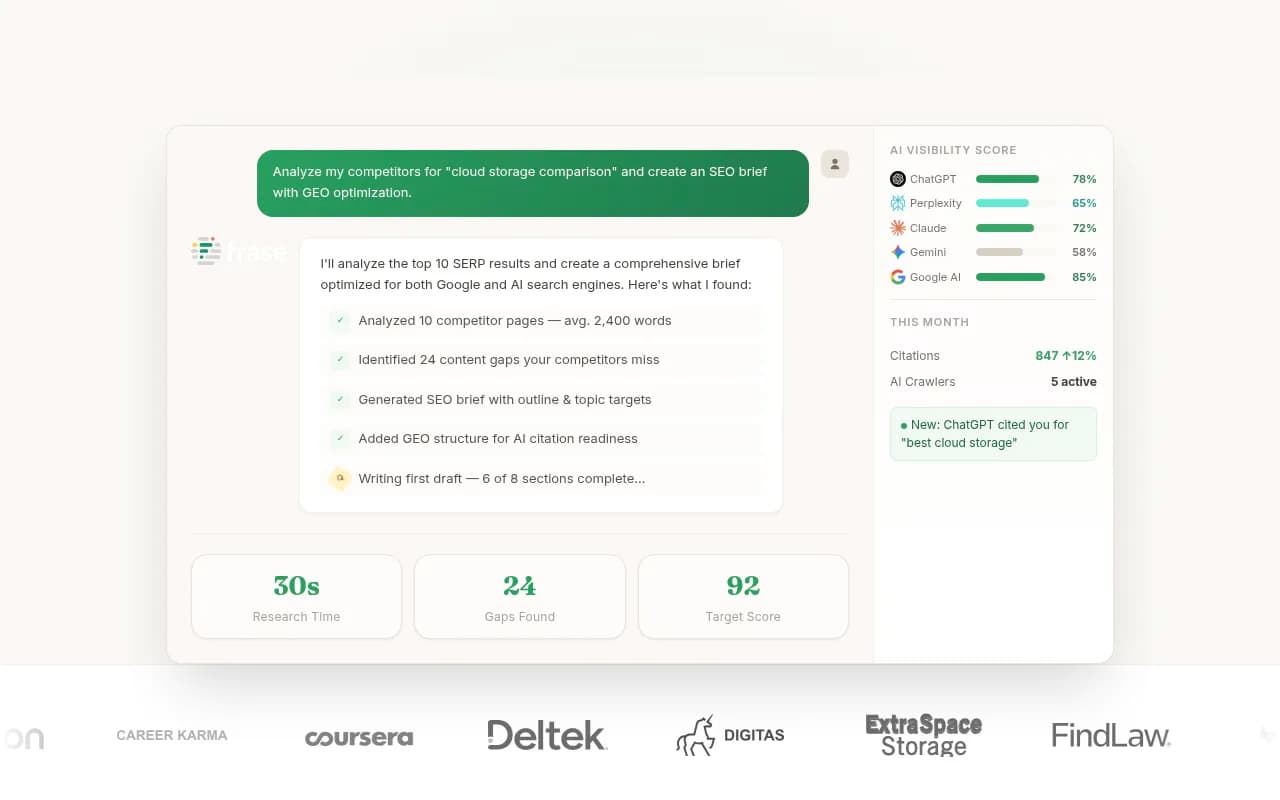
- Frase for AI-powered research and briefs

Analytics and attribution:
- HockeyStack for marketing attribution
- Usermaven for product analytics
- Google Search Console for branded search tracking
Competitive intelligence:
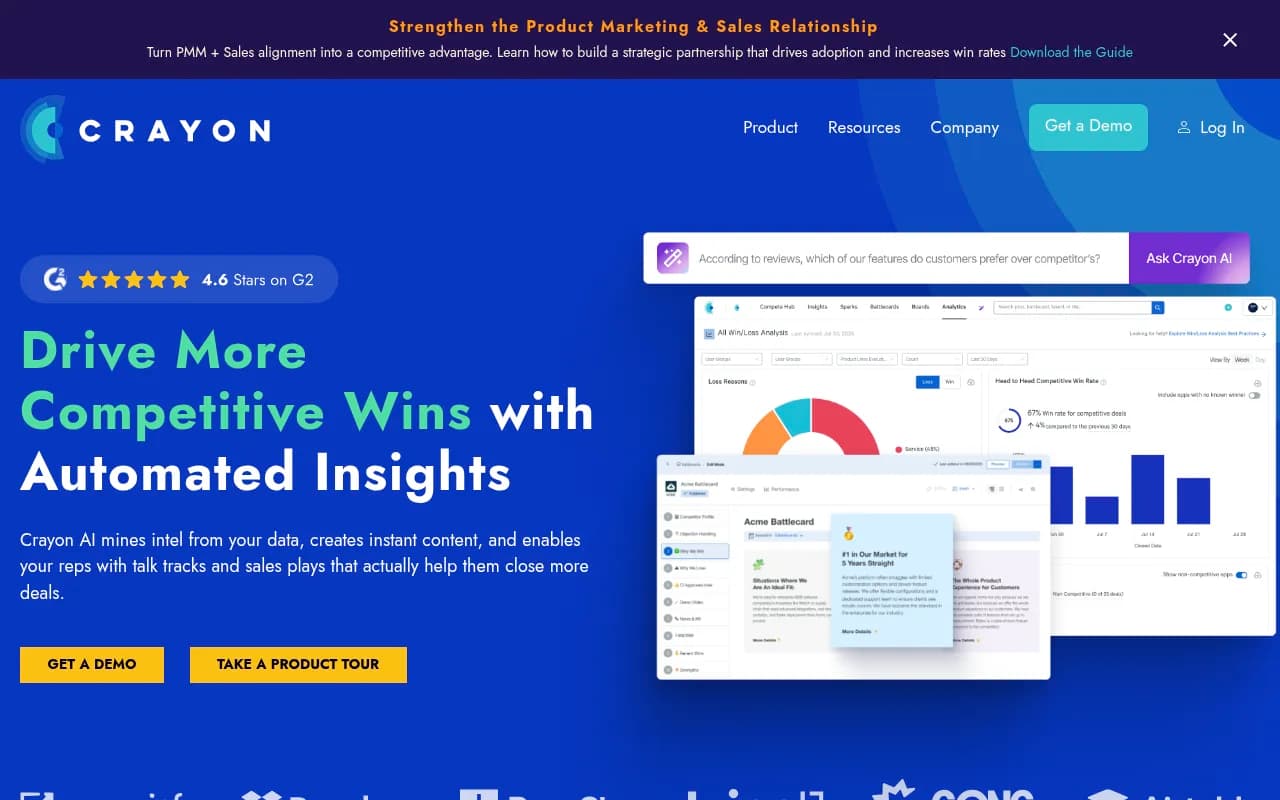
- Crayon for market insights
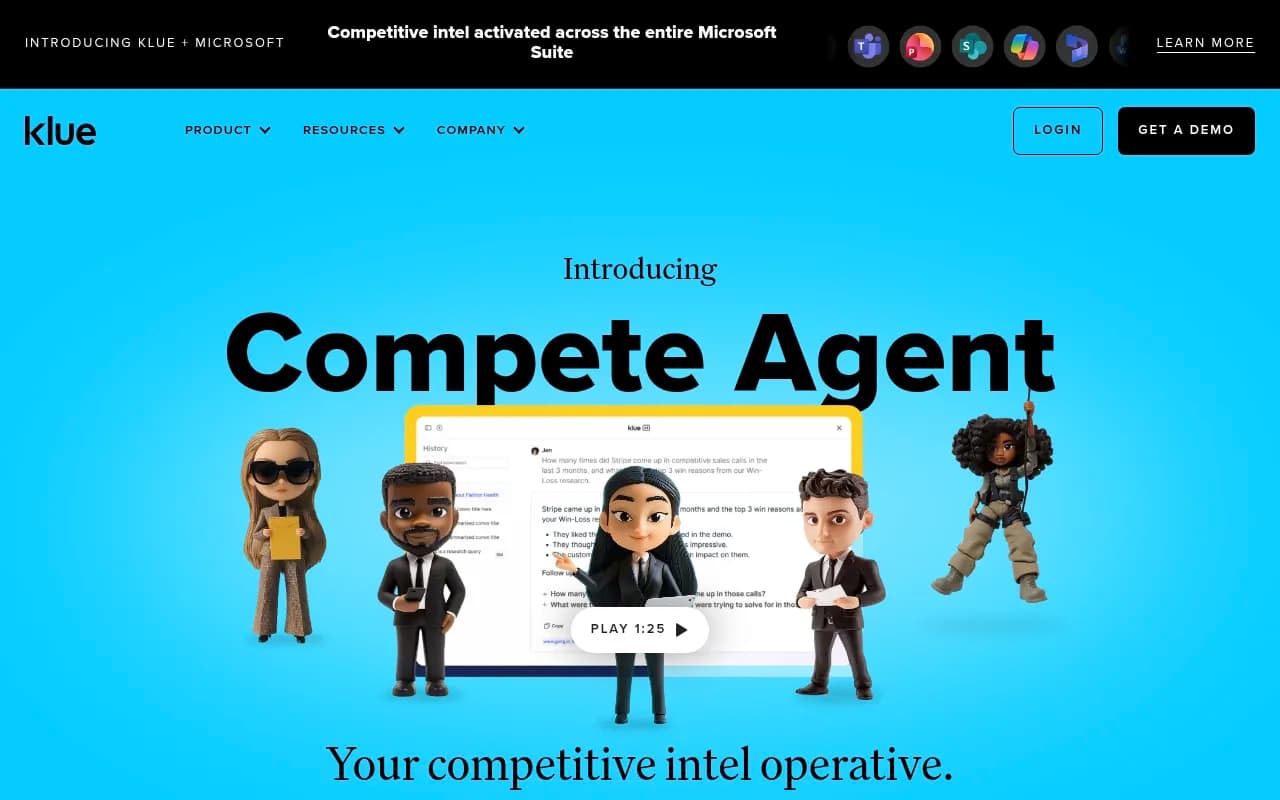
- Klue for sales-focused competitor tracking
- Similarweb for traffic analysis
The key is integration. Citation data informs content strategy. Content creation drives visibility. Analytics prove ROI. Competitive intelligence identifies gaps. The loop closes when each tool feeds the next.
What most teams get wrong
The biggest mistake: treating AI visibility as a separate channel. Teams create a "GEO strategy" that lives in a silo, disconnected from SEO, content marketing, and product.
But AI models cite the same content Google ranks. The pages that perform well in traditional search often perform well in AI search -- if they're structured correctly and answer prompts directly.
The second mistake: optimizing for vanity metrics. "We got 100 ChatGPT mentions this month!" is meaningless if none of them drove traffic or revenue. Focus on prompts that matter to your business, not prompts that inflate your dashboard.
The third mistake: ignoring technical foundations. AI models can't cite pages they can't crawl. If your robots.txt blocks AI user agents or your pages timeout under crawler load, no amount of content optimization will help.
The action loop in practice
Here's what the full loop looks like for a B2B SaaS company:
Week 1: Find the gaps
- Run answer gap analysis to identify 50 prompts competitors rank for but you don't
- Filter by volume and difficulty to prioritize 15 winnable targets
- Analyze competitor pages to understand what content structure works
Week 2-4: Create content
- Use AI writing agent to generate drafts for all 15 prompts
- Edit for brand voice, add unique insights and examples
- Publish with proper structured data and internal linking
Week 5-8: Track results
- Monitor citation growth for new pages
- Check AI crawler logs to confirm pages are being indexed
- Track direct traffic and branded search increases
Week 9-12: Optimize
- Identify pages with low citations and analyze why
- Add missing depth, examples, or structure
- Repeat the cycle with the next batch of prompts
This isn't a one-time project. It's a continuous optimization loop. The teams winning in AI search in 2026 are the ones running this cycle every quarter.
Why this matters in 2026
Gartner predicts search volume will drop 25% by 2026 as users shift to AI models for answers. That's not a future threat -- it's happening now. ChatGPT, Claude, Perplexity, and Google AI Overviews are answering questions that used to drive search traffic.
Brands that treat AI visibility as a monitoring exercise will watch their traffic decline. Brands that use citation data to drive decisions -- what to create, what to optimize, where to invest -- will capture the audience moving to AI search.
The difference between monitoring and action is the difference between knowing you're losing and doing something about it.
Promptwatch is built for teams that want to do something about it. Track visibility, find gaps, generate content, fix technical issues, and close the loop with attribution. That's the action loop. That's how you win in AI search in 2026.