Key takeaways
- GetMint.ai positions itself as a dedicated GEO platform, but it's primarily a monitoring dashboard -- it shows you where you're invisible without helping you fix it.
- Eight meaningful gaps exist in GetMint's feature set in 2026: no content generation, no AI crawler logs, no prompt volume data, no Reddit/YouTube tracking, no ChatGPT Shopping monitoring, no traffic attribution, limited LLM coverage, and no query fan-out analysis.
- Each gap has a concrete workaround -- either a specialist tool or a more complete platform.
- If you want a single platform that covers monitoring and optimization, Promptwatch is the most complete option available right now.
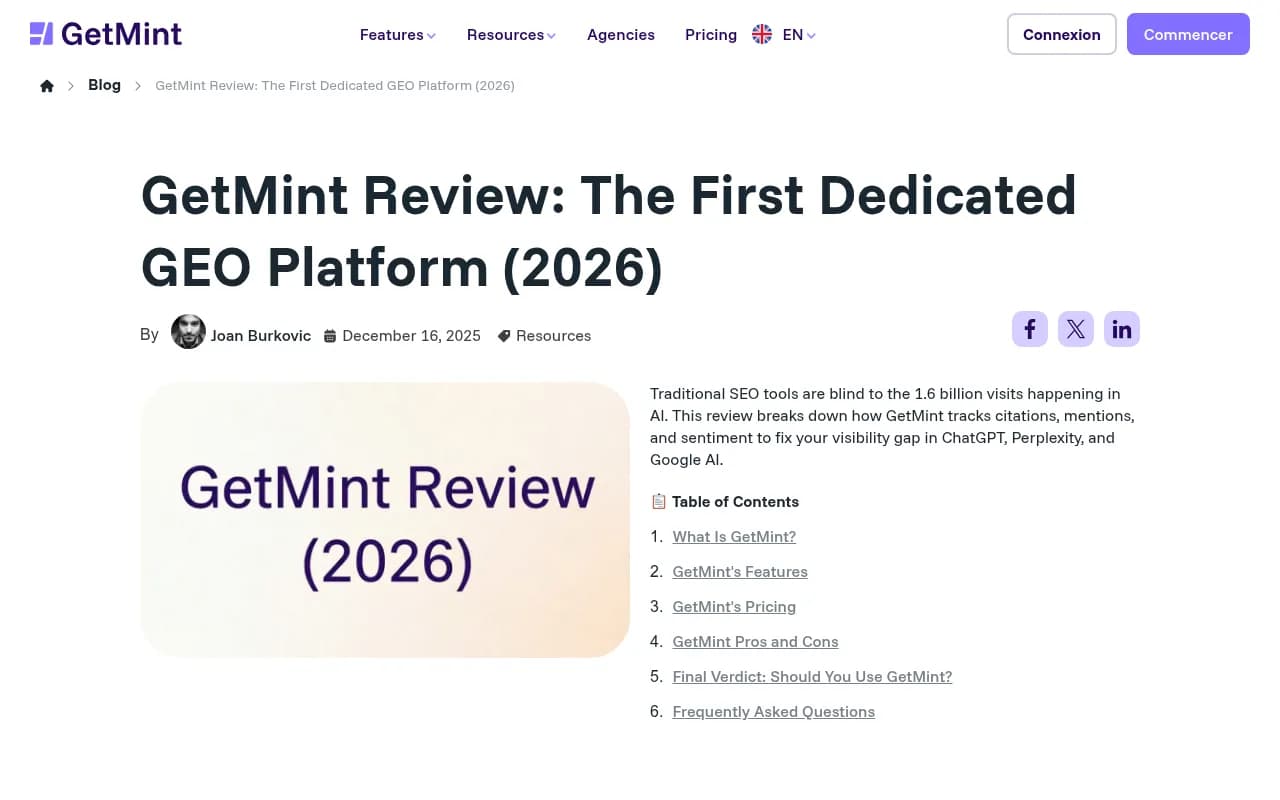
GetMint.ai launched with a clear pitch: be the first dedicated platform for Generative Engine Optimization. Track your citations, measure your sentiment, find out where AI search engines are ignoring you. For a tool that arrived early to a crowded space, that's not nothing.
But "first" doesn't mean "best," and in 2026, the GEO platform market has matured fast. What was acceptable in a v1 product -- limited LLM coverage, no content tools, no traffic data -- now looks like a real liability when competitors have lapped the field.
This guide isn't a takedown. GetMint does some things well. But if you're evaluating it seriously, you deserve an honest account of what it can't do and which tools pick up the slack.
What GetMint.ai actually does
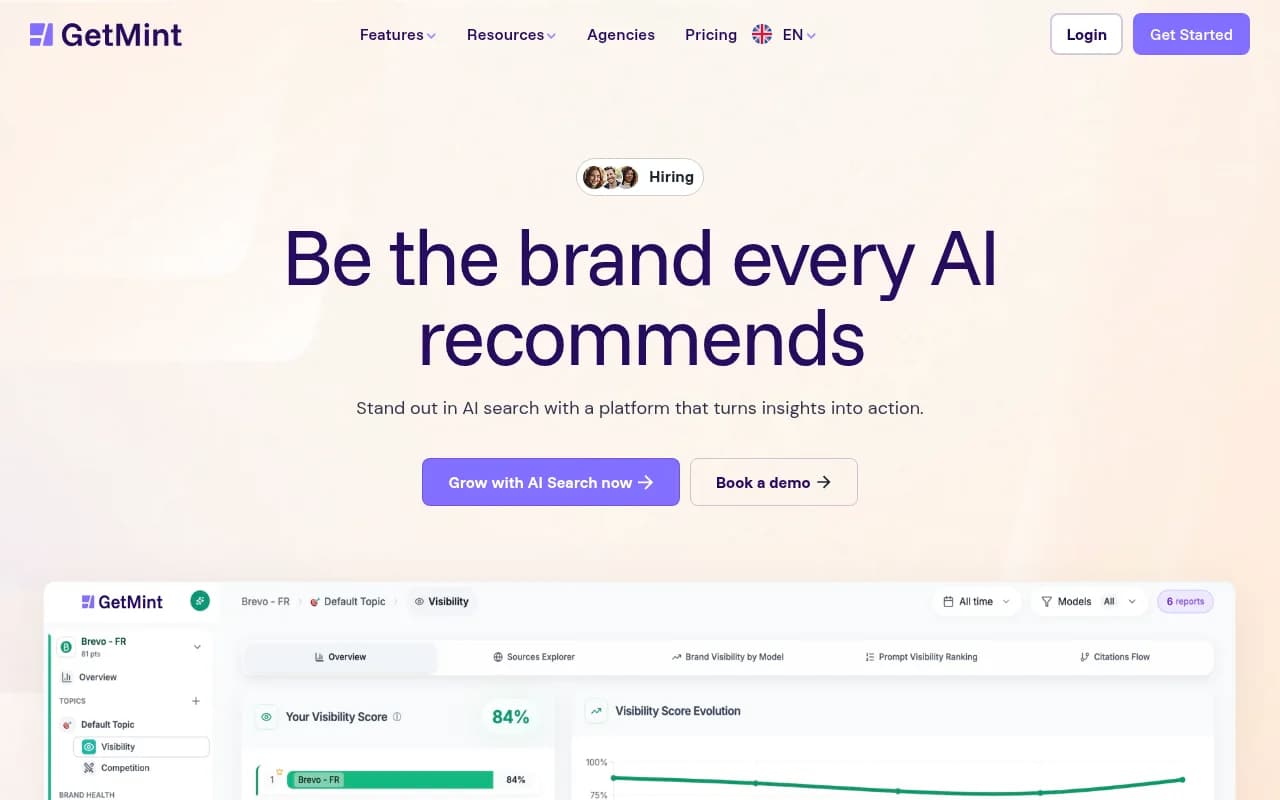
GetMint tracks brand citations and mentions across a handful of AI platforms -- primarily ChatGPT, Perplexity, and Google AI Overviews. It measures sentiment (positive, neutral, negative) and gives you a visibility score over time. The core loop is: run prompts, see where you appear, see where you don't.
That's a reasonable starting point. Knowing you're invisible for "best project management software" in ChatGPT is genuinely useful information. The problem is what happens next. GetMint shows you the gap. Then it stops.
The 8 features GetMint.ai is missing
1. Content generation grounded in citation data
This is the biggest gap. Knowing you're missing from AI responses is only half the job. The other half is creating content that gets you cited.
GetMint has no built-in content creation tools. You get the diagnosis but no treatment. That means you're left exporting data, switching to a separate writing tool, and hoping the content you create actually moves the needle -- without any feedback loop connecting your new articles to your visibility scores.
Platforms like Promptwatch have built content generation directly into the monitoring workflow. The writing agent uses citation data (what sources AI models actually cite, at what frequency) to generate articles, listicles, and comparisons engineered to rank in AI search. It's not generic AI writing -- it's content informed by 880M+ citations analyzed.

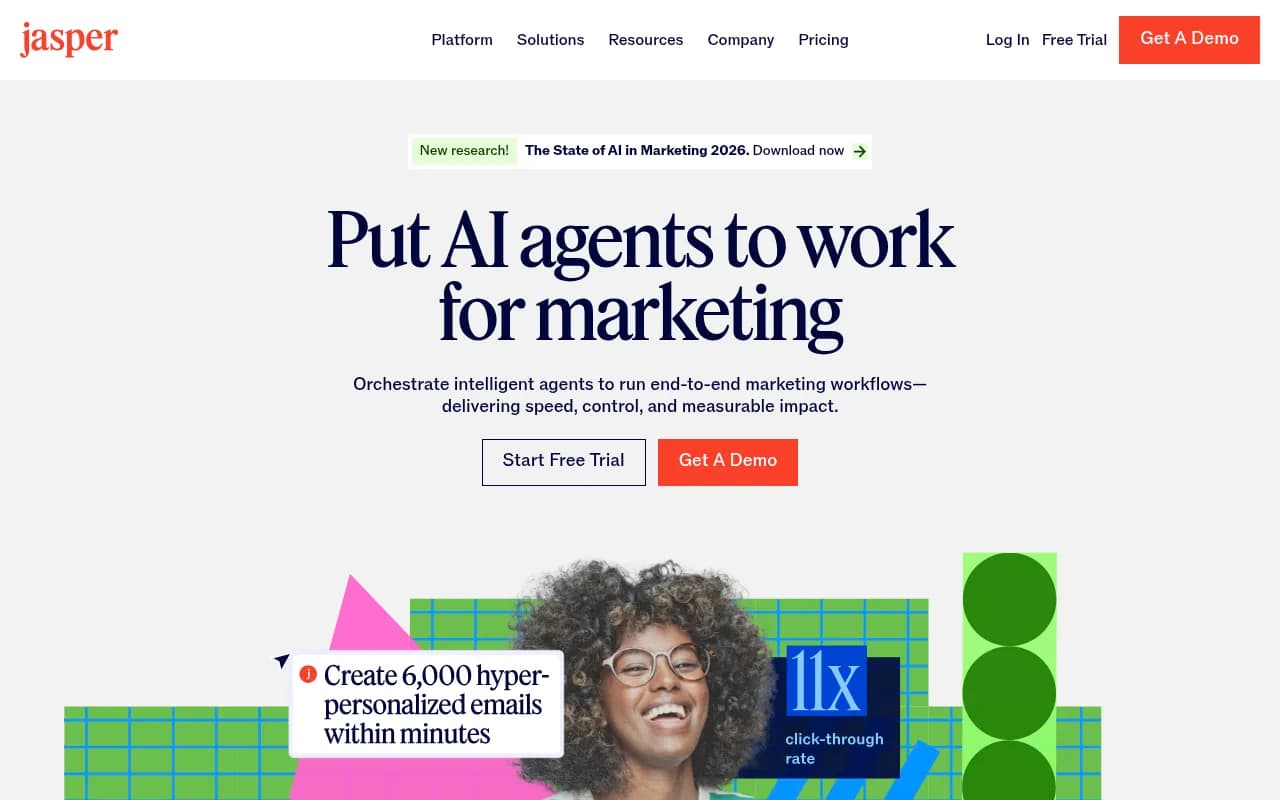
For standalone AI content generation with SEO grounding, tools like Jasper and Content at Scale are worth looking at, though they lack the GEO-specific citation data layer.
2. AI crawler logs
When ChatGPT or Perplexity crawls your website, do you know which pages they visited? Did they hit errors? How often do they return?
GetMint doesn't tell you any of this. You're flying blind on the technical side of AI indexing.
AI crawler logs are one of the more underrated features in this space. If an AI model can't properly crawl your site, it doesn't matter how good your content is -- you won't get cited. Knowing that Perplexity's crawler hit a 404 on your most important product page, or that Claude hasn't visited your site in 30 days, is actionable information that monitoring dashboards typically ignore.
Promptwatch's Professional and Business plans include real-time crawler logs showing exactly which AI bots are hitting your site, which pages they read, and what errors they encounter. Most competitors -- including GetMint -- lack this entirely.
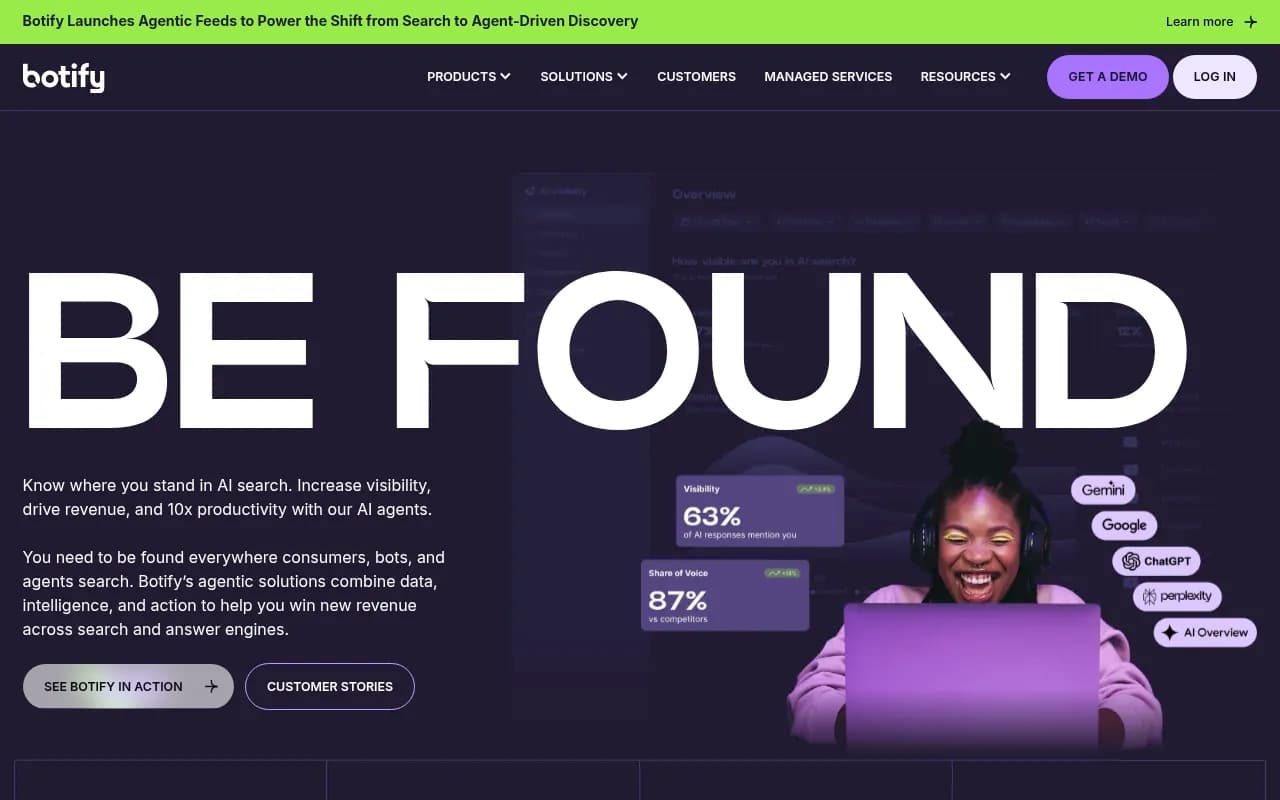
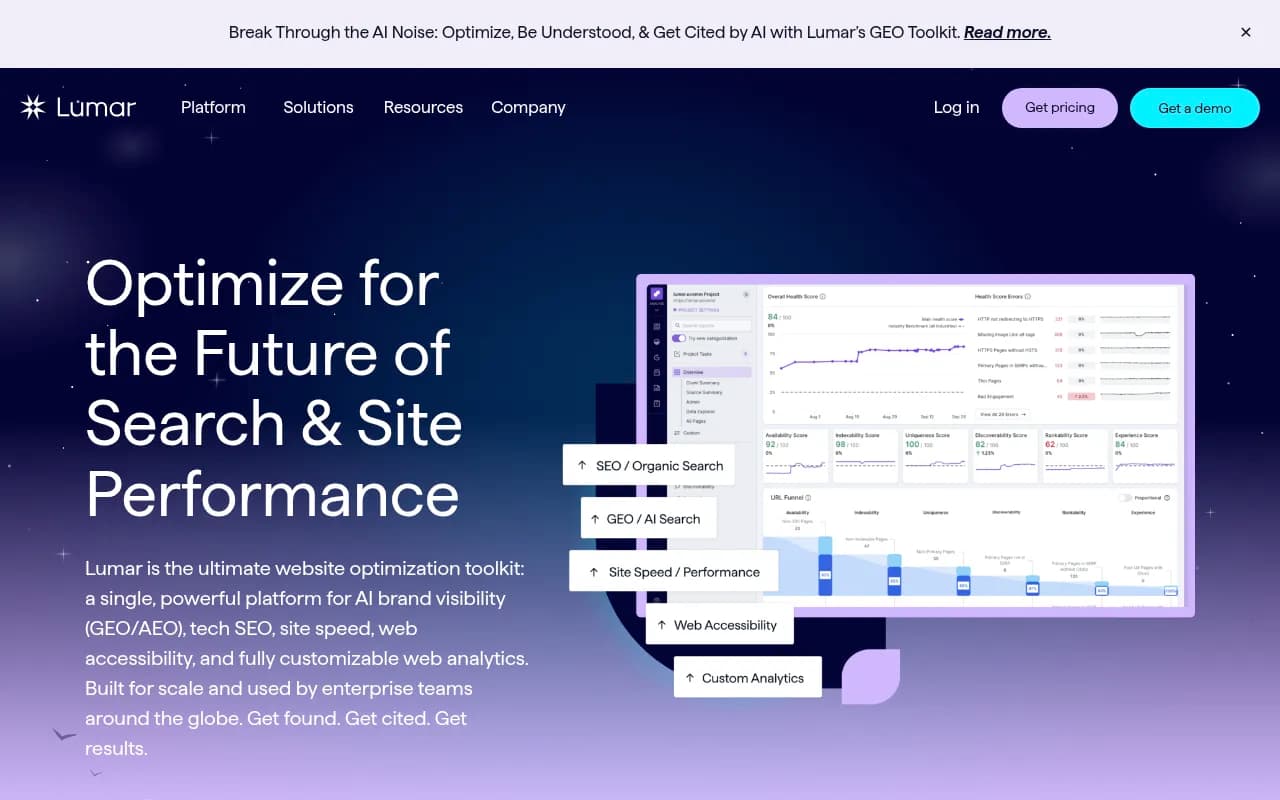
For technical crawl analysis more broadly, Botify and Lumar (formerly Deepcrawl) are enterprise-grade options worth considering.
3. Prompt volume and difficulty scoring
Not all prompts are worth chasing. "What is AI?" has enormous volume but is essentially impossible to rank for. "Best AI visibility tools for SaaS companies under 50 employees" has lower volume but is very winnable.
GetMint doesn't give you this data. You pick your prompts somewhat blind, without knowing how often real users are asking them or how competitive the AI response landscape is for each one.
Prompt Intelligence -- volume estimates, difficulty scores, and query fan-outs that show how one prompt branches into related sub-queries -- is what separates strategic GEO from guesswork. Without it, you're optimizing for prompts that might not matter.
4. Reddit and YouTube tracking
Here's something most GEO tools miss: AI models don't just cite brand websites. They cite Reddit threads, YouTube videos, forums, and third-party review sites. A lot of what ends up in a ChatGPT response about your industry was pulled from a Reddit discussion you've never read.
GetMint focuses on direct brand citations and doesn't surface the Reddit discussions or YouTube content that's actively shaping AI recommendations in your category. That's a significant blind spot if you're trying to understand why AI models say what they say about you.
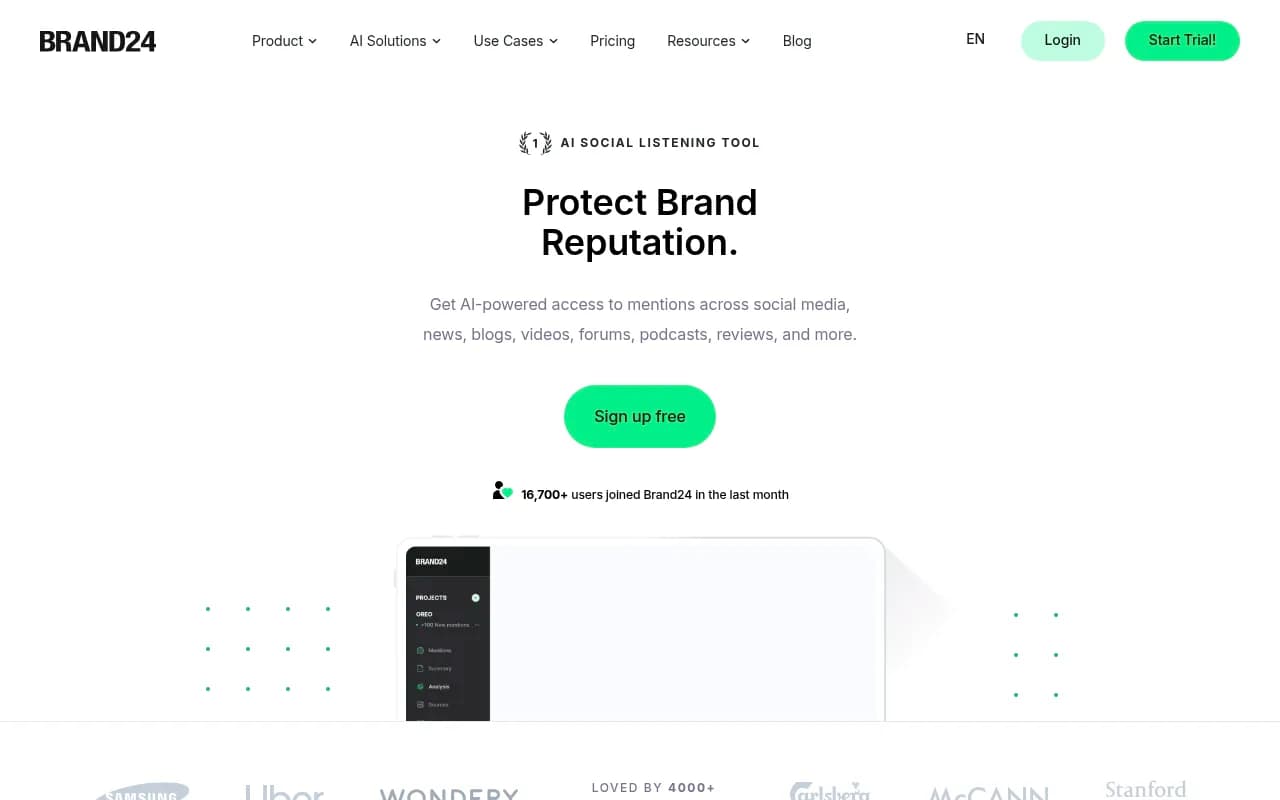
Promptwatch surfaces Reddit and YouTube insights as part of its citation and source analysis -- showing which discussions and videos are influencing AI responses in your space. Brand24 is another strong option for social listening across these channels.
5. ChatGPT Shopping tracking
ChatGPT's shopping and product recommendation features are increasingly where purchase decisions get made. When someone asks ChatGPT "what's the best CRM for a 10-person sales team?", the product carousel that appears is high-stakes real estate.
GetMint doesn't monitor ChatGPT Shopping appearances. If you're in e-commerce, SaaS, or any product category, this is a meaningful gap. You could be winning or losing in shopping recommendations without any visibility into it.
This is a relatively rare feature even among more advanced platforms. Promptwatch includes ChatGPT Shopping tracking; most others don't.
6. Traffic attribution
Visibility scores are nice. Revenue is better. The question every marketing team eventually asks is: "Is any of this AI visibility actually driving traffic and conversions?"
GetMint doesn't connect visibility data to actual website traffic or revenue. You can see your citation rate going up, but you can't tell whether that's translating into visits, leads, or sales.
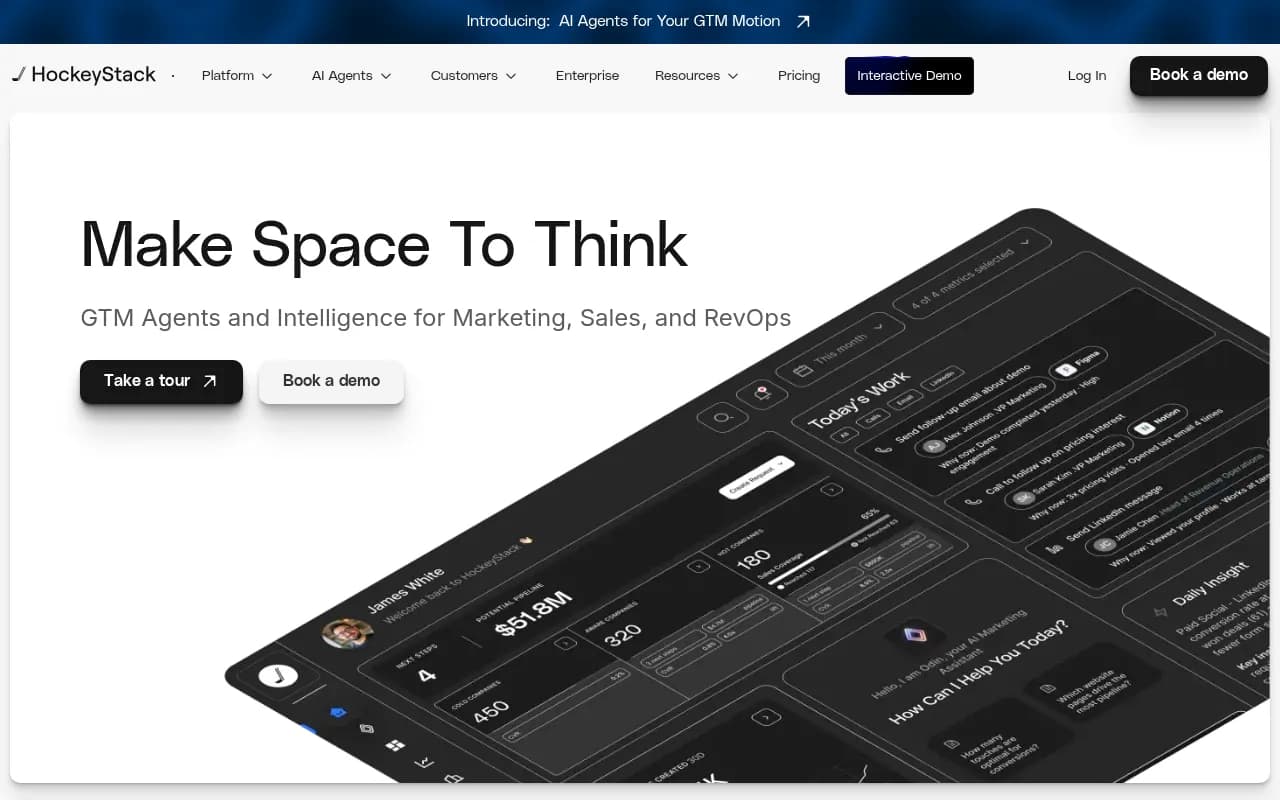
Traffic attribution in GEO is genuinely hard -- AI search doesn't pass referral data the way traditional search does. But it's solvable through server log analysis, GSC integration, and custom code snippets. Promptwatch offers all three methods. HockeyStack is worth a look for broader marketing attribution if you need something that spans channels.
7. Limited LLM coverage
GetMint primarily tracks ChatGPT, Perplexity, and Google AI Overviews. That's a reasonable starting set, but it leaves out Claude, Gemini, Grok, DeepSeek, Meta AI, Copilot, Mistral, and Google AI Mode -- all of which are generating real user queries in 2026.
The AI search landscape isn't consolidating around one or two models. Users are spread across multiple platforms, and different models have different citation behaviors. Claude tends to cite differently than Perplexity. Gemini has its own source preferences. If you're only tracking three models, you're missing a significant portion of the picture.
Platforms with broader coverage -- Promptwatch monitors 10+ models -- give you a more complete view of where you stand across the full AI search ecosystem.
8. Query fan-out analysis
When someone types "best email marketing tool," an AI model doesn't just answer that one question. It fans out into related sub-queries: "best email marketing tool for small business," "email marketing tool with automation," "affordable email marketing platforms 2026," and so on. Understanding this fan-out structure tells you which related topics you need to cover to capture the full prompt cluster.
GetMint tracks individual prompts but doesn't show you how they branch. That means you might optimize for the head term and miss the sub-queries that are actually driving citations for your competitors.
Query fan-out analysis is one of the more sophisticated features in the GEO space. It's available in Promptwatch's Prompt Intelligence module and is largely absent from basic monitoring tools.
Feature comparison: GetMint vs alternatives
| Feature | GetMint | Promptwatch | Otterly.AI | Profound | Scrunch |
|---|---|---|---|---|---|
| Citation tracking | Yes | Yes | Yes | Yes | Yes |
| Sentiment analysis | Yes | Yes | Limited | Yes | Yes |
| Content generation | No | Yes | No | No | No |
| AI crawler logs | No | Yes | No | No | No |
| Prompt volume/difficulty | No | Yes | No | Limited | No |
| Reddit/YouTube tracking | No | Yes | No | No | No |
| ChatGPT Shopping | No | Yes | No | No | No |
| Traffic attribution | No | Yes | No | Limited | No |
| LLMs covered | 3 | 10+ | 4 | 6+ | 5+ |
| Query fan-out analysis | No | Yes | No | No | No |
Who GetMint still works for
To be fair: if you're just starting out with GEO and want a simple dashboard to understand your baseline citation rate across ChatGPT and Perplexity, GetMint is a reasonable entry point. The interface is clean, the sentiment tracking is useful for brand monitoring, and the pricing is accessible.
The problem is that "monitoring only" stops being enough pretty quickly. Once you know you're invisible, you need to do something about it. And that's where GetMint's limitations become real friction.
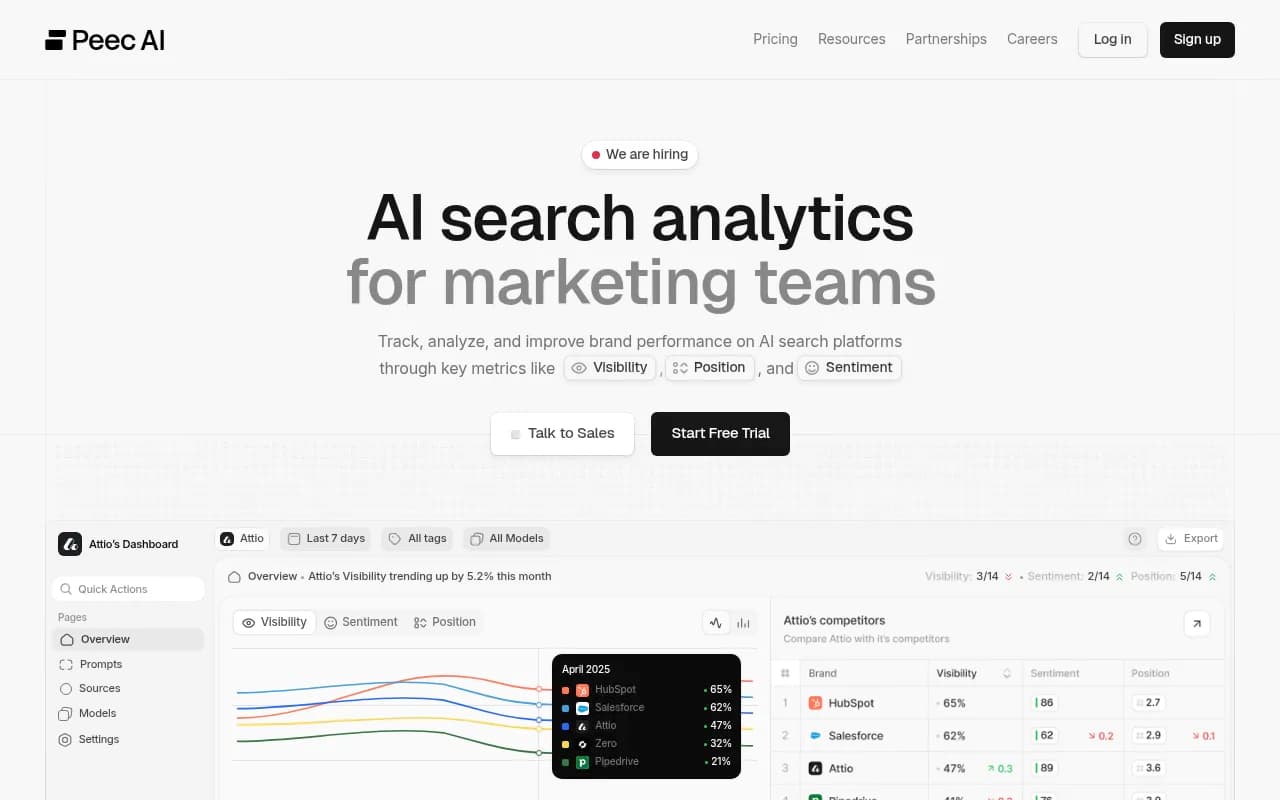
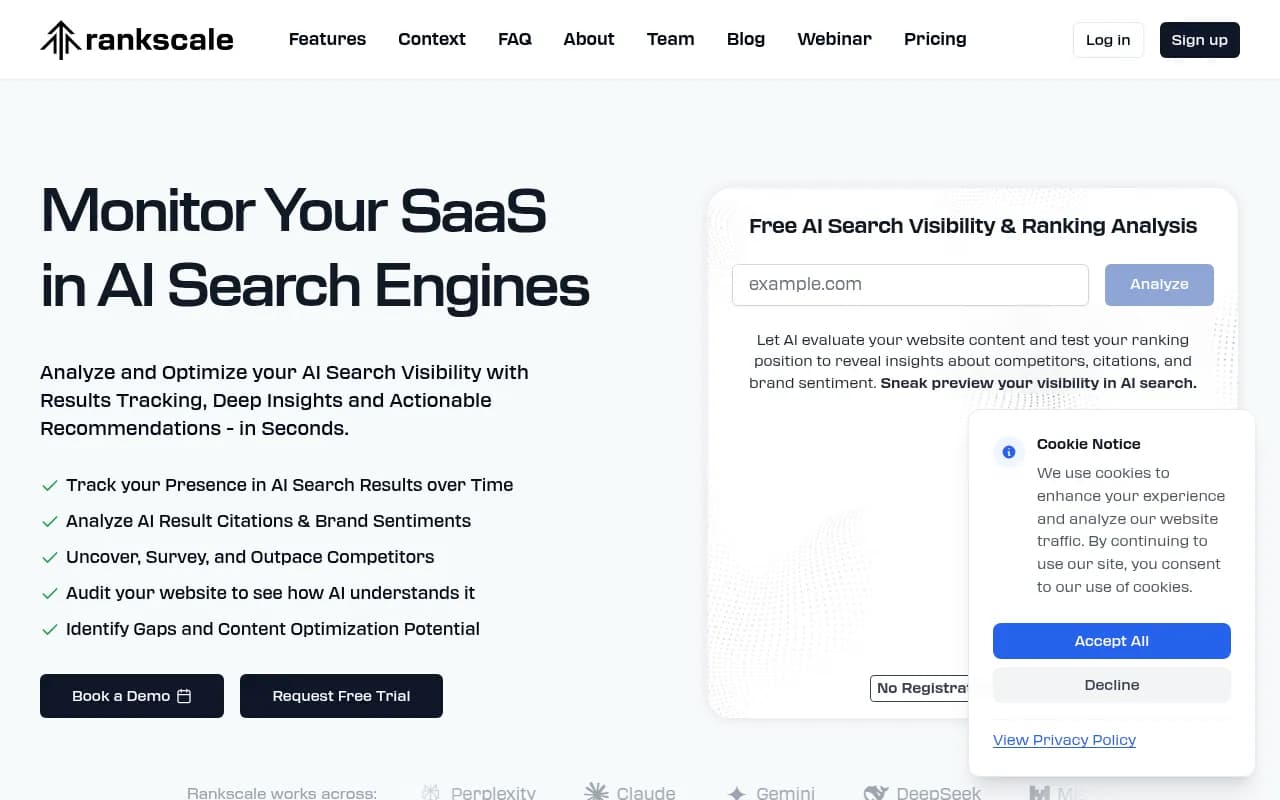
For teams that want to stay in the monitoring-only lane, Otterly.AI and Peec AI are worth comparing -- they're similarly positioned but with slightly different LLM coverage and UI approaches.

The tools that fill the gaps
Here's a practical breakdown of what to use when GetMint's gaps become blockers:
For content generation tied to citation data: Promptwatch's built-in AI writing agent is the most GEO-native option. For general AI content at scale, Content at Scale or Jasper can supplement.
For AI crawler logs and technical GEO: Promptwatch at the Professional tier. For broader technical SEO crawling, Botify or Lumar.
For Reddit and social listening: Brand24 covers 25M+ sources including Reddit and YouTube, and surfaces discussions that influence AI recommendations.
For traffic attribution: Promptwatch's GSC integration and server log analysis. HockeyStack for cross-channel attribution.
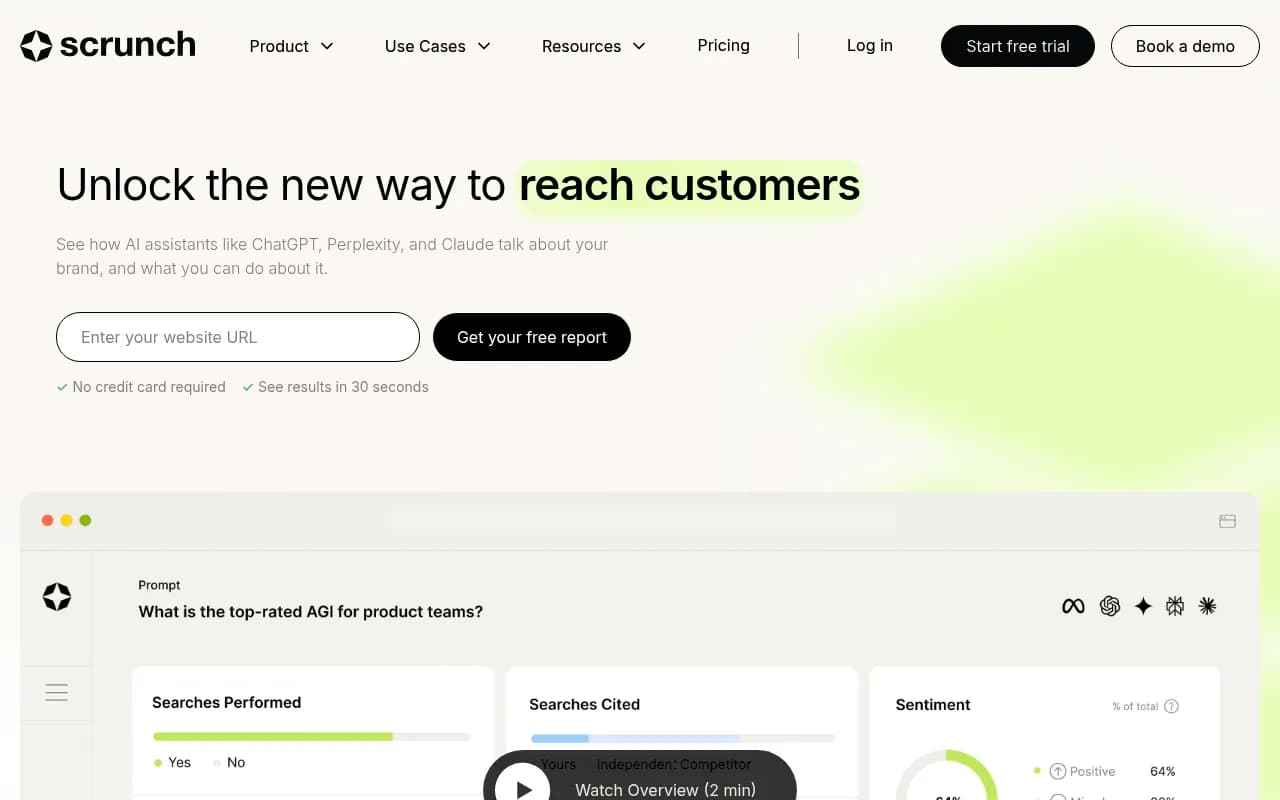
For broader LLM coverage: Promptwatch (10+ models), Profound, or Scrunch cover more ground than GetMint's three-platform focus.
The honest bottom line
GetMint.ai isn't a bad tool. It's an incomplete one. In a market where the real value is in closing the loop -- finding gaps, creating content that fixes them, and tracking the results -- a monitoring-only dashboard leaves you doing most of the hard work manually.
The GEO platforms that are pulling ahead in 2026 are the ones that treat visibility as a problem to solve, not just a metric to report. If GetMint's roadmap eventually adds content generation, crawler logs, and traffic attribution, it could become a serious contender. Right now, those gaps are real and they matter.
If you're evaluating alternatives, start with what you actually need to do: not just "where am I invisible?" but "what do I do about it?" The answer to that second question is where most tools, including GetMint, fall short.