Key takeaways
- ChatGPT and other AI models don't rank pages -- they recall entities from memory built during training and crawling. If you're not in that memory, you don't exist.
- The most common reasons brands are invisible in AI search: weak entity signals, thin content, no third-party citations, and poor crawlability by AI bots.
- Fixing AI visibility requires a different playbook than traditional SEO -- structured data, authoritative mentions, and content written to answer specific questions.
- Tracking your progress matters: you can't optimize what you can't measure, and AI visibility changes faster than Google rankings.
- The 8 fixes below are ordered by impact -- start with entity consolidation and work down.
You've done everything right. Your site loads fast, you have backlinks, your blog is active. Google ranks you on page one for half a dozen terms. Then someone asks ChatGPT "what's the best [your category] for [your use case]" and your brand isn't mentioned once.
This is one of the most frustrating experiences in marketing right now, and it's happening to thousands of brands. The instinct is to assume it's a fluke, or that ChatGPT just doesn't know about you yet. But usually it's neither. There are specific, fixable reasons why AI models skip your brand -- and once you understand the mechanism, the fixes become obvious.
Here's what's actually going on, and what to do about it.
Why AI models ignore most brands
Traditional search engines index pages and rank them by relevance. AI models work differently. They build a kind of compressed memory during training -- a web of entities, associations, and facts drawn from billions of documents. When someone asks ChatGPT a question, it's not searching the web in real time (unless it has browsing enabled). It's retrieving from that memory.
If your brand isn't woven into that memory -- through consistent mentions, authoritative citations, structured data, and clear topical associations -- it simply won't surface. You're not being penalized. You're just not there.
The other piece is real-time retrieval. Models like Perplexity, Google AI Overviews, and ChatGPT with browsing do pull live sources. But they're selective. They pull from pages they trust, pages that are crawlable, and pages that directly answer the question being asked. A homepage or a generic "about us" page rarely makes the cut.
So the problem isn't that ChatGPT dislikes you. It's that you haven't given it enough to work with.
Fix 1: Consolidate your entity signals
In AI terms, an "entity" is a recognizable, consistently defined thing -- a company, product, person, or concept that can be identified across multiple sources. If your brand name appears differently across your website, Google Business Profile, LinkedIn, press mentions, and directories, AI models struggle to connect the dots.
Start here:
- Pick one canonical version of your brand name and use it everywhere. "Acme Corp", not "ACME", "Acme Corporation", or "acme-corp".
- Make sure your NAP (name, address, phone) is consistent across every listing.
- Add Organization schema markup to your homepage with your official name, logo, founding date, and social profiles.
- Create or claim your Wikipedia or Wikidata entry if you're large enough -- these are heavily weighted sources for AI training data.
This sounds basic, but it's the most common issue. AI models need corroborating signals from multiple sources before they'll confidently mention a brand. Inconsistency reads as uncertainty.
Fix 2: Get cited on sources AI models trust
Your website is one data point. What AI models really want is corroboration -- your brand mentioned and described consistently across sources they already trust.
Think about where AI citations actually come from: Reddit threads, industry publications, review sites like G2 and Capterra, YouTube videos, news articles, and authoritative blogs. If your brand appears in those places with consistent, accurate descriptions, you become part of the AI's reference network.
Practical steps:
- Get listed and reviewed on G2, Capterra, Trustpilot, or whatever review platform dominates your category.
- Pitch guest posts or expert quotes to industry publications that AI models cite frequently.
- Encourage customers to discuss your product on Reddit in relevant subreddits -- organic, genuine discussions, not spam.
- Pursue PR coverage in outlets that get crawled regularly by AI systems.
The goal isn't just backlinks for SEO. It's building a citation network that makes your brand verifiable from multiple angles.
Fix 3: Write content that answers specific questions
Most brand websites are written for humans browsing with intent to buy. That's fine for conversion, but it's not what AI models are looking for when they pull citations.
AI models cite content that directly answers questions. Not "we're a leading provider of X" -- but "here's exactly how X works, when to use it, and what to watch out for."
The format matters too. Content that gets cited tends to be:
- Structured with clear headings that match how people phrase questions
- Specific and factual, with numbers, comparisons, and concrete examples
- Comprehensive enough to be the definitive answer on a topic
- Written for a particular audience or use case, not everyone at once
If your blog is full of generic thought leadership and product announcements, that's why you're invisible. Reframe your content calendar around the questions your customers actually ask AI models.
Tools like Promptwatch can show you exactly which prompts competitors are getting cited for that you're missing -- which takes the guesswork out of what to write next.

Fix 4: Fix your technical crawlability for AI bots
AI crawlers are different from Googlebot. They have their own user agents, their own crawl schedules, and their own rules about what they'll index. Many brands accidentally block AI crawlers without realizing it.
Check your robots.txt file. If you have rules blocking "GPTBot" (OpenAI's crawler), "ClaudeBot" (Anthropic), "PerplexityBot", or "Google-Extended", you're actively preventing these models from reading your content.
Beyond robots.txt:
- Make sure your important pages aren't behind login walls or JavaScript that bots can't render.
- Check that your sitemap is up to date and submitted.
- Ensure your page load times are reasonable -- slow pages get skipped.
- Use clean, semantic HTML. AI crawlers parse structure, not just text.
One underused tactic: check your server logs to see which AI crawlers are actually visiting your site and which pages they're reading. If ChatGPT's crawler has never touched your most important pages, that's a problem worth fixing before anything else.
Fix 5: Add structured data beyond basic schema
Most SEOs know about schema markup for articles and products. But for AI visibility, you want to go further.
Structured data helps AI models understand relationships -- not just "this is an article" but "this article is about X topic, written by Y expert, published by Z organization, which is a trusted source on this subject."
Useful schema types for AI visibility:
OrganizationwithsameAslinks pointing to your social profiles, Wikipedia page, and Wikidata entryPersonschema for your key executives and subject matter expertsFAQPagefor pages that answer common questionsHowTofor process-oriented contentArticlewithauthor,datePublished, andpublisherproperly filled in
The sameAs property is particularly valuable. It explicitly tells AI systems "this entity on our site is the same entity referenced on these other authoritative sources." That's exactly the corroboration AI models need.
Fix 6: Build topical authority in a defined area
AI models don't just cite brands -- they cite sources that have demonstrated expertise on a specific topic. If your website covers 15 different subjects at surface level, you're competing against sites that go deep on one.
Pick the two or three topics where you genuinely have expertise and build comprehensive coverage. That means:
- A pillar page that covers the topic broadly and authoritatively
- Supporting articles that go deep on subtopics
- Content that addresses the full range of questions someone might ask about that topic
- Internal linking that connects related pieces into a coherent topic cluster
When AI models see a site with 40 interconnected articles on a specific subject, all well-sourced and clearly written, they're much more likely to treat that site as an authoritative reference. A site with one shallow article on the same topic gets skipped.
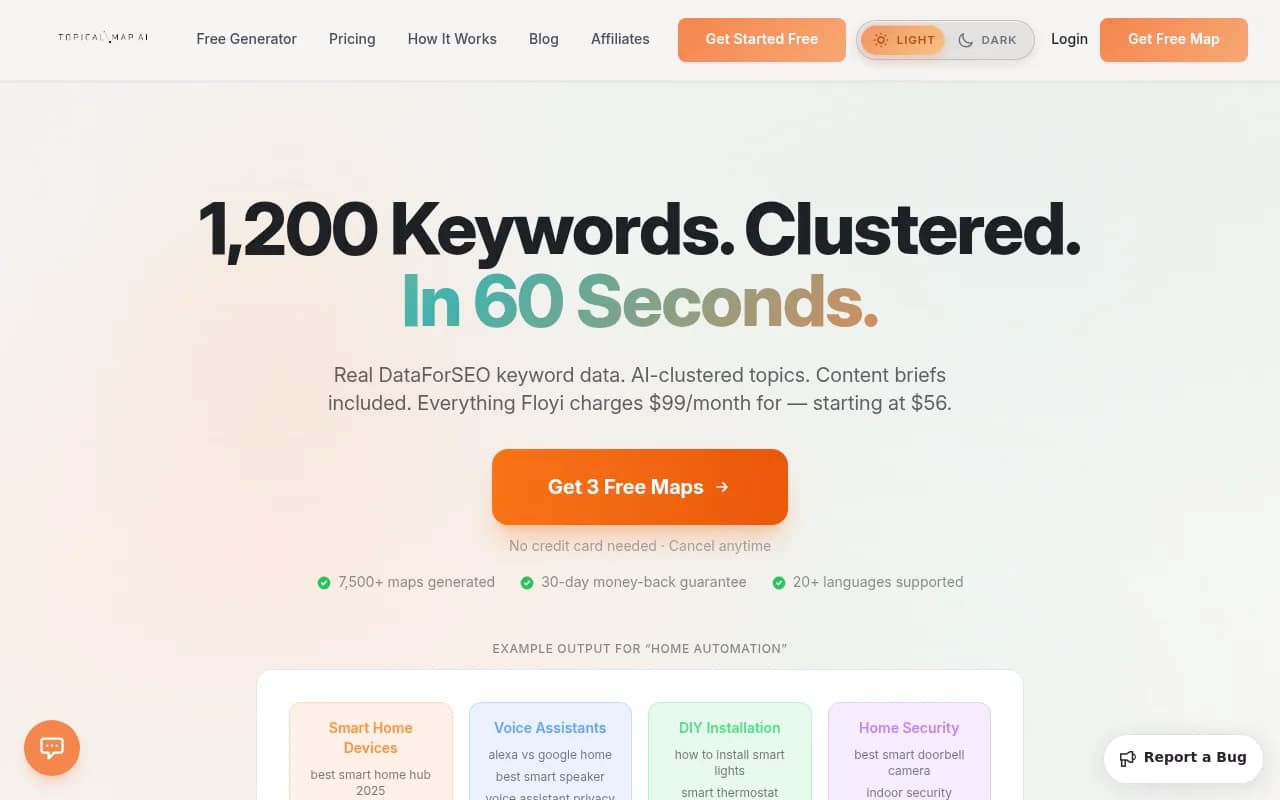
Tools like Topical Map AI can help you map out the full topic landscape before you start writing.
Fix 7: Activate your Reddit and YouTube presence
This one surprises people. Reddit threads and YouTube videos are among the most-cited sources in AI responses -- particularly for product recommendations, comparisons, and "what's the best X" queries.
ChatGPT, Perplexity, and Google AI Overviews regularly pull from Reddit discussions when answering recommendation questions. If your brand is being discussed positively in relevant subreddits, that's a direct path into AI responses. If it's not being discussed at all, you're missing one of the most influential citation channels.
For Reddit:
- Identify the subreddits where your target customers ask questions.
- Participate genuinely -- answer questions, share expertise, don't just promote.
- If customers love your product, encourage them to share their experiences in relevant communities.
For YouTube:
- Create videos that answer specific questions your customers ask.
- Optimize titles and descriptions to match how people phrase those questions.
- Transcripts matter -- AI systems can parse video content through transcripts.
Neither of these is a quick fix, but both have outsized influence on AI citations relative to the effort involved.
Fix 8: Track your AI visibility and iterate
None of the above fixes mean anything if you can't measure whether they're working. AI visibility isn't like Google rankings -- you can't just check a position tracker. You need to know which prompts trigger mentions of your brand, which AI models cite you, and how that changes over time.
This is where dedicated AI visibility tracking becomes necessary rather than optional. Manually querying ChatGPT and Perplexity every week doesn't scale, and it doesn't give you the structured data you need to make decisions.
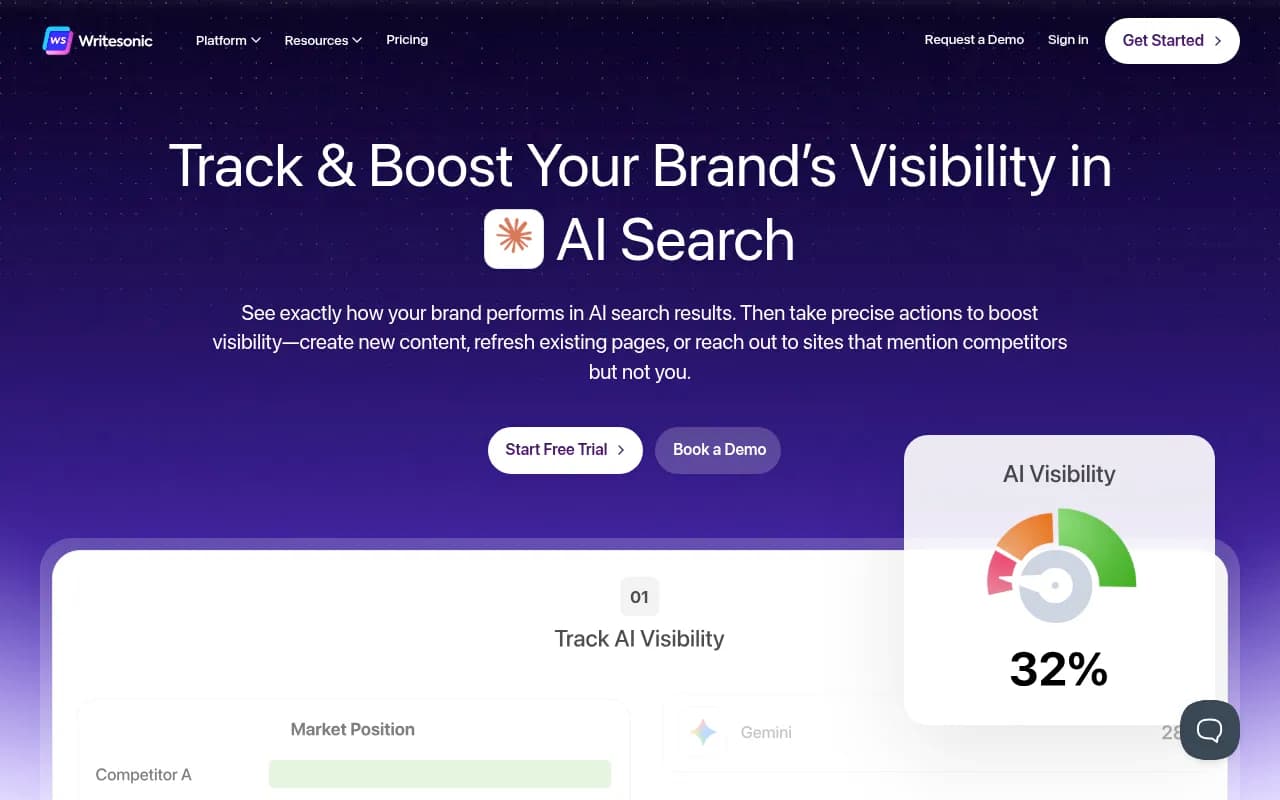
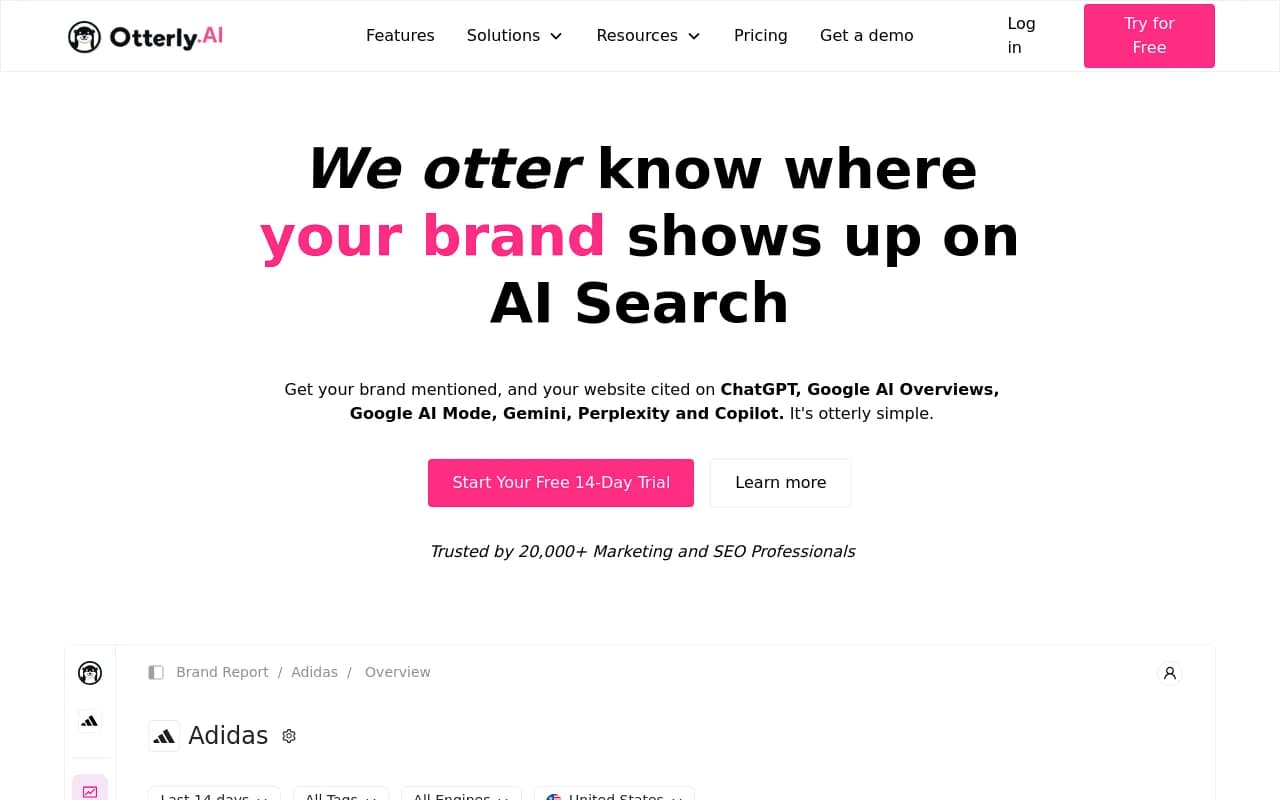
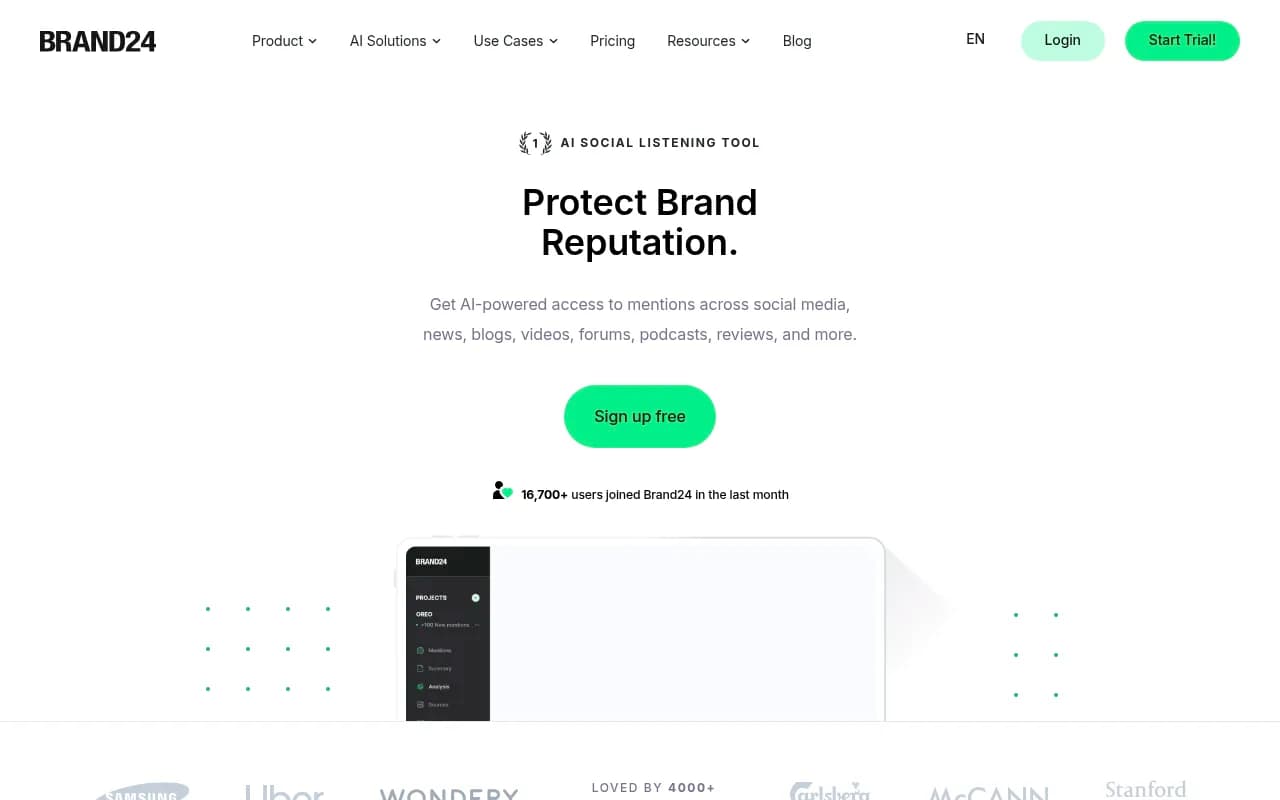
Platforms like Promptwatch track your brand across 10 AI models, show you which pages are being cited and how often, and flag when competitors gain visibility you're missing. That feedback loop -- fix something, watch the data, fix the next thing -- is what separates brands that improve their AI visibility from brands that stay stuck.
Other tools worth knowing about for specific parts of this workflow:
How these fixes compare in effort vs. impact
| Fix | Effort | Time to see results | Impact on AI visibility |
|---|---|---|---|
| Entity signal consolidation | Low | 4-8 weeks | High |
| Third-party citations | Medium | 8-16 weeks | High |
| Question-focused content | Medium | 4-12 weeks | High |
| AI crawler technical fixes | Low | 1-4 weeks | Medium-High |
| Structured data expansion | Low-Medium | 4-8 weeks | Medium |
| Topical authority building | High | 3-6 months | Very High |
| Reddit/YouTube presence | Medium | 2-6 months | Medium-High |
| AI visibility tracking | Low | Immediate | Enables all others |
The technical fixes (crawlability, structured data, entity consolidation) are the fastest wins and should come first. Content and authority building take longer but have the highest ceiling.
A note on what doesn't work
A few things people try that don't move the needle:
Buying backlinks specifically for AI visibility. Backlinks help traditional SEO, but AI models don't weight them the same way. What matters is whether credible sources mention and describe your brand accurately -- not the number of links pointing to you.
Keyword stuffing your pages with AI-related terms. Writing "as seen in ChatGPT" or trying to game training data with repetitive content doesn't work and may actively hurt your credibility.
Waiting for your SEO rankings to "translate" to AI visibility. They don't automatically. A brand that ranks #1 on Google for a term can still be completely absent from AI responses on the same topic. The two systems have different inputs.
The underlying principle
Everything above comes down to one thing: AI models cite sources they can verify, trust, and clearly understand. Your brand needs to be recognizable as a specific entity, described consistently across multiple credible sources, and associated with clear expertise on specific topics.
That's not fundamentally different from building a real reputation. It just requires being deliberate about the signals you're sending to systems that read the web differently than humans do.
Start with the technical fixes, build your citation network, and create content that actually answers questions. Then measure what's working. The brands that figure this out in 2026 will have a significant advantage as AI search continues to take share from traditional search engines.