Key takeaways
- Scope the drop first. One prompt, one topic, or everything? The answer points to completely different causes.
- Check platform change dates before blaming your content. ChatGPT cut citation slots by roughly 27% around March 4, 2026, and every site felt it.
- Most real causes fall into four buckets: a platform shift, a competitor gaining ground, a lost source, or a technical fault such as blocked crawlers.
- Refresh durable pages (landing, docs, comparisons) rather than rush-publishing news-style content. Those page types stay cited the longest.
- Re-check 48 to 72 hours after a fix. Do not stack five changes at once or you will never know what worked.
First, decide whether the drop is real
AI answers are noisy. The same prompt can return different brands from run to run, by model version, and by country. So before you open a war room, confirm that you have a drop and not a bad sample.
A rough test I like: run your tracked prompt set repeatedly over several days. If your mention rate falls across many prompts and stays down for 48 hours or more, it is real. If one prompt flipped once, it is Tuesday.
The Google world has a similar rule. One practitioner write-up on recovering from a Google ranking drop suggests not panicking until you see a large, multi-keyword loss that lasts more than 24 hours. The same discipline applies here. A single missing mention is not a trend.
There is one more distinction worth making early. A visibility drop (you are mentioned less in AI answers) is not the same as a traffic drop (fewer clicks to your site). Stridec makes this point well in its piece on losing rankings to ChatGPT: confirm which problem you actually have before assigning blame. Stable Google positions with falling clicks often point to SERP layout and AI answers absorbing queries, not to anything you broke.
The same-day diagnostic flow
The Omnia team published a compact recovery sequence that I find useful as a skeleton: scope in about 10 minutes, diagnose in about 20, fix the same day. I would add one step in the middle, because the skeleton assumes the problem is always yours.
| Step | Time | Question | Output |
|---|---|---|---|
| 1. Scope | 10 min | Which prompts lost visibility, and when did it start? | A list of affected prompts and a start date |
| 2. Platform check | 10 min | Did ChatGPT change something on or near that date? | Platform-wide or site-specific verdict |
| 3. Diagnose | 20 min | Competitor surge, lost citation, or technical fault? | One primary suspect |
| 4. Fix | Same day | What is the smallest change that tests the suspect? | One shipped change |
| 5. Verify | 48-72 hours | Did mention rate and citations recover? | Keep, revert, or escalate |
Step 1: Scope the drop
Write down three things before touching anything.
- Which prompts dropped? Group them by topic, intent (informational, commercial, branded, competitor comparison), and country.
- When did the decline start? Pin it to a day, not a week.
- What changed on your side near that date? Deploys, redesigns, robots.txt edits, CDN or firewall rules, migrations, content removals.
The pattern tells you a lot. A single prompt dropping usually means a competitor displaced you or one source stopped citing you. A whole topic dropping suggests a content or authority problem in that area. Everything dropping at once, across topics and countries, smells like a platform change or a site-wide technical issue.
This is where having a repeatable tracker matters. Manual spot-checking breaks down past a handful of prompts. Tools like Promptwatch track daily runs of a fixed prompt set across models and countries, which gives you the dated baseline you need to scope a drop at all.

Step 2: Check platform change dates
This is the step most playbooks skip, and it can save you a week of pointless rewriting.
The GPT-5.3 citation squeeze
Promptwatch's data on the ChatGPT citation drop shows that around the GPT-5.3 rollout on March 4, 2026, average citations per search-enabled response fell from about 6.4 to roughly 4.7-4.9 by late March. That is about 27% fewer citation slots. It hit GPT-5.3, GPT-5.4, and GPT-5-Mini within about a day of each other, and there was no recovery a month later.
If your citations fell on that date and your competitors fell too, nothing is wrong with your content. Fewer slots means mid-pack sources get squeezed out first. The response is to become one of the first sources ChatGPT trusts for your core prompts, not to panic-edit pages.
The useful habit: track citations per response across your prompt set. It lets you separate "we lost visibility" from "ChatGPT cites fewer sources across the board."
The site: operator shift
On August 8, 2026, ChatGPT Search started using the site: operator at scale. Promptwatch's site: operator report shows site:-scoped fanout queries jumping from about 0.4% to about 17% of all fanouts overnight, and average fanout queries per response rising from roughly 1.08 to 1.83.
What that means for a diagnosis: your own domain became a retrieval surface. Thin category pages, broken internal search, and unindexed content now cost you answers they did not cost you before. Fanout-to-keyword mappings you built before August 8 are probably stale, so re-run your fanout analysis.
Source-type shifts
Sometimes the platform changes who it prefers to cite. Reddit is the clearest example. Promptwatch's data on Reddit citations dropping in ChatGPT shows reddit.com falling from roughly 4% of ChatGPT citations to about 0.5% on August 14, 2026. If a chunk of your visibility came from Reddit threads that mentioned you, that loss was not about you either. The social media citations report adds that from Sep 28 to Oct 4, 2026 ChatGPT drew only 0.46% of its citations from social platforms, while Google AI Overviews drew 12.2%. So a drop in one engine and not the other can be a source-mix story.
Step 3: Diagnose the four usual suspects
If the platform check comes back clean, your drop is specific to you. Work through these in order of how cheap they are to test.
Suspect 1: Technical access
Cheapest to test, nastiest when true. Check:
- robots.txt and any bot rules for GPTBot, OAI-SearchBot, and ChatGPT-User. A single overzealous line blocks all three.
- WAF, CDN, or bot-protection rules that began challenging AI crawlers.
- Page status codes, redirects, and canonical tags on the pages that used to be cited.
- Rendering. If key content only appears after heavy client-side JavaScript, crawlers may see an empty shell.
- Schema and structured data integrity after any template change.
IP-verified crawler logs are the cleanest evidence here, since you can see whether the bots still visit and what errors they hit. Promptwatch's AI crawler traffic data is a useful benchmark for what normal crawler volume looks like. For a quick manual check, a free tool such as the AI Crawler URL Inspector from Promptwatch lets you test a single URL.
Suspect 2: A competitor surge
Look at which specific competitor now appears where you used to. Then read the pages ChatGPT cites for them. Common patterns:
- They published a comparison or listicle that includes you, framed in their favor.
- They have fresher pricing, specs, or data.
- They earned mentions on third-party pages the model trusts.
If the displacement is confined to a few prompts, you can respond narrowly. Rush-publishing a pile of new content across a whole category is usually overkill.
Suspect 3: A lost citation source
Identify which domains used to cite or mention you and no longer do. Review sites, directories, listicles, and forum threads all age. A page that dropped you, was updated, or was deleted can pull your visibility down with it. If a third-party page is still live but now omits you, an outreach email with updated data is a legitimate fix. Brand-mention tracking tools and AI citation trackers can show which pages carry your name, even without a link.
Suspect 4: Content decay
Not every decline is a penalty. Promptwatch's content half-life study followed pages ChatGPT cited on July 6, 2026 for 90 days. The shares still cited after 30 and 60 days:
| Content type | Still cited after 30 days | Still cited after 60 days |
|---|---|---|
| Landing pages | 78% | 69% |
| Docs | 76% | 67% |
| Comparisons | 72% | 63% |
| Listicles | n/a | 60% |
| Product pages | n/a | 55% |
| Reviews | n/a | 55% |
| How-tos | n/a | 55% |
| News | n/a | 41% |
News lost half its pages within 36 days, and almost a quarter was never cited again after day zero. Product pages, reviews, and how-tos reach their half-life after roughly 74 to 77 days. So a slow slide in a two or three month old news or product page is mostly normal aging, not an emergency. My read: if your visibility is built on news-style content, expect it to behave like a series of bursts.
Step 4: Fix the right thing
Match the fix to the diagnosis. Do not run all of these at once.
| Diagnosis | Fix | Expected speed |
|---|---|---|
| Platform-wide citation squeeze | Strengthen core pages so you are a first-tier source; stop editing for the sake of it | Weeks, no quick fix |
| site: operator shift | Make key pages crawlable and indexed; fix thin category pages and internal search | Days to weeks |
| Crawl block or error | Fix robots.txt, WAF rules, status codes, rendering; ship within 24 hours | Days |
| Competitor displacement | Refresh the cited page with better data, examples, and clear comparisons | Days to weeks |
| Lost third-party citation | Contact the publisher with updated quotes or data | Weeks |
| Normal content decay | Refresh prices, specs, and facts on durable pages | Weeks |
Favor durable pages over rush jobs
A lot of advice says to rush-publish superior content the moment you drop. I disagree for most cases. The half-life data shows landing pages, docs, comparisons, and listicles stay cited the longest, while news fades fast. Refreshing a pricing page, a docs page, or a comparison page is a better use of a day than writing a reactive blog post. Keep prices, features, and specs current, and treat press coverage as a short burst of visibility.
Check content type fit
Promptwatch's content type report found product pages are the most cited type in ChatGPT, at 22.4% of citations from Sep 28 to Oct 4, 2026, followed by landing pages and listicles. If your visibility depended on a format that is falling out of favor, the fix is a format change, not more words.
Do not ignore domain authority myths
If you assume only giant domains win, the domain rank report is a useful corrective. Sites with domain rank 46-75 earned almost half of ChatGPT citations in August 2026, while DR 91-100 fell to about 3%. A mid-authority site with a well-matched page can hold its ground.
Step 5: Verify, then wait
Give each fix 48 to 72 hours before judging it, and re-run the same prompt set you scoped in step one. Judge by:
- Mention rate across the affected prompts
- Citation rate and which of your URLs are cited
- Position within the answer
- Citations per response across your whole set, to separate your change from a platform change
Write each change in a log with the date. When recovery happens, you will want to know why.
Tools for the job
You do not need a dozen products. You need a tracker with daily runs and history, a crawler view, and a way to compare against competitors.
| Need | Options | Notes |
|---|---|---|
| Daily prompt tracking with history, crawler logs, and traffic attribution | Promptwatch | Also covers content gap analysis and publishing, so fixes and verification live in one place |
| Rank and mention tracking from an SEO workflow | Omnia, Peec AI, Otterly.AI | Primarily monitoring focused |
| Enterprise AI visibility | Profound | Higher price points |
| Google-side baseline | Google Search Console | Free; check impressions, position, and CTR for the same query set |
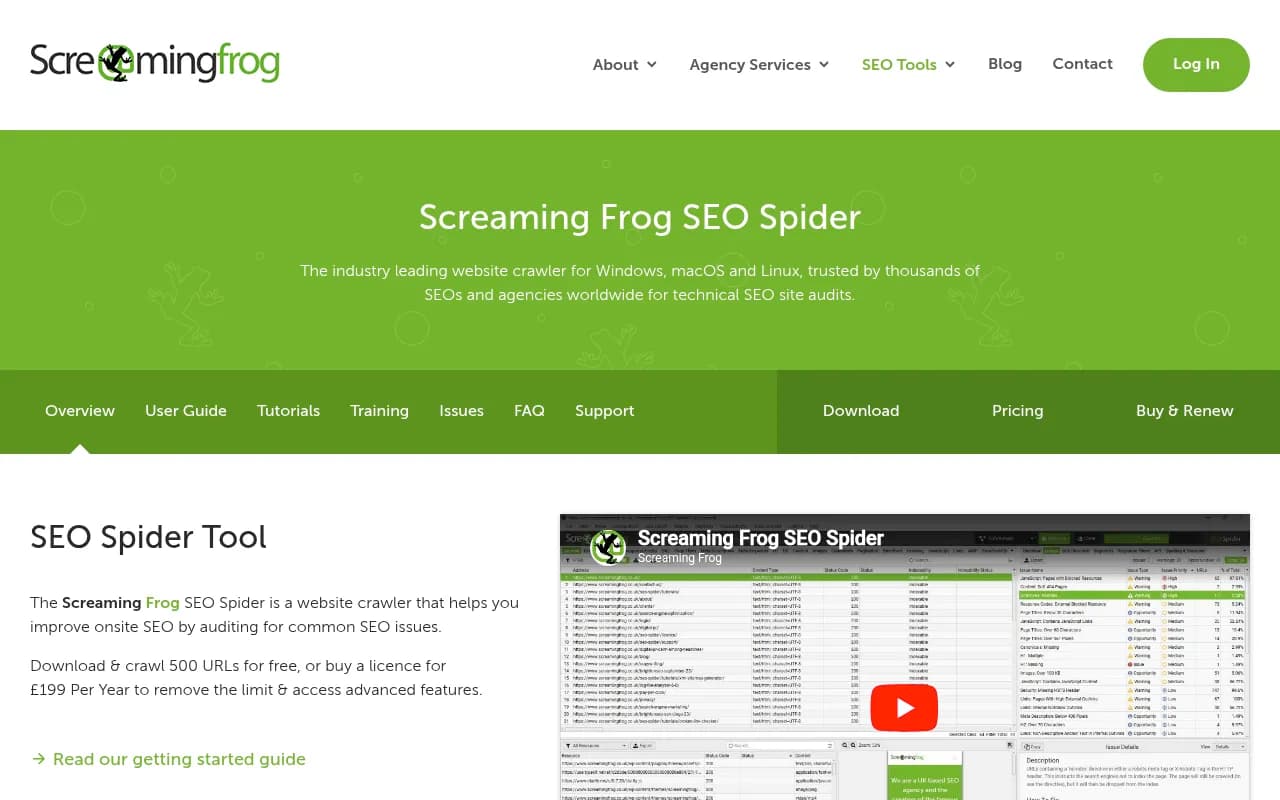
| Technical crawling | Screaming Frog SEO Spider | Useful for status codes, canonicals, and rendering checks |

The useful split is monitoring versus action. A tracker that only tells you that you dropped is half a tool. The part that matters on a bad day is seeing why: which crawlers hit errors, which sources stopped citing you, which pages never got cited at all. Omnia's guide to ChatGPT rank tracking tools covers this procurement angle in depth, and the GEO software directory at bestgeosoftware.com is a good place to compare more options.
Common mistakes
- Changing five things at once. You will not know which one worked.
- Blaming your content for a platform-wide shift.
- Treating one lost run as a trend.
- Rewriting pages that are fine while a robots.txt line is quietly blocking GPTBot.
- Chasing news-style content when your wins came from durable pages.
- Skipping the Google side. If Search Console shows stable positions but falling CTR, the issue is the SERP, not ChatGPT specifically.
A short checklist you can print
- Confirm the drop lasts more than 48 hours across multiple runs.
- List the affected prompts, topics, countries, and the start date.
- Compare the start date to known platform changes (March 4, August 8, August 14, 2026).
- Check whether competitors fell too.
- Test crawler access, status codes, rendering, and schema.
- Identify the competitor or source that replaced you.
- Check whether the affected pages are simply aging out.
- Ship one fix. Log it.
- Re-check in 48 to 72 hours.
- Repeat with the next suspect only if needed.
Most drops turn out to be one of three things: a platform shift you cannot control, a crawl problem you can fix in an afternoon, or a stale page that needs fresh facts. Find out which before you spend a week on the wrong one.
For more research on how ChatGPT chooses its sources, the Promptwatch Data hub is updated regularly and is worth bookmarking.