Key takeaways
- AI models learn your brand from third-party sources (85% of citations come from external sites), so a rebrand that only updates your own website leaves a dangerous gap between your new identity and what AI engines actually say about you.
- Citation equity built under your old brand name doesn't automatically transfer -- you have to actively migrate it, or you start from zero in every LLM.
- The window between your rebrand launch and AI models "catching up" is typically 4-12 weeks, during which competitors can fill the visibility gap you've left open.
- A pre-rebrand citation audit is non-negotiable. You need to know exactly where you're being cited before you change anything.
- Tracking tools like Promptwatch can show you which pages are getting cited, by which models, and how your visibility score changes week over week during the transition.
Rebranding is one of the most disruptive things you can do to your digital presence. Everyone knows about the SEO risks -- 301 redirects, link equity, domain authority. Marketing teams have checklists for those. But in 2026, there's a second visibility layer that most rebrand playbooks completely ignore: AI search.
When ChatGPT, Perplexity, Claude, or Google AI Overviews answer a question about your category, they're not just pulling from your website. They're drawing on a web of third-party sources -- reviews, press coverage, Reddit threads, industry directories, YouTube videos, comparison articles -- that have accumulated over months or years under your old brand name. Change the name, and that entire web of citations still points to a company that no longer exists by that name.
This guide walks through exactly what happens to AI visibility during a rebrand, what breaks, what survives, and what you need to do before, during, and after to protect your position in AI-generated answers.
Why AI visibility is different from traditional SEO during a rebrand
In traditional SEO, a rebrand with proper redirects preserves most of your ranking equity. Google follows the 301, passes link juice, and within a few weeks your new domain is ranking where the old one did. It's not painless, but the mechanics are well understood.
AI search doesn't work that way. According to Ahrefs' analysis of citation patterns, 80% of URLs cited by large language models don't even rank in Google's top 100 for the query that prompted the citation. Only 12% of URLs cited by ChatGPT, Perplexity, and Copilot rank in Google's top 10. The implication is significant: AI models are not simply mirroring Google's index. They're drawing from a much broader, messier pool of sources -- and many of those sources have no idea you've rebranded.
A 301 redirect tells Google's crawler what happened. It tells nothing to the Reddit thread from 18 months ago that recommends your old brand by name. It tells nothing to the G2 review page, the industry blog comparison, or the podcast transcript where someone mentioned you. Those sources keep pointing to your old name, and AI models keep learning from them.
BrightEdge data from April 2026 shows AI agent requests have reached 88% of human organic search volume. By end of year, AI-driven queries are projected to surpass human-driven search entirely. That's the environment you're rebranding into. The stakes for getting this wrong are higher than they've ever been.
What actually breaks during a rebrand
Let's be specific about the failure modes, because they're not all obvious.
Brand entity confusion
AI models build a mental model of your brand as an entity -- a cluster of associations, attributes, and relationships. When you change your name, you're asking every AI model to update that entity. But they don't update on command. They update when they encounter enough new, consistent information from credible sources to revise their model.
In the meantime, you get a period of entity confusion where some models know you by your new name, some still use the old one, and some give answers that mix both or simply stop mentioning you because the signal is too noisy. This is the most damaging phase, and it can last weeks.
Citation orphaning
Your old brand name had citations -- mentions in articles, reviews, comparisons, and directories that AI models used as sources. When you rebrand, those citations don't disappear, but they become orphaned from your new identity. A query about your new brand name returns nothing, because nothing has been written about it yet. A query about your old name still surfaces the old citations, which may now point to a redirected domain or, worse, a dead page.
Prompt coverage collapse
Over time, you'd built up visibility for specific prompts -- questions like "best [category] tool for [use case]" where AI models had learned to recommend you. That prompt coverage is tied to your brand name and the content associated with it. After a rebrand, you essentially start from zero on prompt coverage for your new name, even if the underlying product hasn't changed at all.
Third-party source lag
This is the biggest one. Research from Jarred Smith's AEO Practitioner's Playbook (citing Profound's analysis of 30 million citations) found that 85% of AI citations come from third-party sources. Your own website is a minority of what AI models use to understand you. That means the vast majority of your citation infrastructure is outside your control -- and it won't update just because you updated your homepage.
The pre-rebrand audit: what you need to know before you change anything
The single most important thing you can do before a rebrand is understand exactly where your current AI visibility lives. Not just which models mention you, but which specific prompts trigger your brand, which third-party sources are being cited when you appear, and what sentiment those citations carry.
Without this baseline, you have no way to measure what you've lost or what you need to rebuild.
Here's what a pre-rebrand AI visibility audit should cover:
Prompt inventory. Map out every prompt category where your brand currently appears in AI answers. "Best [category] for [use case]", comparison queries, problem-solution queries. You need a list of these before you rebrand so you can track whether your new brand name eventually recovers the same coverage.
Citation source mapping. For each prompt where you appear, identify which third-party sources are being cited. These are the sites, publications, and platforms you'll need to update or influence after the rebrand.
Competitor gap analysis. Understand which prompts your competitors own that you don't. During the rebrand window, competitors can expand into the gaps you leave open. Know where those gaps are before they widen.
Sentiment baseline. AI models don't just cite you -- they characterize you. What attributes do they associate with your brand? You want to know this before the rebrand so you can intentionally shape what attributes get associated with your new name.
Promptwatch is built for exactly this kind of audit -- it tracks citations across 10 AI models, shows you which pages are being cited and by which models, and gives you prompt-level visibility scores you can use as a baseline.

The rebrand window: what to do in the first 30 days
The first 30 days after a rebrand launch are the most critical for AI visibility. This is when the gap between your new identity and what AI models know about you is widest.
Day 1-7: technical foundation
Get the technical basics right immediately. This means proper 301 redirects from old URLs to new ones, updated canonical tags, and a fresh sitemap submission. Make sure your new domain is crawlable and that AI crawlers aren't hitting errors. Tools like Promptwatch's crawler logs show you in real time which AI crawlers are hitting your site, which pages they're reading, and what errors they're encountering -- this is genuinely useful during a rebrand because you can catch indexing problems before they compound.
Day 1-14: owned content migration
Every piece of content on your site should now use your new brand name consistently. This sounds obvious, but it's easy to miss -- old brand mentions in blog posts, case studies, author bios, schema markup, and meta descriptions. AI models read all of this. Inconsistency confuses entity resolution.
Update your schema markup specifically. Organization schema with your new name, logo, and social profiles helps AI models build an accurate entity model faster.
Day 1-30: third-party source outreach
This is the work most rebrand teams skip, and it's the most important for AI visibility. Make a prioritized list of the third-party sources that were driving your old brand's citations -- the review platforms, industry directories, comparison sites, and publications that AI models were pulling from. Reach out to each one and request updates.
Some will update quickly (G2, Capterra, Clutch have processes for this). Others won't. For the ones that won't, your best option is to create new content that AI models can use instead -- fresh comparison articles, updated case studies, new press coverage under your new name.
The recovery phase: weeks 4-12
After the initial migration work, you enter a recovery phase where AI models are gradually updating their understanding of your brand. This is slower than most teams expect, and it requires sustained effort.
Building new citation infrastructure
Your new brand name needs its own citation infrastructure from scratch. That means:
Getting covered by publications that AI models trust. Look at which domains appear most often in AI citations for your category -- those are the outlets you want coverage in. Press releases alone won't do it. You need substantive coverage that gives AI models something to cite.
Creating content that answers the specific questions AI models get asked about your category. If you know which prompts drove your old brand's visibility, create content under your new name that directly addresses those same questions. The content needs to be genuinely useful -- AI models are good at detecting thin content written purely for citation purposes.
Building presence on Reddit and YouTube. This sounds odd, but both platforms have outsized influence on AI citations. Reddit discussions show up in AI answers far more often than their traditional SEO weight would suggest. A few well-placed, genuinely helpful comments or posts in relevant subreddits can accelerate your new brand's citation velocity significantly.
Monitoring the transition
You need to be tracking your AI visibility weekly during this period, not monthly. The metrics that matter:
- Brand mention rate: how often does your new brand name appear in AI answers for your target prompts?
- Citation source diversity: are you being cited from multiple third-party sources, or just your own site?
- Prompt coverage: how many of your target prompts now surface your new brand name?
- Competitor share: are competitors filling the gaps you've left open?
A rebrand visibility timeline: what to expect
| Phase | Timeline | AI visibility status | Priority actions |
|---|---|---|---|
| Pre-rebrand audit | 4-6 weeks before | Baseline established | Prompt inventory, citation mapping, competitor analysis |
| Launch week | Day 0-7 | Maximum confusion | Technical redirects, schema update, crawler error monitoring |
| Early recovery | Week 2-4 | Old citations still dominant | Third-party outreach, new content creation, PR push |
| Mid recovery | Week 4-8 | Mixed signals across models | Monitor weekly, fill content gaps, Reddit/YouTube presence |
| Late recovery | Week 8-12 | New brand gaining traction | Measure prompt coverage recovery, adjust content strategy |
| Stabilization | Week 12+ | New brand entity established | Ongoing monitoring, expand prompt coverage |
The 4-12 week recovery window assumes you're actively working on it. If you do nothing beyond the technical migration, recovery can take 6+ months -- and some citation equity never comes back because the third-party sources that drove it have moved on.
Common mistakes that extend the recovery window
Treating it like a traditional SEO rebrand. The 301 redirect mindset doesn't translate. You need a separate AI visibility strategy running in parallel.
Ignoring third-party sources. Your own website is maybe 15% of what AI models use to understand you. Spending all your effort on your own content while ignoring the other 85% is a losing strategy.
Not monitoring during the transition. Teams often do a big push at launch and then check back three months later. The window between weeks 2-6 is when you can catch problems and course-correct. Weekly monitoring during this period is worth the effort.
Launching without new content ready. Your new brand name needs content associated with it from day one. If you launch the rebrand with no content under the new name, AI models have nothing to cite. Prepare a content library before launch -- comparison articles, use case guides, thought leadership pieces -- all published under your new brand identity.
Underestimating entity confusion duration. Some AI models update faster than others. ChatGPT, Perplexity, and Google AI Overviews all have different update cycles and different source weights. What's true in one model may not be true in another for weeks. You need to track each model separately, not assume they're all in sync.
Tools that help during a rebrand
A few tools worth knowing about for the AI visibility side of a rebrand:
Promptwatch covers the full loop -- pre-rebrand audit, weekly tracking during transition, content gap analysis to identify what you need to create under your new name, and traffic attribution to connect visibility changes to actual revenue. The crawler logs are particularly useful during a rebrand because you can see exactly which AI crawlers are hitting your new domain and whether they're encountering errors.
For monitoring brand mentions across traditional and social channels (which feed into AI citations indirectly), Brand24 tracks mentions across 25M+ sources in real time.
If you need to build out content under your new brand name quickly, Surfer SEO helps optimize content for both traditional and AI search signals.
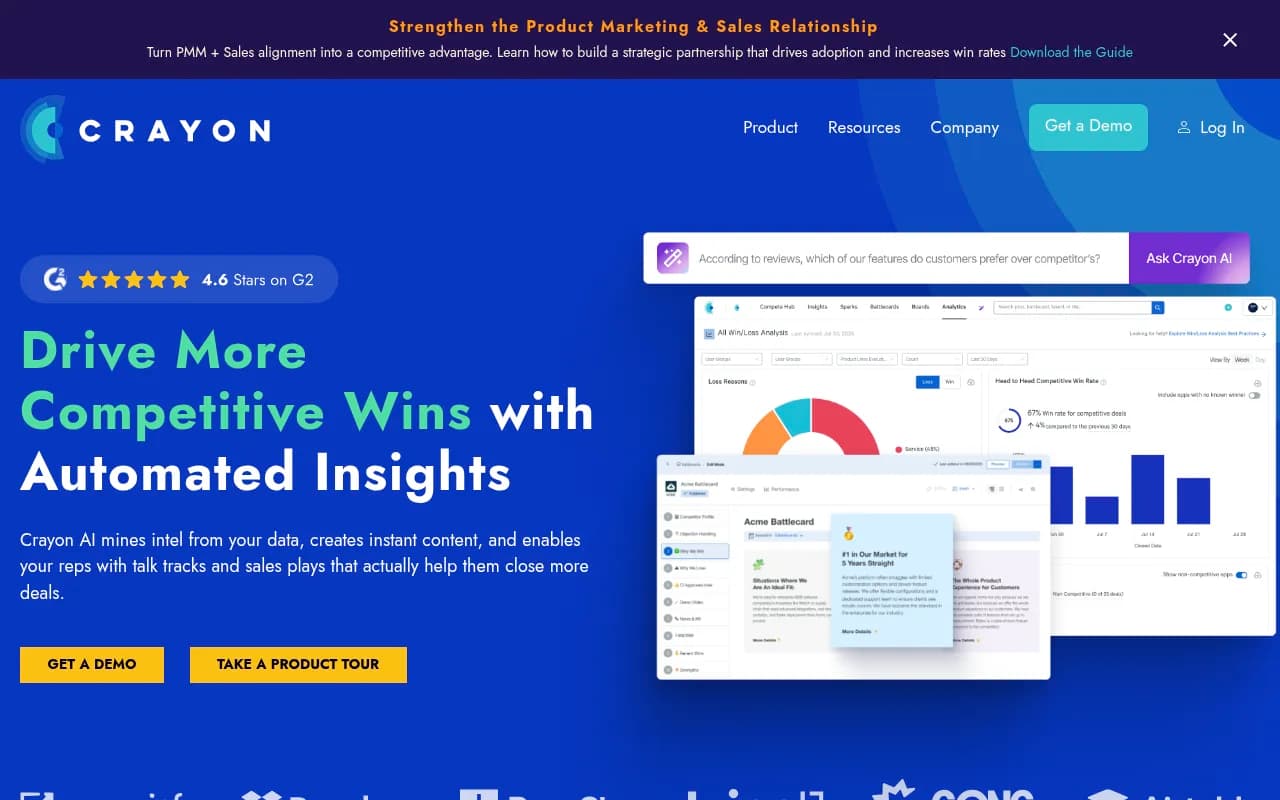
For competitive intelligence -- understanding which competitors are expanding into your visibility gaps during the rebrand window -- Crayon tracks competitor moves across channels.
The bigger picture: rebrands are an AI visibility stress test
A rebrand exposes every weakness in your AI visibility strategy. If you've been relying on your own website for citations, a rebrand will reveal how thin that foundation is. If you haven't built relationships with the third-party sources that AI models trust, you'll feel that absence acutely during the recovery phase.
But a rebrand is also an opportunity. You're rebuilding your brand entity from scratch in AI models' understanding. That means you can deliberately shape what attributes get associated with your new name, which prompts you show up for, and which sources carry your story. Teams that approach the rebrand with an intentional AI visibility strategy often end up with better AI search positioning than they had before -- because they're building it systematically rather than letting it accumulate by accident.
The brands that get this right in 2026 treat AI visibility as a first-class concern during the rebrand process, not an afterthought. They audit before they launch, they monitor weekly during the transition, and they invest in the third-party citation infrastructure that AI models actually rely on. That's the playbook.