Key takeaways
- Qwairy is a solid GEO monitoring tool for teams that want clean dashboards and prompt tracking across major LLMs.
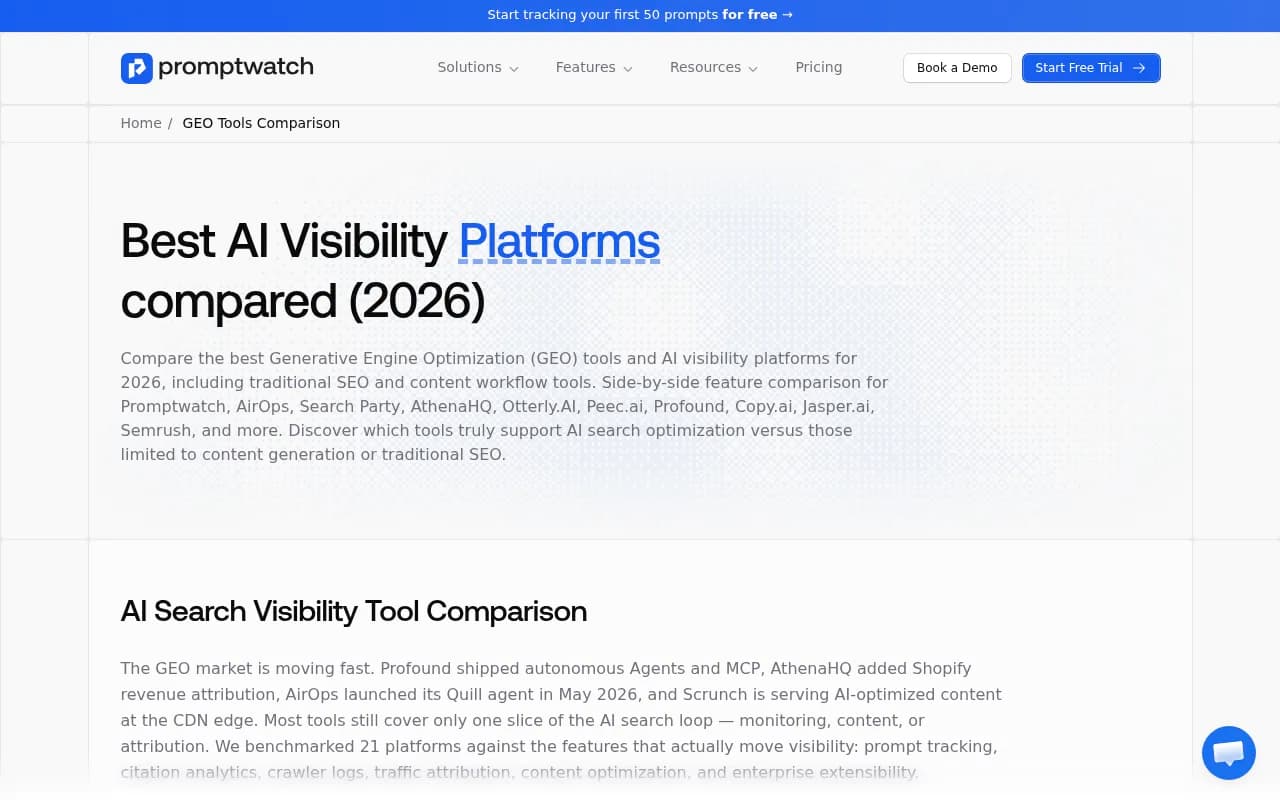
- Promptwatch covers the full optimization loop: track gaps, generate content, measure results -- all in one platform.
- The biggest practical difference is what happens after you see the data. Qwairy shows you where you're invisible. Promptwatch shows you that, then helps you fix it.
- For teams that already have a content workflow and just need visibility data, Qwairy can work. For teams that want to move from invisible to cited as fast as possible, Promptwatch has more of the machinery built in.
- Pricing is competitive at entry level, but the gap widens as you need features like crawler logs, content generation, and traffic attribution.
The AI search visibility space has gotten crowded fast. Eighteen months ago, most marketing teams hadn't heard of GEO. Now there are dozens of tools claiming to help you rank in ChatGPT, Perplexity, and Google AI Overviews. Qwairy and Promptwatch are two of the more talked-about options in 2026 -- and they look similar on the surface. Both track brand mentions in AI responses. Both cover multiple LLMs. Both give you some kind of prompt analysis.
But they're built around different assumptions about what you actually need. This comparison breaks down where they differ, which one is faster to act on, and which is worth your money depending on your situation.
What each platform is trying to do
Before getting into features, it helps to understand the design philosophy behind each tool.
Qwairy is built as a GEO monitoring and optimization platform. The core idea is giving brands visibility into how AI search engines respond to queries in their category -- who gets cited, what content those citations come from, and where your brand is absent. It's clean, relatively easy to onboard, and covers the major LLMs you'd expect.
Promptwatch takes a different angle. It's built around what the team calls an "action loop": find the gaps, create content to fill them, then track whether that content gets cited. Monitoring is part of it, but it's not the end goal. The platform is designed to keep moving -- from data to content to results -- without you having to stitch together separate tools.

That difference in philosophy shows up everywhere: in the features, in the pricing tiers, and in how much you can actually accomplish inside the platform versus outside it.
Feature comparison
Here's how the two platforms stack up across the capabilities that matter most for AI search visibility:
| Feature | Qwairy | Promptwatch |
|---|---|---|
| Prompt tracking | Yes | Yes (50-350+ prompts depending on plan) |
| LLMs monitored | Multiple (ChatGPT, Perplexity, Gemini) | 10+ (ChatGPT, Claude, Gemini, Perplexity, Grok, DeepSeek, Copilot, Meta AI, Mistral, Google AI Overviews) |
| Citation & source analysis | Basic | Deep (page-level, domain, Reddit, YouTube) |
| Answer gap analysis | Limited | Yes -- shows exact prompts competitors rank for that you don't |
| AI crawler logs | No | Yes (real-time logs of AI crawlers hitting your site) |
| Content generation | No | Yes (AI Content Agents grounded in prompt + citation data) |
| Traffic attribution | No | Yes (connects AI visibility to actual revenue) |
| ChatGPT Shopping tracking | No | Yes |
| Reddit & YouTube insights | No | Yes |
| Competitor heatmaps | Basic | Yes (side-by-side visibility vs competitors per LLM) |
| Multi-language / multi-region | Limited | Yes |
| Prompt volume & difficulty scores | No | Yes |
| Query fan-outs | No | Yes |
| Page-level visibility tracking | No | Yes |
| API / Looker Studio export | No | Yes |
| Free trial | Yes | Yes |
The monitoring side is reasonably comparable at entry level. Where Promptwatch pulls ahead is everything that comes after you see the data -- the content generation, crawler logs, traffic attribution, and the depth of citation analysis.

Going deeper on the key differences
Answer gap analysis
This is probably the most important feature for anyone serious about improving AI visibility, not just measuring it.
Promptwatch's Answer Gap Analysis shows you the specific prompts where competitors are getting cited and you're not. Not vague categories -- the actual questions AI models are answering, with your competitors' content in the response and yours absent. That's actionable. You know exactly what to write.
Qwairy has some gap-related reporting, but it's less granular. You get a sense of where you're underperforming, but the specificity needed to turn that into a content brief isn't really there.
AI crawler logs
This one's easy to overlook until you actually need it. Promptwatch logs every time an AI crawler (ChatGPT's bot, Perplexity's crawler, Claude's agent) hits your website -- which pages they read, how often, whether they hit errors, and when a crawl eventually turns into a citation.
That's genuinely useful for diagnosing why a page isn't getting cited despite ranking well in traditional search. Maybe the crawler keeps hitting a 403. Maybe it's reading the wrong version of the page. Without crawler logs, you're guessing.
Qwairy doesn't have this. Most competitors don't either.
Content generation
Promptwatch has Content Agents that generate articles, listicles, and comparison pages grounded in real prompt data, citation data, and competitor analysis. The output isn't generic -- it's built around the specific gaps the platform identified. You can feed in brand guidelines, upload knowledge base files, and the agent incorporates search results and news context.
Qwairy doesn't have content generation. You'd need to take the insights and move to a separate tool to act on them.
Traffic attribution
Knowing your brand appeared in a Perplexity response is useful. Knowing that appearance drove 340 sessions and contributed to 12 conversions is much more useful -- especially when you're trying to justify GEO investment to a CFO.
Promptwatch connects AI visibility to actual website traffic and revenue through integrations with Cloudflare, Fastly, Vercel, server logs, and Google Search Console. Qwairy doesn't have this layer.
Pricing comparison
| Plan | Qwairy | Promptwatch |
|---|---|---|
| Entry | Varies | $99/mo (1 site, 50 prompts, 5 articles) |
| Mid-tier | Varies | $249/mo (2 sites, 150 prompts, 15 articles, crawler logs) |
| Growth | Varies | $579/mo (5 sites, 350 prompts, 30 articles) |
| Agency/Enterprise | Custom | Custom |
| Free trial | Yes | Yes |
| Annual discount | Yes | Yes |
Qwairy's pricing isn't fully public, so direct comparison is tricky. Promptwatch's pricing is transparent and tiered by sites, prompt volume, and article generation capacity. The $99 Essential plan is a reasonable entry point for a single brand. Crawler logs and traffic attribution kick in at the Professional tier ($249/mo).
One thing worth noting: Promptwatch's article generation is included in the plan price. If you're currently paying for a separate content tool on top of a monitoring tool, consolidating into Promptwatch can actually reduce total spend.
Which platform is faster to act on?
This is the real question the title is asking. Speed from invisible to cited depends on two things: how quickly you can identify what's missing, and how quickly you can create content to fill it.
With Qwairy, the workflow looks like: see the data, export or interpret it, brief a writer or content team, publish, wait, check again. That's a reasonable workflow if you have the content resources and the time.
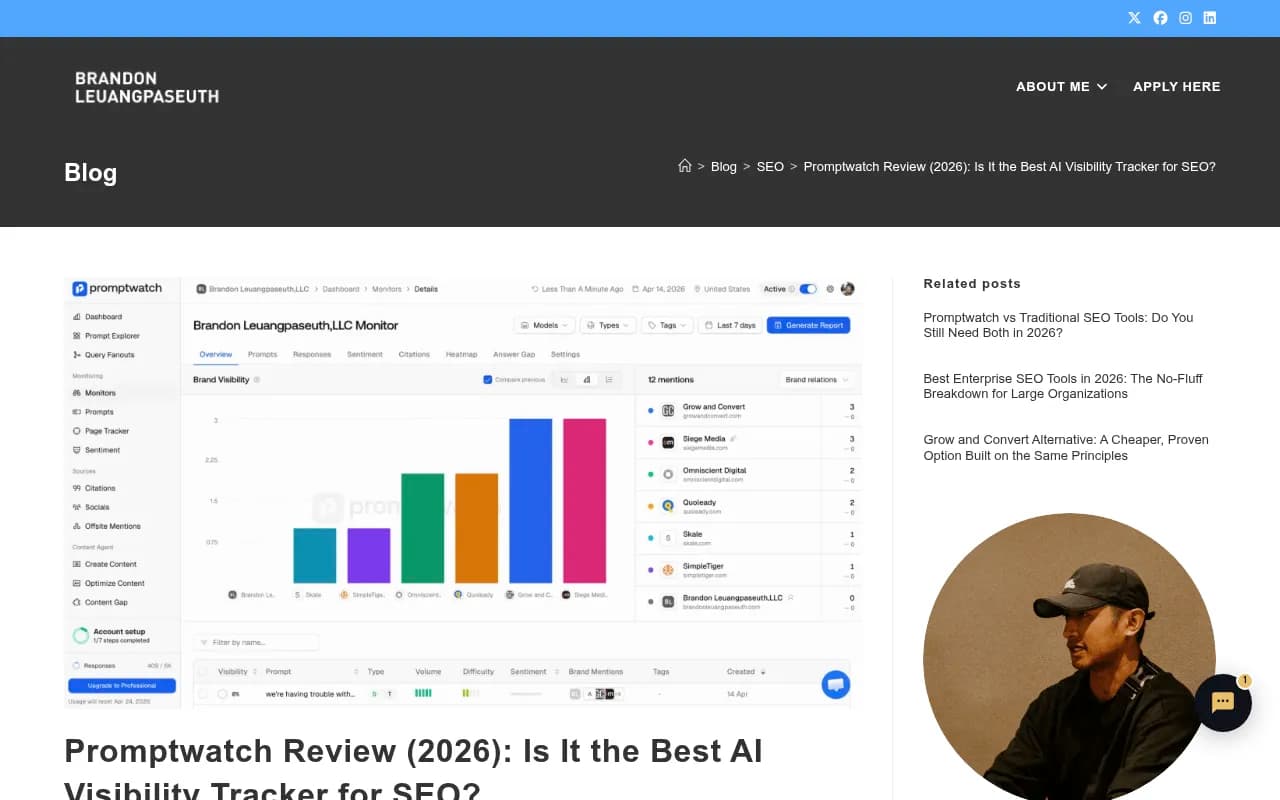
With Promptwatch, the workflow is: see the gap, run a Content Agent, review and publish, watch the crawler logs to see when AI models pick it up, track the citation in your visibility dashboard. The loop is tighter because more of it happens inside the platform.
For a team with limited bandwidth -- a two-person marketing team, a lean agency, a startup trying to outmaneuver a well-funded competitor -- the tighter loop matters a lot. You're not waiting on handoffs between tools.
When Qwairy might be the better choice
To be fair: Qwairy isn't a bad tool. There are situations where it makes sense.
If your team already has a strong content operation and just needs visibility data to inform it, Qwairy's monitoring capabilities may be enough. You don't necessarily need content generation built into your GEO platform if you have writers who can act on the insights quickly.
Qwairy is also worth considering if you're early in the GEO journey and want to start with a simpler, lower-commitment tool before investing in a full-stack platform. Getting familiar with how AI citations work, what prompts matter in your category, and how your brand compares to competitors is valuable even without the advanced features.
When Promptwatch is the better choice
Promptwatch makes more sense when:
- You need to move fast and don't have time to stitch together monitoring + content + attribution tools
- You want to understand why you're not getting cited (crawler logs, page-level tracking) not just that you're not
- You're managing multiple sites or clients and need everything in one dashboard
- You want to connect AI visibility to revenue, not just impressions
- You're in a competitive category where competitors are already investing in GEO and you need to close the gap quickly
The 1,480+ brands using Promptwatch -- including Booking.com and Center Parcs -- are mostly in that second camp. They're not just curious about AI visibility; they're trying to win it.
A note on the broader market
Qwairy and Promptwatch are two of many tools in a fast-moving space. Others worth knowing about include:
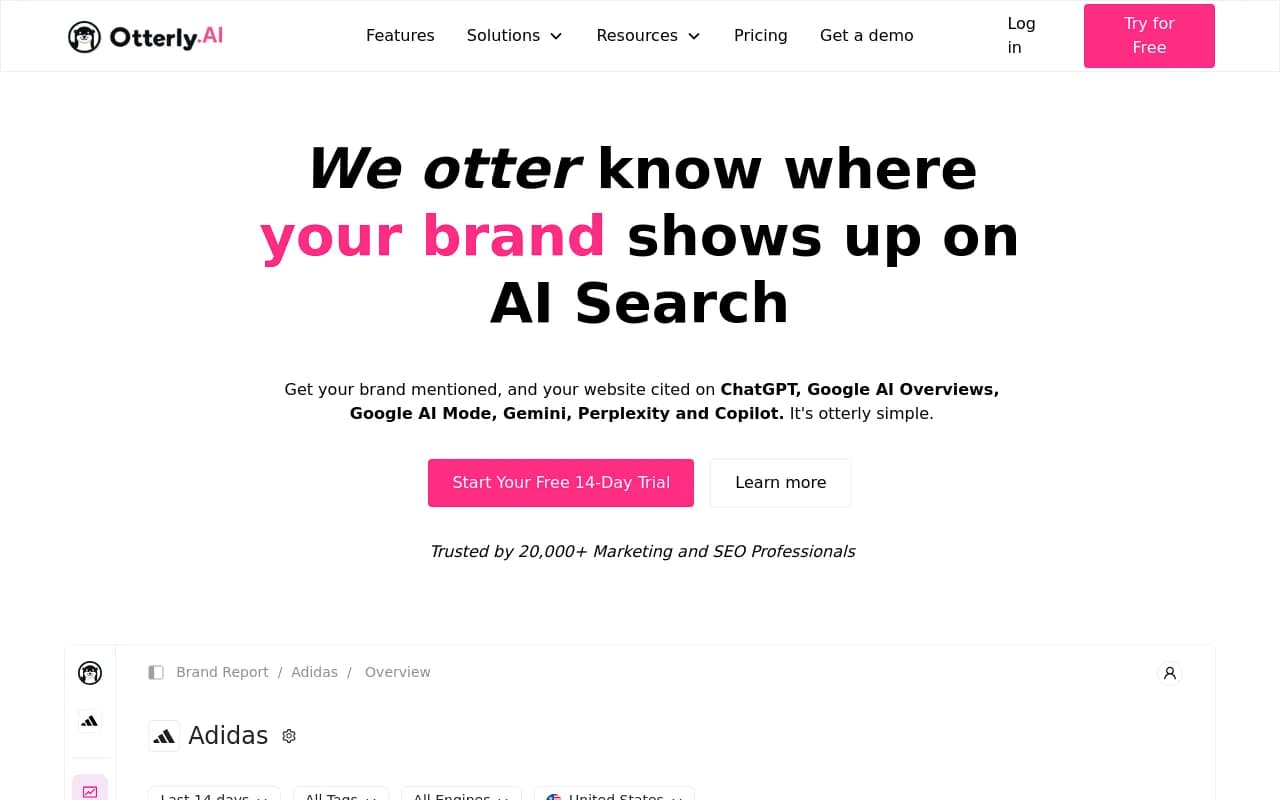
- Otterly.AI -- affordable entry-level monitoring, good for getting started
- Profound -- strong enterprise feature set, higher price point
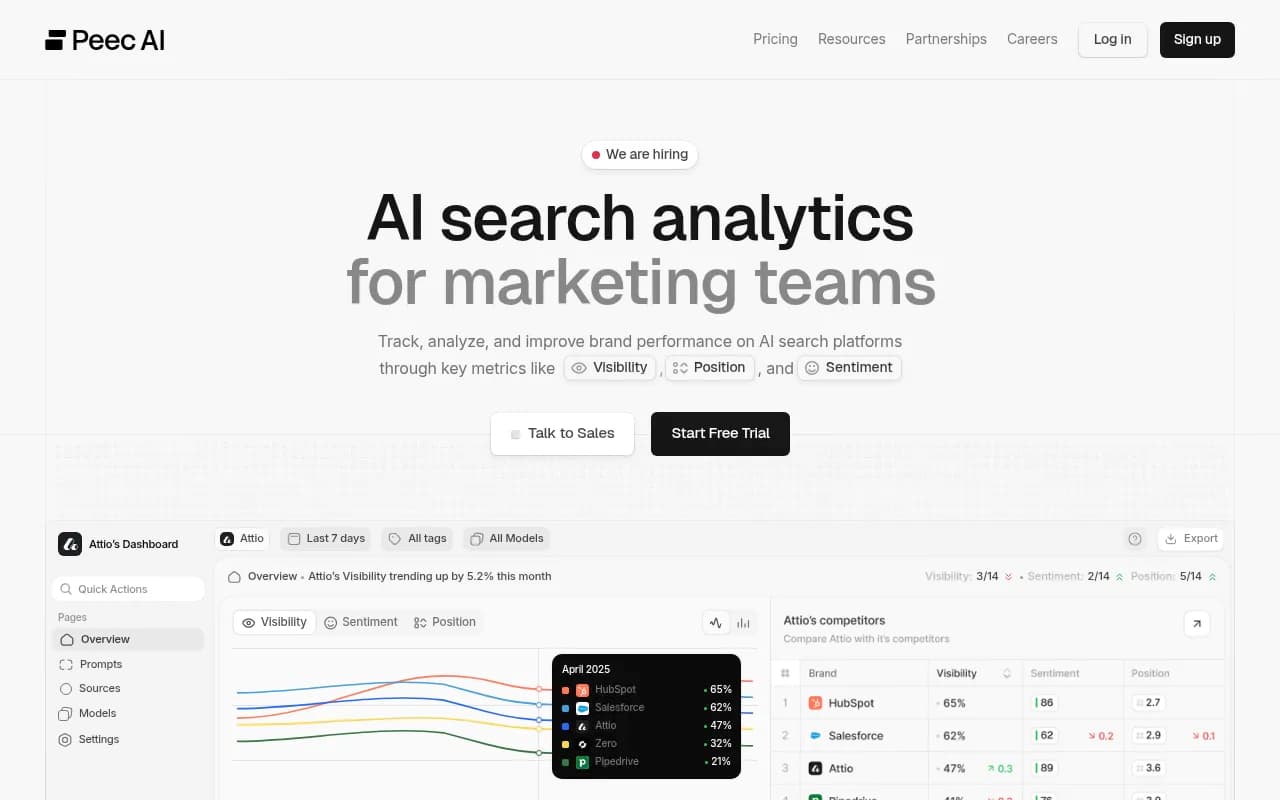
- Peec AI -- monitoring-focused, no content generation
- Airefs -- budget-friendly AI search monitoring
Most of these tools sit in the monitoring-only camp. The ones that have moved toward optimization and content generation -- Promptwatch being the clearest example -- tend to deliver faster results because they close the loop between insight and action.
Bottom line
If you're choosing between Qwairy and Promptwatch in 2026, the decision comes down to what you need the tool to do.
Qwairy is a monitoring tool with some optimization features. It tells you where you stand. Promptwatch is an optimization platform that also monitors. It tells you where you stand, why, and what to do about it -- then helps you do it.
For most marketing teams that are serious about AI search visibility, the latter is more useful. The speed advantage is real: fewer handoffs, tighter feedback loops, and content that's built from the start to answer the exact questions AI models are already asking.
Start with a free trial of both if you want to compare the interfaces directly. But if you're looking for the platform that gets you from invisible to cited fastest, Promptwatch's action loop is hard to beat.