Key takeaways
- Writesonic is primarily an AI writing platform that added GEO monitoring features -- it's strong for content-focused teams that want to publish fast.
- Promptwatch is built as an end-to-end GEO platform where content generation is one part of a broader loop: find gaps, create content, track results.
- The core difference is depth of data: Promptwatch's content agents are grounded in real prompt volumes, citation data, crawler logs, and competitor analysis. Writesonic's content generation is faster but less tied to what AI models are actually citing.
- If you want to understand why you're invisible in AI search and fix it systematically, Promptwatch is the stronger fit. If you need to publish a lot of AI-optimized content quickly with minimal setup, Writesonic is worth considering.
- Both tools are meaningfully different from monitoring-only platforms like Otterly.AI or Peec.ai -- at least they both try to help you create content, not just watch your visibility score.
The question behind the comparison
GEO in 2026 is no longer a niche experiment. ChatGPT hit 900 million weekly users by February 2026. Google AI Overviews now appear on over 13% of all searches. Perplexity is growing fast. The brands that show up in those AI-generated answers are getting a different kind of visibility than what traditional SEO delivers -- and the brands that don't show up are starting to feel it in their pipelines.
So the question most marketing teams are wrestling with isn't "should we do GEO?" It's "what kind of GEO platform do we actually need?"
Promptwatch and Writesonic represent two genuinely different answers to that question. Writesonic started as an AI writing tool and built GEO features on top. Promptwatch was built specifically for AI search visibility, with content generation as one piece of a larger system. Neither approach is wrong -- they just serve different needs.
This guide breaks down exactly where each platform is strong, where it falls short, and how to decide which one fits your situation.
What Writesonic GEO actually is
Writesonic has been around since 2021 as an AI writing assistant. Over time it expanded into a broader content platform, and more recently it added a GEO Suite -- tools for tracking AI visibility, optimizing content for AI citations, and generating answer-oriented articles.
The pitch is integration: you can research, write, optimize, and publish without switching tools. For content teams that are already using Writesonic for blog posts and marketing copy, the GEO features feel like a natural extension.
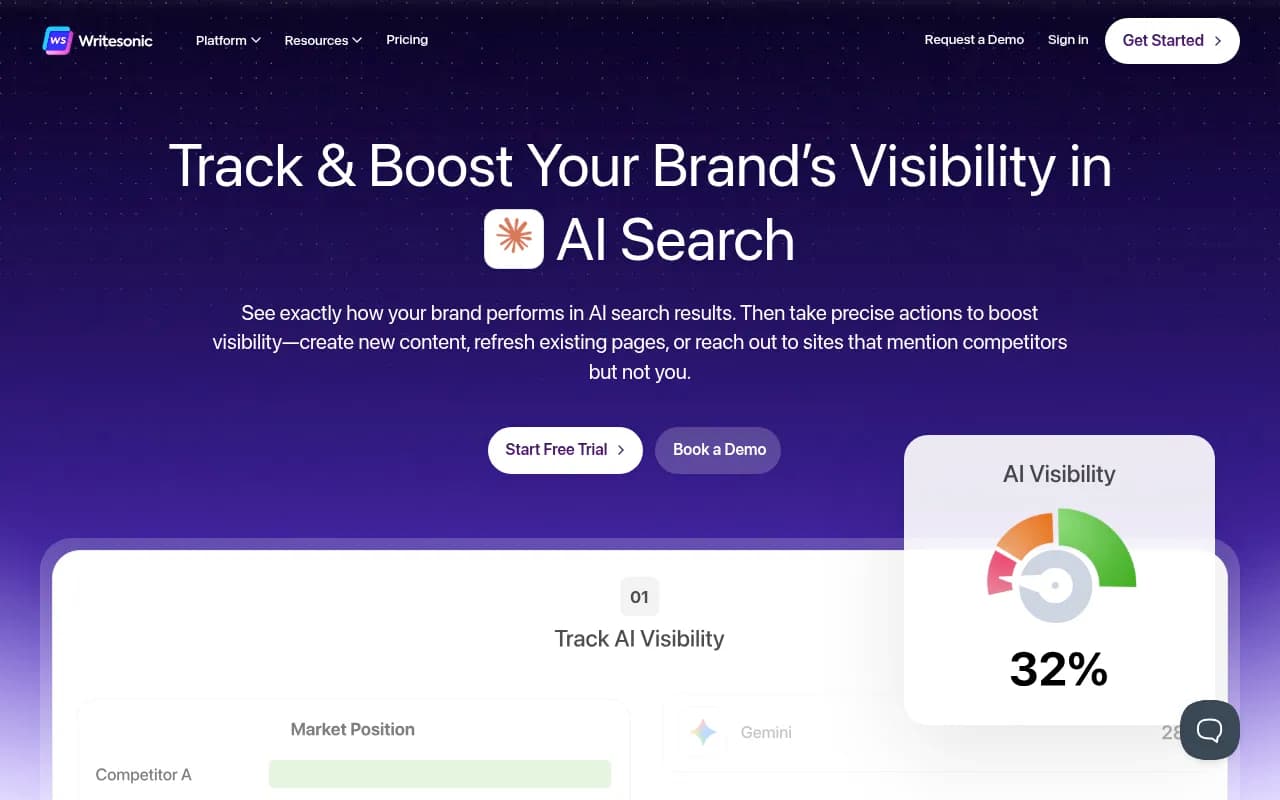
What Writesonic does well in the GEO context:
- Speed. It can generate structured, answer-oriented content significantly faster than manual processes. If you need to publish 20 articles targeting AI search queries in a week, Writesonic can get you there.
- Ease of use. The interface is designed for writers and content managers, not SEO analysts. You don't need to understand prompt engineering or citation mechanics to get started.
- Integrated workflow. Writing, SEO optimization, and basic GEO guidance live in the same platform, which reduces friction for smaller teams.
Where Writesonic runs into limits:
- Its AI engine coverage is narrower than dedicated GEO platforms. It doesn't monitor the full range of AI models (ChatGPT, Claude, Gemini, Perplexity, Grok, DeepSeek, Copilot, Meta AI, Google AI Overviews, Mistral) with the same depth.
- The content it generates is optimized for AI search in a general sense, but it's not grounded in real-time data about what specific AI models are actually citing, what prompts are driving traffic, or where your competitors are winning.
- There's no crawler log visibility -- you can't see when AI bots are hitting your site, which pages they're reading, or whether your new content is getting indexed by AI engines.
- Prompt volume and difficulty data is limited compared to platforms built specifically around prompt intelligence.
The honest summary from multiple independent reviews: Writesonic GEO Suite works well for content-focused teams that want an integrated approach and prioritize publishing speed. It's less suited for teams that need deep competitive analysis or want to understand the mechanics of why they're invisible in specific AI models.
What Promptwatch is built to do
Promptwatch takes a different starting point. It was built as a GEO and AI visibility platform first -- content generation is part of the system, but it's downstream of a monitoring and analysis layer that most content tools don't have.

The core loop works like this:
- Track how AI models respond to prompts relevant to your category -- across ChatGPT, Claude, Gemini, Perplexity, Grok, DeepSeek, Copilot, Meta AI, Google AI Overviews, and Mistral.
- Run Answer Gap Analysis to find the specific prompts where competitors are getting cited and you're not. This isn't a generic content audit -- it shows you the exact questions AI models are answering from competitor content that your site can't answer.
- Use Content Agents to generate articles, listicles, comparisons, and briefs that are grounded in that gap data. The agents pull in real prompt volumes, citation patterns, competitor analysis, brand guidelines, and search results.
- Track results at the page level: which pages are being cited, by which models, how often, and how that's changing over time.
The difference from Writesonic isn't just feature depth -- it's the quality of the signal driving content creation. When a Promptwatch Content Agent writes an article, it's working from data about what AI models are actually citing, what prompts are driving volume, and where the specific gaps are. That's a different kind of content brief than "write an AI-optimized article about X."
Promptwatch also has capabilities that don't exist in Writesonic at all: AI Crawler Logs that show you which AI bots are hitting your site and when, ChatGPT Shopping tracking, Reddit and YouTube citation analysis, offsite citation monitoring, and entity tracking. These matter because AI visibility isn't just about your own content -- it's about the whole ecosystem of sources AI models draw from.
Head-to-head comparison
| Feature | Promptwatch | Writesonic GEO |
|---|---|---|
| AI models monitored | 10+ (ChatGPT, Claude, Gemini, Perplexity, Grok, DeepSeek, Copilot, Meta AI, Google AI Overviews, Mistral) | Narrower coverage |
| Content generation | Yes -- Content Agents grounded in prompt/citation data | Yes -- fast AI writing with GEO optimization |
| Answer Gap Analysis | Yes -- shows exact prompts competitors rank for | Limited |
| Prompt volume & difficulty scoring | Yes | Limited |
| AI Crawler Logs | Yes -- real-time logs of AI bot activity on your site | No |
| Page-level citation tracking | Yes -- which pages are cited, by which model, how often | Basic |
| ChatGPT Shopping tracking | Yes | No |
| Reddit & YouTube citation analysis | Yes | No |
| Offsite citation monitoring | Yes | No |
| Competitor visibility heatmaps | Yes | Limited |
| Multi-language / multi-region | Yes | Yes |
| Pricing (entry) | $99/mo (Essential) | Lower entry point |
| Best for | Teams that want to find gaps, fix them, and track results | Content teams prioritizing publishing speed and integrated workflow |
The content generation question specifically
Both platforms generate content. But "AI content generation for GEO" means something different depending on what data is feeding the generator.
Writesonic generates content quickly. It understands that AI-optimized content should be structured, answer-oriented, and cover topics comprehensively. For a team that knows what they want to write and needs to produce it fast, that's genuinely useful.
Promptwatch's Content Agents are slower to set up but more targeted. They're built around the gap data -- so instead of deciding "I should write about X," you're starting from "AI models are citing competitors for these 12 specific prompts, and here's the content that would close those gaps." The briefs include screenshots of actual AI responses, competitor citation analysis, prompt volume data, and brand guidance. That's a meaningfully different input into the writing process.
There's also the question of what happens after you publish. Promptwatch's Agent Analytics tracks the timeline from publish to crawl to citation -- you can see when AI bots discovered your new content, when they started citing it, and how your visibility scores changed. That feedback loop is what makes it an optimization platform rather than a content tool.
Writesonic doesn't have an equivalent to that post-publish tracking layer. You can see general visibility metrics, but the connection between specific content you created and specific citation outcomes is less direct.
Who should use which
Writesonic GEO makes sense if:
- Your primary bottleneck is content production speed
- You're already using Writesonic for other writing tasks and want GEO features without adding another platform
- You have a smaller budget and need a starting point
- Your team is content-focused rather than analytics-focused
Promptwatch makes sense if:
- You want to understand specifically why you're invisible in AI search, not just publish more content
- You're competing in a category where competitors are already winning AI citations and you need to close the gap systematically
- You need to track AI crawler activity on your site and understand how AI models are discovering (or failing to discover) your content
- You're managing multiple sites or running an agency with multiple clients
- You want to connect AI visibility to actual traffic and revenue attribution
A note on the broader landscape
It's worth naming that both Promptwatch and Writesonic are doing more than most GEO tools. A lot of platforms in this space -- Otterly.AI, Peec.ai, and several others -- are essentially monitoring dashboards. They show you your visibility score and leave you to figure out what to do about it.


At least Writesonic and Promptwatch both try to help you create content that improves visibility, not just measure the problem. That's a meaningful distinction.
The deeper difference is that Promptwatch closes the loop between data and action in a way that Writesonic doesn't. The gap analysis tells you what to create. The content agents create it from real data. The crawler logs and page-level tracking tell you whether it worked. That cycle -- find gaps, generate content, track results -- is what separates an optimization platform from a content tool with GEO features bolted on.
For teams that are serious about AI search visibility in 2026, that distinction matters more than it might seem. Publishing more content is easy. Publishing the right content, knowing it got indexed by AI crawlers, and watching your citation share grow -- that's harder, and it requires a different kind of tool.
Other tools worth knowing about
If you're evaluating options beyond these two, a few platforms are worth a look depending on your specific needs:
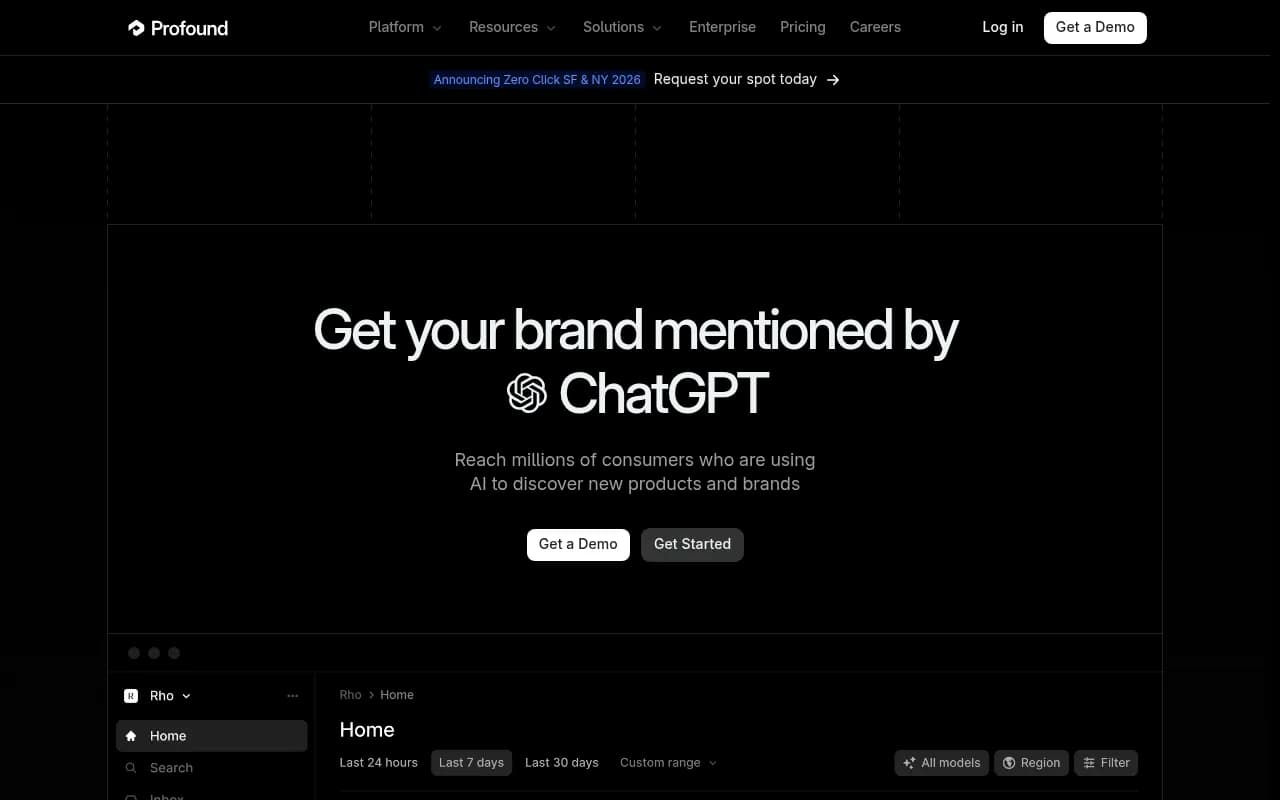
Profound is a dedicated GEO platform with strong enterprise features and solid AI engine coverage. It's monitoring-focused but has some content capabilities.
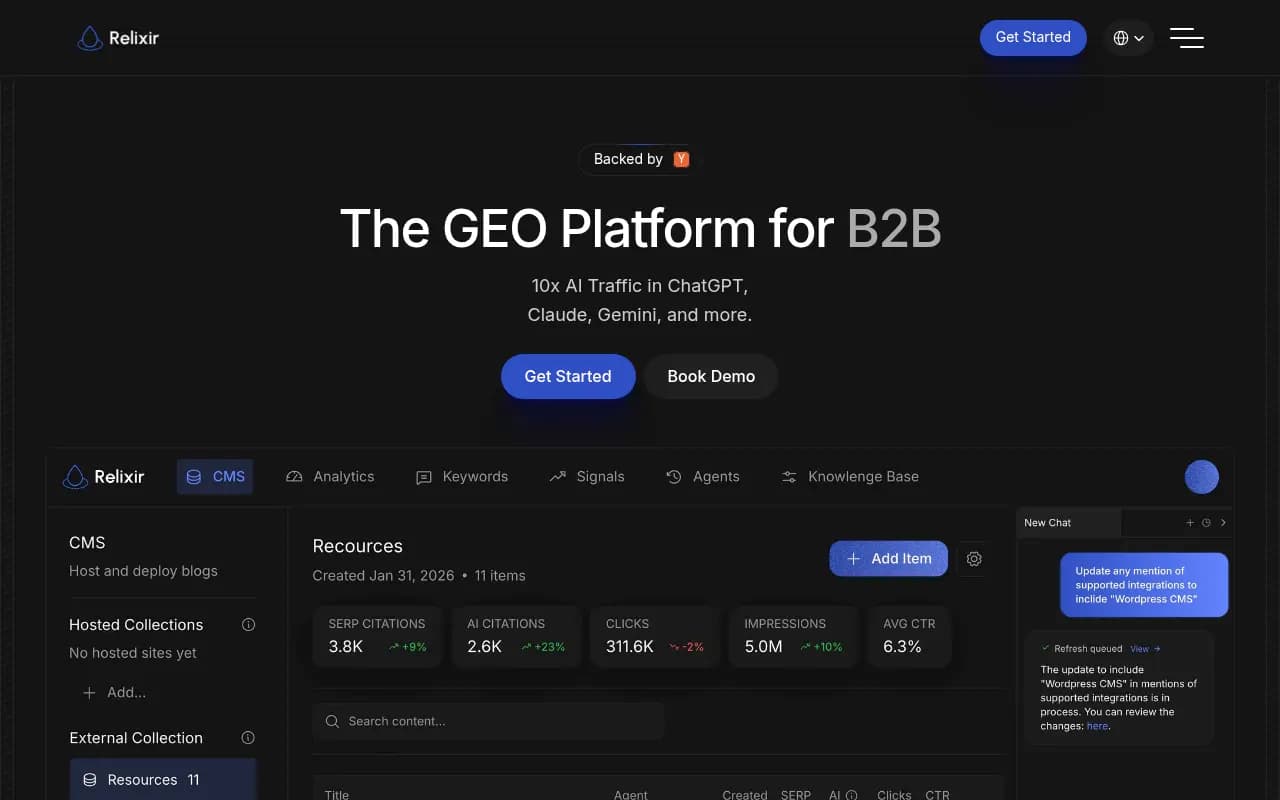
Relixir takes an all-in-one approach similar to Promptwatch, combining GEO analysis with AI content generation.
For teams focused purely on content optimization (rather than the full GEO loop), tools like Clearscope or MarketMuse are strong for traditional content quality signals, though they don't have the AI-specific citation tracking that GEO requires.


Bottom line
Writesonic GEO is a capable content platform that helps teams publish AI-optimized content faster. If speed and simplicity are your priorities, it delivers.
Promptwatch is built for teams that want to treat GEO as a systematic discipline -- find the specific gaps, generate content grounded in real citation data, and track whether it's actually working. The content generation is stronger because the data feeding it is stronger, and the post-publish tracking closes a loop that Writesonic leaves open.
For most marketing teams that are serious about AI search visibility in 2026, the question isn't really "which writing tool should I use?" It's "do I have a system for finding gaps, fixing them, and measuring the results?" Promptwatch is built around that system. Writesonic is a writing tool that can help with the middle step.