Key takeaways
- Nimt.ai and ZipTie are both lightweight AI visibility tools aimed at small teams, but they take meaningfully different approaches to the problem.
- ZipTie uses real browser sessions to capture AI responses as users actually see them -- this matters especially for Google AI Overviews tracking.
- Nimt.ai combines brand tracking with an agent that audits your pages and generates content to close visibility gaps.
- Neither tool is a full GEO optimization platform; both are stronger at monitoring than at prescriptive action.
- If your team needs to go beyond tracking and actually fix visibility gaps, a more complete platform like Promptwatch is worth considering alongside these two.
The AI visibility tool market has exploded in 2026. There are now dozens of platforms promising to tell you where your brand shows up in ChatGPT, Perplexity, Gemini, and the rest. Most of them are fine at the monitoring part. The harder question is what happens after you see the data.
Nimt.ai and ZipTie sit in an interesting corner of this market. They're not trying to be enterprise command centers. They're focused, relatively affordable, and built for teams that don't have a dedicated GEO analyst on staff. That's a real niche -- and both tools fill it reasonably well, just in different ways.
This guide breaks down exactly how they compare, where each one shines, and what you'd be giving up by choosing one over the other.
What each tool is trying to do
Before getting into feature comparisons, it's worth understanding the core philosophy behind each product.
Nimt.ai
Nimt.ai describes itself as a tool that tracks your brand across every major AI model, audits your pages, finds the gaps, and produces what you need to win in AI search. That last part is the differentiator -- the Nimt Agent isn't just a dashboard. It's supposed to take you from "here's where you're invisible" to "here's what to do about it," including generating content.
In practice, this makes Nimt.ai feel more like a lightweight GEO assistant than a pure monitoring tool. It's trying to close the loop between insight and action, even if it doesn't go as deep as enterprise platforms.
ZipTie
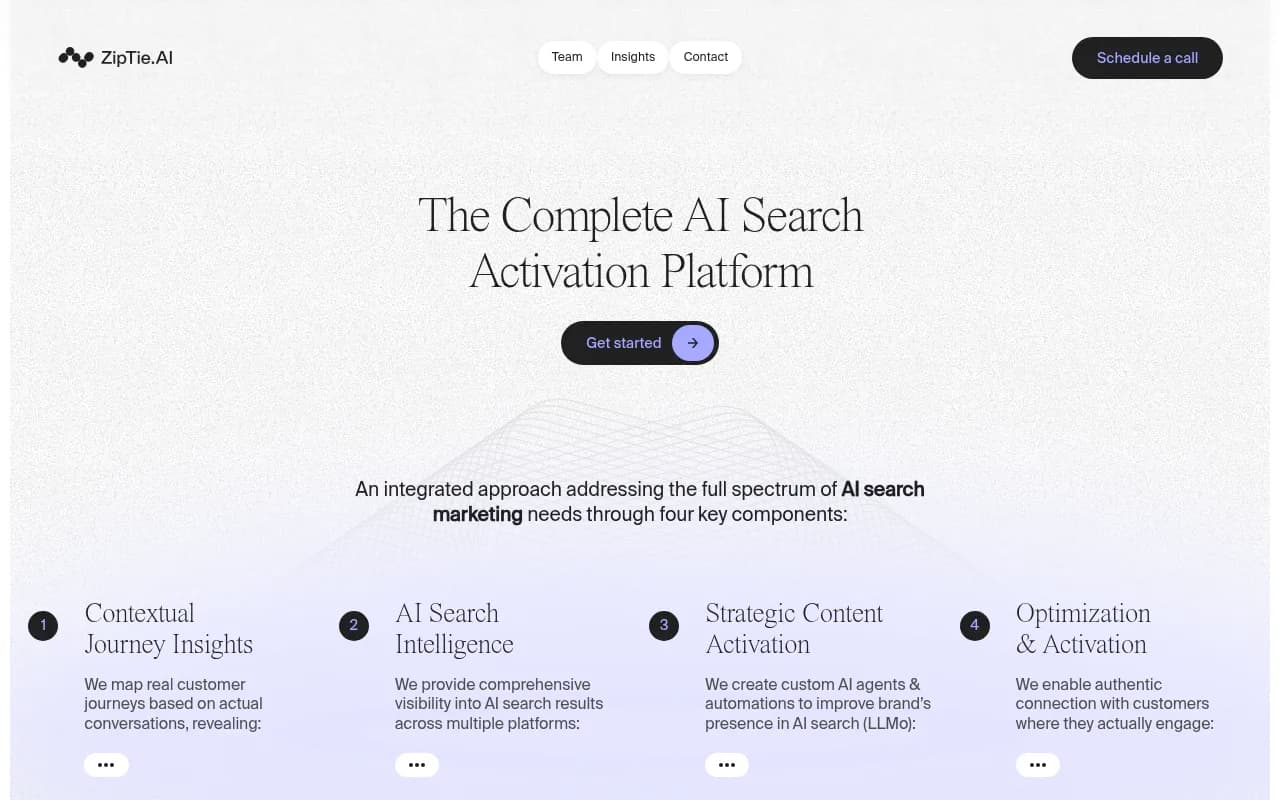
ZipTie's angle is different. Its standout technical feature is that it uses actual browser sessions to capture AI responses -- meaning it sees the same rendered output a real user would see, not just what comes back from an API call. This distinction is most relevant for Google AI Overviews, where the rendered page can differ from raw API output.
Zapier's 2026 roundup of AI visibility tools called ZipTie a great fit for teams that want to drill into GEO data at a granular level, noting that its in-app insights offer descriptive analysis rather than just raw numbers.
Feature comparison
Here's a side-by-side look at the core capabilities:
| Feature | Nimt.ai | ZipTie |
|---|---|---|
| AI models tracked | Multiple major LLMs | Multiple major LLMs |
| Real browser session capture | No | Yes |
| Google AI Overviews tracking | Basic | Strong (rendered view) |
| Page audit / gap analysis | Yes (Nimt Agent) | Limited |
| Content generation | Yes | No |
| Competitor tracking | Yes | Yes |
| Sentiment analysis | Yes | Yes |
| Citation tracking | Yes | Yes |
| Prompt volume / difficulty scoring | Limited | Limited |
| Crawler log analysis | No | No |
| Multi-language / multi-region | Limited | Limited |
| Best for | Small teams wanting monitoring + content help | Small teams wanting granular rendered-response data |
A few things stand out from this table. ZipTie's browser-session approach is genuinely useful if Google AI Overviews is a priority for your team -- it's one of the few tools that captures what users actually see rather than what the API returns. Nimt.ai's content generation capability is the more unusual feature in this tier; most monitoring-only tools at this price point don't attempt it.
What neither tool offers is the deeper infrastructure layer: AI crawler logs, traffic attribution, prompt volume data at scale, or the kind of query fan-out analysis that shows how one prompt branches into sub-queries. For that level of depth, you'd need a more complete platform.
Where ZipTie is stronger
Rendered response accuracy
The browser session approach isn't just a technical footnote. Google AI Overviews in particular can behave differently in a real browser versus an API call -- the citations shown, the formatting, even whether a response appears at all can vary. If your team is specifically trying to track Google AI Overviews performance, ZipTie's methodology gives you more reliable data.
Granular data analysis
ZipTie leans into detailed, descriptive analysis of what's happening in AI responses. If you want to understand the "why" behind a visibility change -- which sources got cited, how the response was structured, what competitors appeared -- ZipTie gives you more to work with at the response level.
Where Nimt.ai is stronger
The action loop
Nimt.ai's Nimt Agent is the clearest differentiator at this price tier. Most monitoring tools show you a gap and leave you to figure out what to do. Nimt.ai at least attempts to bridge that gap by auditing your pages and generating content recommendations or drafts. For a small team without dedicated content resources, that's a meaningful time saver.
Integrated workflow
Because Nimt.ai combines tracking, auditing, and content generation in one interface, there's less context-switching. You don't have to export data from a monitoring tool and then figure out what to write in a separate tool. The workflow is more contained, even if each individual component isn't the deepest in its category.
Pricing and accessibility
Neither Nimt.ai nor ZipTie publishes detailed pricing tiers in the same way larger platforms do -- both lean toward a "contact us" or trial-first approach for specific plan details. This is fairly common for newer, smaller tools in the AI visibility space.
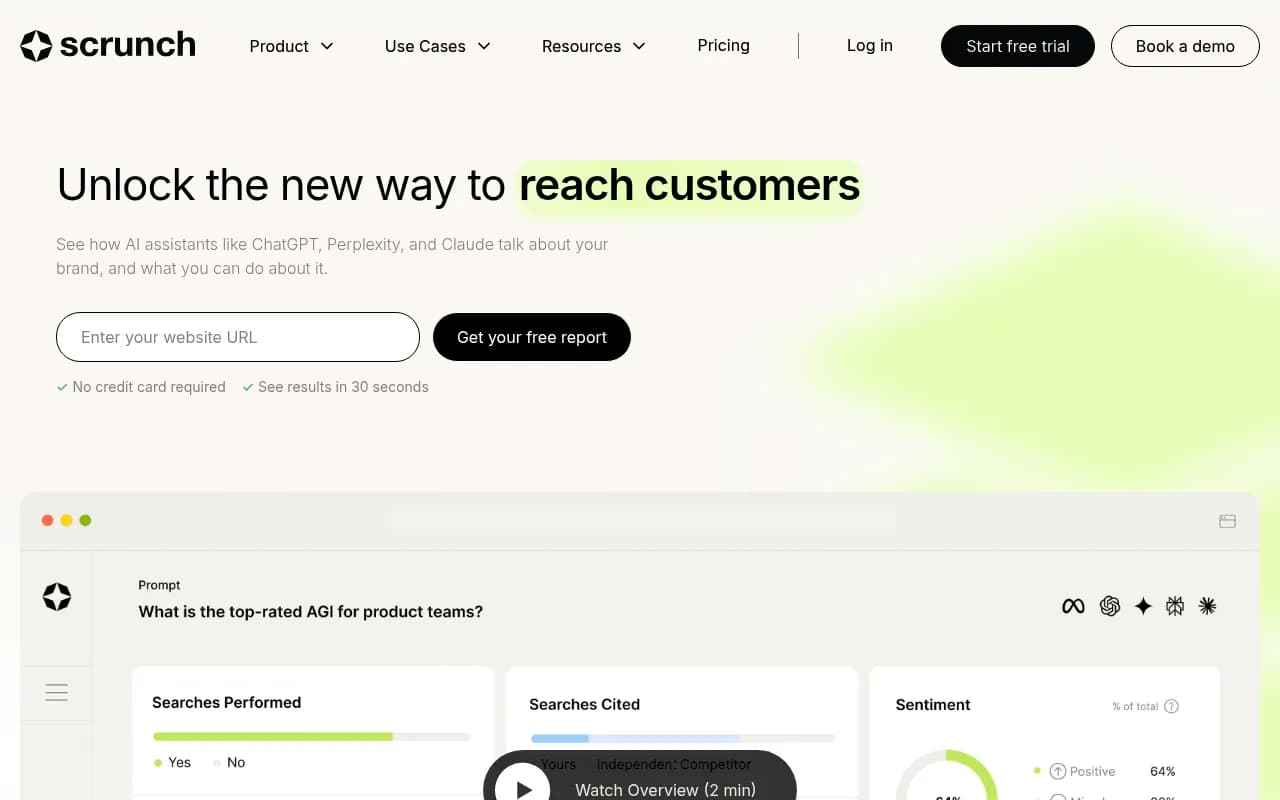
What's clear is that both are positioned below enterprise platforms like Profound (which starts around $99/month and scales significantly) and Scrunch (which starts around $300/month). They're targeting teams that want real AI visibility data without committing to a large platform budget.
If you're evaluating purely on cost, both are likely competitive with the lower end of the market. The decision should come down to what you actually need the data for.
What the broader market looks like
It helps to understand where Nimt.ai and ZipTie sit relative to the wider field. The AI visibility tool market in 2026 roughly breaks into three tiers:
Monitoring-only tools (Otterly.AI, Peec AI, Mentions.so, Airefs): These track where you appear and give you share-of-voice and sentiment data. They're affordable and easy to set up but stop at the data layer.
Monitoring + light optimization (Nimt.ai, ZipTie, Nightwatch, SE Visible): These add some layer of analysis or content help on top of the monitoring. ZipTie adds rendering accuracy; Nimt.ai adds content generation. Still relatively lightweight on the optimization side.
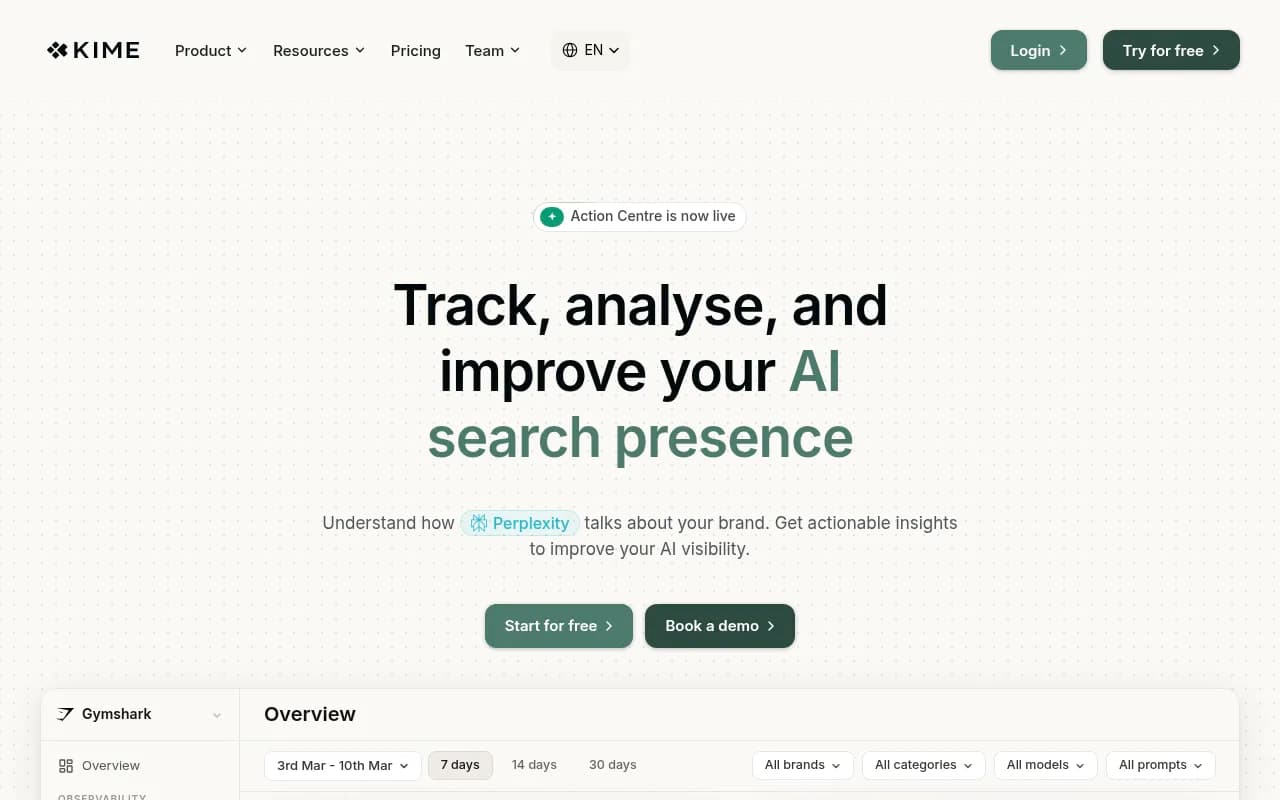
Full GEO platforms (Promptwatch, Profound, Scrunch, KIME): These close the full loop -- find gaps, generate content, track results, attribute traffic. More expensive, more complex, but genuinely useful if AI visibility is a core part of your marketing strategy.

The honest reality is that Nimt.ai and ZipTie are good tools for teams that are just starting to take AI visibility seriously. They're accessible, focused, and don't require a lot of setup. But if you find yourself wanting to do more than monitor -- if you want to understand why you're invisible, create content to fix it, and track whether that content gets cited -- you'll eventually outgrow them.
Head-to-head: which one should you pick?
The answer depends on what problem you're actually trying to solve.
Pick ZipTie if:
- Google AI Overviews is a significant channel for your audience and you need accurate rendered-response data
- You want granular, response-level analysis rather than high-level share-of-voice metrics
- Your team is comfortable digging into detailed data and drawing your own conclusions
Pick Nimt.ai if:
- You want monitoring and content help in one tool
- Your team doesn't have a lot of time to translate data into action -- you want the tool to do some of that work
- You're early in your GEO journey and want a more guided experience
Consider a more complete platform if:
- AI visibility is becoming a real business priority, not just an experiment
- You need to track multiple sites or brands
- You want to connect visibility data to actual traffic and revenue
- You need AI crawler logs to understand how models are discovering (or failing to discover) your content
A note on what both tools are missing
It's worth being direct about the gaps. Neither Nimt.ai nor ZipTie offers:
- AI crawler log analysis (which pages AI bots are hitting, how often, and what errors they encounter)
- Prompt volume and difficulty scoring at scale
- Query fan-out analysis (how one prompt branches into sub-queries)
- Traffic attribution connecting AI visibility to actual revenue
- Reddit and YouTube citation tracking
- ChatGPT Shopping or entity tracking
These aren't niche features -- they're increasingly important as AI search matures. If you're running a serious GEO program, you'll want them eventually.
Platforms like Promptwatch are built around this full stack. The core loop -- find gaps with Answer Gap Analysis, generate content with Content Agents, track results with page-level citation tracking and crawler logs -- is what separates a monitoring tool from an optimization platform. Most teams start with monitoring and eventually realize they need the full loop.
Other tools worth knowing about
If Nimt.ai and ZipTie don't quite fit, here are a few other options worth looking at in the same general tier:

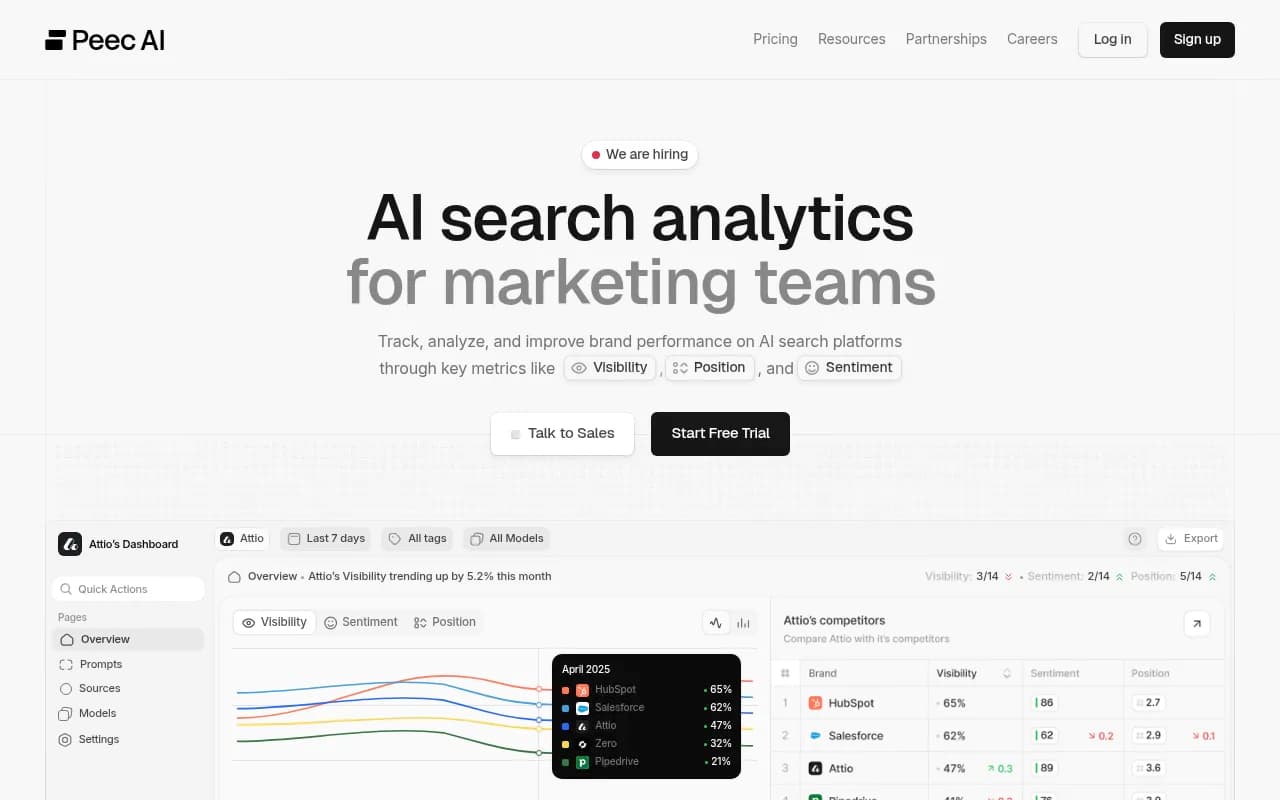
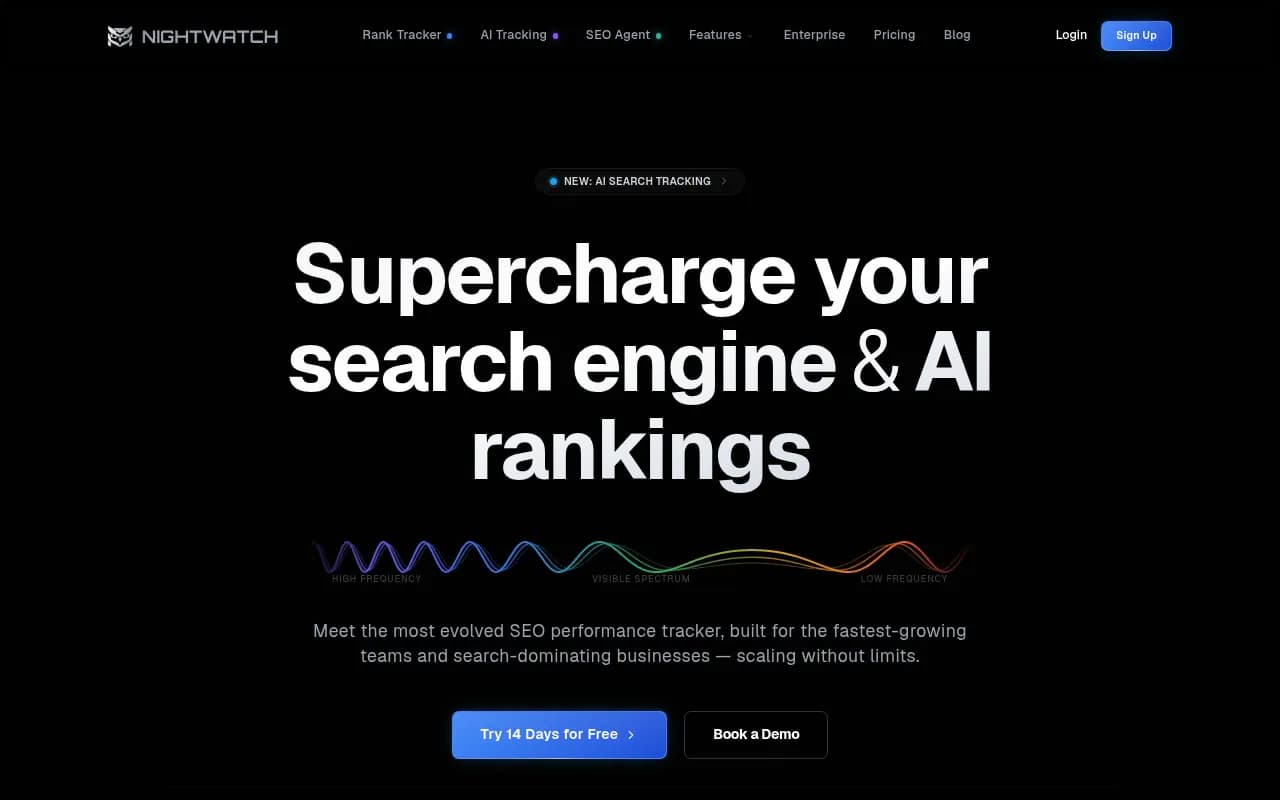
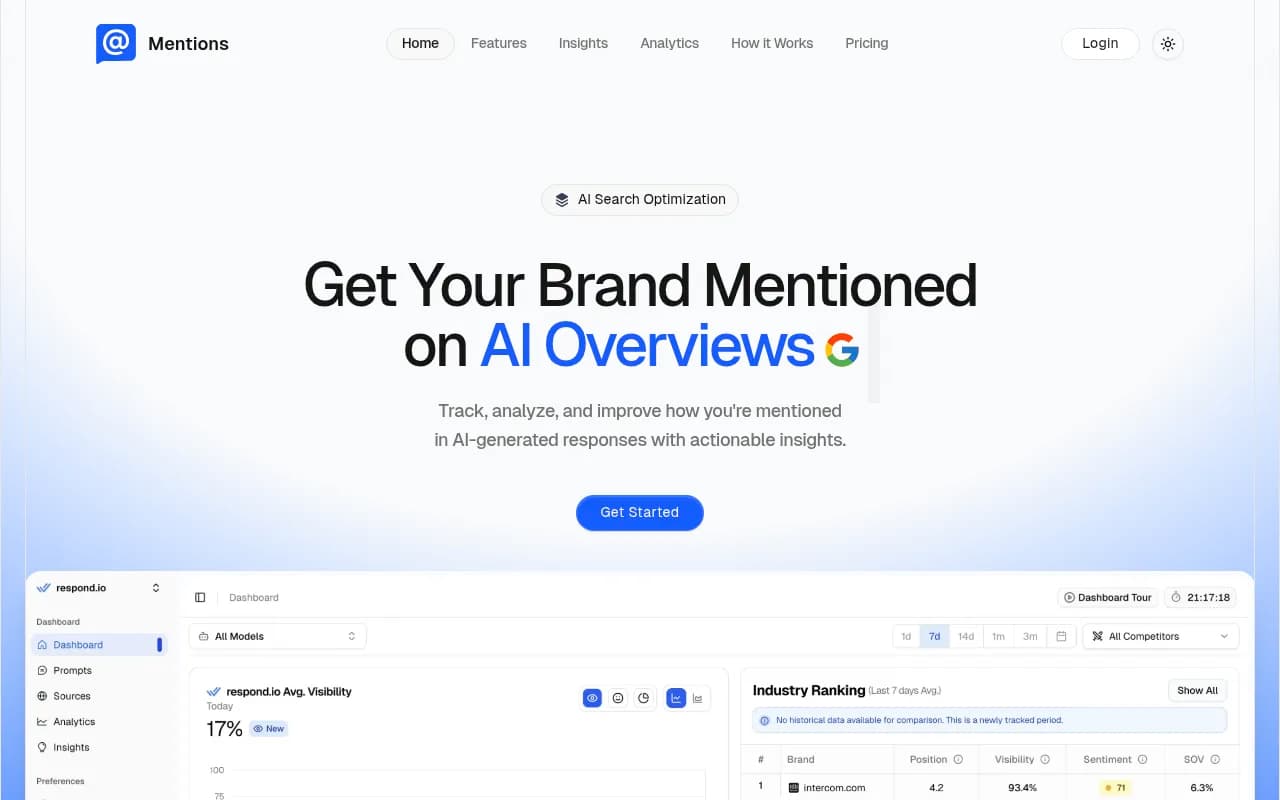
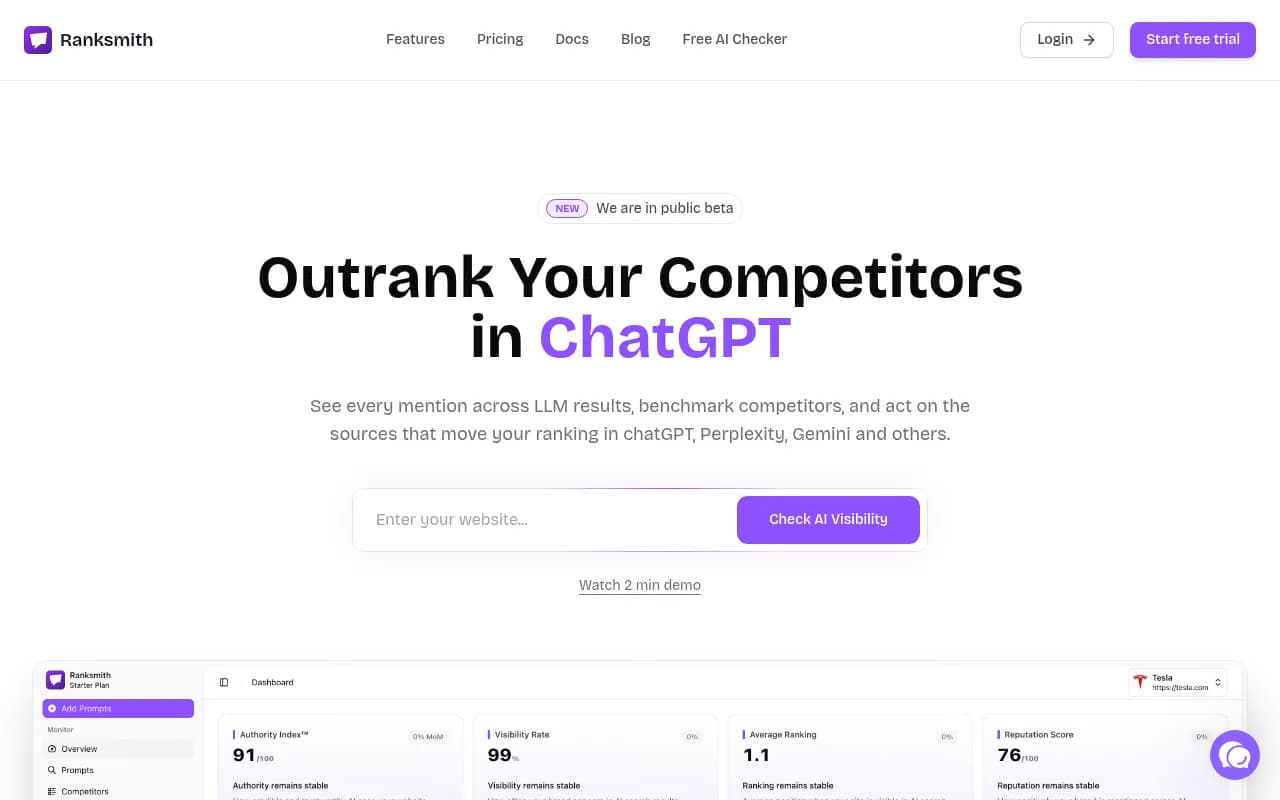
Each of these has a slightly different angle -- Otterly.AI is one of the most affordable entry points in the market, Nightwatch combines traditional SEO rank tracking with AI visibility, and Ranksmith focuses on actionable insights rather than raw data. None of them are full GEO platforms, but they're all reasonable starting points for small teams.
The bottom line
Nimt.ai and ZipTie are both solid choices for small teams that want focused AI visibility without the complexity or cost of an enterprise platform. ZipTie's rendered-response methodology gives it an edge for Google AI Overviews accuracy. Nimt.ai's content generation capability gives it an edge for teams that want a more complete workflow in one tool.
Neither is a complete GEO platform. Both are good for getting started. If you find yourself wanting more -- more depth, more action, more connection between visibility and revenue -- that's a sign you're ready for something like Promptwatch, which is built around the full optimization loop rather than just the monitoring piece.