Key takeaways
- Google AI Overviews are heavily influenced by your browser state, login status, location, and search history -- so "what you see" is rarely what your target audience sees
- Incognito mode in a Chromium-based browser, combined with a VPN set to your target region, is the closest you can get to a clean baseline without automation
- Logged-in Google accounts introduce personalization that makes manual testing unreliable for competitive research
- Dedicated AI visibility tools remove the guesswork entirely by running queries at scale, across regions, without browser noise
If you've ever searched for a keyword, seen your site cited in a Google AI Overview, and then asked a colleague to check -- only for them to see something completely different -- you already know the problem. AI Overviews are not a single, static answer. They're a personalized, location-aware, account-state-dependent response that shifts constantly. Testing them manually without a controlled setup produces data that's essentially useless for competitive research.
This guide walks through exactly what affects what you see, and how to build a testing setup that gives you consistent, comparable results.
Why your current setup is probably lying to you
Google's AI Overviews pull from multiple signals before rendering a response. Your search history, location, logged-in account, browser fingerprint, and even the device type all influence whether an AI Overview appears at all -- and what it says when it does.
Here's the uncomfortable truth: if you're testing AI Overviews while logged into your Google account, on your regular browser, from your office IP address, you're not seeing what a neutral user sees. You're seeing a response shaped by years of your own search behavior.
The main variables that distort results:
- Login state: Google personalizes results for signed-in users. Your search history, location history, and content preferences all feed into what you see.
- Browser cookies and cache: Even in a "fresh" session, leftover cookies from previous visits can influence behavior.
- IP address and location: AI Overviews roll out unevenly by region. A query that triggers an AI Overview in the US may not in Germany, and vice versa.
- Device type: Mobile and desktop can return different AI Overview formats and even different citations.
- Search history within the session: Searching for related terms before your target query can shift the context Google uses.
Get any one of these wrong and your test results are contaminated.
The browser question: which one actually works?
For AI Overview testing, the browser matters less than the browser state -- but the choice still has real implications.
Chrome (or any Chromium browser) in incognito
Chrome Incognito is the most practical starting point for most people. It strips cookies, ignores saved preferences, and starts each session without a browsing history. The catch: it still uses your real IP address, and if you sign into Google during the session, personalization kicks back in immediately.
Chromium-based alternatives like Brave or Edge work the same way in private mode. Brave's default ad-blocking can occasionally interfere with how Google's results pages render, so if you're seeing unusual behavior, try disabling shields for google.com during testing.
Firefox's private mode works similarly but uses a slightly different rendering engine. For most AI Overview testing purposes this doesn't matter, but if you're checking how structured data or page elements appear alongside AI Overviews, Chrome's engine is closer to what the majority of users experience.
What about privacy-focused browsers?
Browsers like LibreWolf strip a lot of Google tracking by default, which sounds ideal -- but that same stripping can sometimes cause AI Overviews to behave differently than they would for a regular user. You're not testing the user experience anymore; you're testing a hardened edge case. For competitive research, that's not what you want.
The goal isn't maximum privacy. The goal is a clean, neutral, reproducible baseline that approximates a real user who has no prior relationship with your brand.
The practical browser setup
Use Chrome or Edge in Incognito mode. Before each test session:
- Open a fresh incognito window
- Do not sign into any Google account
- Navigate directly to google.com (not a country-specific variant unless that's your target market)
- Run your query
That's it. Simple, but most people skip step 2 or 3.
The VPN question: do you actually need one?
Yes, if you're testing for a market that isn't your physical location.
AI Overviews are still rolling out unevenly. A query that reliably produces an AI Overview in the US might show nothing in the UK, or show a different format in Australia. If your target audience is in a specific country, you need to test from that country's IP address.
VPNs are the practical solution. A few things to keep in mind:
- Use a VPN with servers in your actual target city if possible, not just the country. "United States" is a big place, and some queries behave differently in New York vs. Texas.
- Connect the VPN before opening your incognito window. If you connect after, the browser may have already made requests that establish your real location.
- Avoid free VPNs for this purpose. They often route traffic through shared IPs that Google has flagged, which can trigger CAPTCHAs or return degraded results.
- NordVPN, ExpressVPN, and Mullvad all work reliably for this use case. The specific choice matters less than using a paid service with clean IP reputation.
One thing VPNs can't fix: the gl and hl parameters in Google's URL. If you want to be precise, you can append these manually. For example:
https://www.google.com/search?q=your+query&gl=us&hl=en
gl sets the country and hl sets the language. This is especially useful when testing queries where you want US results but your VPN server is in a slightly different region.
The account question: signed in or signed out?
Signed out, almost always.
The exception is if you're specifically trying to understand how AI Overviews behave for a particular user persona -- say, someone who has been researching your product category for months. In that case, you might deliberately build a test account with a relevant search history. But this is advanced territory and rarely necessary for most competitive research.
For standard testing, signed-out incognito is your baseline. Here's why signing in breaks things:
Google's personalization for signed-in users is aggressive. Your account's topic interests, previously visited sites, and even your Google Workspace activity all influence what you see. Two people searching the same query from the same location can see meaningfully different AI Overviews if one is signed in and the other isn't.
If you need to test with a Google account for any reason (some features only appear when signed in), create a dedicated test account that has never been used for anything else. No YouTube history, no Gmail, no Maps searches. A completely blank account gets you closer to a neutral baseline than your personal account ever will.
Building a repeatable testing protocol
Random manual checks don't produce useful data. Here's a protocol that does:
Step 1: Define your query set
Write down the exact queries you want to test before you start. Don't improvise during the session -- the order and phrasing of queries within a session can influence results.
Step 2: Set up your environment
- Connect VPN to your target region
- Open a fresh incognito window
- Confirm you're not signed into Google
- Navigate to google.com with the appropriate
glandhlparameters
Step 3: Run queries one at a time
Search each query, screenshot the full result (including whether an AI Overview appeared, what it said, and which sources were cited). Don't click anything between queries if you can avoid it -- clicks influence subsequent results.
Step 4: Document consistently
For each query, record:
- Whether an AI Overview appeared (yes/no)
- The first three cited sources
- Whether your domain appeared
- The date and time
- Your VPN location
Step 5: Repeat on a schedule
AI Overviews change. A query that cited your competitor last week might cite you this week, or might stop showing an AI Overview entirely. Weekly or bi-weekly checks on your core query set give you trend data instead of a single snapshot.
The limits of manual testing
Even with a perfect setup, manual testing has a hard ceiling on what it can tell you.
You can check maybe 20-30 queries per session before the process becomes error-prone. You can't easily test across multiple regions simultaneously. You can't track changes over time without significant manual effort. And you're always one Google update away from your results shifting in ways you won't notice until you happen to check again.
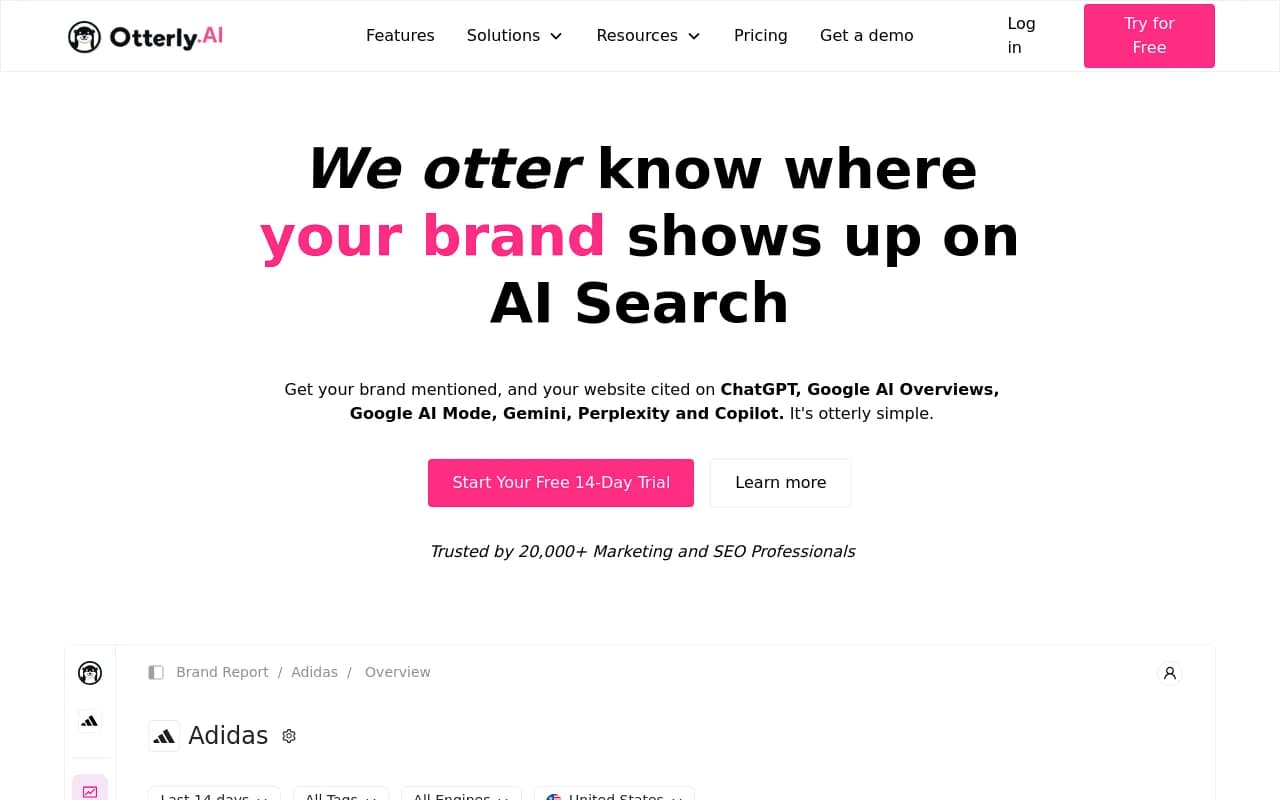
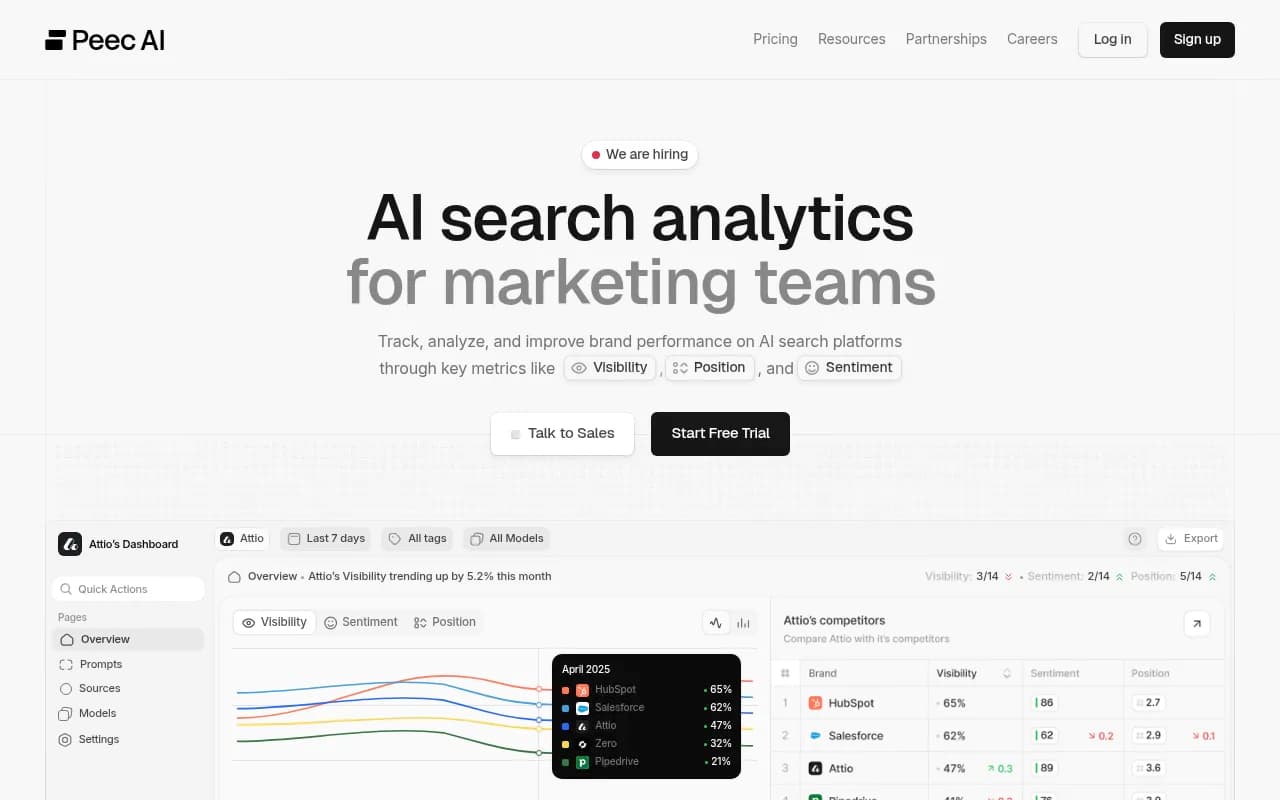
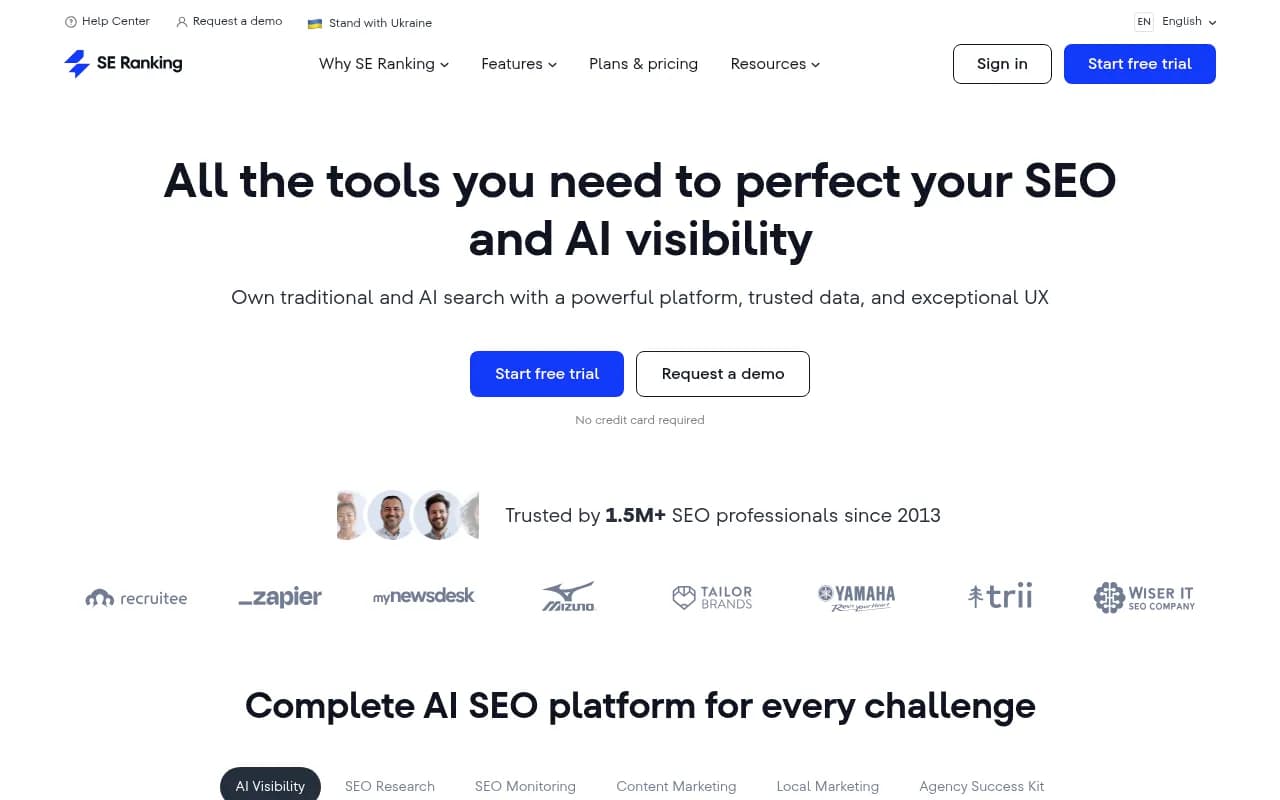
This is where dedicated tools come in. Promptwatch runs queries at scale across 10 AI models including Google AI Overviews, tracks which pages are being cited, and shows you how your visibility changes over time -- without any of the browser setup overhead.

For teams doing serious competitive research, the manual protocol above is useful for spot-checking and understanding what's happening at a granular level. But it's not a substitute for systematic tracking.
What actually affects whether you appear in AI Overviews
Since we're on the topic of testing, it's worth being clear about what you're actually measuring. Appearing in a Google AI Overview isn't primarily a function of traditional SEO signals. The research consistently points to a few factors that matter more:
- Content that directly answers the question being asked, not content that's optimized around the keyword
- Clear authorship and expertise signals (E-E-A-T)
- Structured, scannable formatting that makes it easy for Google to extract a specific answer
- Being cited by other sources that Google already trusts
One Reddit thread from r/Vibe_SEO documented a site going from 12,000 visits to consistent AI Overview visibility in six weeks by focusing almost entirely on how-to intent content -- not by chasing technical SEO signals. The content answered specific questions clearly and completely. That's the pattern that shows up repeatedly.
Comparing manual testing vs. automated tools
| Approach | Cost | Scale | Accuracy | Time investment | Best for |
|---|---|---|---|---|---|
| Manual incognito + VPN | Low | Very limited (20-30 queries) | Moderate (human error, session noise) | High | Spot checks, understanding specific queries |
| Dedicated AI visibility tool | $99-$579/mo | Hundreds to thousands of queries | High (consistent methodology) | Low | Ongoing monitoring, competitive research |
| Browser automation scripts | Dev time | Medium | High if built well | Very high | Technical teams with specific needs |
| API-based testing | Variable | High | Moderate (API vs. UI differences) | Medium | Developers, custom workflows |
The API vs. UI difference is worth flagging. Google's AI Overviews in the actual search interface can differ from what you'd get through an API call. Tools that test through real browser sessions (rather than just API calls) tend to produce results that more closely match what actual users see. This is one reason why real-browser testing matters for this specific use case.
Common mistakes that contaminate your results
A few things that seem harmless but will skew your data:
Testing from your office network. If Google has associated your office IP with your company's website (through Search Console connections, frequent visits, etc.), you may see inflated visibility for your own domain. Test from a neutral IP.
Reusing the same incognito window across sessions. Incognito mode doesn't reset between tabs in the same window. Open a fresh window for each testing session.
Testing immediately after publishing new content. Google needs time to crawl and index new pages. Testing within 24-48 hours of publishing will show you pre-update results, not post-update ones.
Ignoring the "AI Overview didn't appear" case. Whether an AI Overview appears at all is itself a data point. Some queries consistently trigger them; others rarely do. Tracking this over time tells you something about query intent and Google's confidence in the topic.
Only testing branded queries. Your competitors are winning unbranded category queries. Test the queries your potential customers use before they know your brand exists.
A note on Google's regional rollout
As of mid-2026, AI Overviews are available in over 100 countries but the feature set, frequency, and format vary significantly by region. English-language queries in the US still see the highest AI Overview frequency. Some markets see AI Overviews on a much smaller percentage of queries.
If you're a global brand, you need separate testing setups for each target market. A single US-based test tells you nothing about your visibility in France or Brazil. This is one area where automated tools with multi-region support have a significant advantage over manual testing -- running the same query from 10 different country IPs simultaneously isn't something you can do manually.
Putting it all together
The short version: Chrome Incognito, VPN to your target region, signed out, with explicit gl and hl URL parameters, running a pre-defined query list, and documenting results consistently.
That setup will give you reliable manual test results. But if you're doing this more than a few times a month, the overhead adds up fast. Automated tracking tools handle the consistency problem and give you trend data that manual testing simply can't produce at any reasonable scale.
The goal isn't perfect testing methodology for its own sake. It's understanding whether your content is actually showing up when your potential customers ask AI systems questions in your category -- and knowing quickly when that changes.