Key takeaways
- Conductor is a mature enterprise platform with strong SEO foundations, now adding AEO and AI search visibility features -- but the depth of those new features varies.
- It's rated #1 on G2 and TrustRadius by enterprise marketers, and named a Leader in the Forrester Wave for SEO platforms.
- The platform covers AI search monitoring, content generation, technical site health, and schema/metadata optimization in one place -- which is genuinely useful for large teams.
- Pricing is enterprise-only (custom quotes), so it's not a realistic option for smaller teams or agencies without big budgets.
- If AI search visibility and content gap analysis are your primary goals, purpose-built GEO platforms may go deeper on those specific capabilities.
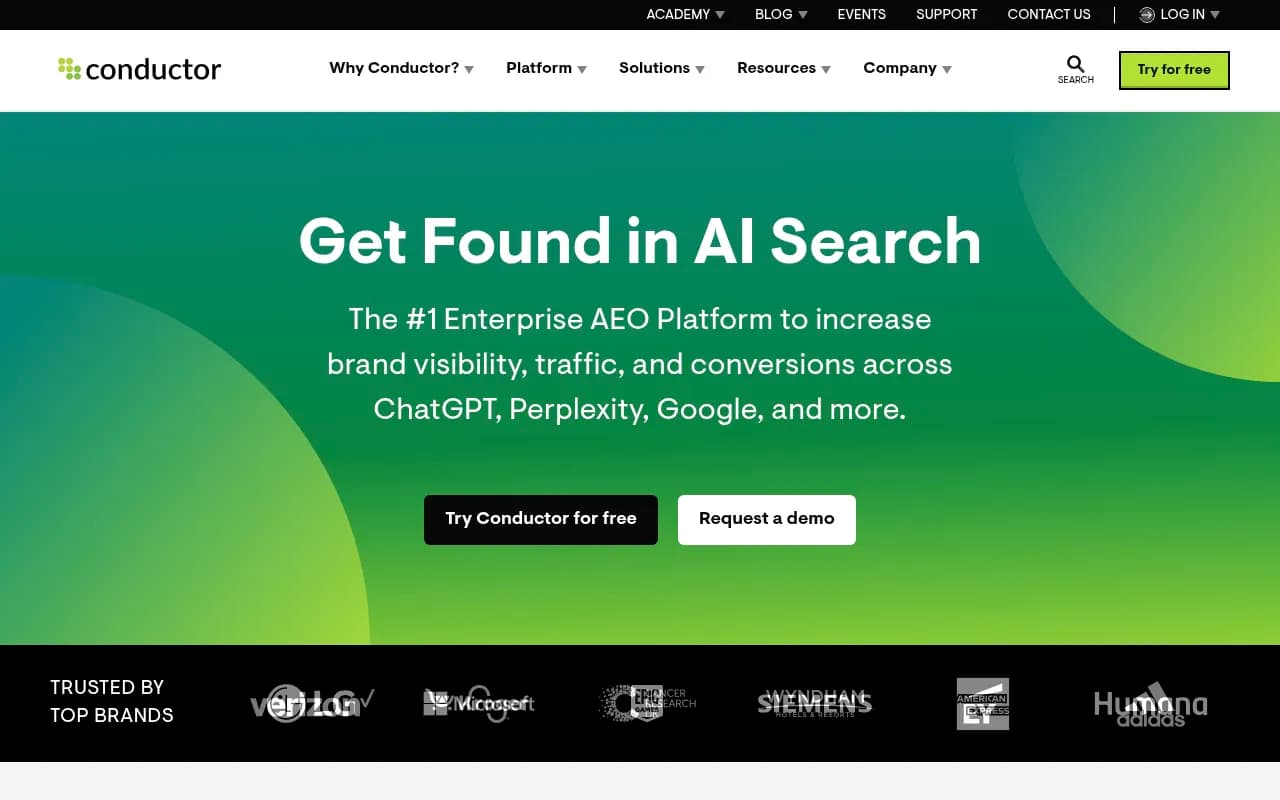
Conductor has been around since 2008. That's a long time in SEO, long enough to have survived every major Google algorithm shift, the rise of content marketing, the structured data era, and now the current scramble to figure out what AI search means for organic visibility. The company has 10+ years of proprietary website data, a client list that includes Verizon, Microsoft, Adidas, and American Express, and a Forrester Wave Leader badge to its name.
So when Conductor says it's now an "enterprise AEO platform," it's worth taking seriously. But it's also worth asking: is this a genuine product evolution, or is it mostly rebranding existing SEO features with new terminology?
This review tries to answer that honestly.
What Conductor actually is in 2026
The short version: Conductor is a unified platform for enterprise marketing and SEO teams that now includes AI search visibility tracking alongside its traditional SEO, content, and technical monitoring capabilities.
The longer version is more interesting. At Conductor's Spring Summit 2026, CPO Wei Zheng opened with something that felt unusually candid for a vendor keynote: he mentioned that he barely uses Google as his first search destination anymore. That's the honest framing for what Conductor is trying to do -- help brands adapt to a world where AI-generated answers are increasingly where users end up, not the blue-link results page.
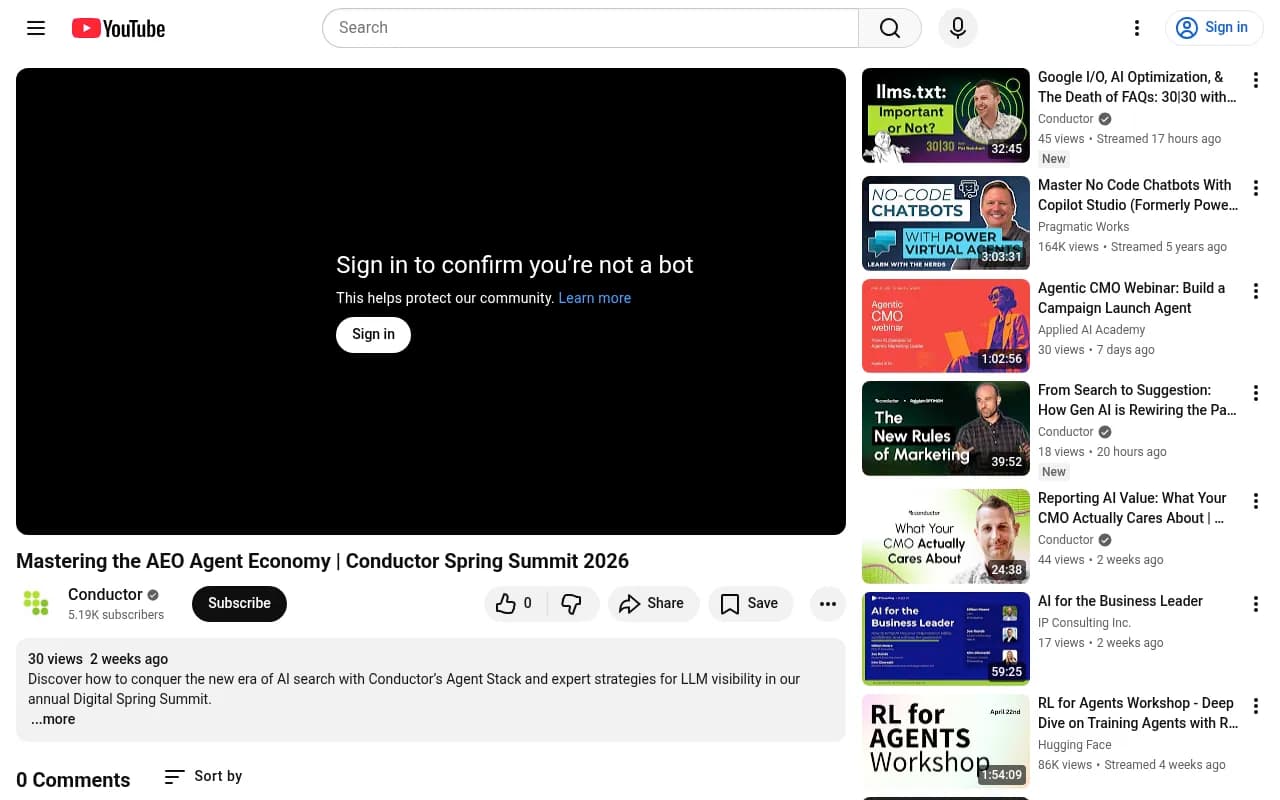
The platform's current pitch is built around what they call an "Agent Stack" -- a combination of AI search monitoring, AI content generation, technical health monitoring, and what they're calling "native LLM apps." The idea is that you get everything in one place rather than stitching together five different tools.
That's a reasonable value proposition for enterprise teams. Whether the execution matches the pitch is a different question.
Core features: what's actually in the platform
AI search performance (the new stuff)
Conductor's AI Search Performance module is the most relevant new addition. It tracks brand visibility across AI search engines -- think ChatGPT, Perplexity, Google AI Overviews, and similar surfaces -- and shows you where you're appearing (or not appearing) in AI-generated responses.
The feature set here includes LLM mention tracking, visibility scoring, and some competitor comparison. From what users report on G2 and Gartner Peer Insights, the interface is clean and the data is reasonably actionable for enterprise teams that are just getting started with AEO.
What's less clear from public information is how deep the prompt intelligence goes. Things like prompt volume estimates, query fan-outs, and page-level citation tracking are increasingly table stakes for serious AEO work -- and it's not obvious from Conductor's current documentation how comprehensively those are covered.
Content generation and optimization
This is where Conductor's SEO heritage shows up most clearly. The AI Writing Assistant has been around for a while and gets consistently positive reviews. A Communications Associate at a software company on Gartner Peer Insights described it as providing "clear SEO guidelines" that help ensure content is relevant to searchers -- which is exactly what you'd want from a writing tool embedded in an SEO platform.
The AI Topic Map is a newer addition that helps teams identify content gaps and map out topical coverage. This is directly relevant to AEO work, since AI models tend to favor sources with comprehensive, authoritative coverage of a topic area.
Technical monitoring
24/7 website monitoring has been a Conductor strength for years. The platform flags technical issues, tracks site health over time, and integrates with existing workflows. For enterprise teams managing large, complex websites, this is genuinely valuable -- and it's an area where Conductor has real depth compared to newer AEO-focused tools that are primarily monitoring dashboards.
Schema and metadata
The Spring Summit 2026 included a full session on "Practical Schema & Metadata Strategies for AEO," which signals that Conductor is taking structured data seriously as an AEO lever. Schema markup is one of the more reliable ways to help AI models understand and cite your content correctly, so this is a meaningful capability.
What the reviews say
Conductor is rated #1 on G2 and TrustRadius by enterprise marketers, which is a meaningful signal. The Forrester Wave Leader designation for SEO platforms adds credibility, though that evaluation was primarily focused on traditional SEO capabilities.
On Gartner Peer Insights, the reviews skew positive, with users highlighting the writing assistant and the platform's ability to provide actionable SEO guidance. The critical reviews tend to focus on complexity and the learning curve for new users -- which is pretty typical for enterprise platforms.
The Reddit community r/GenerativeSEOstrategy had an updated review of AI search platforms in April 2026 that described Conductor as having "very clean UX" but characterized it as "mostly a monitoring tool" for AI search specifically. That's a fair observation. Conductor's AI search features are newer and still maturing compared to its core SEO capabilities.
Who Conductor is built for
Conductor makes the most sense for:
- Large enterprise marketing teams that already need a comprehensive SEO platform and want AEO capabilities bundled in
- Organizations with complex websites where technical monitoring and content operations need to work together
- Teams that value having a single vendor relationship and unified reporting rather than managing multiple specialized tools
- Brands with the budget for enterprise pricing (Conductor doesn't publish prices; everything is custom quote)
It's probably not the right fit for:
- Smaller teams or agencies that primarily need AI search visibility tracking without the full enterprise SEO stack
- Organizations where AEO is the primary focus and they want the deepest possible prompt intelligence and content gap analysis
- Anyone with a limited budget -- Conductor is firmly enterprise-tier pricing
How it compares to alternatives
The honest comparison depends on what you're optimizing for.
| Platform | Primary strength | AEO depth | Content generation | Pricing |
|---|---|---|---|---|
| Conductor | Enterprise SEO + AEO bundle | Moderate (growing) | Yes, built-in | Enterprise (custom) |
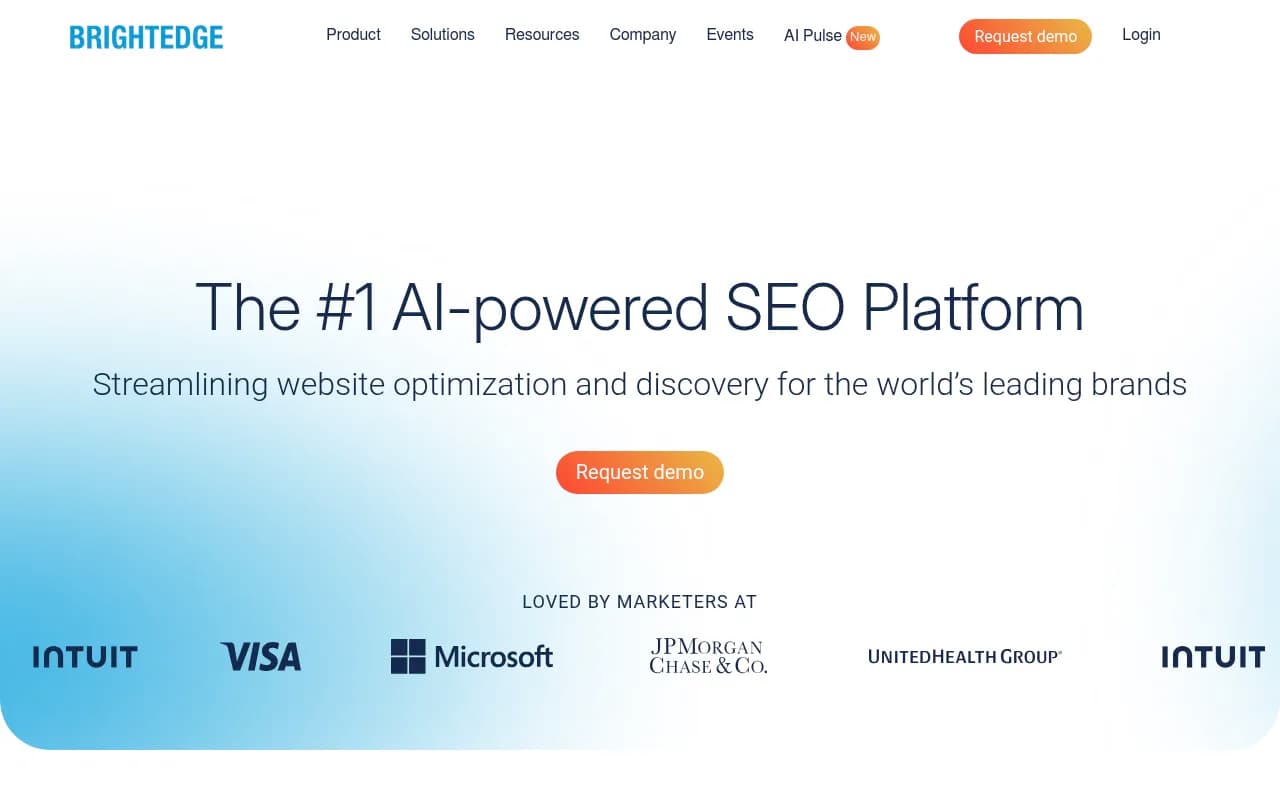
| BrightEdge | Enterprise SEO | Moderate | Limited | Enterprise (custom) |
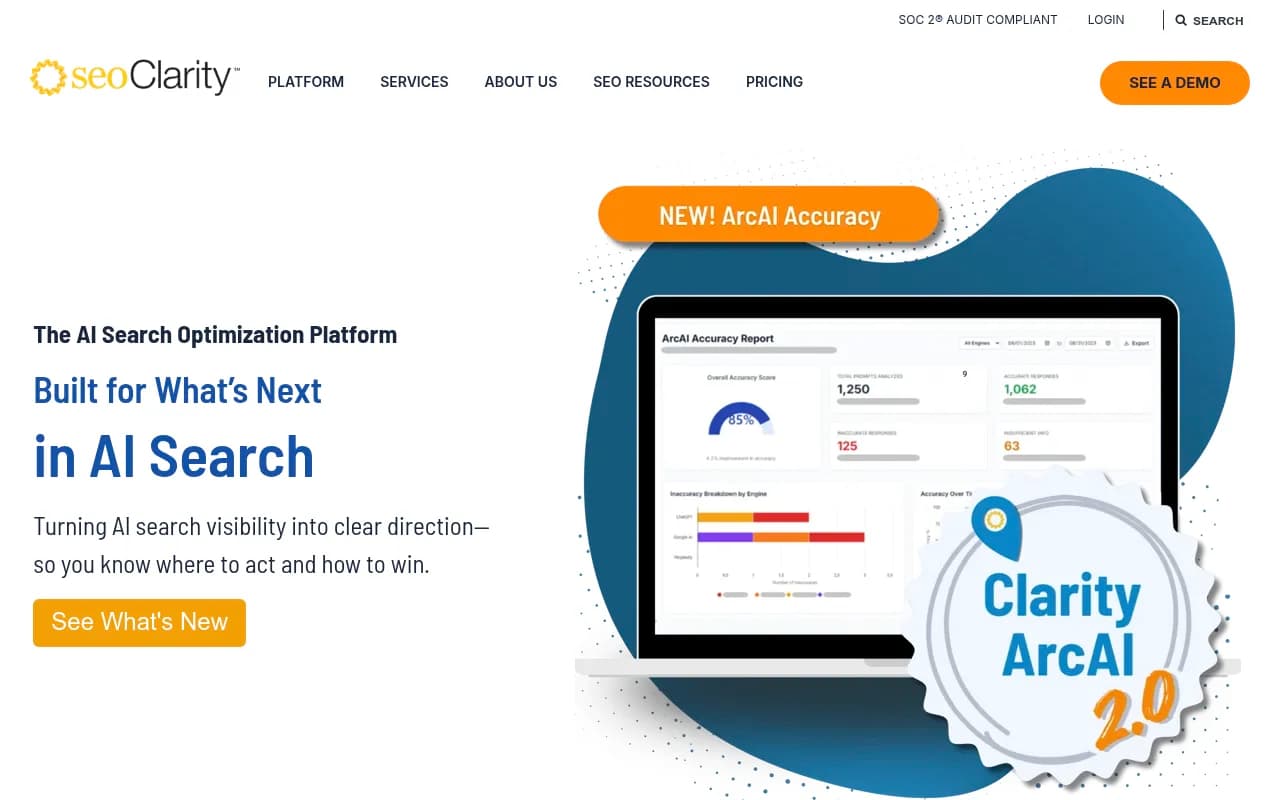
| seoClarity | Enterprise SEO + AI tracking | Moderate | Limited | Enterprise (custom) |
| Promptwatch | AI search visibility + GEO | Deep | Yes, citation-grounded | From $99/mo |
| Profound | Enterprise AI visibility | Deep | Limited | Enterprise (custom) |
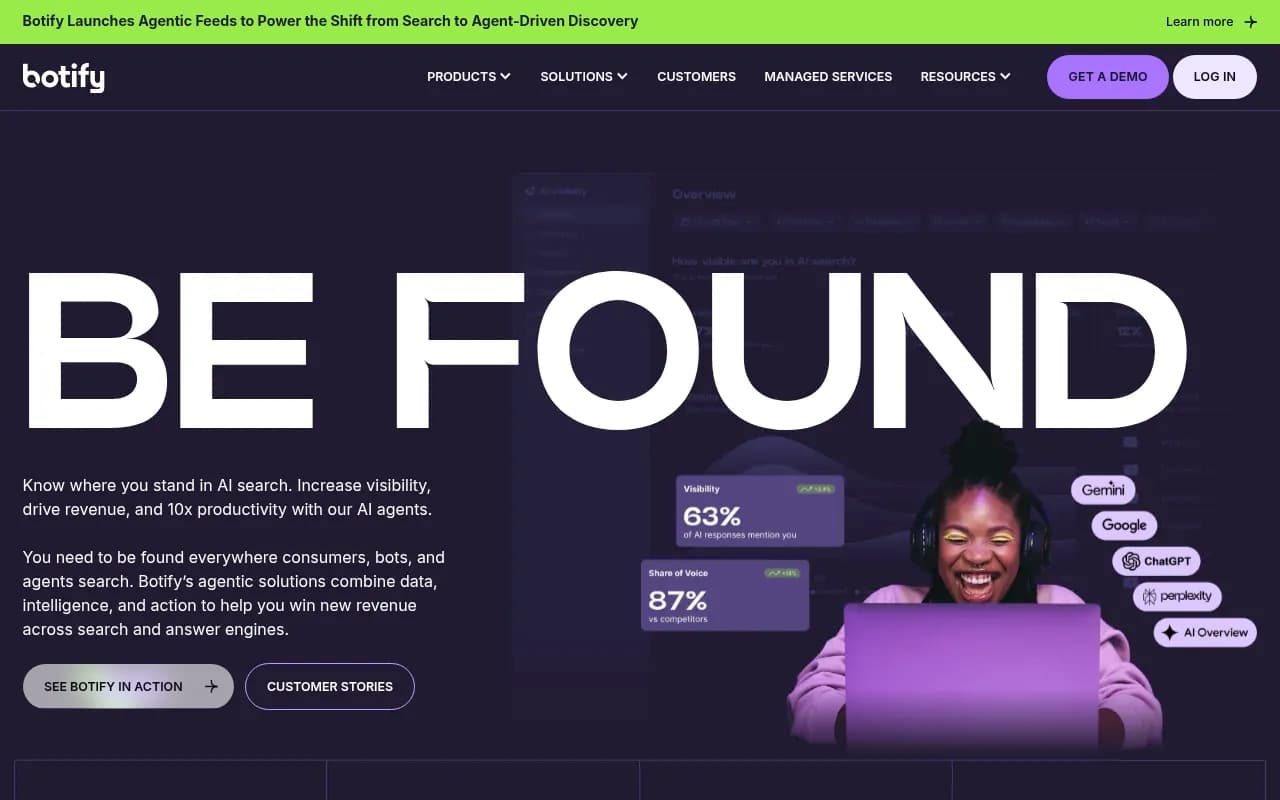
| Botify | Technical SEO + AI search | Moderate | No | Enterprise (custom) |
If you're specifically evaluating platforms for AI search visibility and GEO work, it's worth looking at tools built from the ground up for that problem. Promptwatch, for example, is built around a specific loop: find the prompts where competitors are visible and you're not, generate content engineered to get cited by AI models, then track whether your visibility improves. That's a different design philosophy than Conductor's approach of adding AEO features to an existing enterprise SEO platform.

Neither approach is wrong -- they're solving for different buyer situations. But if AEO is your primary concern rather than a secondary one, that distinction matters.
The AEO features in more detail
Conductor's Spring Summit 2026 session structure gives a useful window into where the platform is focusing its AEO development:
- Agentic AEO and LLM visibility (the strategic framing)
- Metrics for reporting AI search performance upward to leadership
- Schema and metadata for AEO
- Third-party citations as an AI visibility lever
- Real brand case studies from AEO Trailblazer award winners
The third-party citations session is particularly interesting. One of the more underappreciated aspects of AEO is that AI models don't just cite your own website -- they cite Reddit threads, YouTube videos, industry publications, and other third-party sources. Conductor appears to be helping clients think about that broader ecosystem, not just on-site optimization.
The "Reporting Up" session also reflects something real: enterprise teams need to justify AEO investment to leadership, and the metrics for doing that are still being figured out across the industry. Conductor seems to be actively working on that problem, which is useful.
What's genuinely strong
A few things stand out as real strengths:
The content operations integration is probably Conductor's biggest advantage over pure-play AEO monitoring tools. When your keyword research, content briefs, writing assistance, and performance tracking all live in the same platform, the workflow is genuinely smoother. Enterprise teams with large content operations will feel that.
The 10+ years of proprietary website data is also a real differentiator. Conductor has historical context on how websites perform over time that newer tools simply can't replicate. That matters for understanding trends, not just snapshots.
The client base (Verizon, Microsoft, Adidas, American Express, FedEx, etc.) suggests the platform handles enterprise-scale complexity well -- large sites, multiple teams, complex governance requirements. That's not trivial.
What's still catching up
The AI search features feel like they're in an earlier stage than the SEO capabilities. The Reddit review calling it "mostly a monitoring tool" for AI search is consistent with what you'd expect from a platform that's been adding AEO features to an existing SEO foundation rather than building for AI search from scratch.
Specific things that aren't clearly addressed in Conductor's public materials:
- Prompt volume and difficulty scoring (how do you prioritize which prompts to target?)
- AI crawler logs (which pages are AI bots actually reading on your site?)
- Reddit and YouTube citation tracking (where are AI models pulling third-party sources from?)
- ChatGPT Shopping visibility (relevant for e-commerce clients like Adidas)
- Traffic attribution from AI search (connecting AI visibility to actual revenue)
Some of these may exist in the platform and just aren't prominently documented. But for buyers evaluating AEO capabilities specifically, these are worth asking about directly in a demo.
Pricing reality
Conductor doesn't publish pricing. Everything is a custom enterprise quote based on site size, keyword volume, and feature requirements. This is standard for enterprise SEO platforms, but it does mean the platform is effectively inaccessible to teams without significant budgets.
If you're a mid-market company or agency looking for AEO capabilities without enterprise pricing, Conductor probably isn't your answer. There are purpose-built AI visibility platforms at much lower price points that may serve you better.
Final assessment
Conductor is a serious platform with real depth in enterprise SEO, and its AEO additions are genuine -- not just marketing language. The content generation, schema work, and AI search monitoring are all real features that enterprise teams will find useful.
The honest caveat is that AEO is still a newer layer on top of a platform built for traditional search. Teams where AI search visibility is the primary problem, rather than one component of a broader SEO program, may find purpose-built GEO platforms go deeper on the specific capabilities that matter most for that work.
For large enterprises that need a comprehensive platform covering SEO, content operations, technical monitoring, and AEO in one place -- and have the budget for it -- Conductor is a strong option worth evaluating seriously. For teams where AEO is the core focus, it's worth comparing against tools built specifically for that problem before committing.