Key takeaways
- Local AI visibility is now measured in grids, not single rankings. Tools like Local Falcon and BrightLocal scan dozens or hundreds of simulated locations around a business to see where it gets recommended by ChatGPT, Gemini, or Google AI Overviews, and where it disappears.
- BrightLocal's own research found AI Overviews now show up in 68% of local business-type queries, while 45% of consumers say they've used ChatGPT or another generative AI tool for a local recommendation, up from just 6% a year earlier.
- Pricing in this category spans from $24.99/month credit-based plans (Local Falcon) to $3,000+/month managed services (Cheers), with most self-serve platforms landing between $30 and $200/month depending on how many locations and AI engines you track.
- No single tool covers every AI engine at the location level yet. Local Falcon skips Perplexity and Claude; BrightLocal skips Perplexity, Claude, and Grok entirely. Check coverage against the engines your customers actually use before buying.
- For brand-level AI visibility that feeds local content strategy, not just local rank-grid scans, platforms like Promptwatch fill a different but complementary role, tracking citations, crawler behavior, and content gaps across the same AI engines.
Why "local rank" and "local AI visibility" are now two separate jobs
For fifteen years, local SEO meant one thing: where does my business land in the Google Maps pack for "plumber near me"? That question hasn't gone away, but it's no longer the only one that matters.
According to BrightLocal's Local Consumer Review Survey, 58% of consumers have now used AI to find or get a recommendation for a local business, and AI has become the fourth most common starting point for local search, closing in on Google Search, Maps, and social platforms. A separate Whitespark study found AI Overviews now appear in 68% of local business-type queries on average, well ahead of the traditional local pack, which showed up in only 39% of the same query set. That's a real shift in where the first impression happens.
But there's a wrinkle worth sitting with: the same Whitespark data shows AI Overviews appear on 75% of specific local searches but only 4% of simple "[category] near me" queries. Transactional, close-to-purchase searches still default heavily to the traditional map pack. AI answers are winning the research phase, not necessarily the final click. That distinction should shape where you spend tracking budget.
The practical consequence is that "am I visible in AI search" is now a location-dependent question, not a single brand-level score. A dental practice with locations in Austin, Denver, and Tampa needs to know whether ChatGPT recommends it for "best dentist in South Austin" the same way it does for "dentist near downtown Denver." That's a different measurement problem than tracking a single brand mention, and it's why a category of tools has grown up specifically around grid-based, location-level AI tracking.
How local GEO tracking actually works
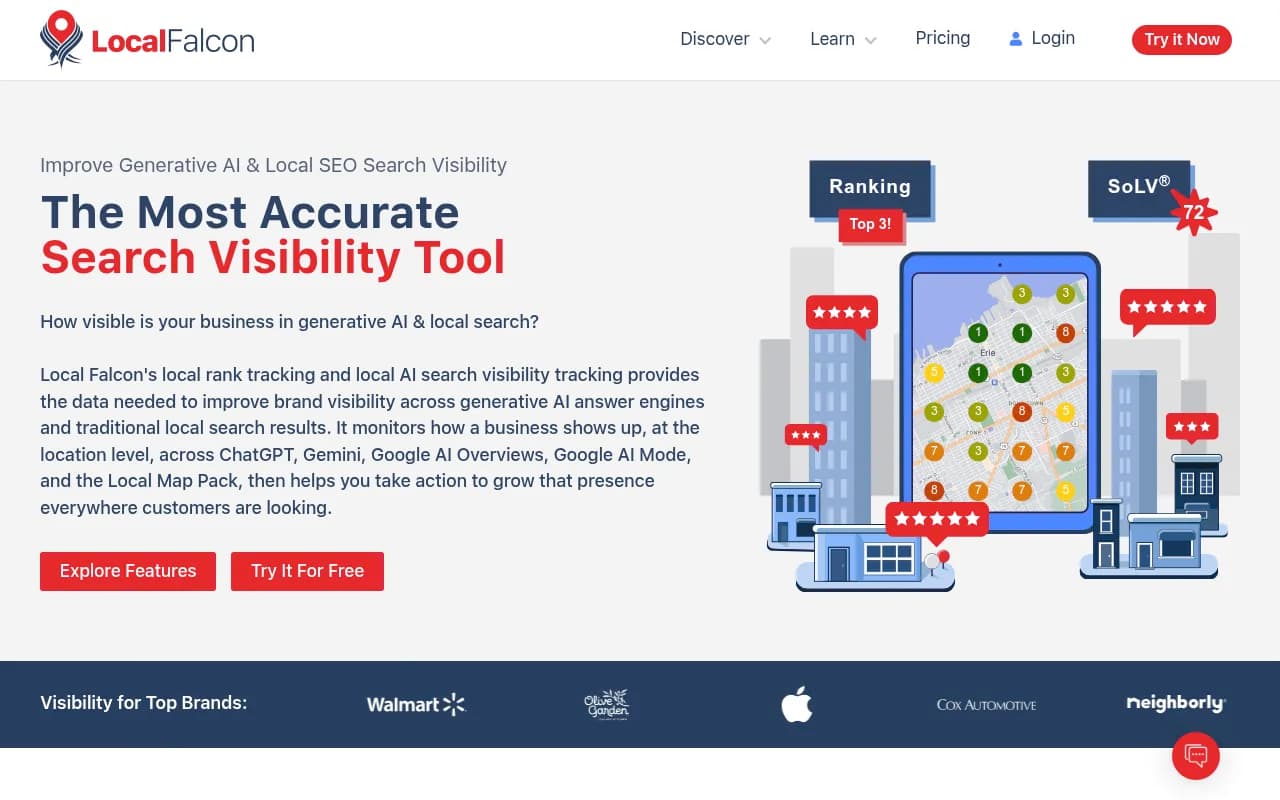
Most tools in this category borrow the geo-grid concept from traditional local rank tracking and apply it to AI answers. Instead of checking one ranking from one location, the tool simulates dozens or hundreds of points across a map, usually arranged in a 3x3, 5x5, 9x9, or larger grid, and asks the AI engine the same question (or a close variant) from each point.
The output is a heat map. You might see strong visibility in the zip codes closest to your storefront and a steep drop-off two neighborhoods over, which tells you something concrete: where your Google Business Profile, citations, and content are strong enough to earn an AI recommendation, and where a competitor is winning instead.
This matters more than it sounds, because of how AI engines actually cite sources. Promptwatch's research on citation patterns shows that organic, non-branded prompts, the type closest to "best plumber near me" style queries, are the most crowded: 52.5% of ChatGPT responses to this kind of prompt cite 10 or more different domains, and 71.8% cite at least 8. Brand-specific prompts behave very differently, with 40.7% citing 5 domains or fewer. In practice that means a local "best X in [city]" query is competing against a wide field of cited sources, not just the two or three obvious rivals down the street, while a branded reputation check narrows down to a handful of high-influence sources like Yelp or Google reviews.
The platforms, compared
Here's how the main local-focused options stack up on coverage, pricing, and what they're actually built for.
| Platform | AI engines tracked at location level | Entry pricing | Best for |
|---|---|---|---|
| Local Falcon | ChatGPT, Gemini, AI Overviews, AI Mode, Grok | $24.99/mo (credit-based) | Single and multi-location businesses wanting geo-grid scans on Google and Apple Maps plus AI answers |
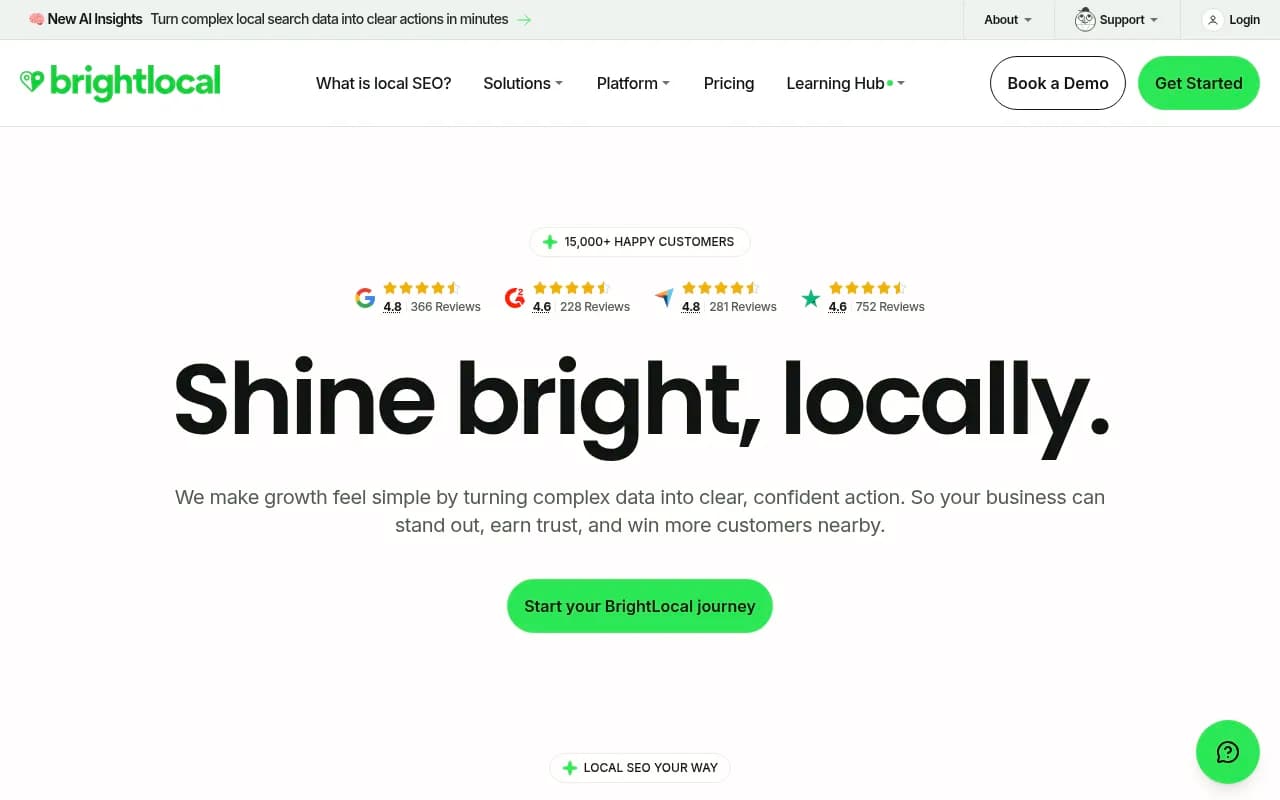
| BrightLocal | ChatGPT, Google AI Mode, Google AI Overviews | $31/mo (annual) | Agencies managing many locations that want a per-location 0-100 AI visibility score |
| ZipTie | ChatGPT, AI Overviews, Perplexity | ~$42.75-$69/mo (varies by source) | Technical teams running indexation and AI-crawler audits, not pure geo-grid work |
| Rank.ai | Google Maps/Local Pack, plus ChatGPT, Claude, Gemini | Free tier, $49/mo paid | Businesses that want map scans and auto-generated content for missing AI answers in one tool |
| Whitespark | No AI-answer tracking (traditional grid only) | $10/mo | Deepest traditional rank-to-position-100 tracking, pair with an AI-specific tool |
| Cheers | Done-for-you, multi-engine | $750/mo for up to 3 locations | Multi-location service brands that want a managed team fixing the gaps, not software to run themselves |
A few things jump out from that table. First, nobody tracks the full set of major AI engines at the granular zip-code or neighborhood level yet. Local Falcon's five-engine coverage is the widest among the self-serve, geo-grid-native tools, but it still leaves out Perplexity and Claude. BrightLocal covers only three engines but organizes its score per active location, which is genuinely useful for franchise and multi-location operators who need to report up by site rather than as one blended brand number.
Second, pricing models differ in ways that matter for budgeting. Local Falcon, LocalOptics, and Local Dominator all run on credits, where one credit typically equals one grid point scanned. A 9x9 grid burns 81 credits per scan, so a business running weekly scans across ten keywords in five locations will chew through credits fast, and it's worth modeling that cost before committing to a plan tier.
BrightLocal's Local AI Visibility Tracker, in detail
BrightLocal's workflow is worth walking through because it's a good template for what "good" local AI tracking looks like. You add a location, choose up to 20 prompts (the tool suggests prompts based on your business category), and it returns a 0-100 AI visibility score broken down by platform and prompt, split by branded versus unbranded mentions, with sentiment and recommendation strength layered in. It also shows competitor mention rate, share of voice, and an "AI sources leaderboard" listing which domains the AI actually cites for your category, which routes directly into BrightLocal's citation-building tool if you're missing from the list.
That last piece, seeing exactly which domains AI engines pull from for your category, is the detail most location trackers skip. Knowing you're invisible for "best HVAC repair in [neighborhood]" is useful. Knowing that the AI is instead citing a local Reddit thread and a competitor's Yelp page tells you what to actually go fix.
Where ZipTie and similar tools fit differently
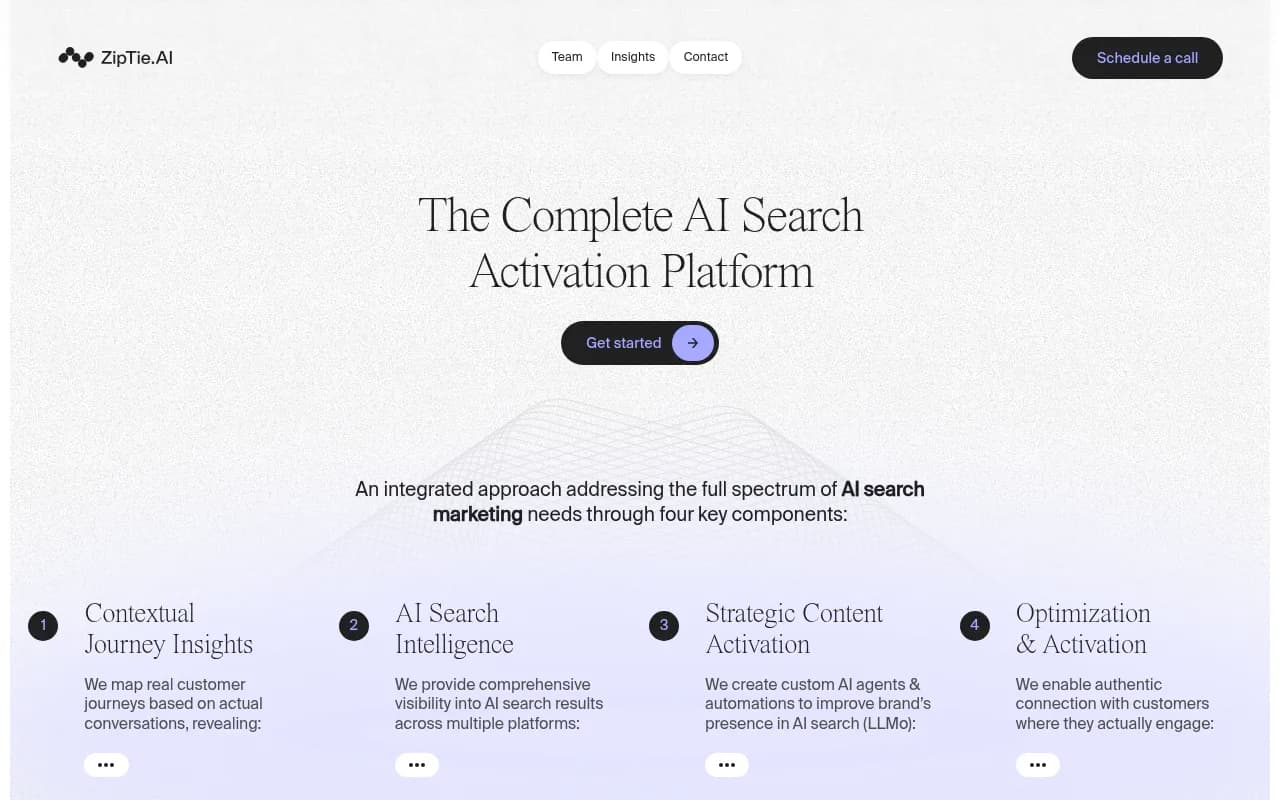
ZipTie is positioned more toward technical AEO audits than grid-based local tracking. It checks URL indexation, AI crawler access, and optimization opportunities across AI Overviews, ChatGPT, and Perplexity, which makes it a better fit for a technical SEO team diagnosing why a multi-location site isn't getting crawled properly than for a franchise owner who wants a visual map of visibility by zip code. Pricing has also been inconsistent across sources lately, with figures ranging from roughly $42.75 to $69/month at the entry tier depending on when and where you check, so verify current pricing directly before budgeting.
Multi-location listings and reputation tools worth pairing with a tracker
AI visibility tracking only tells you where the problem is. Fixing it usually runs through the same levers that have always mattered in local search: consistent business data, strong reviews, and structured location pages. A few platforms are worth having alongside whichever AI tracker you choose.
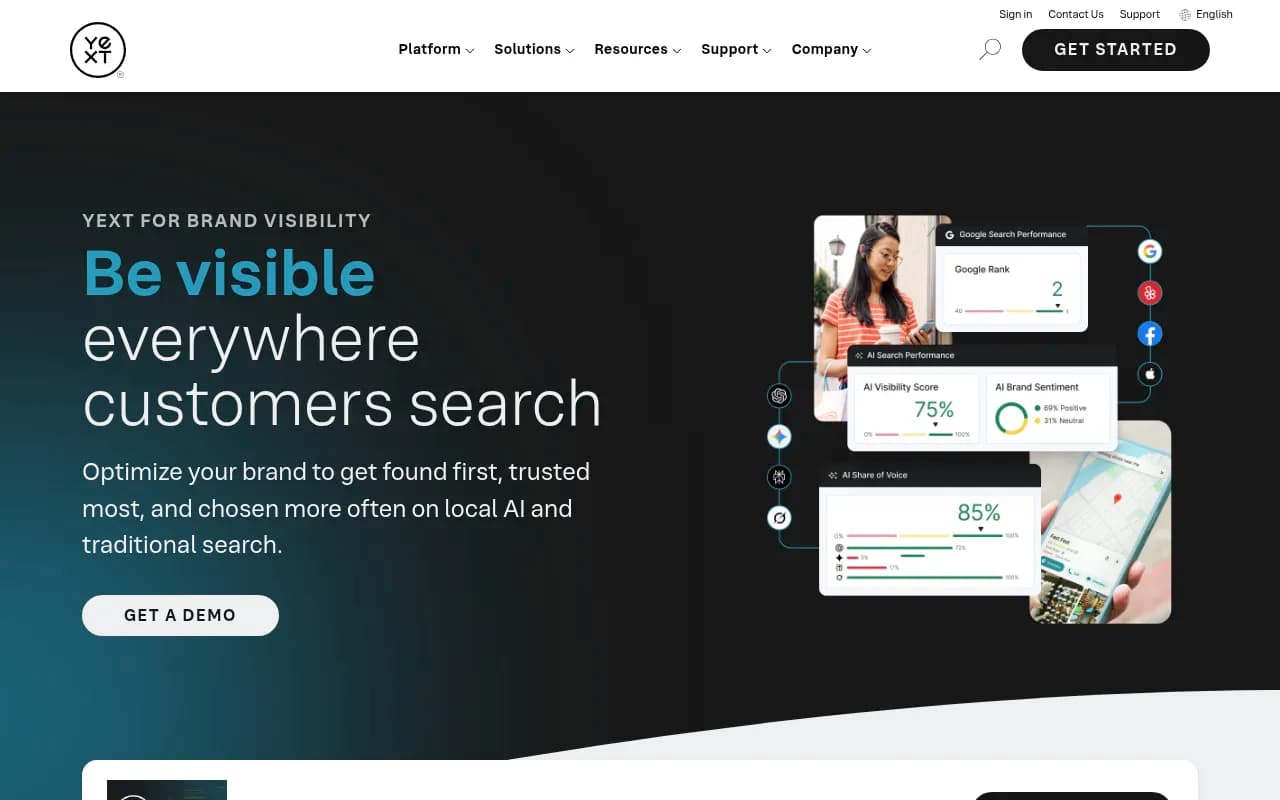
Yext focuses on keeping business data consistent across the directories and platforms that AI engines pull from, which directly addresses one of the most common reasons a location drops out of AI recommendations: mismatched NAP (name, address, phone) data or outdated hours.
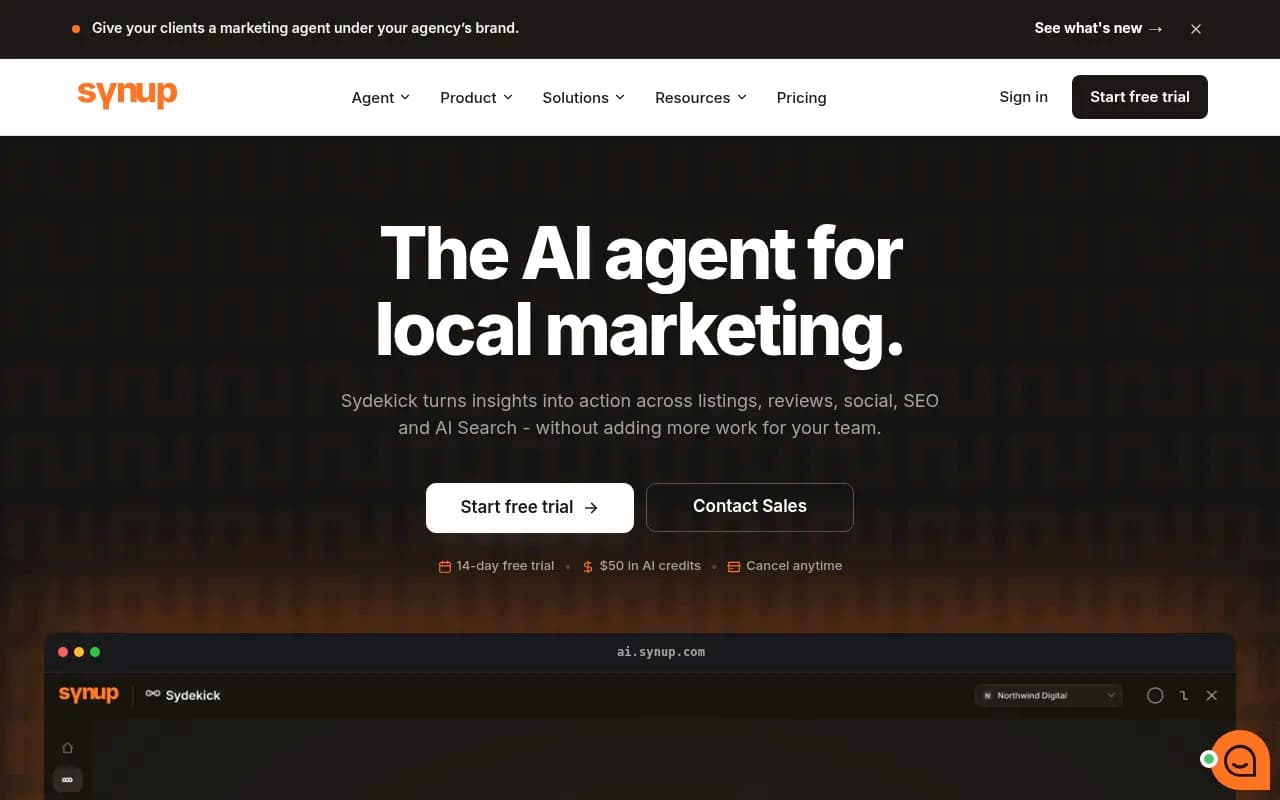
Synup runs listings, reviews, and local visibility as something closer to an automated agent, useful for operators managing dozens of locations who don't have a dedicated team to babysit each profile.
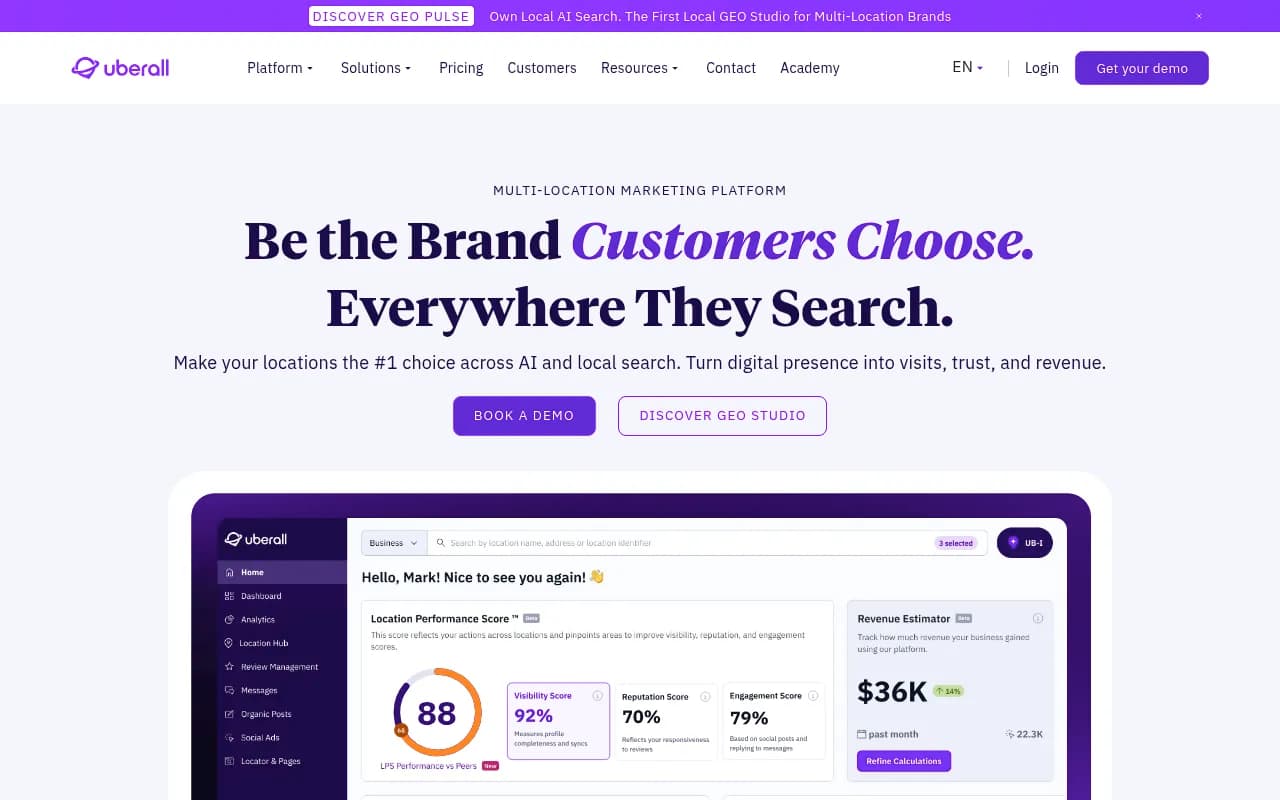
Uberall is built for brands managing thousands of locations and turning that sprawl into something searchable and consistent, which matters because AI engines appear to penalize inconsistency rather than reward volume.
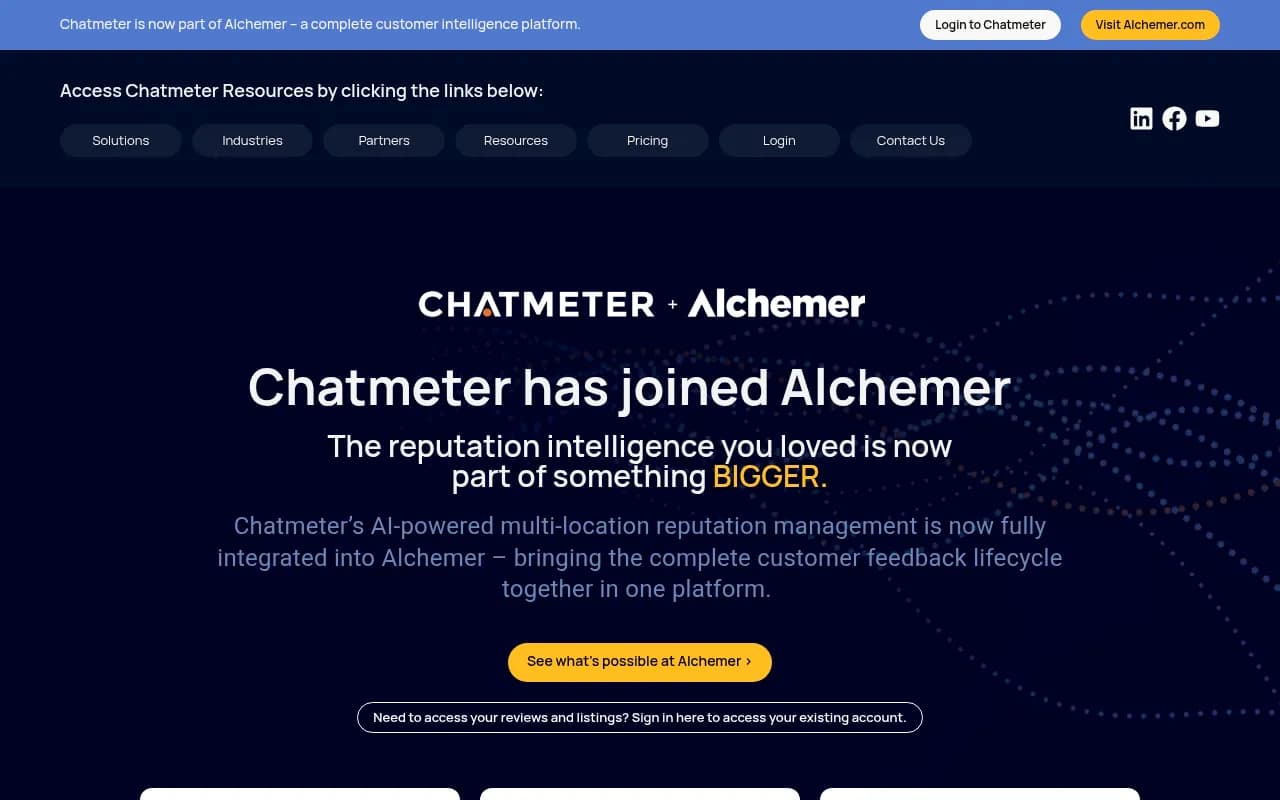
Birdeye and Chatmeter both sit in the reputation and multi-location management space; Chatmeter in particular has recently folded in AI visibility tracking alongside its existing listings and review tools, which is a sign of where this category is heading: fewer standalone point solutions, more platforms that combine listings, reviews, and AI tracking in one dashboard.
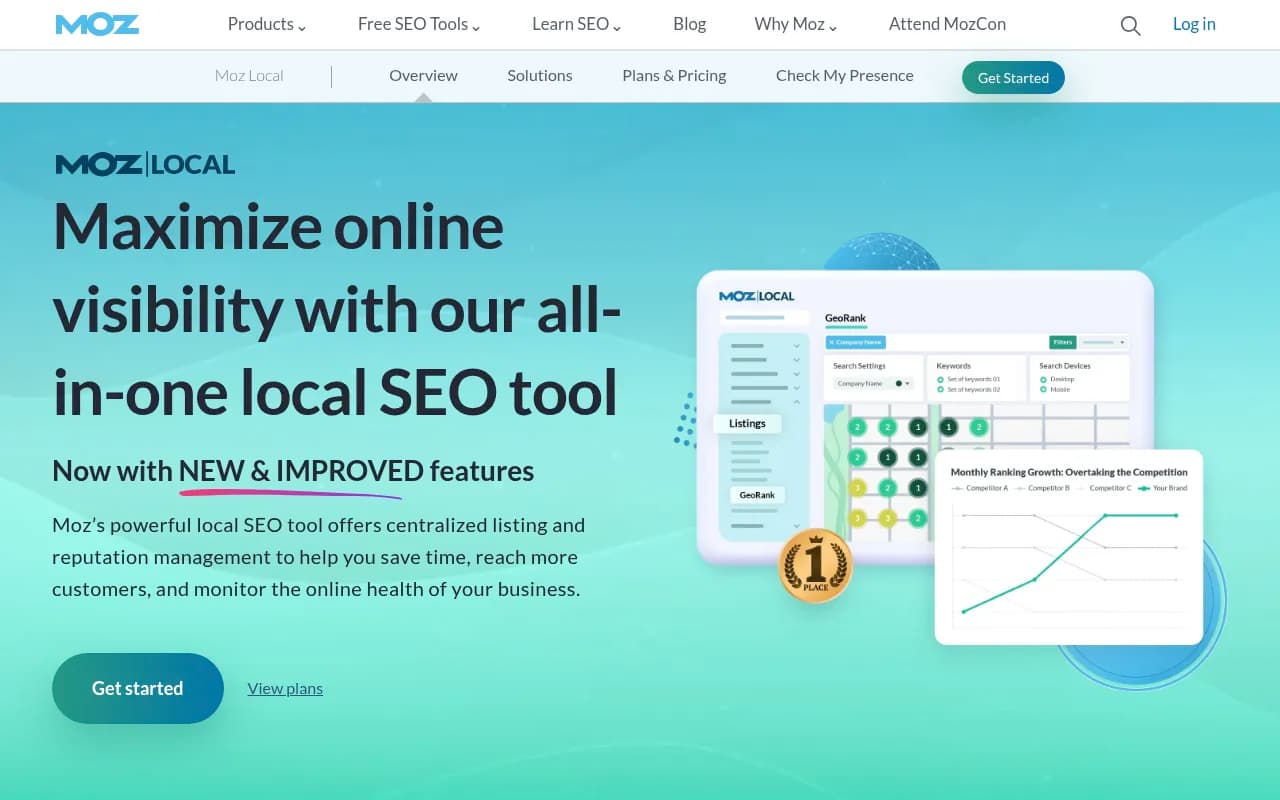
Moz Local is the longer-standing option here, syncing listings broadly but requiring more hands-on management than the newer agent-style tools.
What actually breaks local AI visibility
The Search Engine Journal writeup of Whitespark's AI Overviews study flags two specific failure patterns worth calling out, because they're easy to fix once you know to look for them.
First, generic city-swap location pages get flagged as low-context boilerplate. If your "Denver" page and your "Austin" page are identical templates with the city name swapped and a stock photo, AI engines tend to skip past them and cite someone else instead. Pages need something that proves geographic legitimacy, actual neighborhood references, a real photo of the storefront or team, specific service-area detail, not generic copy.
Second, entity consistency across every touchpoint matters more than most businesses realize. If your Google Business Profile lists different hours than Apple Maps, or your website lists a service category that doesn't match what's on your citations, that inconsistency erodes the AI's confidence in treating your business as a single, verifiable entity. The fix isn't glamorous: audit NAP data across directories, fix the mismatches, and keep it that way.
Where brand-level GEO platforms fit alongside local trackers
Local geo-grid tools answer "where, geographically, am I visible or invisible." They don't typically tell you why, at a content and crawler level, or help you produce the fix. That's a different job, and it's where broader AI visibility platforms come in.
Promptwatch tracks citations, AI crawler behavior, and content gaps across ChatGPT, Gemini, Claude, Perplexity, Grok, and Google's AI surfaces, and its agents can generate and publish the content needed to close a visibility gap once you've found one. For a multi-location brand, pairing a local geo-grid tool (to find which zip codes are underperforming) with a platform like Promptwatch (to understand which content, crawler issues, or citation gaps are causing it, and to generate the fix) covers more of the problem than either tool alone.

Promptwatch's crawler logs, for instance, show exactly which pages AI bots like ChatGPTBot or GoogleOther actually read on your site and where they hit errors, something none of the geo-grid-focused local tools currently offer. If a location page isn't getting crawled at all, no amount of grid scanning will tell you that; you need the crawler-log layer to see it.
Picking the right stack for your situation
If you run a single location or a handful of sites, start with a geo-grid tool and skip the enterprise platforms entirely. Local Falcon's $24.99/month starter plan with 7,500 credits is enough to run meaningful weekly scans without overcommitting.
If you're an agency managing dozens of client locations, BrightLocal's per-location scoring and its direct line into citation building make reporting far less painful, and the $31-$49/month per-plan pricing scales more predictably than credit-based models once you're running it across many clients at once.
If your problem is less "where are we invisible" and more "why does our content never get crawled or cited," a technical AEO tool or a full-stack GEO platform is a better starting point than a grid scanner. ZipTie covers the crawler-access and indexation side; Promptwatch covers crawler logs, citation analytics, and content generation across both local and brand-wide AI visibility.
And if you genuinely don't have the internal bandwidth to run any of this, a done-for-you service like Cheers, at $750/month for up to three locations, trades cost for someone else doing the diagnosis and the fix. That's a real option for multi-location service brands without a marketing team big enough to run the tooling themselves.
Whichever combination you land on, re-check it quarterly. The engines themselves are still changing fast. Promptwatch's data shows Microsoft Copilot's average source count per response swung from under 2 to nearly 17 within a few weeks this year, a sign that the underlying retrieval mechanics of these platforms are still being rebuilt in real time, and local visibility tools that don't track an engine today may need to add it within months. If you want a broader view of what's available beyond the tools covered here, the GEO software directory at bestgeosoftware.com is a reasonable place to keep tabs on new entrants in this fast-moving category.