Key takeaways
- Fitness and wellness categories are already winner-take-most in AI answers. Strava holds roughly 13% of citation share for fitness queries, and four supplement brands (Thorne, Seed, AG1, Momentous) capture over 47% of citations in their category, according to 5WPR's 2026 indexes.
- Which sources AI trusts depends heavily on the sub-category: clinical supplement questions pull almost entirely from NIH, FDA, and NHS pages, while workout and lifestyle questions favor Verywell Fit, Men's Health, and niche YouTube channels.
- ChatGPT cites roughly 5 sources per answer versus Google AI Overviews' and Perplexity's roughly 10, per Promptwatch's average sources per response data, so the ChatGPT slots in fitness/wellness queries are especially scarce.
- A dedicated AI visibility tool (not a generic rank tracker) is the only way to see which prompts you're missing, why, and what to fix. Pricing for standalone tools runs from about $29/month (Otterly.AI Lite) to $495+/month for multi-engine, multi-market plans.
- Tools like Promptwatch go further than monitoring, generating and publishing GEO-optimized content, which matters for fitness and wellness brands that need to produce a steady stream of workout, nutrition, and supplement content to compete for citations.
Why fitness and wellness is its own AI visibility problem
Most AI visibility advice is written for B2B SaaS. Fitness and wellness doesn't behave like B2B SaaS. There's no single "best fitness app" the way there's rarely a single "best CRM." AI models have learned to route by use case: ask about running and you get Strava, ask about recovery and you get Whoop or Oura, ask about nutrition tracking and MyFitnessPal shows up. 5WPR's Fitness & Wellness Apps AI Visibility Index tested 25 apps against 60+ prompts across ChatGPT, Claude, Perplexity, Gemini, and Google AI Overviews in Q2 2026, and the pattern holds: Strava leads overall with about 13% citation share, MyFitnessPal sits around 10%, Peloton around 8%, and Apple Fitness+, Whoop, and Oura cluster in the 5-6% range.
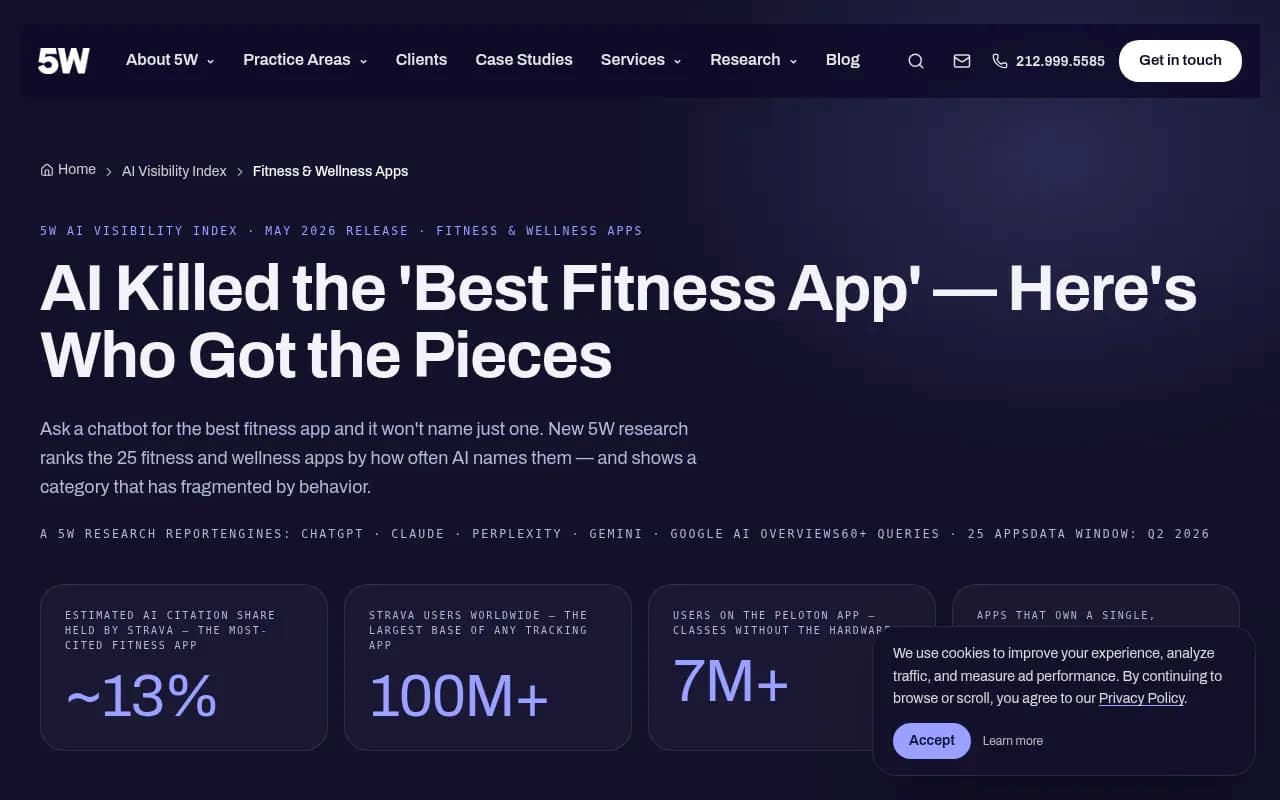
One detail from that report is worth sitting with: Peloton's rise to third place is credited to repositioning itself as an app platform rather than a hardware company. A financially healthy brand can still be functionally invisible to a chatbot if its content and positioning don't map to how people actually phrase fitness questions. That's a content and GEO problem, not a brand-strength problem, and it's fixable.
Supplements tell a similar but sharper story. 5WPR's companion Supplements AI Visibility Index ran 3,800 prompts from January through April 2026 and found that four brands, Thorne, Seed, AG1, and Momentous, together hold more than 47% of observed citation share. The twist is that the brands winning aren't always the revenue leaders. Brands with deeper clinical credibility, peer-reviewed citation depth, and sustained podcast or editorial coverage out-cite bigger-revenue competitors head to head. That lines up with separate research from Princeton and Georgia Tech showing that adding data and statistics to content can lift AI visibility by up to 40%.
Avenue Z's 2026 AIVx reports break the picture down further by category, and the source mix is genuinely different everywhere you look:
- Multivitamins: Nature Made and Thorne alone take 43% combined share, with institutional domains (think NIH, FDA) making up 52% of citations.
- Greens and gut supplements: AG1 leads, but citation sources are more evenly spread across institutional, editorial, and competitor content, meaning listicles and comparison pages actually move the needle here.
- Hydration: Liquid I.V., LMNT, DripDrop, Ultima, and Pedialyte combine for 74% of share, with institutional and editorial sources outweighing user-generated content.
- Protein and performance: the most contestable category, with the top 3 brands holding only 43% share, leaving real room for challenger brands like Isopure and Levels to gain ground.
- GLP-1 and peptides: Teladoc leads a tight cluster with Ro Body, Hims, Hers, WeightWatchers Clinic, and PlushCare, and institutional domains make up 67% of citations given the regulatory sensitivity.
Avenue Z's VP of AI strategy, Tina Fleming, put it plainly: "The mix of institutional, editorial, review and retail sources that matters in multivitamins looks nothing like what moves the needle in protein or hydration." If you're running one generic GEO playbook across every product line, you're almost certainly leaving visibility on the table in at least one category.
There's a regulatory wrinkle too. Qvery's analysis of health-product citations found that clinical-claim questions ("recommend a vitamin B12 supplement for vegetarians") are answered almost entirely from government sources: NIH's Office of Dietary Supplements alone accounted for over 16% of citations, with FDA and NHS also ranking high, while even strong health publishers like Healthline barely registered. Lifestyle-style questions pull from a completely different stack, led by Verywell Fit. Know which type of question you're optimizing for before you pick a content strategy.
What makes a good AI visibility tool for this category
Generic AI visibility tools will tell you whether your brand got mentioned. For fitness and wellness, you need more specific signals:
- Reddit and YouTube tracking, since workout tutorials and supplement discussions live there. Promptwatch's social media citation data shows ChatGPT is a "Reddit specialist" (5.19% of its citations go to Reddit, over 20x its next social platform), while AI Overviews and Grok lean harder on YouTube. Grok is also notably the broadest social citer, pulling meaningfully from Facebook and Instagram, which matters if your wellness brand lives on those platforms.
- Content-type breakdown, because product pages, how-tos, and comparisons behave very differently. Promptwatch's August 2026 data on ChatGPT citation types shows how-to content more than doubled in citation share (4.3% to 9.1%) over the month, which is a strong signal for fitness brands to invest in instructional content, not just product pages.
- Shopping and commerce visibility, since ChatGPT's shopping features concentrate on transactional prompts. Supplement and equipment brands should keep product schema and merchant feeds current, because Promptwatch's ChatGPT Shopping usage data shows OpenAI actively tunes how often these cards appear, and they can switch on for a category with little warning.
- Category-level reporting rather than one flat dashboard, since (per Avenue Z) multivitamins, hydration, protein, and GLP-1 each pull from a different source mix.
Comparison: AI visibility tools worth considering
| Tool | Starting price | Engines tracked | Reddit/YouTube focus | Goes beyond monitoring | Best for |
|---|---|---|---|---|---|
| Promptwatch | $95/mo (Essential) | ChatGPT, Gemini, Claude, Perplexity, Grok, AI Overviews, AI Mode, Copilot, Meta Llama, DeepSeek, Mistral | Dedicated Reddit and YouTube citation reports | Yes, crawler logs, content agents, CMS publishing, Unified Actions | Fitness/wellness brands that need content produced, not just measured |
| Profound | $99/mo (Starter, ChatGPT only) | Up to 3 on Growth ($399/mo) | Limited | Content generation from Growth tier up | Enterprise brands with budget for a sales-led contract |
| Peec AI | ~ EUR85/mo (Starter) | 3 engines on entry tier | Not a core focus | Monitoring-first, light optimization | Agencies wanting daily prompt tracking |
| Otterly.AI | $29/mo (Lite) | ChatGPT core, Claude/Gemini as paid add-ons | No | Agent Analytics, GEO URL audits | Small wellness brands on tight budgets |
| Mentionova | $99/mo (Starter) | 6 engines incl. Reddit on Scale tier | Reddit tracked as an "engine" | Mostly monitoring | Brands wanting Reddit visibility without upgrading far |
| Semrush AI Toolkit | $99/mo add-on (requires Semrush sub) | ChatGPT, Google AI, Gemini, Perplexity | No | AI-readiness audit only | Teams already paying for Semrush |
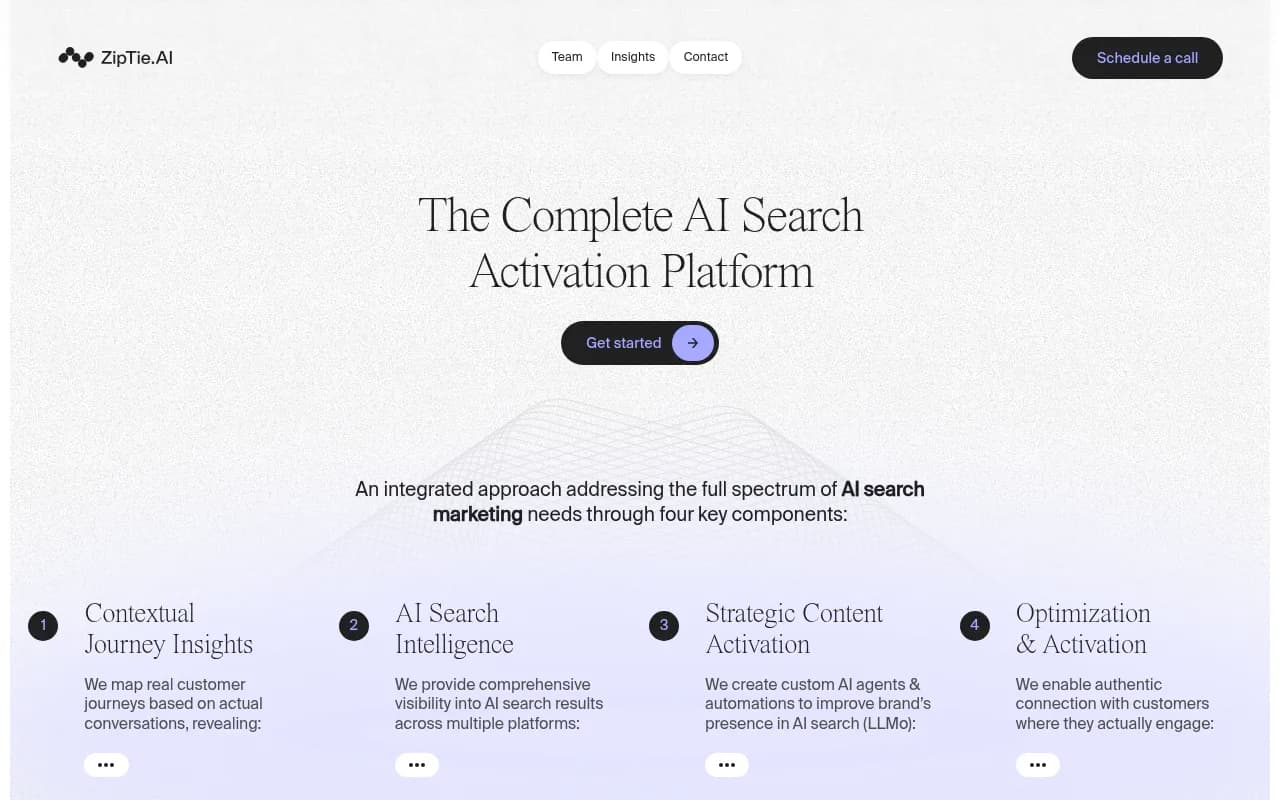
| ZipTie | $69/mo (Basic) | Google AI Overviews, ChatGPT, Perplexity | No | Content optimization suggestions | Agencies needing unlimited seats |
Promptwatch
Promptwatch is the tool my agency, 1001 SEO Media, uses for its own GEO work, and it's a better fit for fitness and wellness than most monitoring-only trackers because it doesn't stop at telling you where you're missing. It shows why, through AI crawler logs that reveal whether ChatGPTBot or PerplexityBot actually read your workout guide or supplement FAQ before deciding not to cite it, and then its Content Agents can draft and publish the fix straight to your CMS.

For a supplement brand, that combination matters a lot given Qvery's finding that clinical questions skew almost entirely toward government sources. Promptwatch's content gap analysis can show you exactly where your dosage, safety, or ingredient pages are thin compared to what NIH or FDA pages cover, and its Reddit and YouTube citation reports surface which subreddits and channels are actually earning citations in your category, something most competitors (Profound, Peec AI, Otterly) don't track at all. With 1,840+ customers and a 4.7/5 rating on G2, it's being used by brands in regulated and consumer categories that face the same scrutiny fitness and wellness does.
Profound
Profound is a serious enterprise option, but its entry tier only covers ChatGPT, and you need the $399/month Growth plan to add Perplexity and Google AI Overviews. For a fitness brand that needs to see how Google AI Overviews source hydration or protein questions (where institutional and editorial content dominates per Avenue Z), that's an expensive gate to clear.
Peec AI
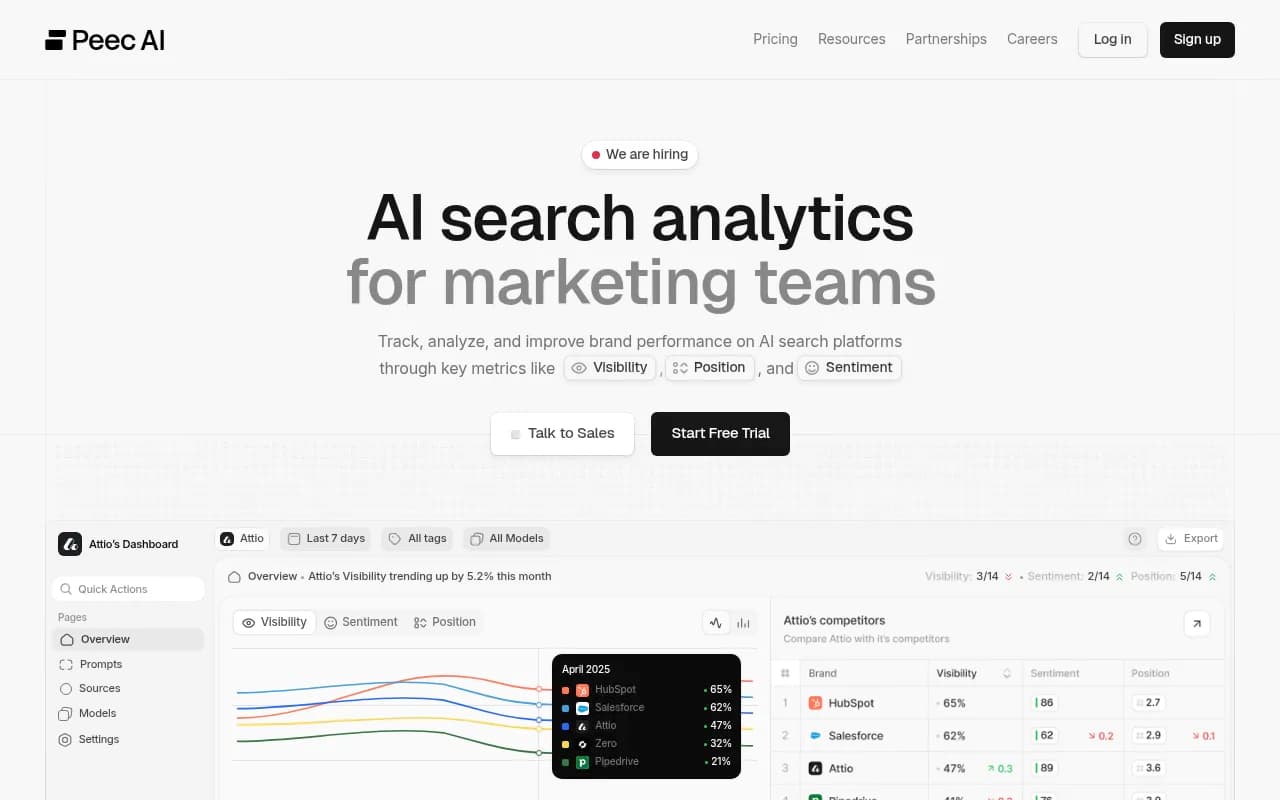
Peec AI is solid for agencies that want daily prompt-level tracking and European pricing, but it leans monitoring-first with limited execution tooling. If you already have a content team that just needs visibility data to prioritize work, it can do the job; if you need the tool to help generate the content, it falls short.
Otterly.AI
Otterly is the budget pick, starting at $29/month, but the catch for fitness and wellness brands is that Claude and Google AI Mode/Gemini are paid add-ons on top of the base price. By the time you add Claude coverage on the Standard tier, you're closer to $357/month, which erodes the "cheap" positioning fast.

Mentionova
Mentionova is worth a look specifically because its Scale tier ($320/month annual) includes Reddit as a tracked engine alongside the usual five, which is genuinely rare. Given how much ChatGPT leans on Reddit for certain queries, that's a meaningful differentiator if Reddit community visibility is your main gap.
Semrush AI Toolkit and ZipTie
If you're already paying for Semrush, the AI Toolkit add-on at $99/month gives you a reasonable starting point for AI visibility reporting without buying a new platform, though it requires an active Semrush subscription underneath it. ZipTie is a decent lower-cost option for agencies managing several wellness clients since every tier includes unlimited seats.
How to actually move the needle, not just measure it
Tracking is step one. Here's what the data says actually changes citation outcomes in this category:
- Match content format to the question type. How-to content nearly doubled its ChatGPT citation share in August 2026 per Promptwatch's data, so workout tutorials and form guides deserve dedicated pages, not just blog mentions.
- Publish on a niche YouTube channel, not a mega-influencer deal. Promptwatch's February 2026 YouTube citation data found that channels with 10K-100K subscribers are the single most-cited cohort, and about 80% of cited videos have under 100K views. A focused workout channel with a few thousand subscribers already sits in the sweet spot.
- Answer Reddit questions early and completely. Promptwatch's Reddit citation research shows 71% of cited Reddit posts had fewer than 10 upvotes, and citations skew toward posts that are 6+ months old, not viral threads. Write one self-contained, accurate answer in a relevant subreddit (r/Fitness, r/Supplements, r/Nootropics) rather than chasing engagement.
- Link claims to institutional sources. If you make a clinical claim, cite NIH, FDA, or NHS pages directly; this is where clinical-style AI answers pull from almost exclusively, regardless of how strong your own domain authority is.
- Keep commerce infrastructure ready at all times. ChatGPT's shopping card trigger rate can shift overnight, so product schema, pricing, and merchant feeds for supplements and equipment need to be correct continuously, not audited quarterly.
Final take
Fitness and wellness is one of the clearest examples of AI search behaving like a set of winner-take-most micro-markets instead of one big ranking. The brands winning citations aren't always the ones with the most revenue or the biggest social following; they're the ones whose content matches the exact source type each sub-category relies on, whether that's a government health page, a niche YouTube channel, or an old Reddit thread with ten upvotes. Pick a visibility tool that can show you that mix at the category level, and if you need help acting on what it finds rather than just staring at a dashboard, that's exactly where tools built for execution, not just monitoring, earn their price. For a broader look at GEO platforms outside this category, the directory at bestgeosoftware.com is worth a browse.