Key takeaways
- Start with the platform, not your site. In 2026 ChatGPT changed behavior on March 4, August 8 and August 14, and each change moved citations for thousands of sites at once.
- Ask one question before anything else: did other domains and other brands drop on the same date? If yes, it is not your content.
- If only you dropped, work down the list: crawler access, site changes, entity consistency, sentiment, then competitors.
- Track citations per response and per platform. A blended visibility number hides most of these events.
- Do not publish ten new articles in a panic. If the cause is a robots.txt rule, more content changes nothing.
First, confirm the loss is real
One prompt returning a different answer is noise. ChatGPT answers vary run to run, and a single test tells you almost nothing.
What you are looking for is a pattern:
- Five or more prompts that reliably named or cited you now do not
- The change holds across several test sessions, not one
- Someone else is sitting in the slot you held
- Ideally, you see it on more than one AI platform, or you can say clearly that only ChatGPT moved
If you lost one or two prompts and still appear in most, that is variance. If a consistent cluster went dark on a specific date, keep reading. The date matters more than anything else in this guide.
Step 1: Check whether the platform changed
This is the step most diagnostic posts skip. Several vendor articles list five causes that all sit on your side of the fence: crawl blocks, entity problems, bad reviews, competitors. Those are real, but they are not the most common explanation for a sudden, overnight drop in 2026. Platform-wide shifts are, and they are far cheaper to rule in or out.
Three dated events are worth checking your drop against.
March 4, 2026: fewer citation slots per response
Promptwatch Data on the ChatGPT citation drop after GPT-5.3 (covering Feb 26 to Mar 11, 2026, responses where web search triggered) shows citations per response falling from about 6.4 in the week before the rollout to about 4.7-4.9 by late March. That is roughly 27% fewer citation slots, and it had not recovered a month later. The drop hit GPT-5.3, GPT-5.4 and GPT-5-Mini at once.
With fewer slots, the marginal sources go first. If you were the sixth or seventh cited domain, you did not do anything wrong. The sixth seat was removed.
August 8, 2026: ChatGPT started using site: searches
In Promptwatch's data on the site: operator, queries using site: jumped from about 0.4% to about 17% of all fanout queries in a single day. Searches per response rose from roughly 1.08 to 1.83. The share had dipped to 0.15% on Aug 3-5 first, which is consistent with a staged rollout.
Why it matters for you: ChatGPT now goes to specific domains and searches inside them. Your own site is a retrieval surface. Thin category pages, broken internal search and unindexed content can cost you answers in a way they did not in July. Keyword mappings built from fanout analysis before Aug 8 are stale.
August 14, 2026: Reddit nearly vanished
Promptwatch's report on Reddit citations dropping in ChatGPT (July 7 to Aug 17, 2026) shows reddit.com holding a 3.83% share of ChatGPT citations from July 18 to Aug 7, then falling below 1% on Aug 14. The Aug 14-17 average was 0.52%, an 86.4% relative drop. A smaller slide began Aug 8, the same day as the fanout change.
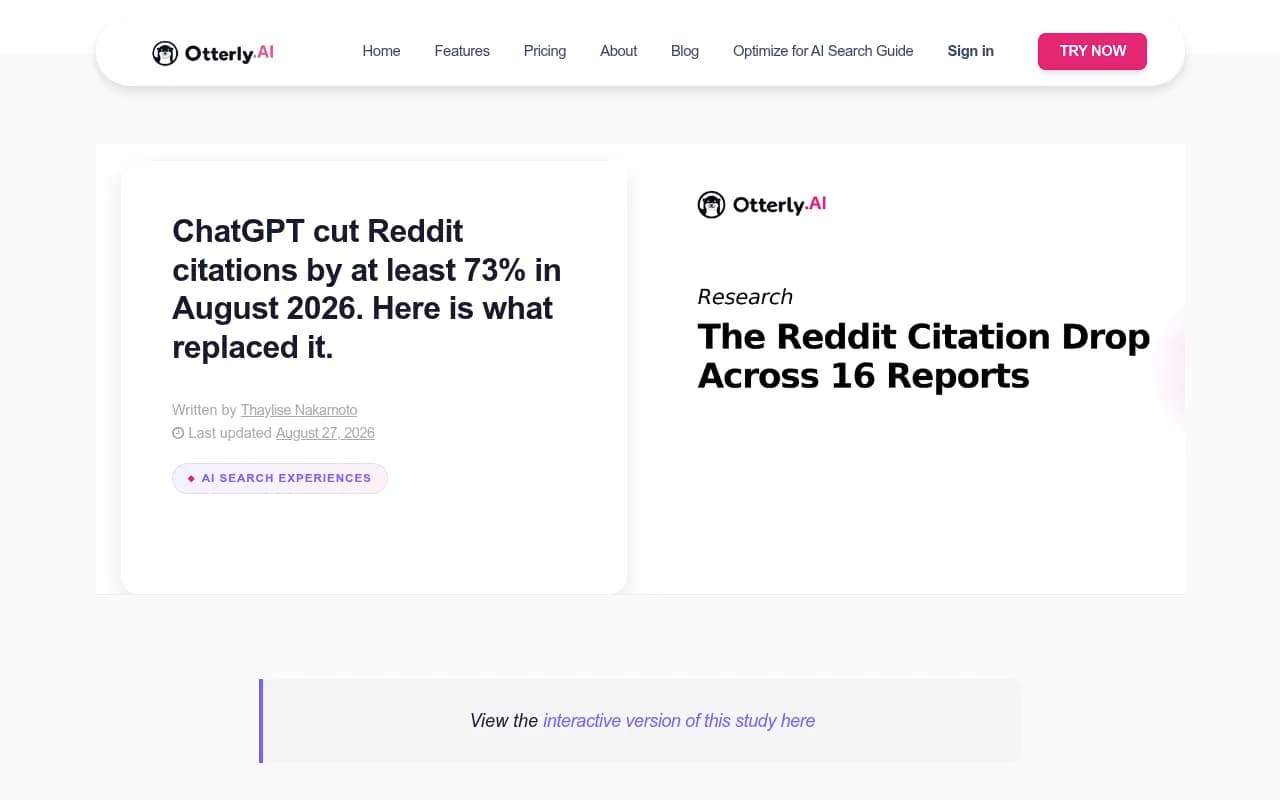
Other people measured it differently. Otterly's study of 16 brand reports found Reddit citations in ChatGPT fell by at least 73% while ChatGPT's total citation volume rose 3.5%. Those are different measures from Promptwatch's share figure, so do not average them. Both point the same way, though. GrowByData's retail and travel panels saw Reddit fall from about 15% and 13% of ChatGPT citations in mid-May to near zero by late September.
Google's surfaces behaved differently. In Promptwatch's data AI Overviews slid about 11.3% and AI Mode about 30.5%, gradually and without a cliff. Otterly found the other engines kept citing the same threads ChatGPT dropped, which is a good argument that this was a ChatGPT-side change and not Reddit tidying up.
If your brand leaned on Reddit threads for its mentions, this alone could explain an overnight loss. What filled the gap, according to Otterly, was mostly reference sources and official pages, not other forums.
A caveat worth repeating. Promptwatch says a data-collection issue cannot be fully ruled out for the size of the Aug 14 drop, and nobody outside OpenAI knows the retrieval design. Some write-ups say Reddit blocked crawlers in robots.txt. Others say the cause is unconfirmed. Treat the mechanism as open and the drop itself as well measured.
The platform-shift test
Run this in about an hour:
- Write down the date you first noticed the drop, and narrow it to the day if your tracking allows.
- Compare it against March 4, August 8 and August 14, plus any model release OpenAI announced near it.
- Check whether a competitor or two lost ground the same day. If three unrelated brands dropped together, you have your answer.
- Look at citations per response, not just your own count. If the total fell, you lost a slot, not a ranking.
- Check which source types moved. If your lost citations were Reddit threads or review-site pages, the cause is the source, not your brand.
Promptwatch Data also shows how unevenly content types age. In its content half-life report, pages ChatGPT cited on July 6, 2026 were tracked for 90 days: landing pages and docs stayed cited longest, while news lost half its pages within 36 days. If your citations came from news-style posts, some natural decay is expected even with no platform event.
Step 2: If only you dropped, check crawler access
If competitors held steady and your loss is isolated, the most underdiagnosed cause is access. A migration, CMS update or CDN rule can cut off AI crawlers without anyone noticing, because Google still reads the site fine.
Check these in order:
- Open yoursite.com/robots.txt and look for Disallow rules on GPTBot, OAI-SearchBot, ChatGPT-User, ClaudeBot or PerplexityBot. Staging rules that leaked into production are the classic culprit.
- Check Cloudflare, Akamai or other bot-management settings. A managed rule can block AI user agents even when robots.txt is clean.
- Look at server logs for those crawlers. Real hits that return 403s or 5xx errors tell you where to look. Spoofed bots exist, so verify by IP.
- Make sure key pages render without heavy client-side JavaScript. Crawlers vary in how much they execute.
- Confirm important pages are in your sitemap and not orphaned. After the Aug 8 shift, pages that site: searches cannot find are pages that cannot be cited.
Tools like Promptwatch log AI crawler visits with IP verification and show the errors they hit, which is the quickest way to see this without parsing raw logs yourself.

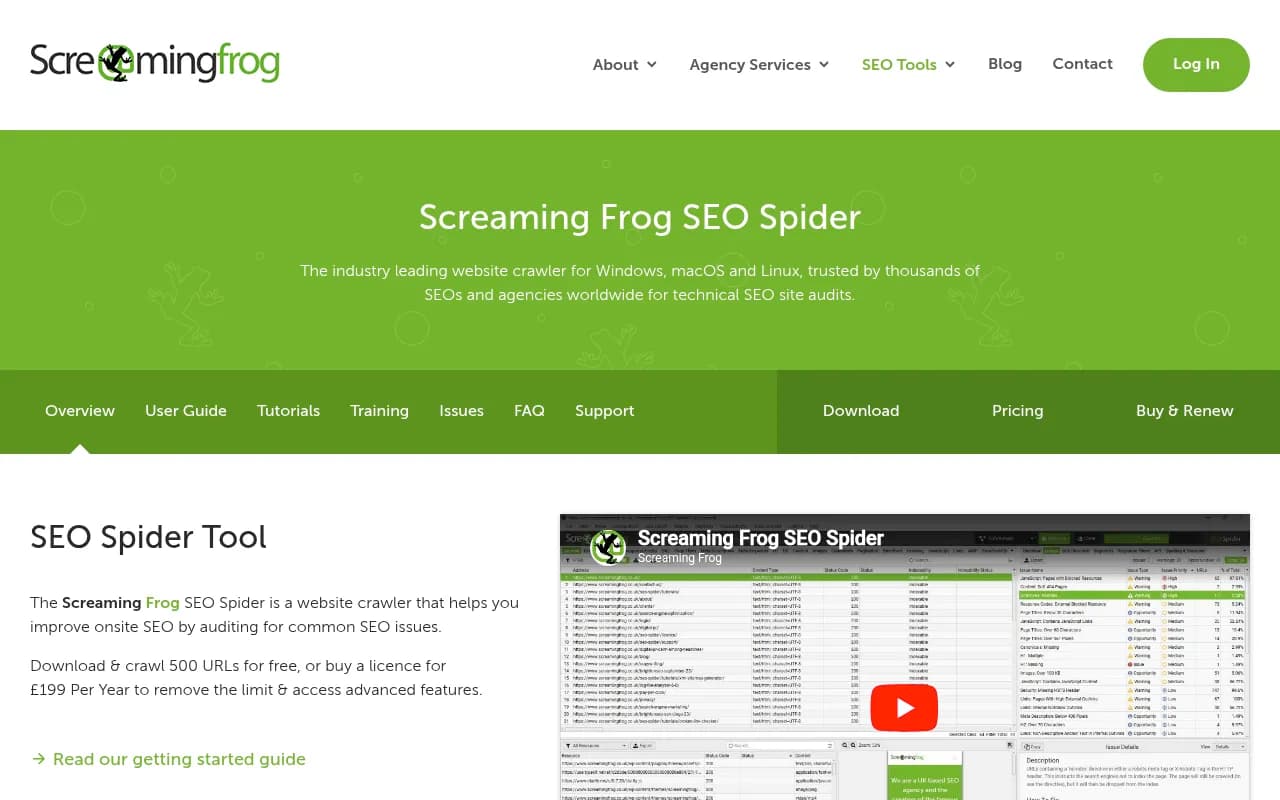
If you prefer to crawl your own site, Screaming Frog SEO Spider can fetch pages with AI user agents to see what they get back.
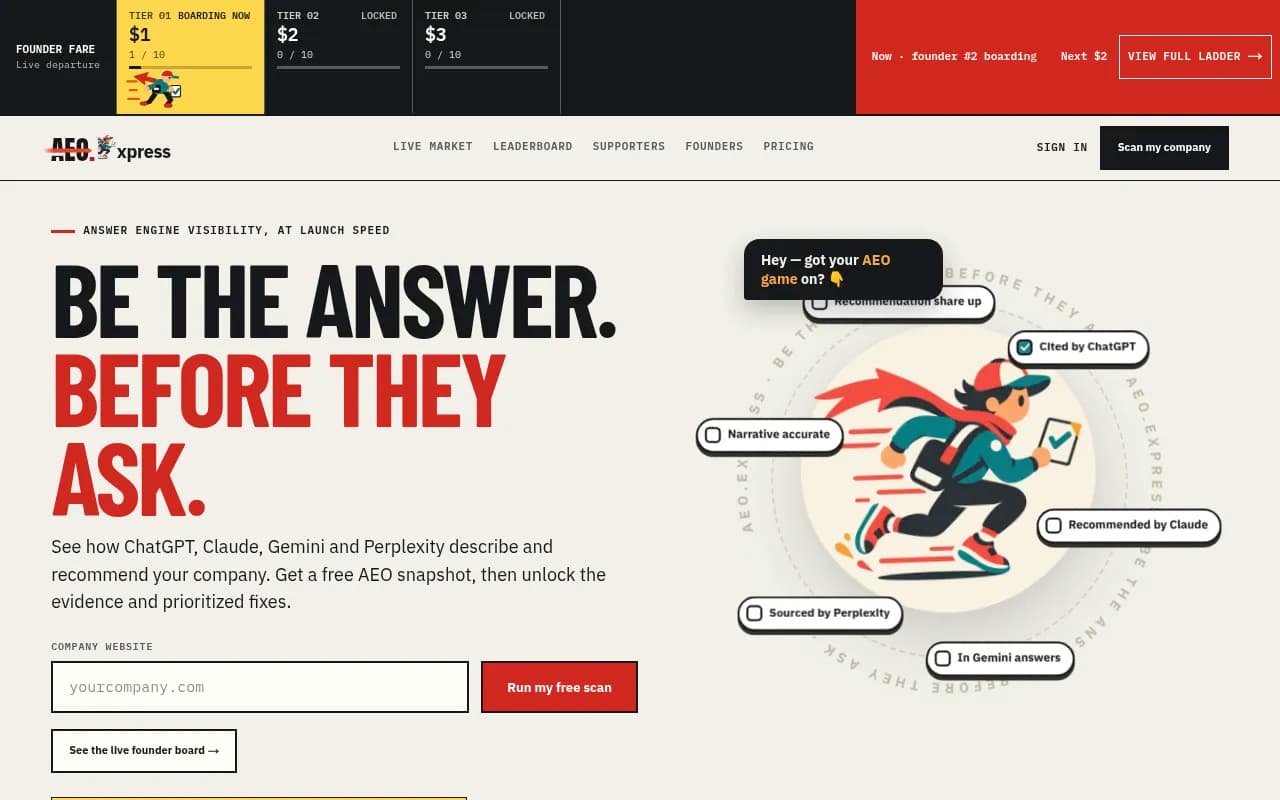
For a free first look, an AI-crawler checker such as AEO.express gives a quick snapshot of what bots can read.
Recovery after fixing a block usually takes days, not hours. Crawlers need to come back and retrieval needs to pick you up again.
Step 3: Did something change on your side?
Work through your own change log for the week before the drop.
- URL changes without redirects, or redirect chains
- Canonical tags pointing the wrong way
- Pages moved behind a login, cookie wall or geo-block
- Product pages restructured. Promptwatch's content type data shows product pages are the most cited type in ChatGPT, at 22.4% of citations from Sep 28 to Oct 4, 2026. Altering or thinning those pages is not a small risk.
- Content removed or consolidated. If ChatGPT cited a page that now 404s, that citation is gone for good until a replacement earns it
A Google Search Console check helps here. If impressions or indexing fell on the same date, the cause is probably technical, not AI-specific.
Step 4: Entity and brand consistency
Sometimes the model still describes your category correctly but leaves your name out, or gets details about you wrong. That points at entity confusion: conflicting facts across your homepage, LinkedIn, Crunchbase, G2 and Wikidata, often after a rebrand or product rename.
I will say plainly that the "entity detachment" explanation is plausible but rarely measured. Vendors write about it with confidence and little data. Test it directly instead of assuming it.
- Ask ChatGPT, Perplexity and Gemini "What is [your brand] and what does it do?" and compare answers with your own facts.
- Fix every inconsistency at the source: names, founding year, location, product list.
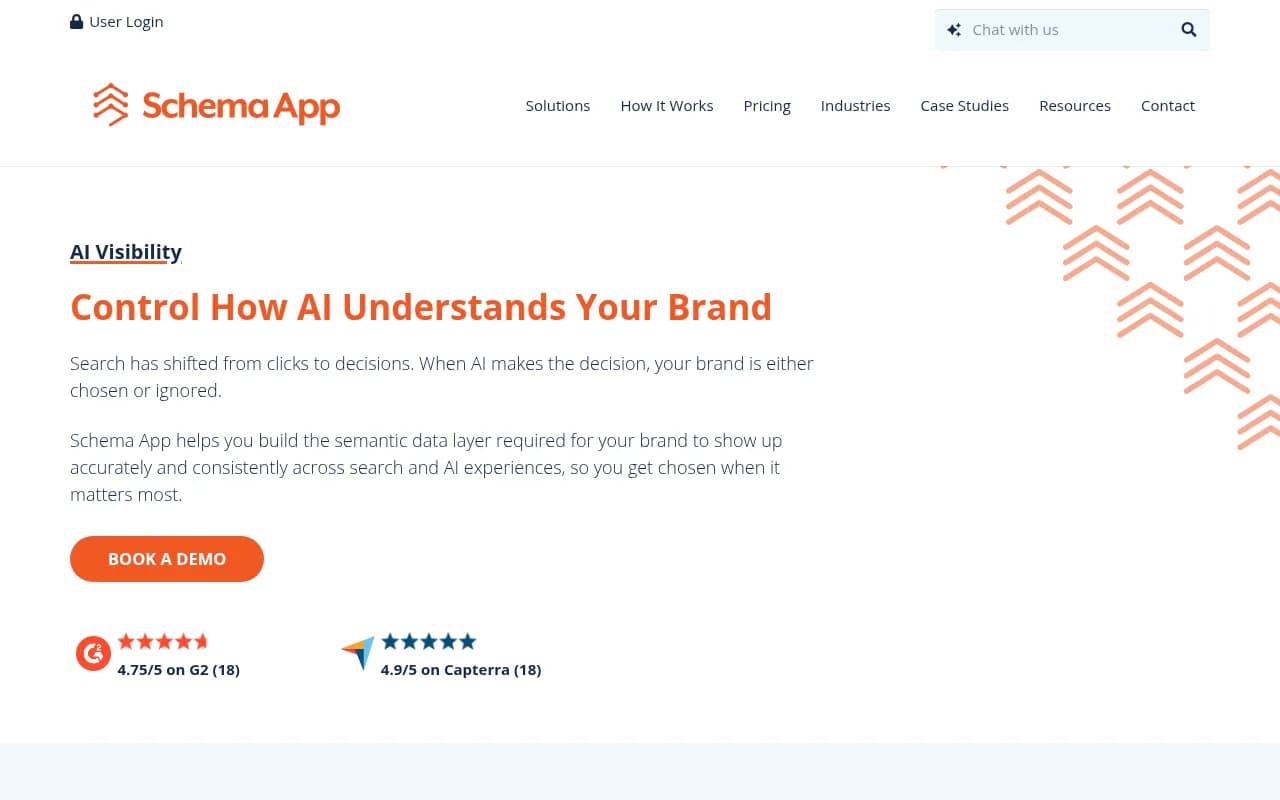
- Add Organization schema with sameAs links to your authoritative profiles. A structured data tool like Schema App can manage this at scale.
This fix is slow, usually weeks. Do not expect an overnight rebound.
Step 5: Sentiment and reputation
A burst of negative reviews, a hostile Reddit thread or a critical trade article can push your brand below the threshold for risk-sensitive prompts like "most reliable" or "best for enterprise." The tell is that you vanished from trust-heavy prompts while holding on informational ones.
Check review platforms and the web for recent negative coverage. Social listening tools such as Brand24 can surface mentions you missed.
Remember the Reddit change, though. If a negative thread exists but ChatGPT barely cites Reddit anymore, that thread is probably not your ChatGPT problem. It may still matter in AI Overviews, which in Promptwatch's social citation data drew 12.2% of citations from social platforms from Sep 28 to Oct 4, 2026, versus 0.46% for ChatGPT.
Step 6: Competitor displacement
Someone published comparison pages, tightened their FAQ content, or earned fresh coverage on exactly the prompts you used to hold. This cause is real, but it is the last one to blame, because it should be visible in the evidence.
- The same competitor appears in your lost slots on most affected prompts
- Their pages on those topics are new or updated around your drop date
- They are being cited, not just mentioned
If so, compete on specificity. Answer the exact prompt with concrete data, pricing and outcomes. Also remember that Promptwatch's domain rank data shows mid-authority sites (DR 46-75) earned almost half of ChatGPT citations in August 2026, so a smaller rival can absolutely displace you.
The diagnostic matrix
| Question | If yes, most likely cause | First action |
|---|---|---|
| Did several unrelated brands drop on the same date? | Platform change (Mar 4, Aug 8, Aug 14) | Check citations per response, wait, adapt |
| Did your lost citations come from Reddit or review sites? | Source-level shift in ChatGPT | Shift effort to pages ChatGPT still cites |
| Did a migration, CMS or CDN change precede the drop? | Crawler block or technical break | Check robots.txt, bot rules, logs, redirects |
| Do answers describe your category but omit or misstate you? | Entity inconsistency | Align facts across profiles, add schema |
| Did you drop only on trust-heavy prompts after bad press? | Sentiment | Address reviews, publish proof |
| Did one rival take most of your slots? | Competitor displacement | Audit their pages, answer more specifically |
Tools for tracking this so you see it on day one
The core problem in most of these cases is noticing late. You need daily tracking, a per-platform view and a record of citations per response.
| Tool | What it helps with | Best for |
|---|---|---|
| Promptwatch | Real-UI prompt tracking, crawler logs, citation trends, content gap analysis, publishing | Teams that want to diagnose and fix, not just watch |
| Otterly.AI | Prompt-level monitoring | Smaller teams wanting basic tracking |
| Profound | Enterprise monitoring | Large brands with budget |
| Peec AI | Mention and visibility tracking | Simple monitoring without optimization |
| Screaming Frog | Crawl testing with AI user agents | Technical checks on your own site |
Otterly.AI is a lean option for monitoring.

Profound targets enterprise teams.

Peec AI tracks visibility without the optimization layer.

Monitoring-only tools will tell you that you dropped. They will mostly not tell you why. Crawler logs, citation-source breakdowns and per-page data are what separate the two. If you want to compare more options, the directory at bestgeosoftware.com lists GEO platforms side by side.
A 72-hour recovery sequence
Day 1: diagnose
- Pin down the date and compare it to the platform events above
- Check competitors and total citations per response
- Read robots.txt, CDN rules and recent deploy notes
Day 2: fix what is yours
- Remove any accidental AI-crawler blocks
- Repair redirects, canonicals and broken or removed pages
- Make sure priority pages are in the sitemap and reachable by internal links
Day 3: adapt
- Rewrite thin pages that site: searches would hit, so they answer questions directly
- Reduce your dependence on any single source type, whether Reddit, one review site or one news cycle
- Set up alerts so the next drop is flagged within a day
What not to do
Do not rebuild your strategy around a four-day window. Reddit's ChatGPT share has collapsed before and come back: one summary notes a near-identical drop in mid-June 2026 that recovered to about 5% within two months, though I would hold that loosely. Do not publish a pile of new content before you know the cause. And do not treat a missing citation as proof of lost influence. A source can inform an answer without being shown, and nobody outside OpenAI can say how much that happens.
Bottom line
Most overnight losses in 2026 trace to the platform, and you can confirm that in an hour by checking dates and whether others fell too. If it is only you, look at crawl access and your own change log before you touch a single article. Content, entity work and reputation fixes come after, and they take weeks. For more on how AI answers pick sources, the Promptwatch Data hub publishes the underlying numbers.