Key takeaways
- GetMint.ai is a Generative Engine Optimization (GEO) platform focused on monitoring brand mentions and citations across AI models like ChatGPT, Claude, and Perplexity.
- Its core strengths are an accessible dashboard and competitive sentiment analysis, making it a reasonable entry point for teams new to AI visibility tracking.
- The platform has limited public reviews and an unverified G2 profile as of 2026, which makes independent validation difficult.
- GetMint's monitoring-first approach means it shows you where you're invisible but doesn't help you fix it -- a meaningful gap for teams that need to act on the data.
- For brands that want both tracking and content optimization in one workflow, alternatives like Promptwatch offer a more complete loop.
What is GetMint.ai?
GetMint.ai (also referred to as Mint or GetMint) is a GEO platform built around the idea that traditional SEO tools are essentially blind to AI engines. The pitch is straightforward: as more consumers use ChatGPT, Perplexity, and Gemini to make purchasing decisions, brands need a way to track how they appear in those conversations -- not just in Google's blue links.
The platform monitors brand presence across major language models, tracks citation patterns, analyzes sentiment, and generates visibility scores. According to GetMint's own positioning, it was one of the first tools to focus specifically on this problem rather than bolting AI monitoring onto an existing SEO platform.
That's a reasonable origin story. The GEO space was genuinely underserved in 2023 and 2024, and tools that moved early had a real advantage in building data infrastructure. Whether GetMint has translated that early-mover position into a mature, reliable product is a more complicated question.
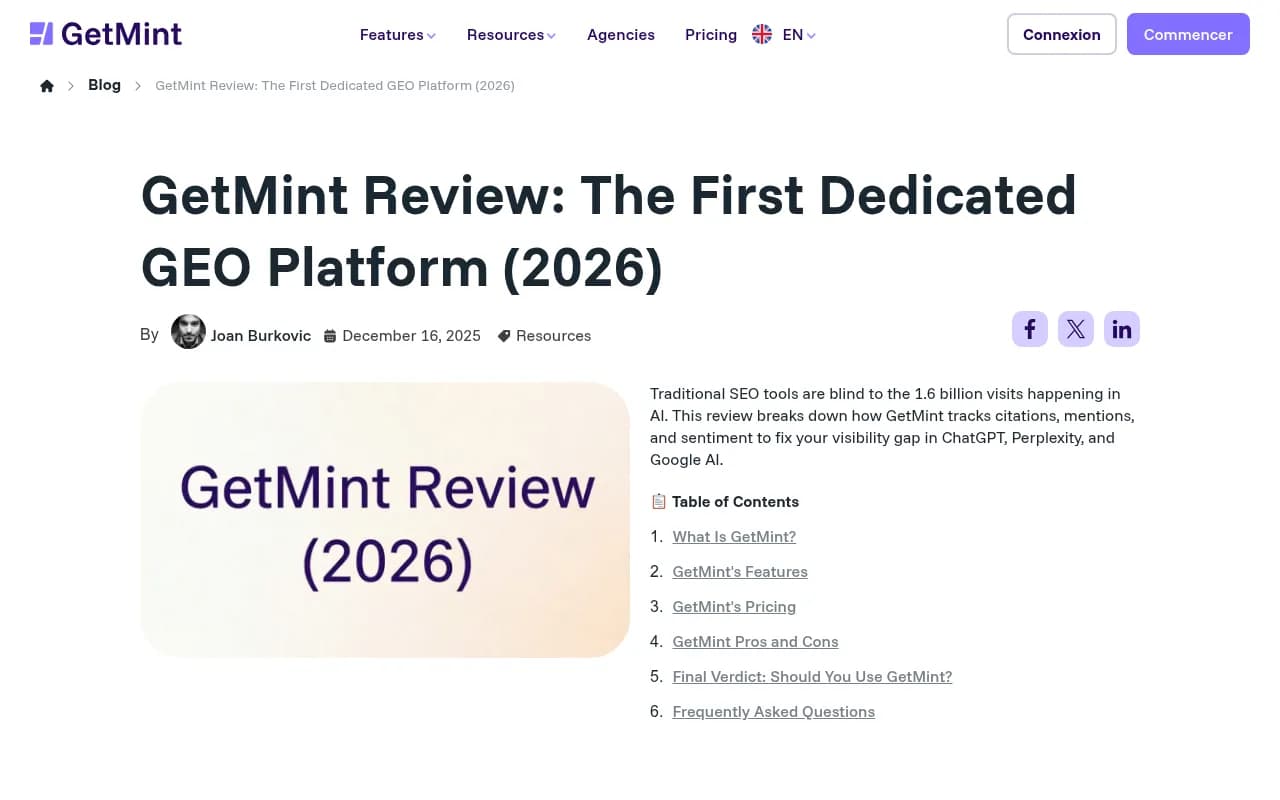
Core features
AI brand monitoring dashboard
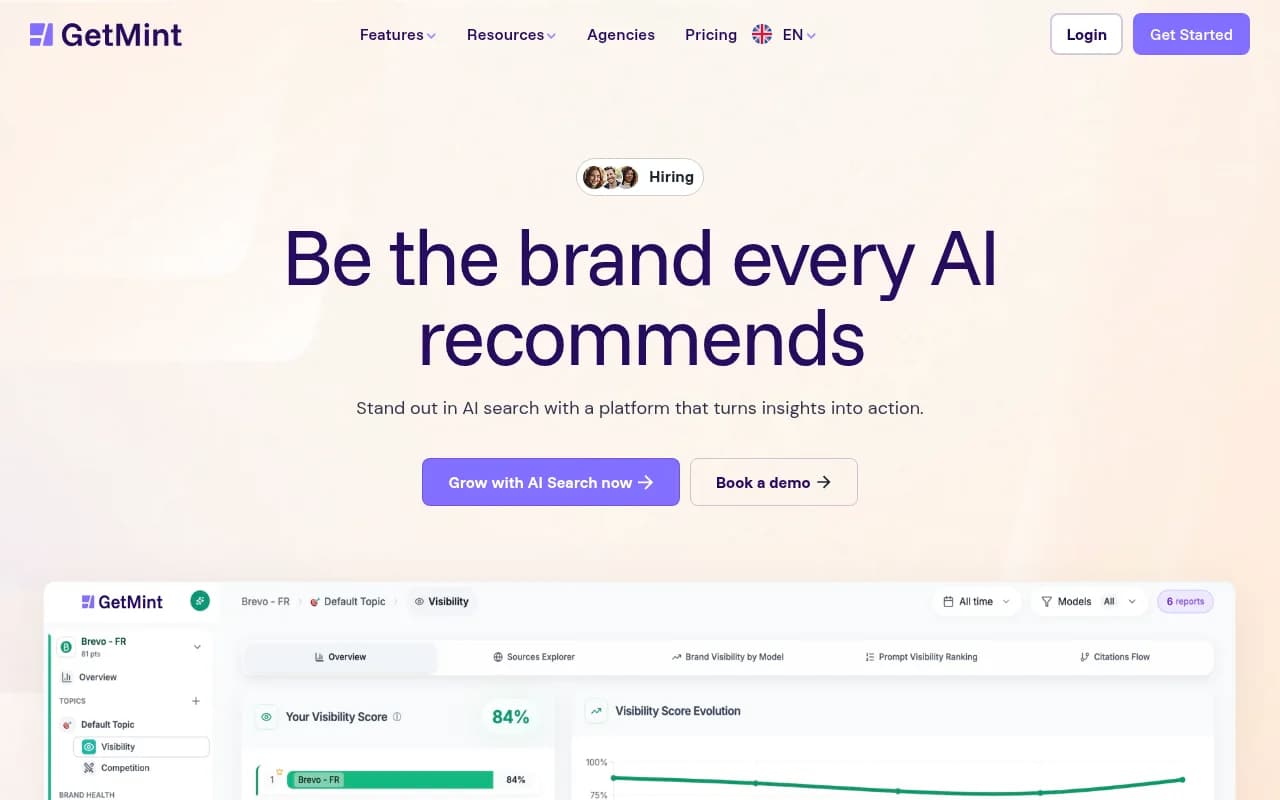
GetMint's central feature is a real-time visibility dashboard that tracks how often your brand appears in AI-generated responses across ChatGPT, Claude, Gemini, Google AI Overview, and Perplexity. You get a visibility score that benchmarks your presence against competitors, which gives you a quick read on whether you're gaining or losing ground.
The dashboard is reportedly easy to use -- multiple reviewers have described the interface as approachable compared to denser enterprise tools. That matters for marketing teams who don't want to spend a week learning a new platform before they can pull a single report.
Sentiment and citation tracking
Beyond raw mention counts, GetMint tracks the sentiment of AI responses when your brand comes up. Is ChatGPT recommending you positively, neutrally, or with caveats? This is genuinely useful data. A brand that gets mentioned frequently but always with a "though some users report..." qualifier has a different problem than a brand that simply isn't mentioned at all.
Citation tracking shows which sources AI models are pulling from when they discuss your brand or category. This helps you understand where the AI's "opinion" of you is being formed -- whether that's your own content, third-party reviews, or competitor comparisons.
Competitive intelligence
GetMint includes competitor tracking so you can see how your AI visibility compares to others in your category. This is table-stakes for any GEO platform in 2026, but the implementation matters. A good competitive view shows you not just who's ahead, but which specific prompts or topics they're winning on -- and why.
Action plans and optimization recommendations
GetMint claims to provide "high-impact action plans and easy-to-use implementation tools with progress tracking metrics." This is where the platform's ambitions outpace what most monitoring-focused tools actually deliver. The question isn't whether GetMint surfaces recommendations -- it's whether those recommendations are specific enough to act on, and whether the platform helps you execute them.
What GetMint does well
The platform's positioning as an accessible, purpose-built GEO tool is its strongest asset. Unlike traditional SEO platforms that have added AI monitoring as an afterthought, GetMint was designed around this problem from the start. That shows in the interface design and the framing of its reports.
For smaller brands or teams just starting to think about AI visibility, GetMint offers a relatively low-friction entry point. You're not buying an enterprise contract to find out whether AI models even mention you in your category.
The sentiment analysis is a genuine differentiator. Most monitoring tools tell you whether you appear; GetMint tries to tell you how you appear. That's a more useful question for brand managers.
Real limitations to know before signing up
Thin public review record
This is the most significant caveat in this review. As of mid-2026, GetMint's G2 profile shows zero verified reviews. The platform's own resources site (getmint.ai/resources) hosts content about GEO broadly -- including reviews of competitors like Profound, AthenaHQ, and Scrunch -- but independent third-party validation of GetMint itself is sparse.
That's not necessarily a red flag for a newer platform, but it does mean you're taking the product's self-reported capabilities at face value. There's no pool of real user experiences to cross-reference.
Monitoring without execution
GetMint's core loop is: monitor your visibility, understand where you're missing, get recommendations. What it doesn't appear to offer is built-in content generation or a workflow that takes you from "here's the gap" to "here's the content that fills it."
For teams that need to act on visibility data -- not just observe it -- this is a real limitation. Knowing that ChatGPT doesn't cite you for "best project management tools for remote teams" is useful. Having a tool that then helps you create and optimize content to fix that gap is more useful.
Unclear prompt volume and difficulty data
One of the more valuable things a GEO platform can tell you is which prompts are worth targeting -- how many people are asking a given question, and how competitive the AI response landscape is for that topic. It's not clear from available information whether GetMint provides this kind of prompt intelligence, or whether it tracks query fan-outs (how a single prompt branches into sub-queries).
Limited model coverage details
GetMint mentions coverage of ChatGPT, Claude, Gemini, Google AI Overview, and Perplexity. Whether it also covers Grok, DeepSeek, Meta AI, Copilot, or Mistral isn't clearly documented in public-facing materials. For brands with global audiences or specific model preferences, this matters.
Pricing
GetMint's pricing isn't fully transparent in public documentation, which is itself a minor friction point. The platform appears to offer tiered plans based on the number of brands, prompts, and features included, but you'll likely need to contact them or start a trial to get specific numbers.
This is common in the GEO space -- many platforms price based on prompt volume and brand count, which varies enough by use case that a fixed public price list can be misleading. Still, the lack of a clear pricing page makes it harder to do a quick budget check before investing time in a demo.
How GetMint compares to alternatives
The GEO platform market has grown quickly. Here's how GetMint stacks up against the main alternatives across the dimensions that matter most:
| Platform | Monitoring | Content generation | Crawler logs | Prompt volume data | Reddit/YouTube tracking | Public reviews |
|---|---|---|---|---|---|---|
| GetMint | Yes | Partial | Unknown | Unknown | Unknown | 0 (G2) |
| Promptwatch | Yes | Yes (built-in AI writer) | Yes | Yes | Yes | Strong |
| Otterly.AI | Yes | No | No | No | No | Moderate |
| Profound | Yes | No | No | Partial | No | Strong |
| AthenaHQ | Yes | No | No | No | No | Strong (4.9/5 on G2) |
| Peec.ai | Yes | No | No | No | No | Limited |
The pattern here is consistent with the broader GEO market: most platforms are monitoring dashboards. They show you data but leave you to figure out what to do with it. GetMint sits somewhere in the middle -- it claims to offer action plans, but the execution tooling appears limited compared to platforms that have built content generation directly into the workflow.
Promptwatch is the clearest example of a platform that closes the loop. It finds the gaps (Answer Gap Analysis showing which prompts competitors rank for that you don't), generates content to fill them (an AI writing agent trained on 880M+ citations), and then tracks whether that content actually improves your visibility scores. That cycle -- find, fix, track -- is what separates an optimization platform from a monitoring dashboard.

For teams that just want to monitor and are comfortable doing their own content strategy separately, GetMint or Otterly.AI might be sufficient. For teams that need the full workflow in one place, the options narrow quickly.

Who GetMint is best suited for
GetMint makes the most sense for:
- Marketing teams that are new to GEO and want an accessible starting point without a steep learning curve
- Brands in competitive categories that want to understand sentiment patterns in AI responses, not just mention counts
- Teams that have a separate content production workflow and just need the monitoring layer
It's probably not the right fit for:
- Agencies managing multiple client brands who need robust multi-site tracking and reporting
- Enterprise teams that need deep prompt intelligence, crawler logs, or traffic attribution
- Anyone who needs to move fast from "we're invisible in AI search" to "we're publishing content that fixes it"
The "MintAI" confusion worth noting
A quick note: there's a separate product called "MintAI" that creates YouTube videos and Instagram content from keywords. It has nothing to do with GetMint.ai or GEO. YouTube reviews with titles like "MintAI Review: What You MUST Know Before You Sign Up?" are reviewing a completely different tool aimed at affiliate marketers and content creators. If you've landed on one of those videos while researching GetMint.ai, you can safely ignore it -- they're not the same product.
Alternatives worth evaluating
If GetMint's limitations give you pause, here are a few other platforms worth looking at depending on your specific needs:
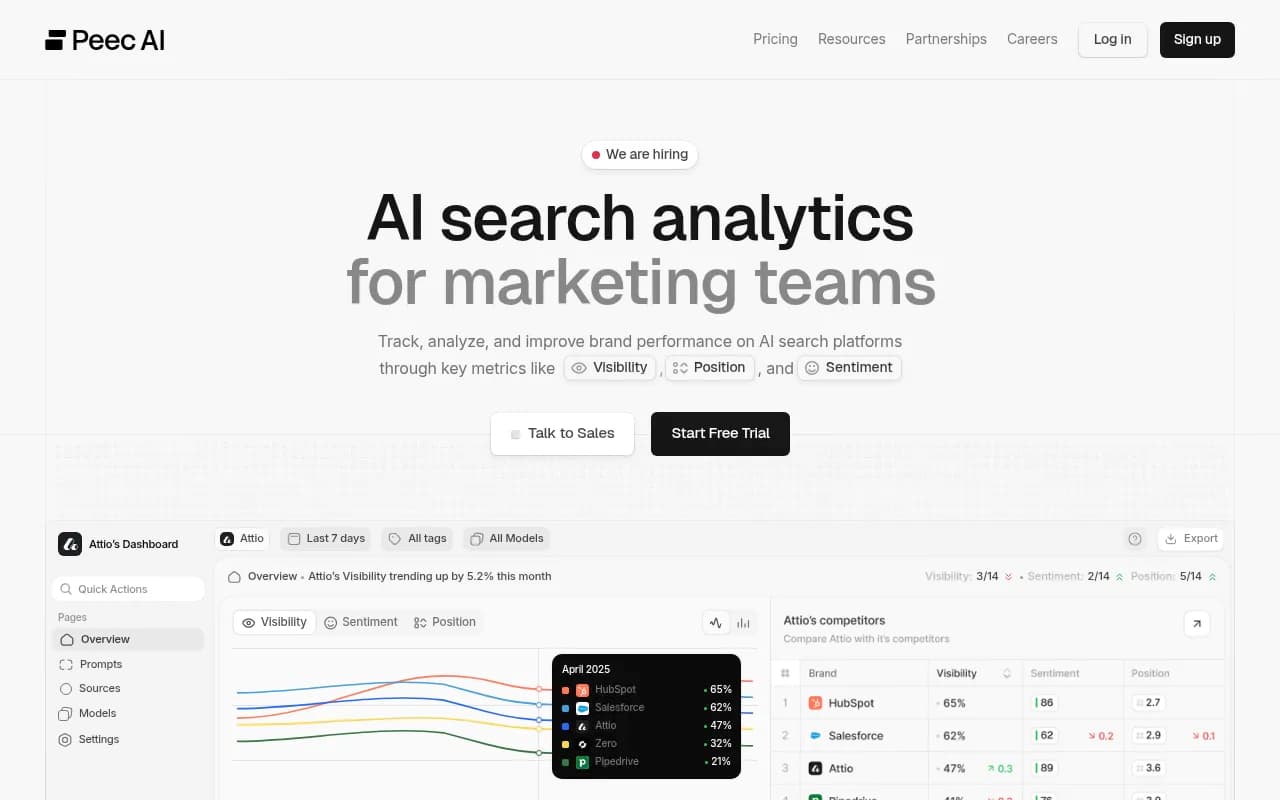
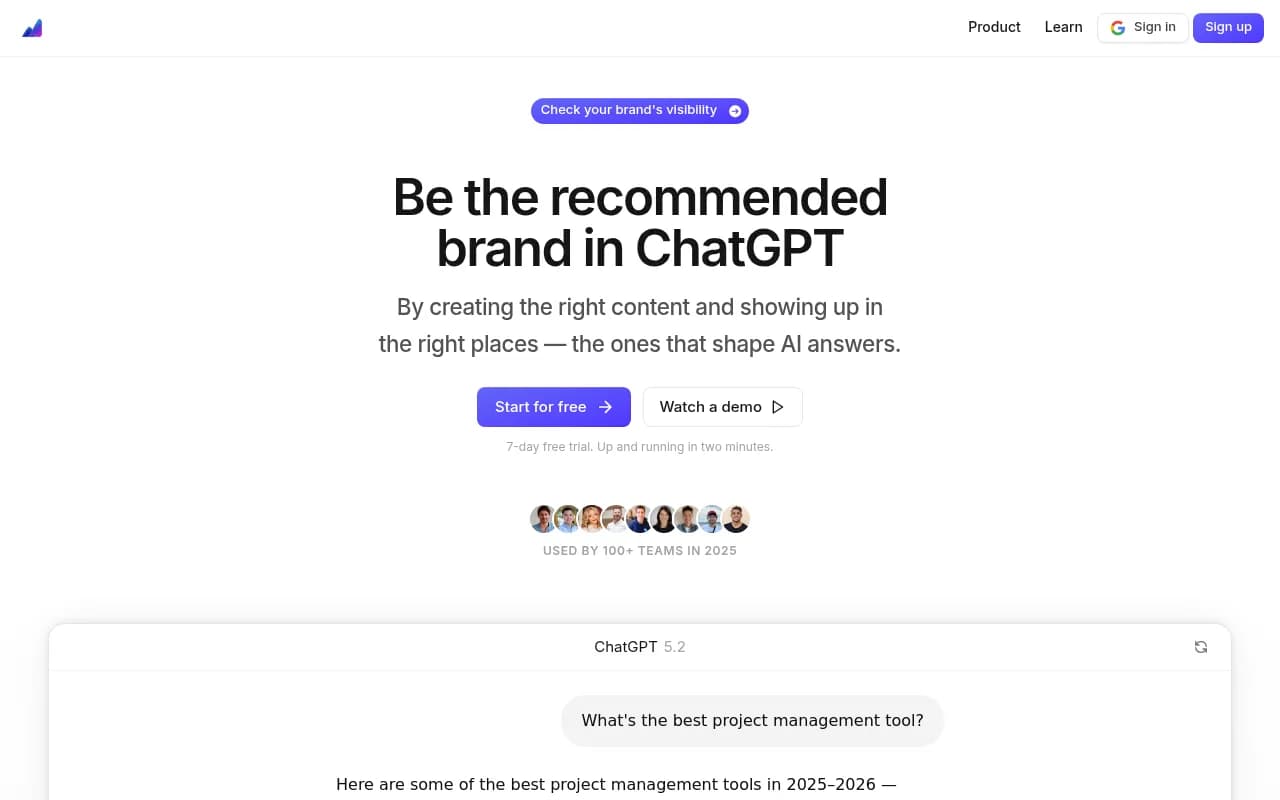
For monitoring-first teams on a budget:
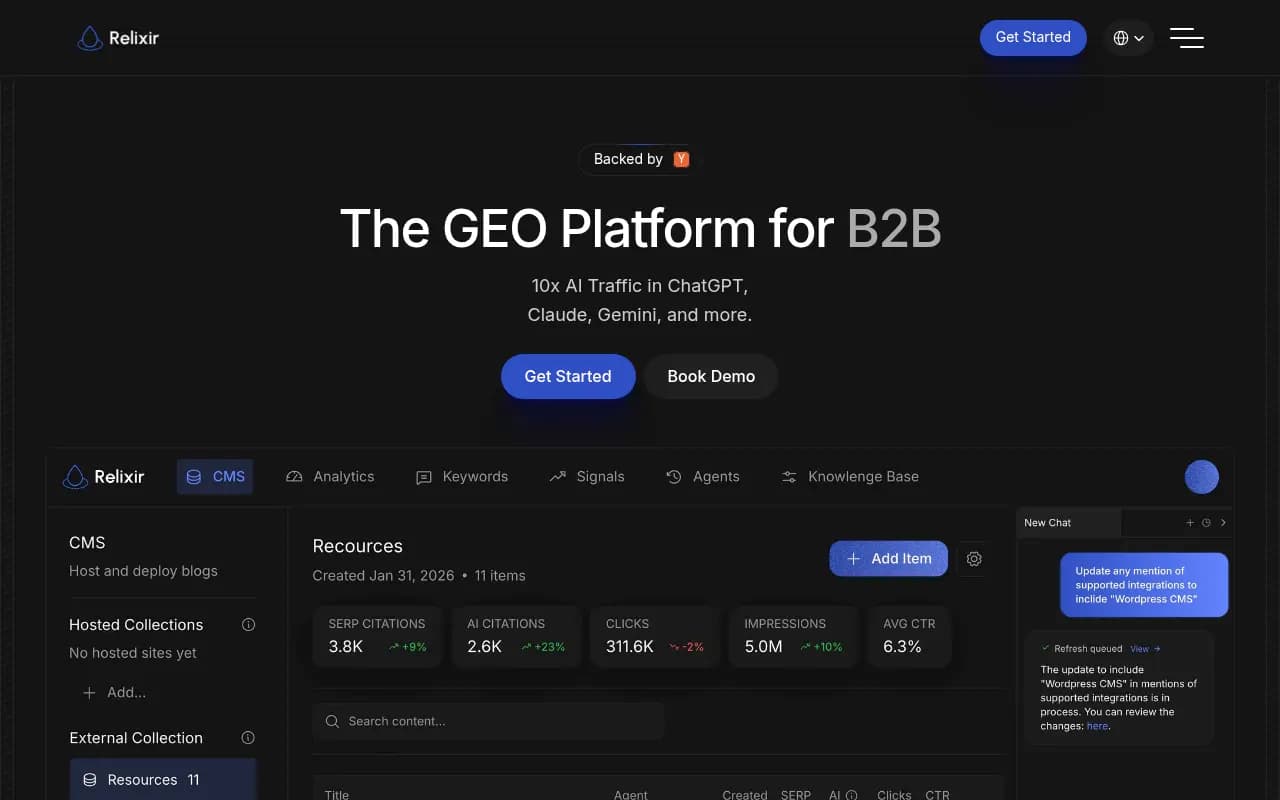
For teams that need both tracking and content optimization:
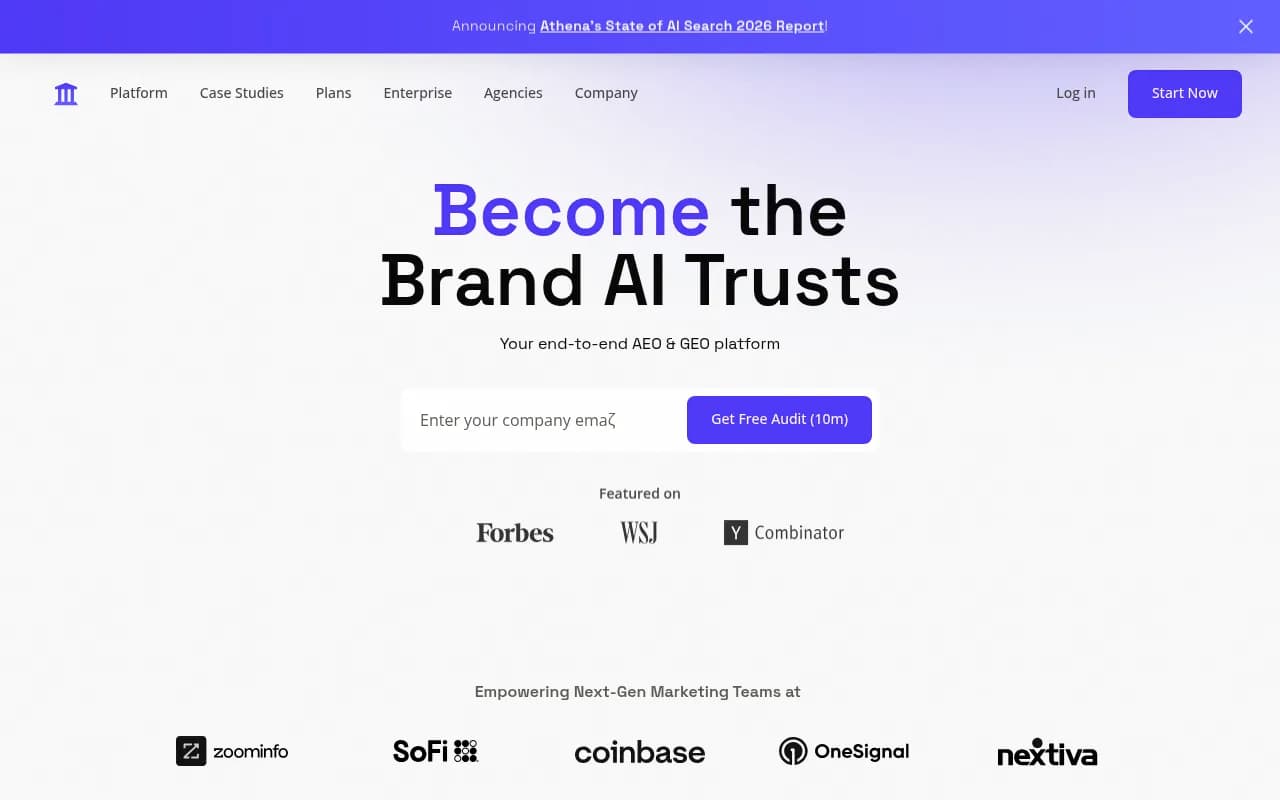
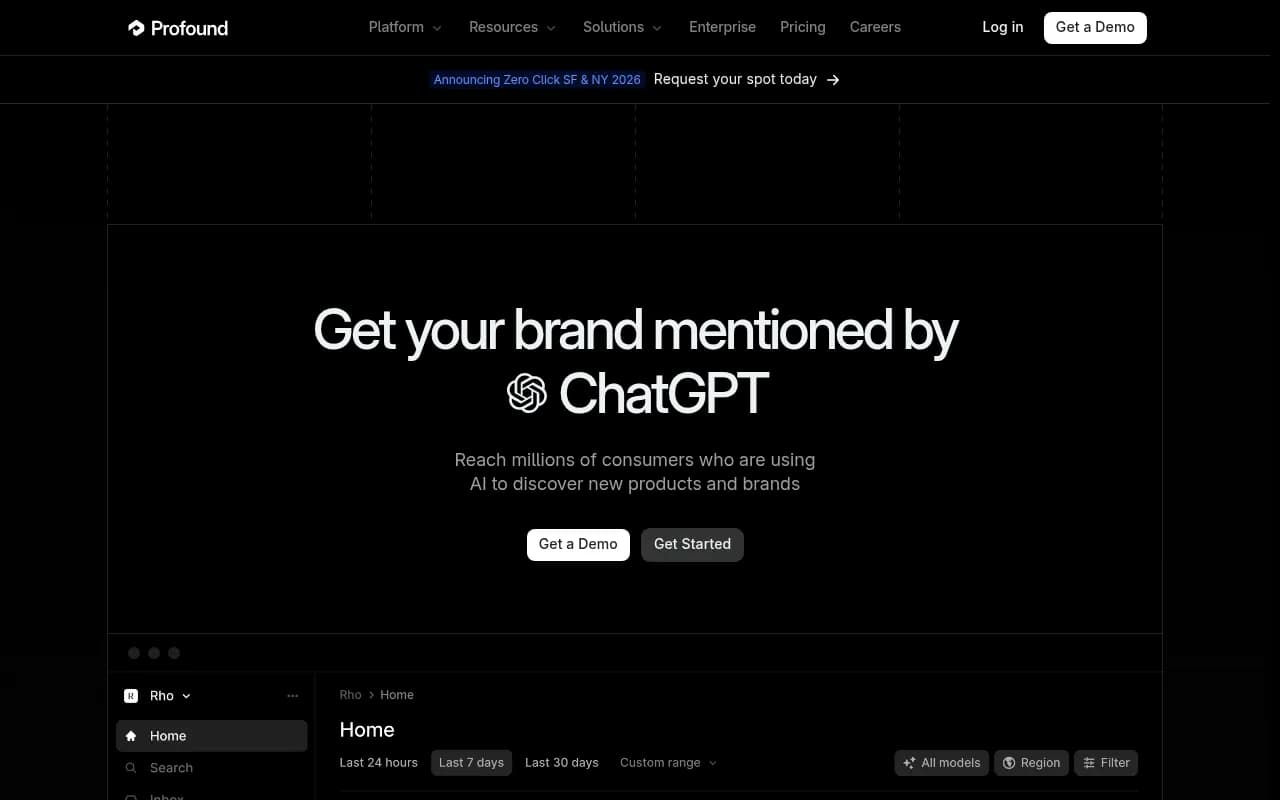
For enterprise teams with revenue attribution requirements:
Final verdict
GetMint.ai is a legitimate GEO platform with a clear focus and a reasonably accessible interface. Its sentiment analysis and competitive visibility tracking are genuine strengths. The early-mover positioning in dedicated GEO monitoring is real.
But the lack of independent reviews makes it hard to verify how well the platform performs in practice, and the monitoring-first model leaves a gap for teams that need to act on what they find. If you're evaluating GEO tools in 2026, GetMint is worth a trial -- especially if you want a purpose-built tool rather than an SEO platform with AI monitoring bolted on.
Just go in knowing what it is: a visibility tracker with some optimization guidance, not a full-cycle optimization platform. If you need the latter, the comparison table above points you toward where to look next.